1-2-3 Medium Bird Jubilee – #19


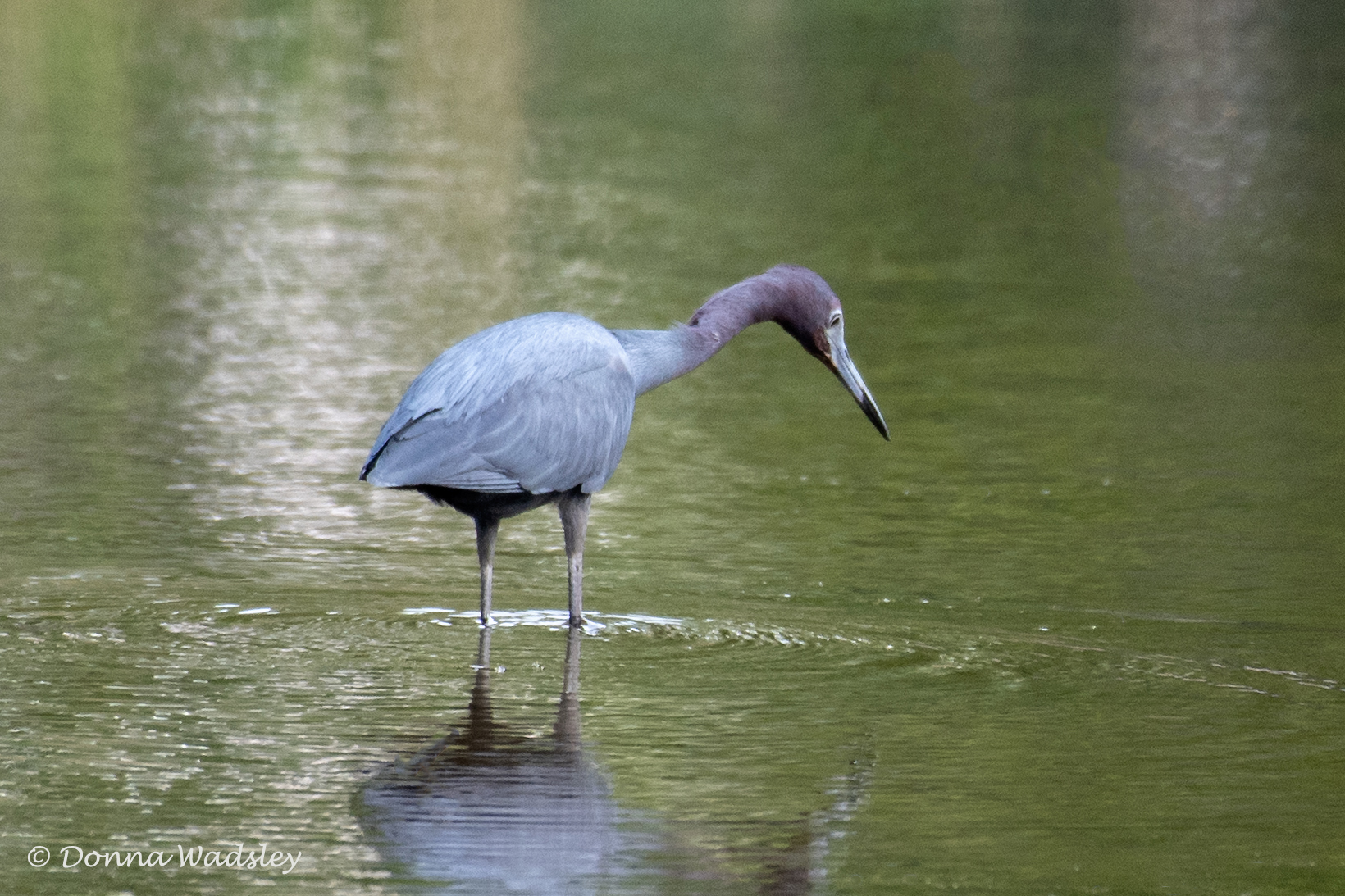
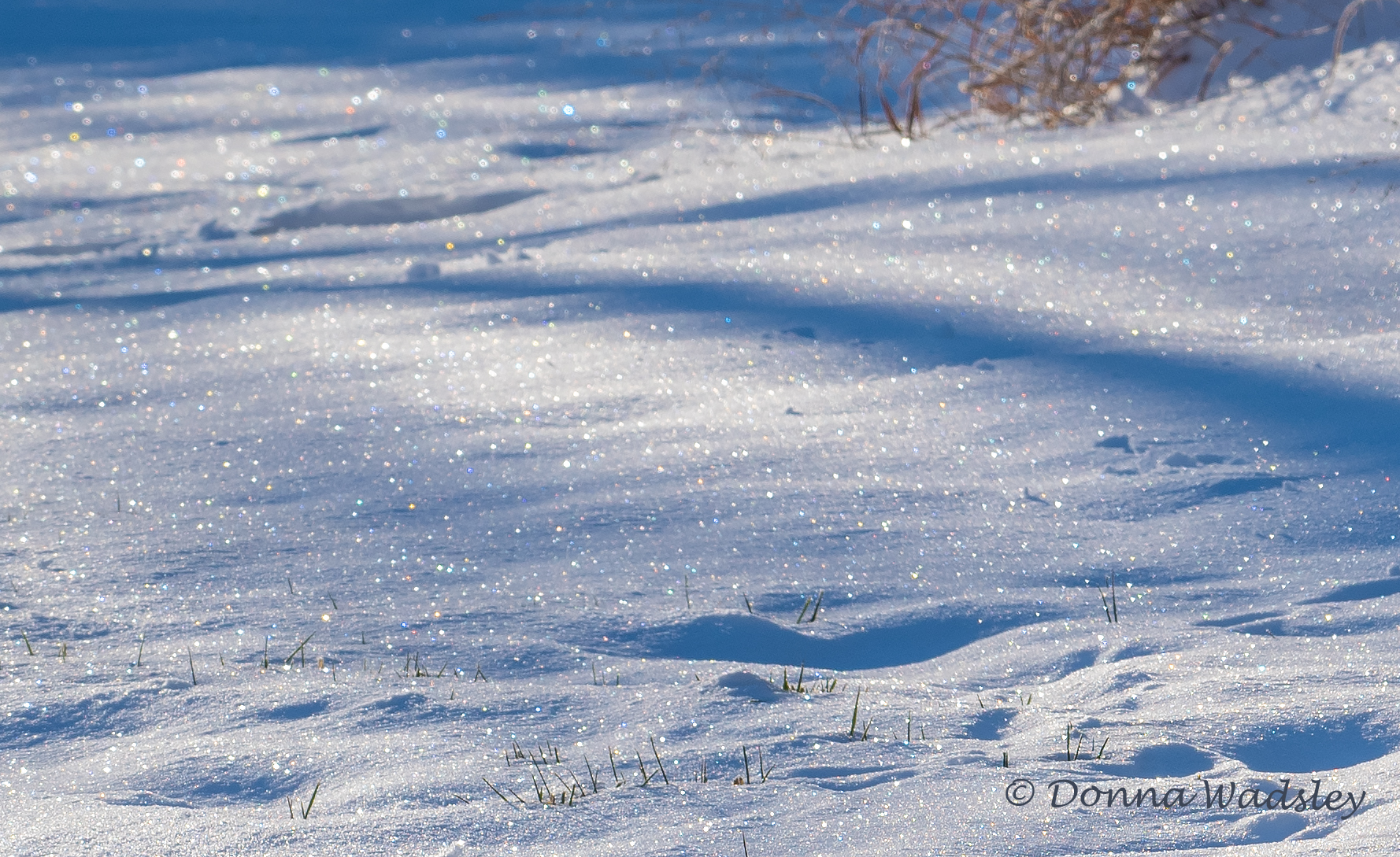
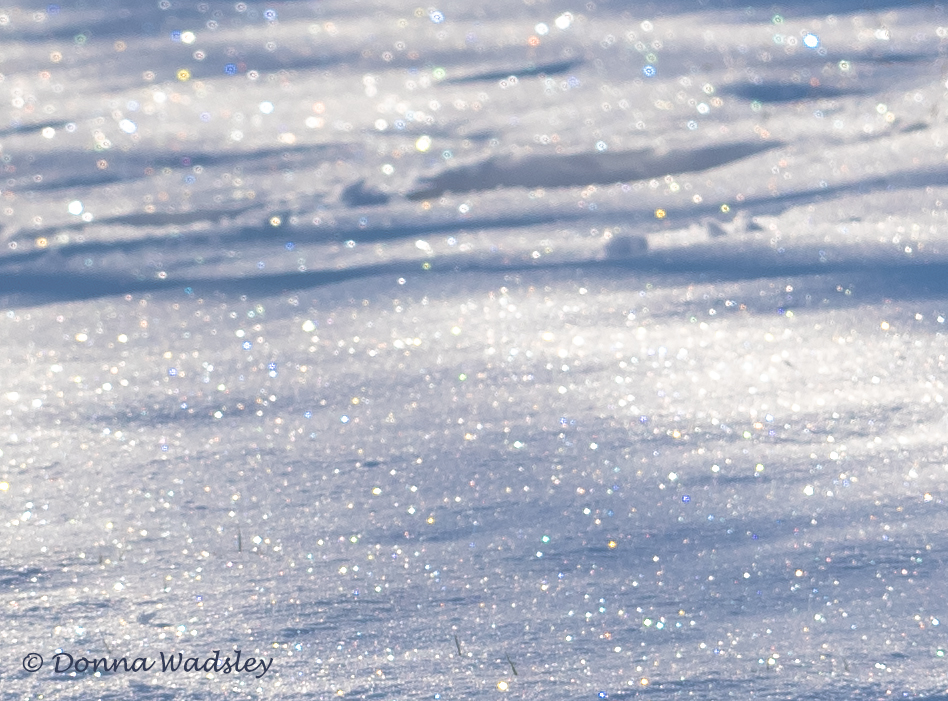
I’ve got the winter blues to share with you!


Blue Jay
Length 9.8-11.8 inches (25-30 cm)
Weight 2.5-3.5 oz (70-100 g)
Wingspan 13.4-16.9 inches (34-43 cm)


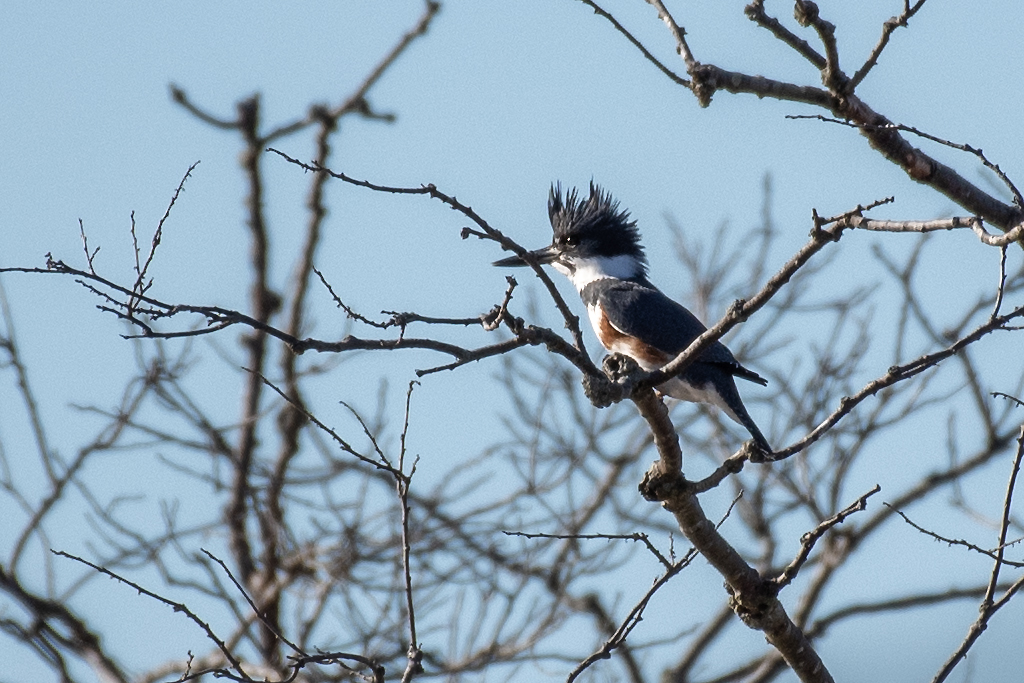
Belted Kingfisher (female)
Length 11.0-13.8 inches (28-35 cm)
Weight 4.9-6.0 oz (140-170 g)
Wingspan 18.9-22.8 inches (48-58 cm)


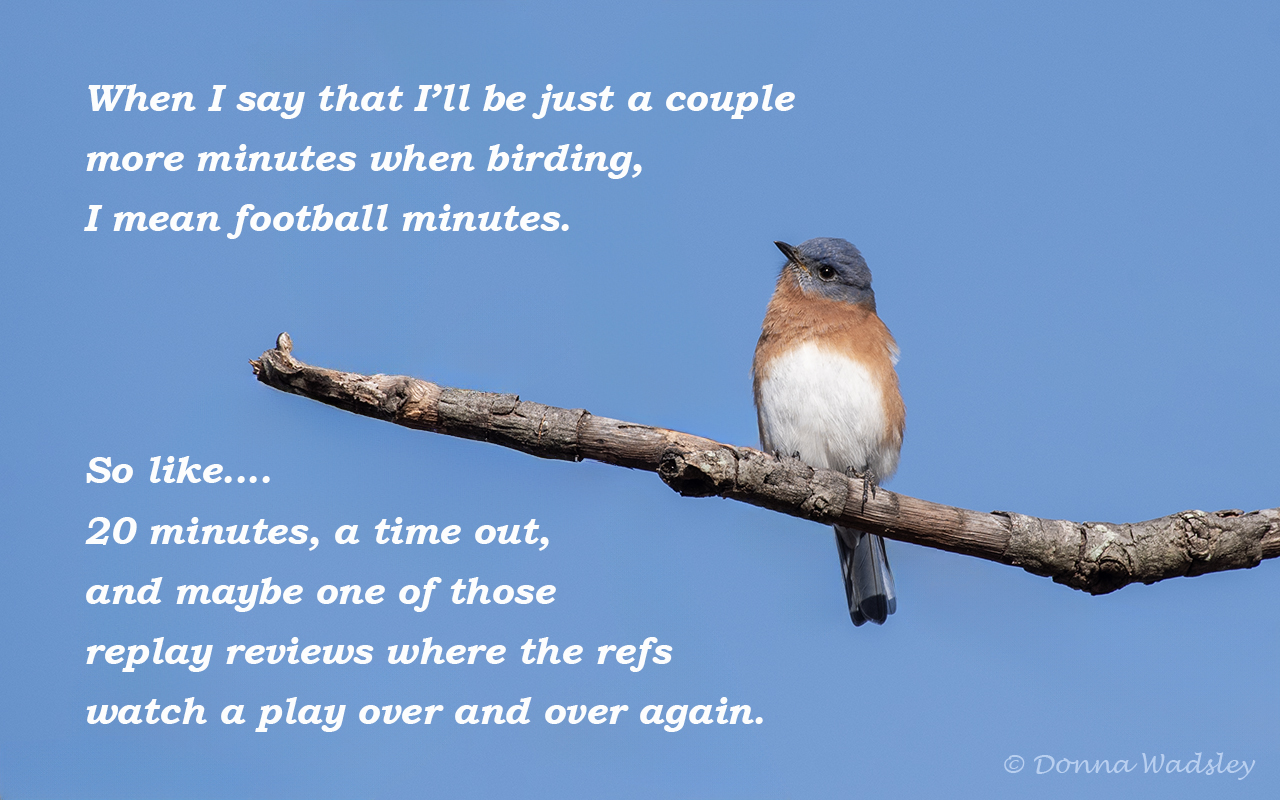
Eastern Bluebird (male)
Length 6.3-8.3 inches (16-21 cm)
Weight 1.0-1.1 oz (28-32 g)
Wingspan 9.8-12.6 inches (25-32 cm)


I Brake For Tundra Swans


I actually brake for a lot of birds 😏 and yes, most definitely for Tundra Swans!

In my to/fro travels across farm land regions, I am always on the look-out for them.


Tundra Swan, Canada Geese, Ruddy Ducks, American Black Ducks, Northern Pintails, and a Mallard


These huge, elegant birds are a real treat to see around the Chesapeake Bay region when they come to winter from their Arctic breeding grounds.


Parents and a youngster

Their size:
Length:  47.2-57.9 inches (120-147 cm)
Weight:  8-23 lbs (3800-10500 g)
Wingspan:  5.5 ft (168 cm)


Tundra Swans form permanent pair bonds by the time they are 2-3 years old and remain together year-round for life.


Pure white clean in all that mud!


Last week at sunrise, I lucked again with a large flock surrounding a farm pond where they probably spent the night.


Tundra Swans on a farm pond littered with swan feathers from preening all night


A tiny female Bufflehead is in the far right top corner of the pond, staying safe in with these big protectors!


The sun started breaking through the light fog as I started to leave so I shot a couple more to see the scene lighten up.


The grayish/darker swans are the immatures born during last year’s breeding season.  They travel with their parents during migration and will return with them back to the Arctic tundra.


In just a few weeks, these beauties will be leaving us to head back home.


I will definitely miss them when they go!


1-2-3 Birds and Berries – #12


The berries that are ripe for eating are disappearing fast!  I’ve got lots of birds but being at the right place at the right time, even getting a photo with a berry in the shot hasn’t been easy. 😏

But I do love the two bird species captured in the past week making the cut, and I think you will too.  There seems to be a lot of red in these photos….


White-throated Sparrow
(migrated here for the winter from Canada or the most upper northeast region of the U.S.)


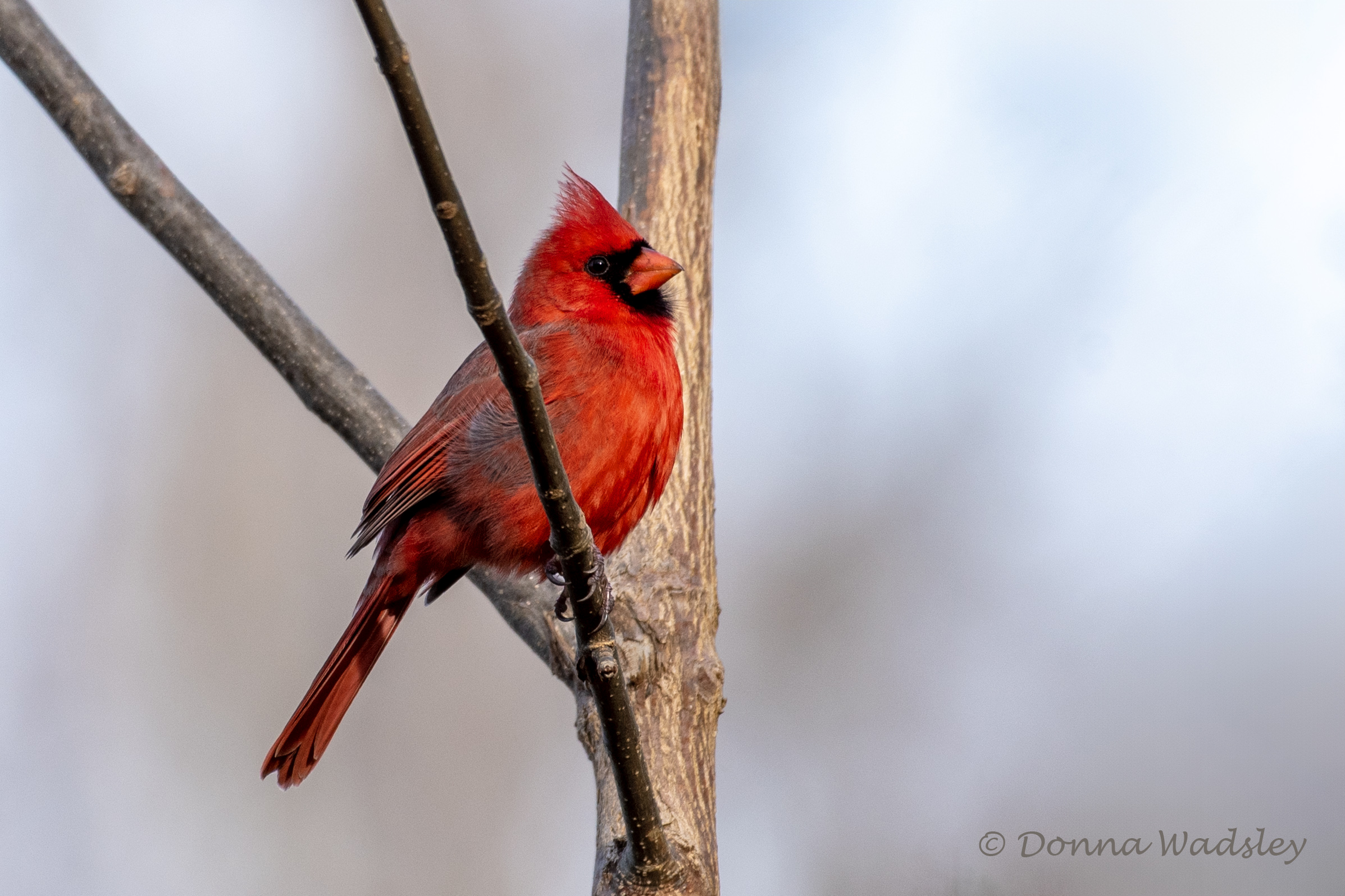
I was so lucky this past week with a most cooperative male Northern Cardinal enjoying a berry-licious meal.


Northern Cardinal (male)
(a year-round resident in my backyard)


With all that red, could it be a special day?

Of course!
Happy Valentine’s Day!


Five On The Wire – #15


Another five birds, taking in those great 360-degree views from a wire perch!


Belted Kingfisher (male)


European Starling


House Sparrow (male)


Eastern Bluebird (male)


Red-shouldered Hawk (immature)
This one featured in flight at Blackwater NWR two posts ago here


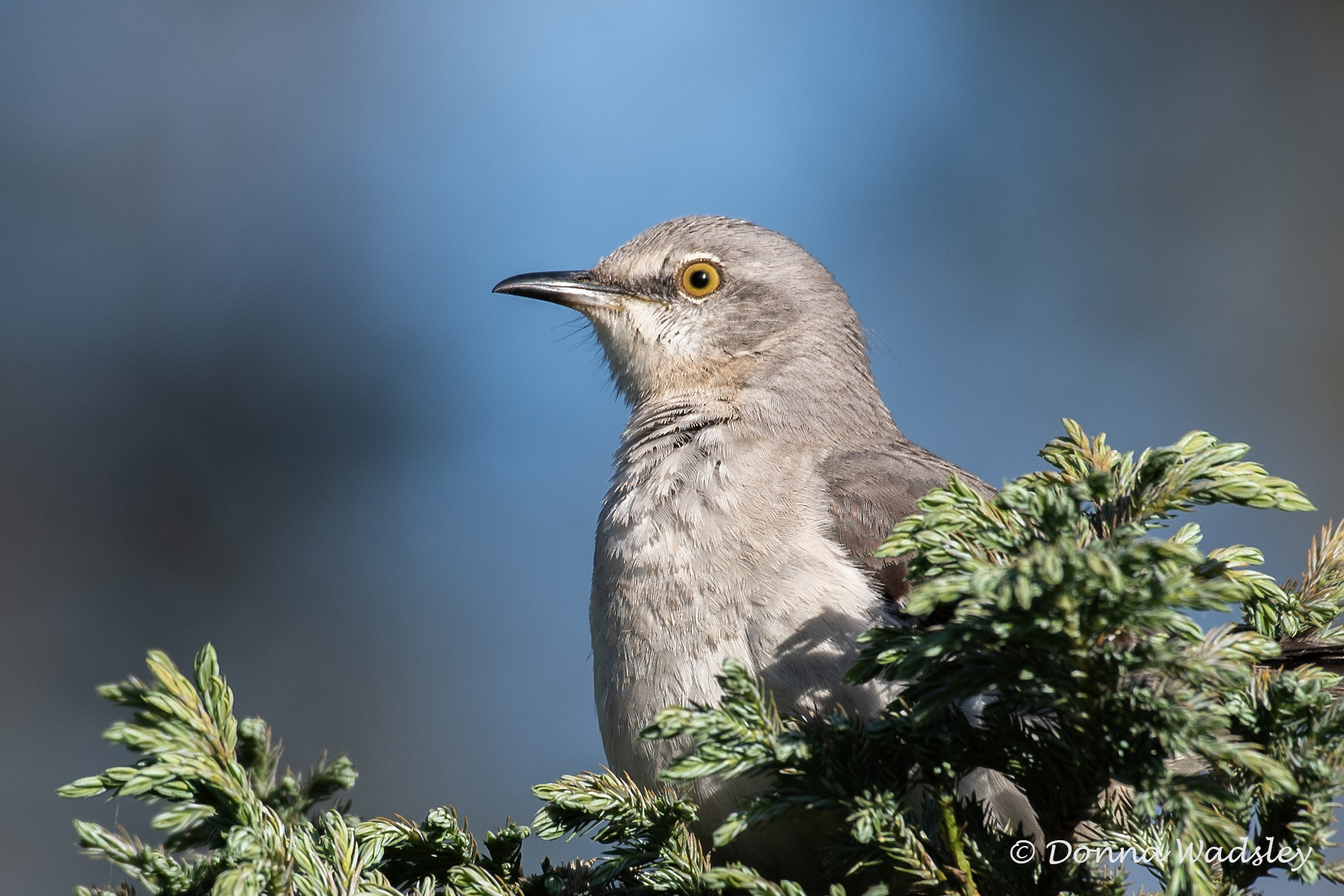
Mockingbird and Flicker


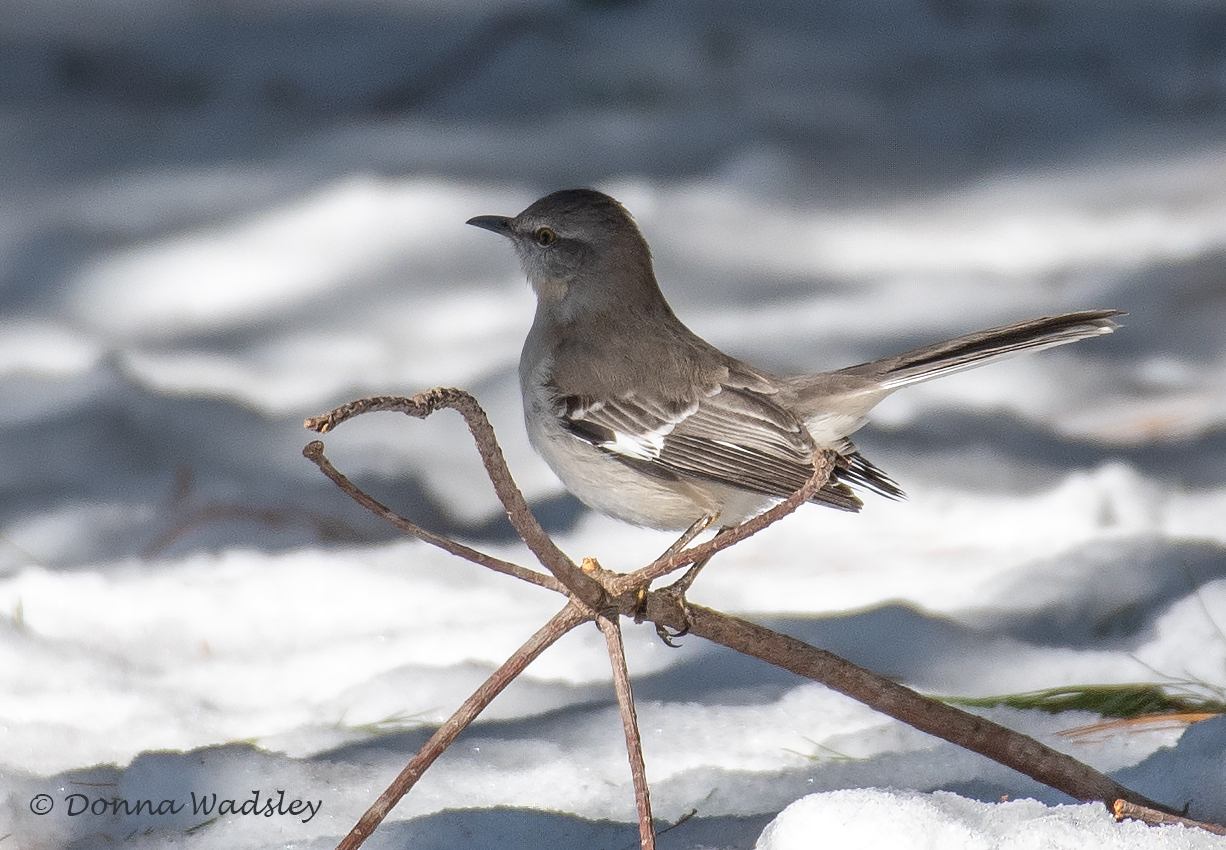
Northern Mockingbirds quietly control their territories with quick follows, fly-bys, and maybe even swipes at others, to persuade someone to move along if you don’t belong.  You may have noticed a mockingbird following you around during a walk, or appear to always be one step ahead of you on a perch.  Yep, it’s keeping an eye on you!

A Northern Flicker landed on a snag, surely not realizing someone considered that snag private property.

Oh, but my backyard Northern Mockingbird did….


Mockingbird suggesting a male Northern Flicker move along


Flicker unpersuaded by the Mockingbird’s attempt


“Well, that was rude….”


1-2-3 Birds and Berries – #11


As you’ll see, the native berry buffet around me is quickly disappearing, which means there have been some very happy, well-fed birds!


Cedar Waxwing


Yellow-rumped Warbler


Cedar Waxwing


American Robin


Cedar Waxwing


Carolina Chickadee


Berry-licious!


My neighbor’s holly trees are beautiful right now, full of bright red berries.  I’ve got my eye on them as they continue to ripen for another buffet consumption by some lucky birds in a few weeks!


Another Visit to Blackwater NWR – Part 2


Continuing with Part 2 of the birds I captured at Blackwater National Wildlife Refuge a couple weeks ago.


Great Blue Heron


Great Blue Heron


Northern Cardinal (male)


Downy Woodpecker (male)


This next warbler was an exciting photograph for my file.  It’d been seen before in weeks prior, including by myself, so I knew where to try to find it again if it was still at the refuge at that location.  Sure enough, the Orange-crowned Warbler popped out and played ‘catch me if you can’ before disappearing again.  But this time! Yay! I got a photo!!


Orange-crowned Warbler
(this warbler usually goes further south in migration
to the southern U.S. states and Central America from Canada)


Carolina Wren


In beautiful song!


Of course, I cannot forget the raptors at the refuge.


Red-shouldered Hawk (juvenile)


Coming at you!


(It’s a sure bet you’re gonna see that beauty perched on a wire in my next ‘bird on the wire’ series…..  😉 )

On January 18, 2024, the Blackwater NWR Mid-Winter Eagle Survey was completed.  Forty people were stationed at various locations at the same time for a 30-minute period of counting.

The tally was 174 Bald Eagles present at the refuge.  Numbers are up from the last 4-5 years.  To see the refuge’s full survey and graph showing the numbers since 1980, click here or go to
https://www.fws.gov/media/midwinter-eagle-survey-2024.


Bald Eagles (female, largest, on right)


Bald Eagle (immature)


This next pair of Eagles were perched on the Osprey nest platform that is on a live cam year-round.


The female is perched atop the camera post


Live Cam links at the refuge (cut/paste):

Above Osprey platform – https://www.friendsofblackwater.org/camhtm.html

Abandoned Eagle nest taken over by a Great Horned Owl who today, Jan 30, 2024, laid an egg! –
https://www.friendsofblackwater.org/camhtm2.html  Scroll down that page to Youtube link to see the owl lay the egg.

Waterfowl scenes – https://www.friendsofblackwater.org/waterfowl-cam.html

And my last pair of Eagles that I cropped two ways.  Couldn’t decide which to post, so here you go!


Never a dull moment at this refuge!  It can be hard to leave!


Another Visit to Blackwater NWR – Part 1


Another grand time at Blackwater National Wildlife Refuge in Cambridge, Maryland!

I’ll start this post with photos of the primary winter duck wintering there, the gorgeous Northern Pintail.  The refuge’s official waterfowl survey has shown there’s been anywhere from 1500-2800 counted at a single time on the refuge since December.

I settled in at a nice spot where some had congregated and more began to land.


Northern Pintails landing


They are so pretty!


There were the expected American Black Ducks and Mallards in the mix of Northern Pintails, but it was exciting to spot a Green-winged Teal who had probably gotten separated from its own flock.


A Green-winged Teal (male) seeking refuge with the Northern Pintails


There were still a few Ring-necked Ducks in another pool area still quite a distance from the wildlife drive.


Ring-necked Duck (male)


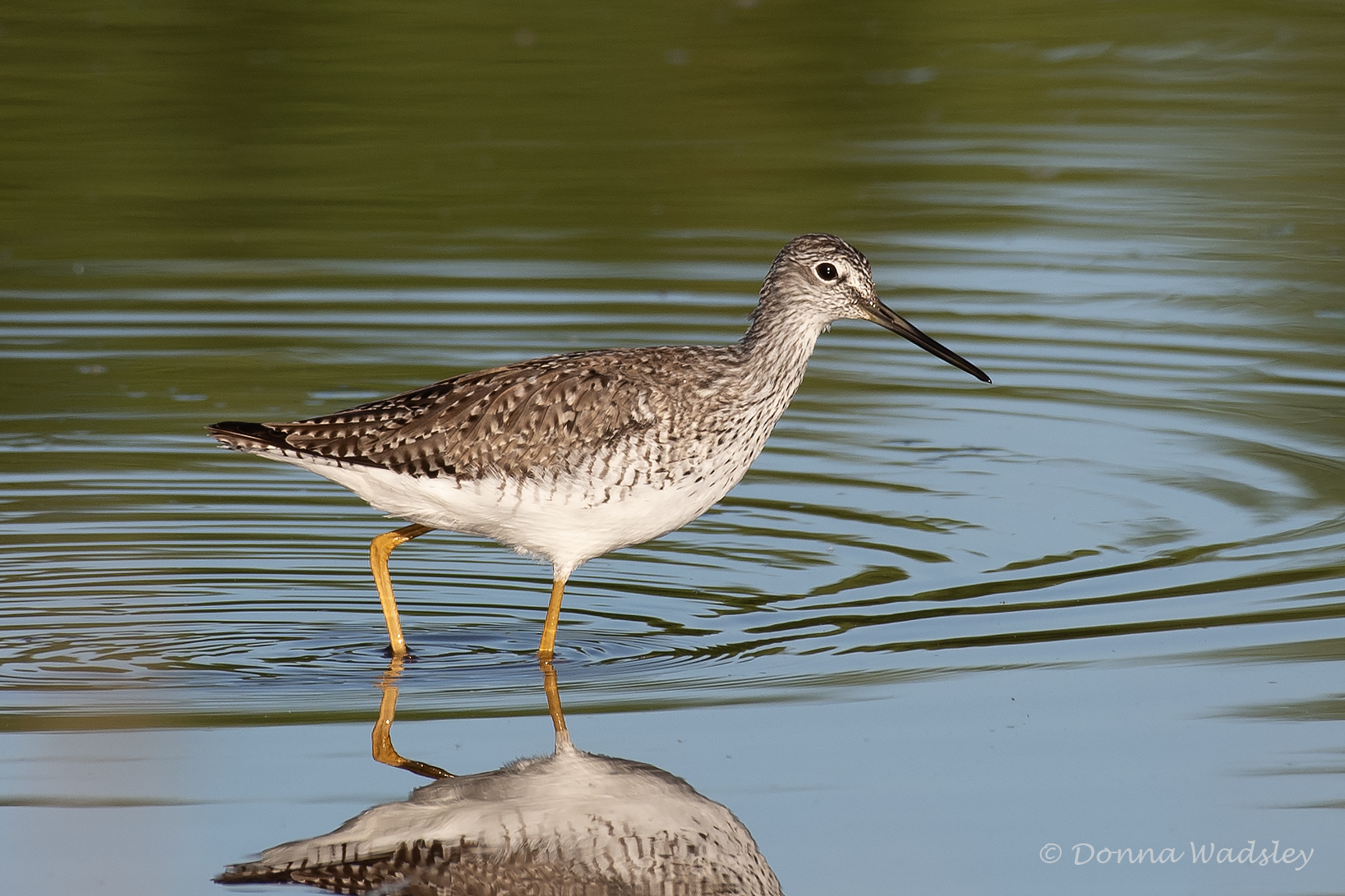
Another bird mixed in with the ducks were yellowlegs.  There were a few of both Greater and Lesser Yellowlegs tiptoeing around.


Greater Yellowlegs


Something in the sky in the distance caught my eye and I was thrilled to see a large flock of American White Pelicans in a thermal, spiraling away from the wildlife drive.  I wasn’t sure if I’d get any shots that I’d surely have to crop, and I did!  I counted 135, wow!


American White Pelicans


American White Pelicans


American White Pelicans in a thermal


Also in the sky, there were four Forster’s Terns hunting over the waters, presumably rare at this time.


Forster’s Tern


With already a slew of shots this post, I’ll end with the beautiful Tundra Swans still gracing the refuge.


Tundra Swans


More to come with “Part 2″…..


More Winter Ducks and a Loon


Black Walnut Point on Tilghman Island is a great location to sit in your car and directly overlook the Chesapeake Bay from a large parking lot.  Having 20-25 mph winds this one day, I knew it’d be difficult to see any ducks but I wanted to check out the waves.


Black Scoter (1st winter)  pops up behind a wave


Far out and constantly diving, there were just a few Black and Surf Scoters.  If there had been no winds, you may see rafts of them. But with today’s direct winds here, most likely they were around the tip and back side of the island and mouth of the Choptank River.


Black Scoters (1st winter)
Migrates from upper Canada and Alaska


Surf Scoter (adult male)
Migrates from upper Canada and Alaska


That was a blurry shot but I wanted to share that gorgeous beak and show comparison to the next shot of a transforming immature Surf Scoter.


Surf Scoter (1st winter male)

Some more winter ducks on other days and locations and, yay. no winds.


Bufflehead
(migrates from Canada)


Northern Shovelers
Migrates from northern U.S. and Canada
Northern Shovelers are monogamous and remain together longer than pairs of most other dabbling ducks


Loons are actually not a duck species but classified in a different line of waterbird.  But they appear here with the winter ducks and when we get to enjoy them.


Common Loon
Migrates from northern U.S. and Canada


One final duck shot, for fun! 🙂


Whee!


Winter Ducks


In downtown Cambridge, Maryland, there are several waterfront parks and street ends that overlook the Choptank River where you can go to view winter ducks.

I swung by the location at the end of Oakley Street to find a raft of mostly nappers.


There were seven duck species from my viewpoint.  Four species were near the water’s edge, so I focused on them to capture their lovely colors and pattern details.


Mallard (male)

Yep, I forgot to photograph the female mallard!

But for these next three ducks, I did capture and am sharing both the male and female for their comparisons.


Lesser Scaup (male)


Lesser Scaup (female)


Lesser Scaup (male)


Canvasback (male)


Canvasback (female)


Canvasback (male)


American Wigeon (male)


American Wigeon (female)


American Wigeon (male)


There were not as many ducks as I’d seen in years’ prior.  Here’s a scene from 2019 to show you another day I visited, wow!


Duckmania at Oakley Street, February 2019


Back to my visit a couple weeks ago, my final photos sharing two happy ducks.


For my friends up in the north U.S. and Canada, you can see they are happy happy here this winter!