
Duck Duck Goose – #6
You know the game, right? Okay, let’s play!
Duck…..
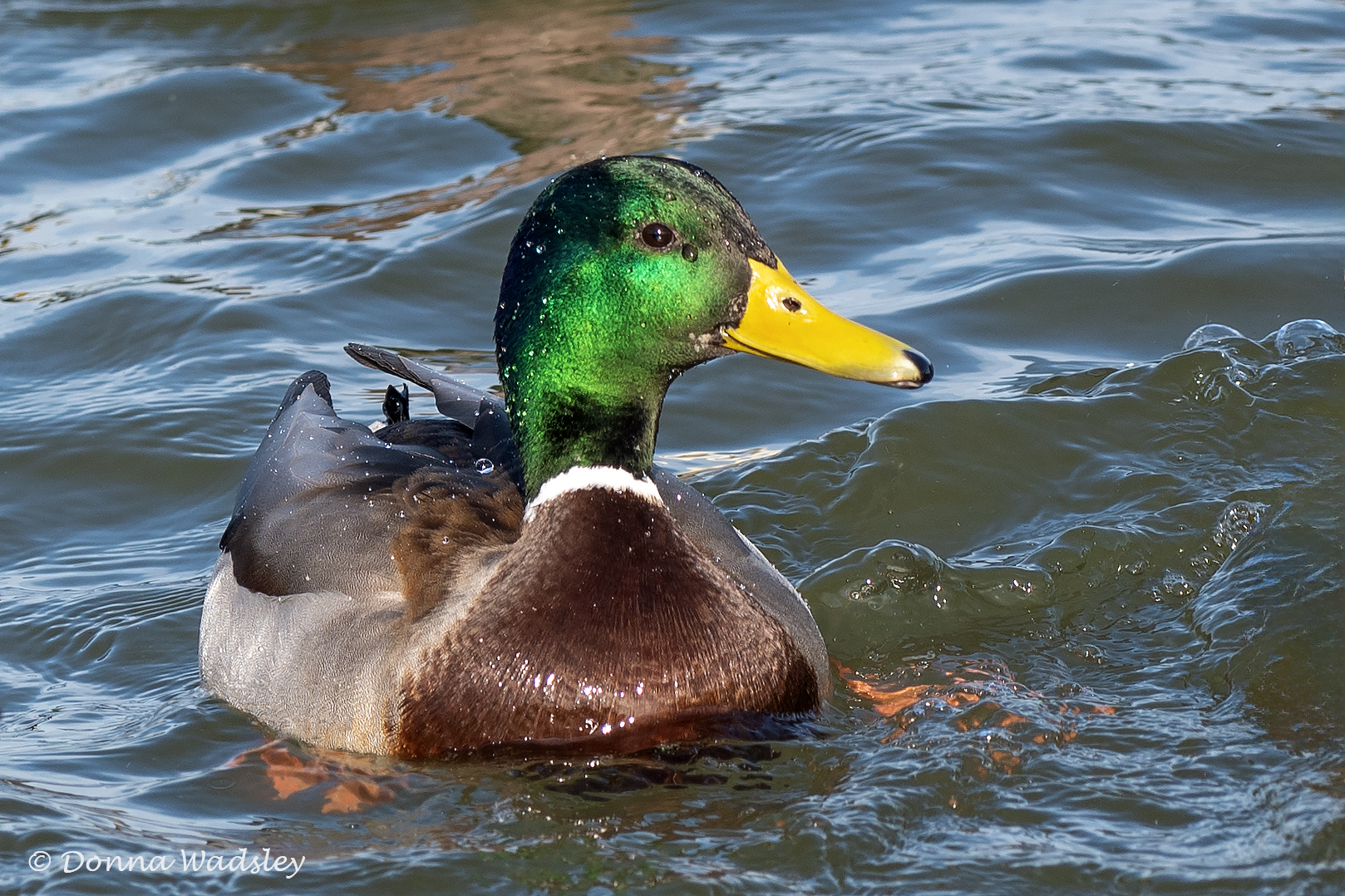
Mallard (male)
Duck…..
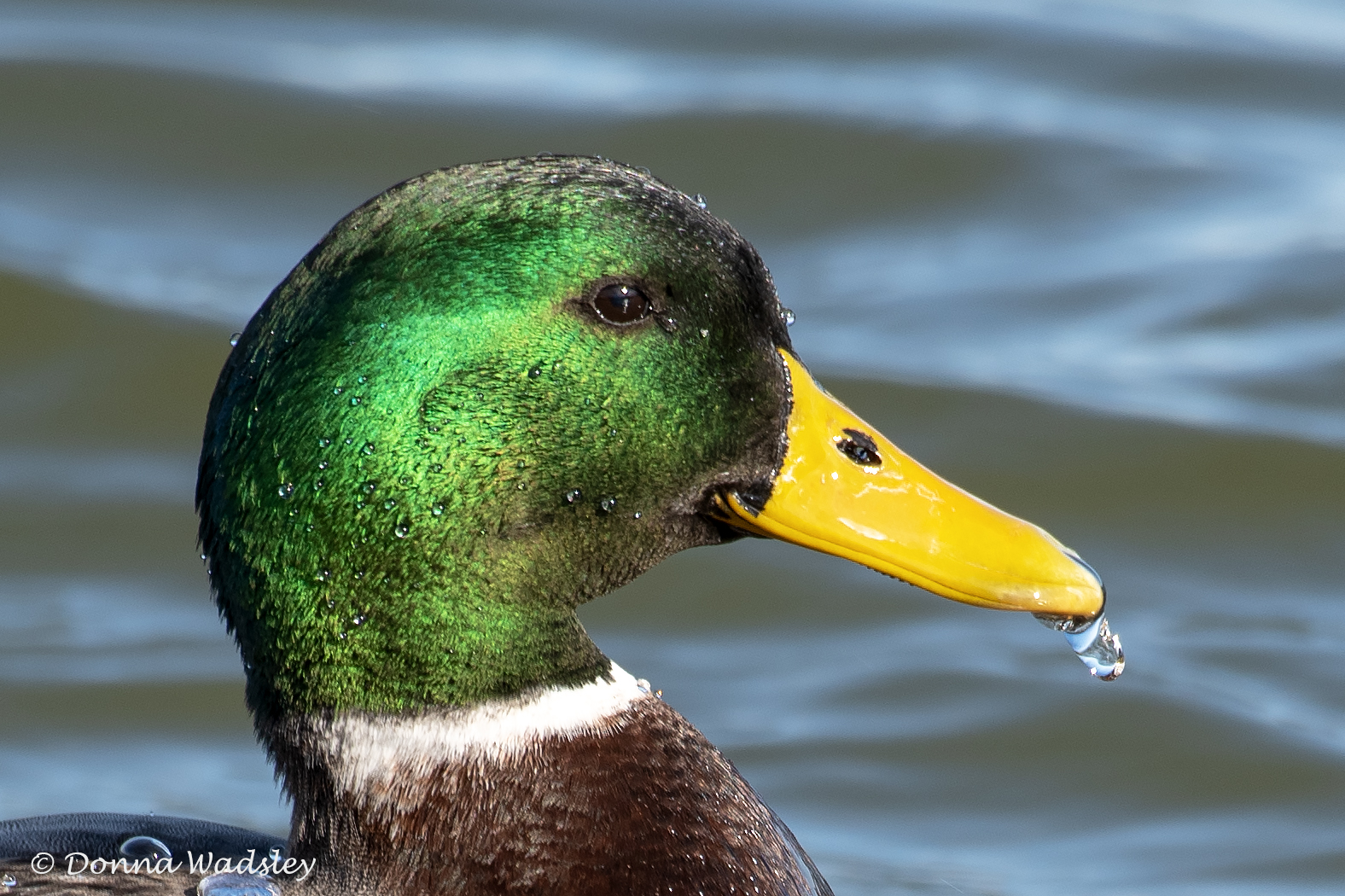
Mallard (male)
Duck…..
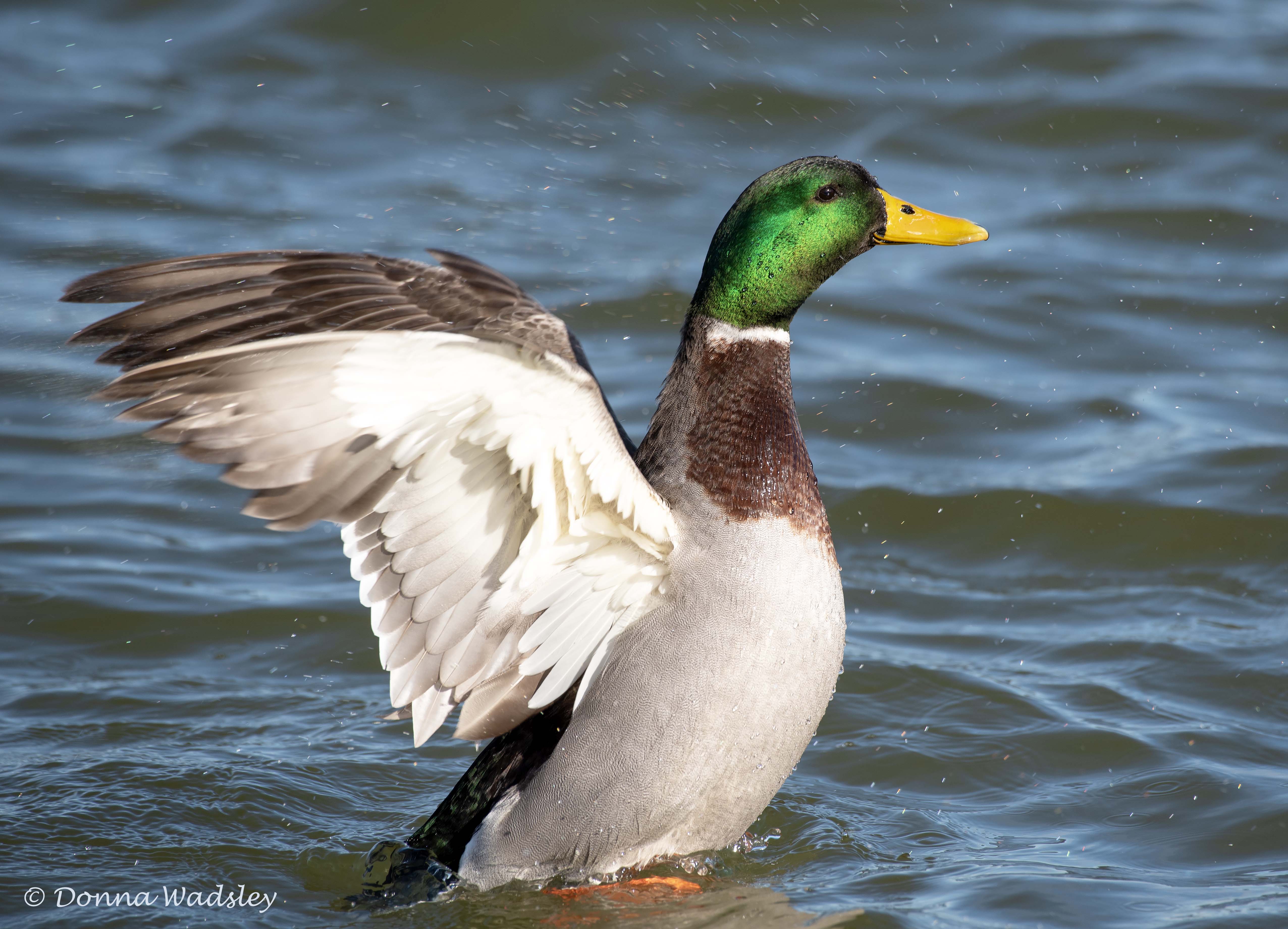
Mallard (male)
Goose!
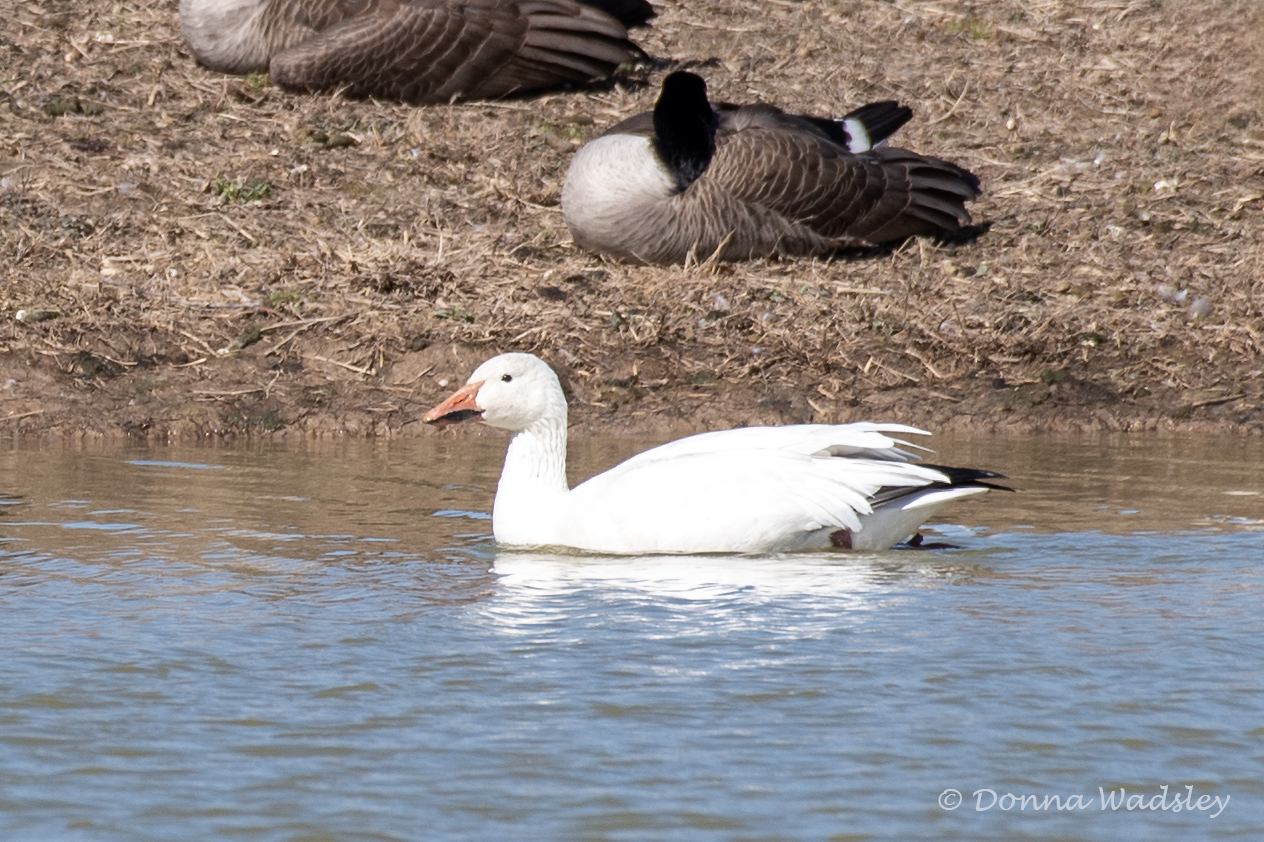
Snow Goose
Duck…..
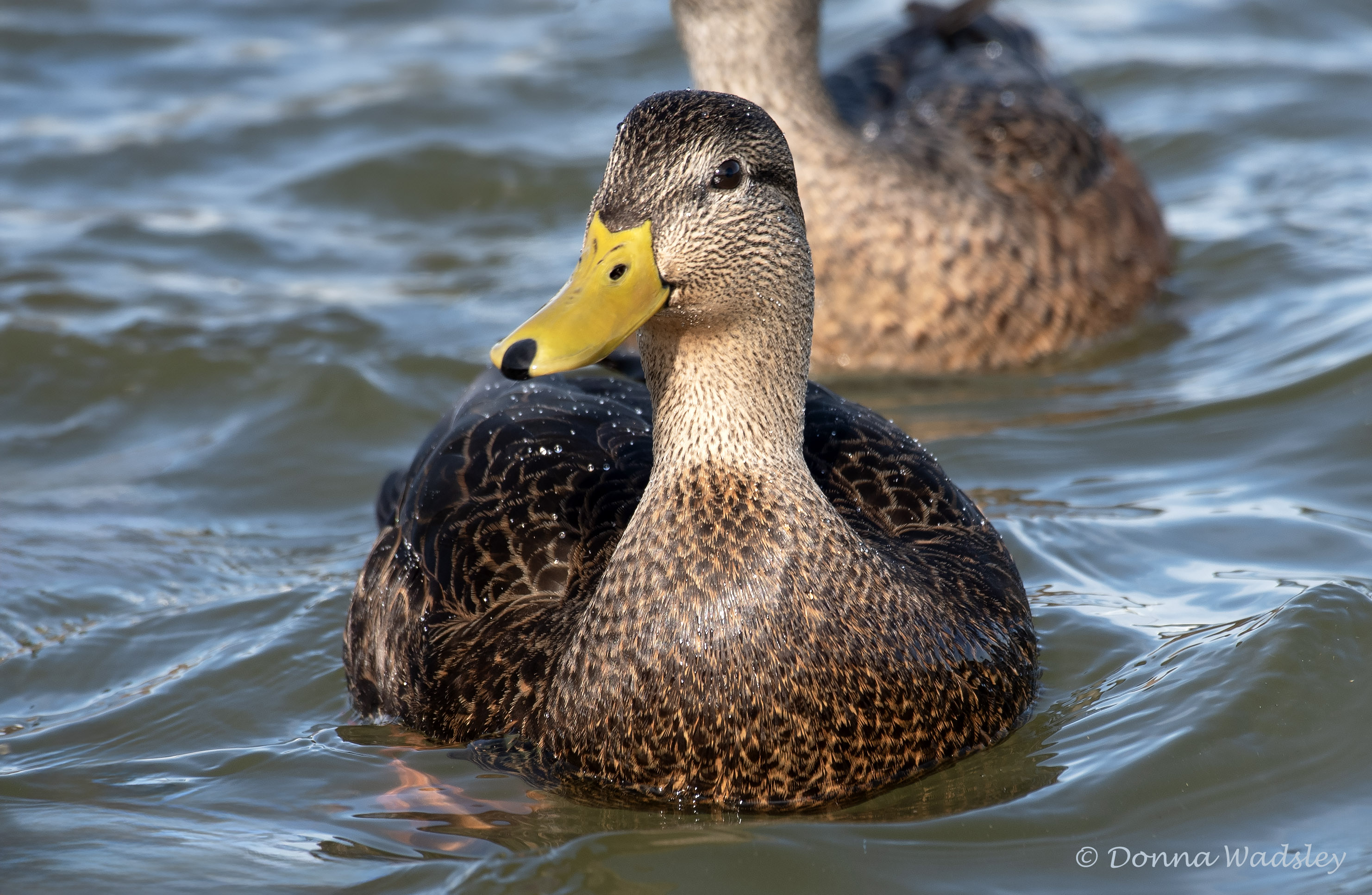
American Black Duck (female)
Goose!
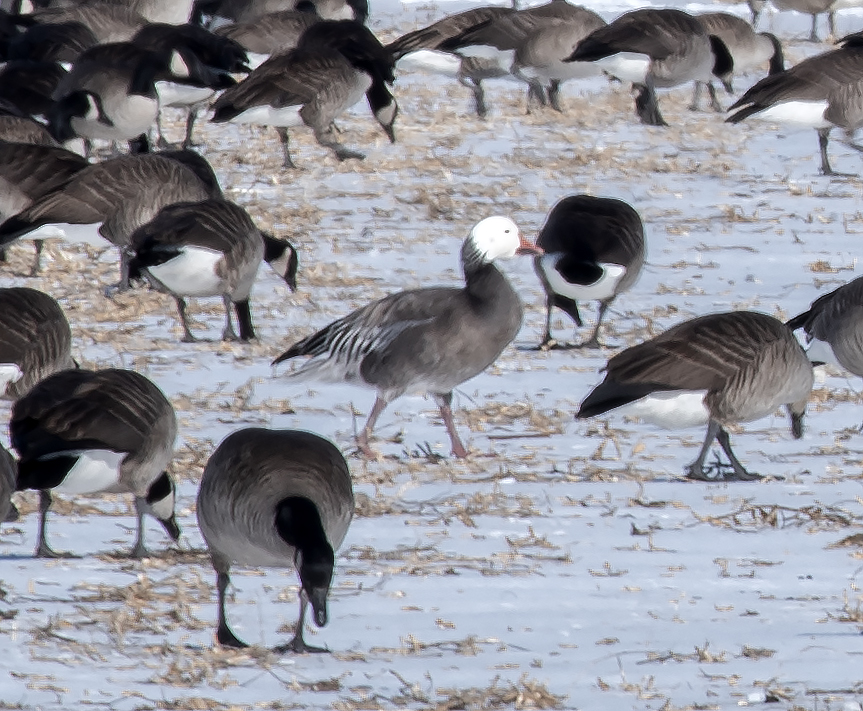
Snow Goose (blue morph)
Duck…..
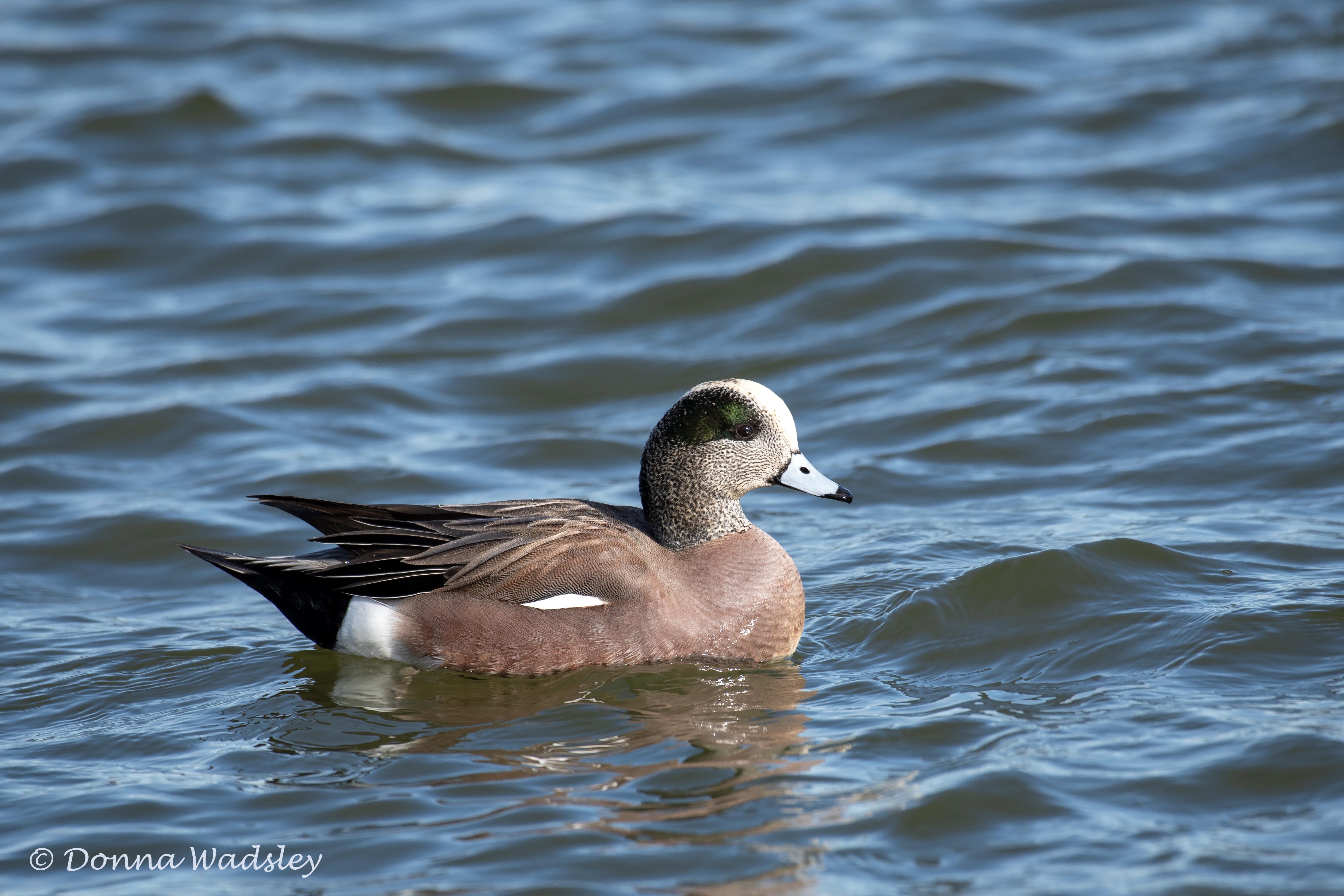
American Wigeon (male)
Duck…..
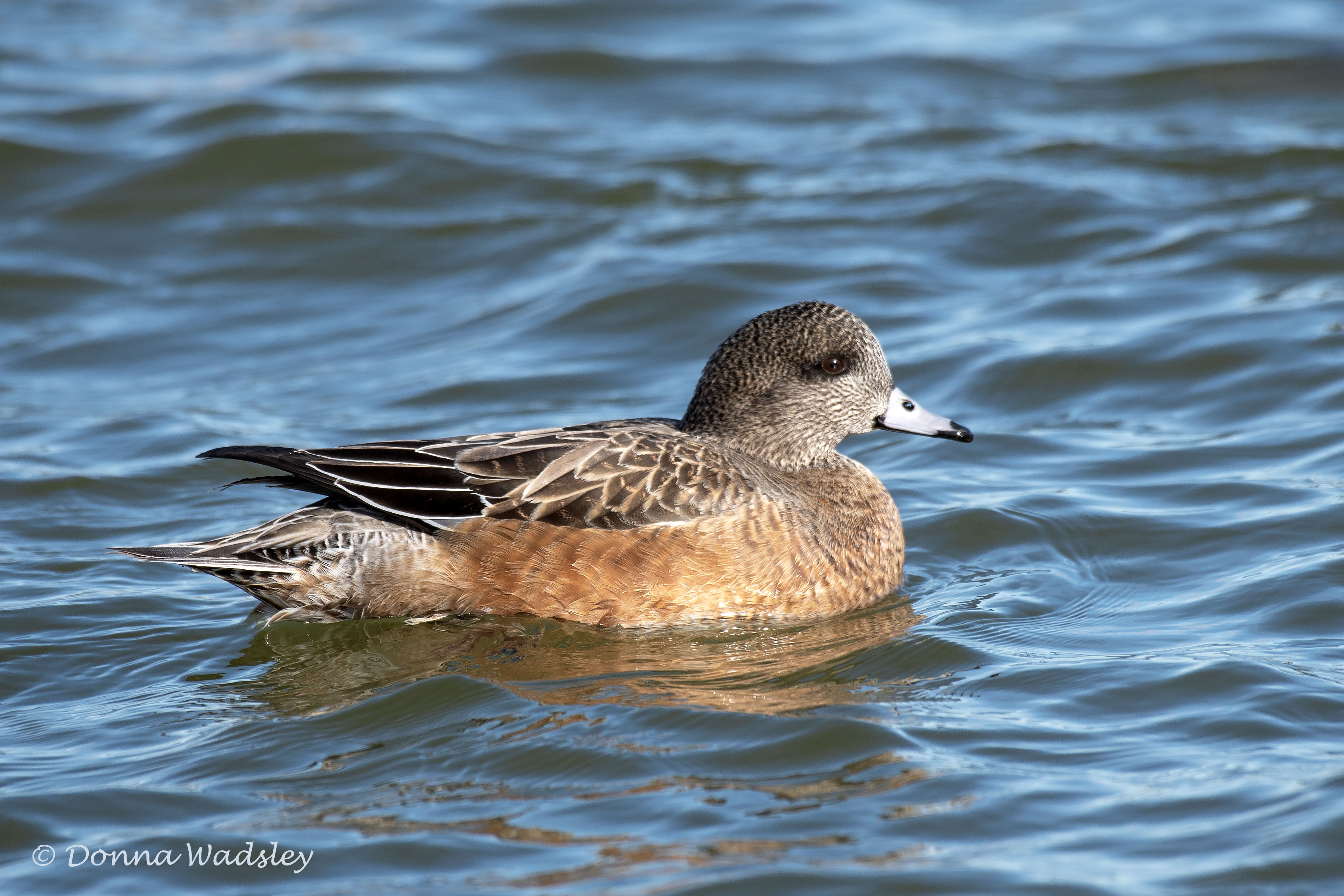
American Wigeon (female)
Goose!
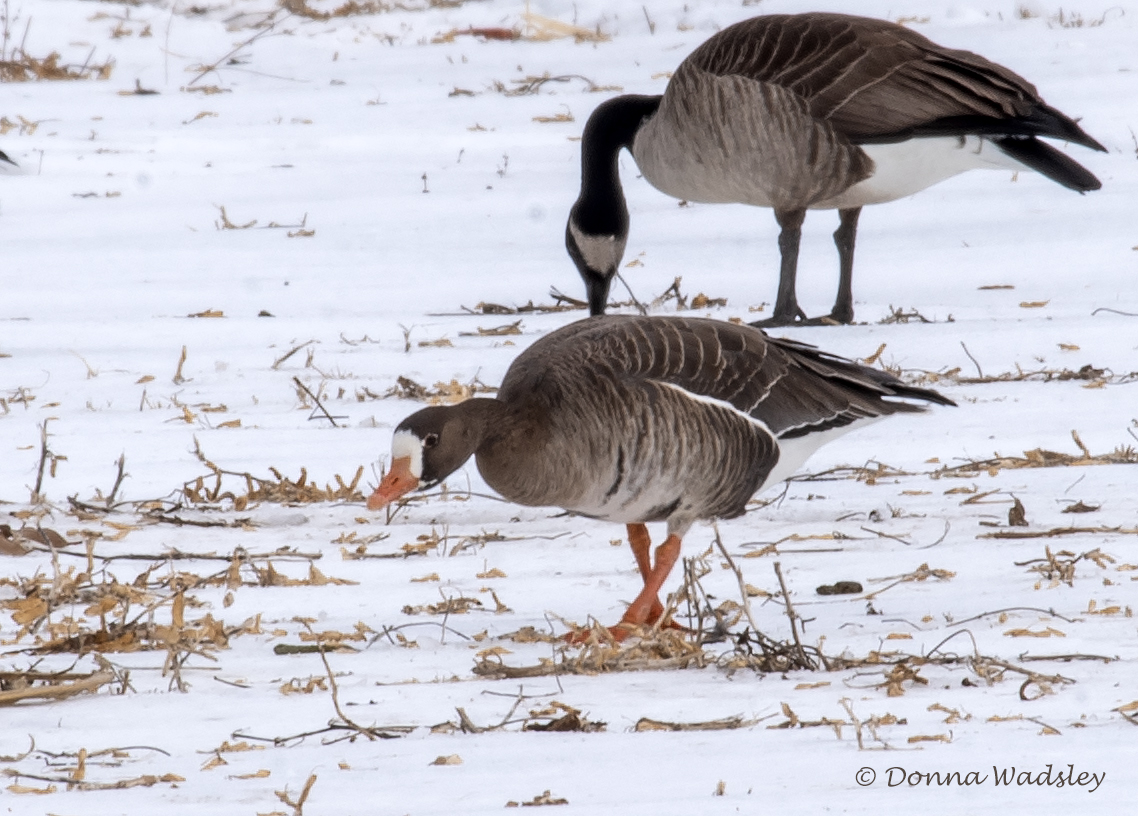
Greater White-fronted Goose
Duck…..
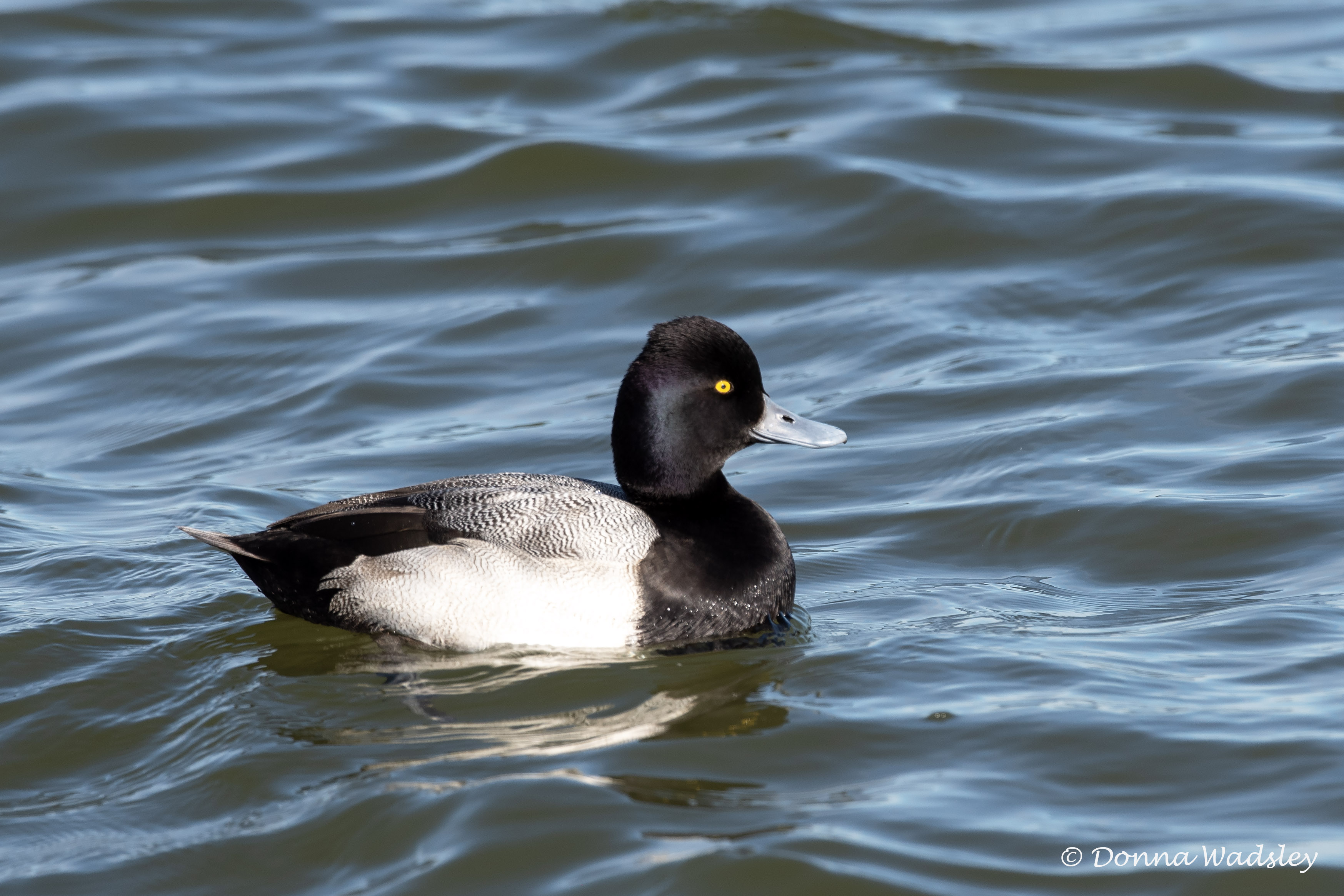
Lesser Scaup (male)
Duck…..
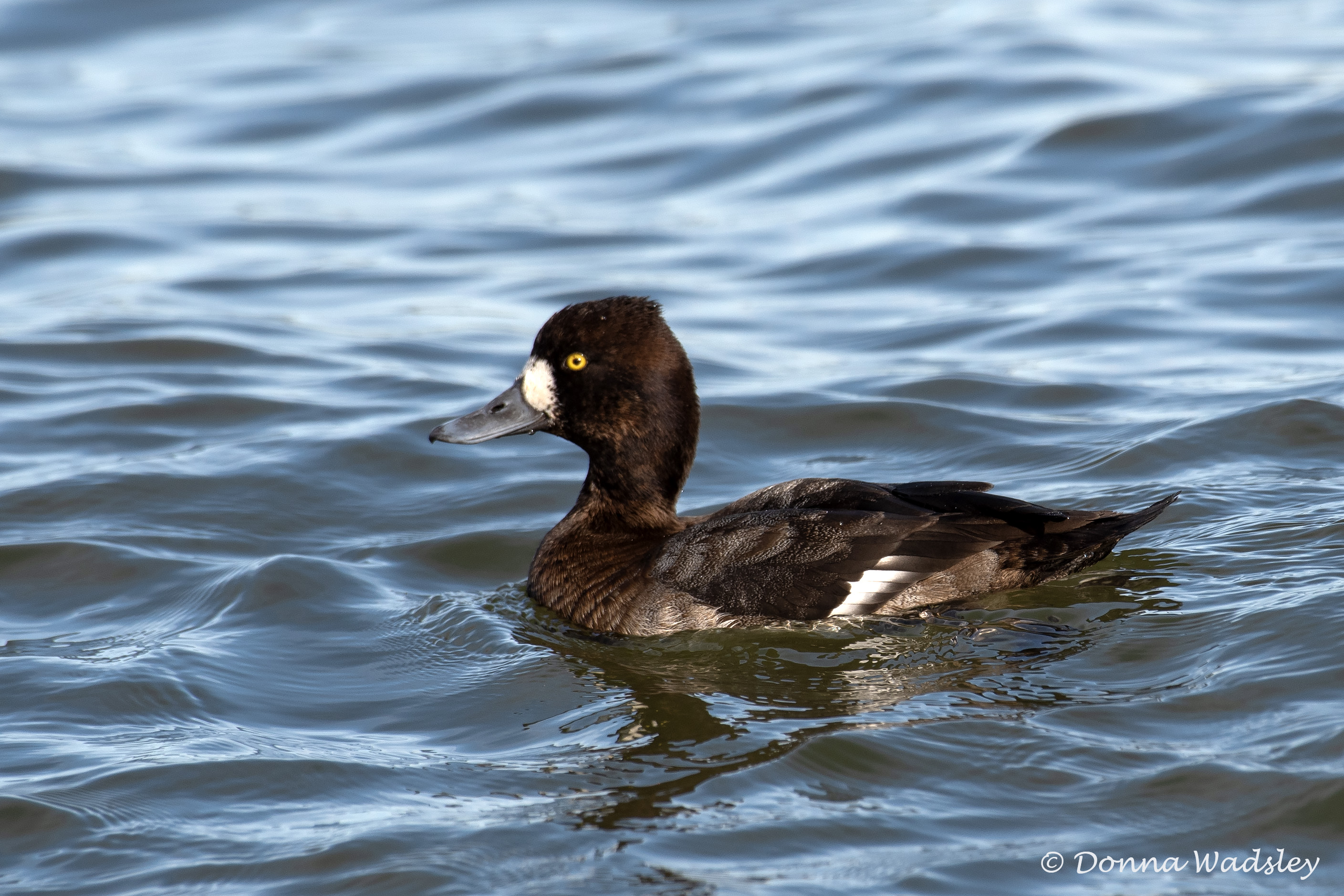
Lesser Scaup (female)
Duck…..
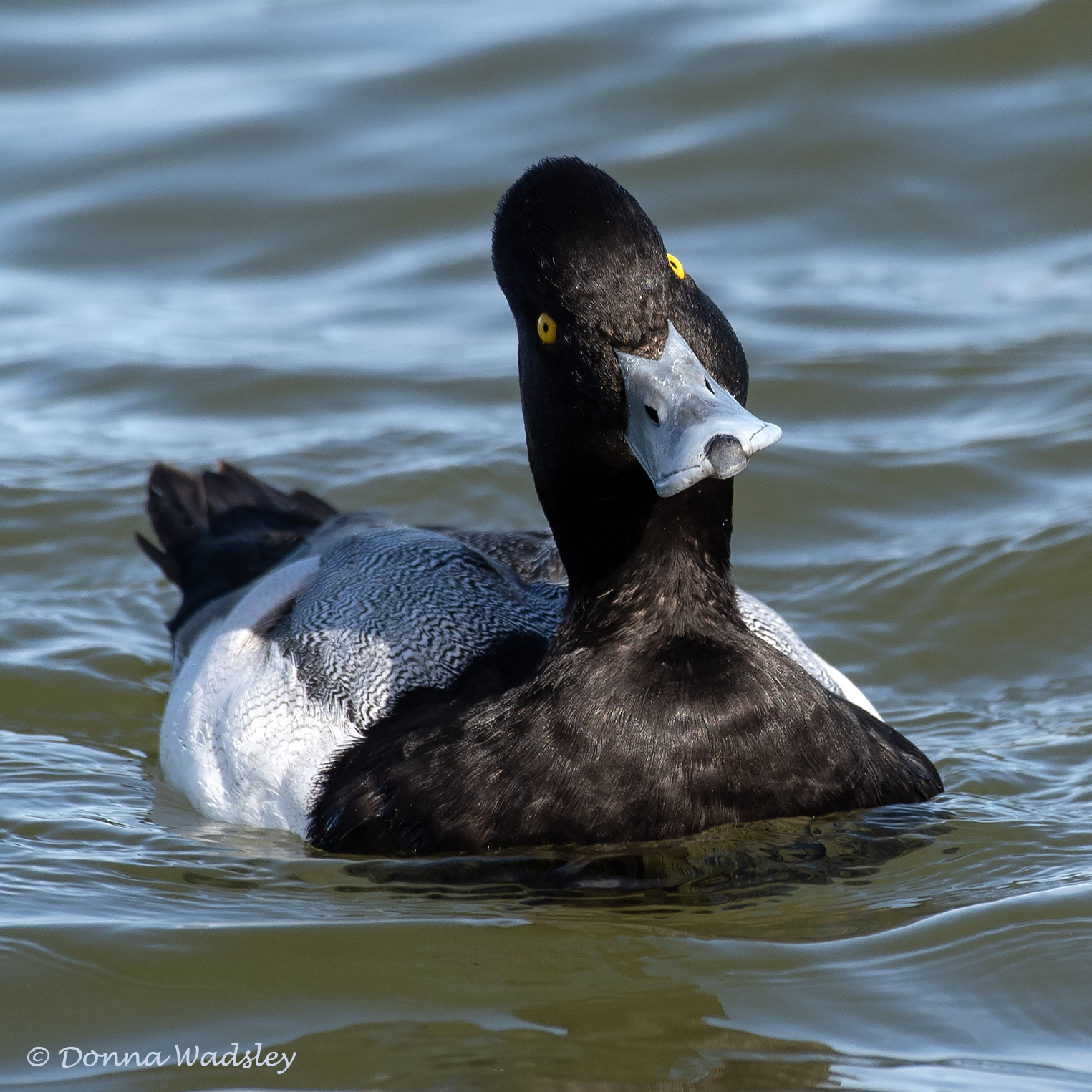
Lesser Scaup (male)
Goose!
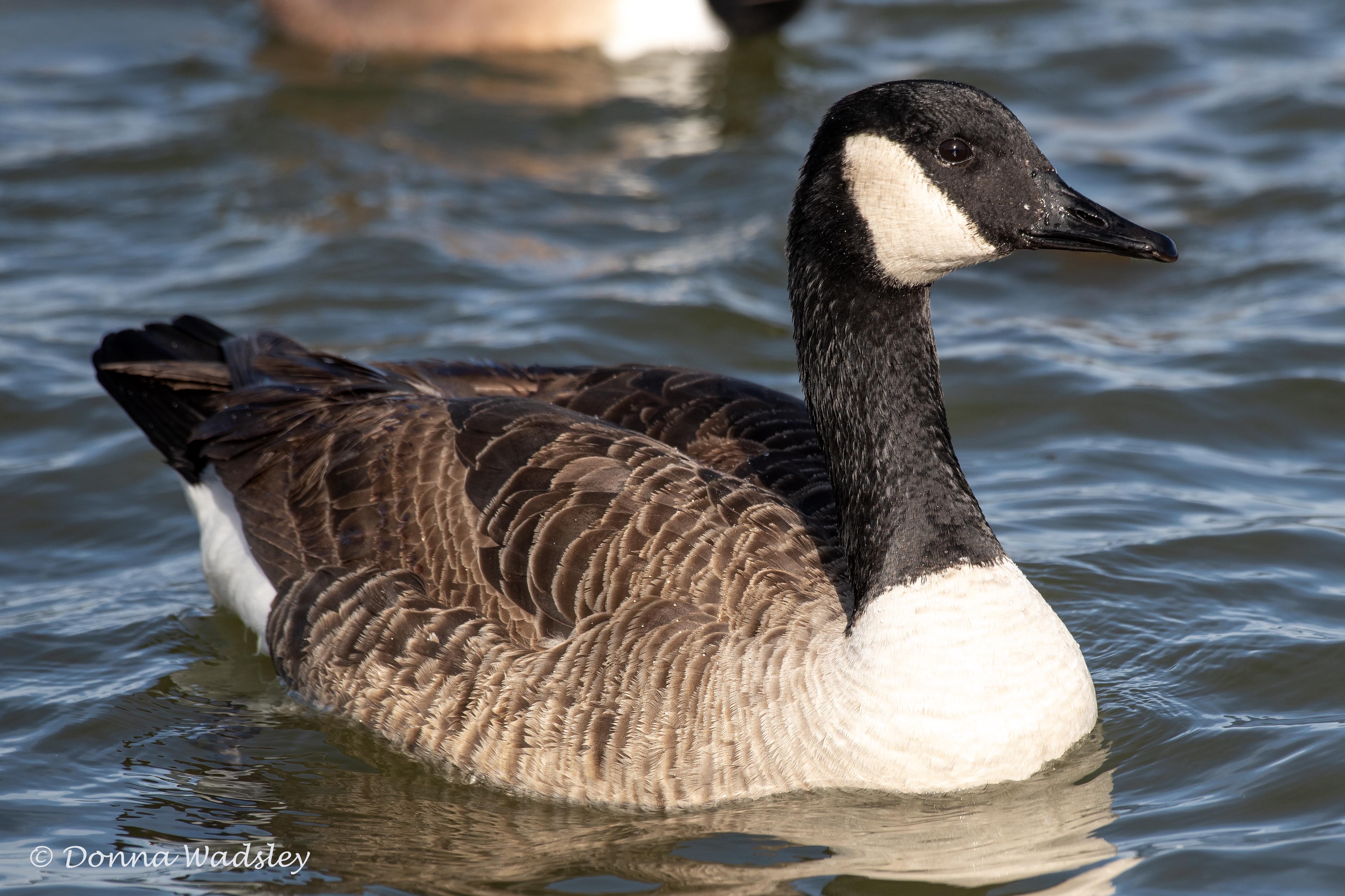
Canada Goose
Duck…..
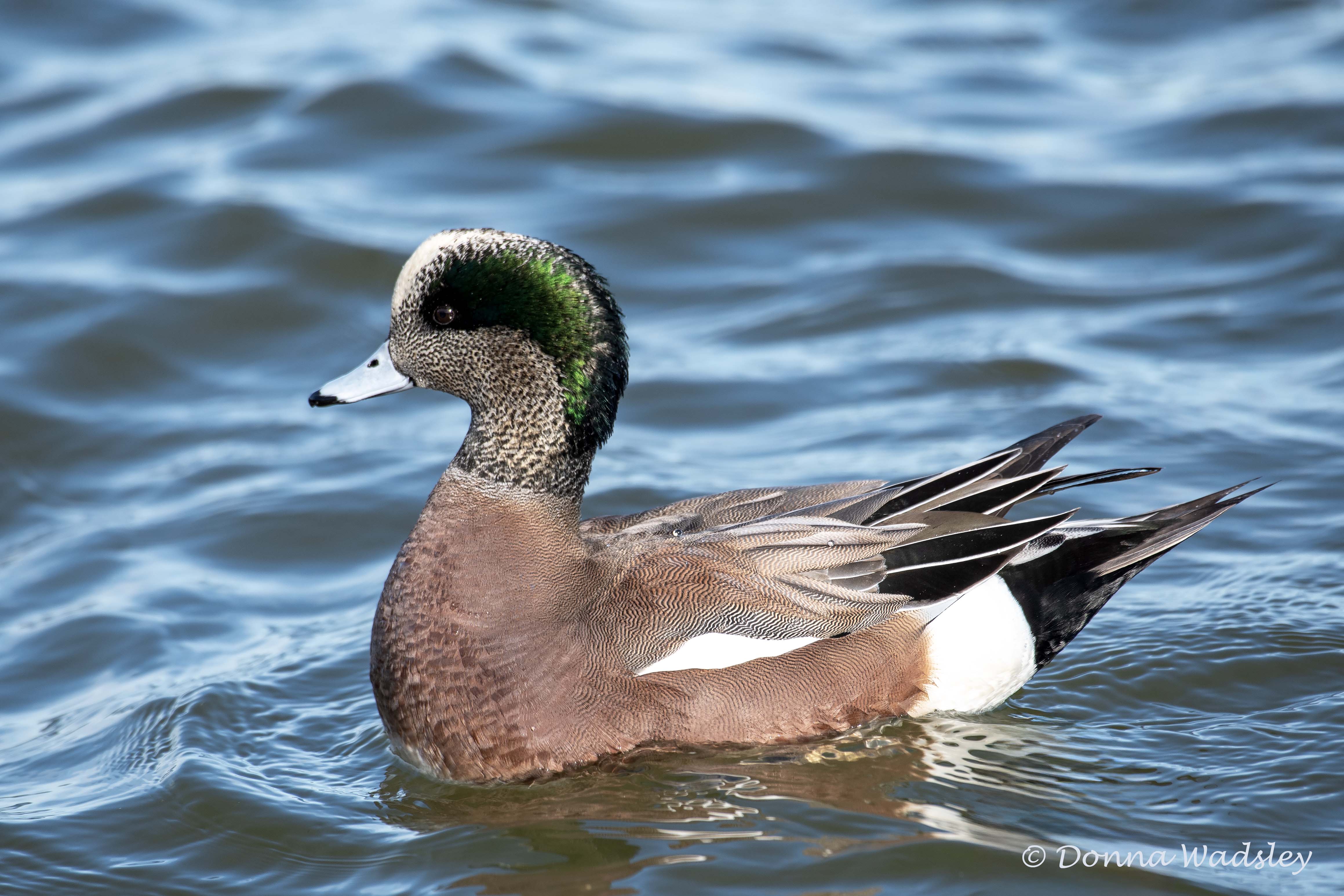
American Wigeon (male)
Ducks…..
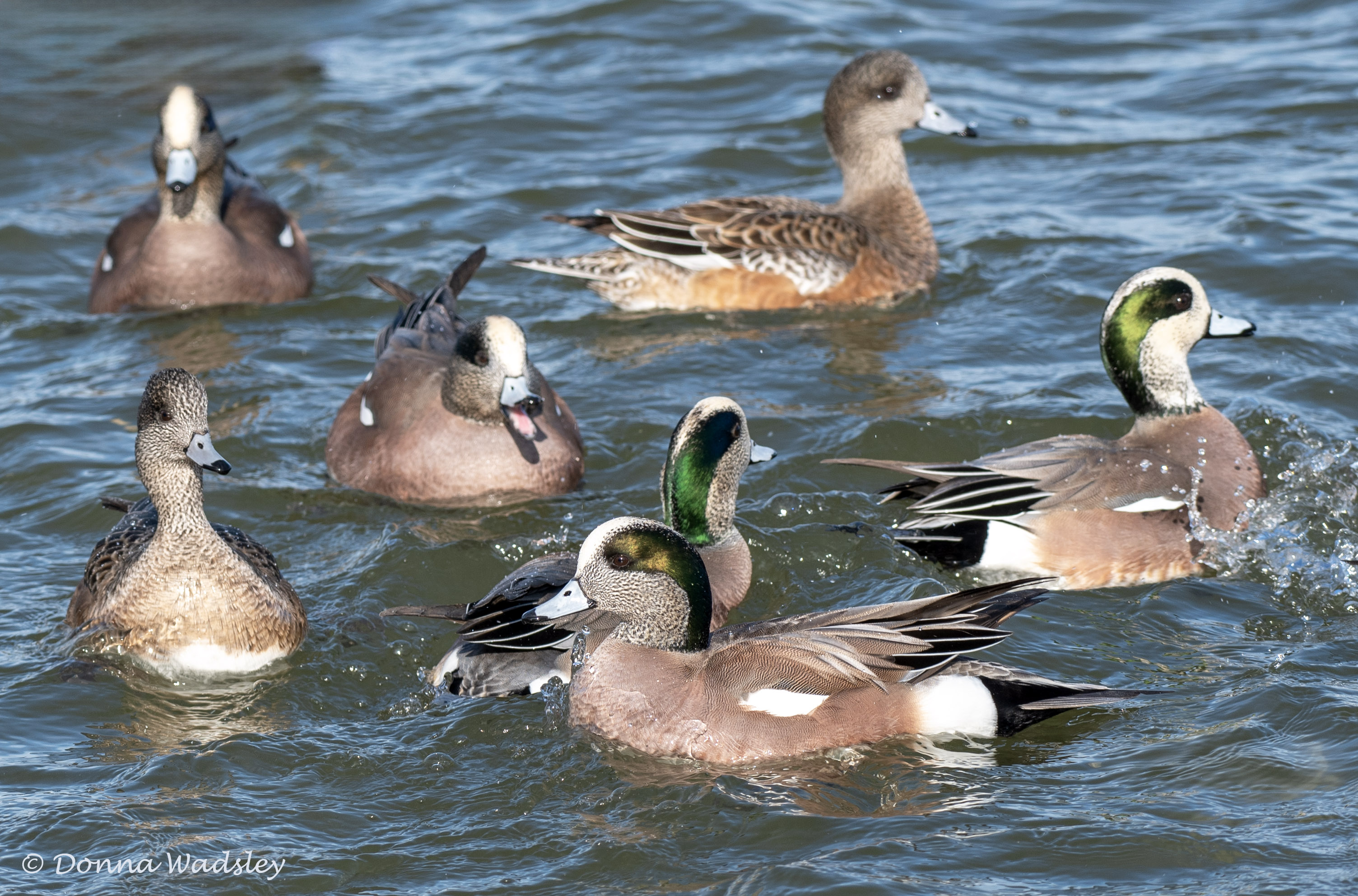
American Wigeons (5 males, 2 females; in addition, far right
male wigeon is called a “Storm” Wigeon for the mostly white face
Geese!
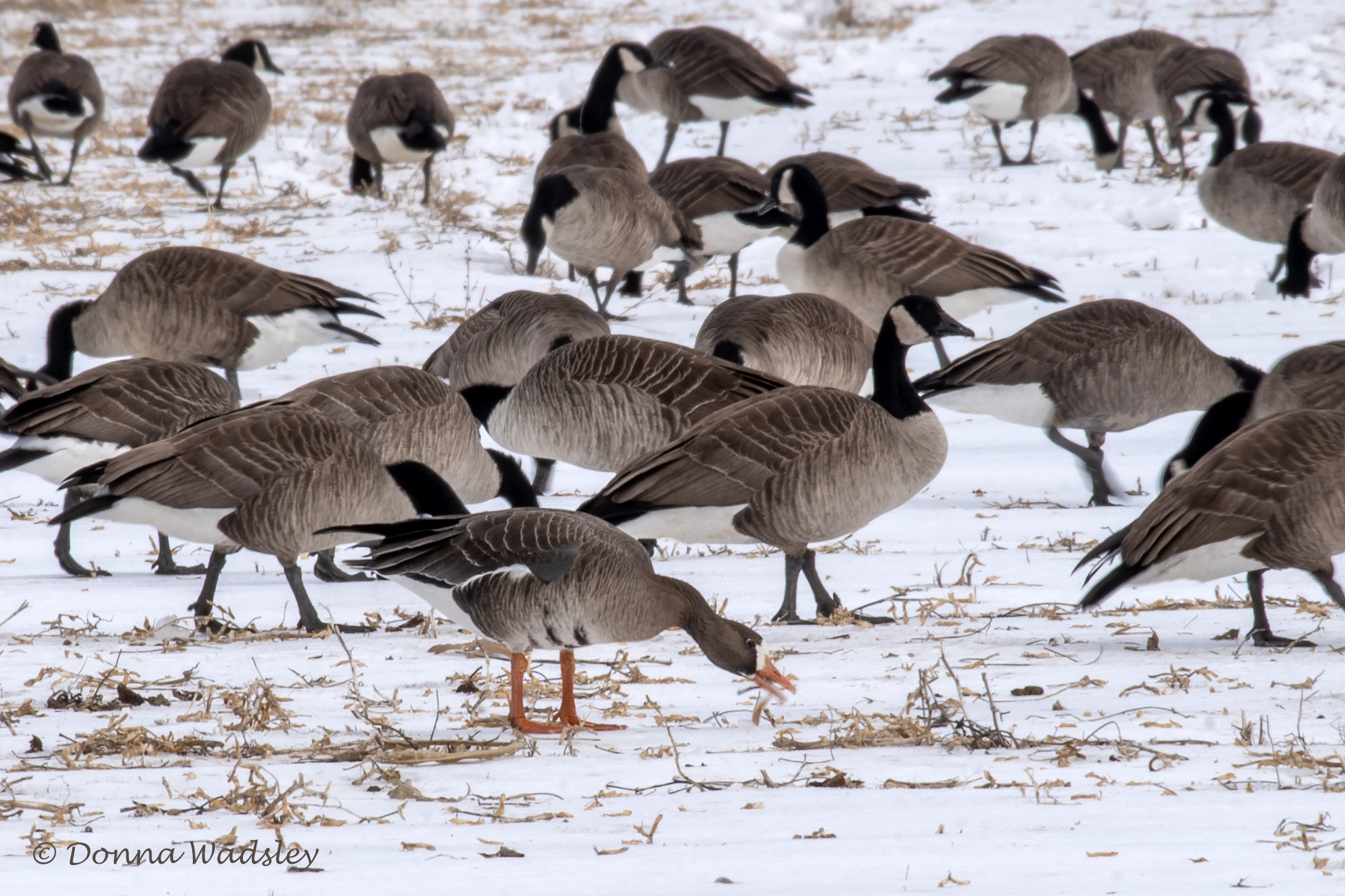
Greater White-fronted Goose and Canada Geese
What fun! 😊
All duck close-up photos were taken January 2026 at the Oakley Street waterfront in Cambridge, Maryland.
Any given day you don’t know what you’ll find there. Missing my trip were Canvasbacks, Greater Scaup, Buffleheads, and even a possible Redhead or two.
Locals throw corn out often, drawing the winter ducks year after year. The ducks know a good, safe feeding spot when they find it! And it’s definitely a waterfowl photographer’s delight!
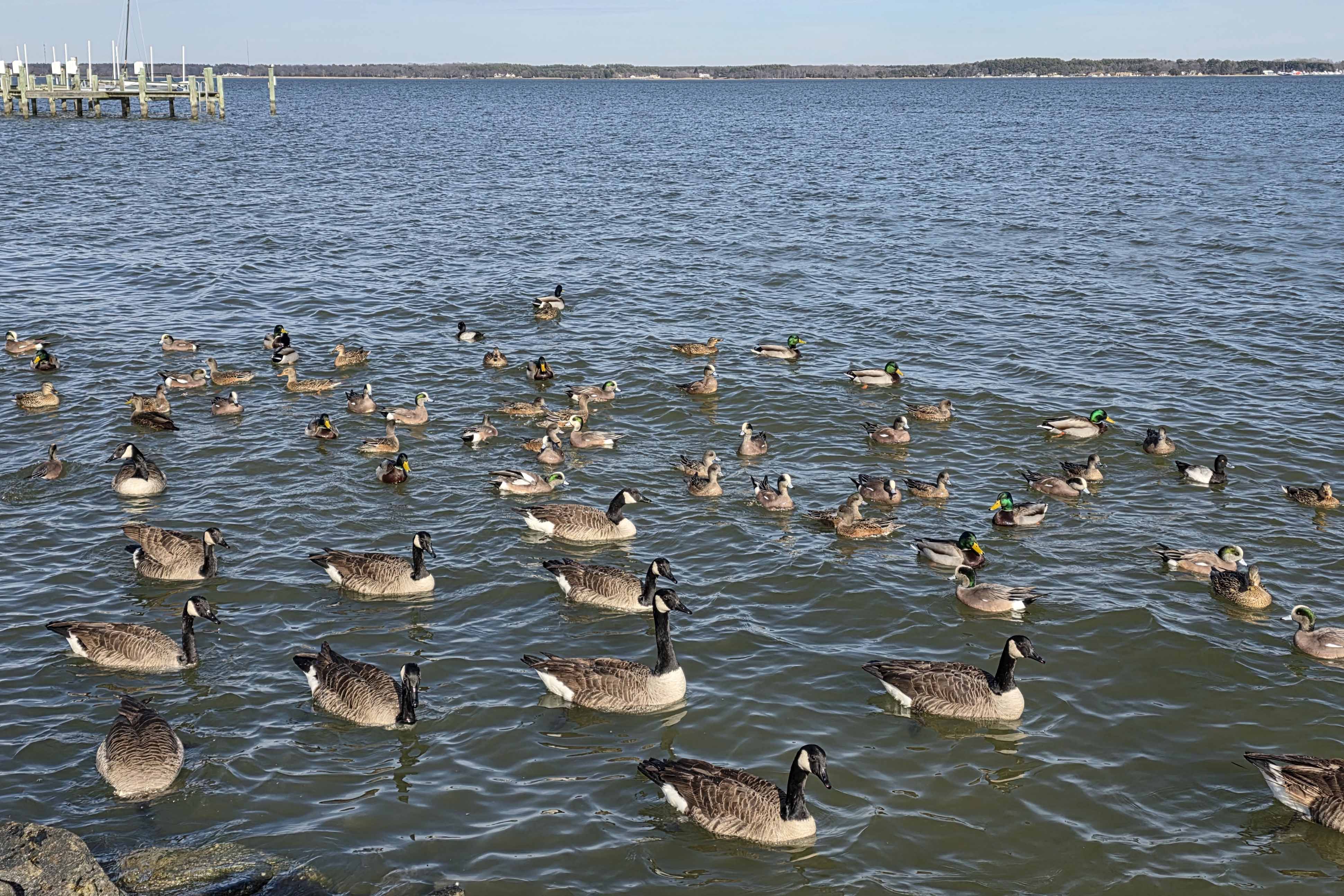
Just aim and shoot at a 180 degree view of ducks!
1-2-3 Medium Bird Jubilee – #26
Winter blues can be wonderful when they are these two birds of blue!
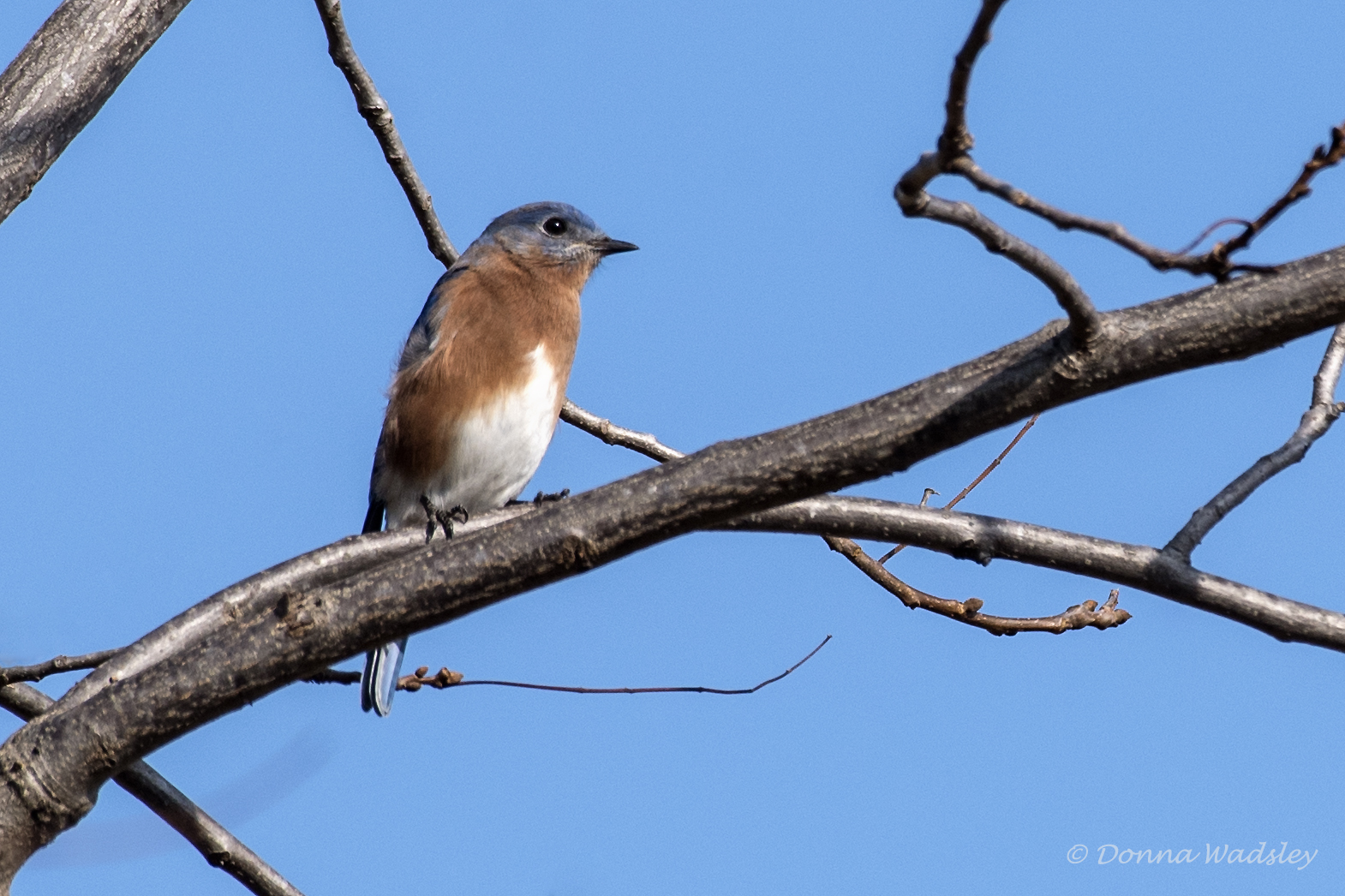
Eastern Bluebird
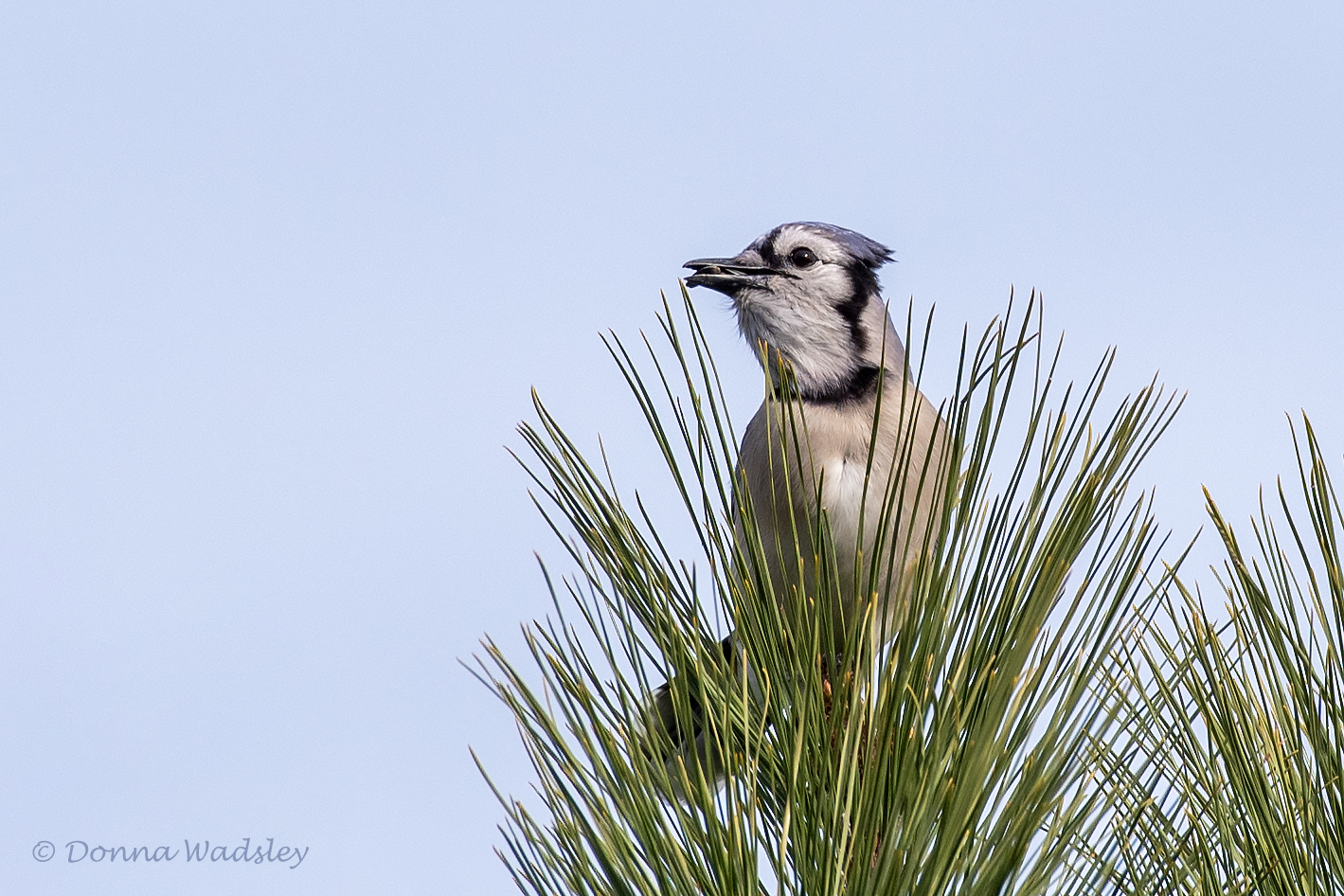
Blue Jay
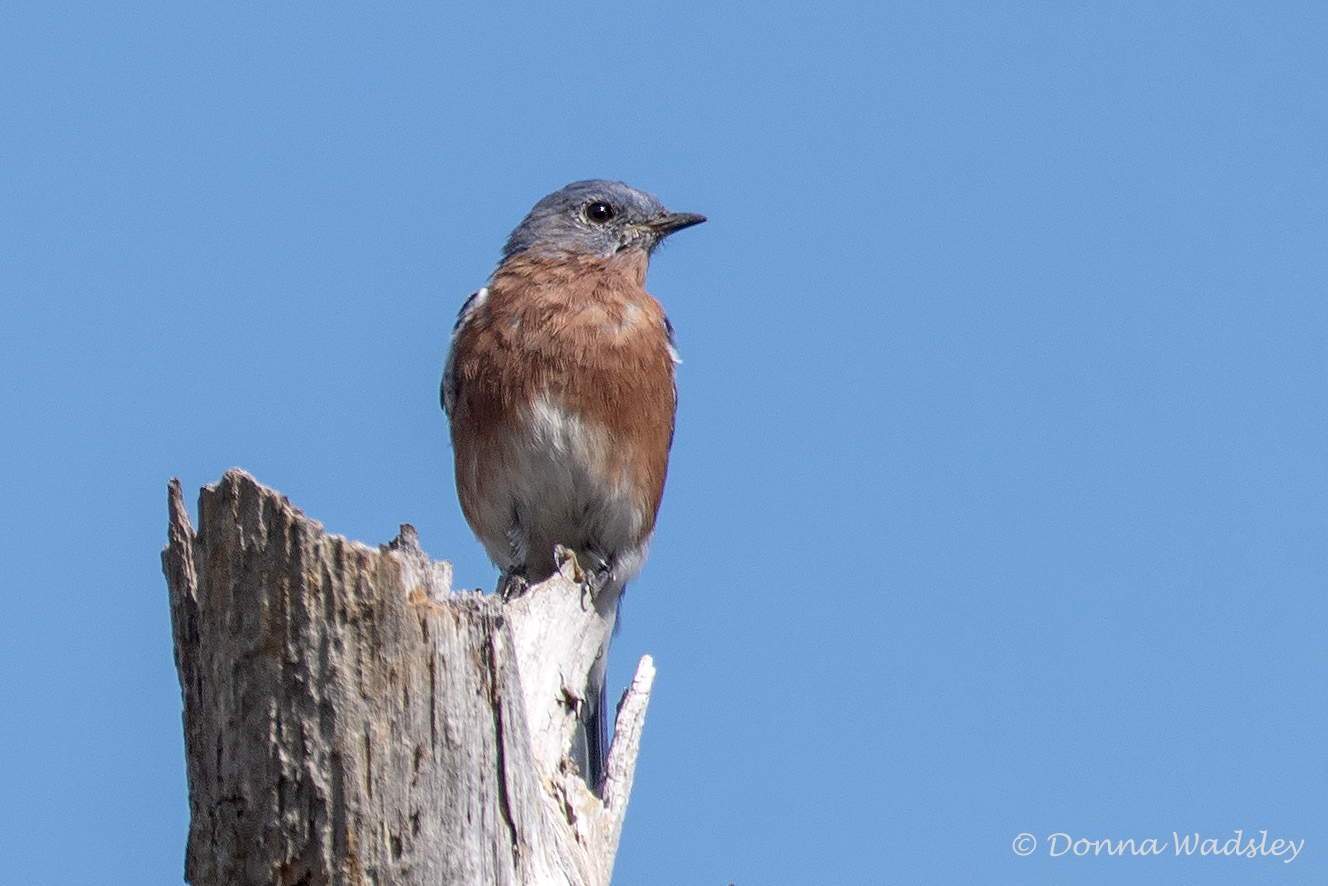
Eastern Bluebird
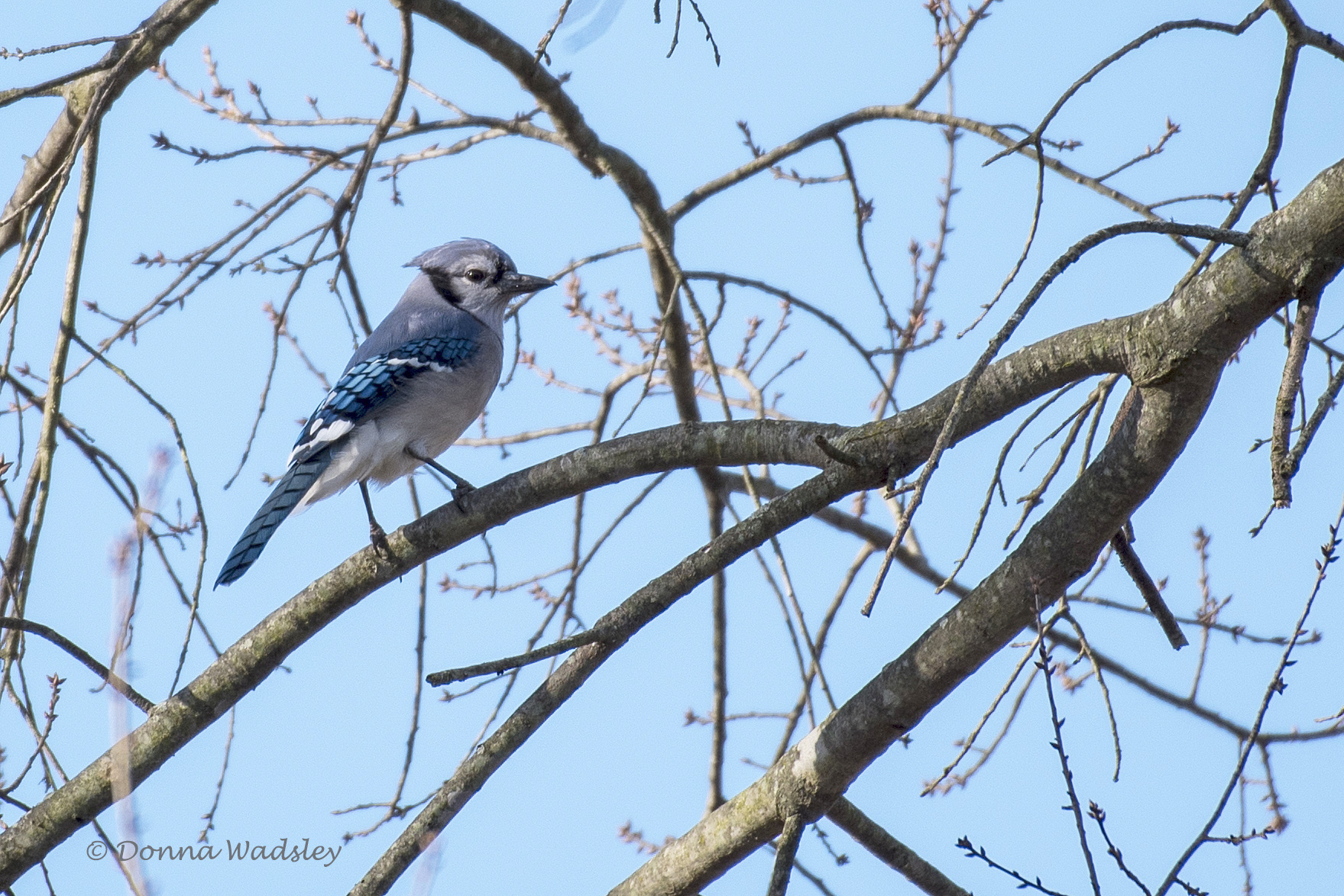
Blue Jay
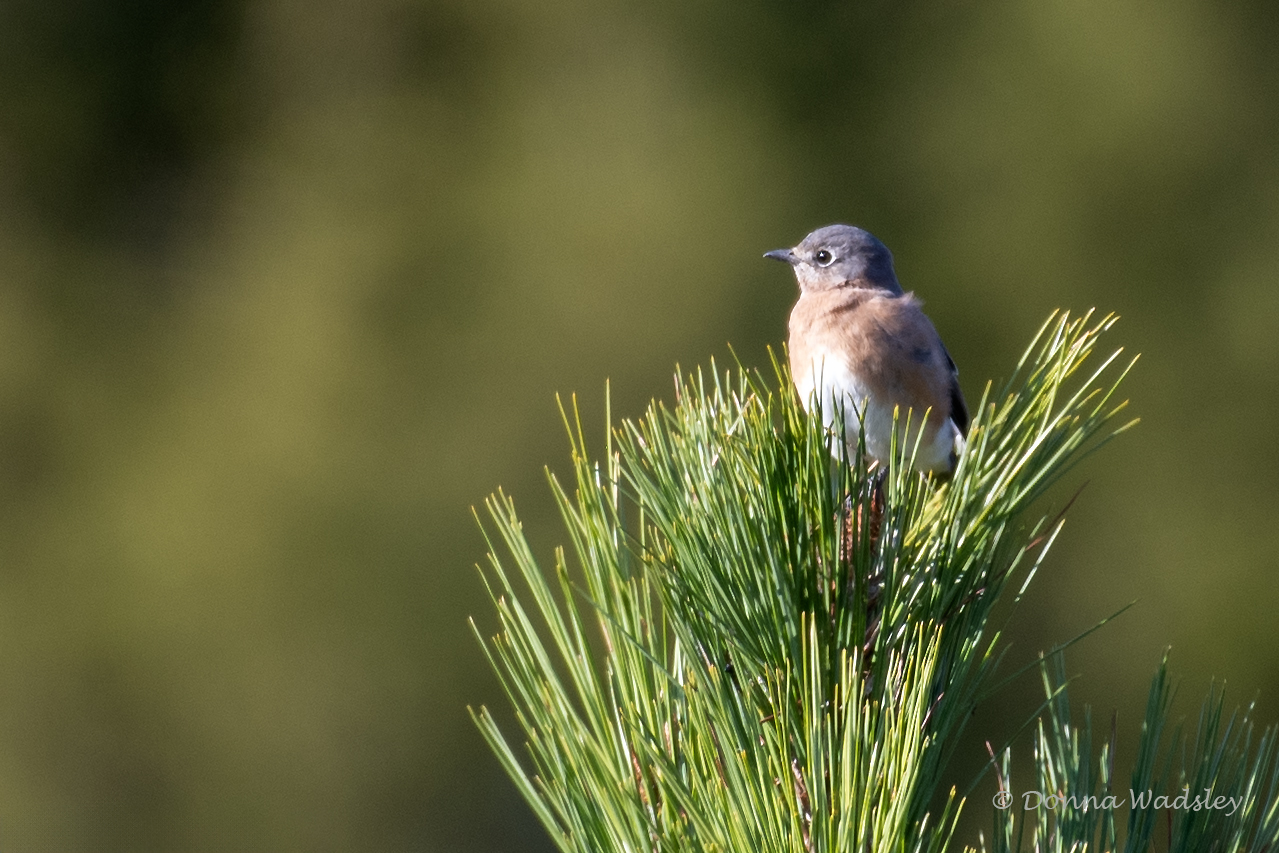
Eastern Bluebird
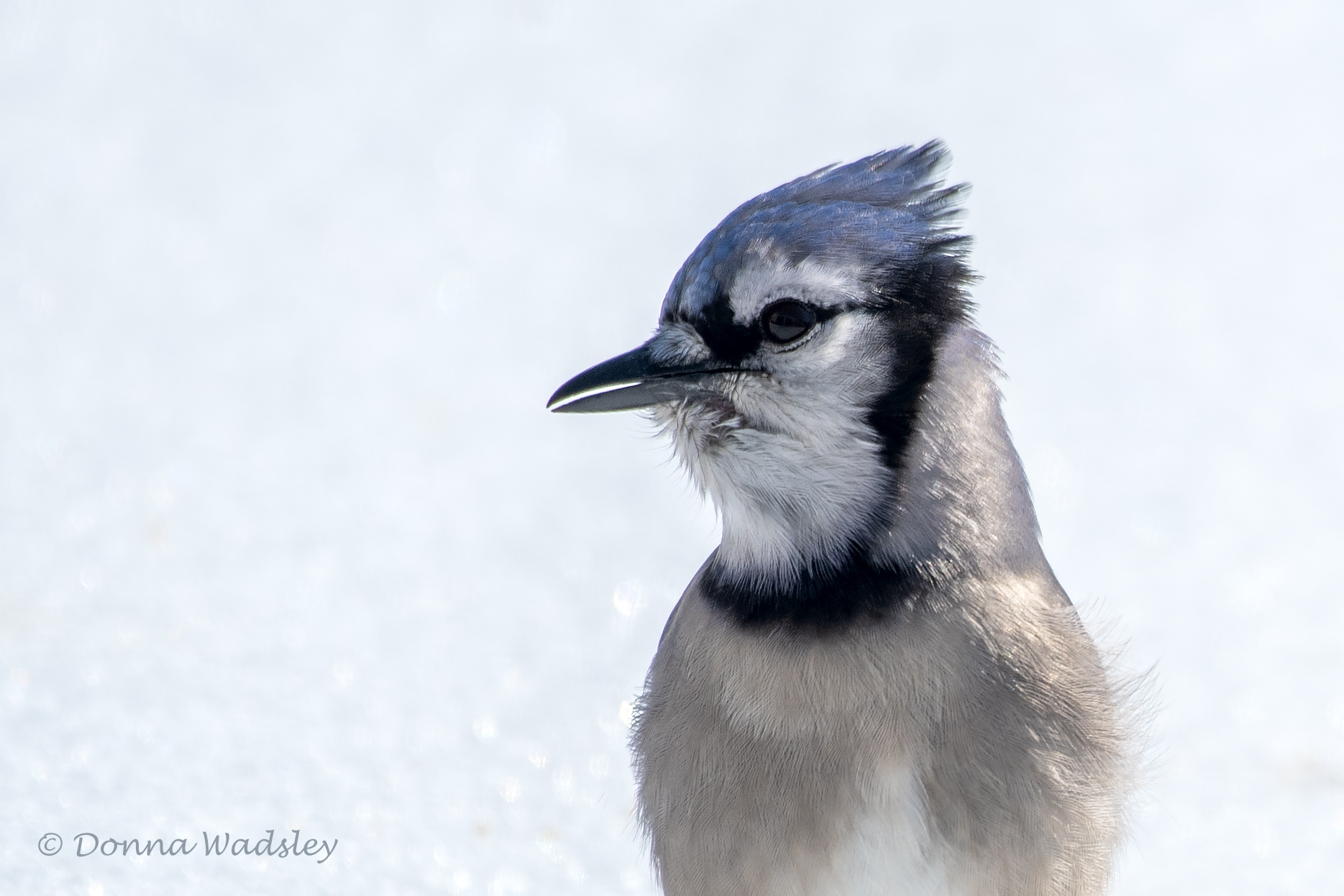
Blue Jay
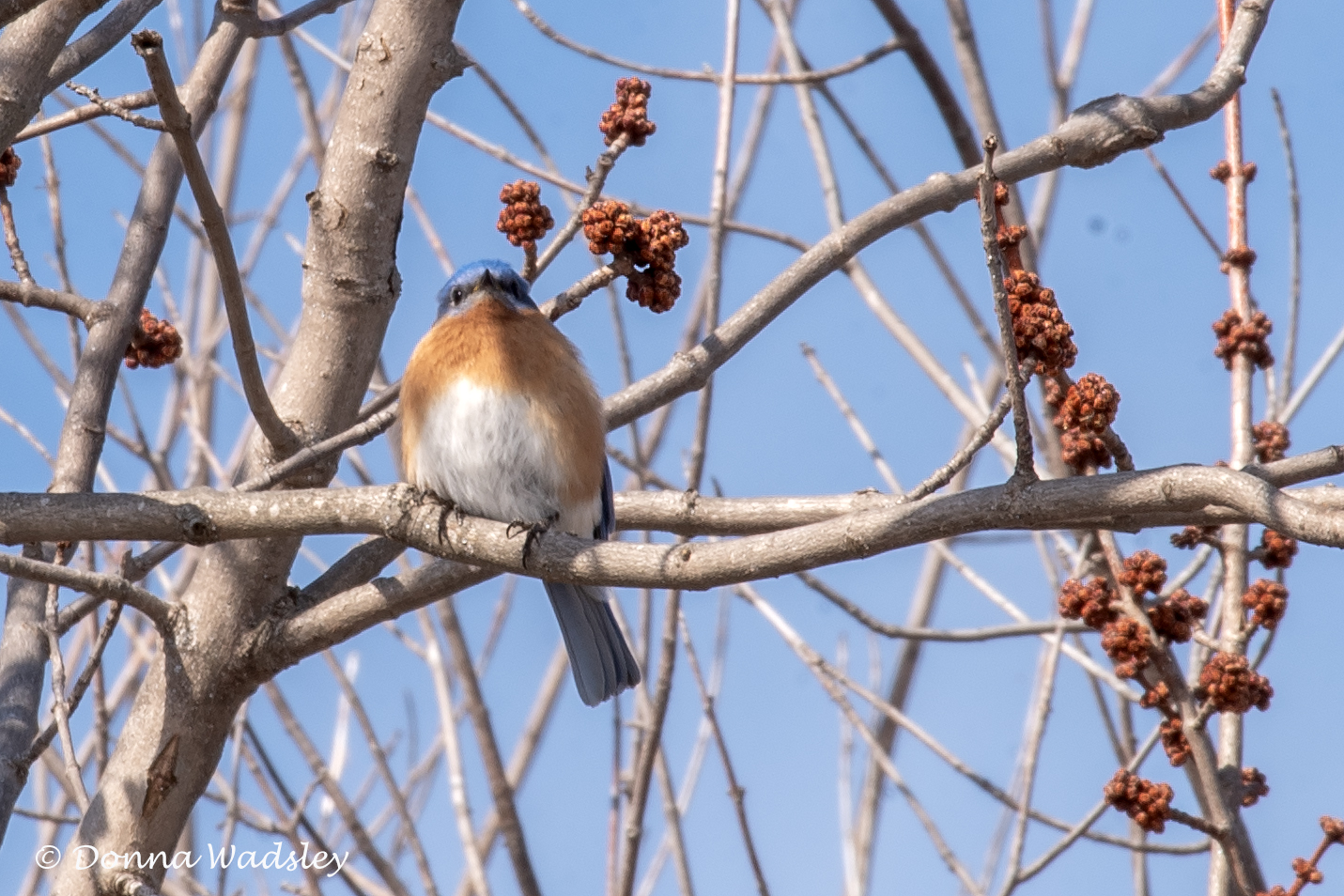
Eastern Bluebird
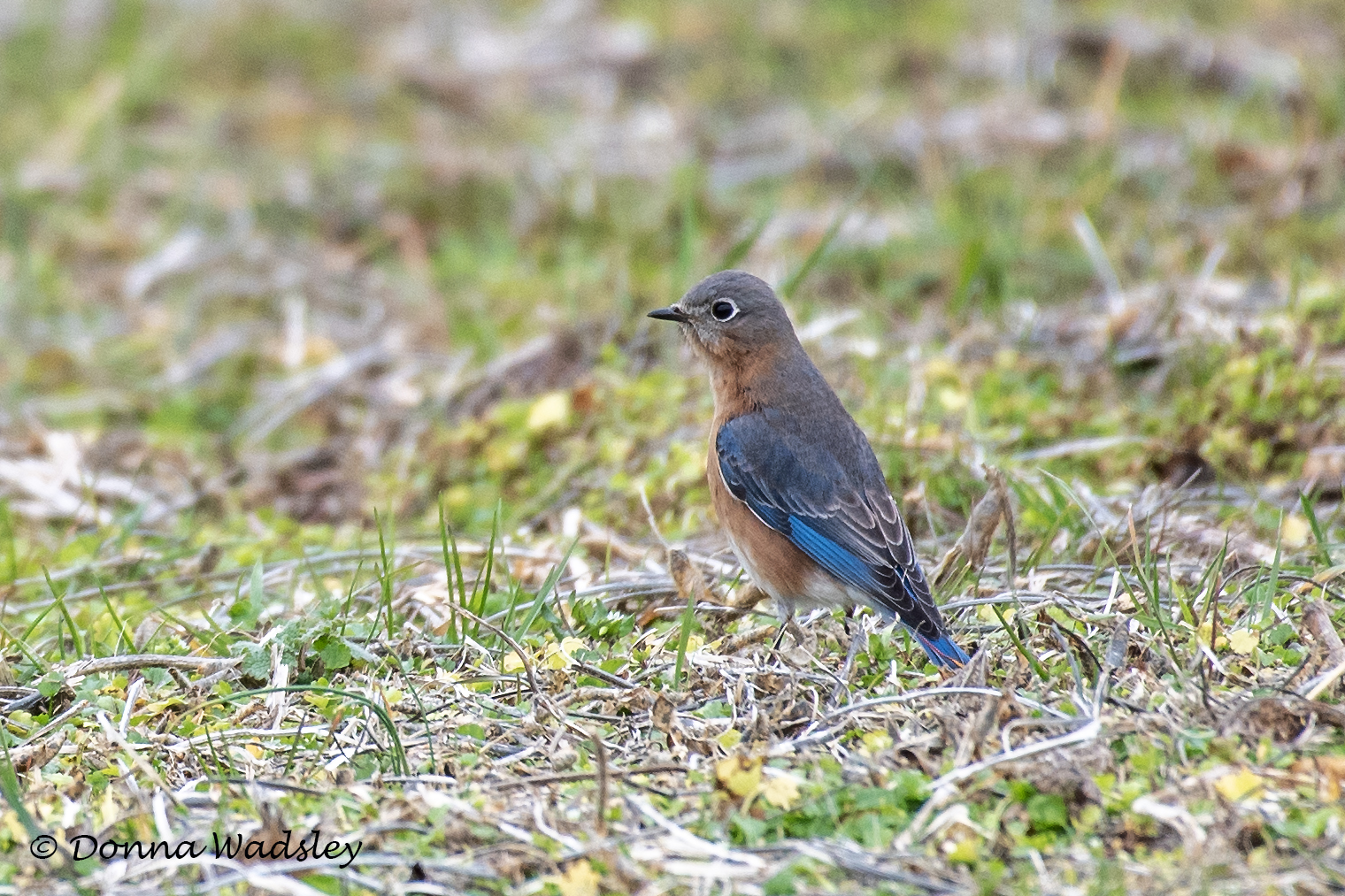
Eastern Bluebird
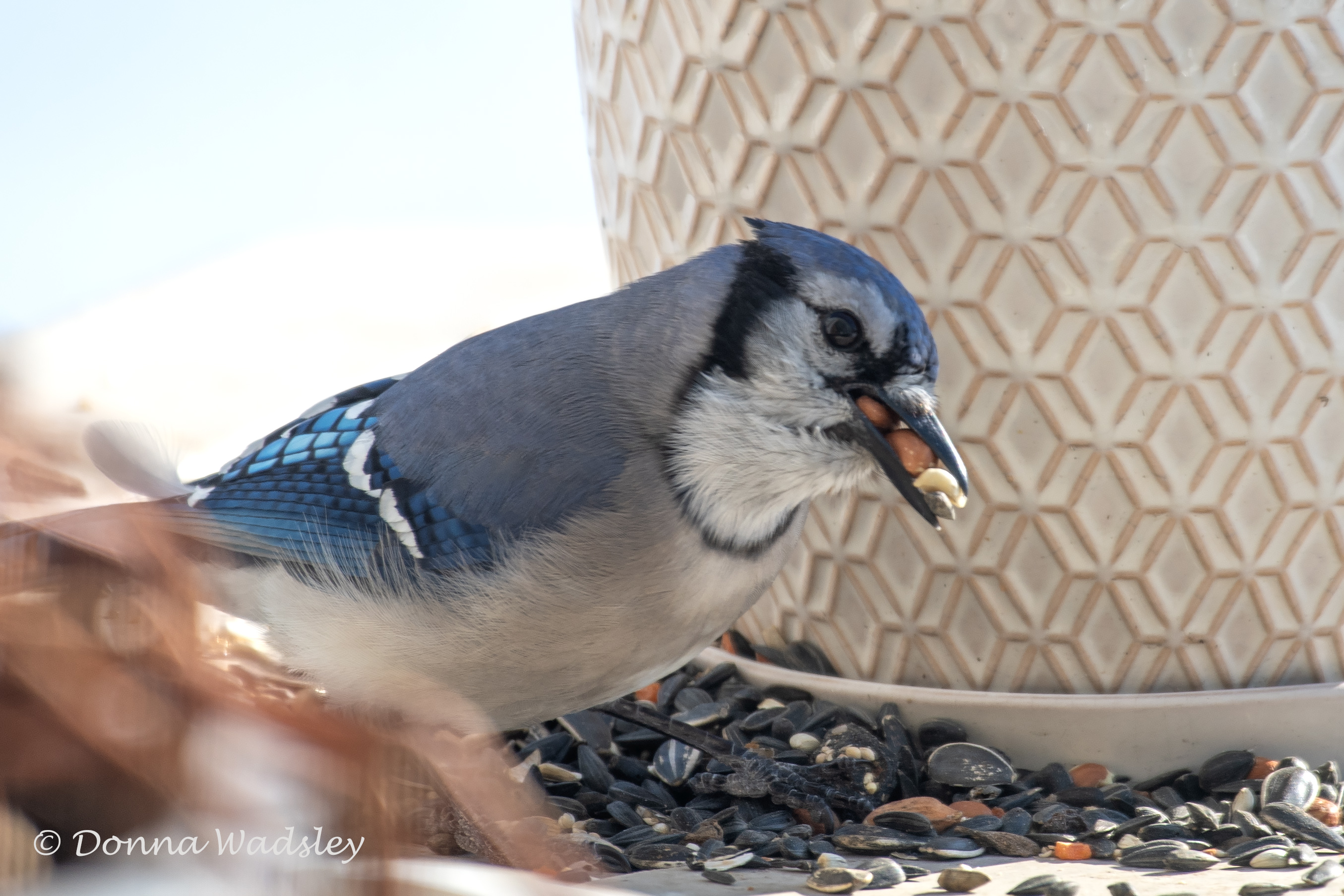
Blue Jay
Here’s wishing these winter blues were positive for you!
1-2-3 Birds & Berries – #16
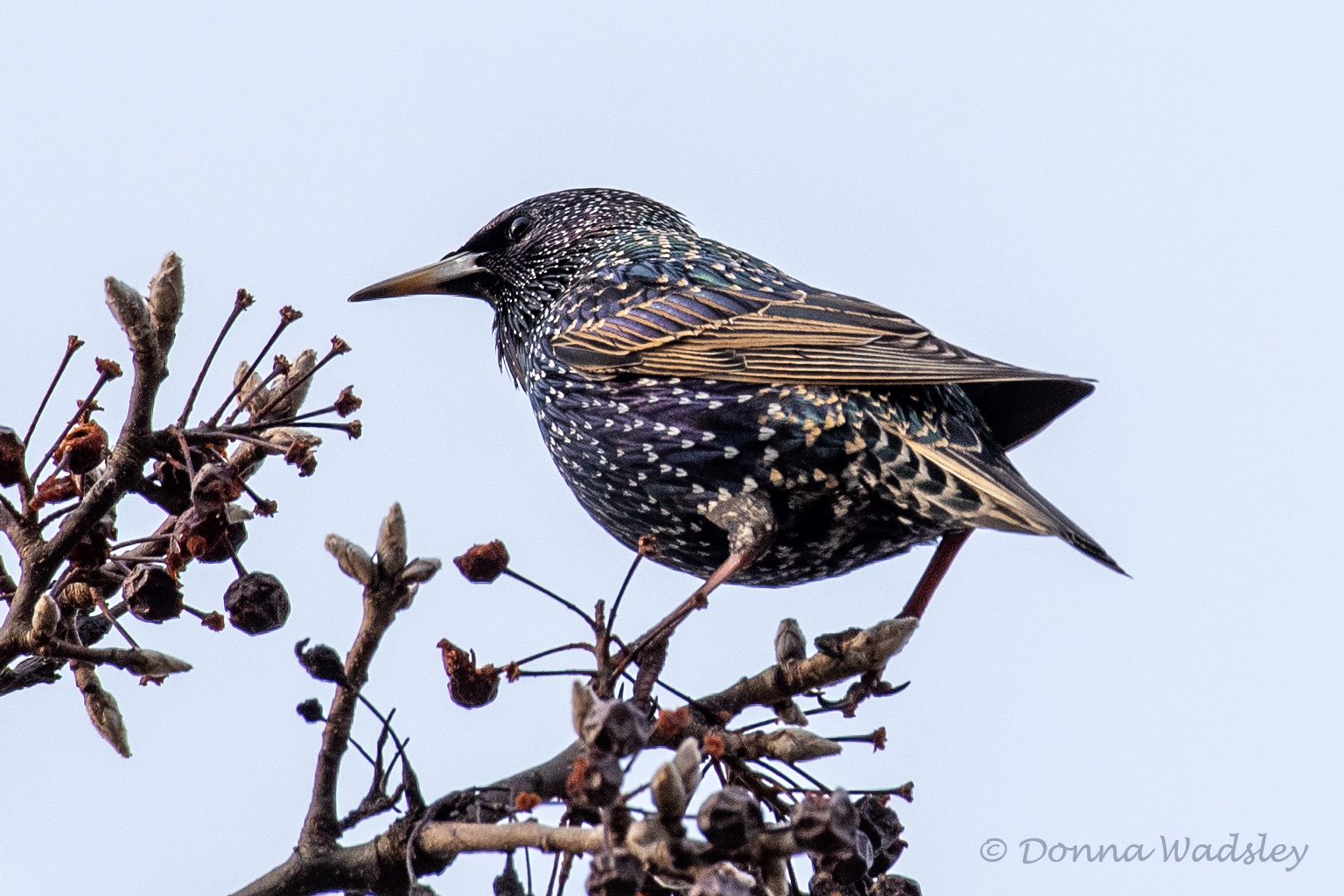
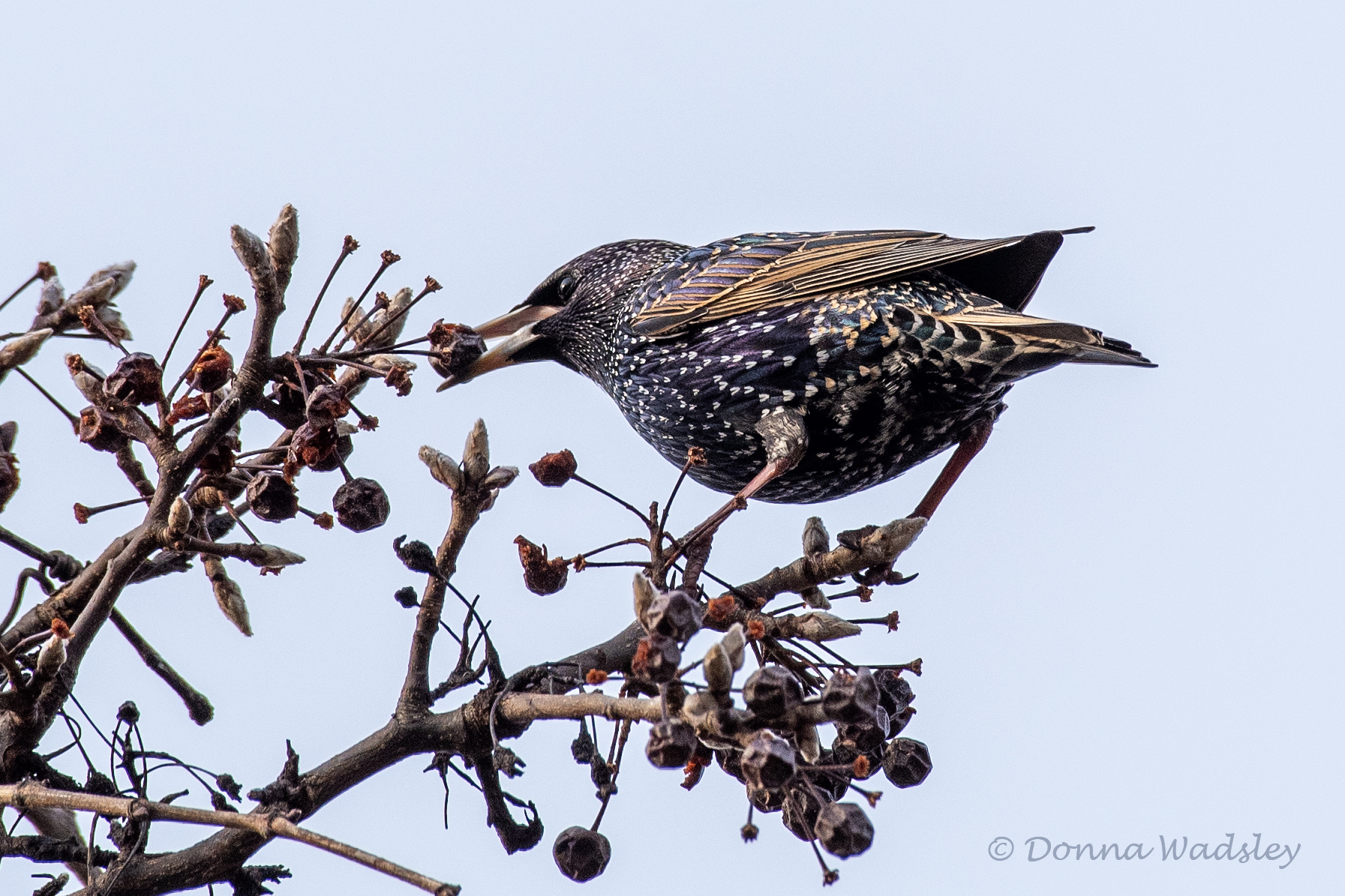
Continuing with the Cedar Waxwing photo session in my last post; yes, I will admit I ignored the European Starlings mixed in. I didn’t want to stop shooting the waxwings!
With all the birds moving quickly through the trees, I suddenly had a European Starling land in front of my lens. Now it was all about the iridescent coloring of the starling!
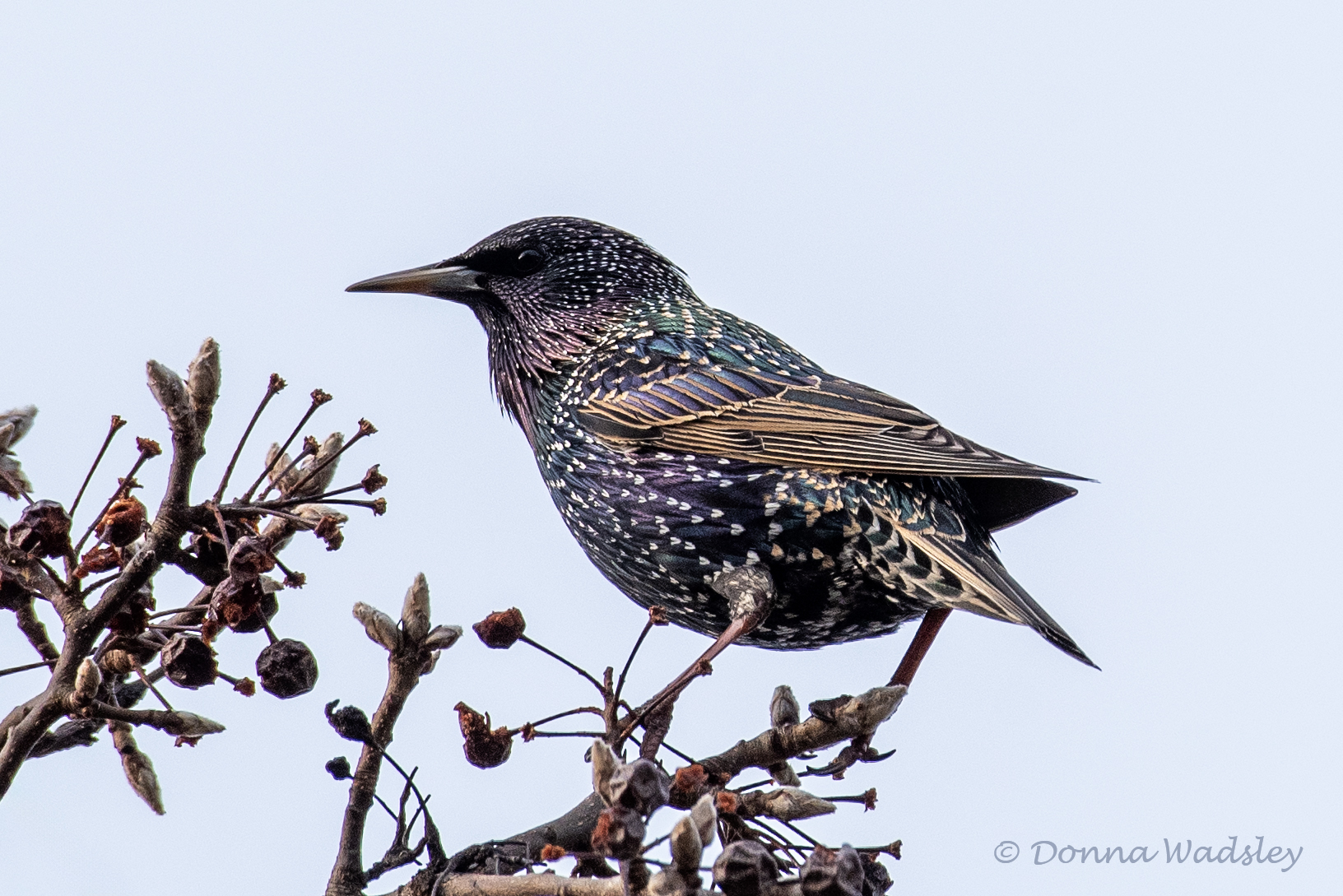
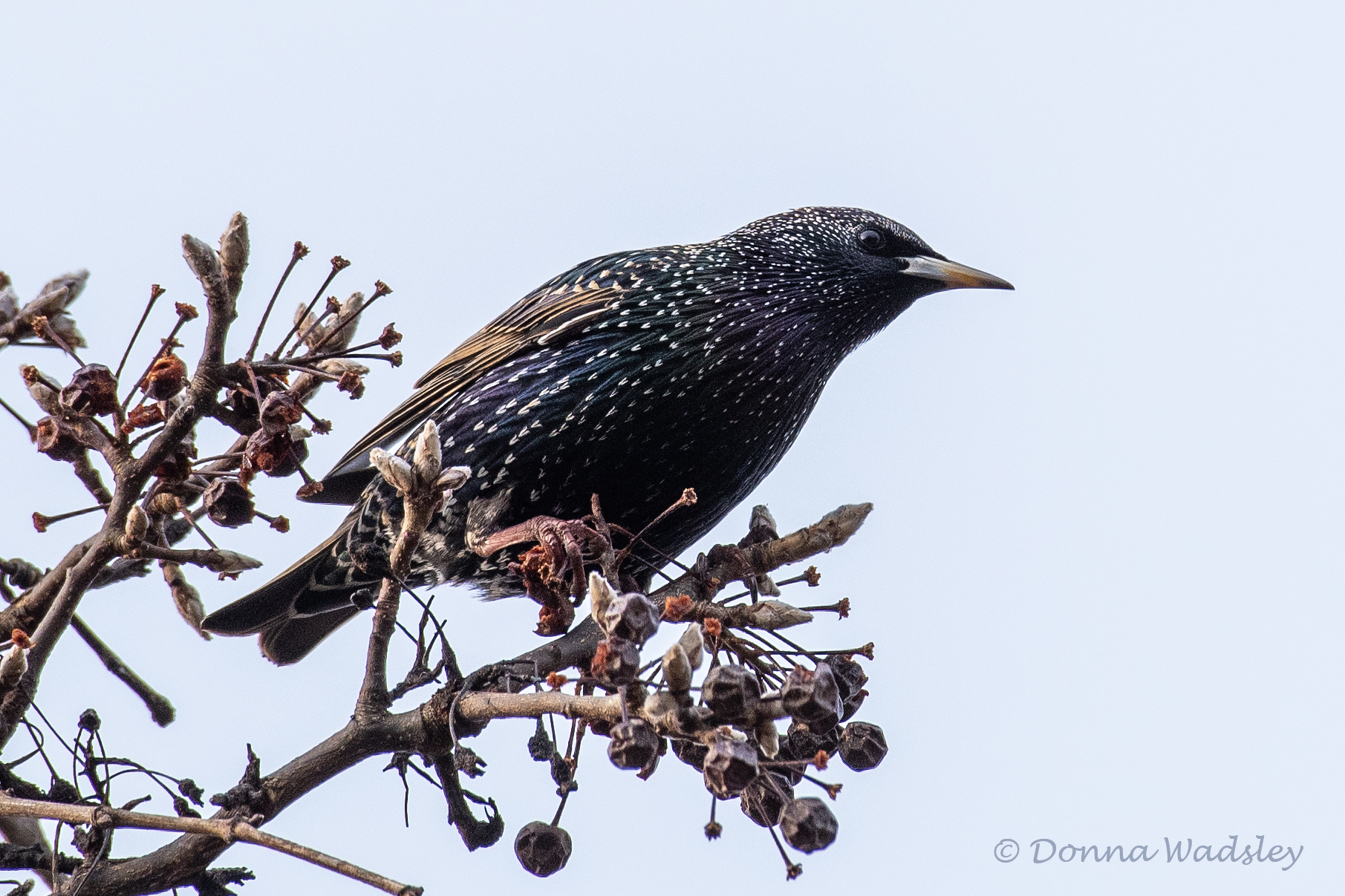
For past posts in the 1-2-3 Birds & Berries series, click here.
1-2-3 Birds & Berries – #15
The birds have been busy devouring the winter wild berries the past couple months!
Just before the recent snow/ice storm, I braked on a remote road heading home when I saw a flock of birds in the berry-filled tree tops alongside the road.
One of the species were Cedar Waxwings!
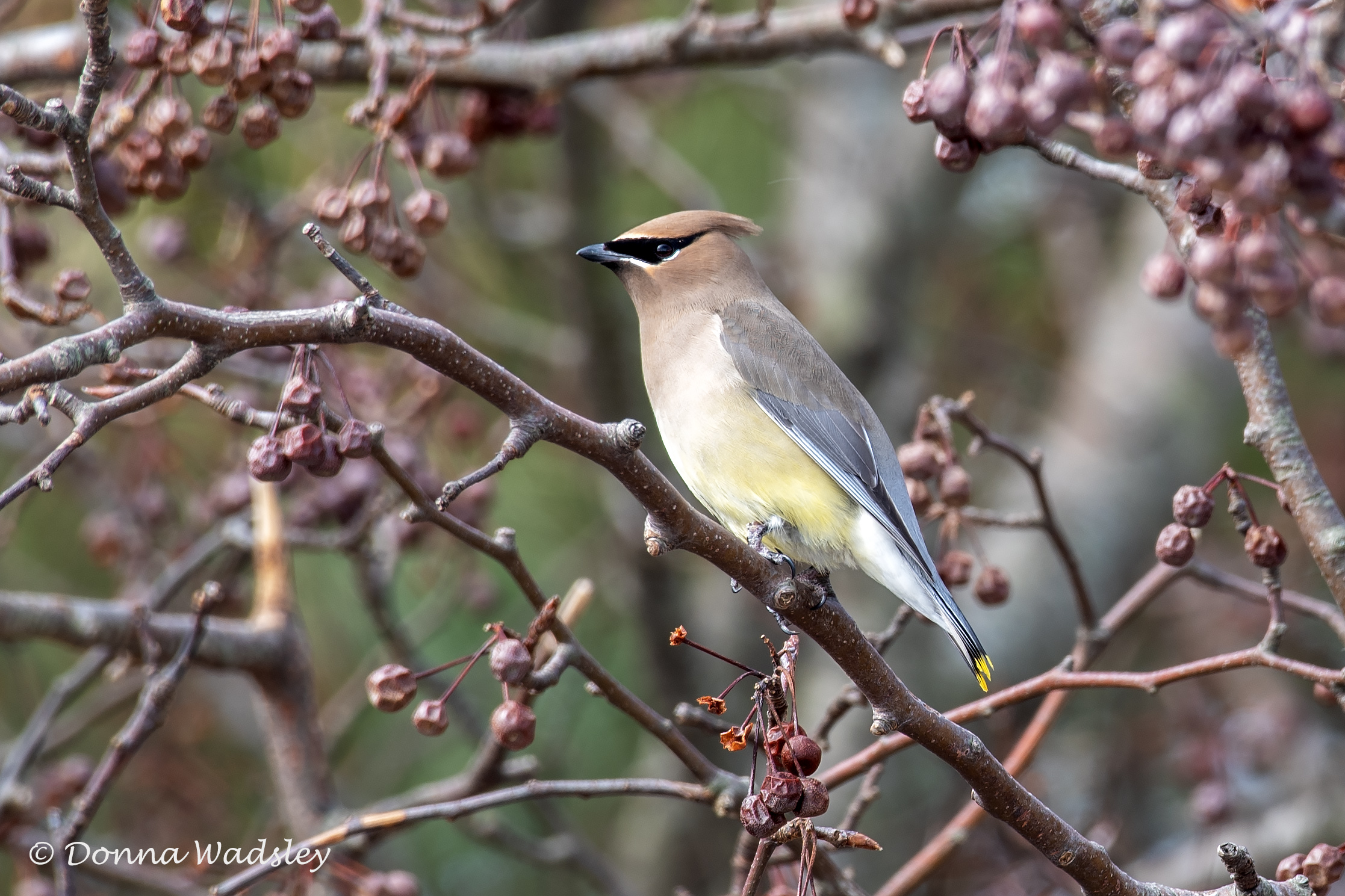
Putting my car flashers on, I did the best I could from my car window on the constant-moving flock.
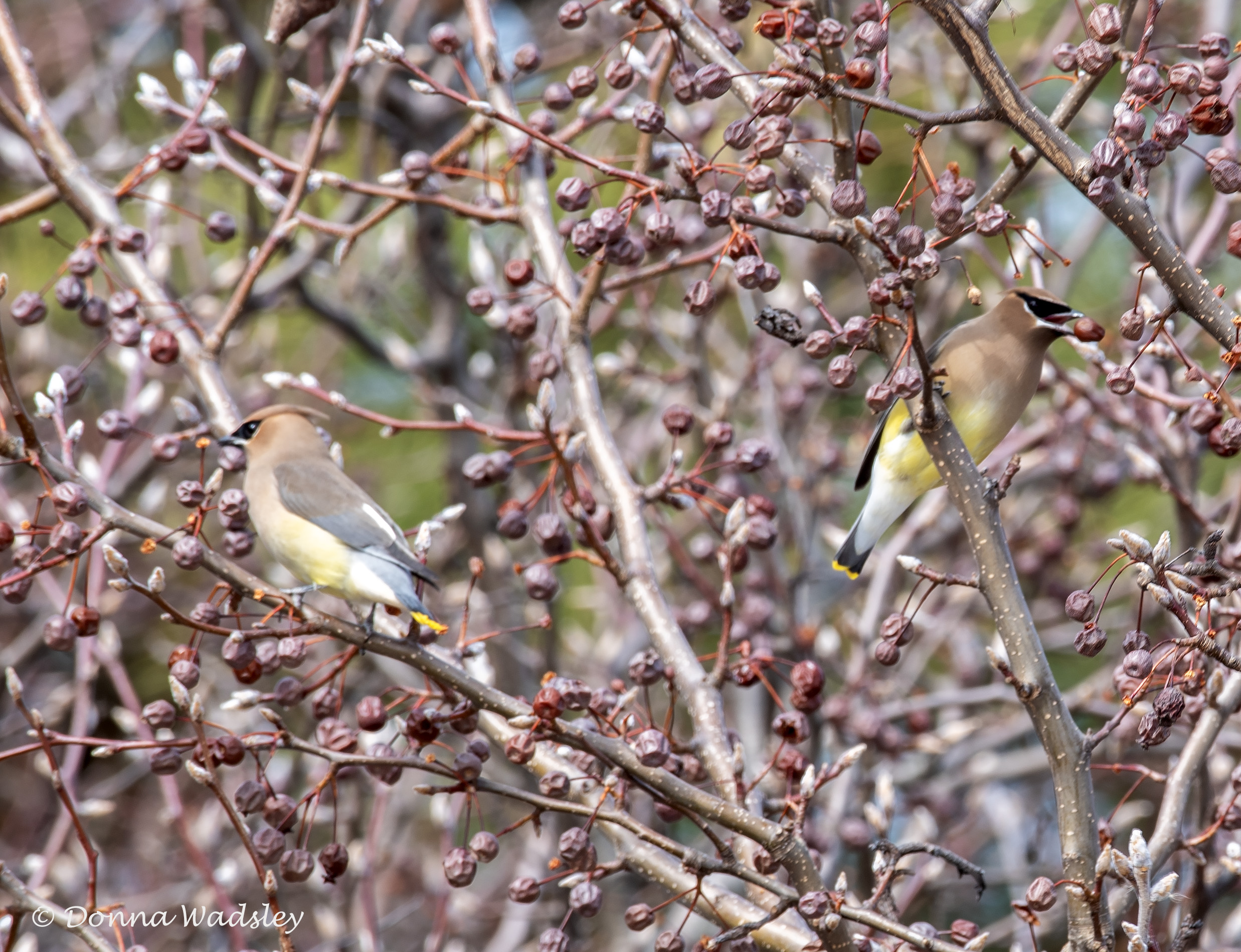
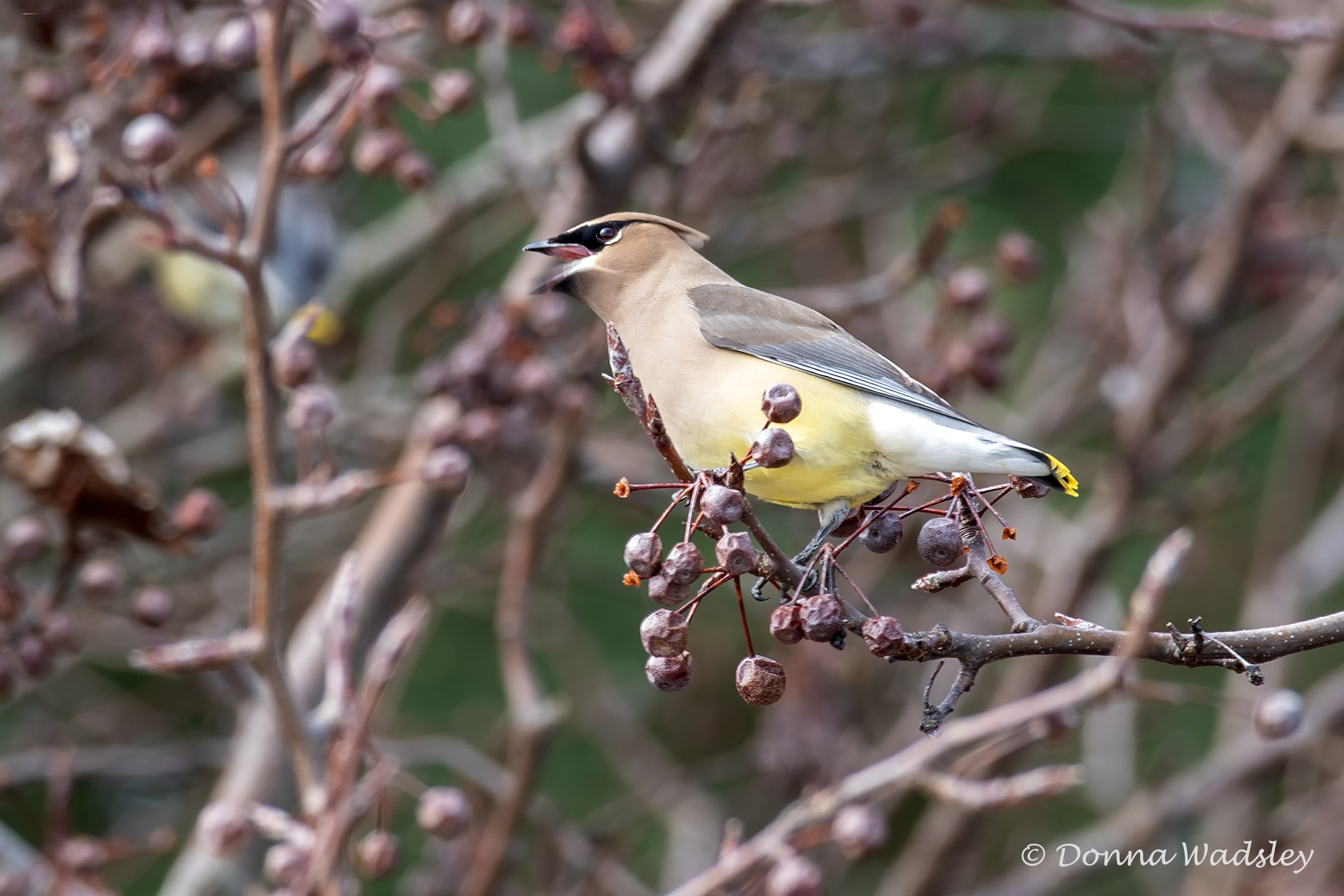
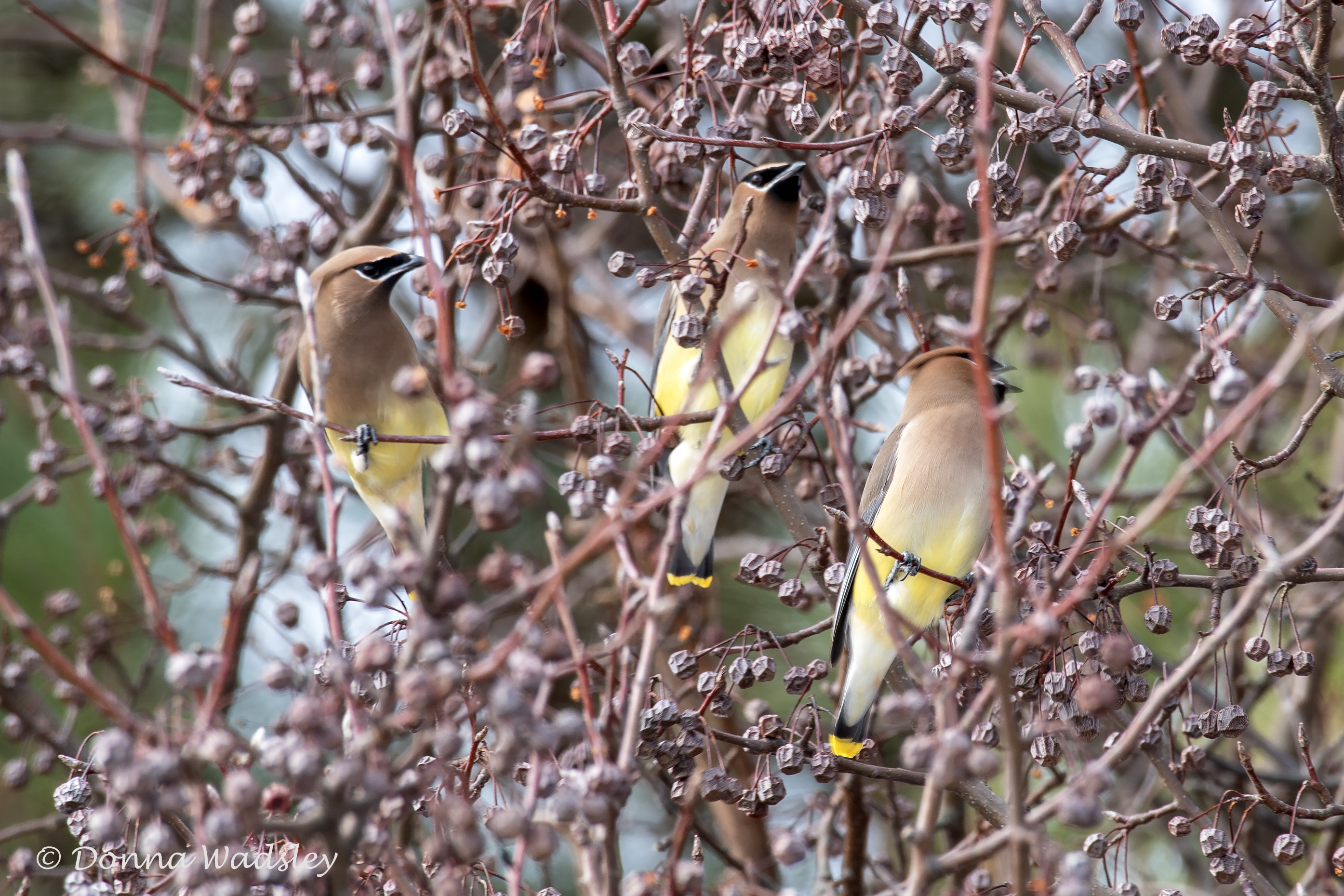
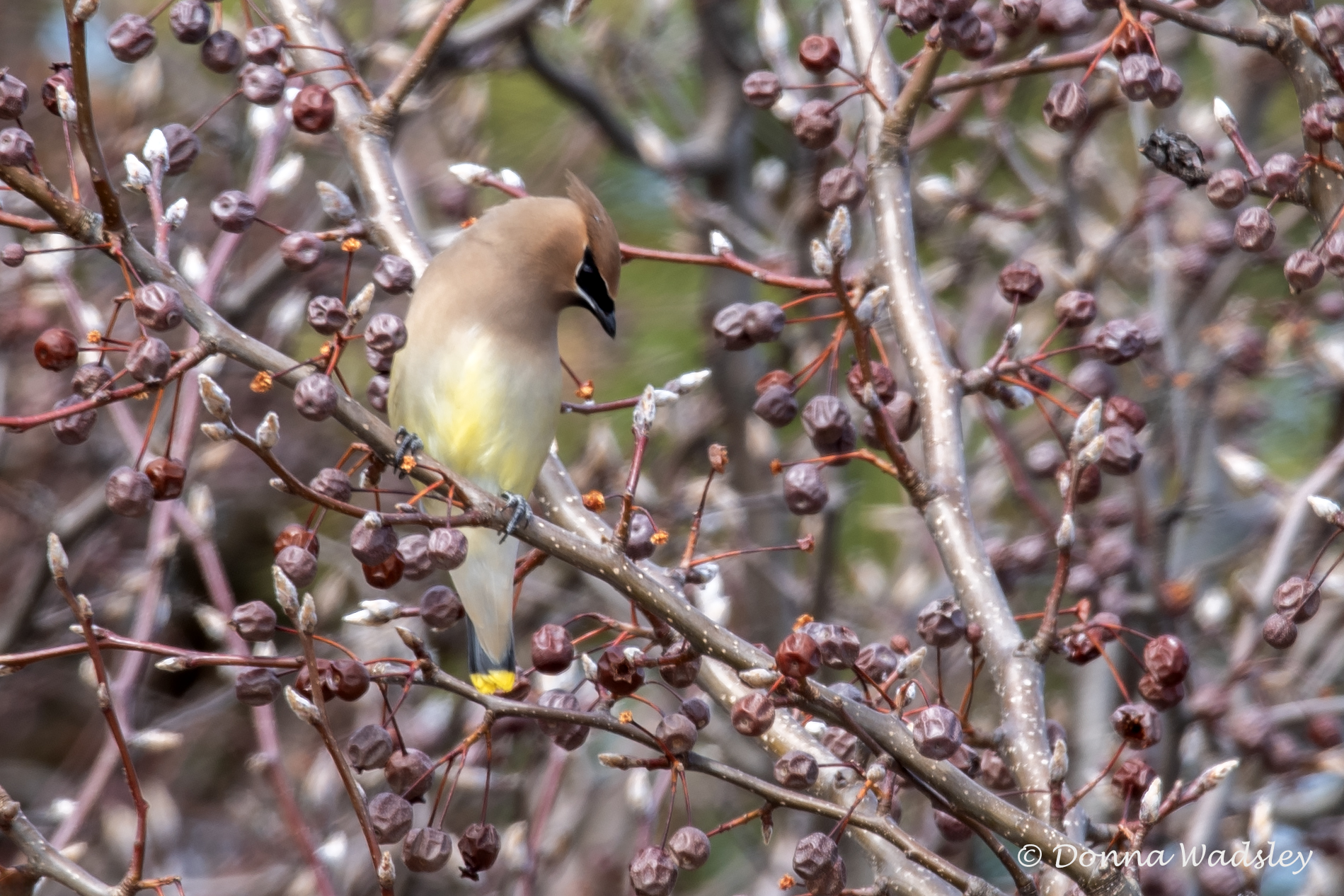
There were over 100 Cedar Waxwings, what a treat!
Another species flocking the berries were European Starlings. My focus was all about the waxwings, so I didn’t worry about capturing the starlings. Then one starling popped in front of me nicely; and what a treat, he’s the next post Berry Series star!
For past 1-2-3 Birds & Berries series posts, click here.
Squirrel Shenanigans
More Eastern Gray Squirrel photos as promised!
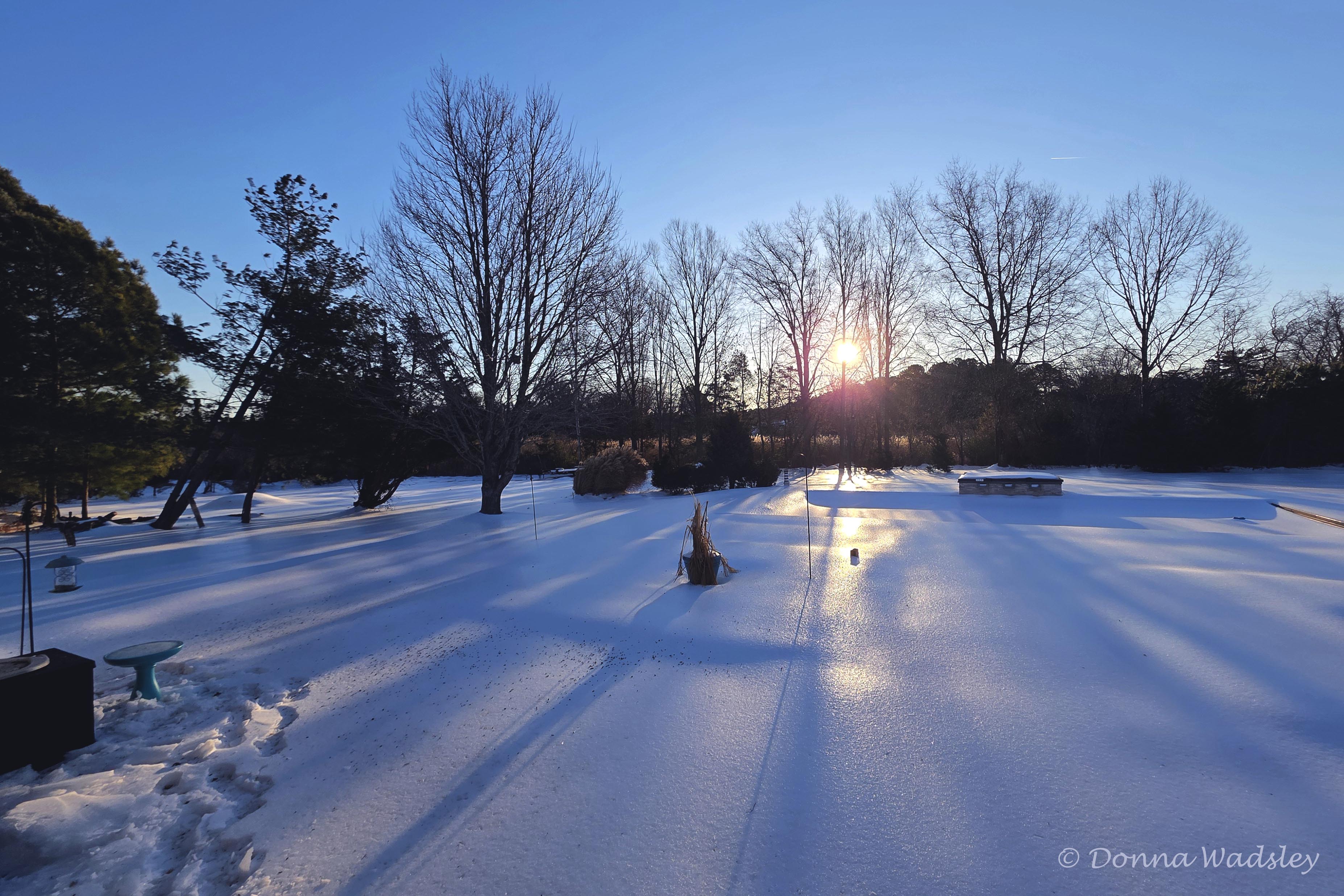
My backyard at sunrise
In the above photo, you can see my feeders and bird bath moved forward to be close to my back porch (bottom left corner) from the line of trees in the back left so I could maintain them easier after the winter storm.
Now enter the hungry squirrels. They cannot find any food or water either.
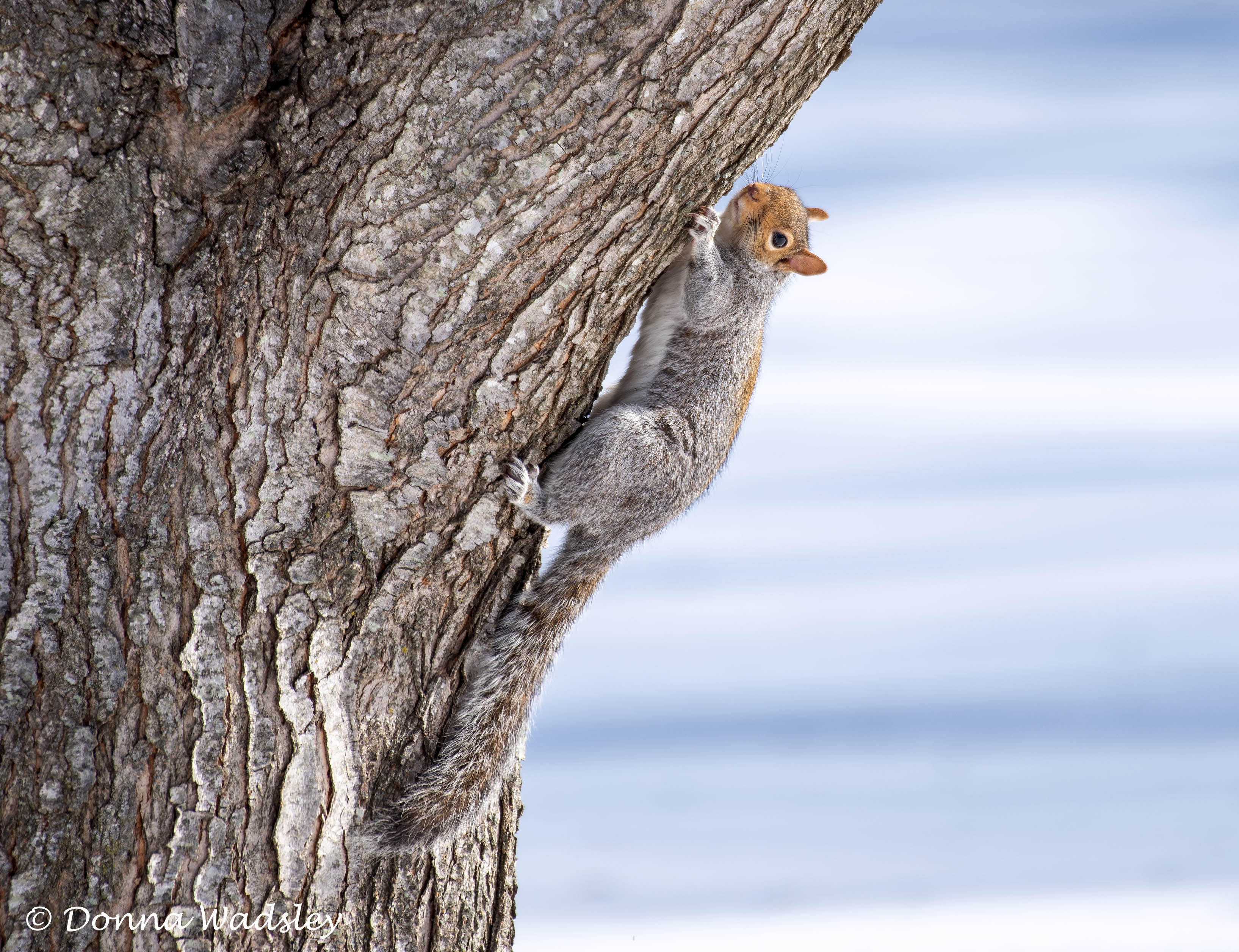
An Eastern Gray Squirrel making a plan to get to my feeders
The squirrel makes it and up he goes!
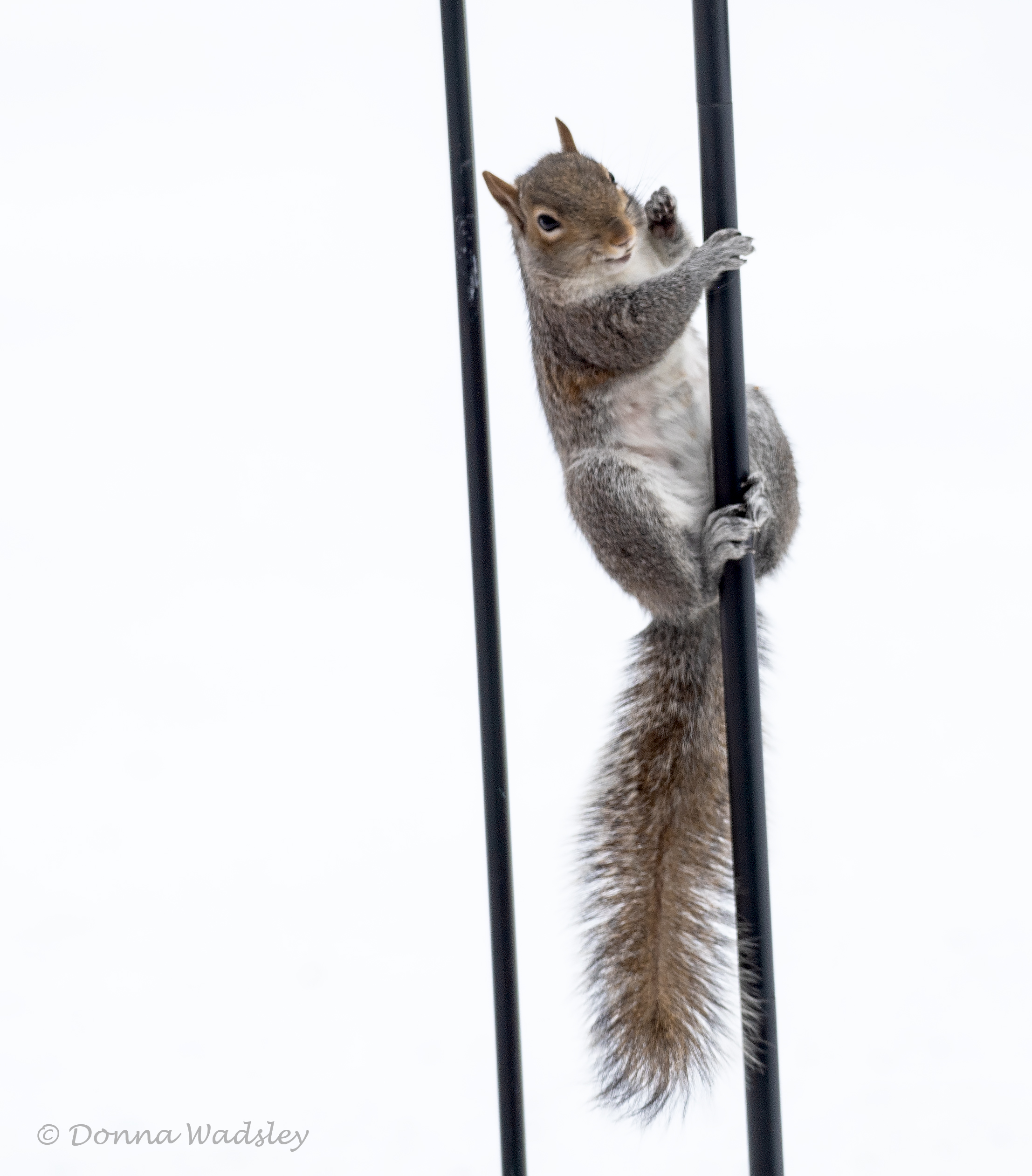
“Hi! I just gotta shimmy up this pole!”
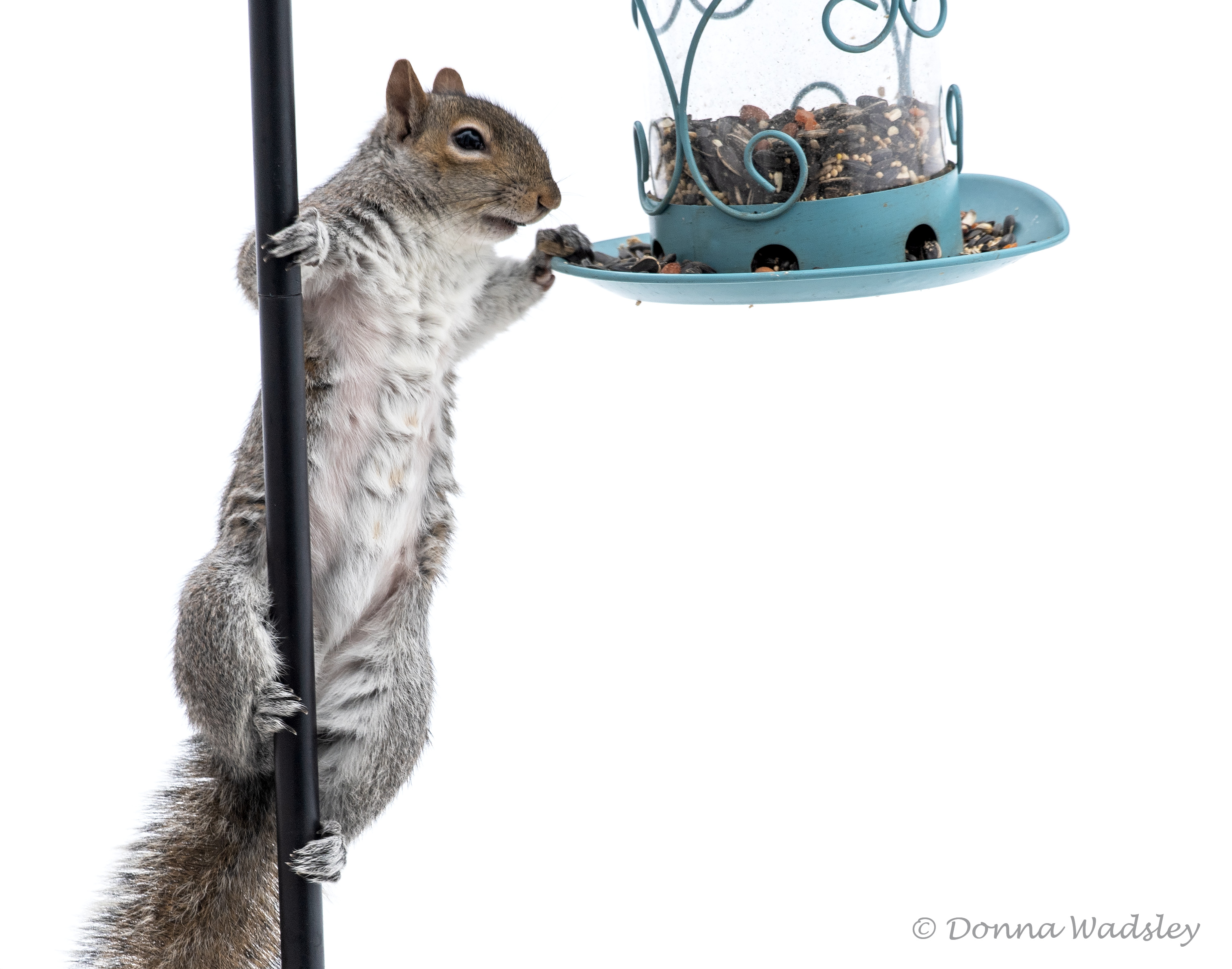
“I made it! Hmmm…what do we have here?”
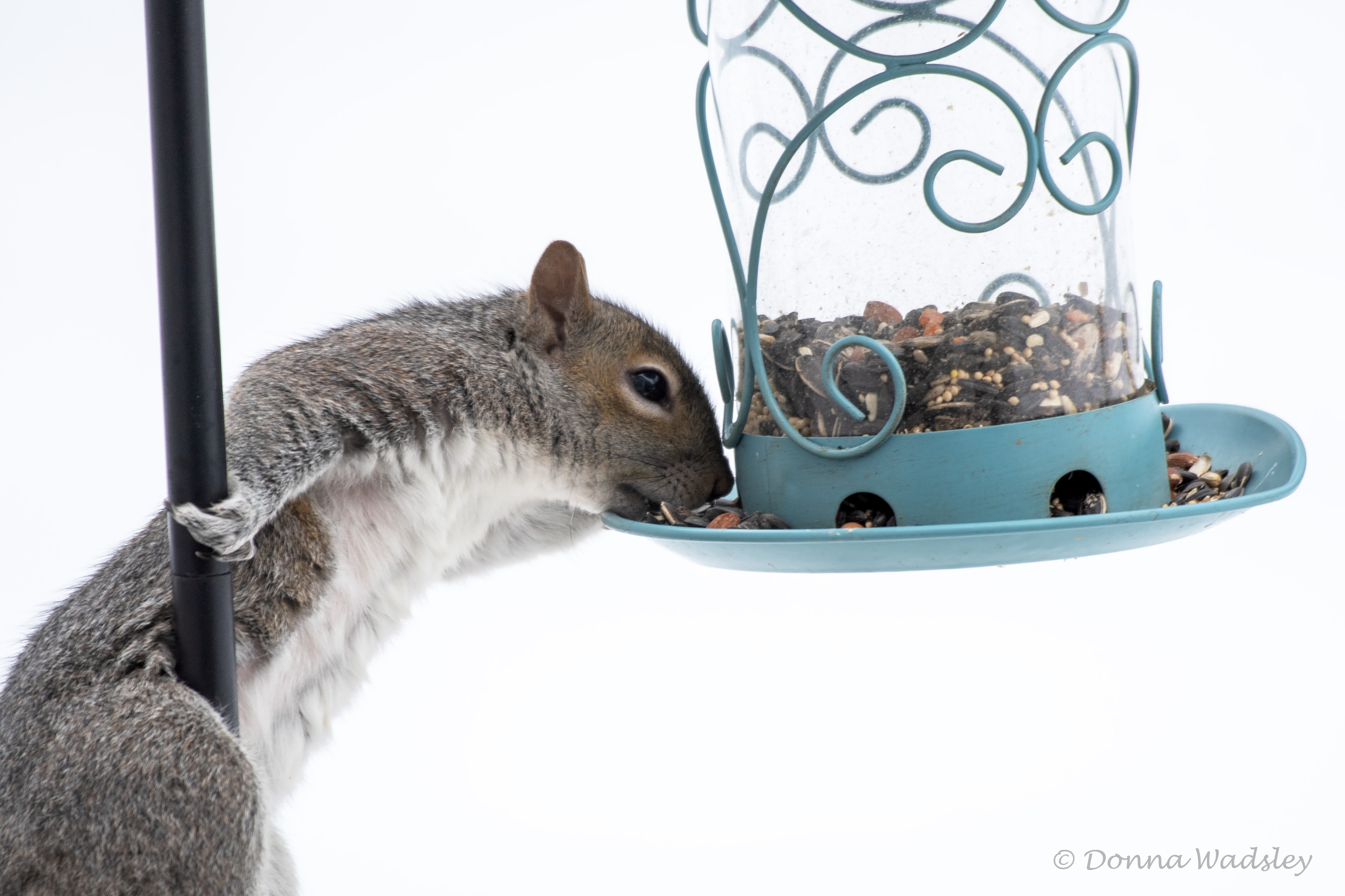
Munch…munch…munch…
$$…$$…$$…$$
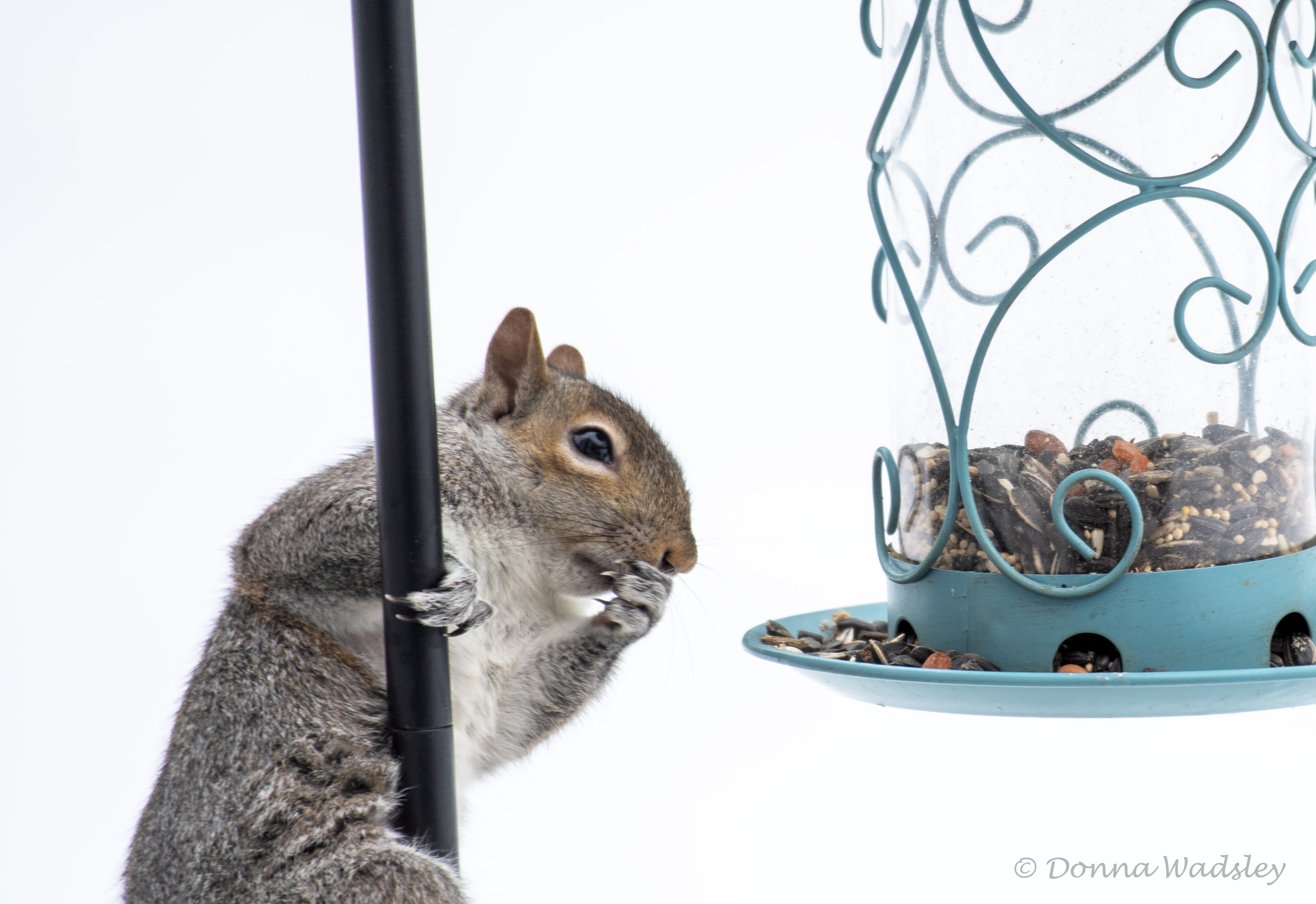
It sure is yummy!
To keep them away from the feeders and wandering on my back porch, I started casting bird seed far out on top of the ice/snow. It’s been working just as well for them as the birds!
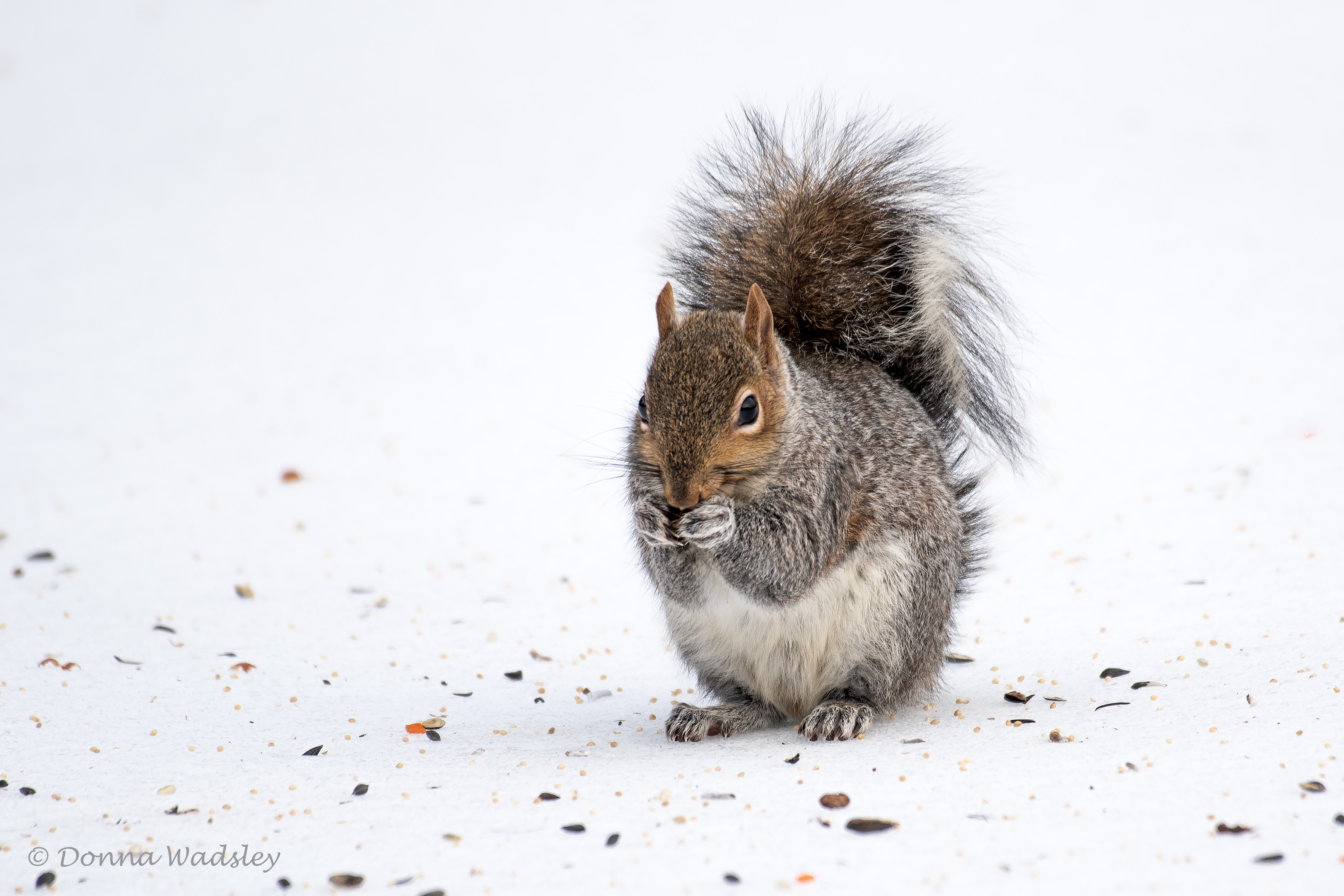
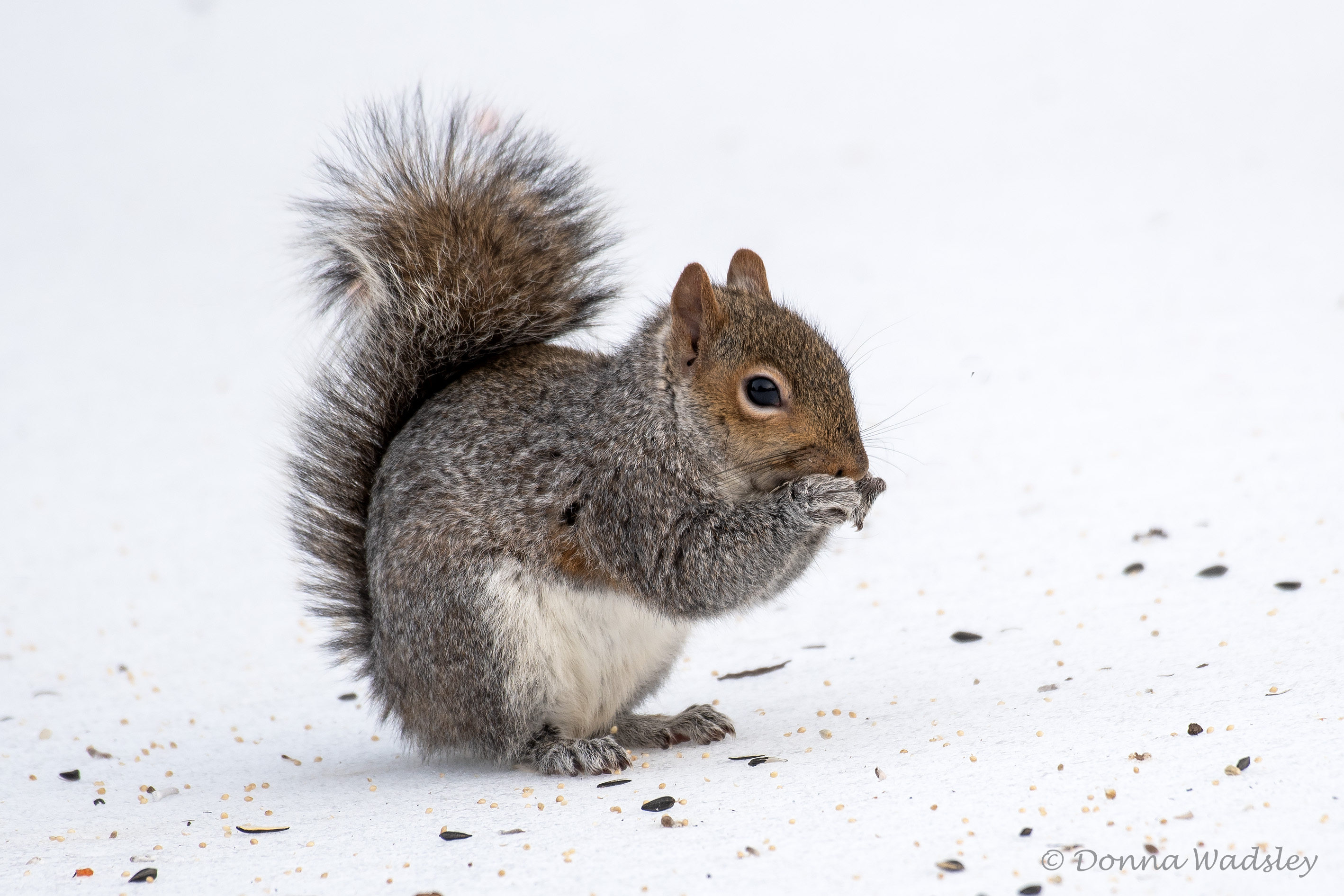
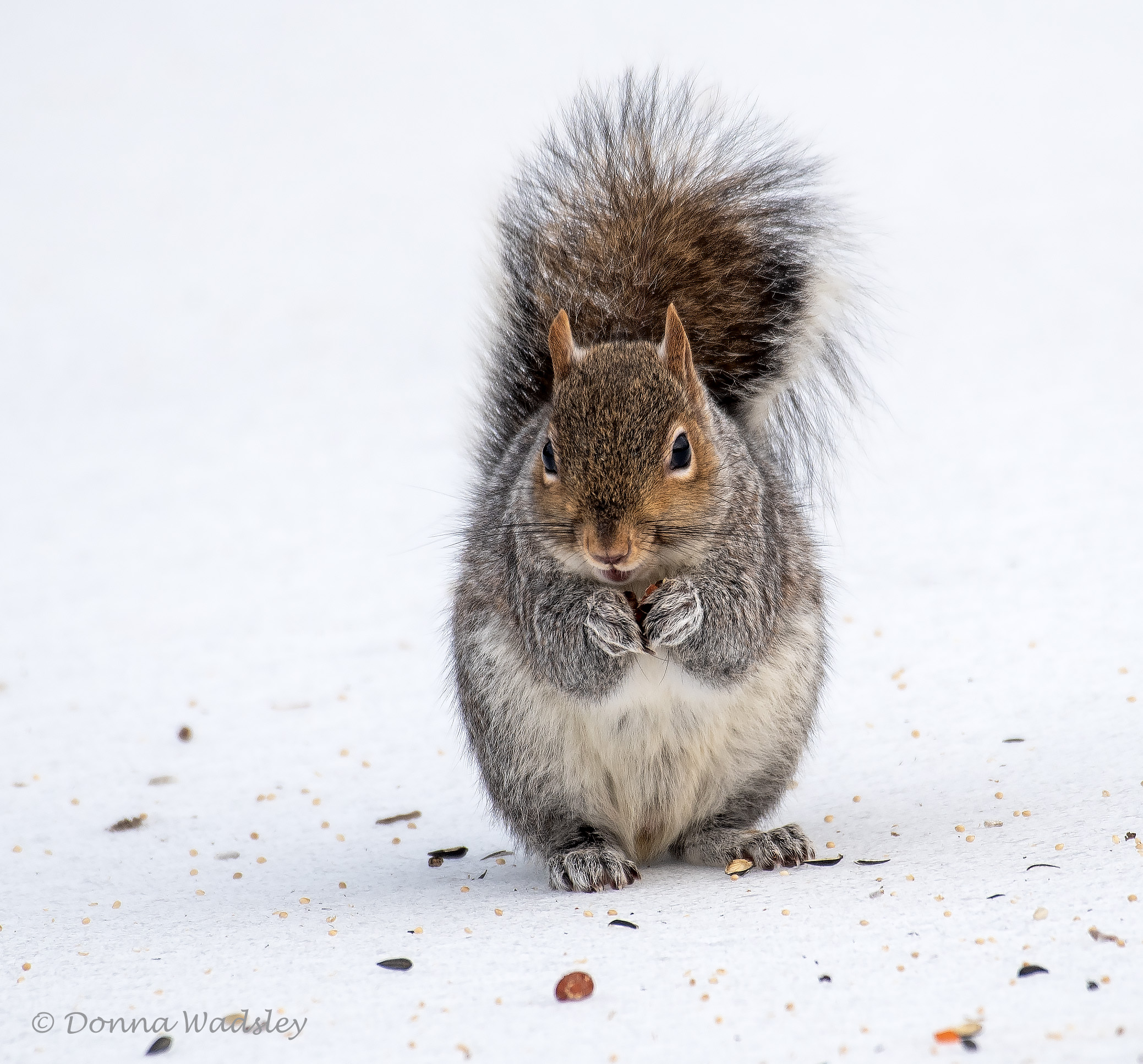
Yes, squirrels, I love you at a distance!
Snow Birds
A few snaps of my backyard daily snow birds enjoying scattered bird seed.
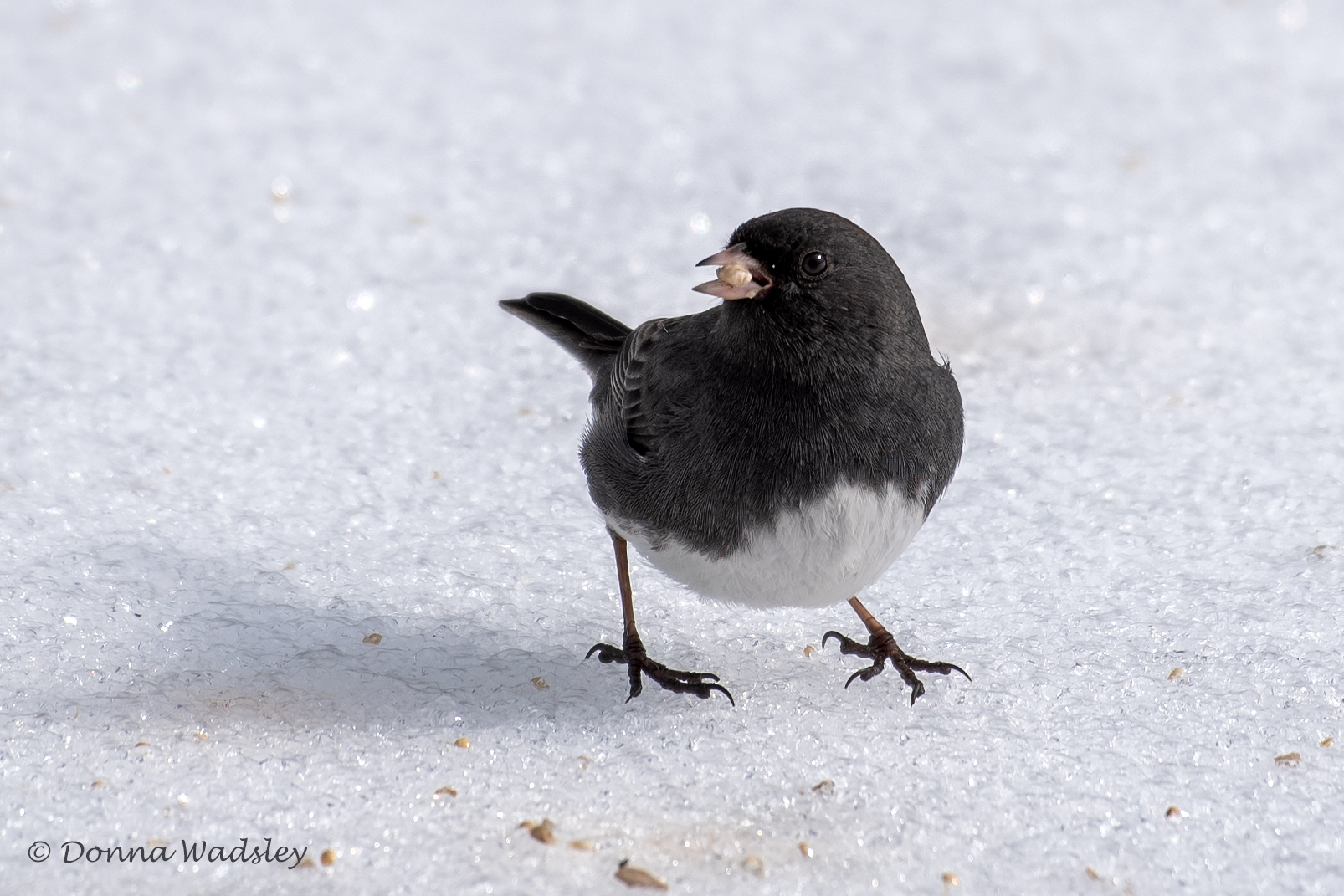
Dark-eyed Junco (male)
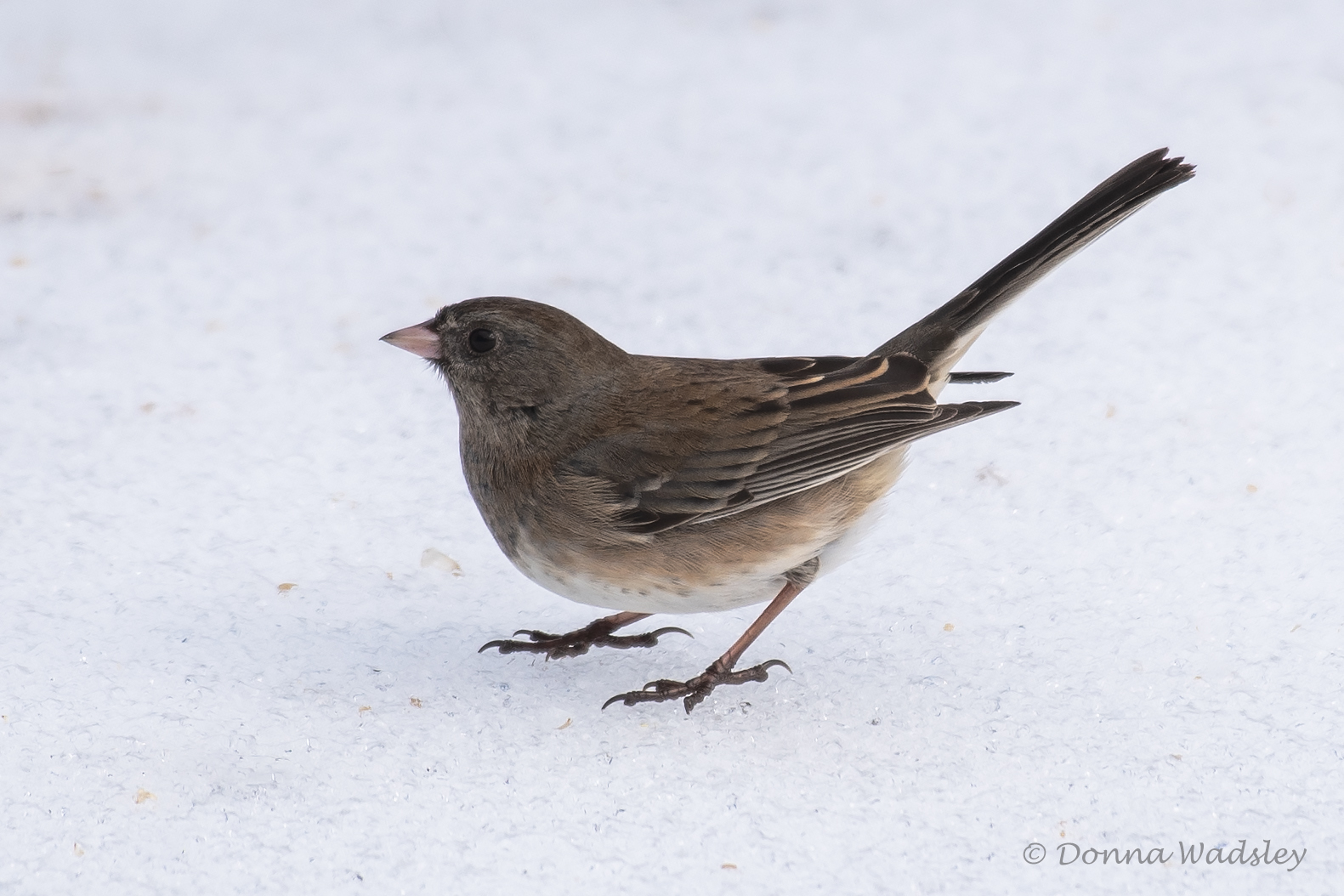
Dark-eyed Junco (female or immature)
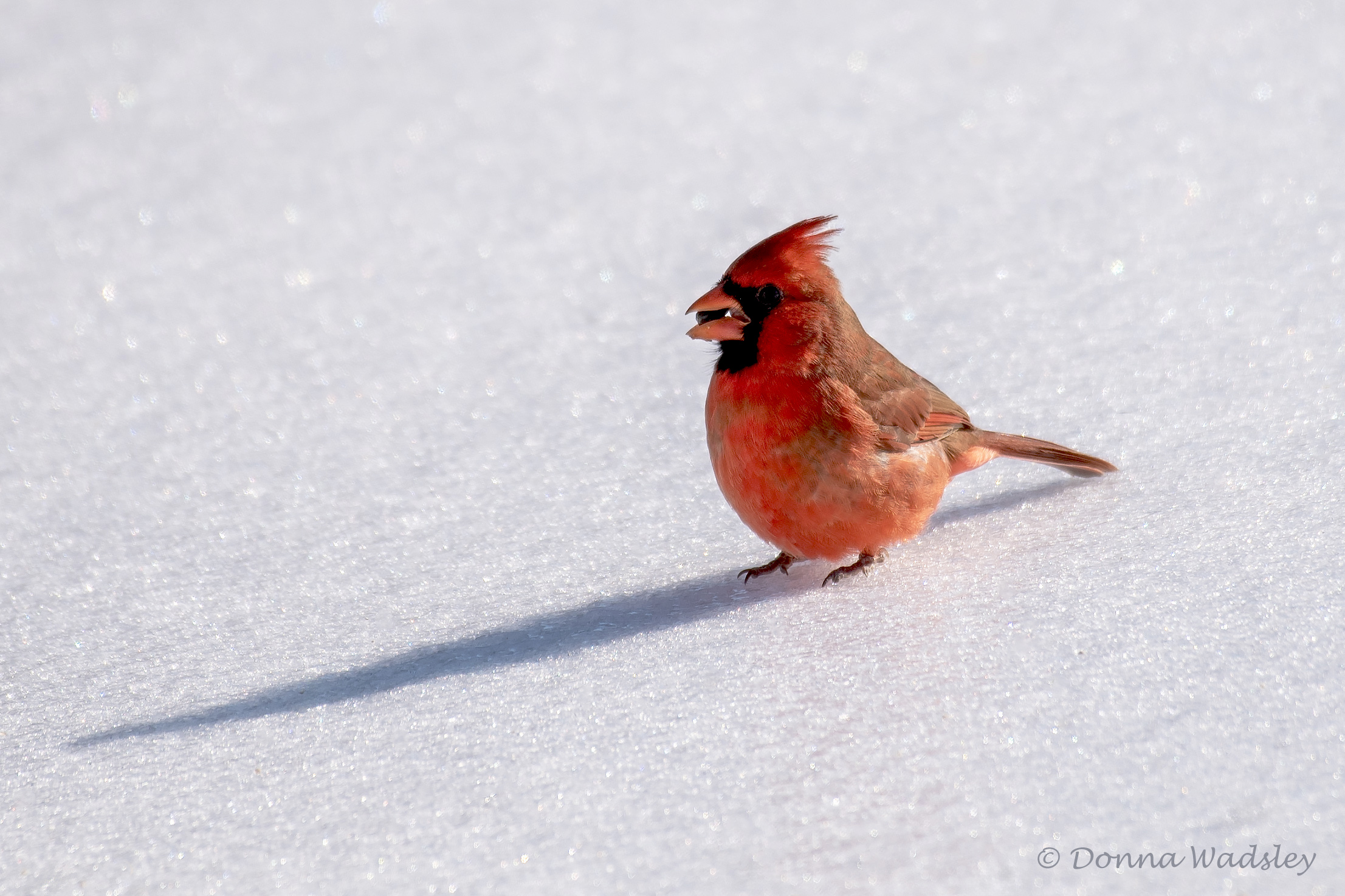
Northern Cardinal (male)
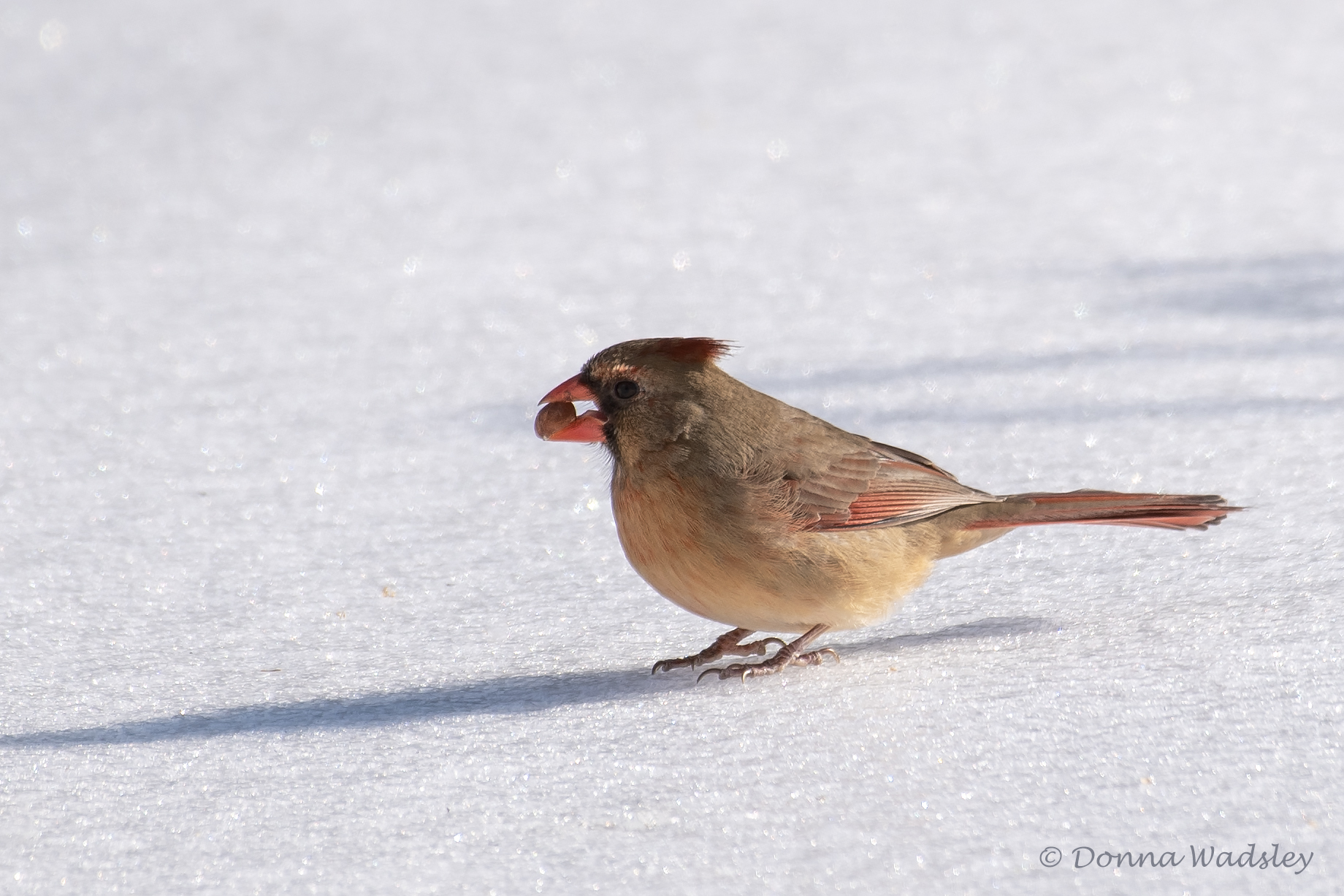
Northern Cardinal (female)
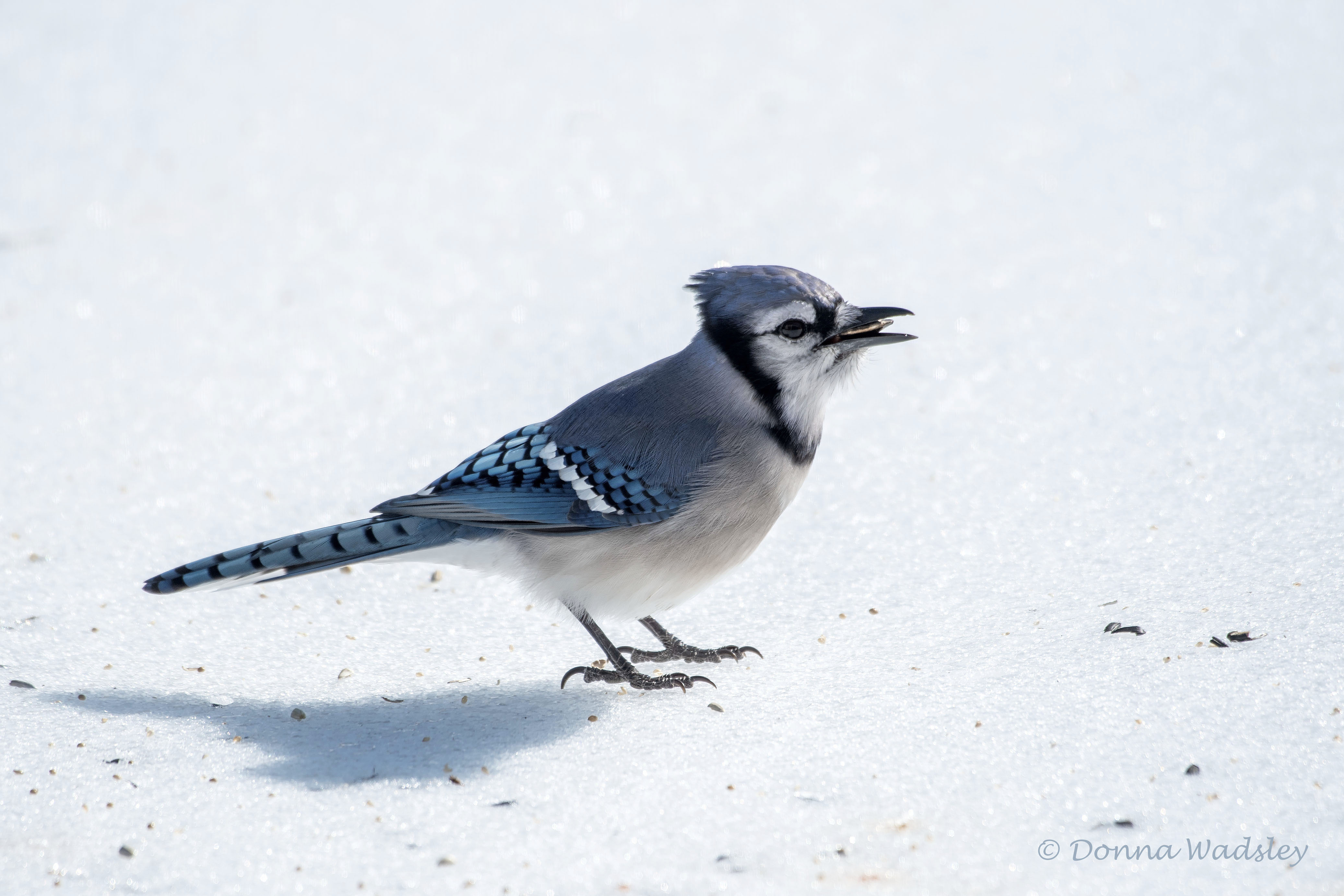
Blue Jay
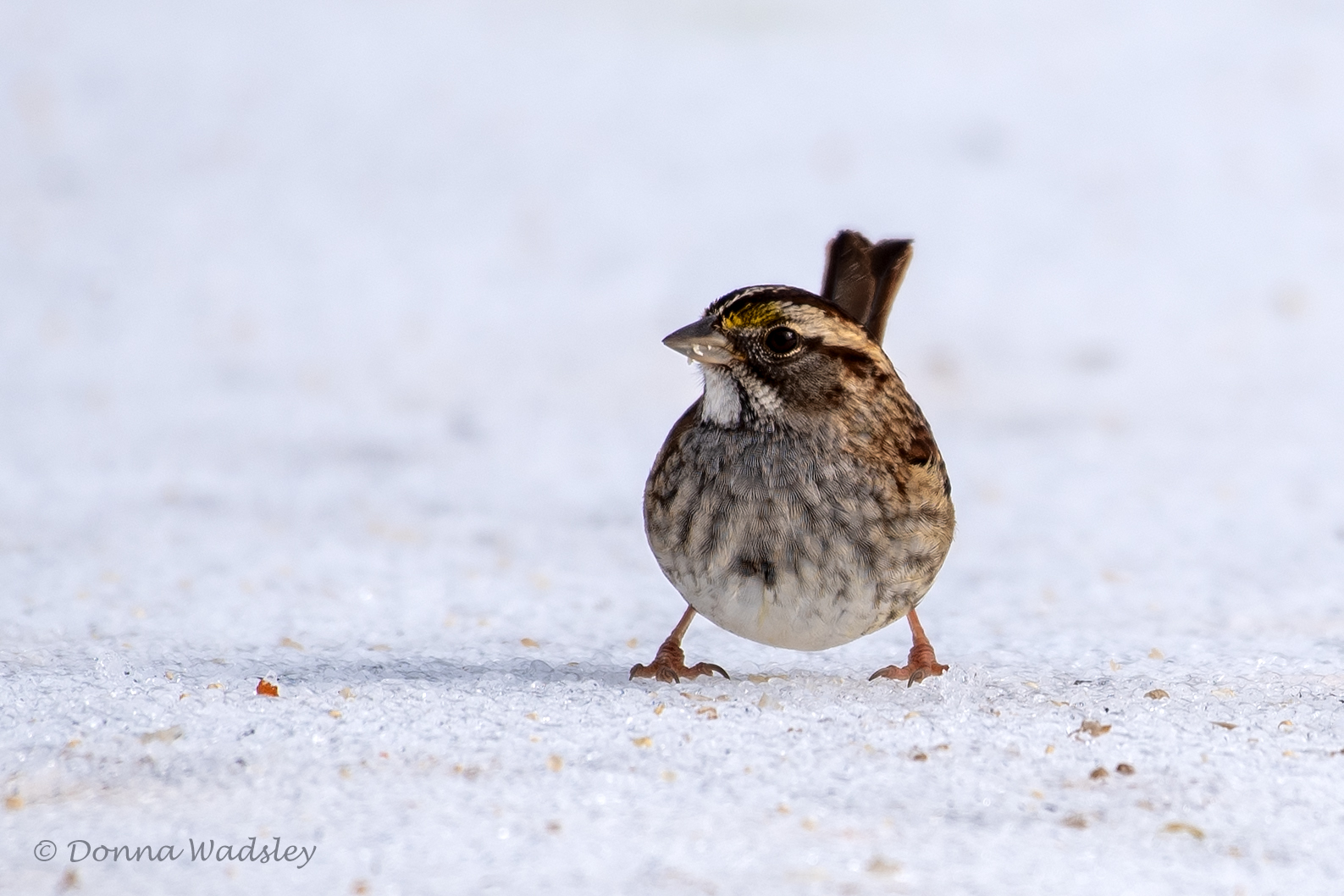
White-throated Sparrow
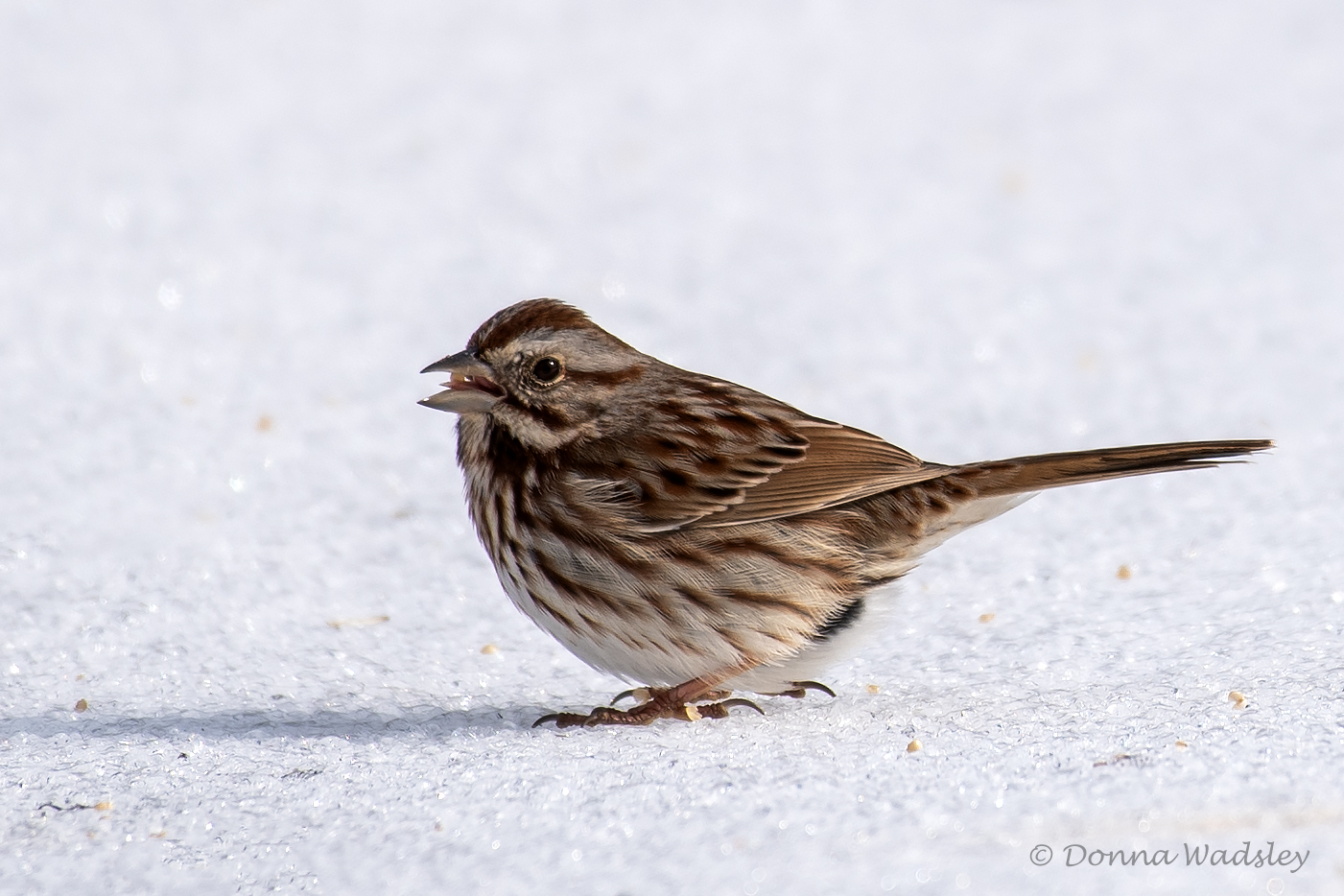
Song Sparrow
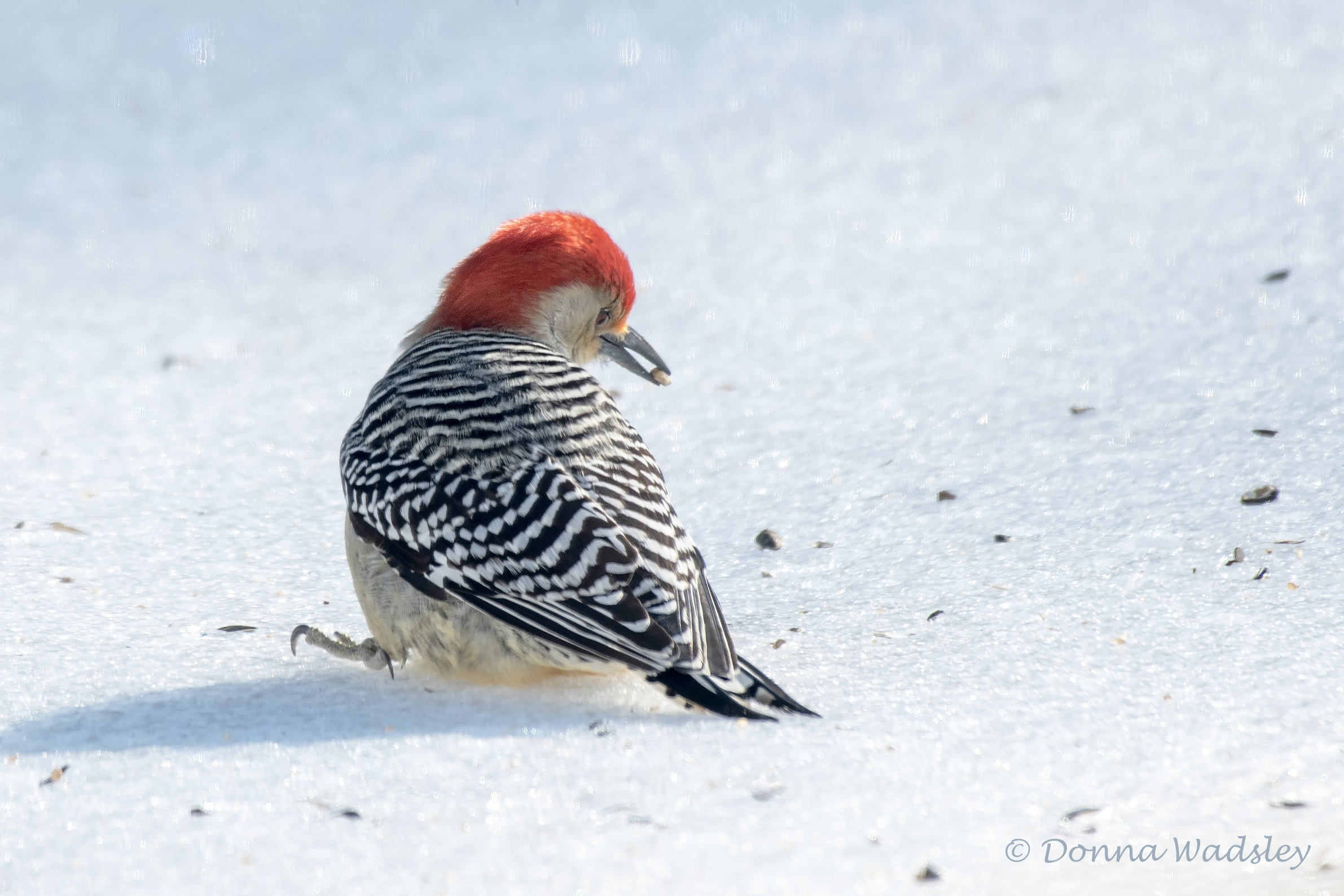
Red-bellied Woodpecker (male)
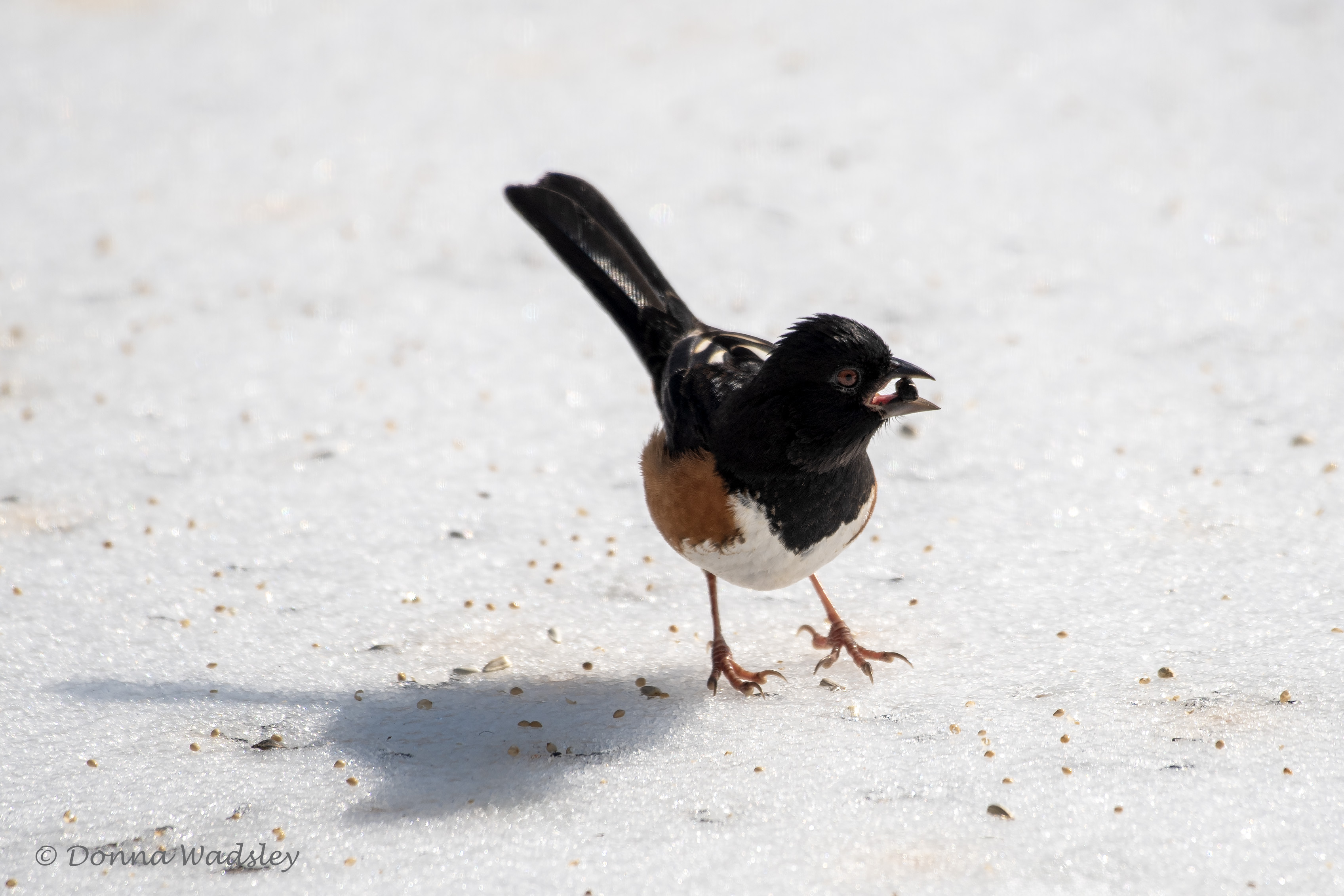
Eastern Towhee
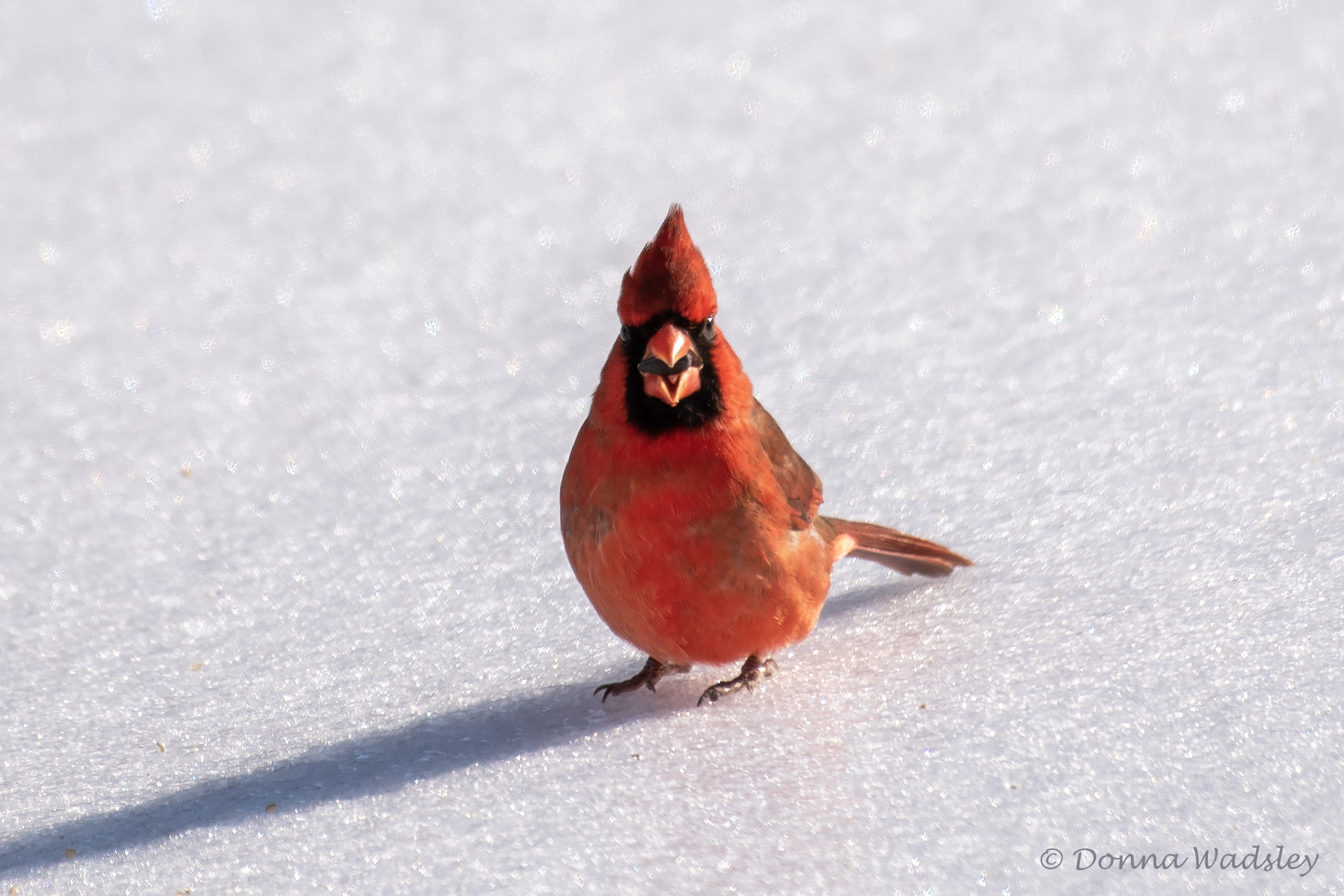
Eatin’s good here!
And someone trying to pretend to be a bird…..
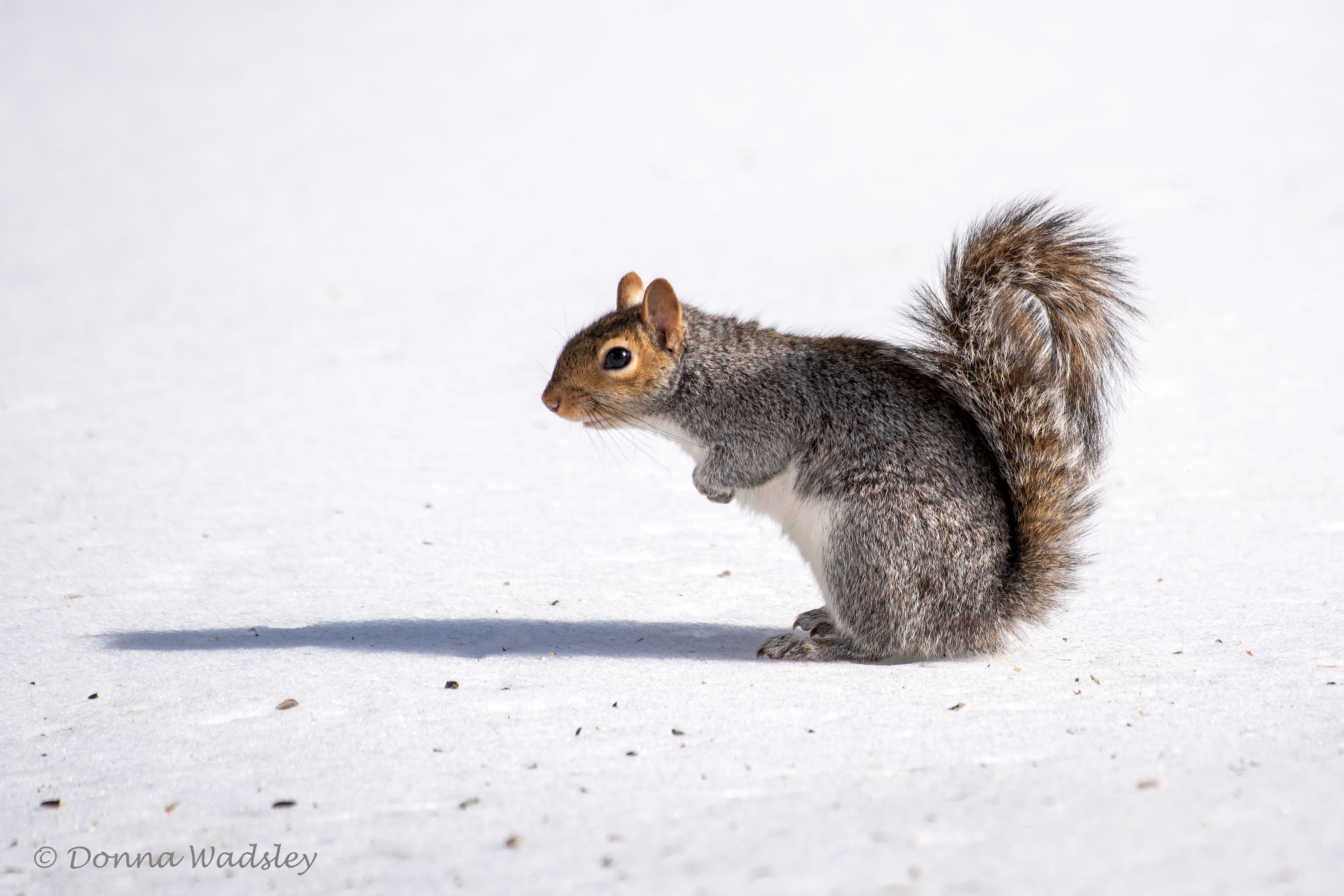
Eastern Gray Squirrel
More squirrel photos next!
Blackwater NWR January Birds – Part 3
I had separated out my Great Blue Heron shots at Blackwater NWR for their own share and to complete my January 2026 series from my two visits to the refuge.
One visit I counted eight Great Blues; the other, five. I stopped for four to photograph.
The first three are single shots of what they do best.
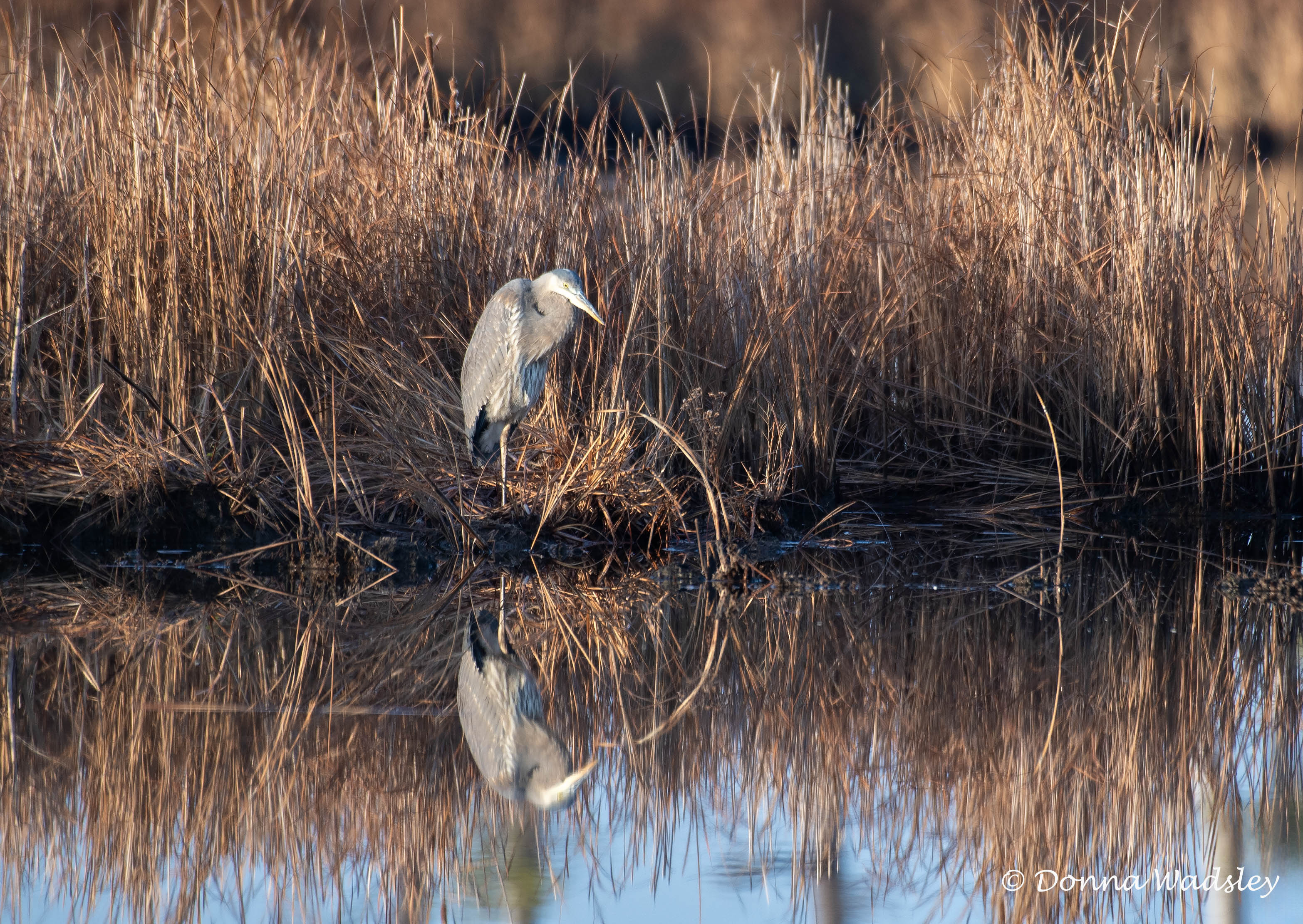
Slowly waking up in the early morning light.
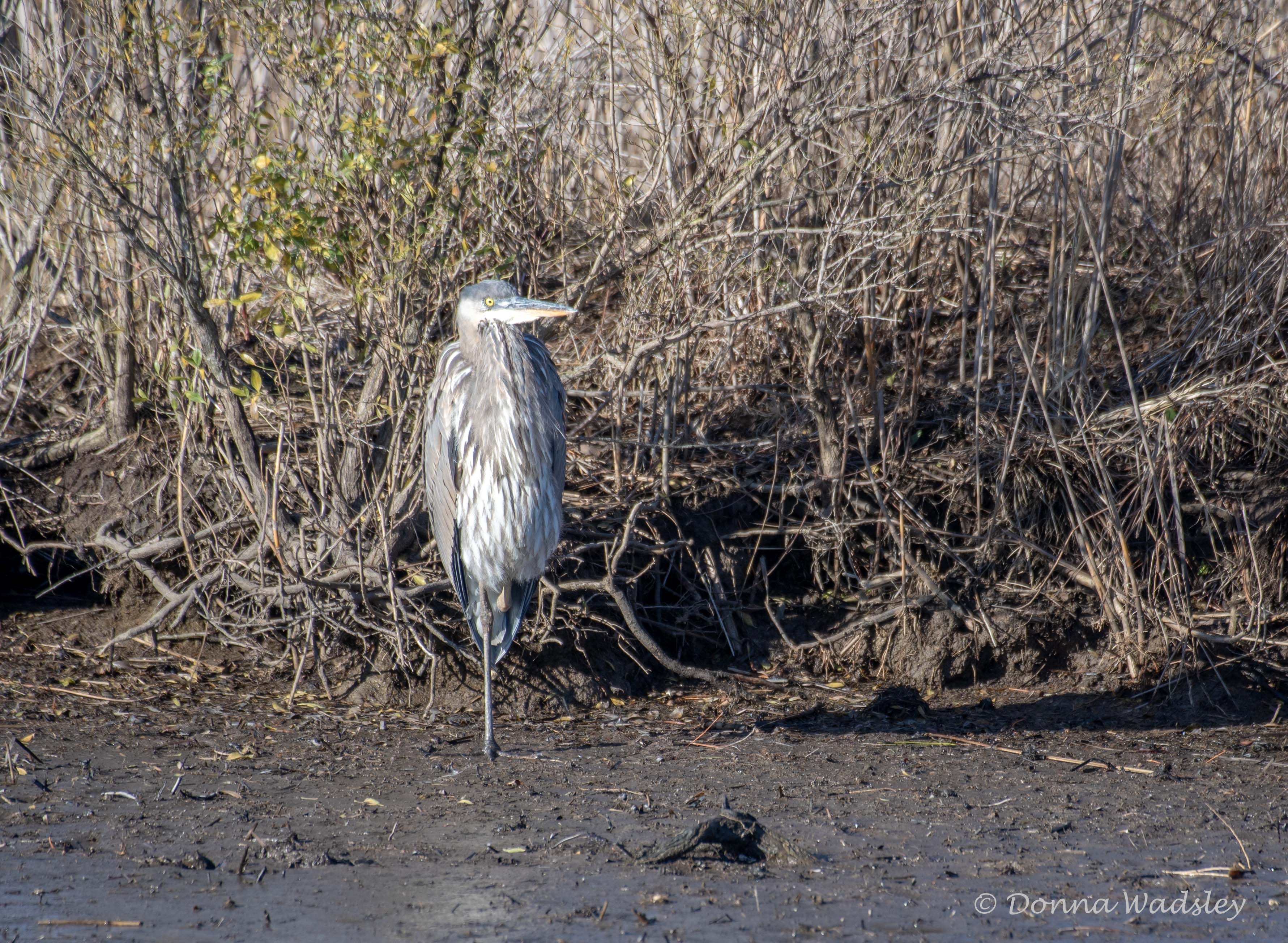
This one looks like he’s stuck in the mud!
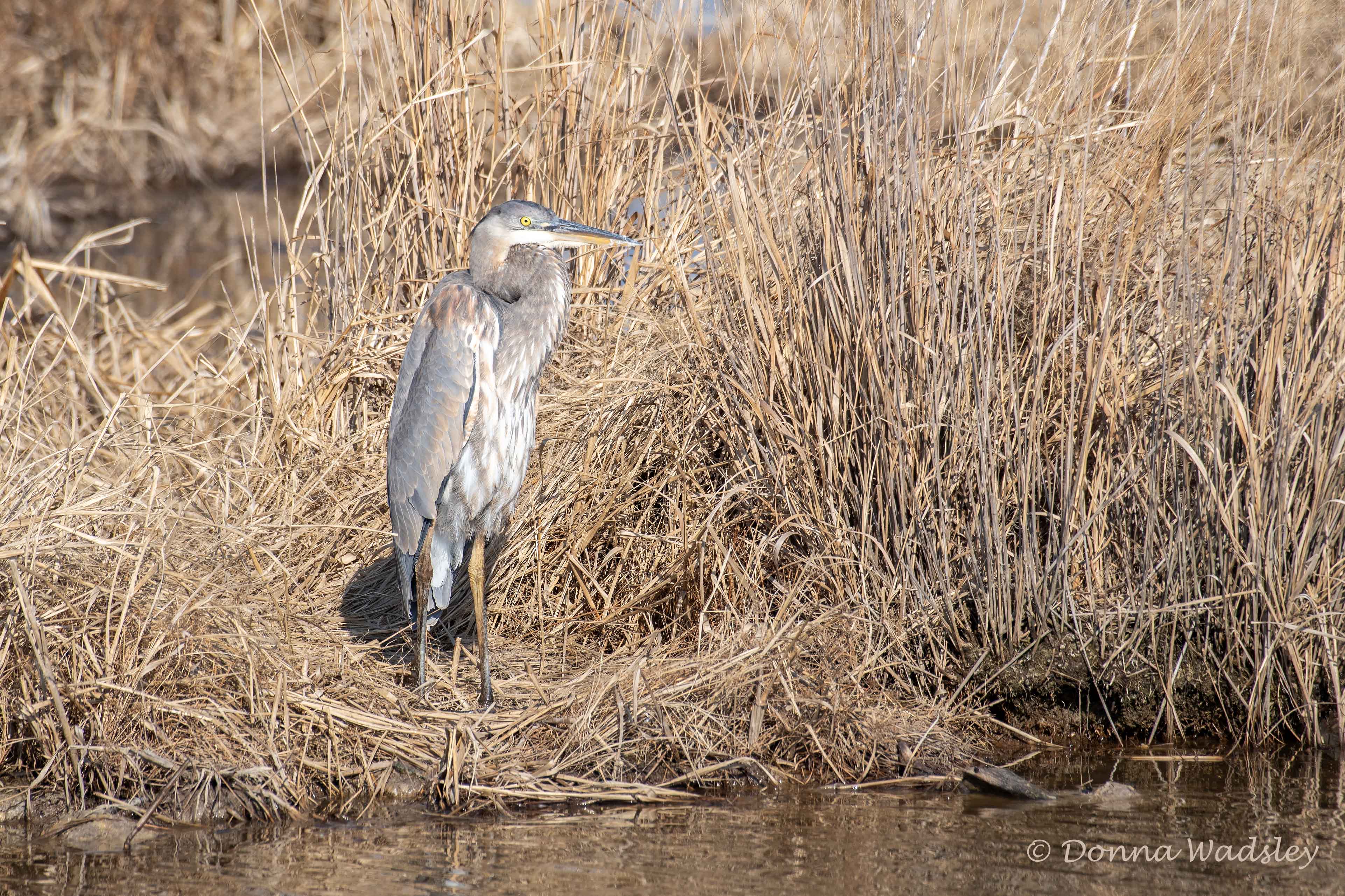
By his look, I’m sure he turned happy when I quickly moved on after the photo.
This last Great Blue Heron was out in a wider open portion of the marsh, fishing mid-morning. A few singles from my shot series.
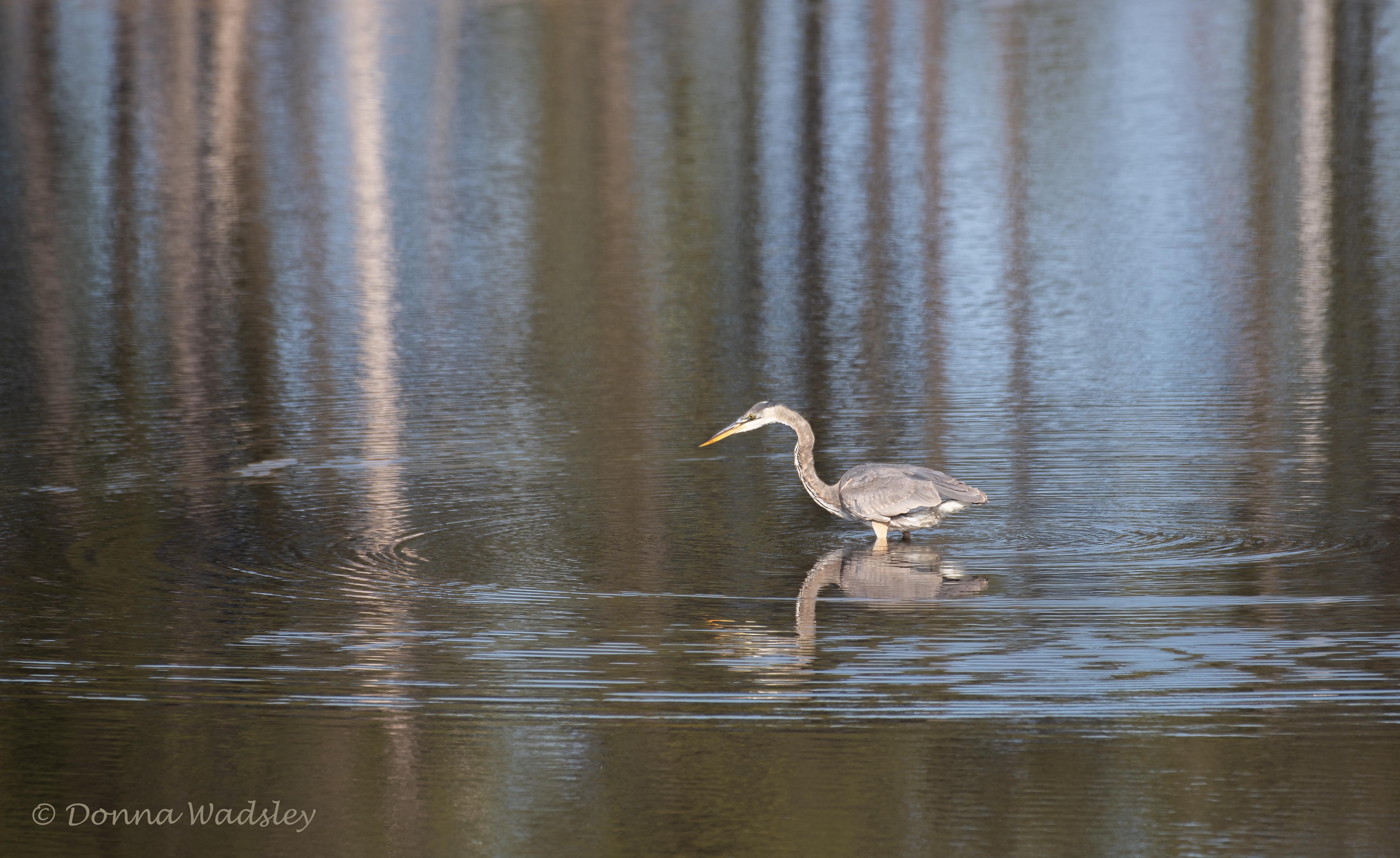
Great Blue Heron stalking fish
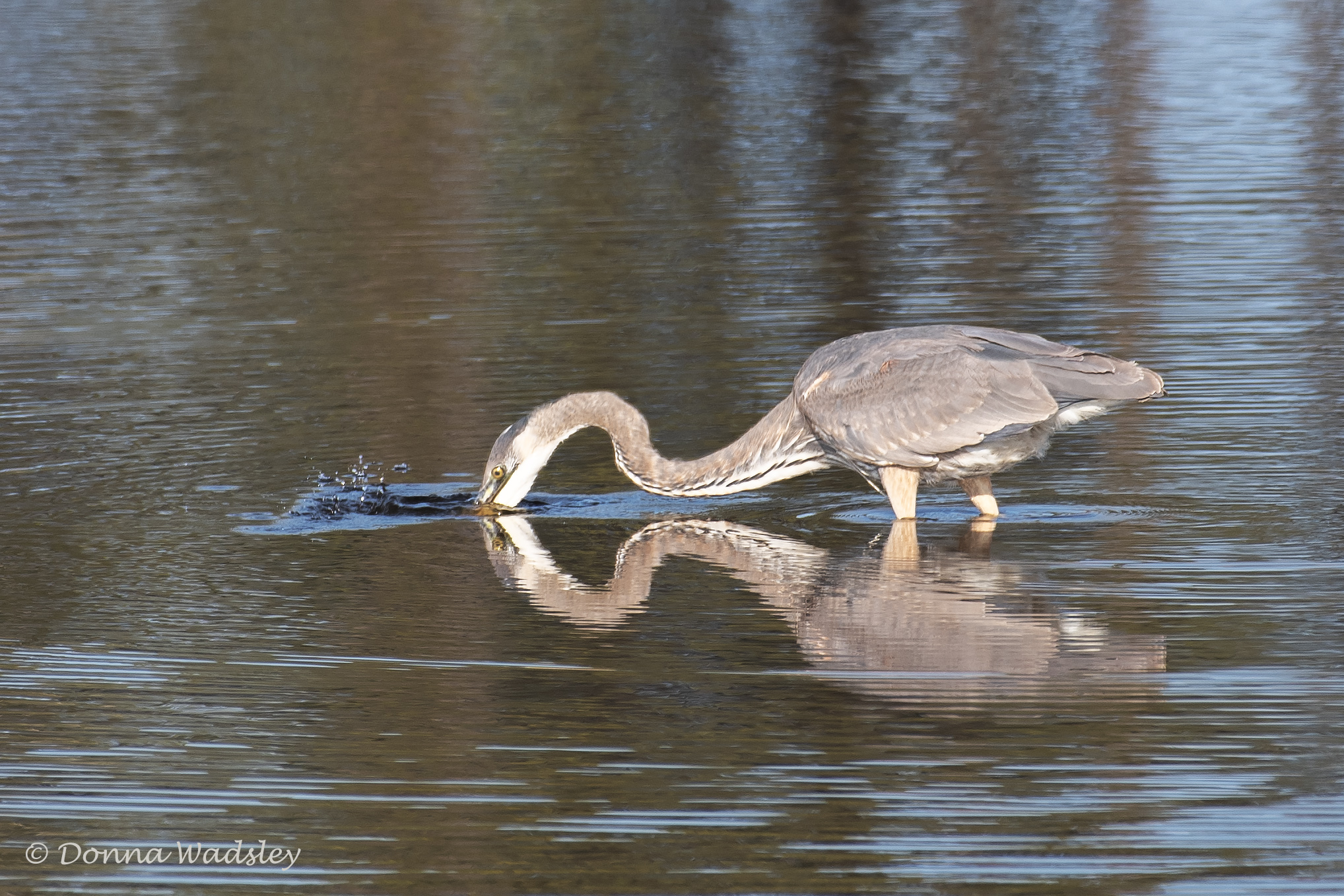
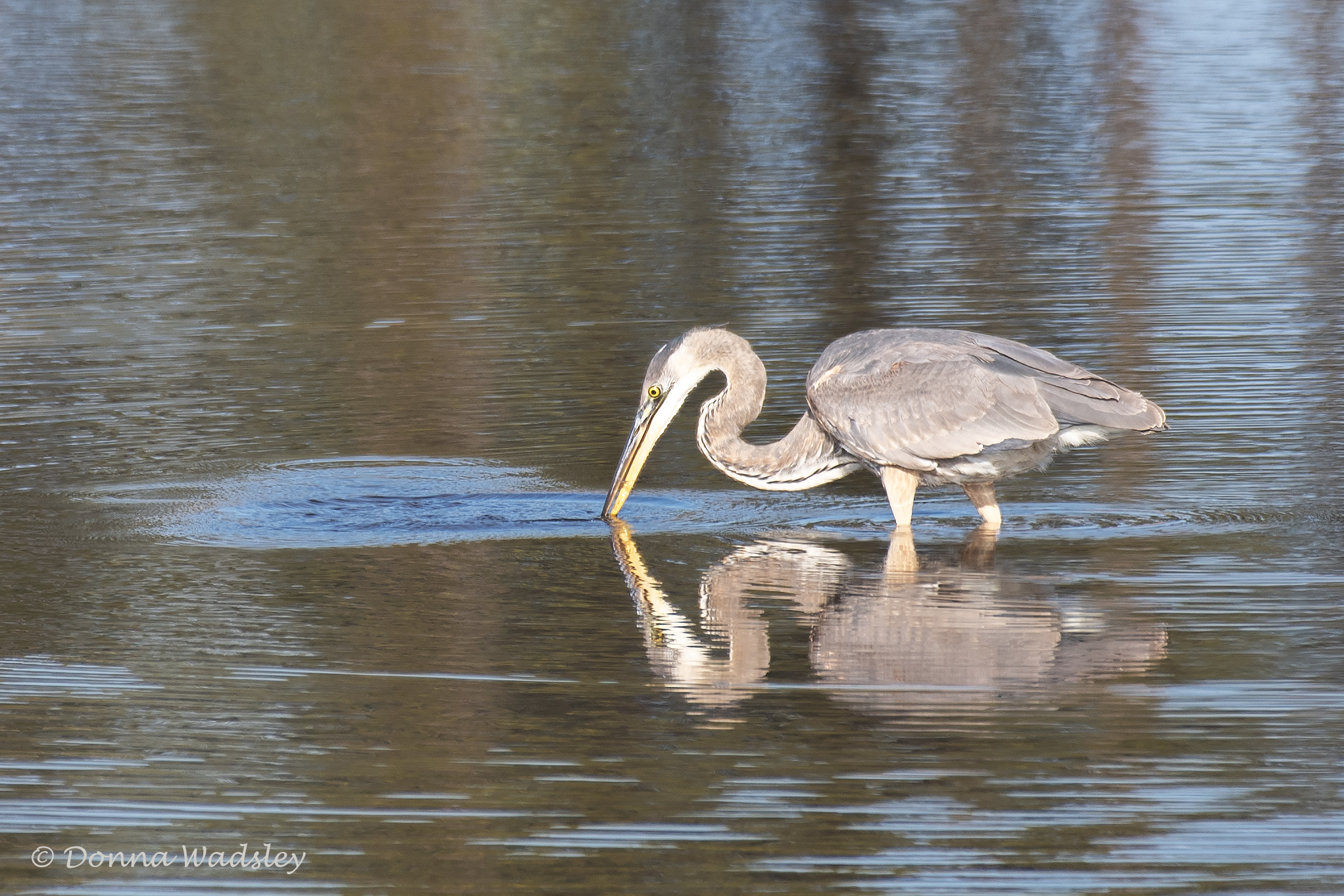
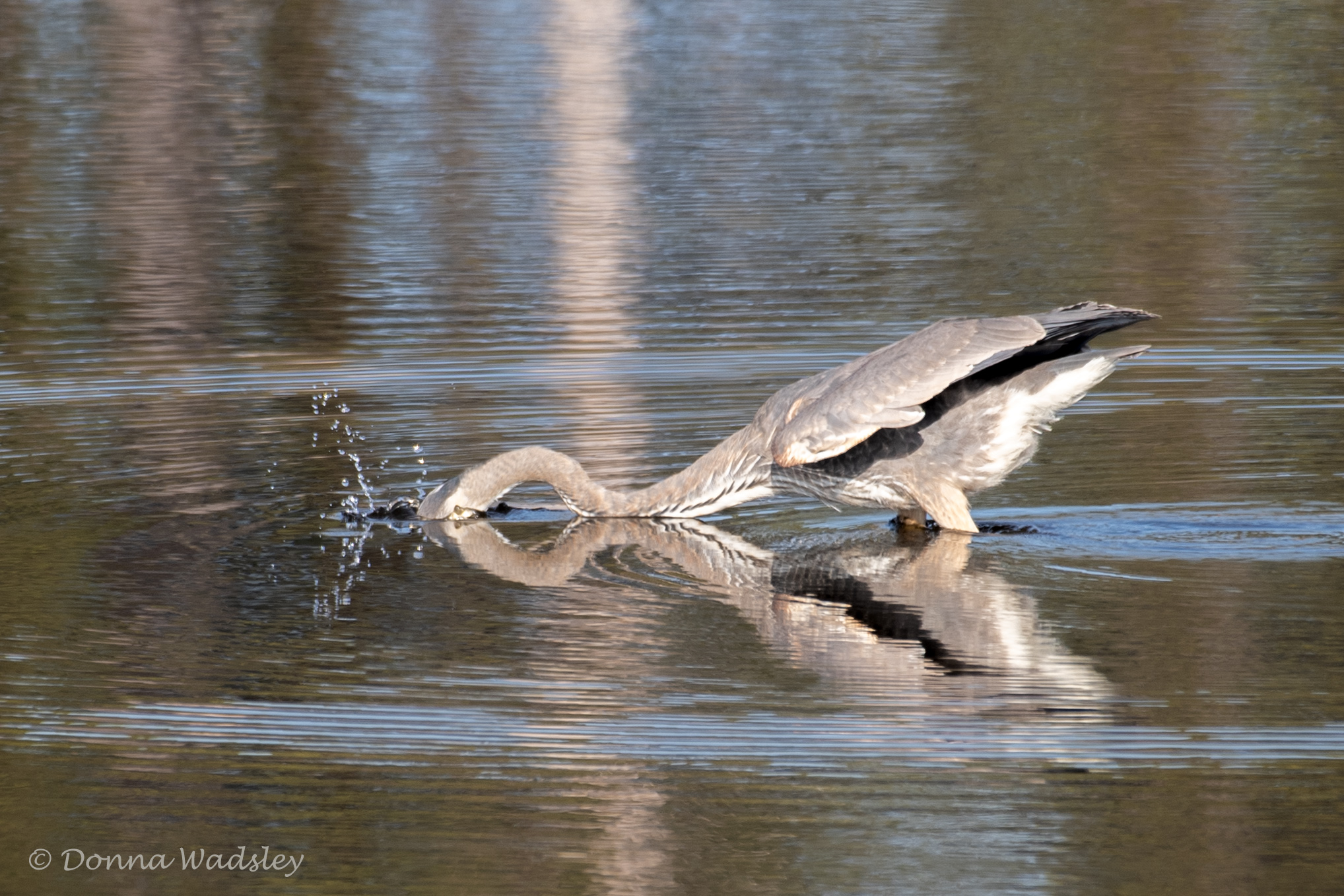
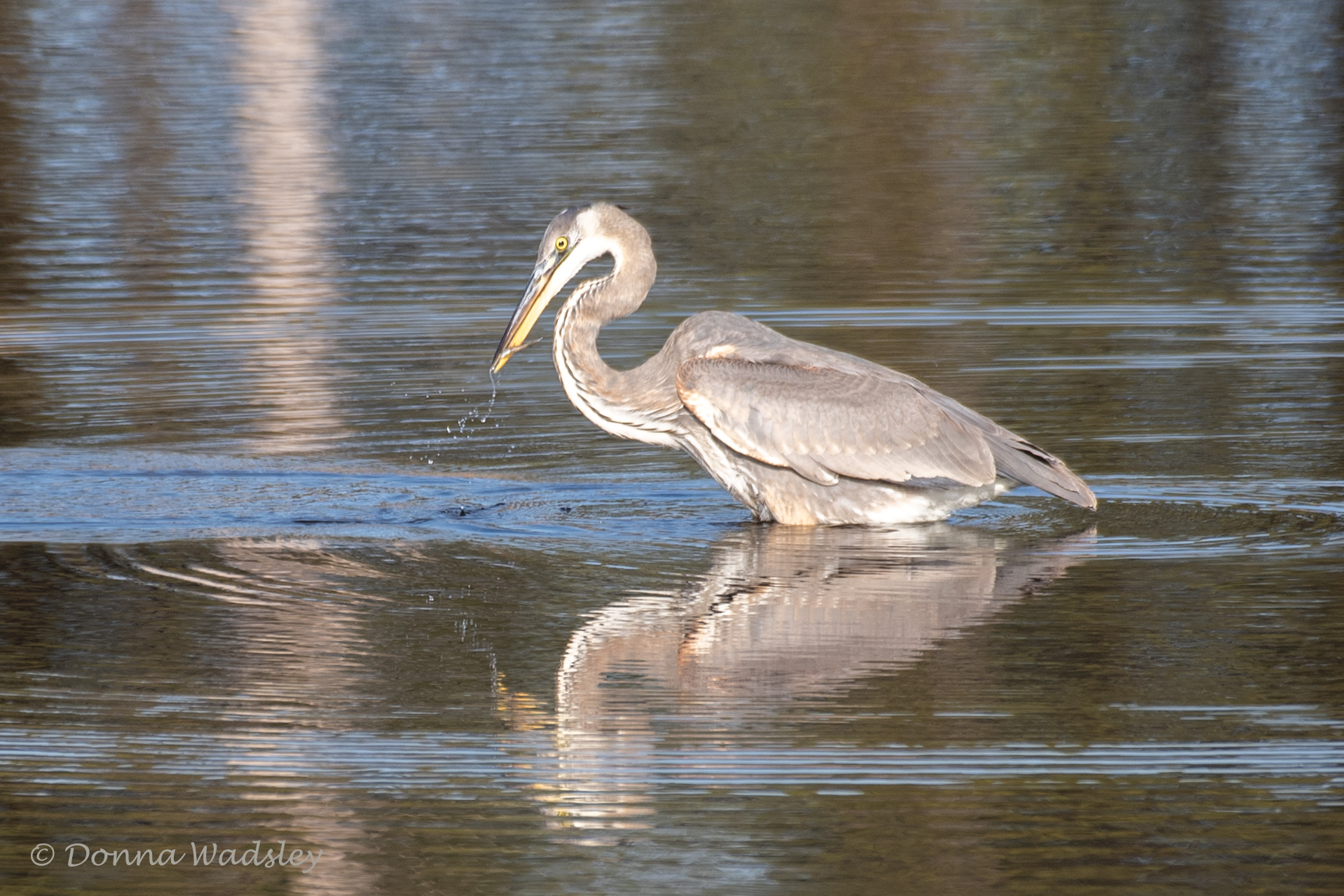
A tiny catch!
And onward it went, in the need to find more than that for a mid-morning snack!
Blackwater NWR January Birds – Part 2
Here’s the second part of the other birds I captured at the refuge last month (January), not in the waterfowl series. Think land birds!
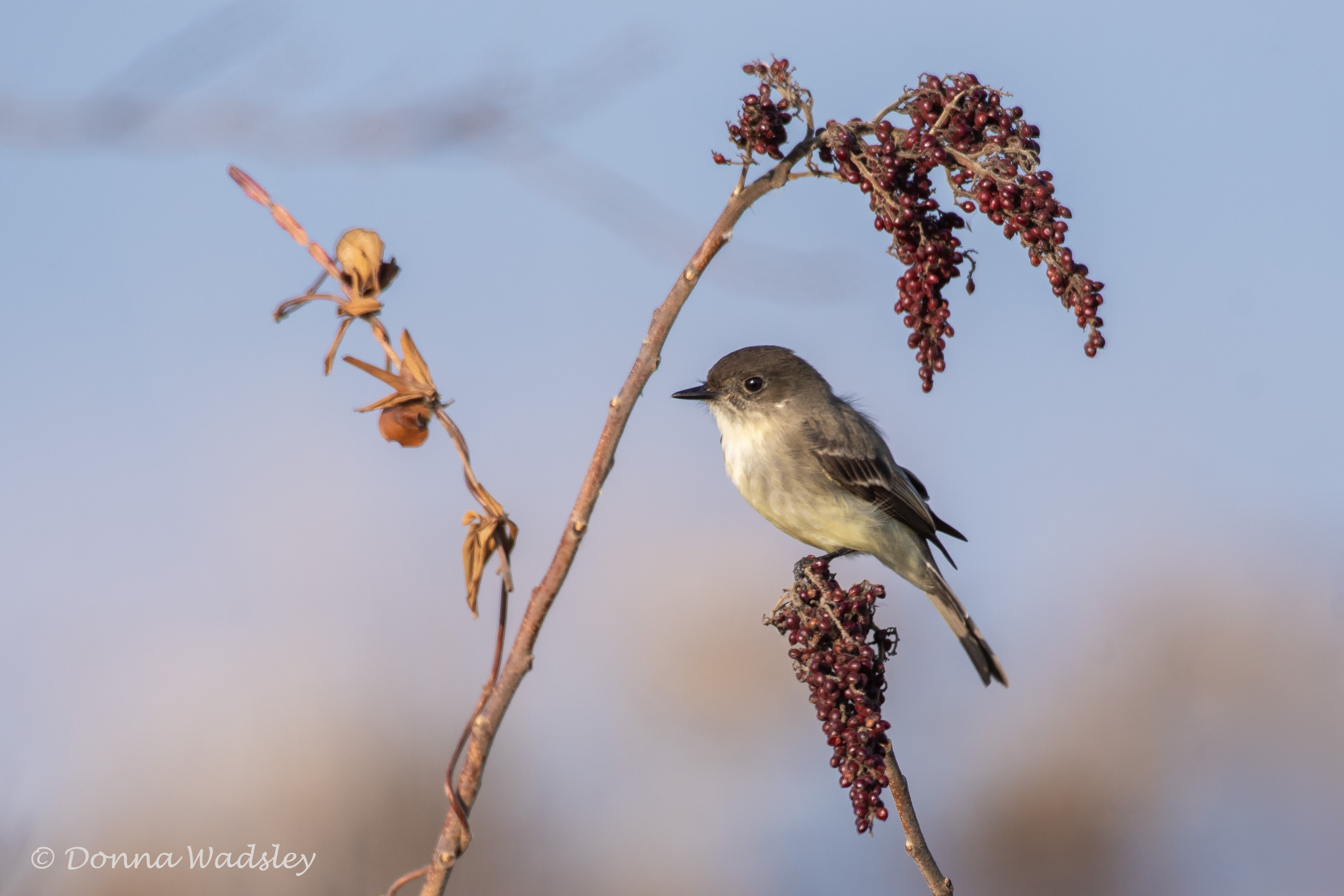
Eastern Phoebe
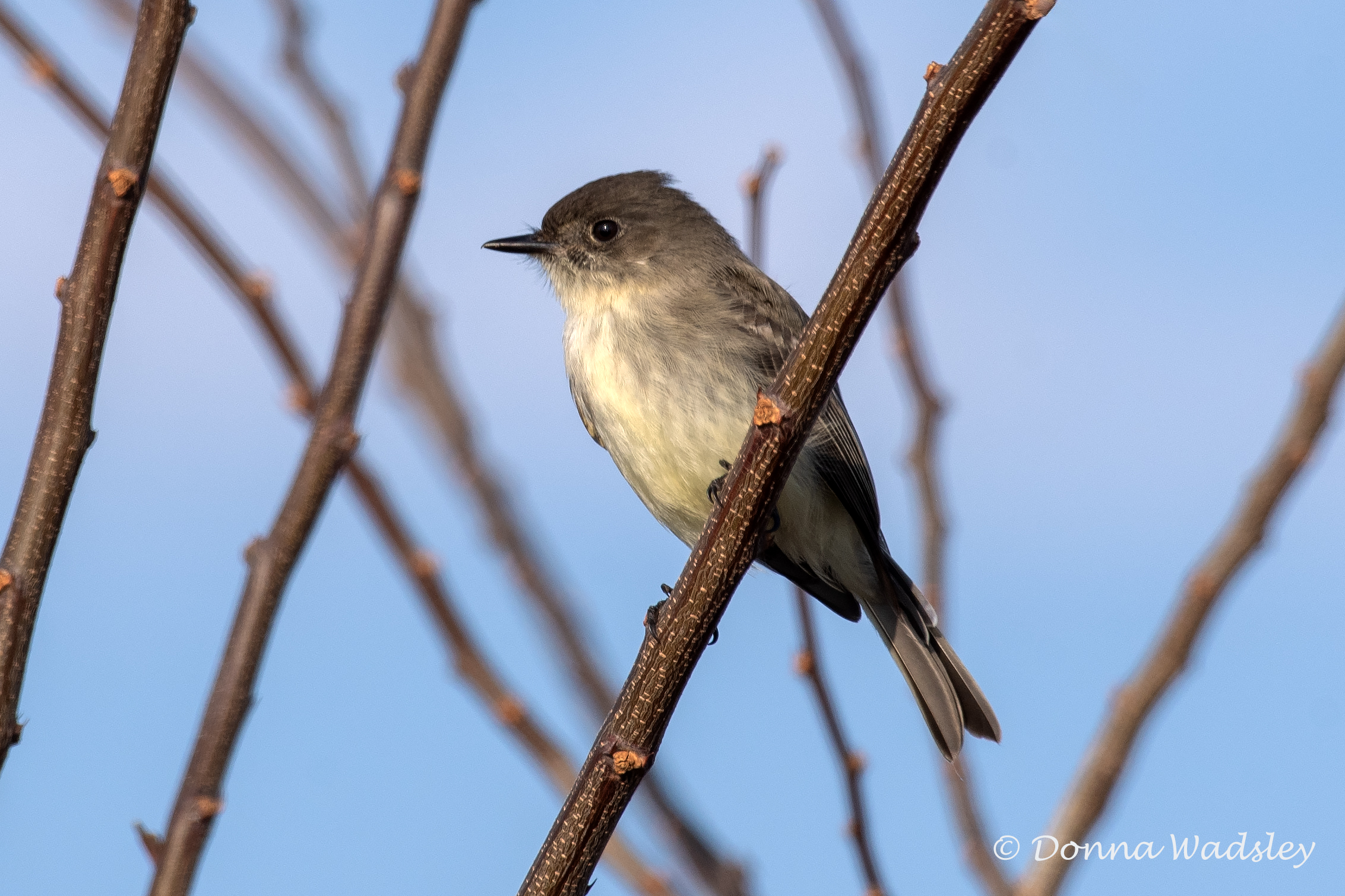
Eastern Phoebe
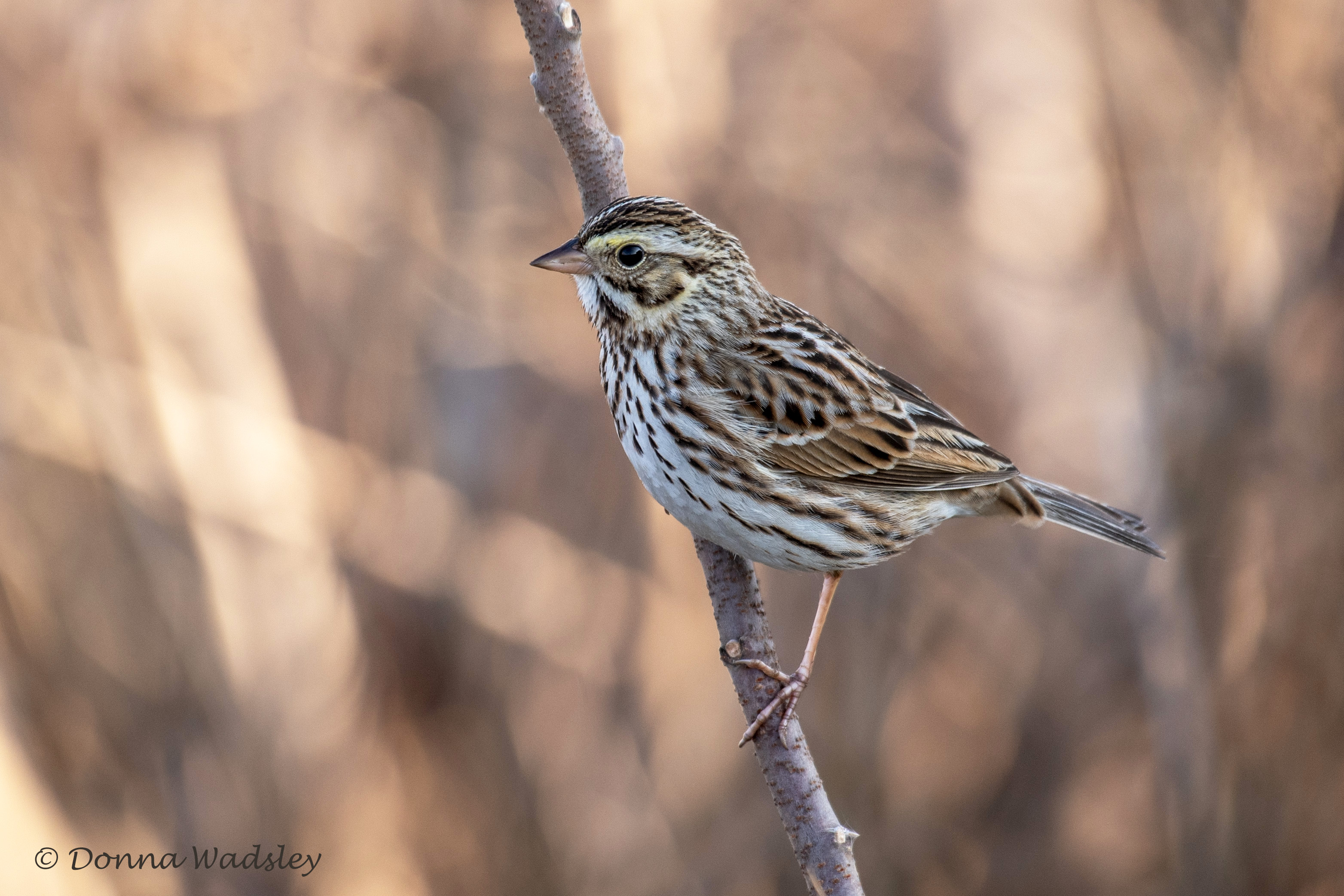
Savannah Sparrow
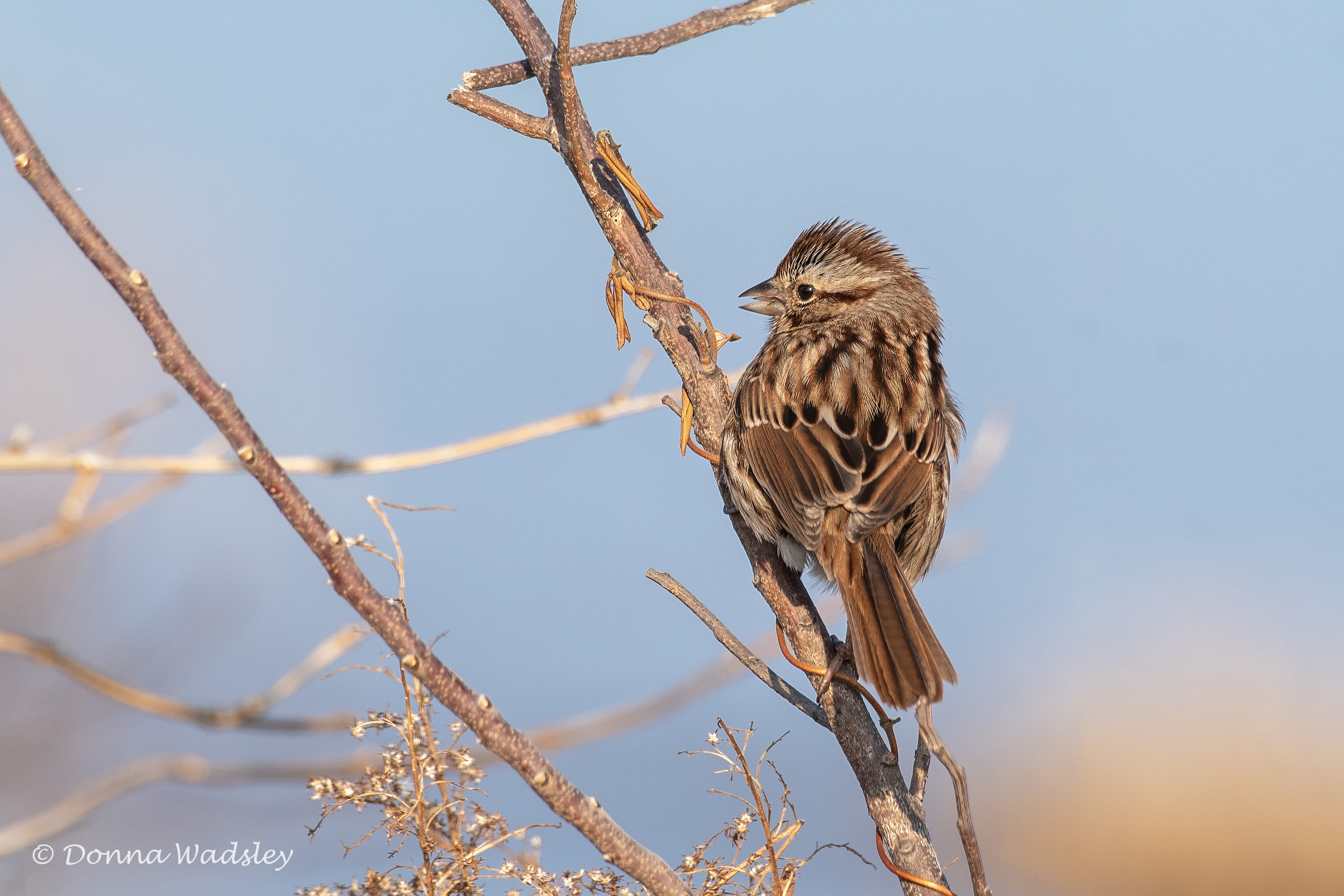
Song Sparrow
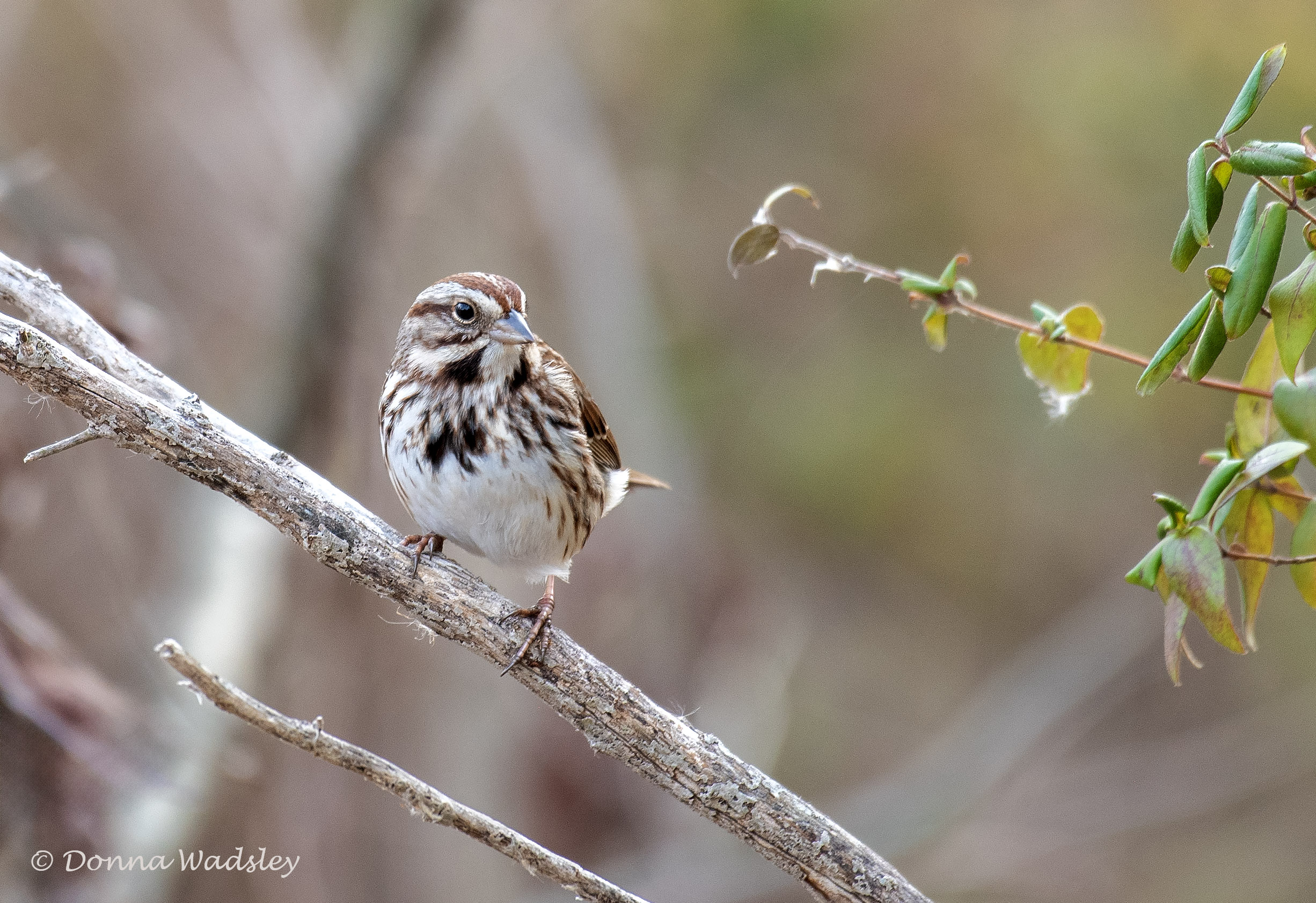
Song Sparrow
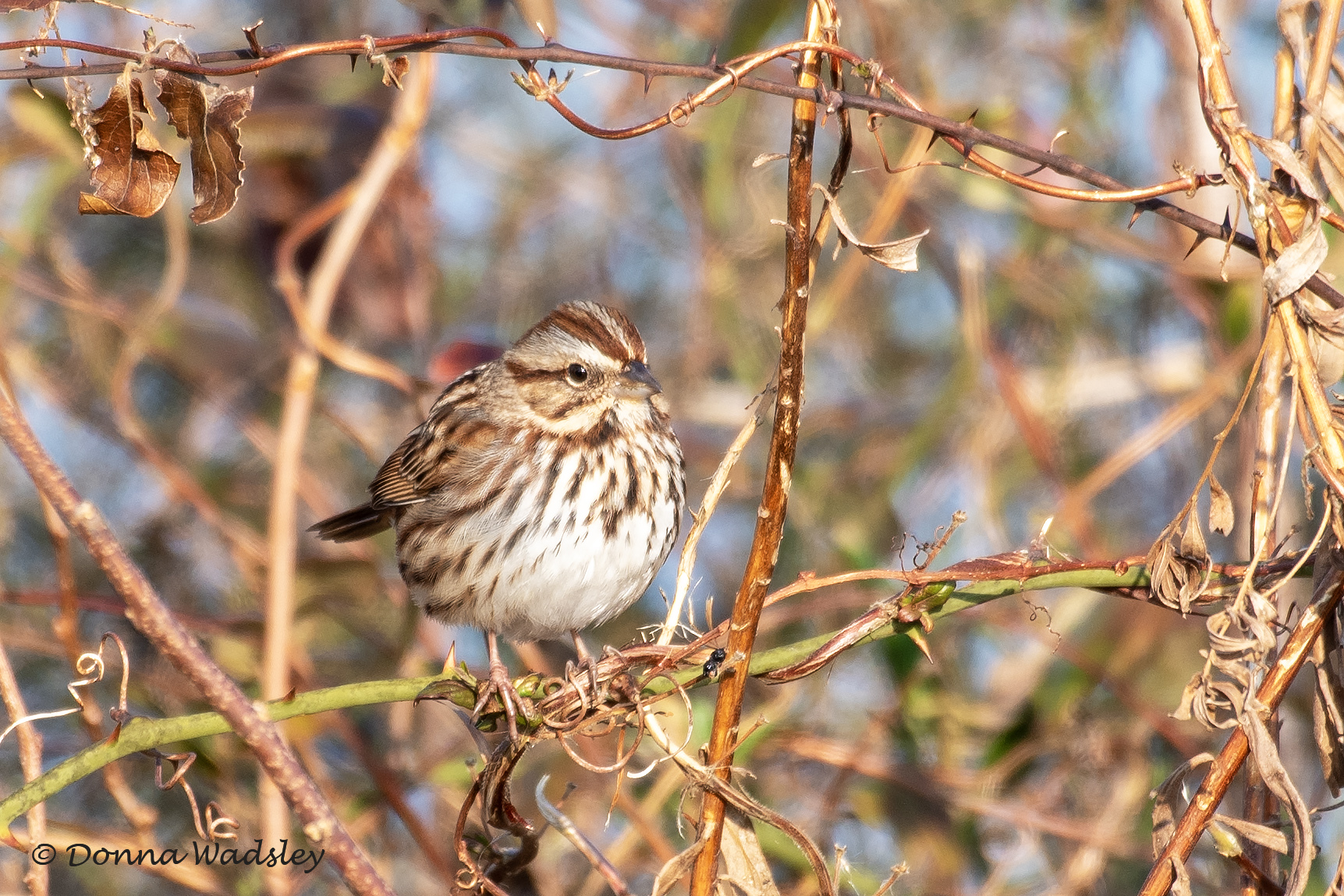
Song Sparrow
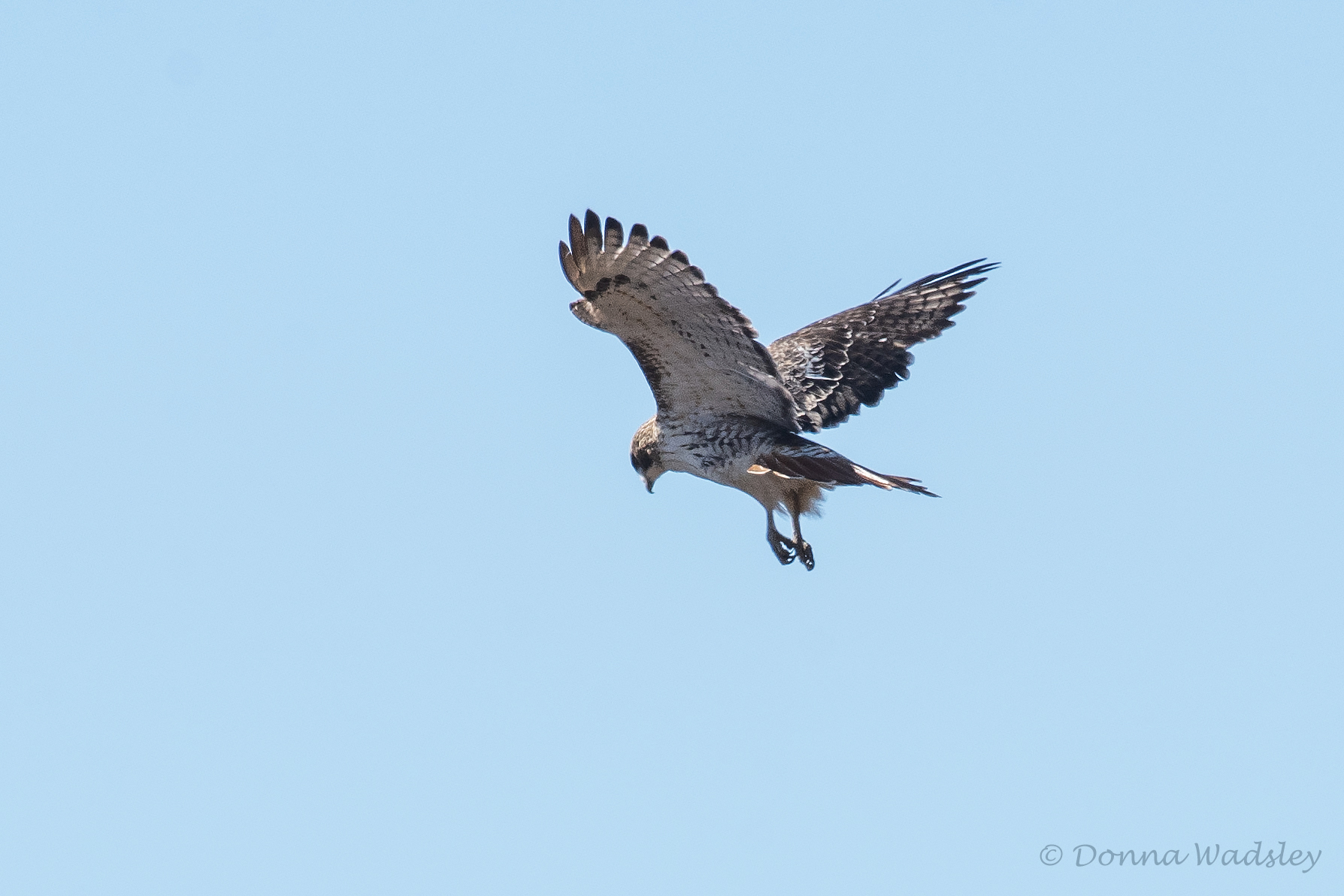
Red-tailed Hawk
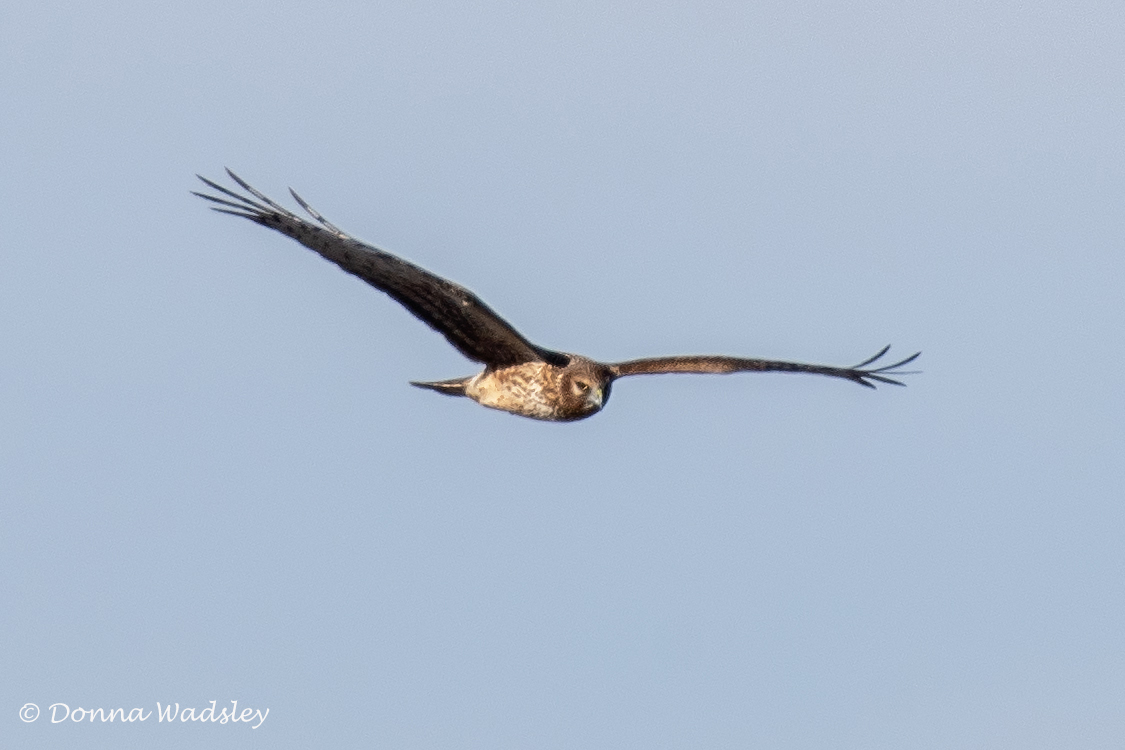
Northern Harrier
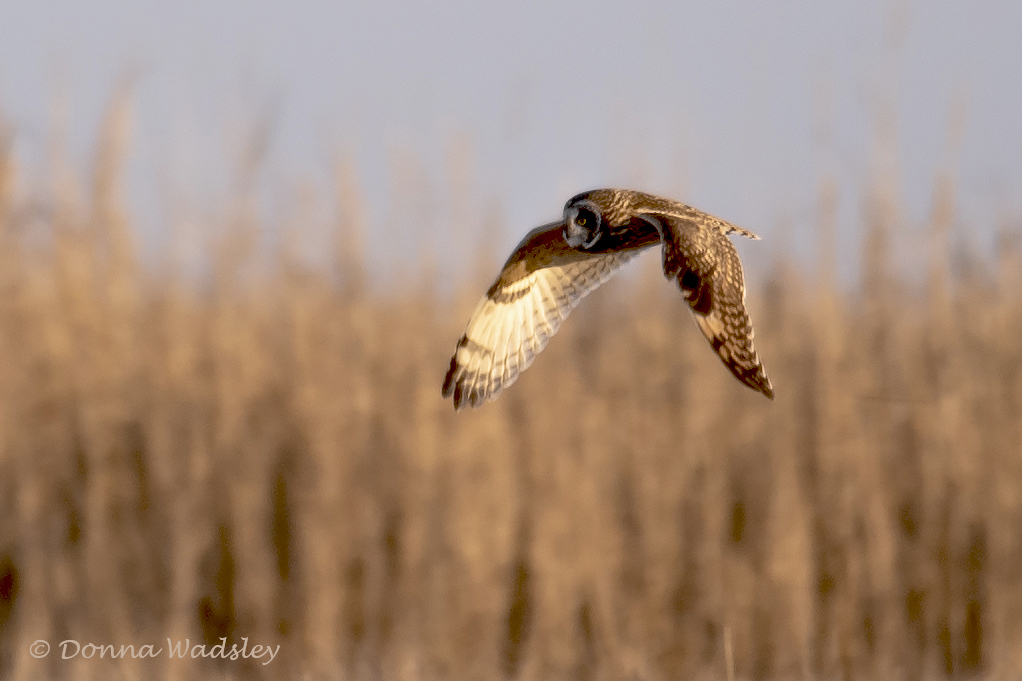
Short-eared Owl
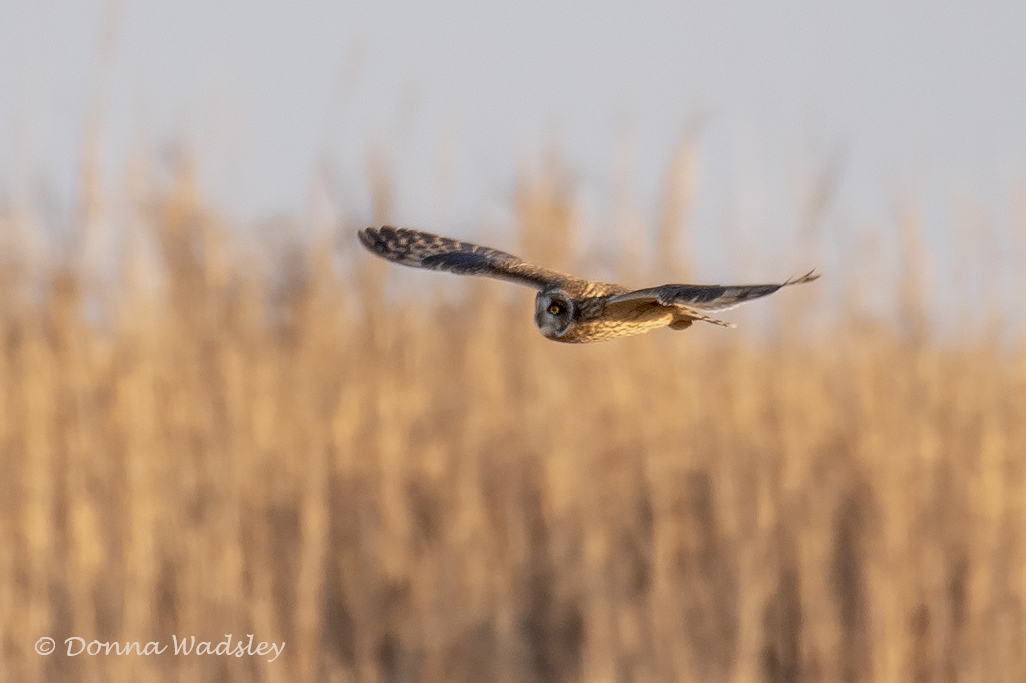
Short-eared Owl
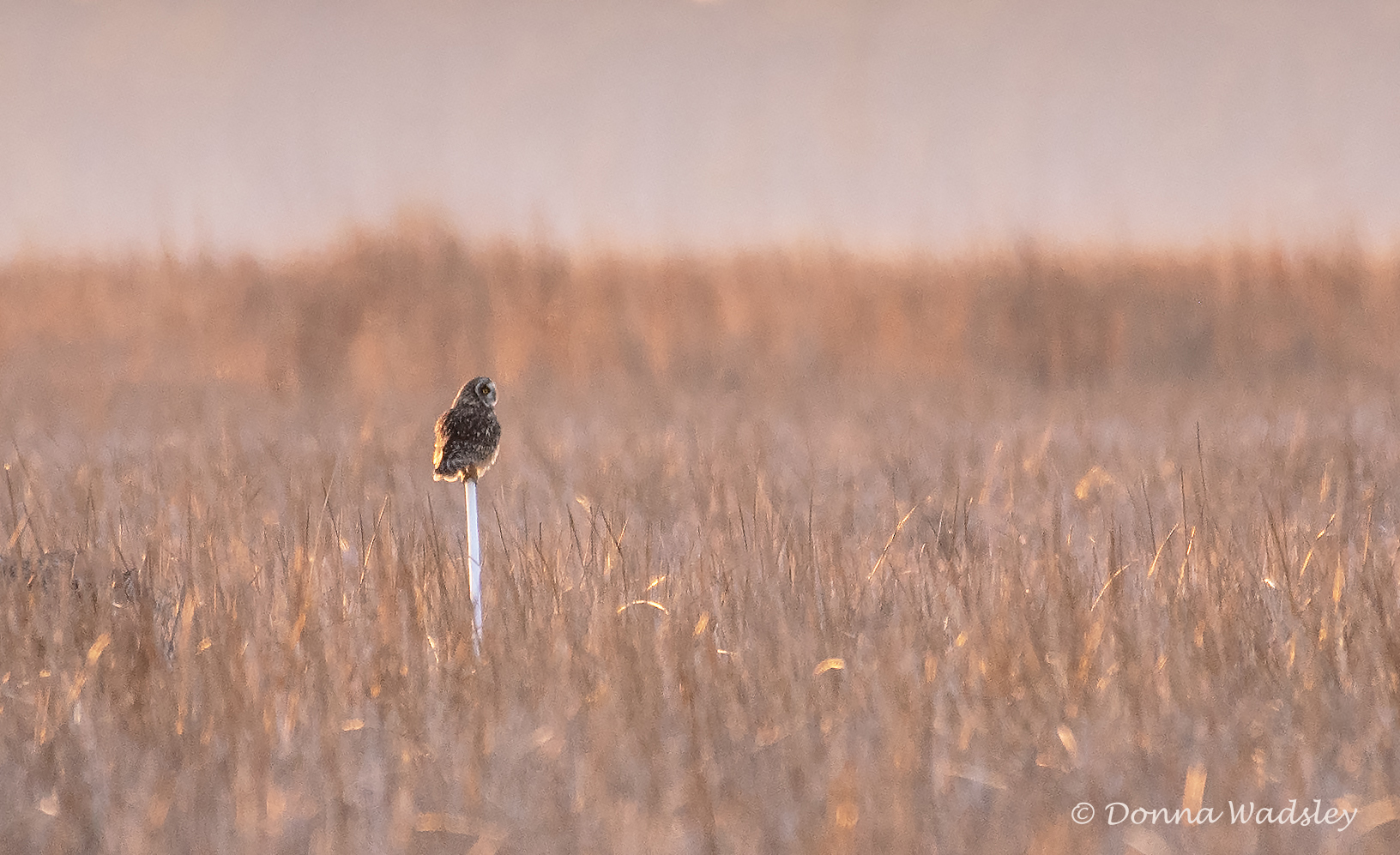
Short-eared Owl at sunset
The Short-eared Owls draw a lot of birders and bird photographers to Shorters Wharf at the refuge in hopes of seeing them, even luckier if you can capture decent photos. I’ve been several times and finally got my first photos of them at the refuge, yay! They stayed at a distance so my photos of them are heavily cropped but I am happy!
Blackwater NWR January Birds – Part 1
I recently shared the Bald Eagles, Tundra Swans, and American White Pelicans separately at Blackwater NWR, located in Cambridge, Maryland.
Here’s the first of two parts of the other birds I captured at the refuge last month (January). Since the refuge in the winter is all about the waterfowl and surprise shorebirds that come and go, this part will be those species I saw.
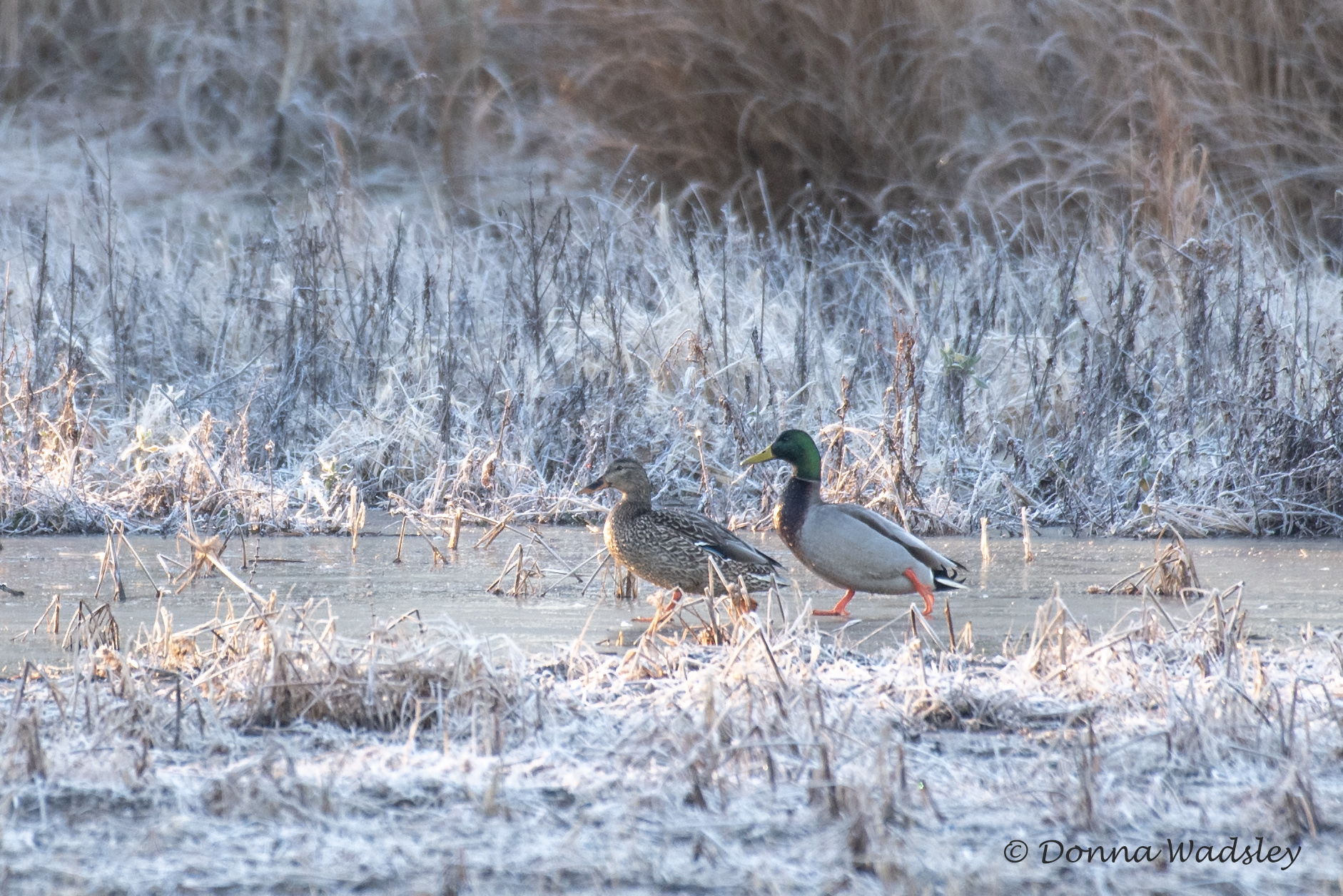
Mallards on a frosty stroll when I arrived
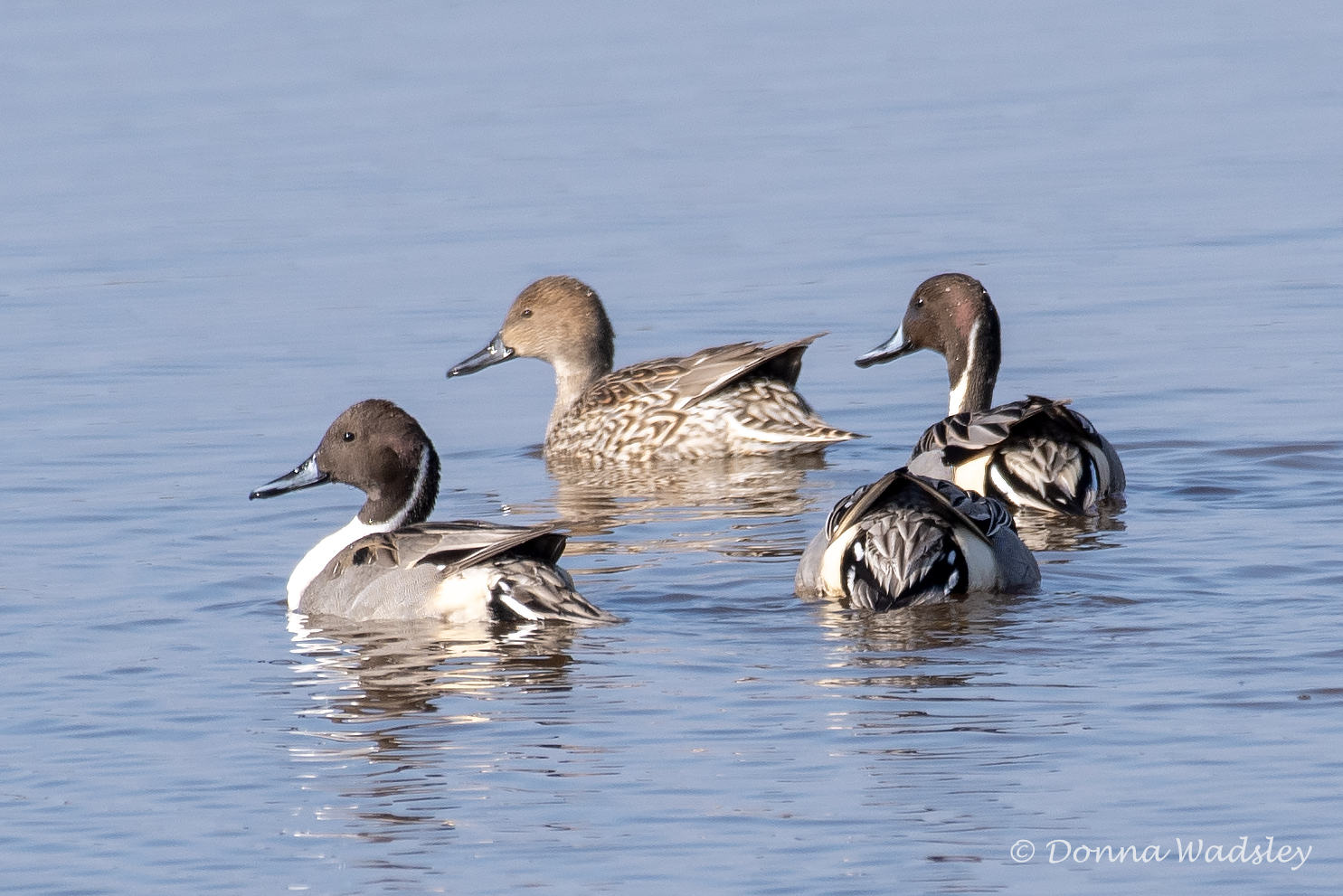
Northern Pintails
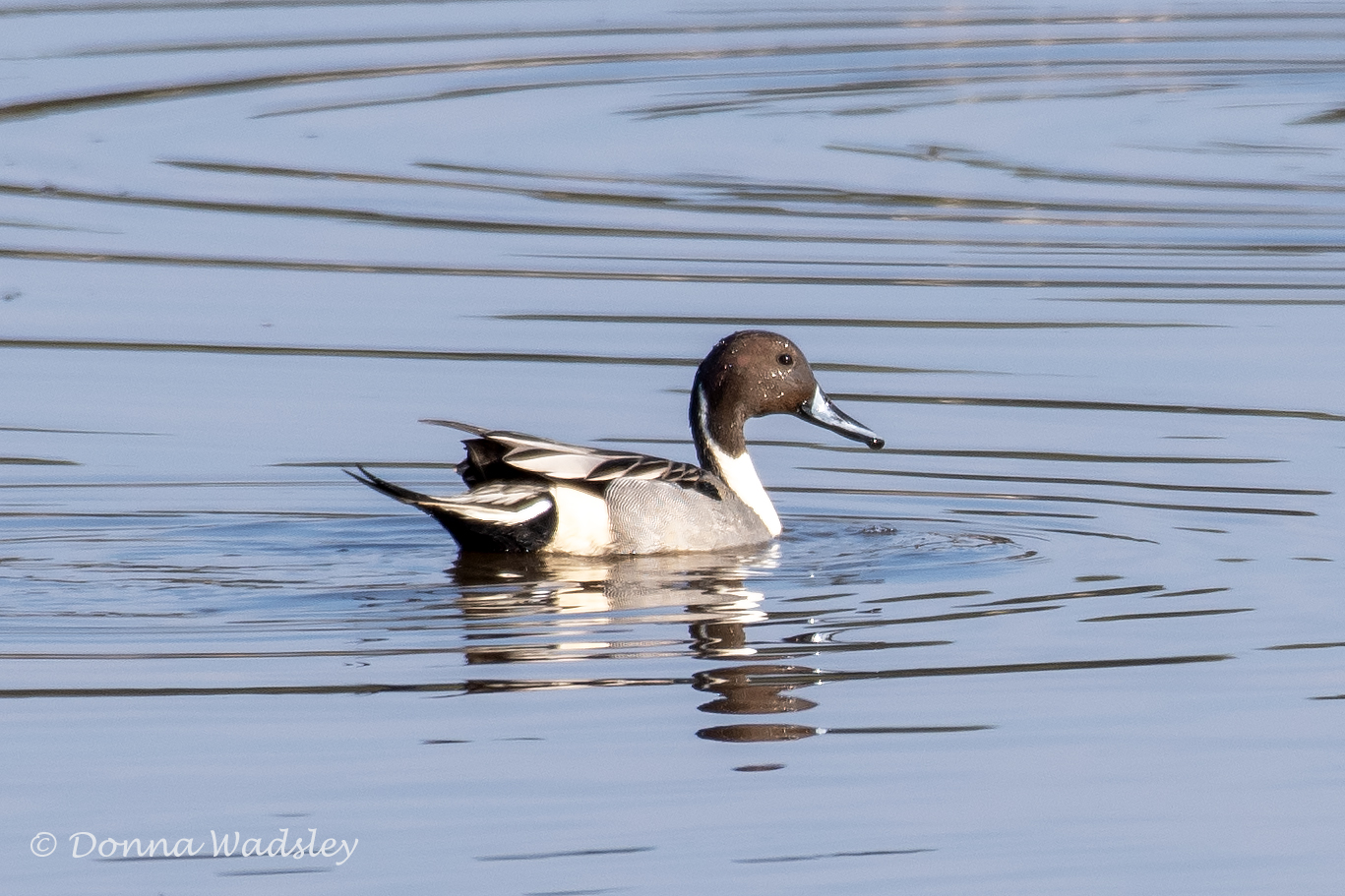
Northern Pintail
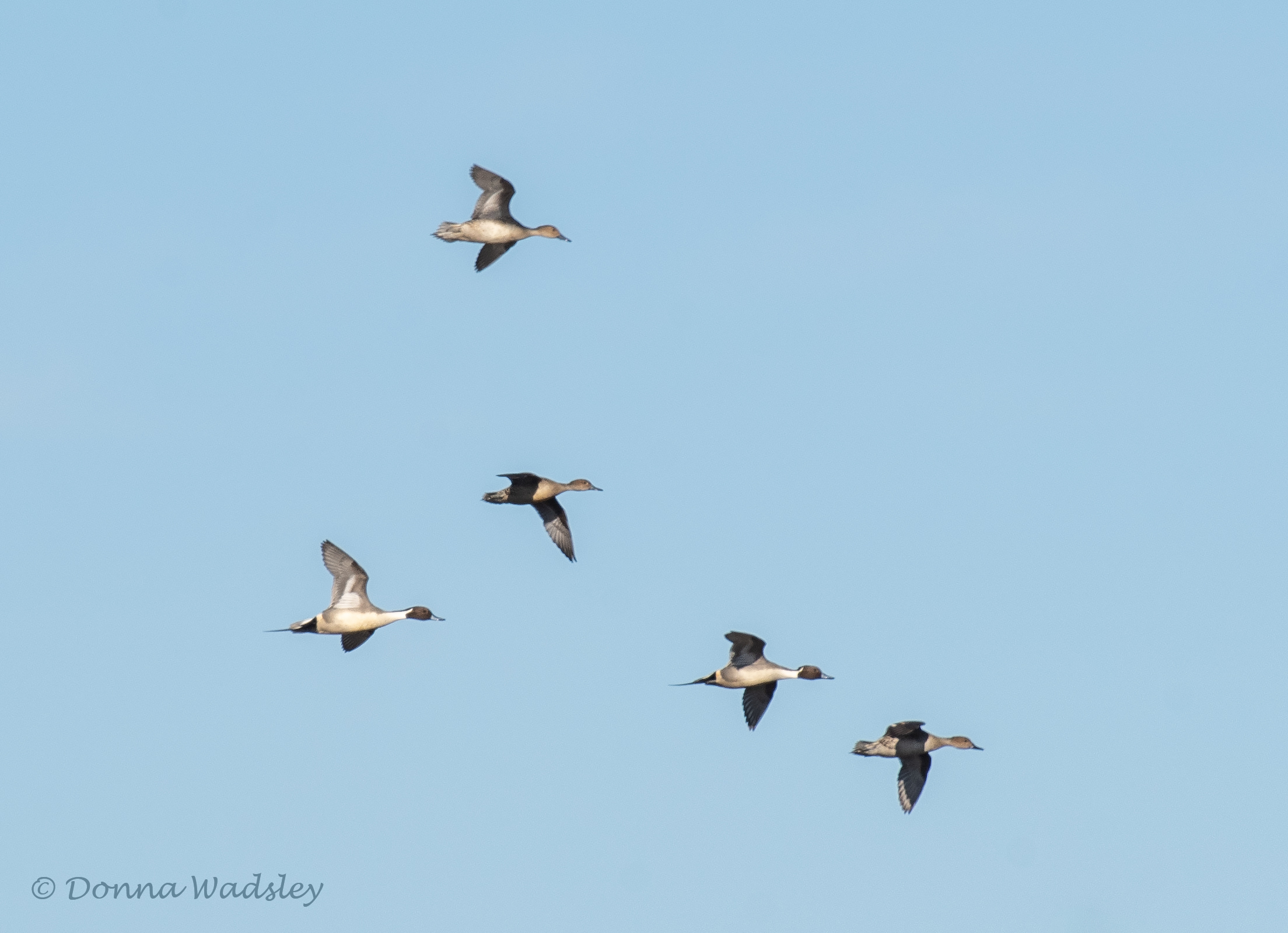
Northern Pintails
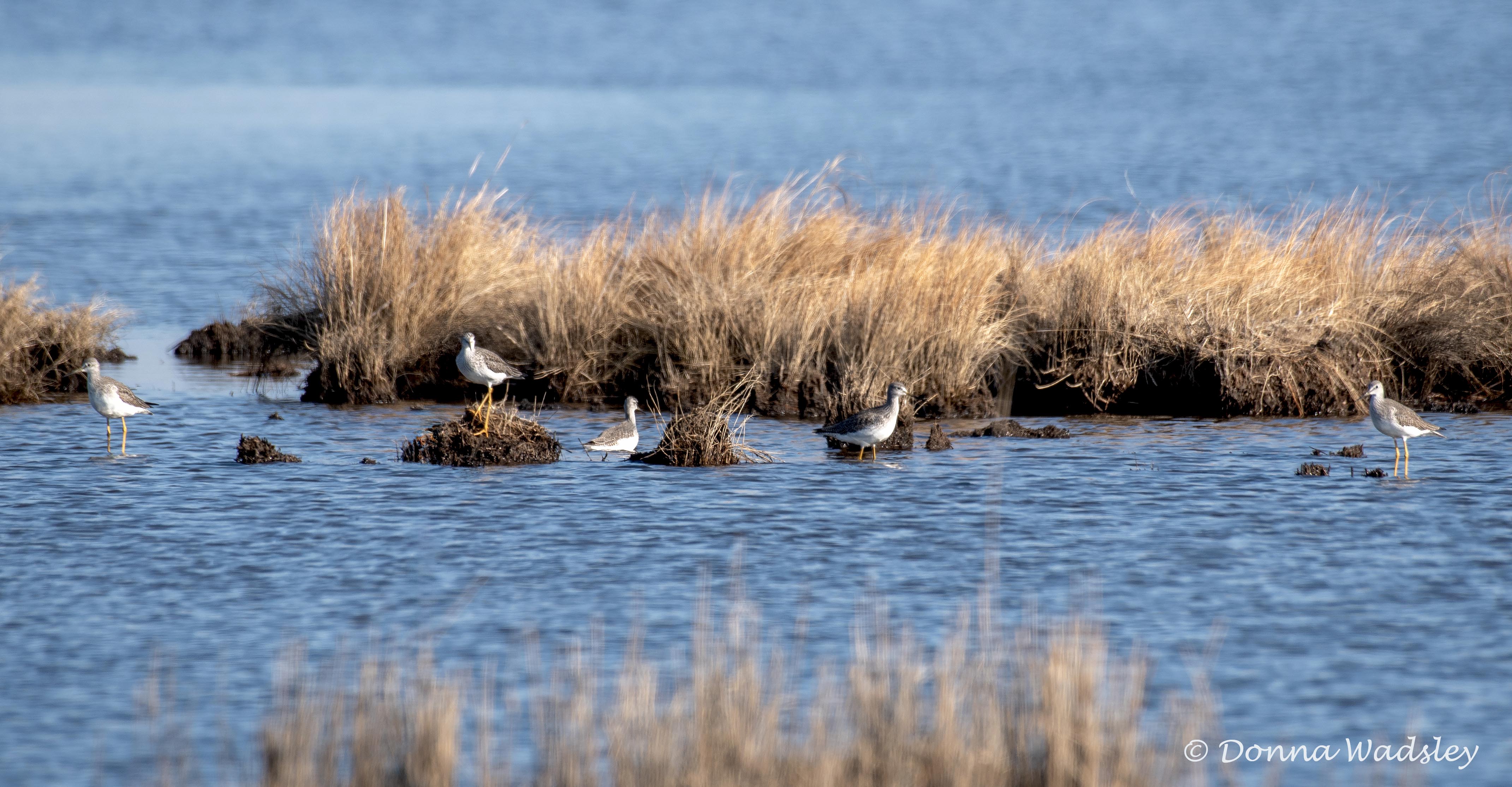
Greater Yellowlegs
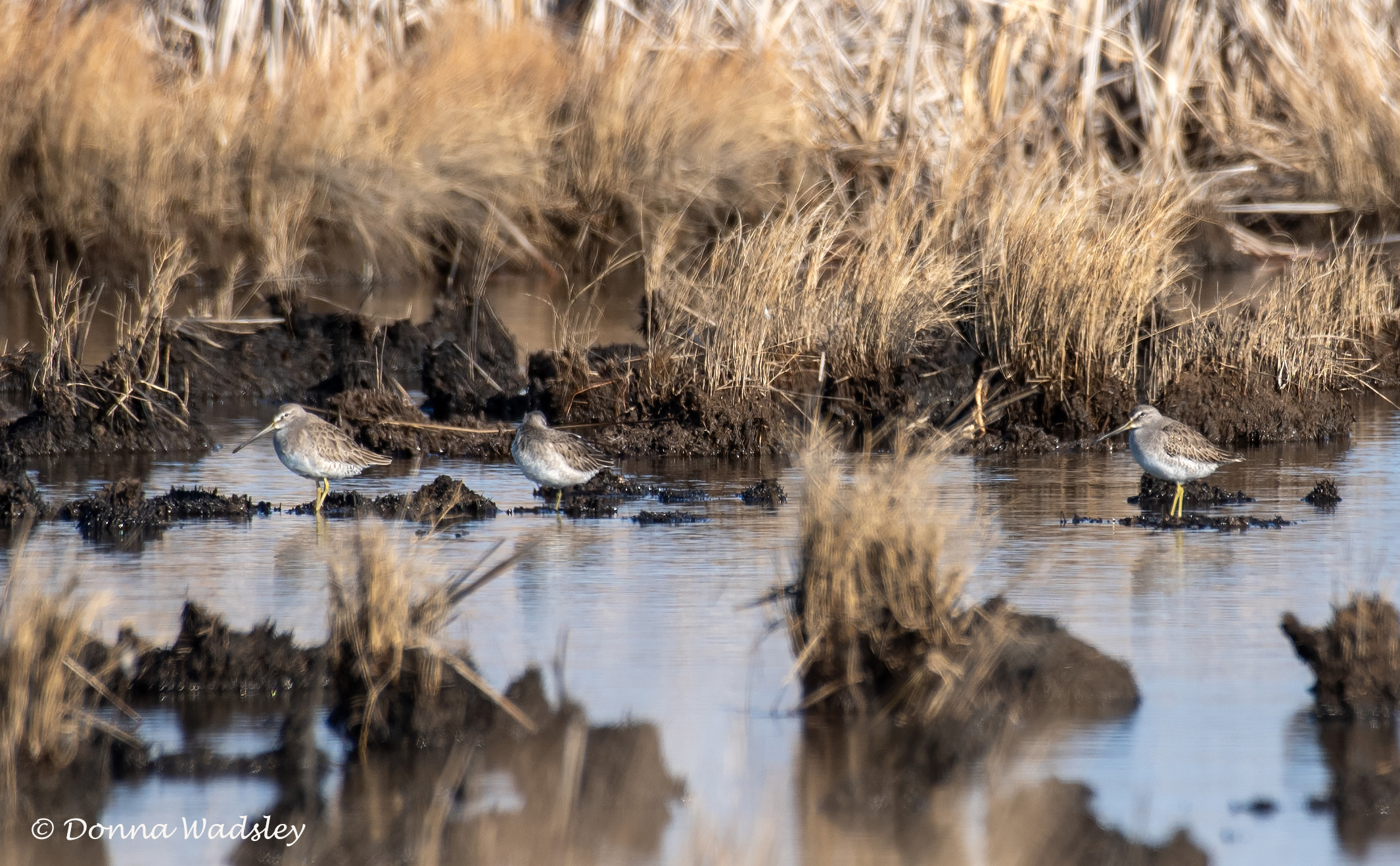
Long-billed Dowitchers
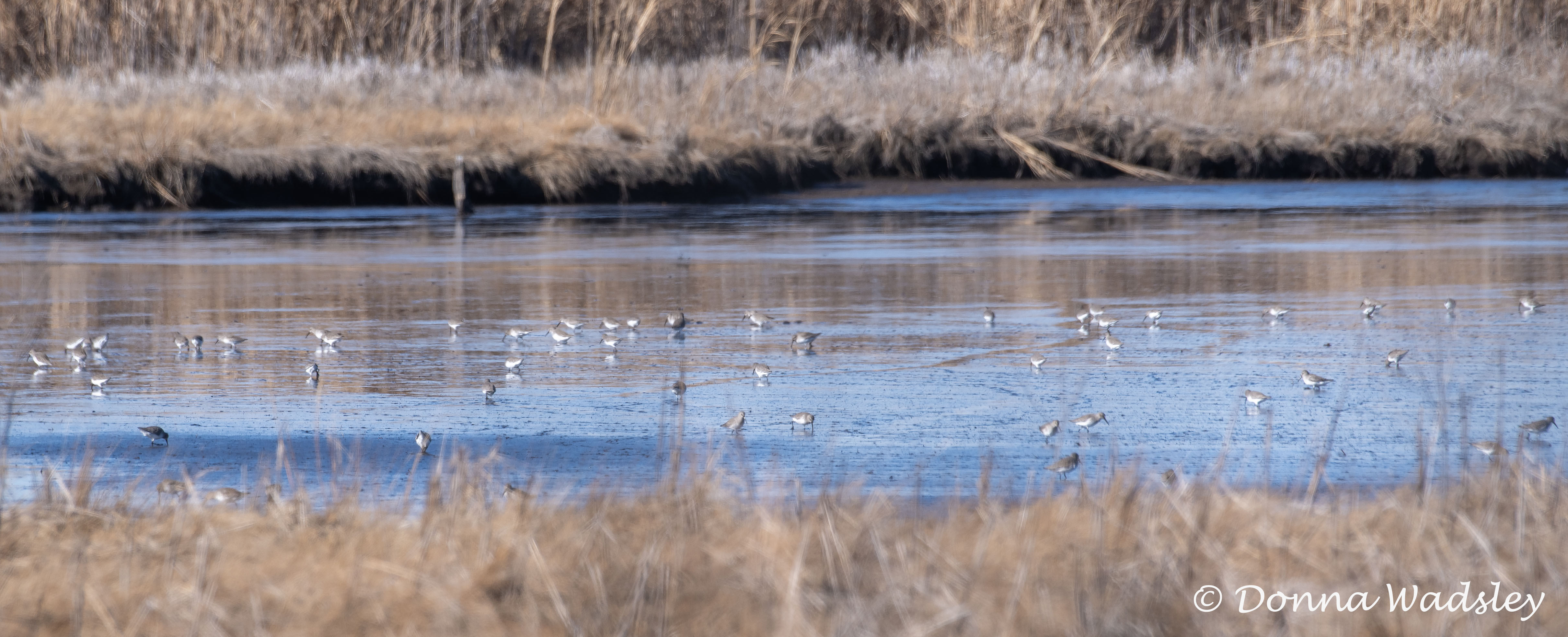
Dunlins
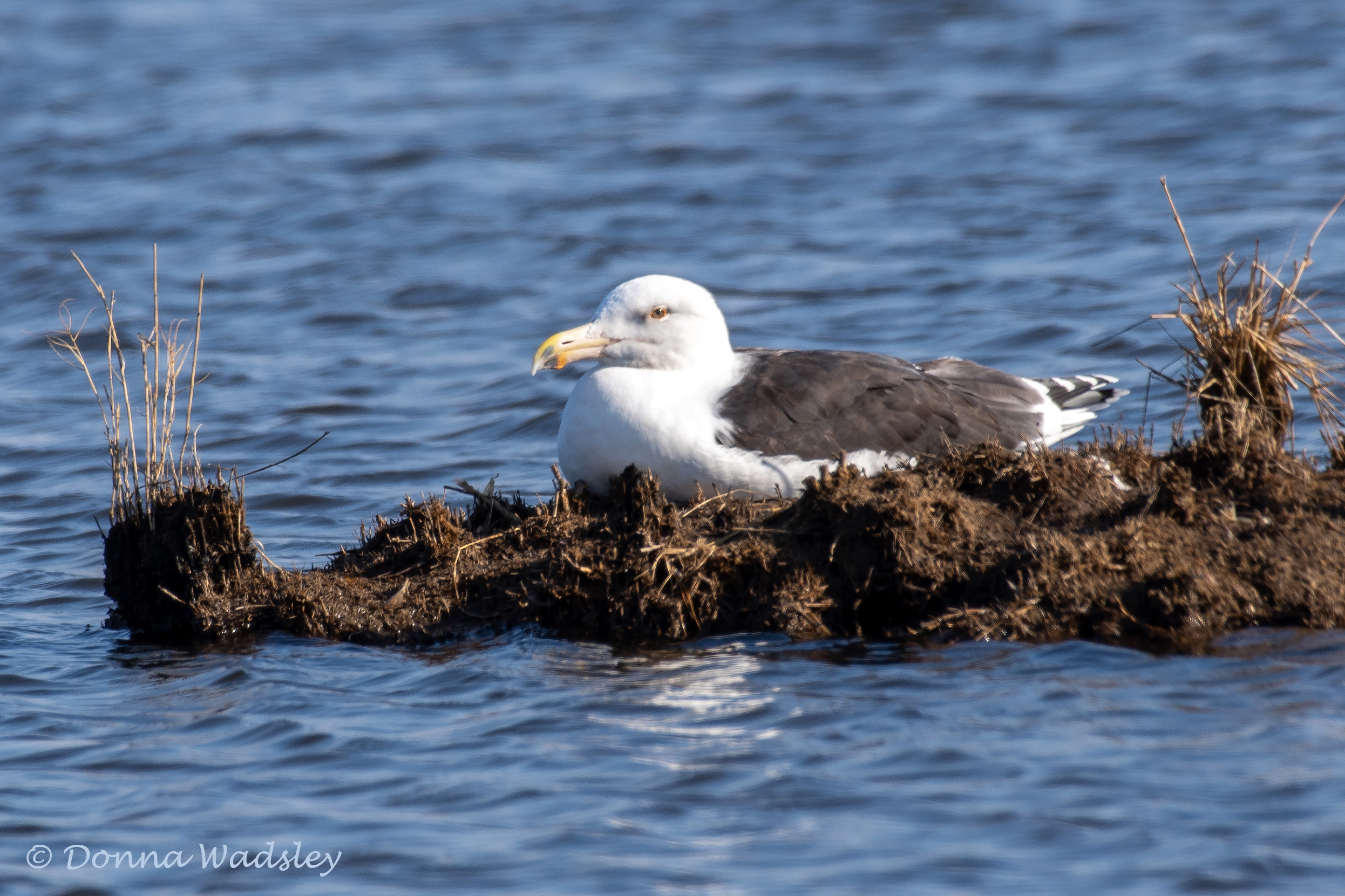
Great Black-backed Gull
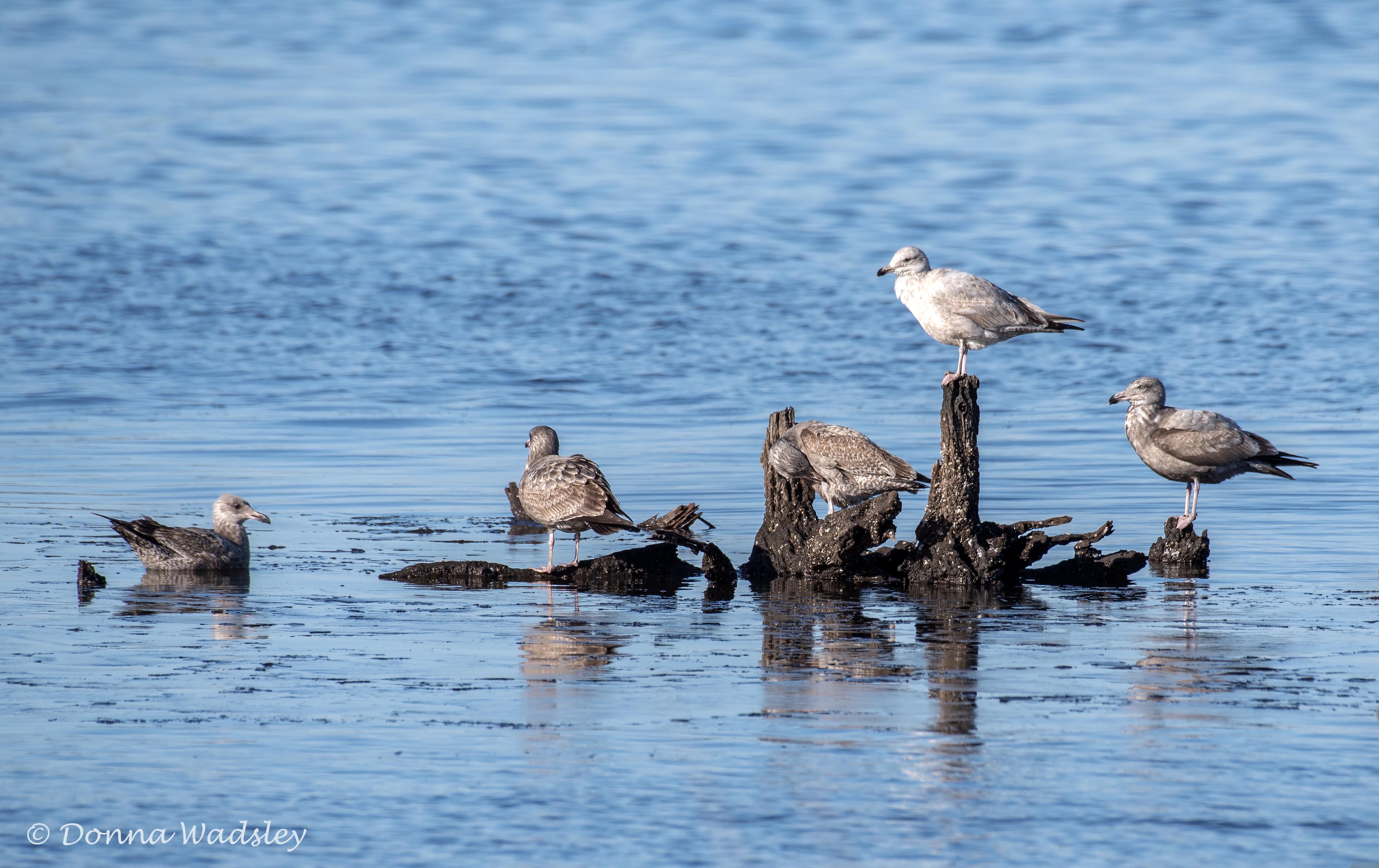
American Herring Gulls
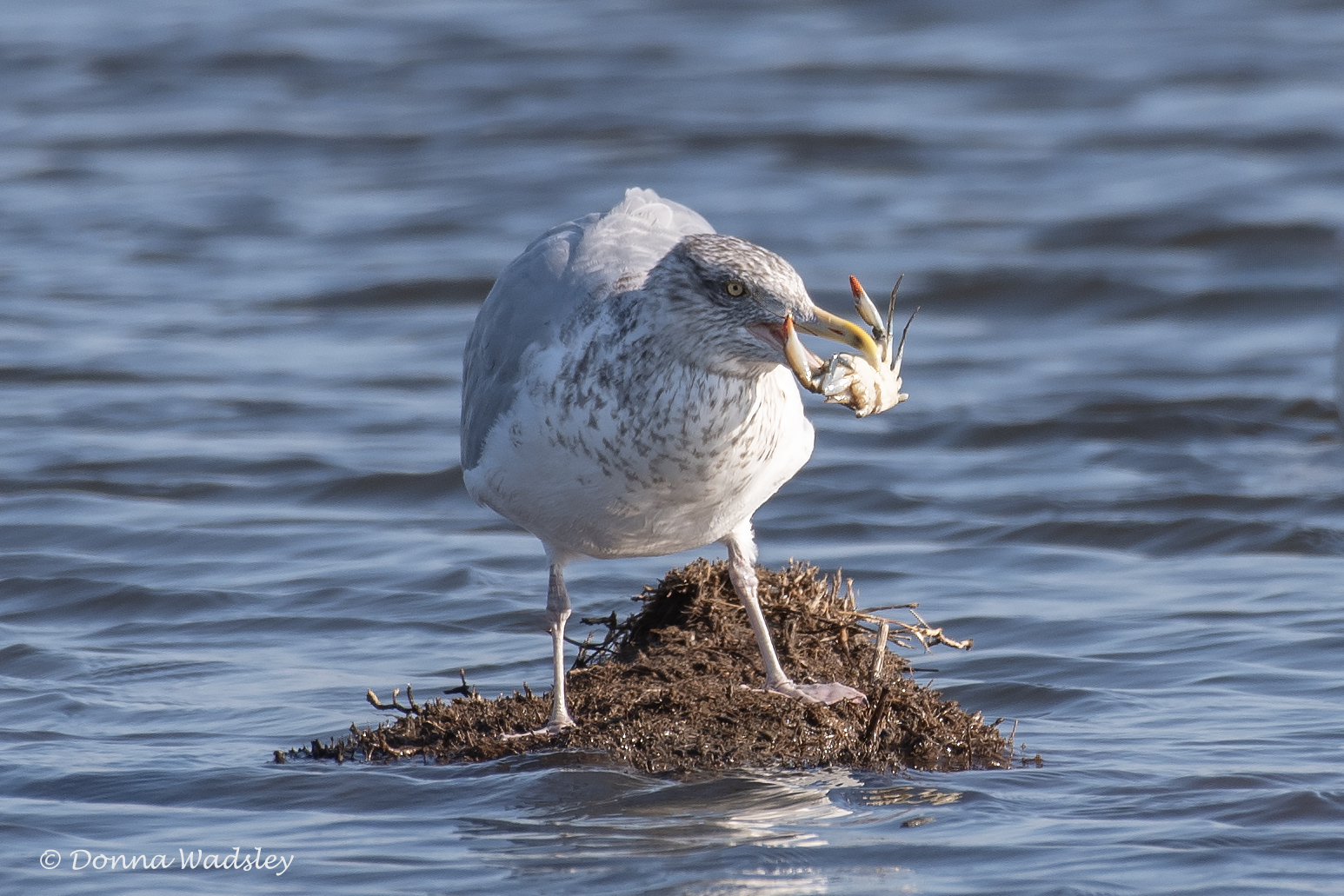
American Herring Gull with a crab
Part 2 next!
Four Recent Bird “Rares”
I was able to photograph four birds recently that are considered ‘rare/uncommon’ for the Chesapeake Bay area along Maryland’s eastern shores.
My first two birds are species that eBird issued rare bird alerts.
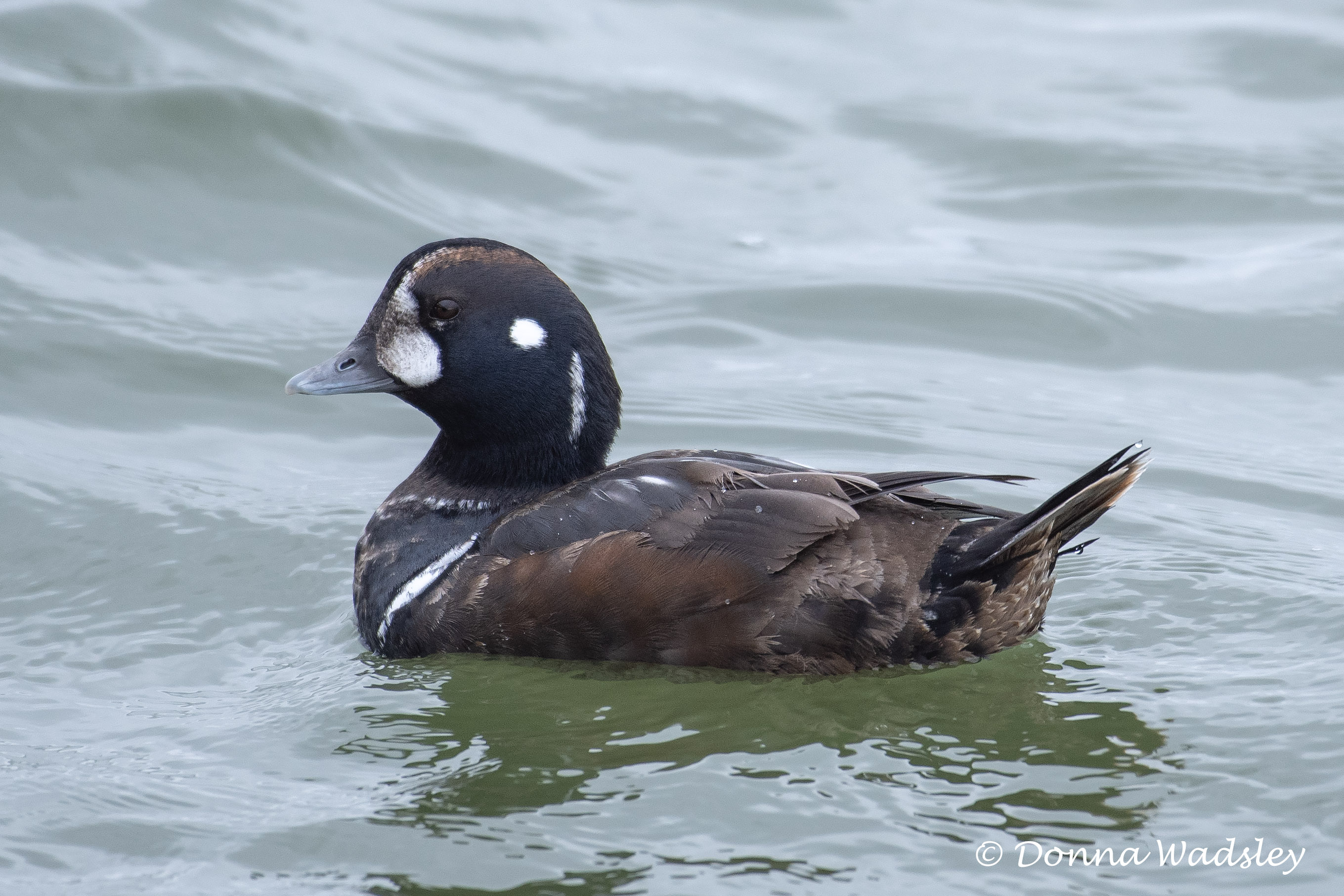
Harlequin Duck (male), Romancoke Pier, Queen Anne’s County
December 23, 2025
(considered eBird first county record on December 21, 2025)
I got so many beautiful photos of this Harlequin; he was feeding right at the end of the pier. I was the only one there in the cold wind, so he wasn’t too skittish. He was first seen on December 21, last seen January 13. He didn’t appear sick and was seen flying, so hopefully no flight injury concerns. He became quite famous with eBirders and bird photographers during his visit!
Another rare bird species was this next gull that also became an eBirder and bird photographer sensation!
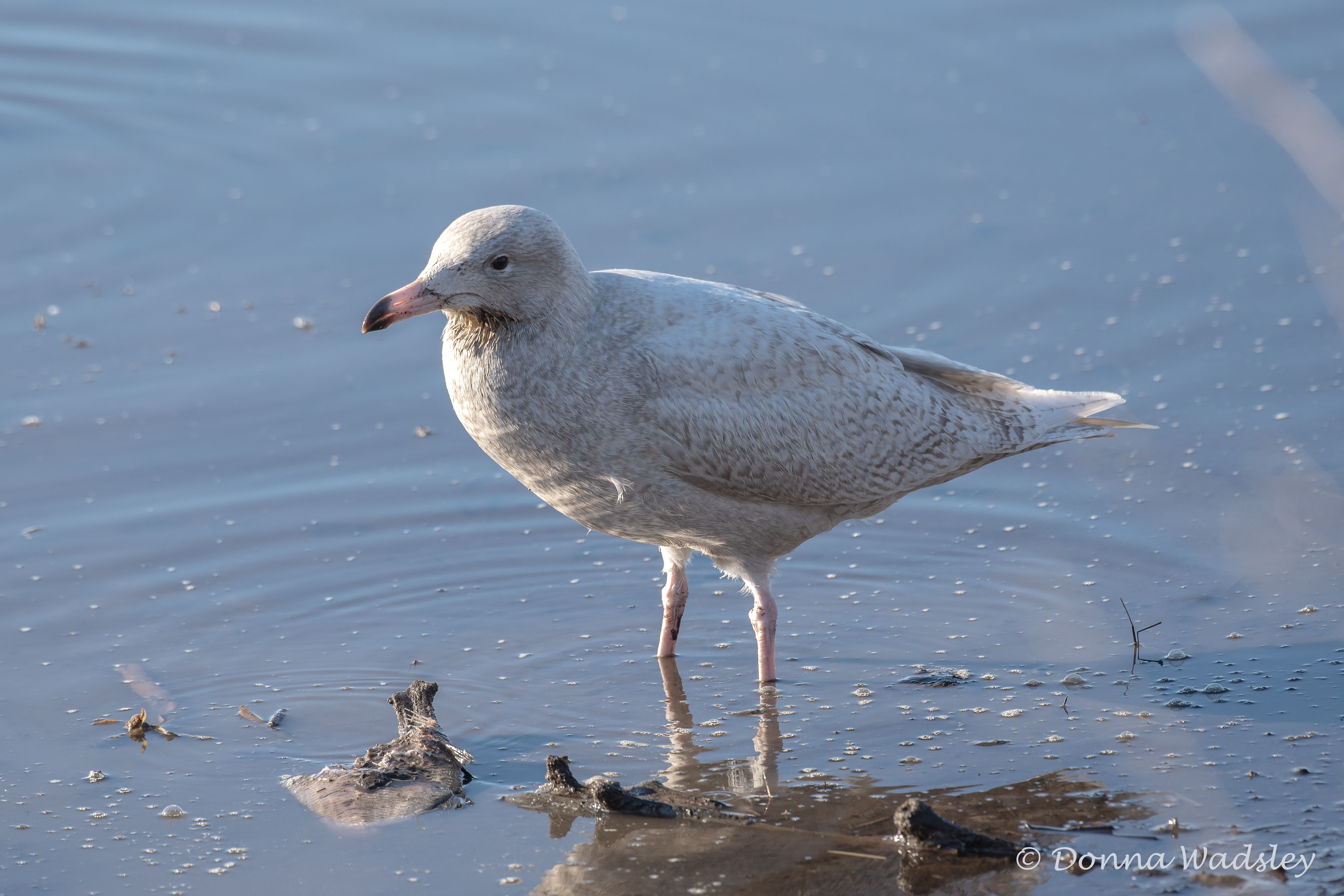
Glaucous Gull, Blackwater NWR, Dorchester County
January 13, 2026
Again, I got so many great shots, finding this gull right alongside the refuge wildlife drive; this photo is almost full frame from my car window. It was first reported December 29 and last seen January 17. I had previously looked for it on January 7th at the refuge but couldn’t locate it that day. It’s a lifer for me!
These next two are more of a lucky ‘rare/uncommon’ sighting you happen upon, finding them mixed in with their normal species.
The first, as I was passing by a flock of Canada Geese on a field, I spotted something ‘whitish’.
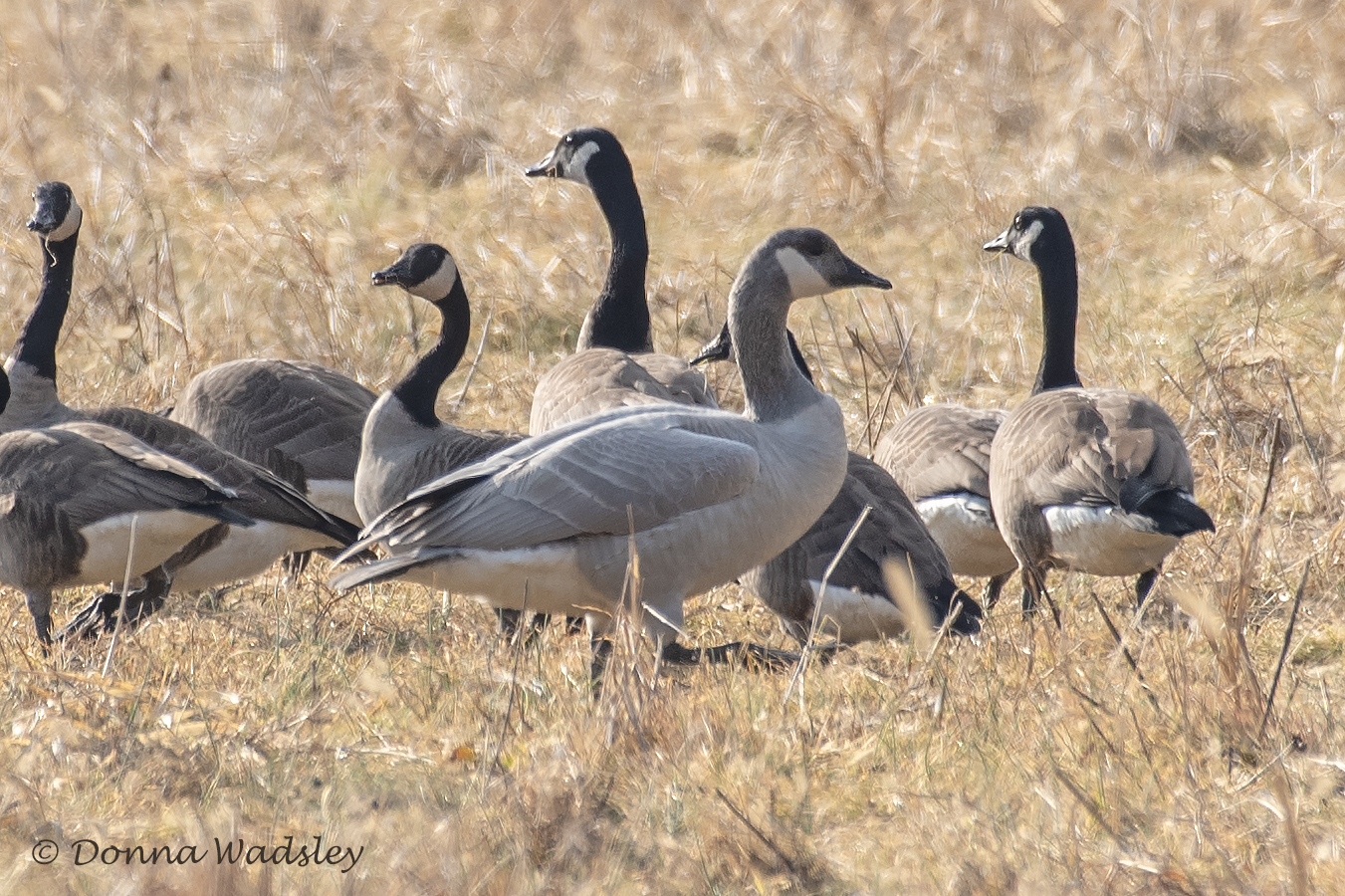
Leucistic Canada Goose, Blackwater NWR, Dorchester County
January 7, 2026
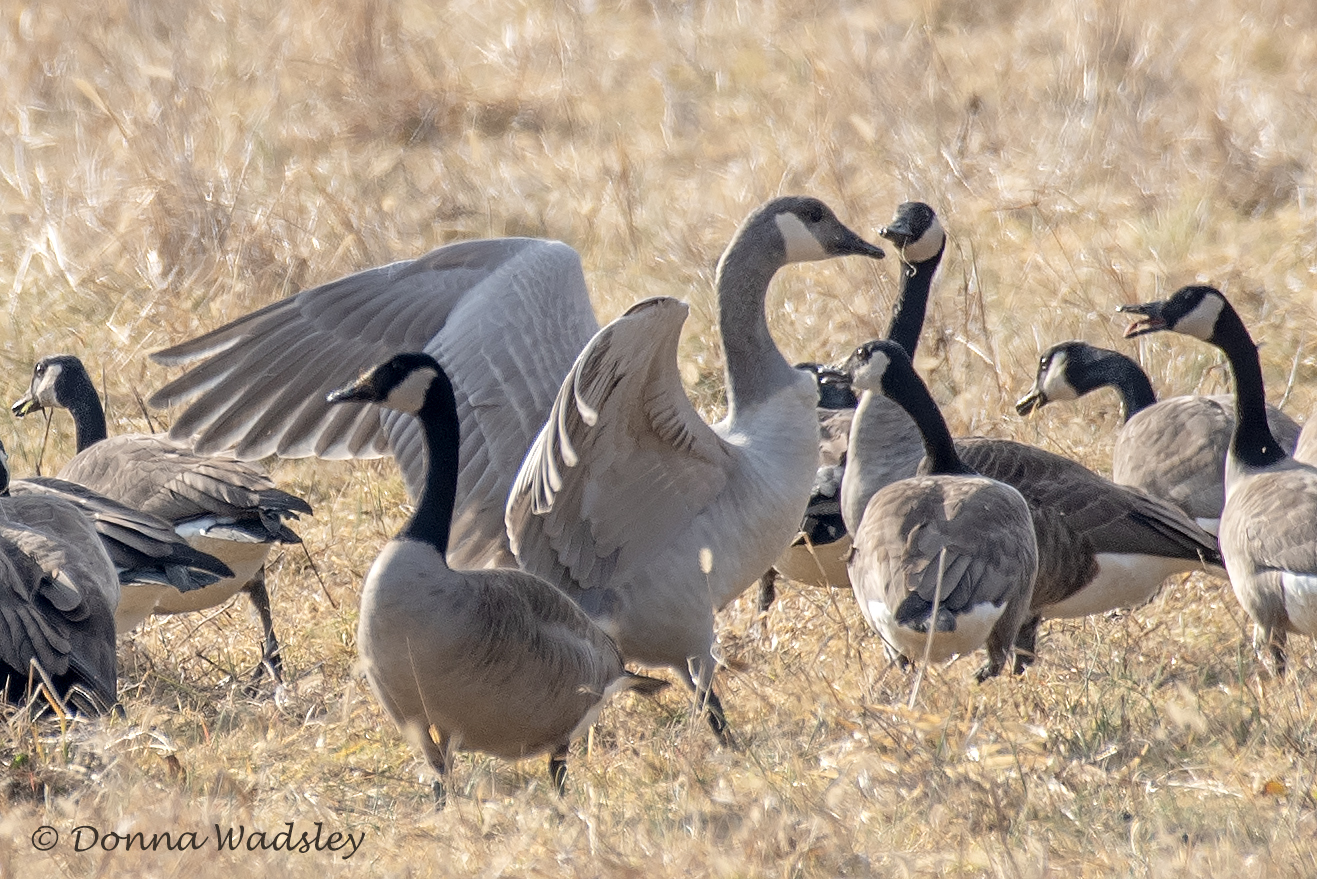
I have seen a leucistic Canada Goose only once before, so it was a nice treat to spot one again.
This next one was a surprise, as I had never seen an American Wigeon look like this and had to look it up when I got home.
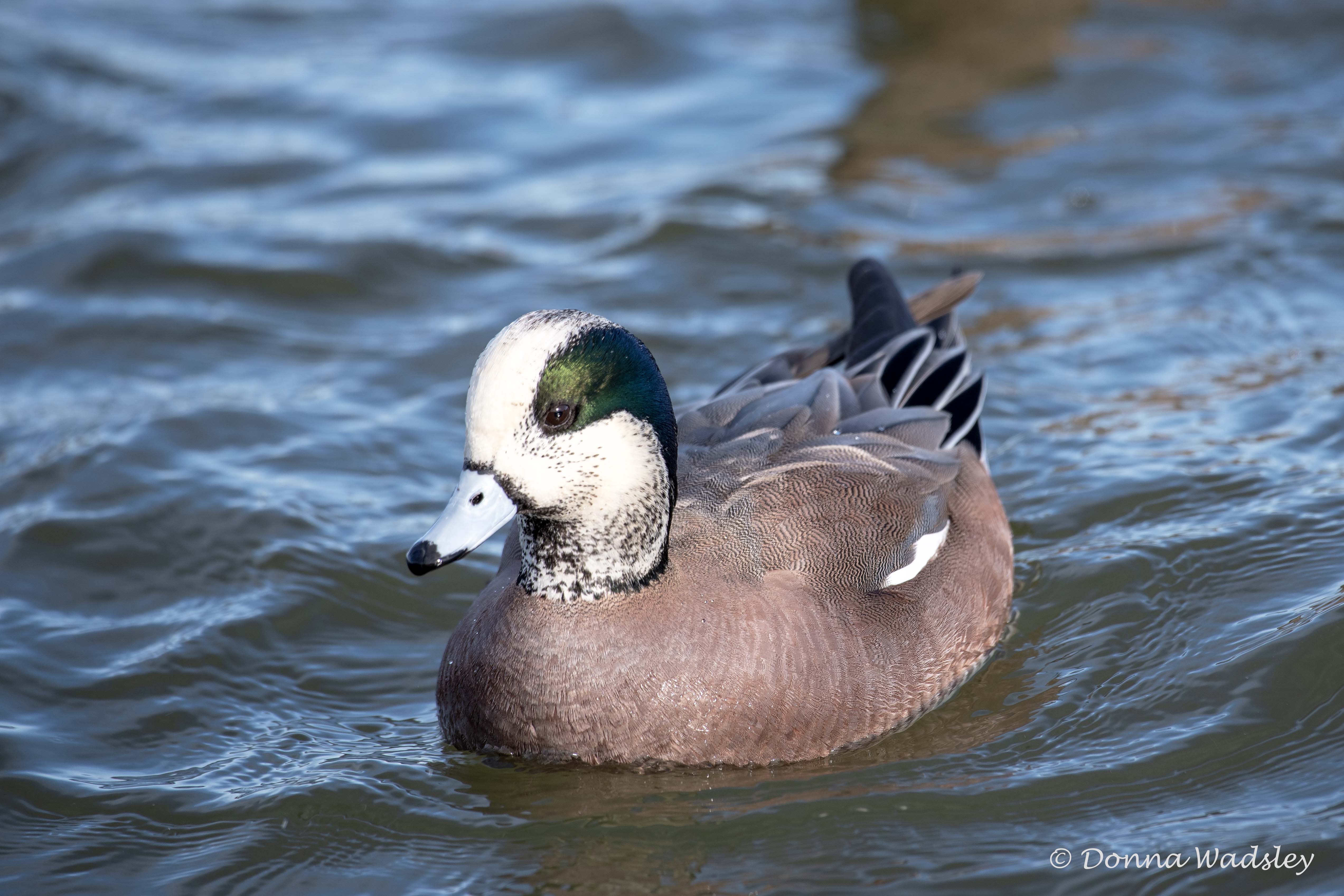
Storm Wigeon, Cambridge, Dorchester County
January 13, 2026
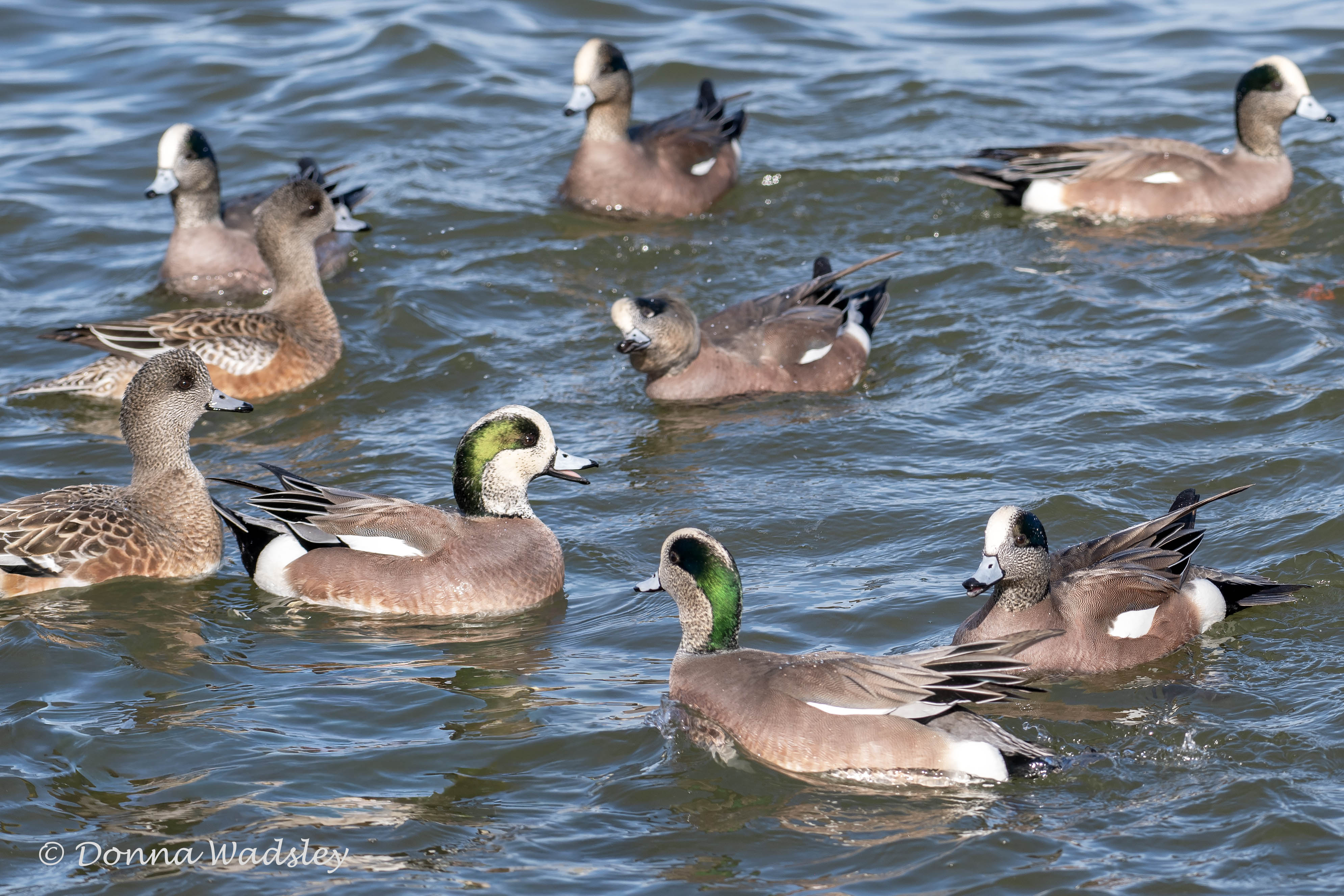
A Storm Wigeon is not a separate species but a rare color variant of the male American Wigeon. It’s characterized by a predominantly creamy-white face and neck, whereas a typical American Wigeon has a grey-speckled face and a white forehead patch. This results from a recessive genetic trait and occurs about 1 in 500–1,000 birds.
Here’s a comparison to the regular American Wigeons.
 Bay Photos by Donna