
Tundra Swans
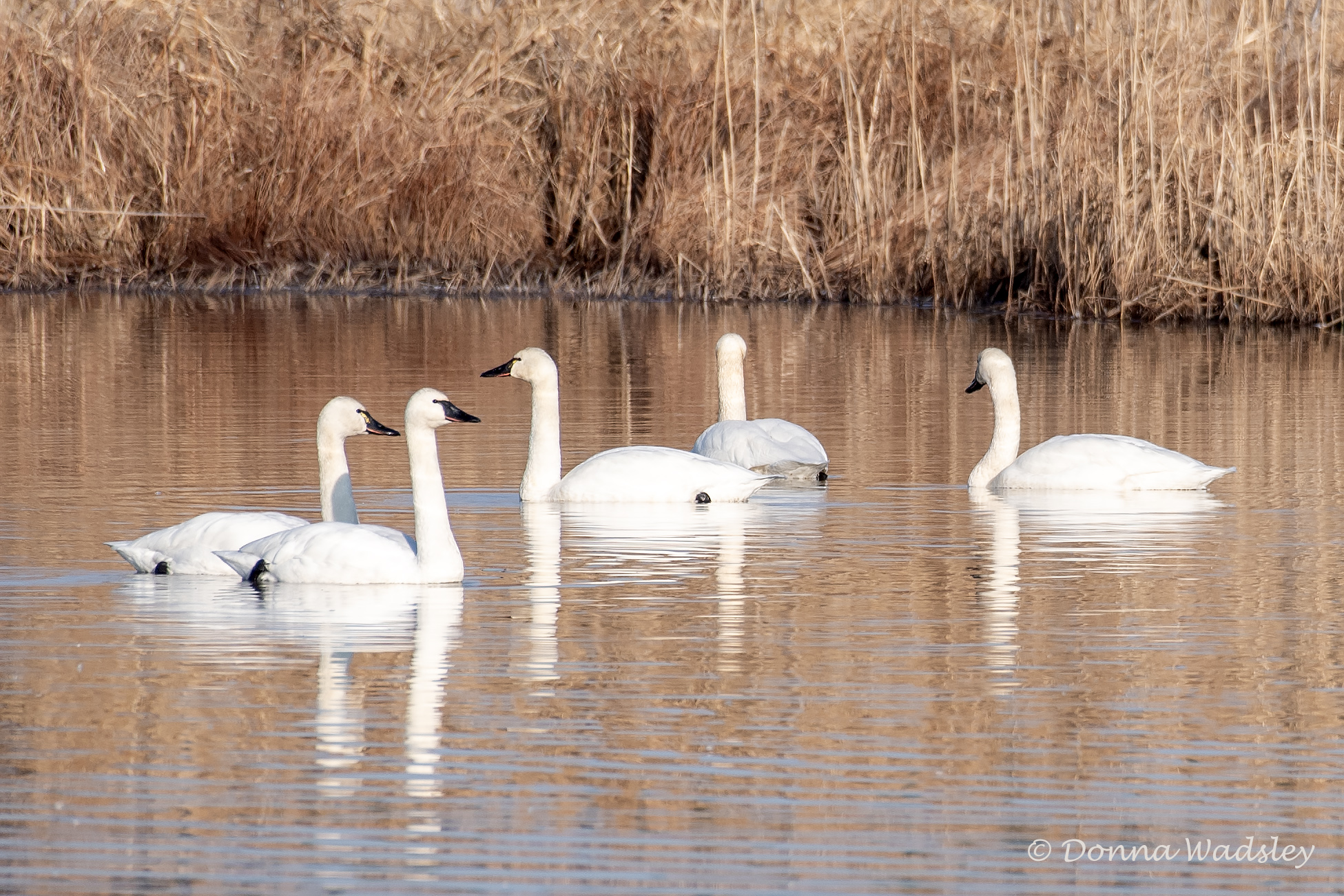
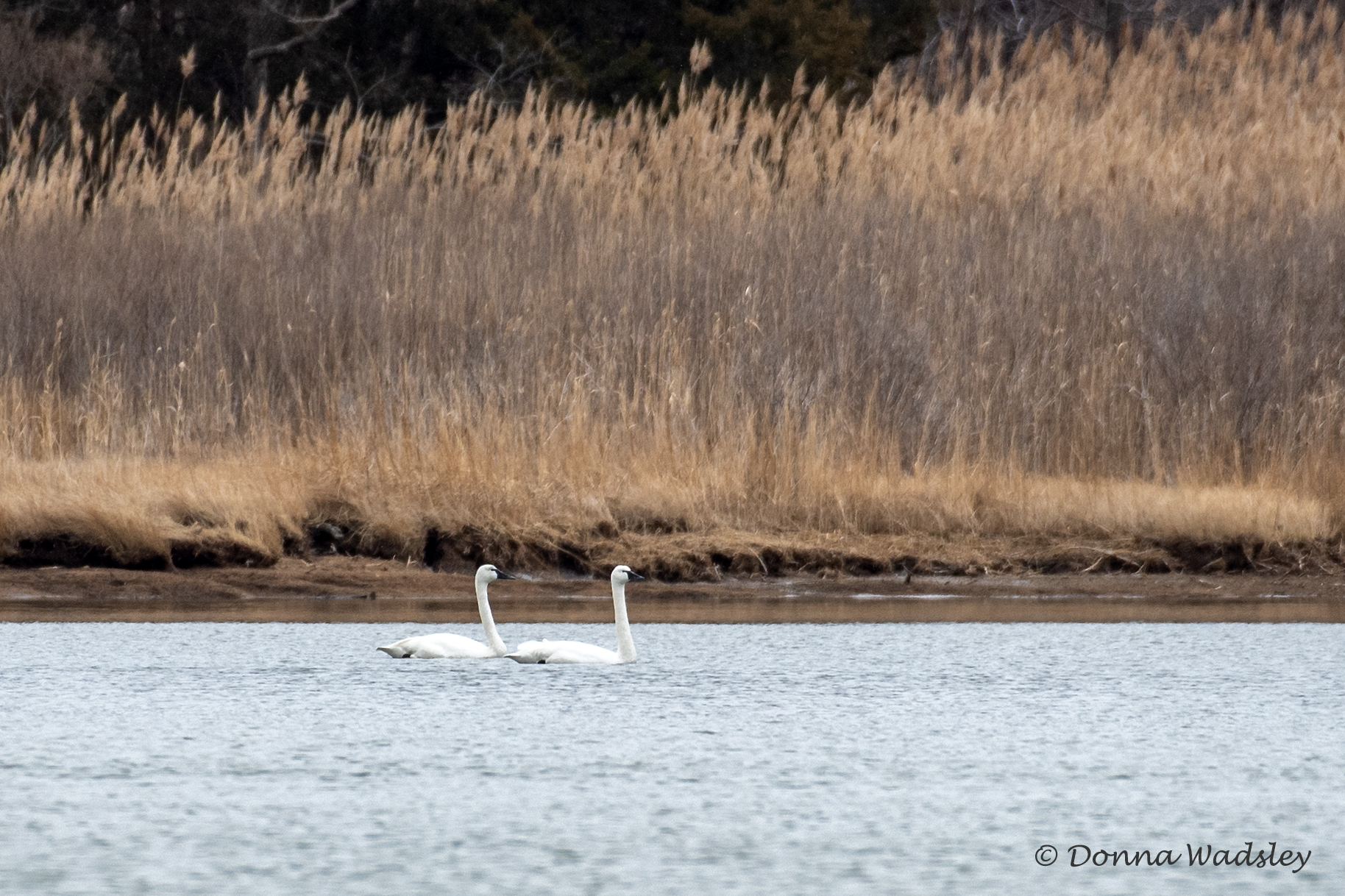
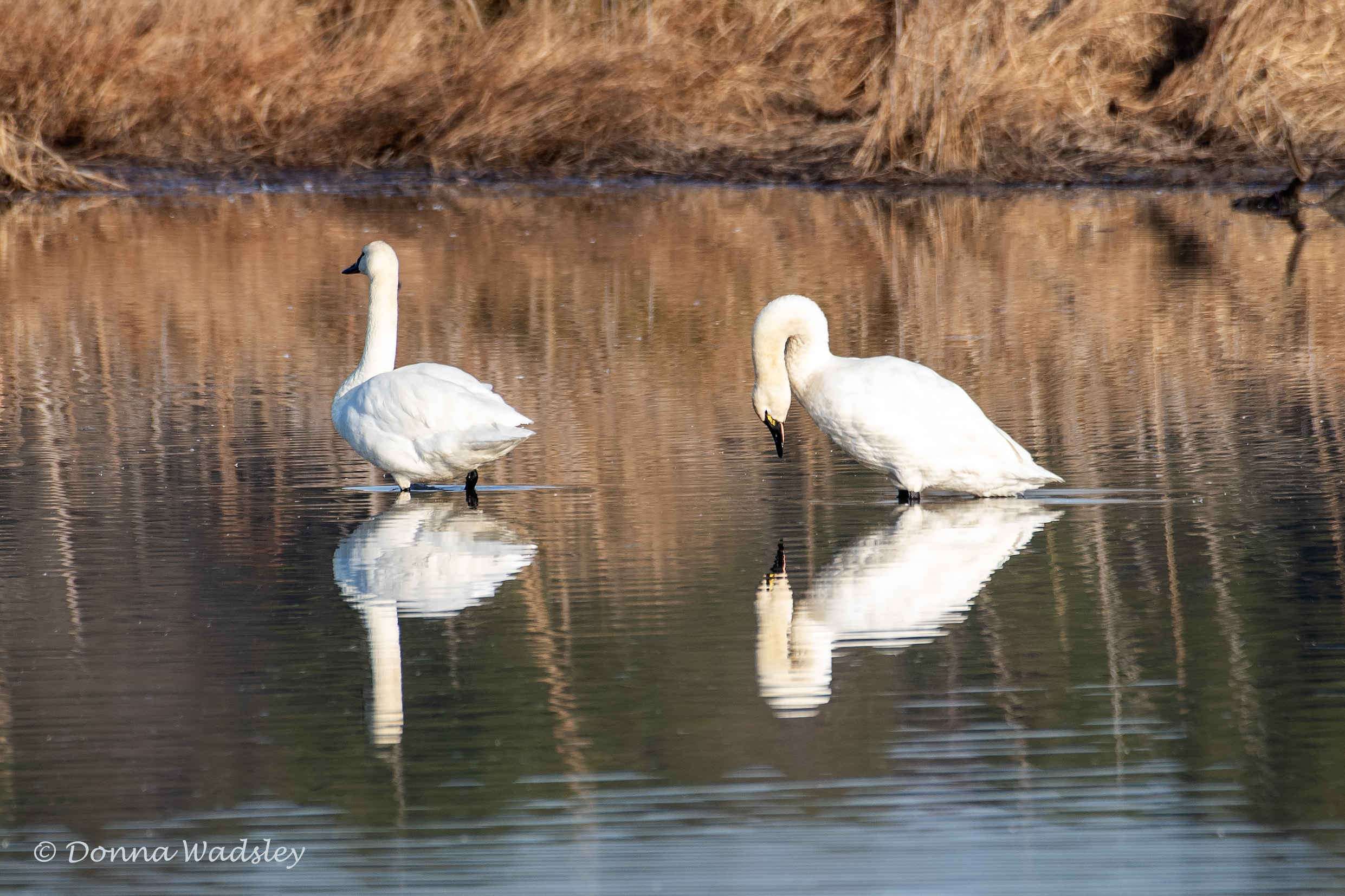
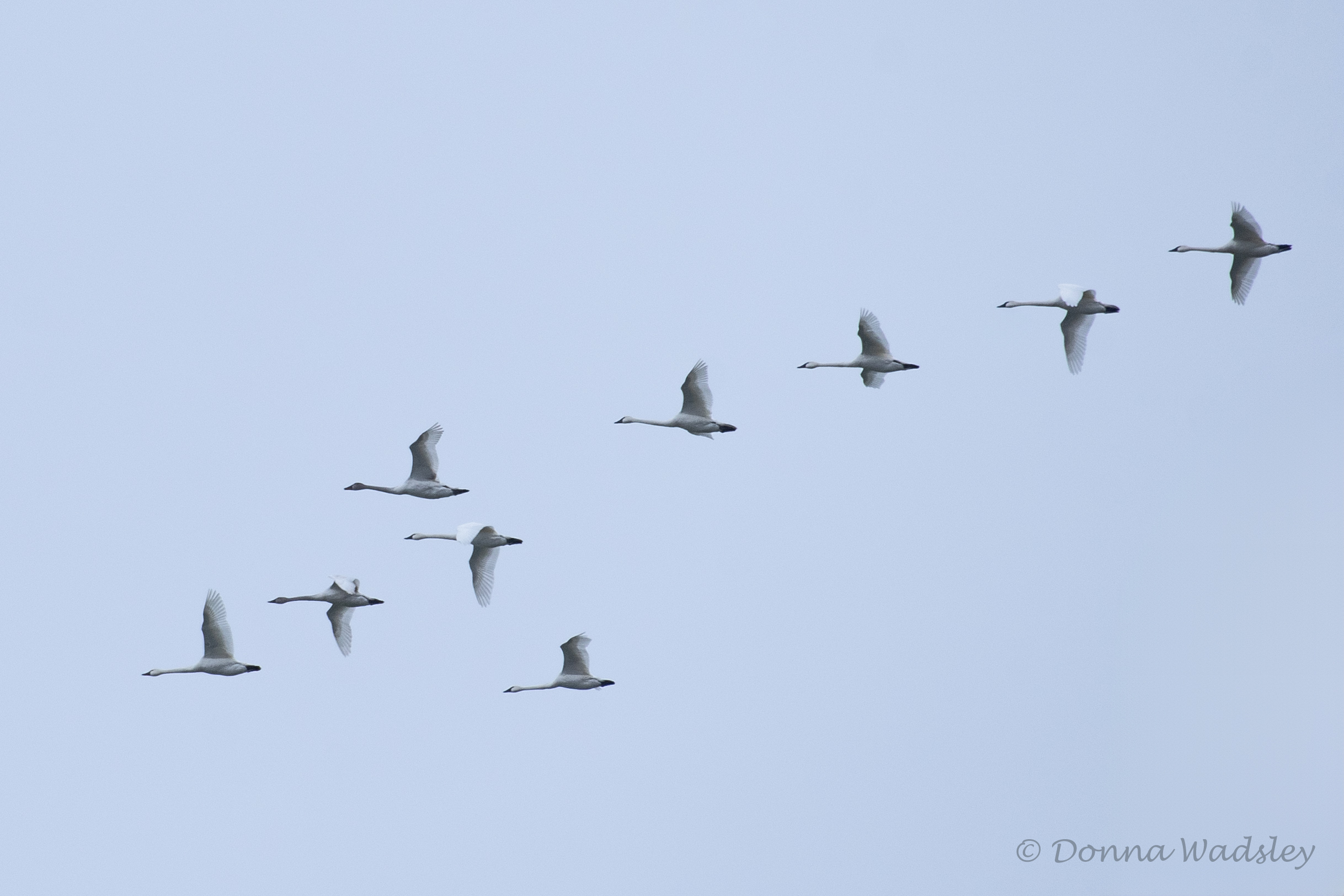
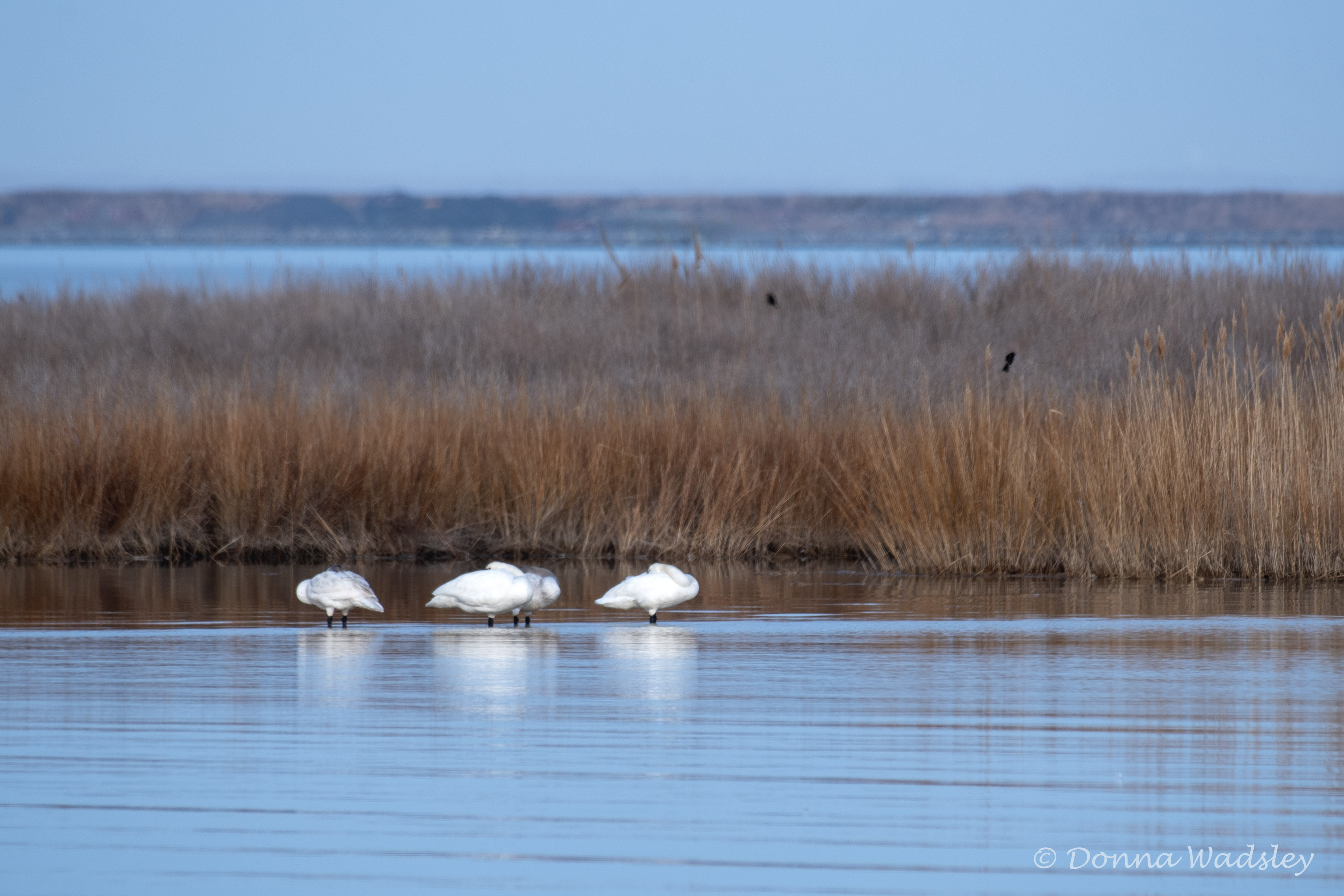
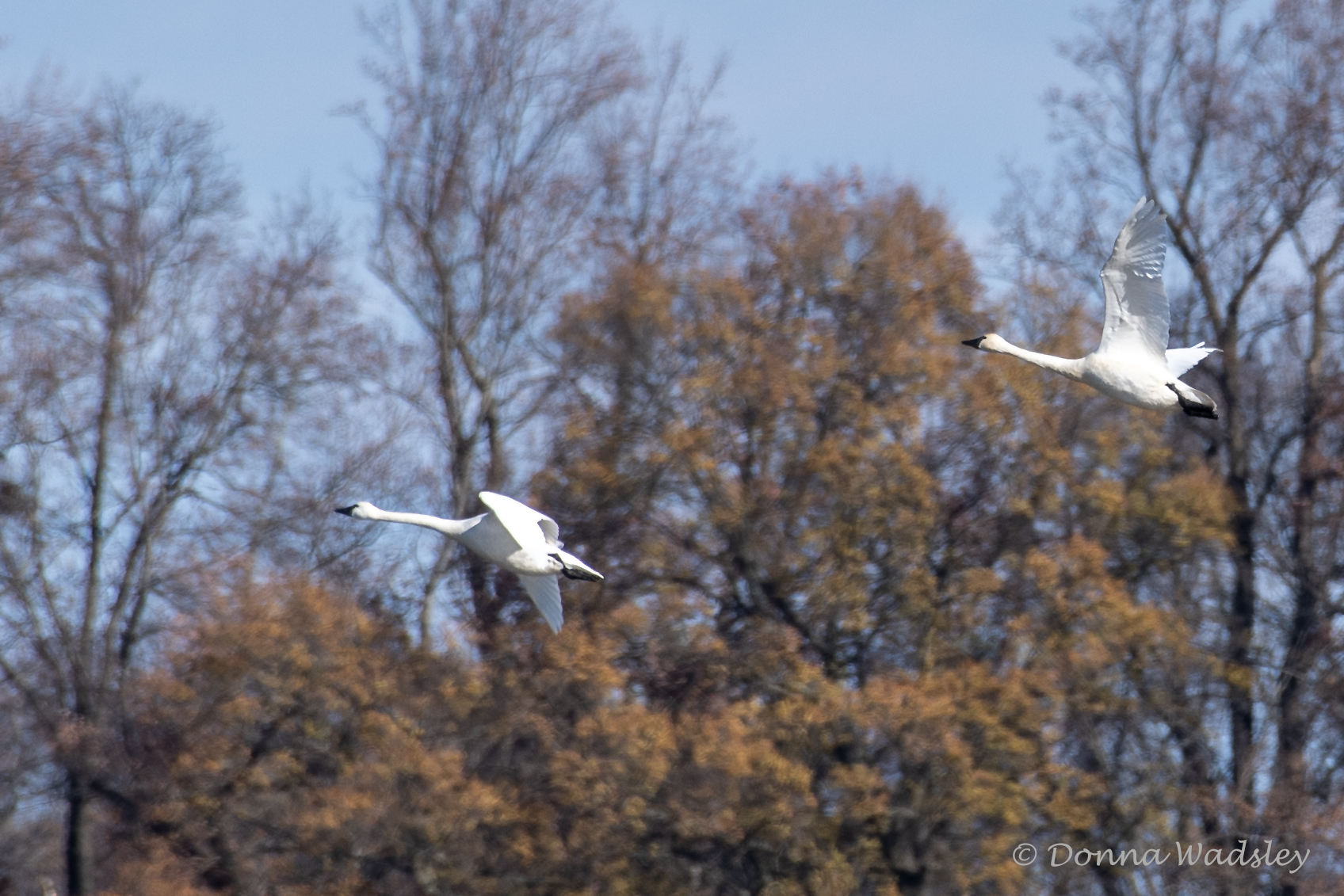
The Tundra Swans returned to spend their winter with us around the Chesapeake Bay, and I’m sure are unfazed by our arctic cold right now. That’s their summer norm on the Arctic Tundra.
.
.
.
.
.
.
Bald Eagle Nest at Blackwater NWR
At the end of Blackwater NWR’s wildlife drive is their famous Bald Eagle nest that sits in a loblolly tree on the left, in clear view for the public to see.
When I visited a couple weeks ago, I got lucky the pair was at the nest for my photos.
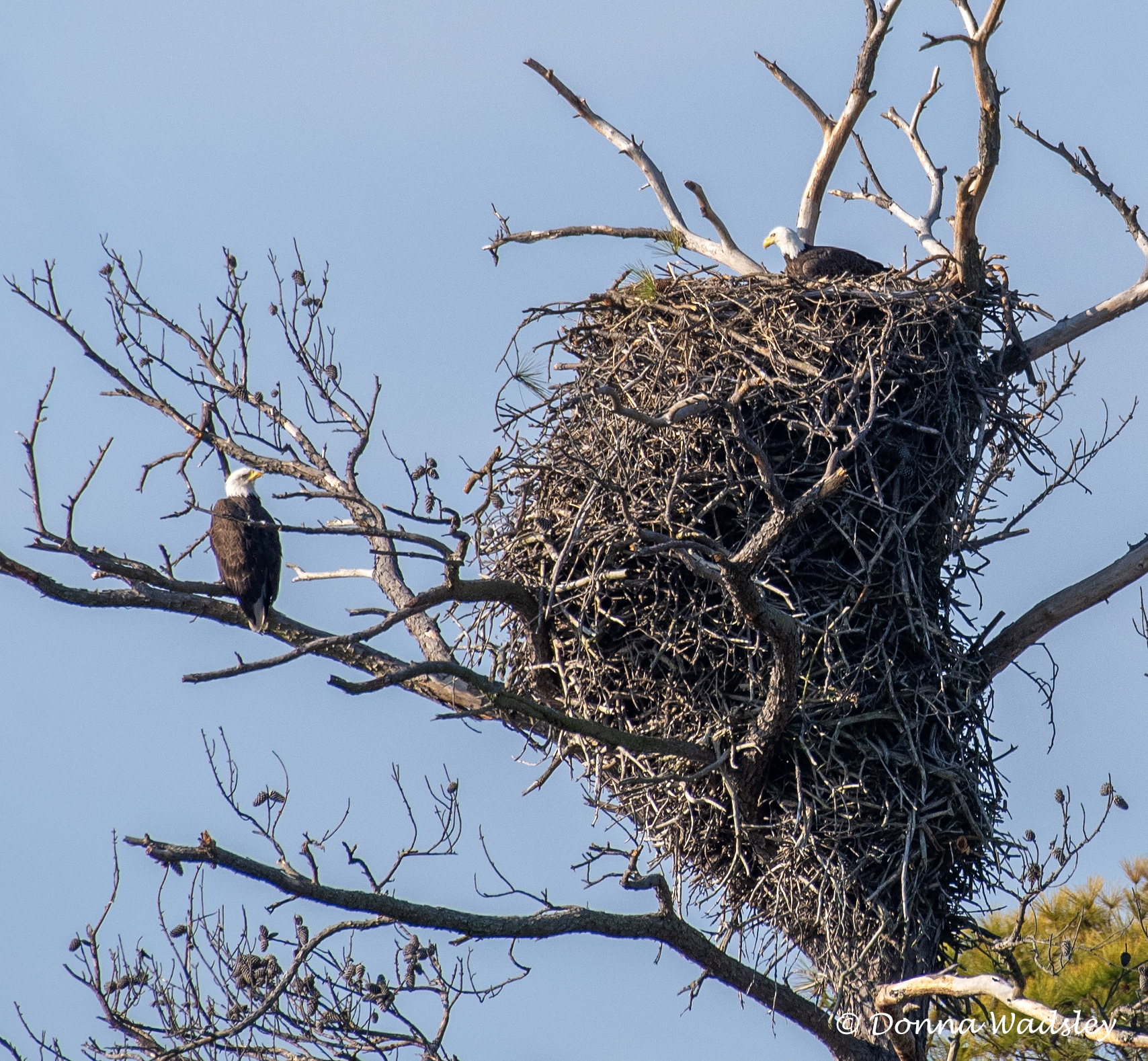
Unfortunately, you can see the loblolly tree is dead and time will tell how much longer it can hold the heavy nest.
It is possible for a Bald Eagle nest to get as large as 10 ft wide and 12 ft deep, and can weigh as much as two tons.
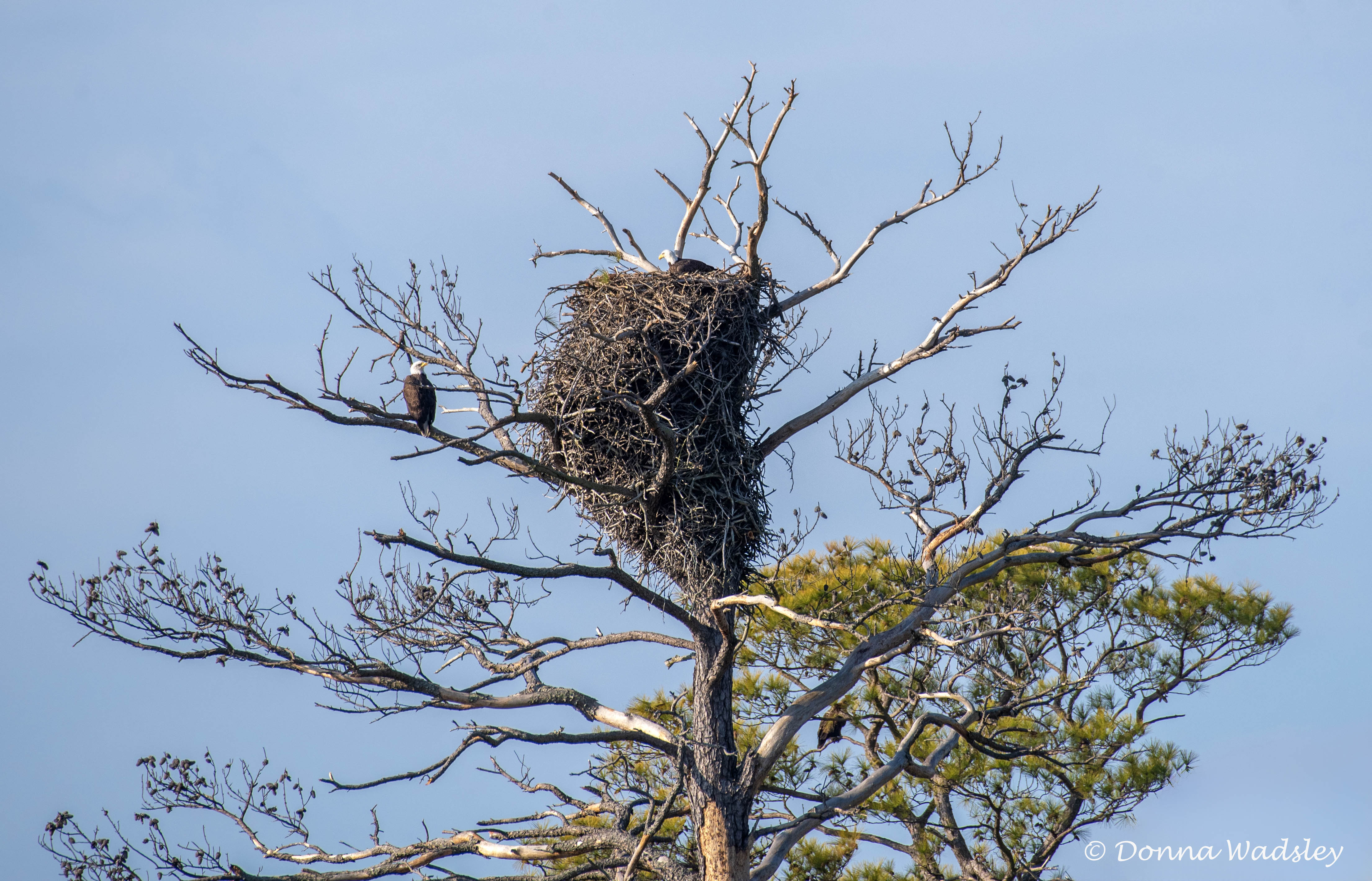
Bald Eagle Nest – January 7, 2026
I decided to go through my older photos to see the growth of this nest over time.
It fascinated me so I’m sharing two of them below from the years 2018 and 2012.
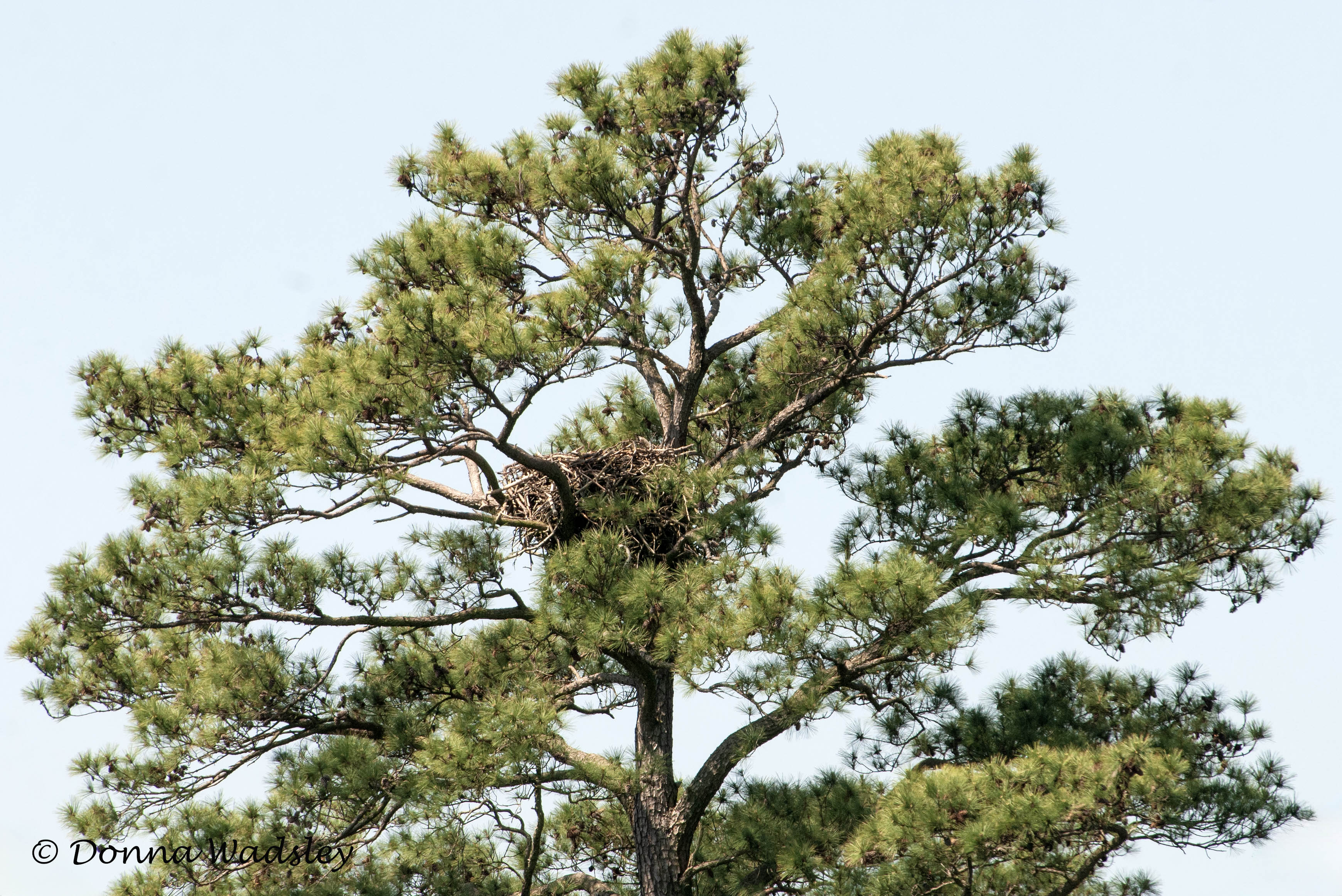
Same Bald Eagle nest & healthy loblolly – May 24, 2018
.
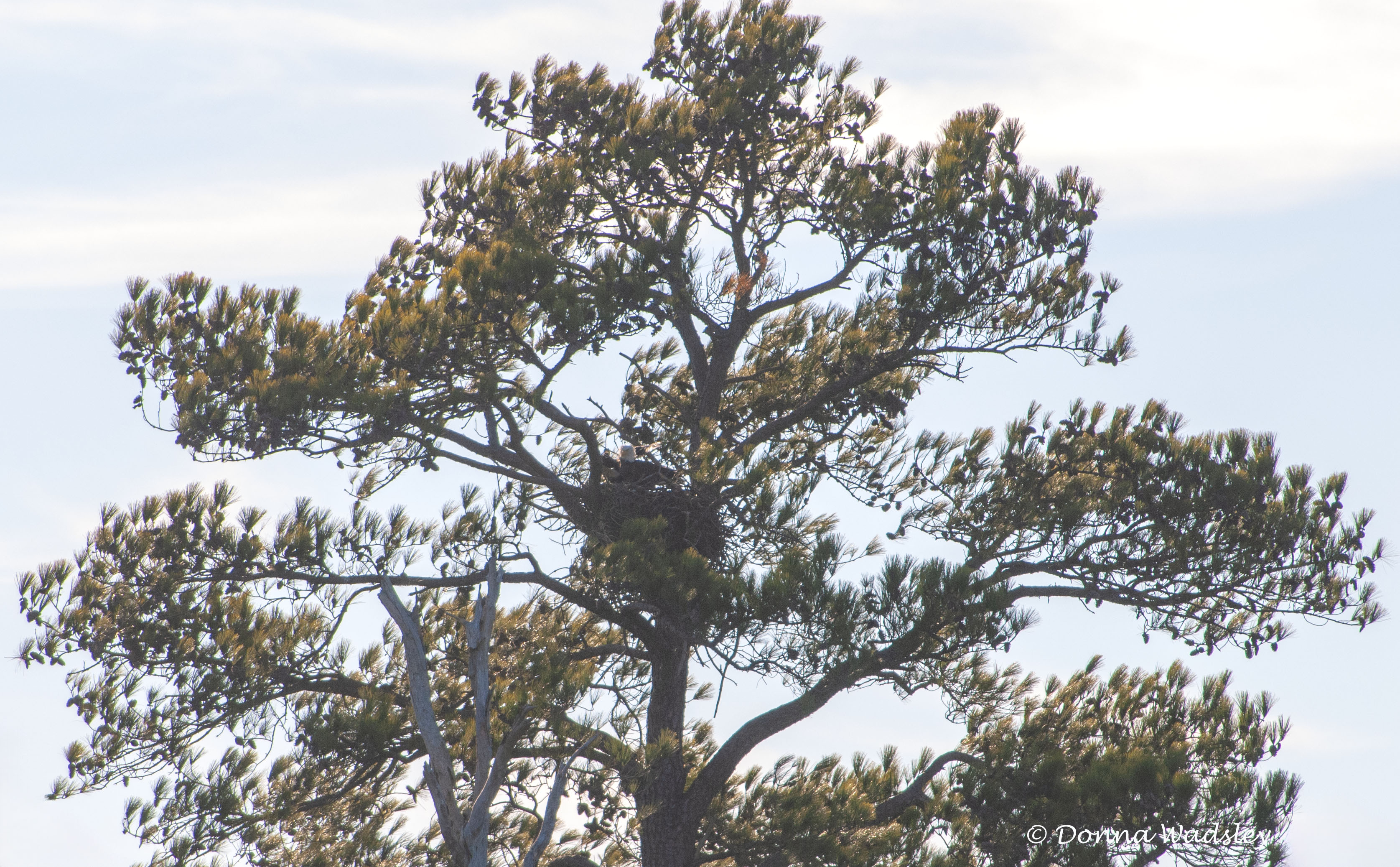
Same Bald Eagle nest – January 1, 2012
.
Bald Eagles Perched
Bald Eagles overlooking their territories!
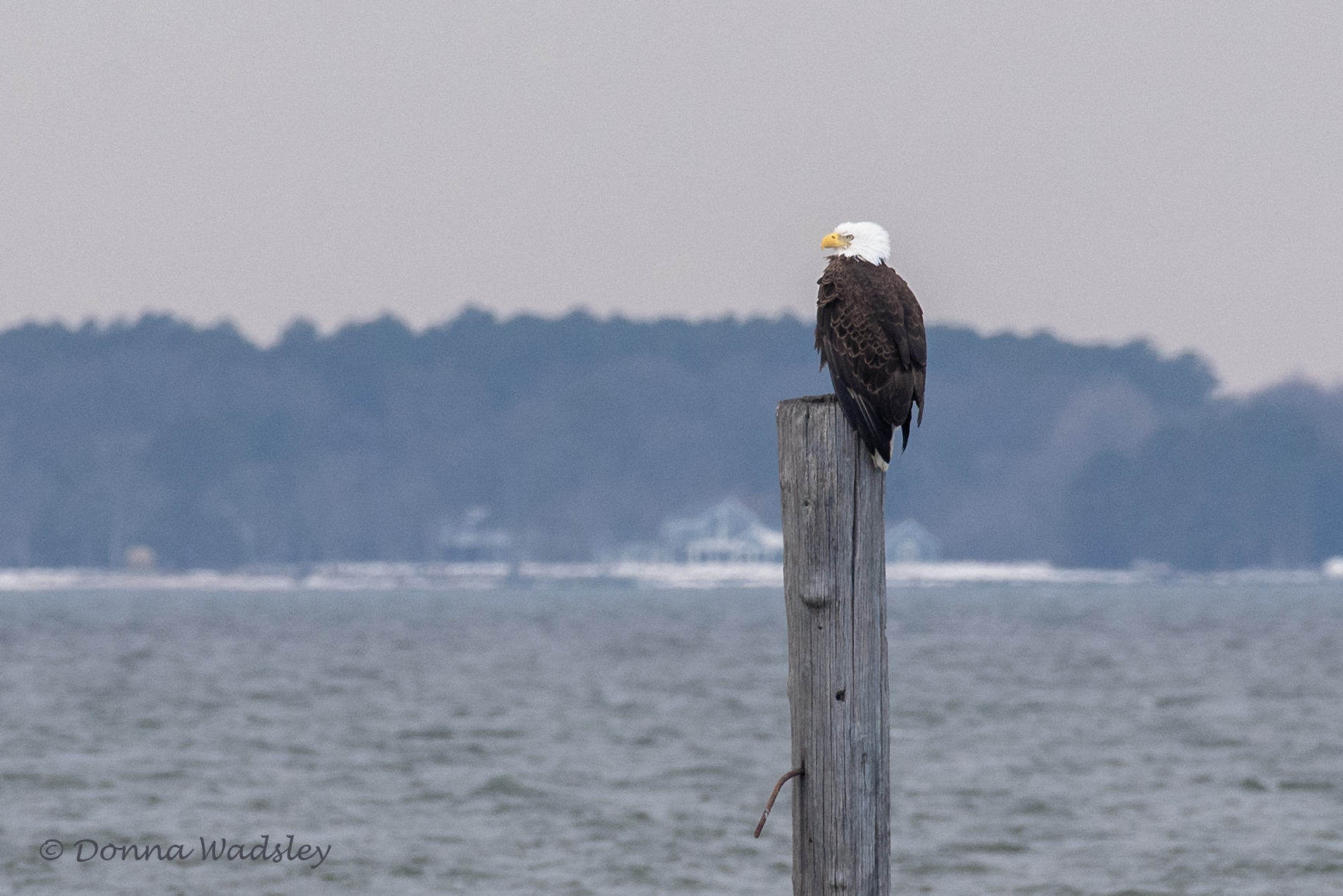
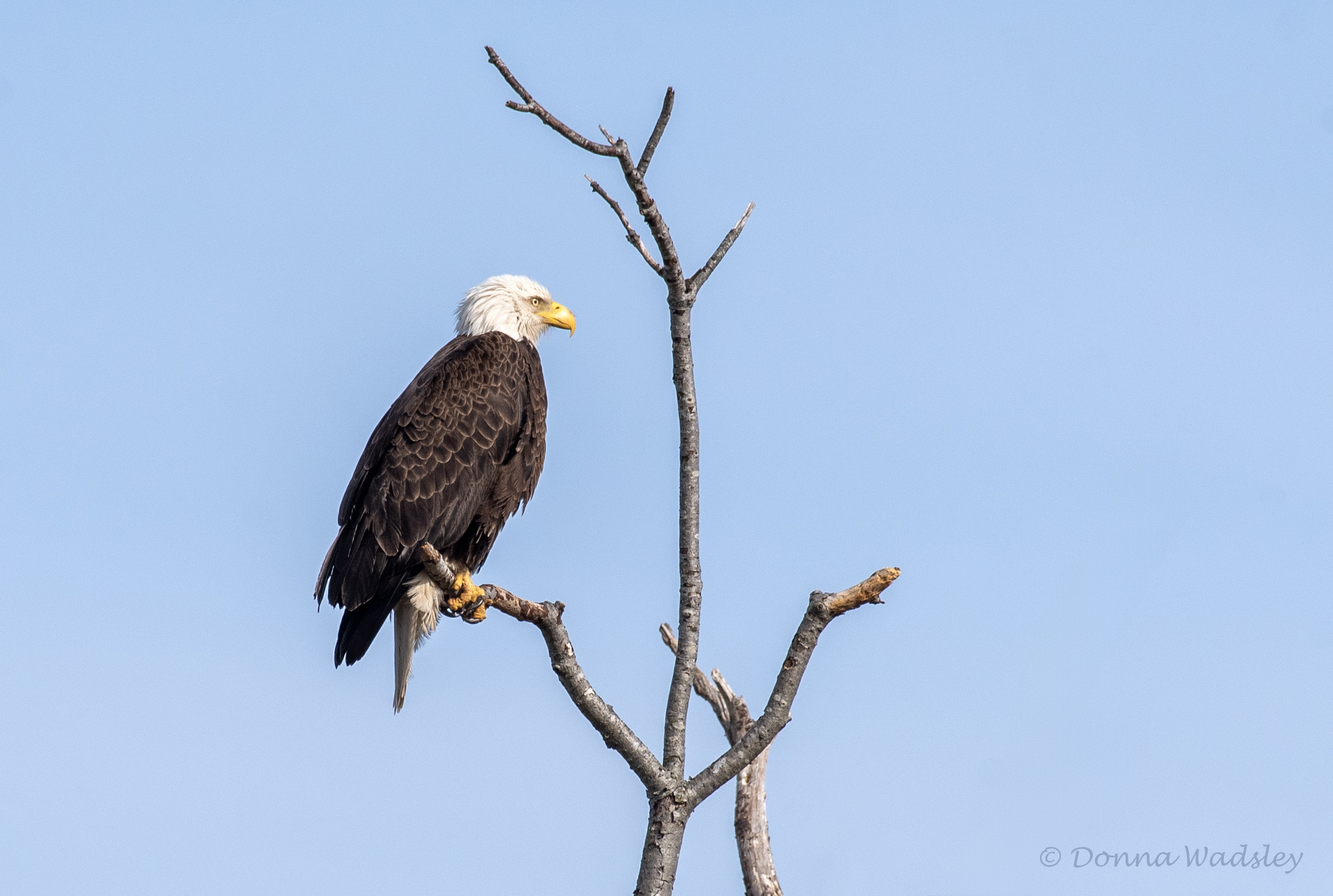
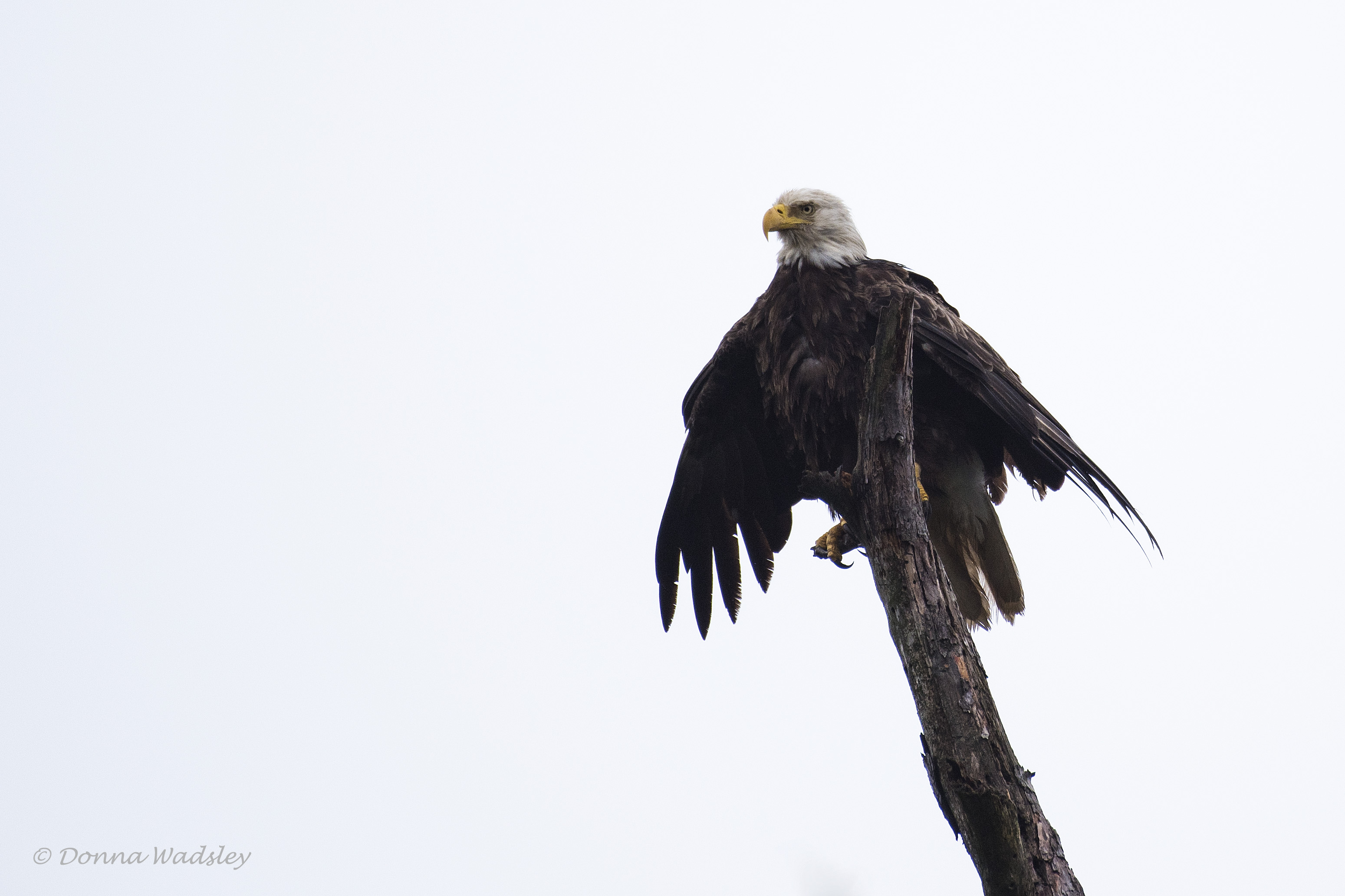
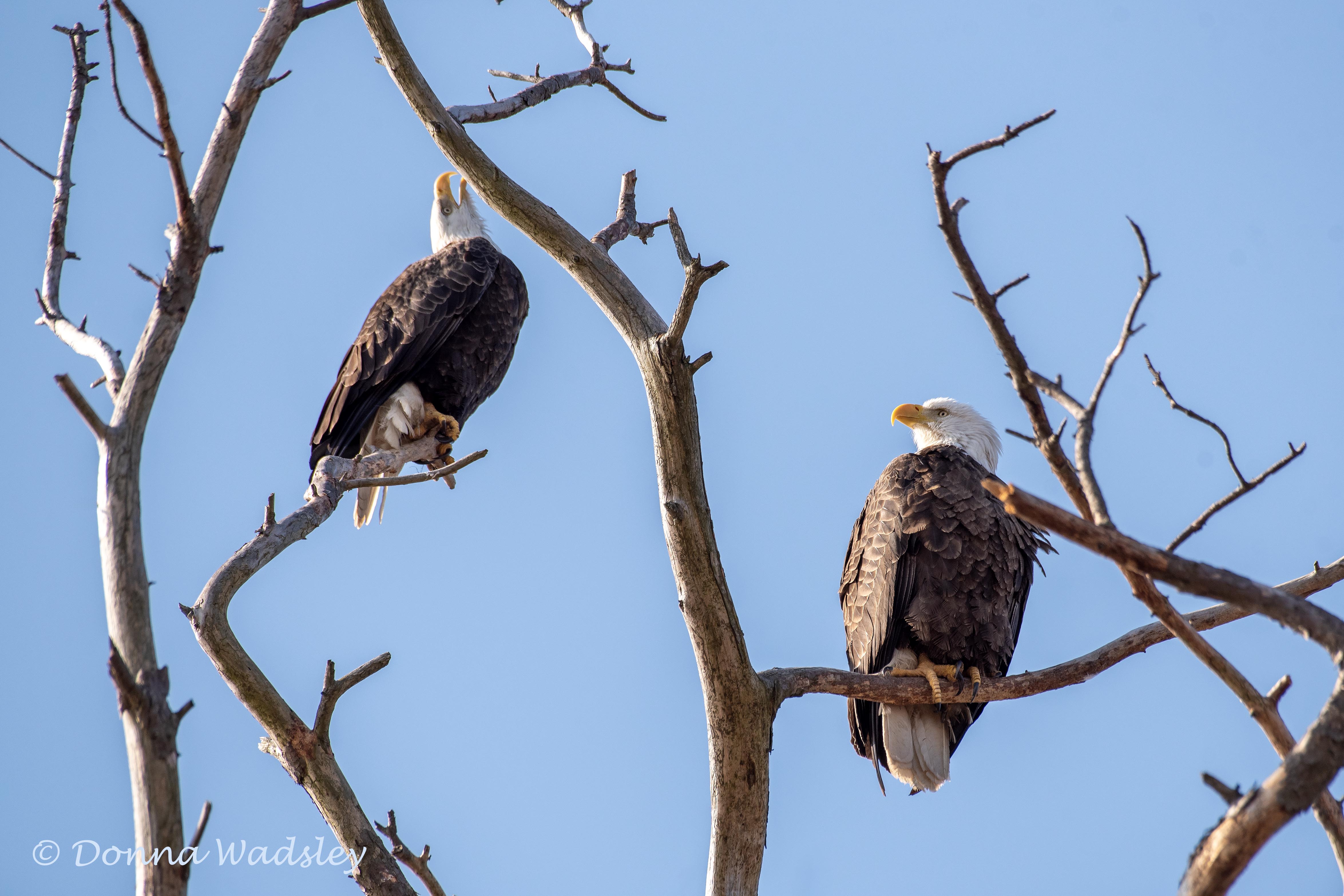
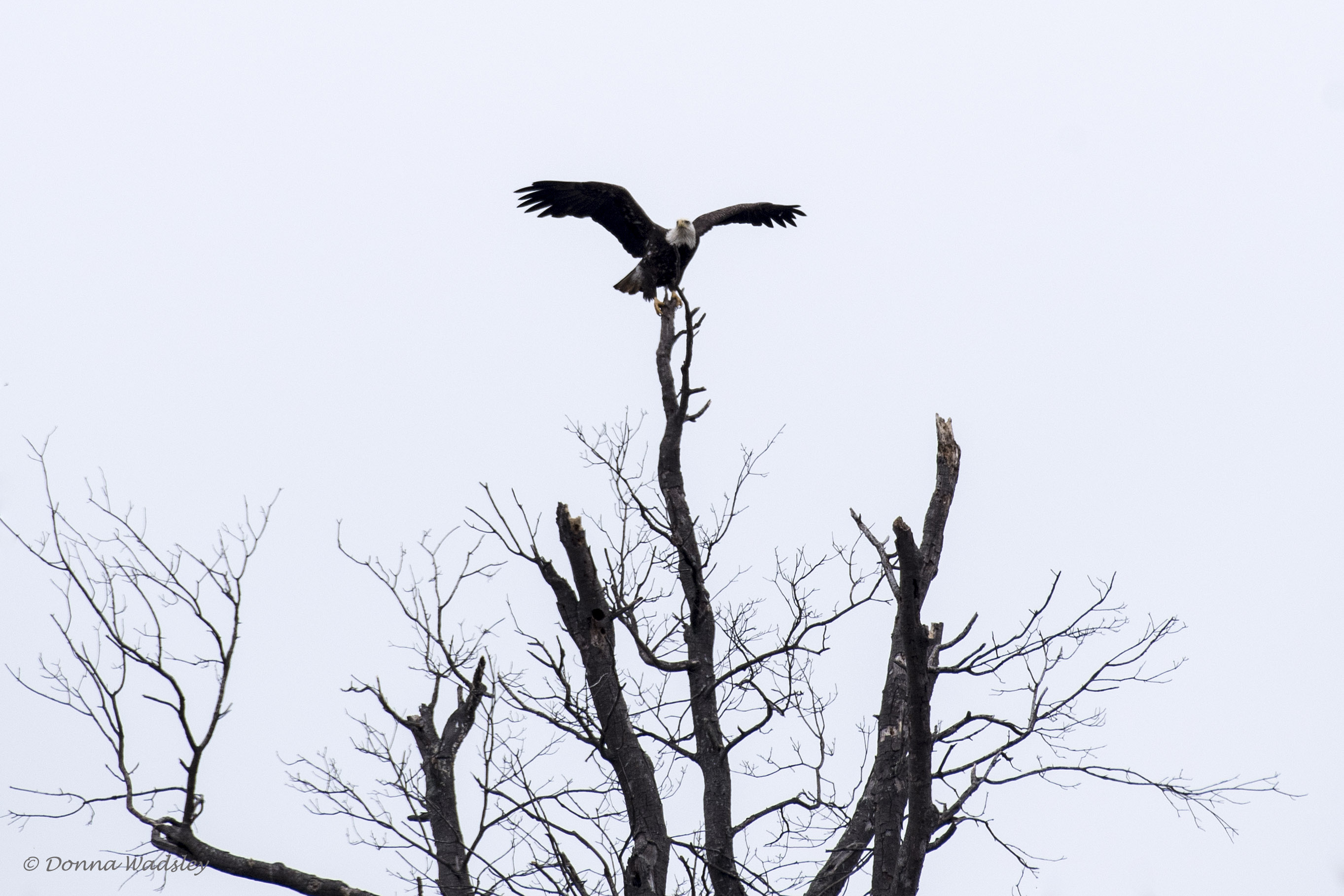
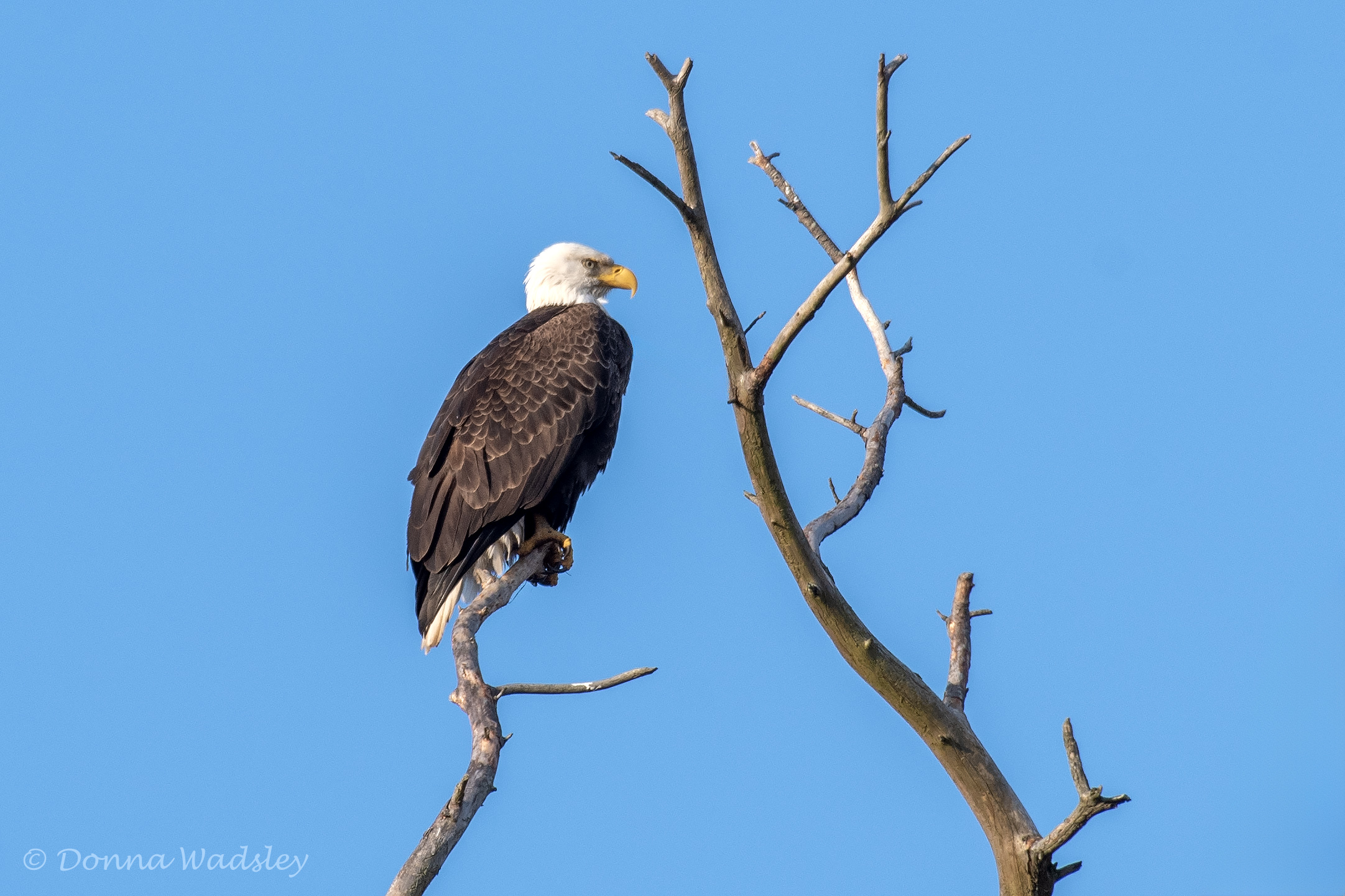
.
I’m following this immediately with another post sharing a pair of Bald Eagles perching at their nest, as well as two older photos of that same nest, comparing its growth. Pretty amazing!
.
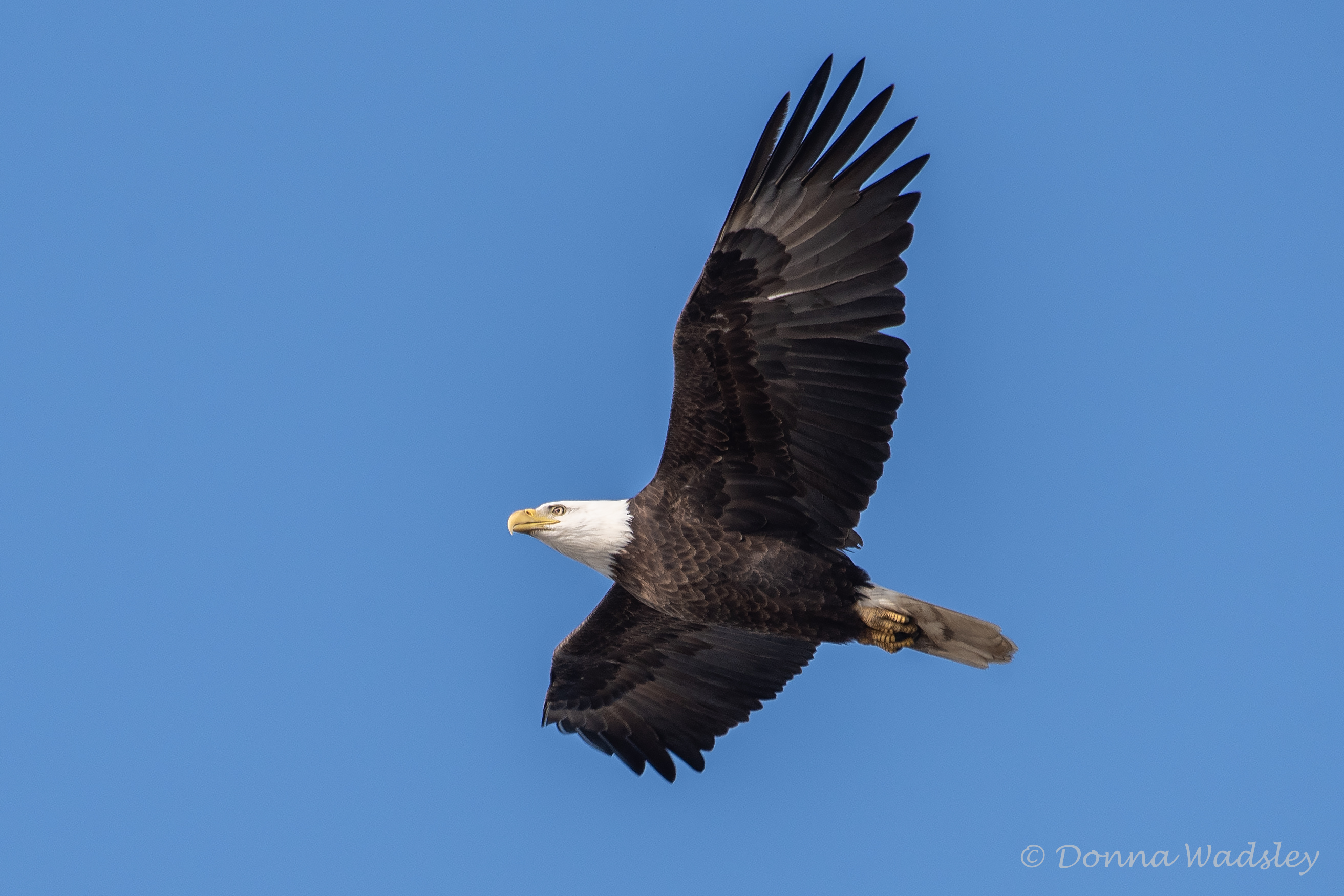
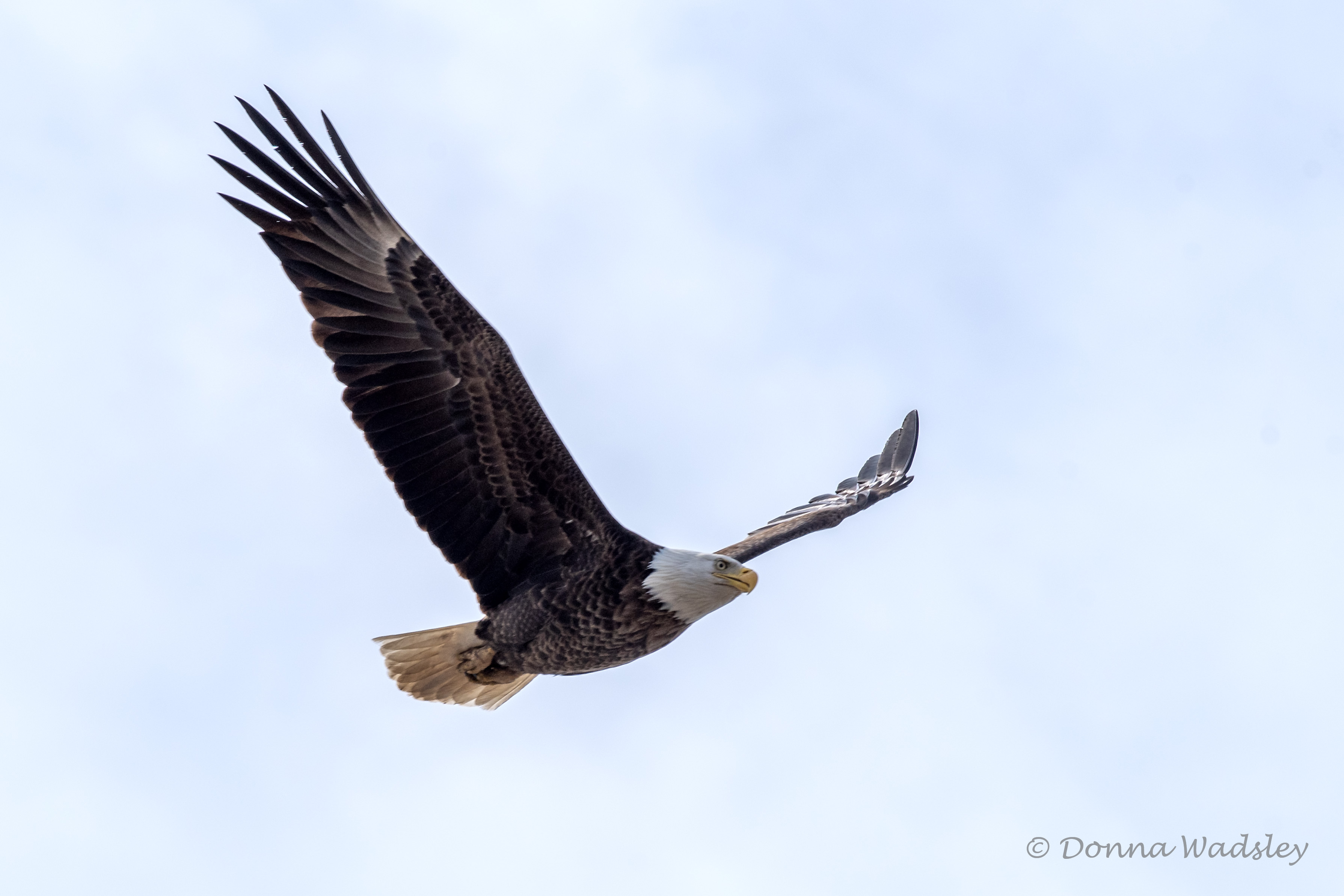
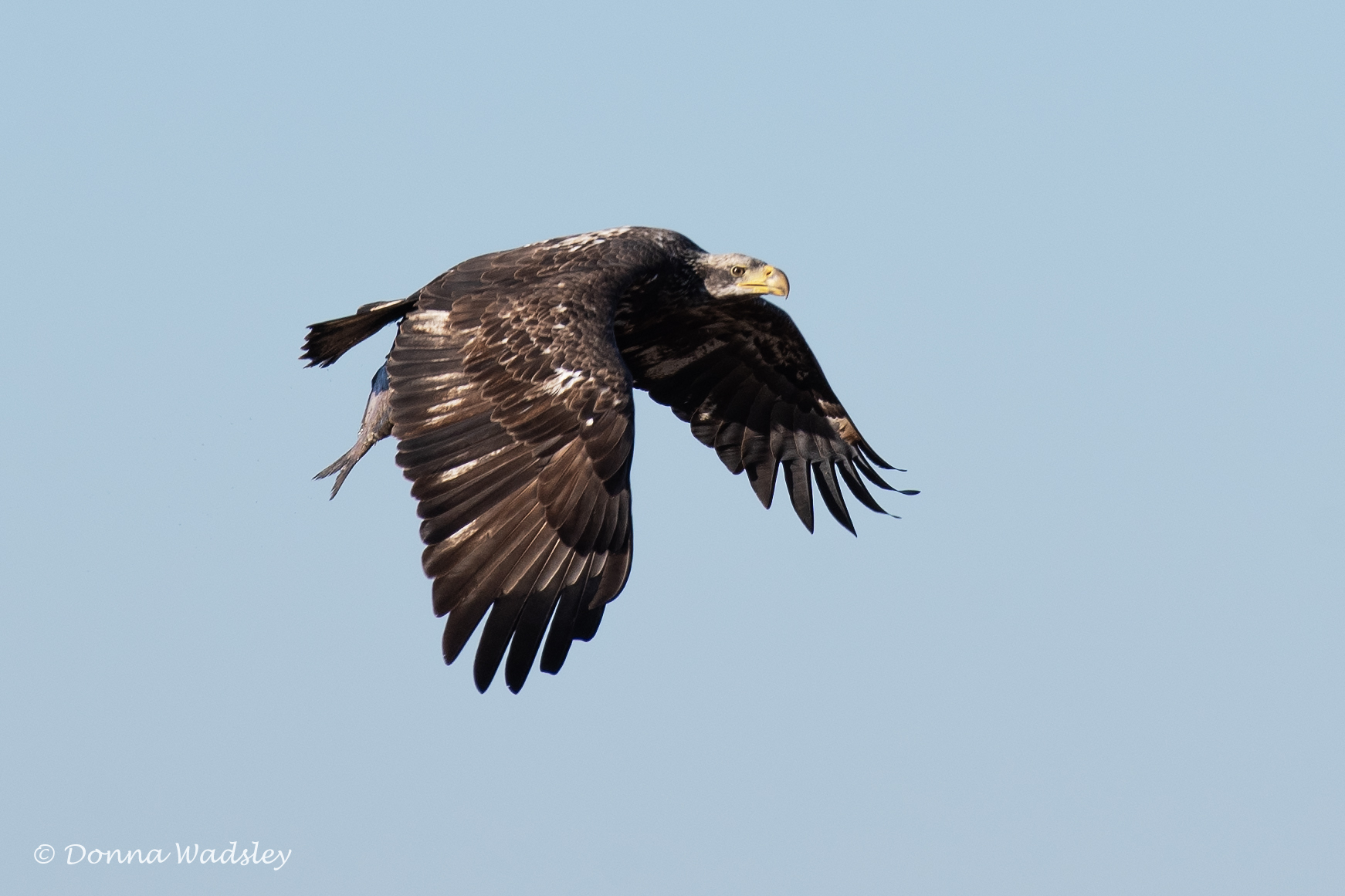
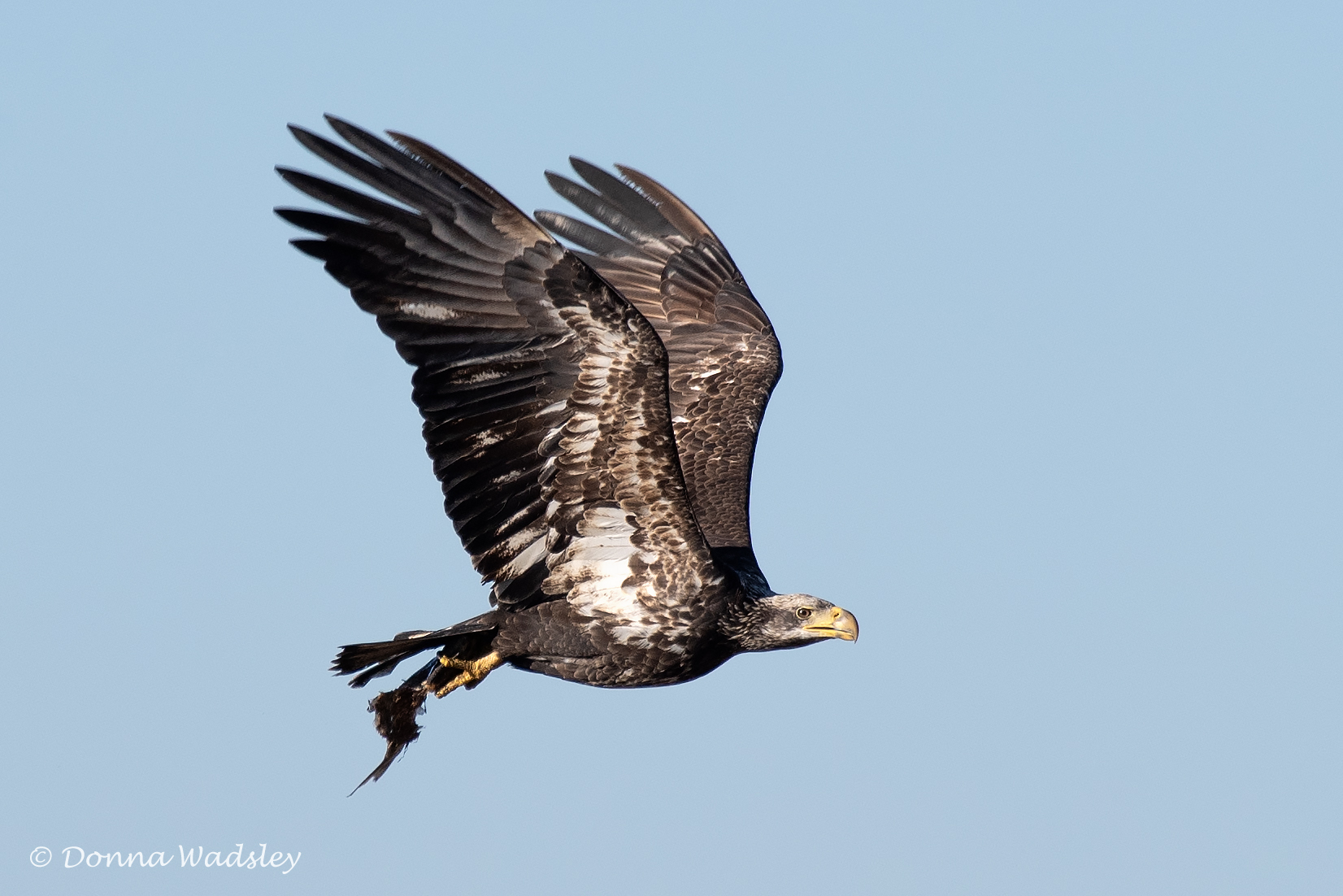
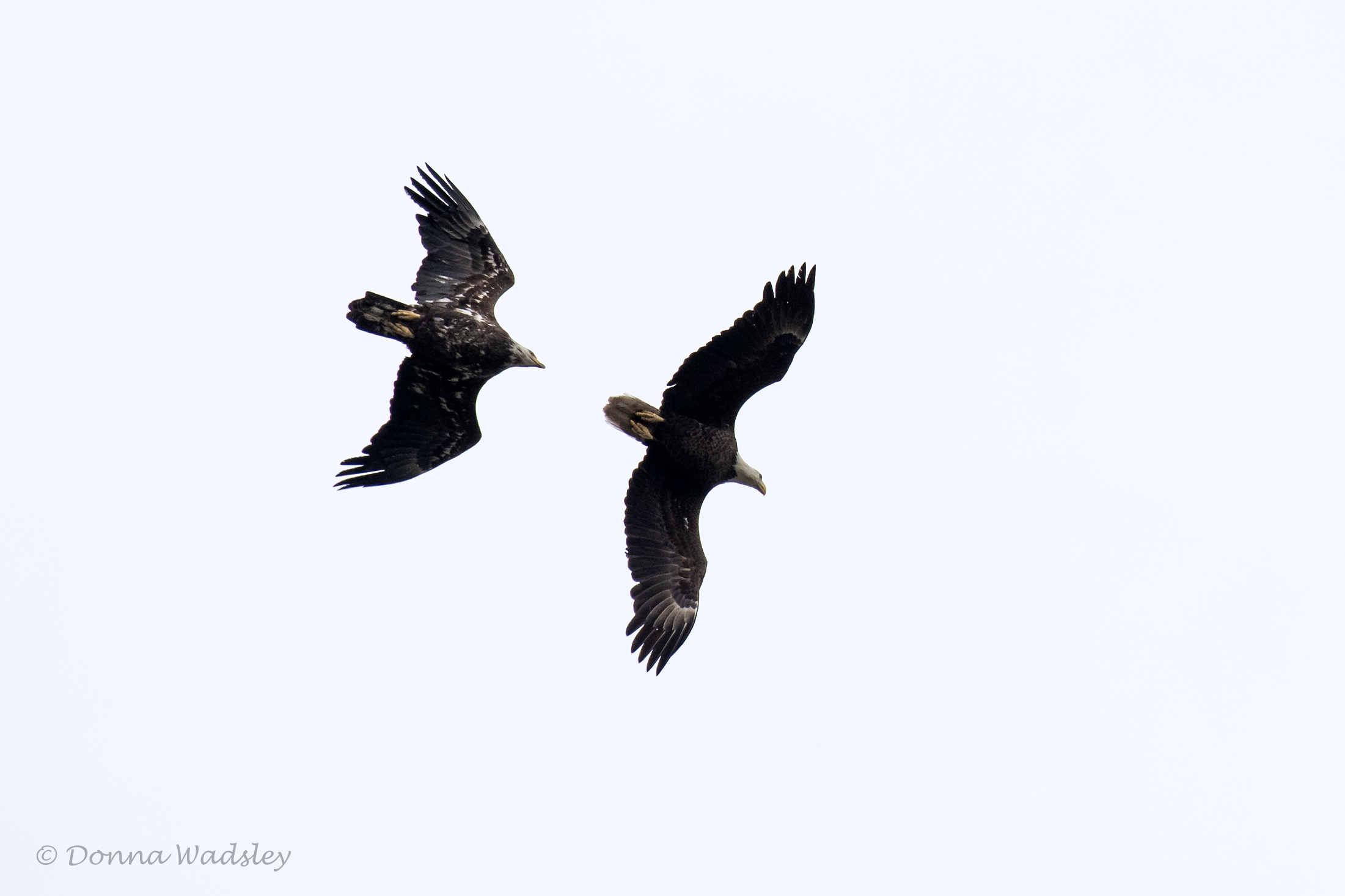
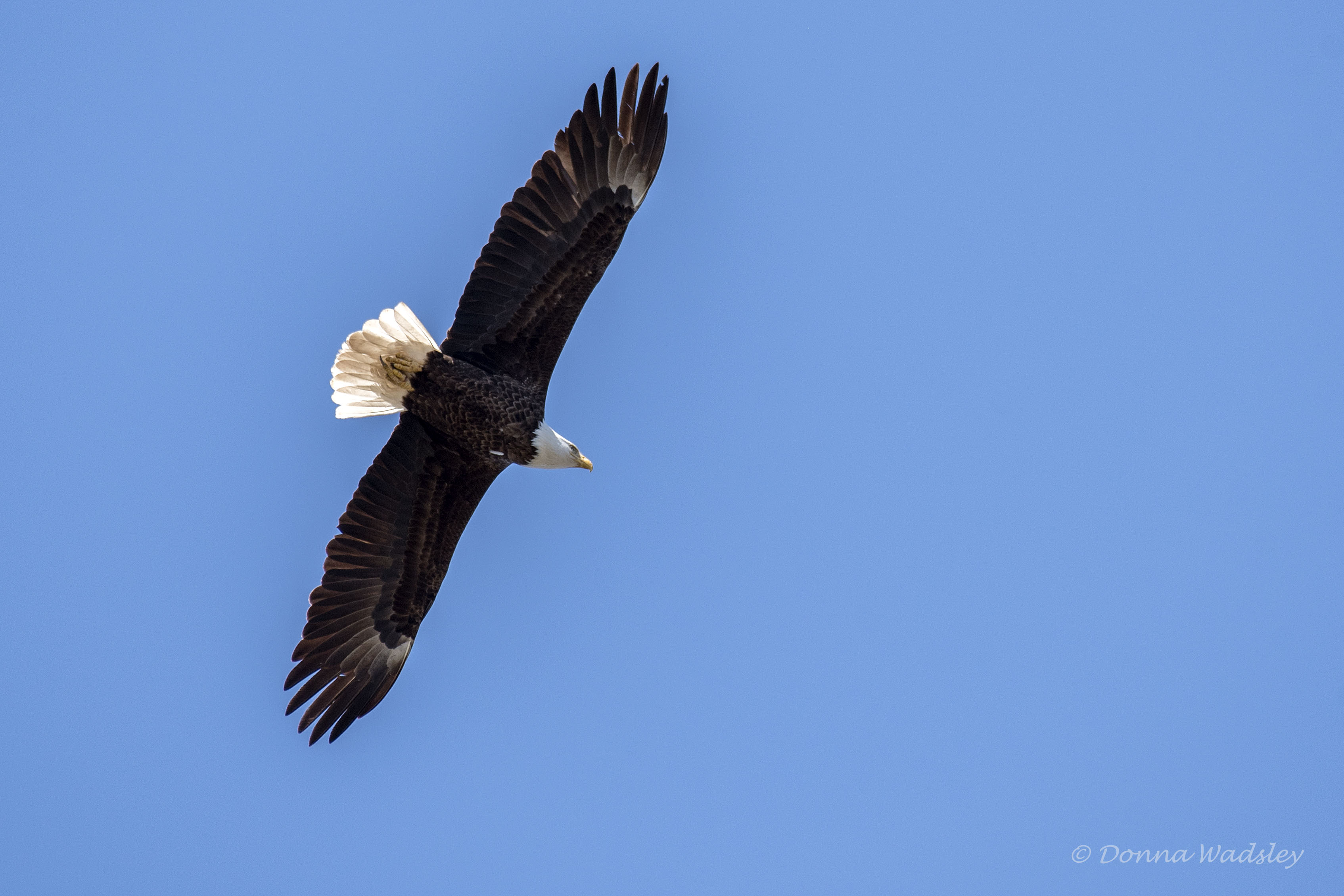
Bald Eagles in Flight
We have Bald Eagles year-round, but the number increases substantially with migratory Alaska and Canada eagles here for the winter.
Blackwater NWR’s annual eagle count on January 13th recorded a record-breaking 329 Bald Eagles on the refuge property. When I was down there couple weeks ago…..oh my! They were truly everywhere.
Here’s a few in flight shots.
.
.
.
.
.
.
Next up, Bald Eagles perched!
.
1-2-3 Cute As Can Be – #38
For those of us in the depths of frigid temps and wind chills, I’m going to share some colors and delights by going back a bit to September and October 2025 as migration was going strong through my area.
These warblers and vireos were quick in their flurry looking for insects, giving me just enough time to click!
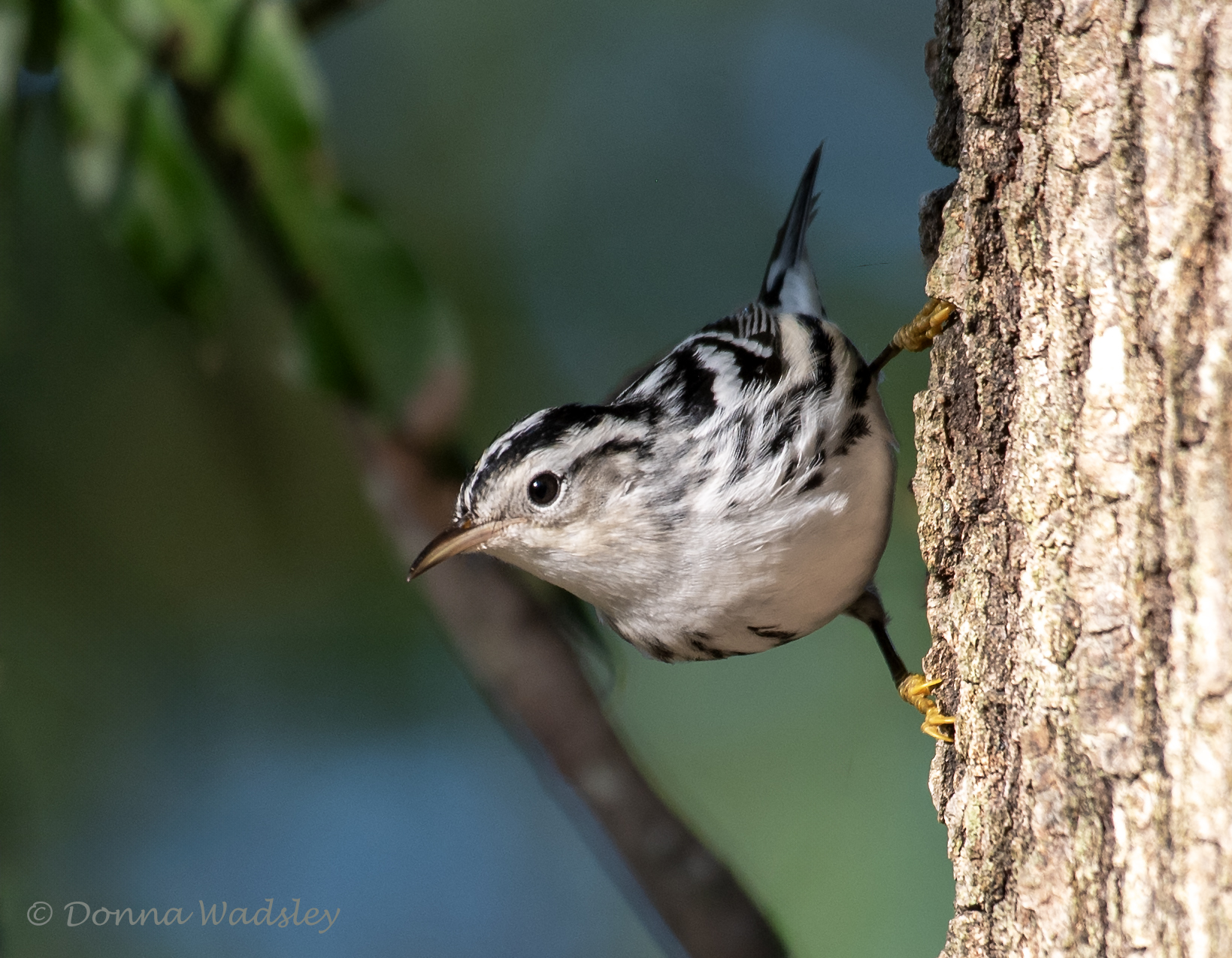
Black-and-white Warbler
.
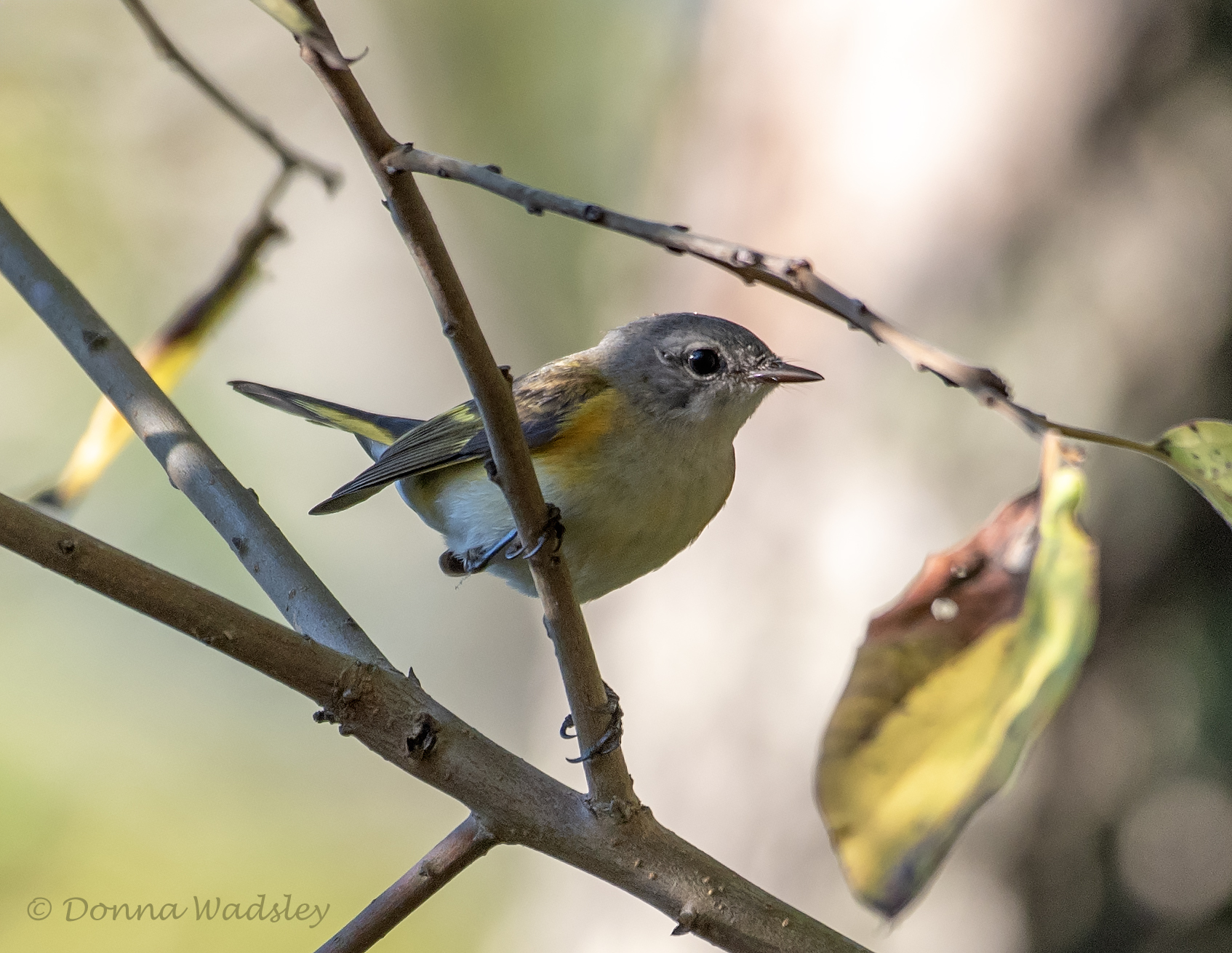
American Redstart (female)
.
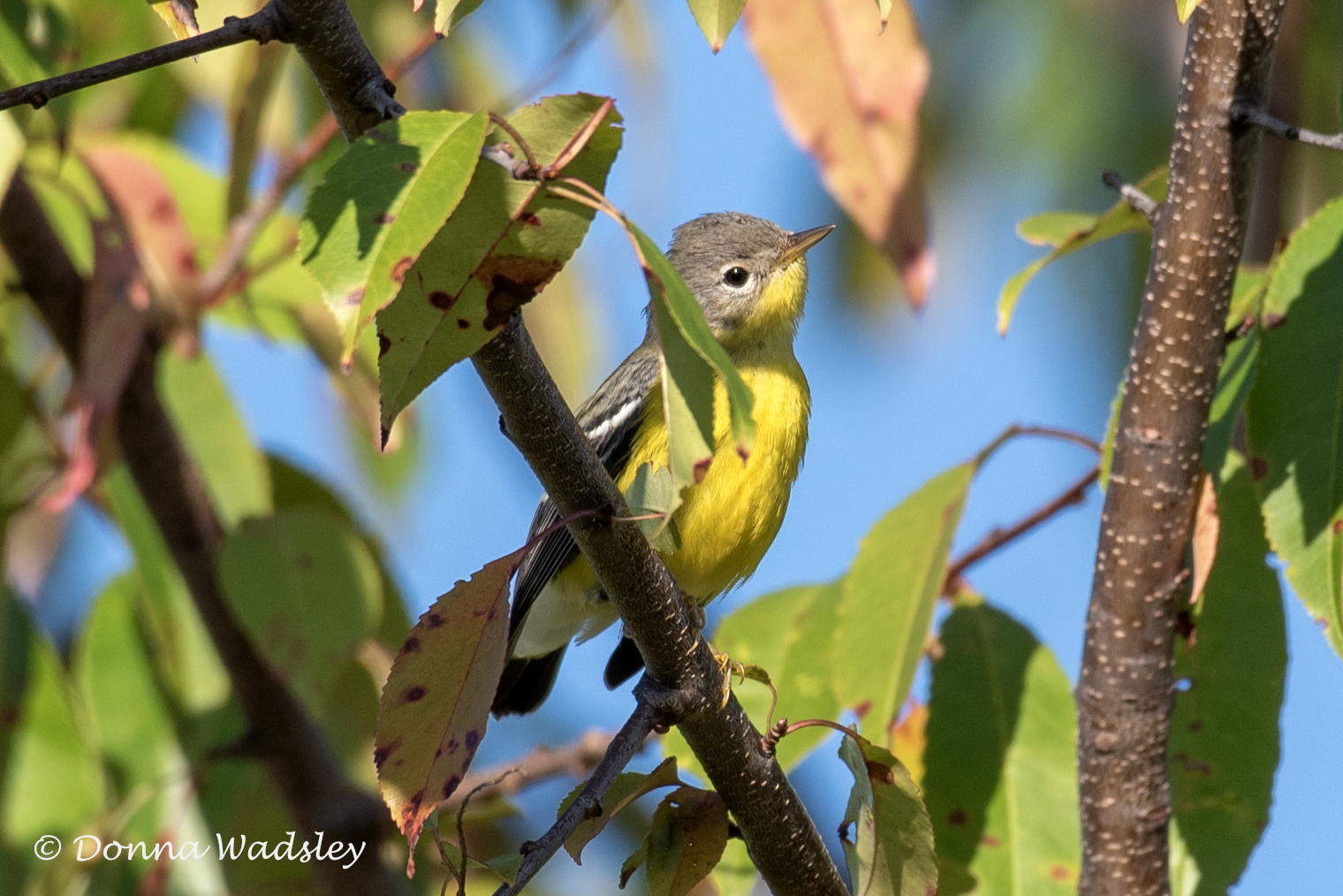 Magnolia Warbler
.
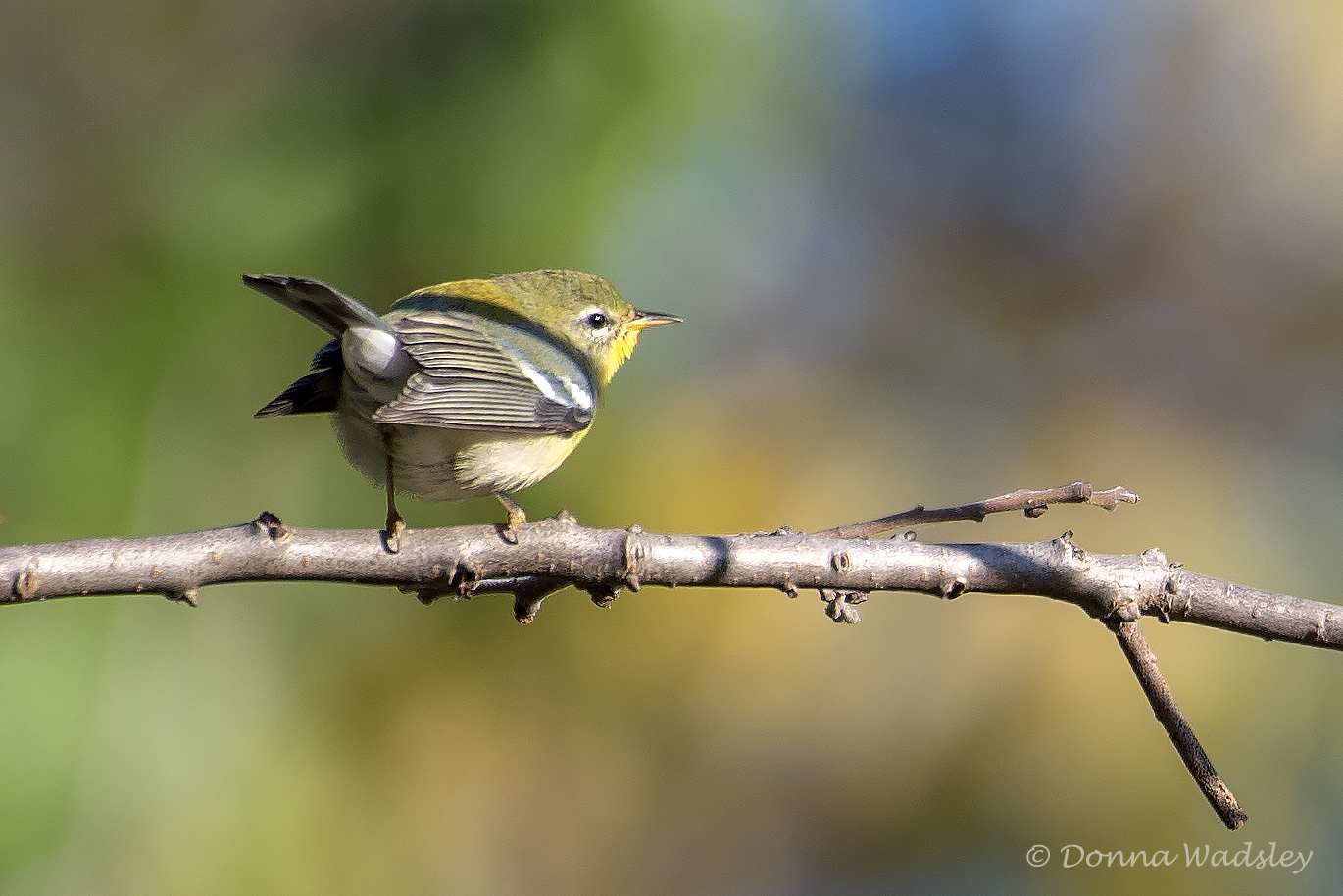
Northern Parula
.
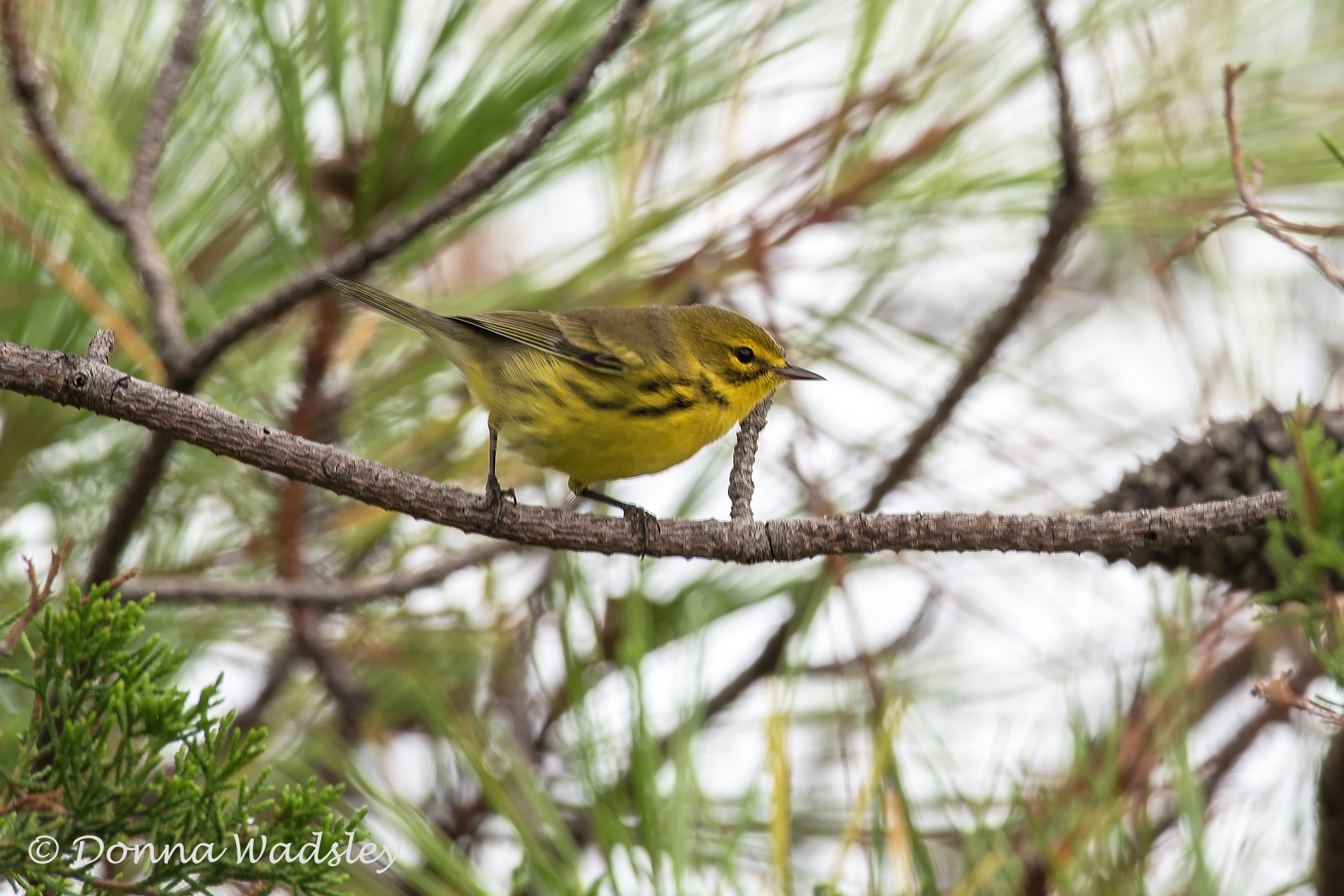
Prairie Warbler
.
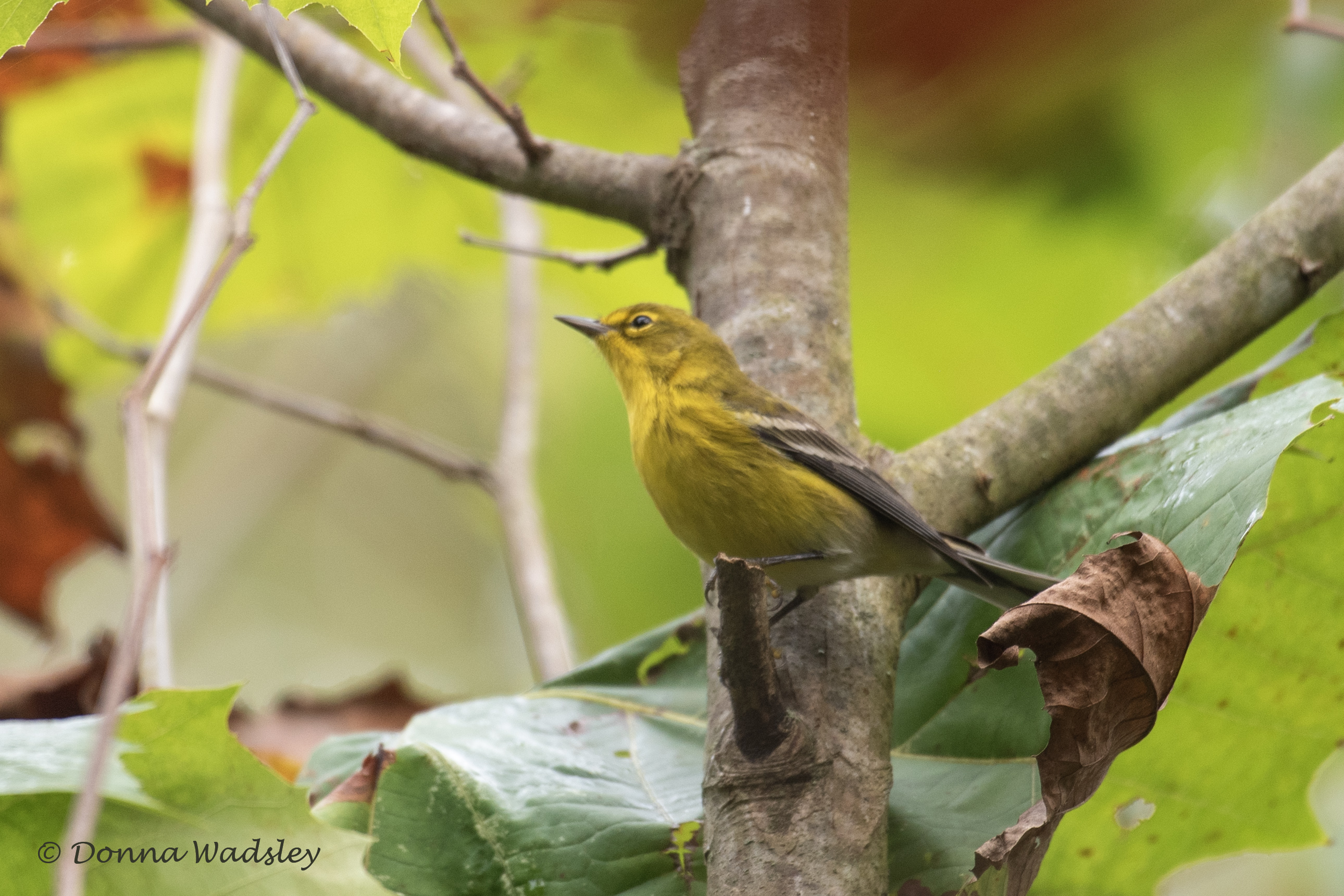
Pine Warbler
.
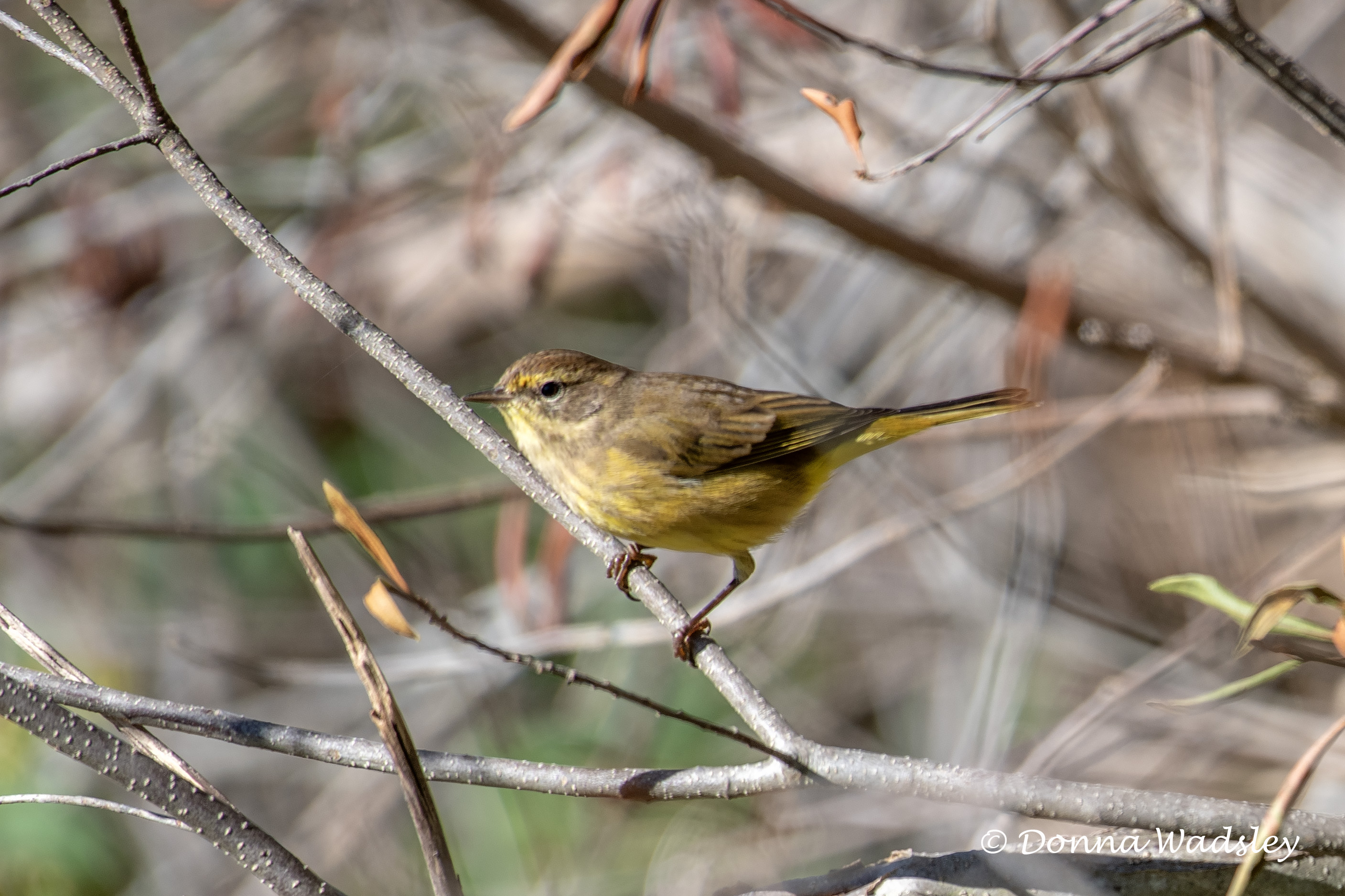
Palm Warbler
.
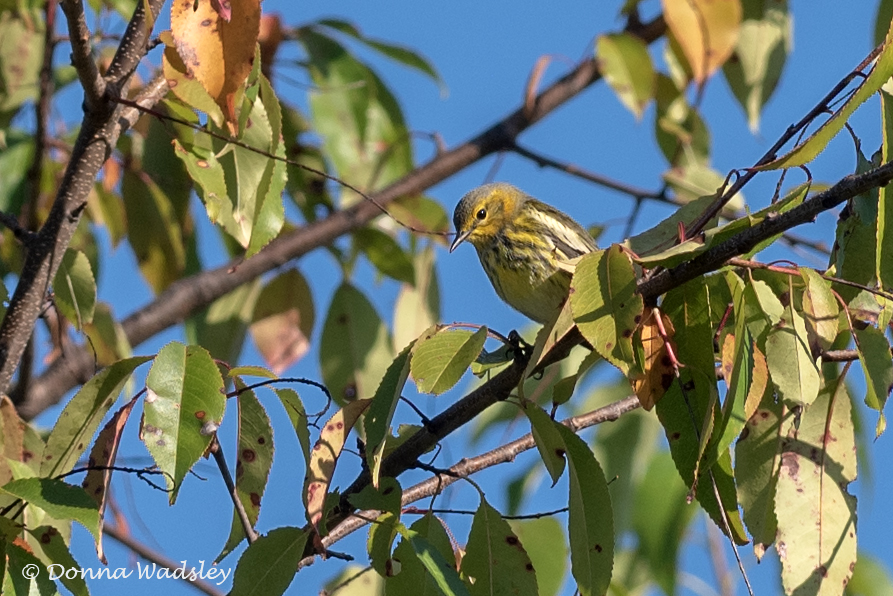
Cape May Warbler
.
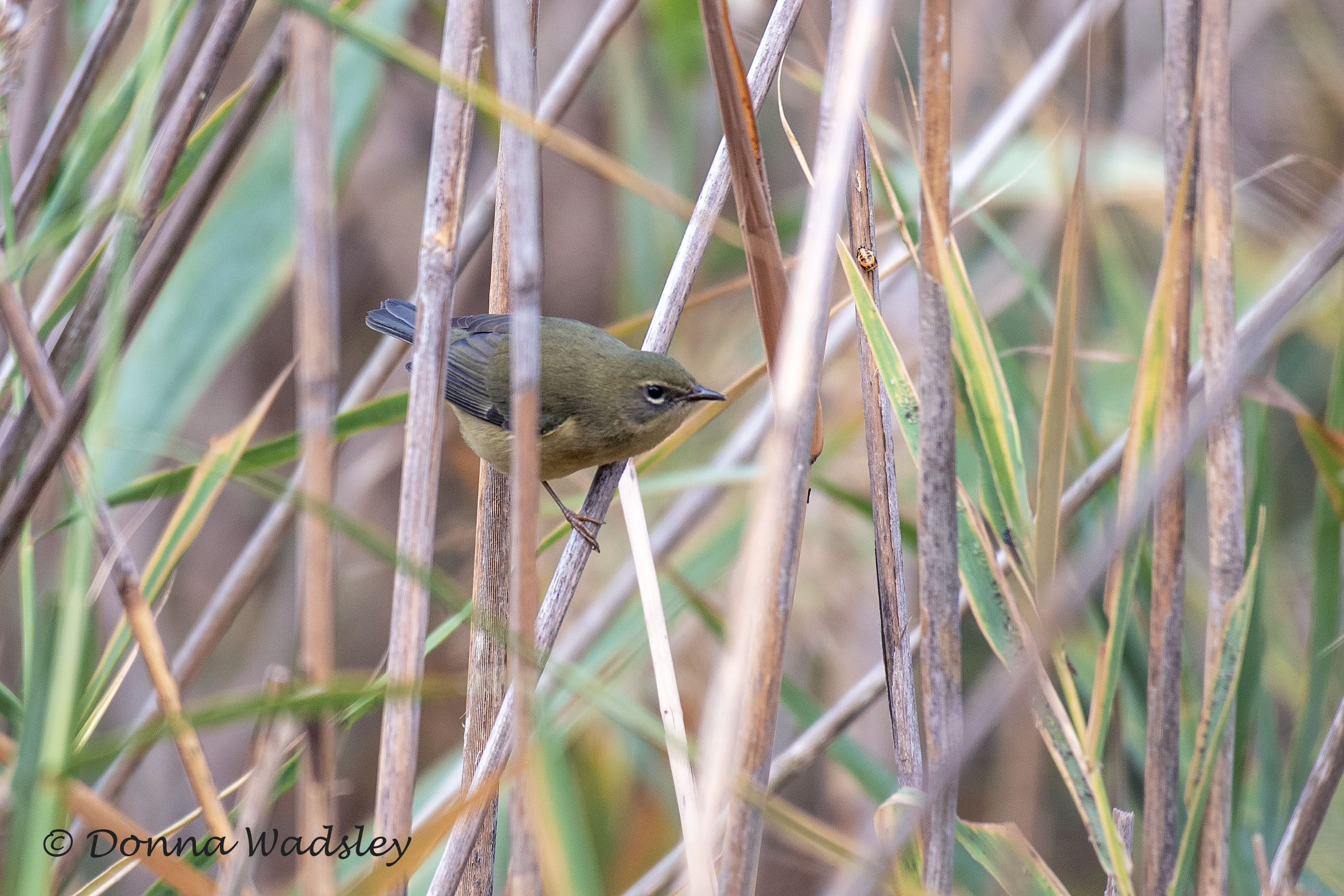
Black-throated Blue Warbler
.
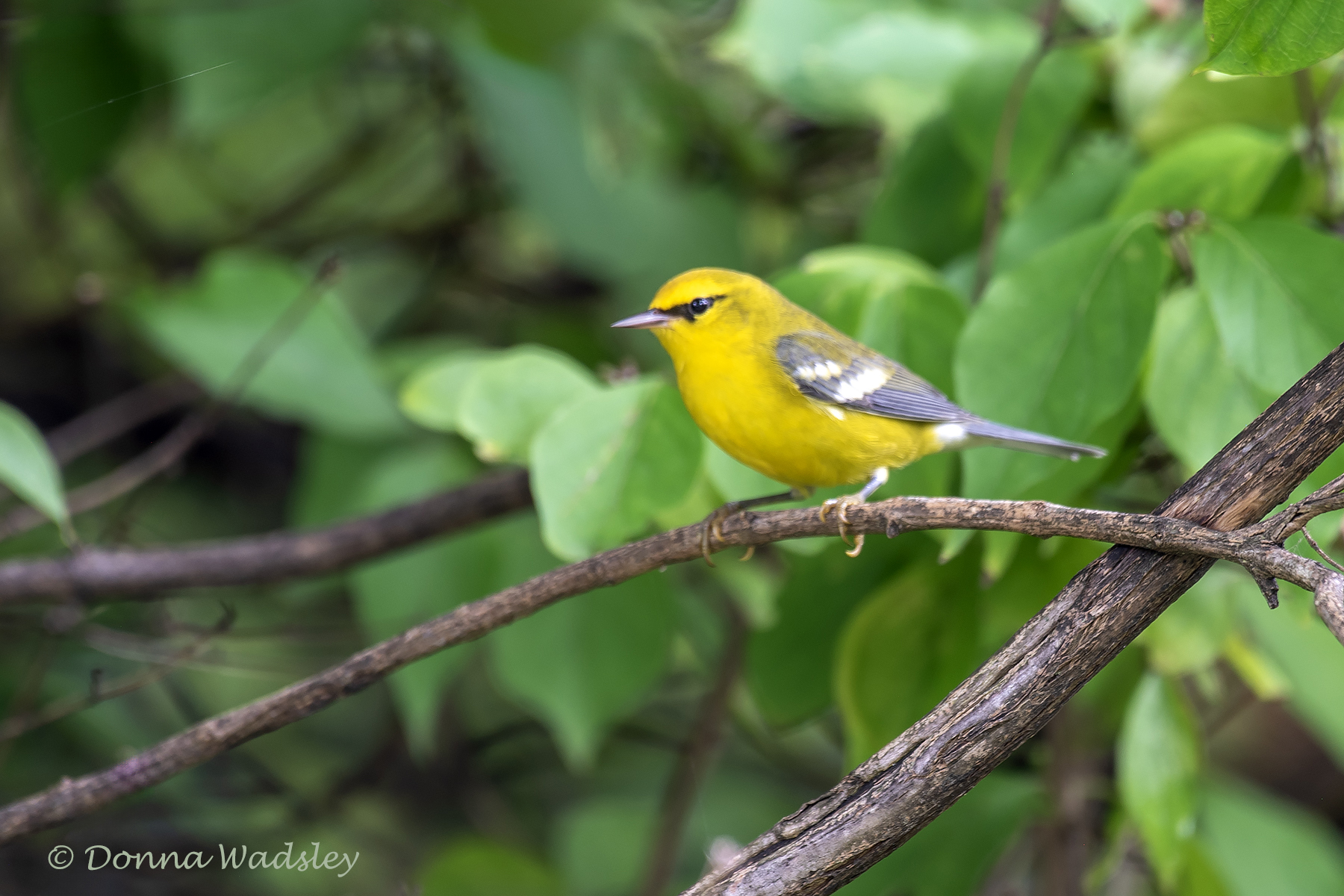
Blue-winged Warbler
.
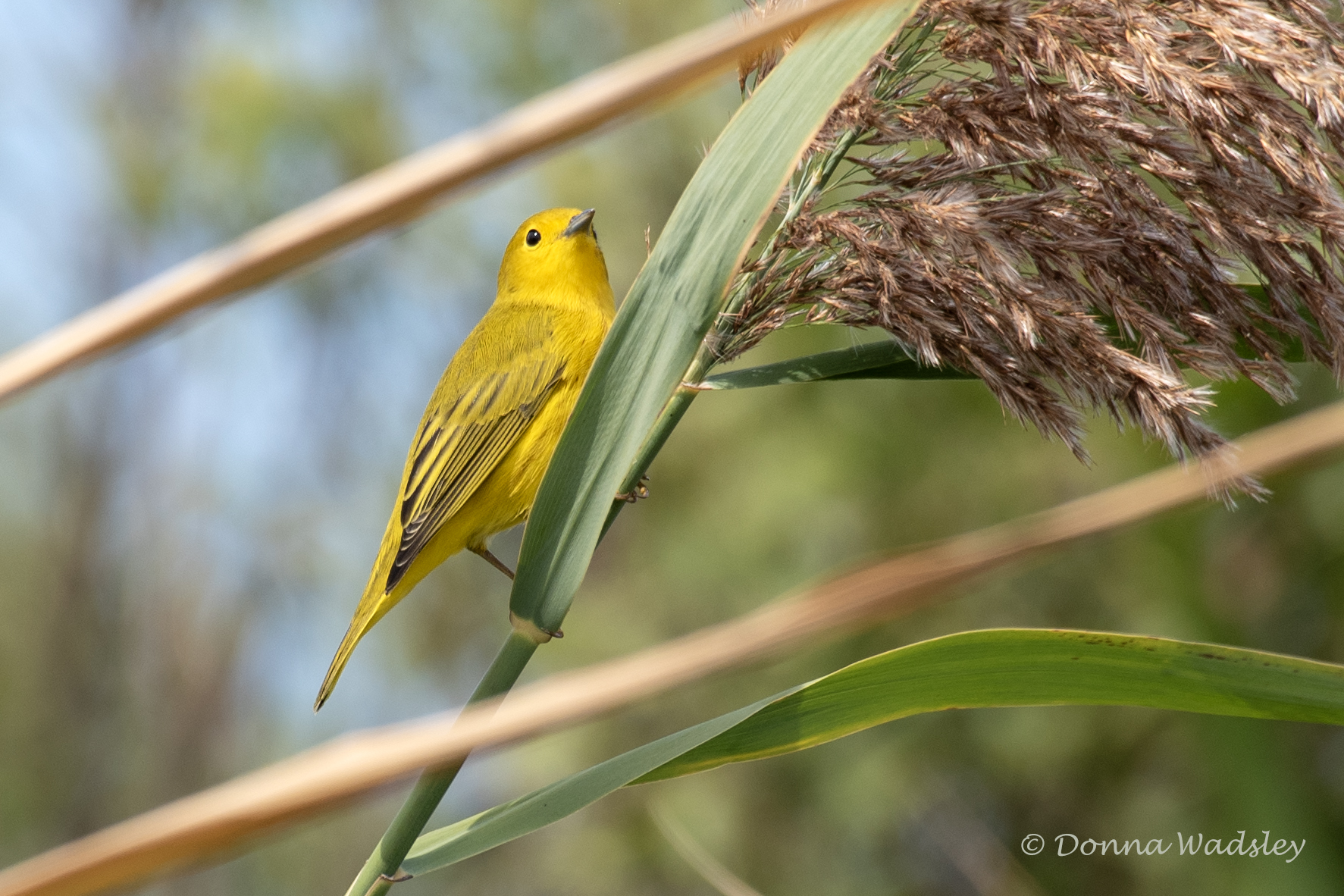
Yellow Warbler
.
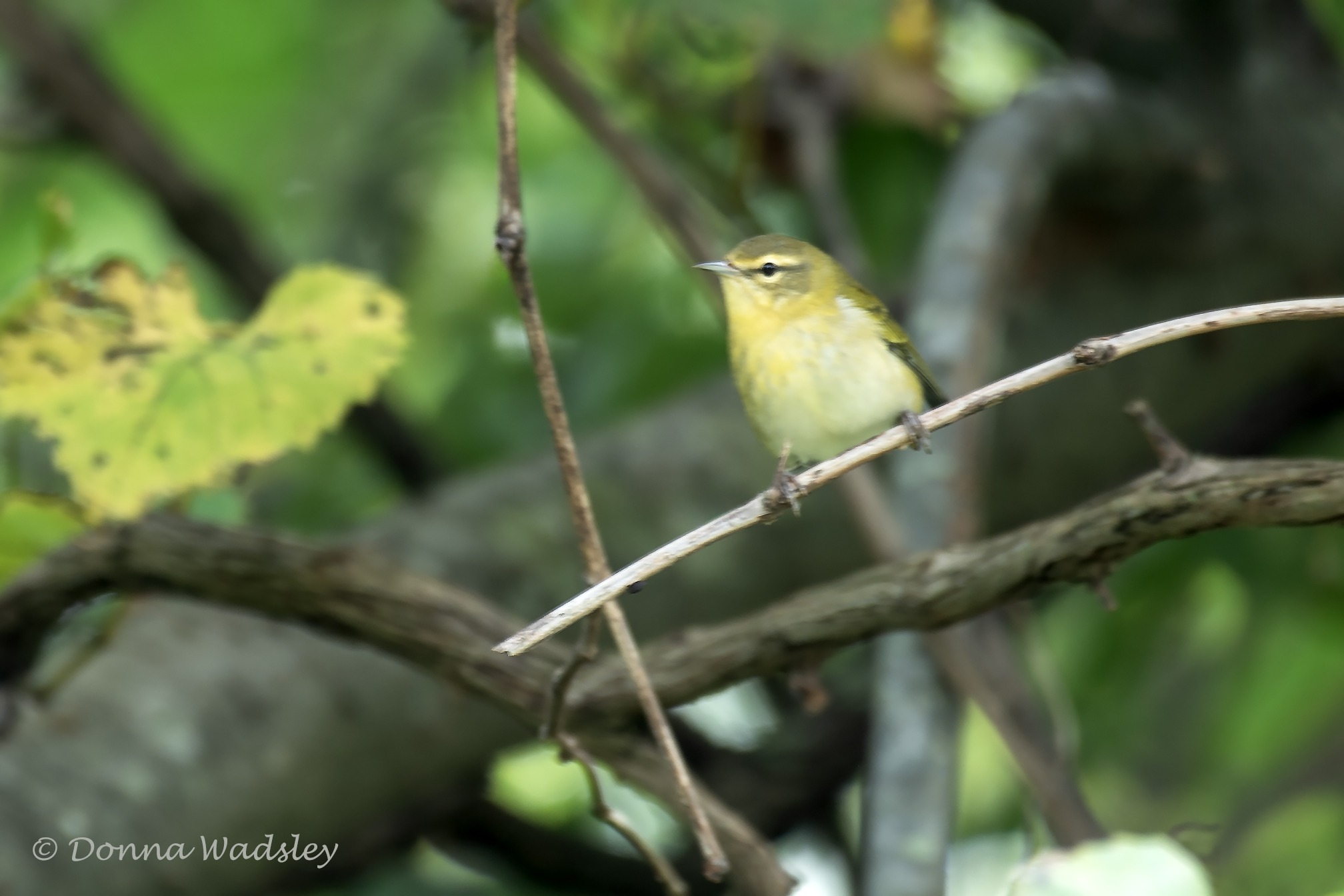
Tennessee Warbler
.
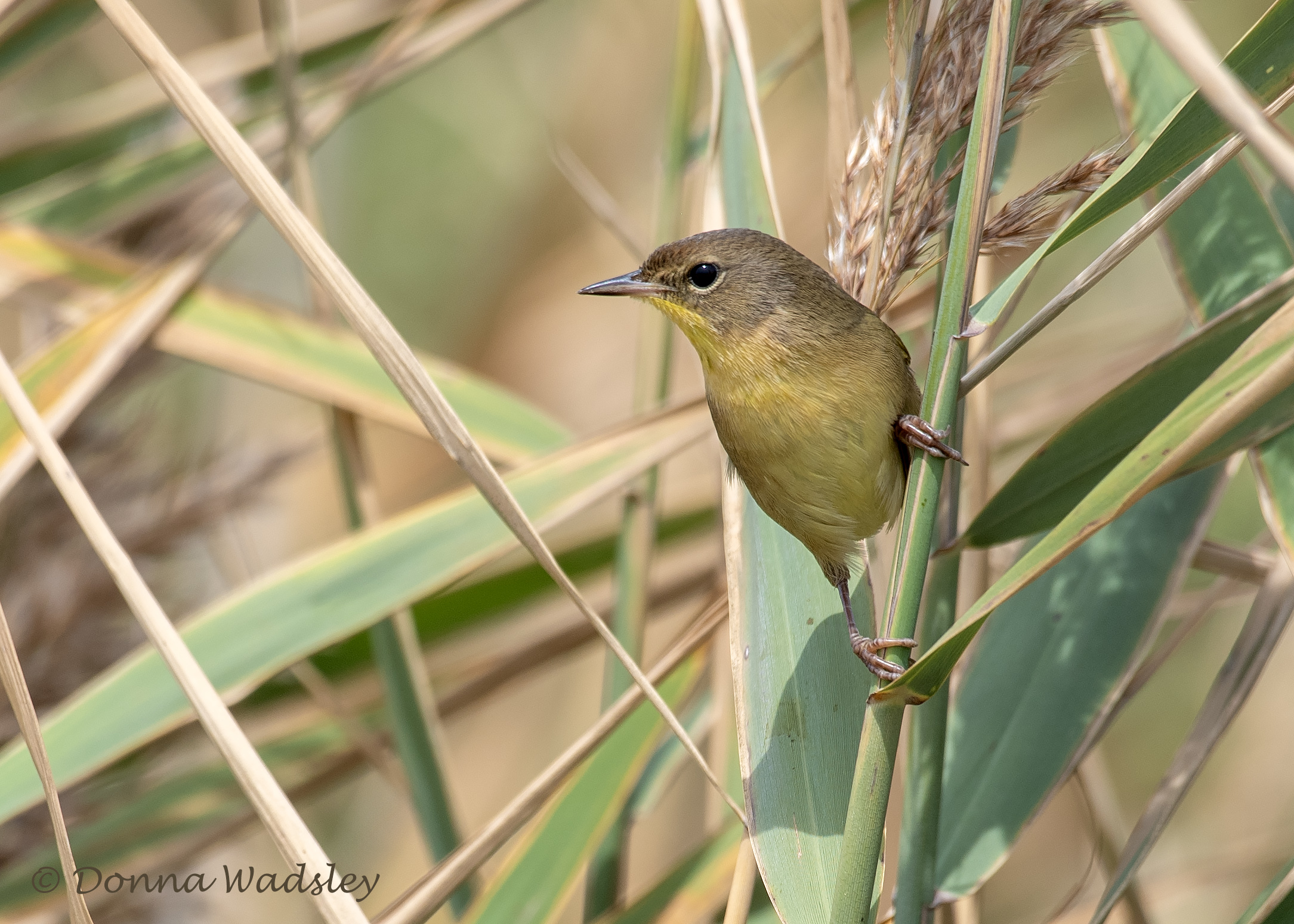
Common Yellowthroat (my summer resident)
.
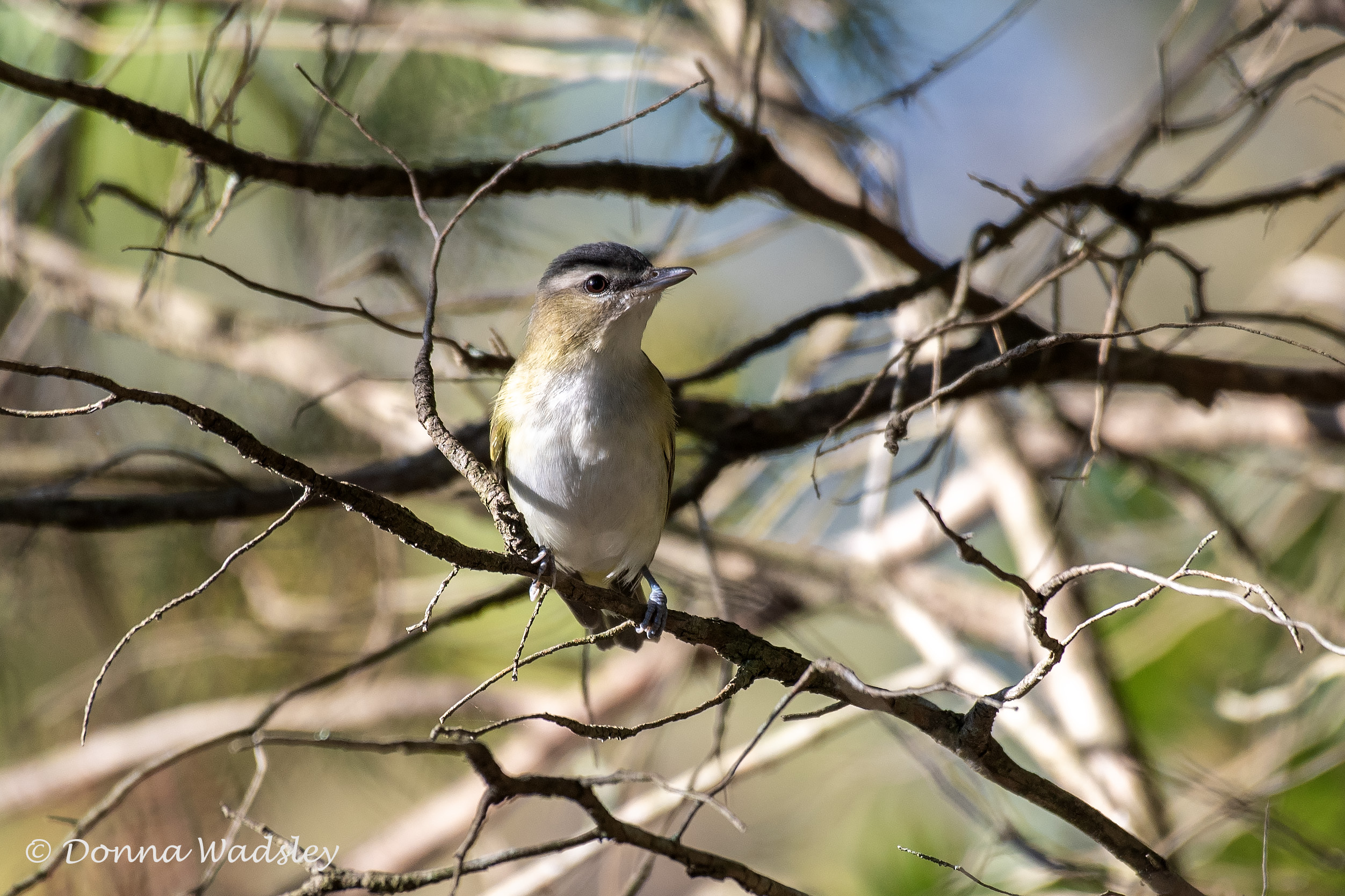
Red-eyed Vireo
.
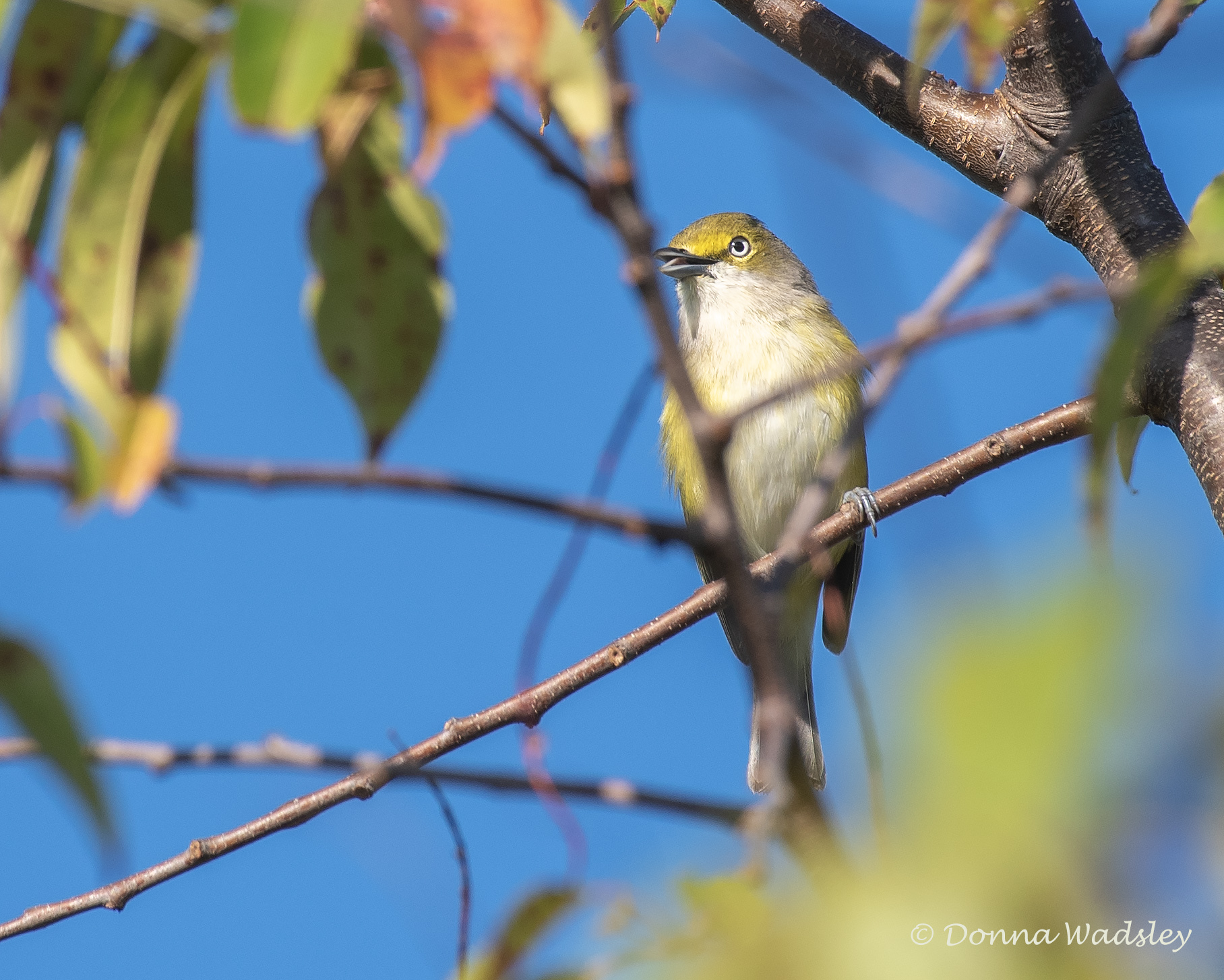
White-eyed Vireo
.
and last, but not least, a thrilling sighting of the next one not too often seen.
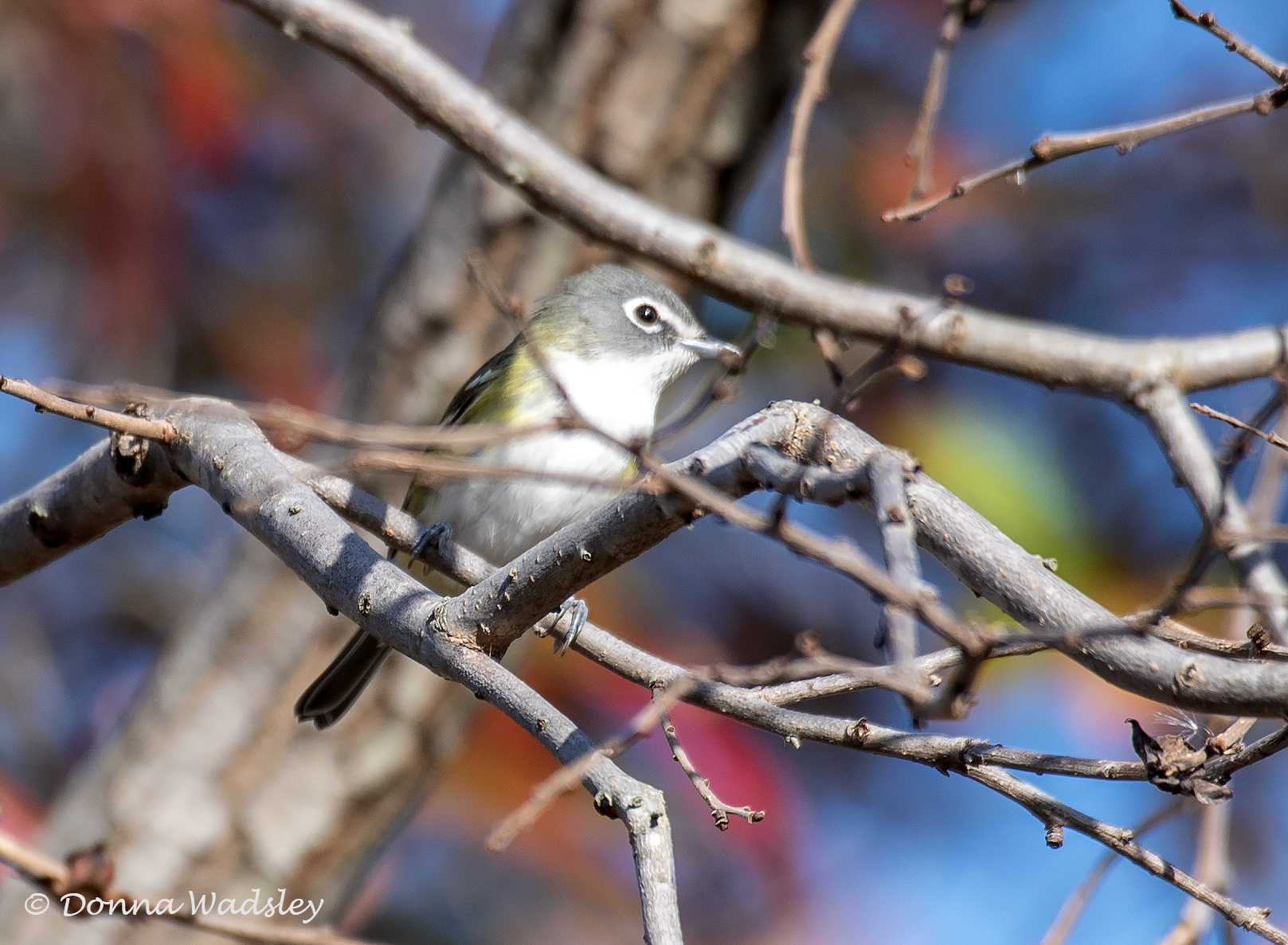
Blue-headed Vireo
.
Stay warm, my friends!
.
Great Horned Owl Again
I shared a post back in August with my exciting encounter but poor dusk photo of one of the Great Horned Owls that live and hunt around us.
Luck was with me in getting another opportunity in the fall with one of the Great Horned Owls once again, this time on a late afternoon with perfect lighting.
Hearing a juvenile begging, I followed the calls until I found it with my binoculars. Then I worked on sneaking closer for some photos.
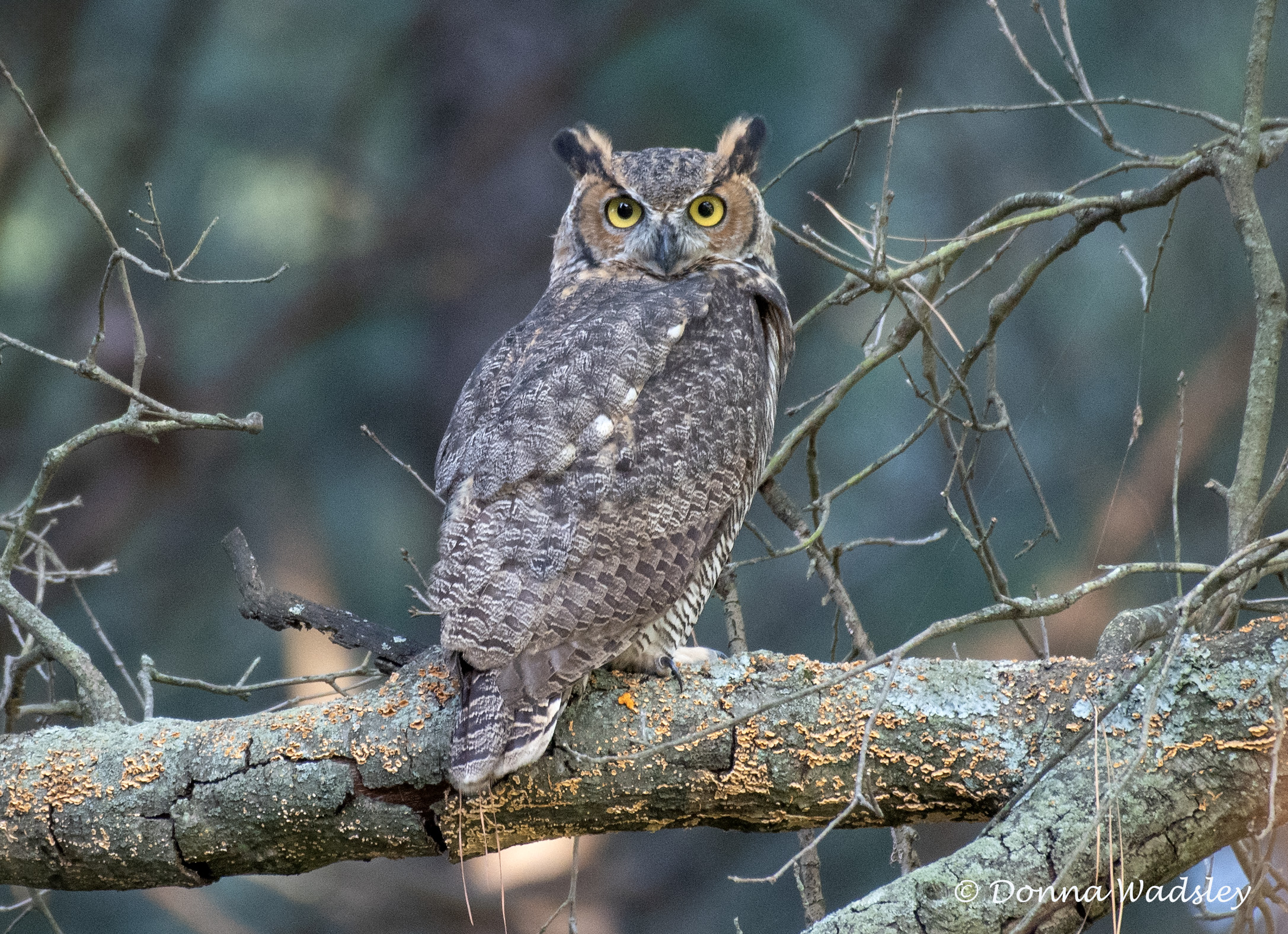
Great Horned Owl
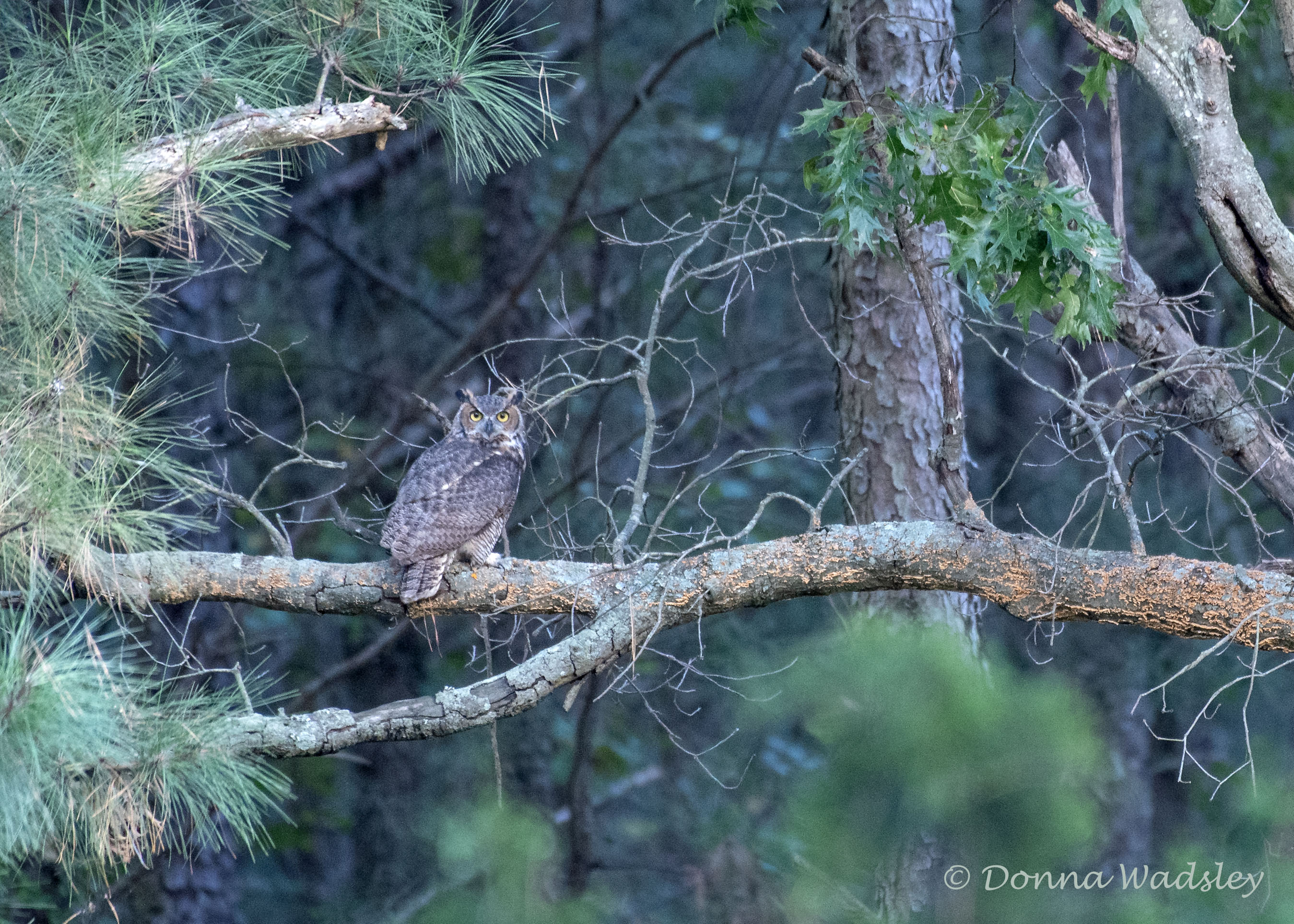
Habitat shot
.
Pelicans Around the Chesapeake Bay
I hope everyone is staying warm through Winter Storm Fern!
I thought I’d jump back in with a surely unique, prehistoric-looking bird to share. 😃
Whether brown or white, we are seeing more and more sightings of pelicans around the Chesapeake Bay.
American White Pelicans continue to arrive each winter at Blackwater NWR. Couple weeks ago I scoped/counted 148 on Blackwater River. I was standing alongside the refuge’s official counter and he counted 161. It was great to see a few not too far out for some photos.
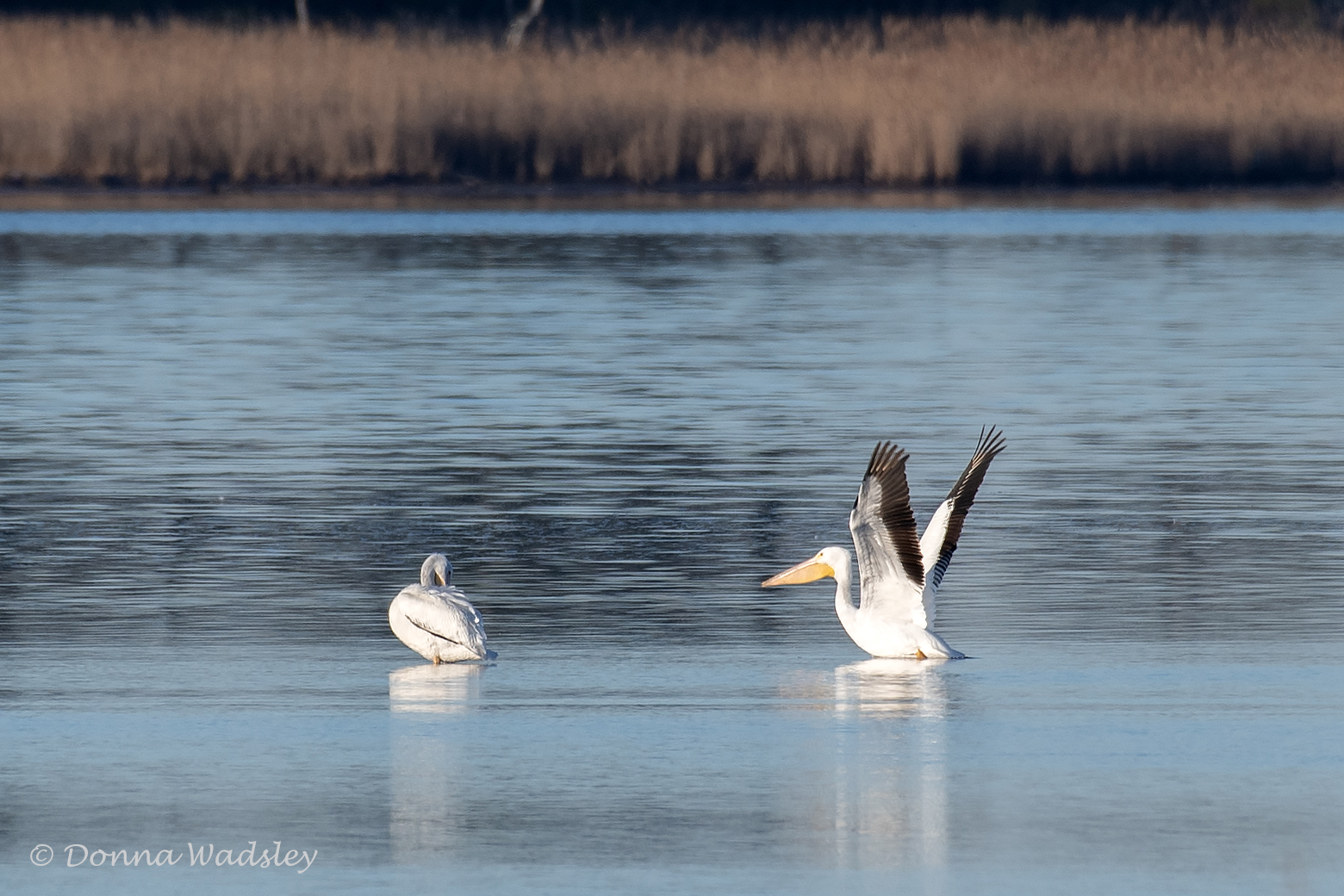
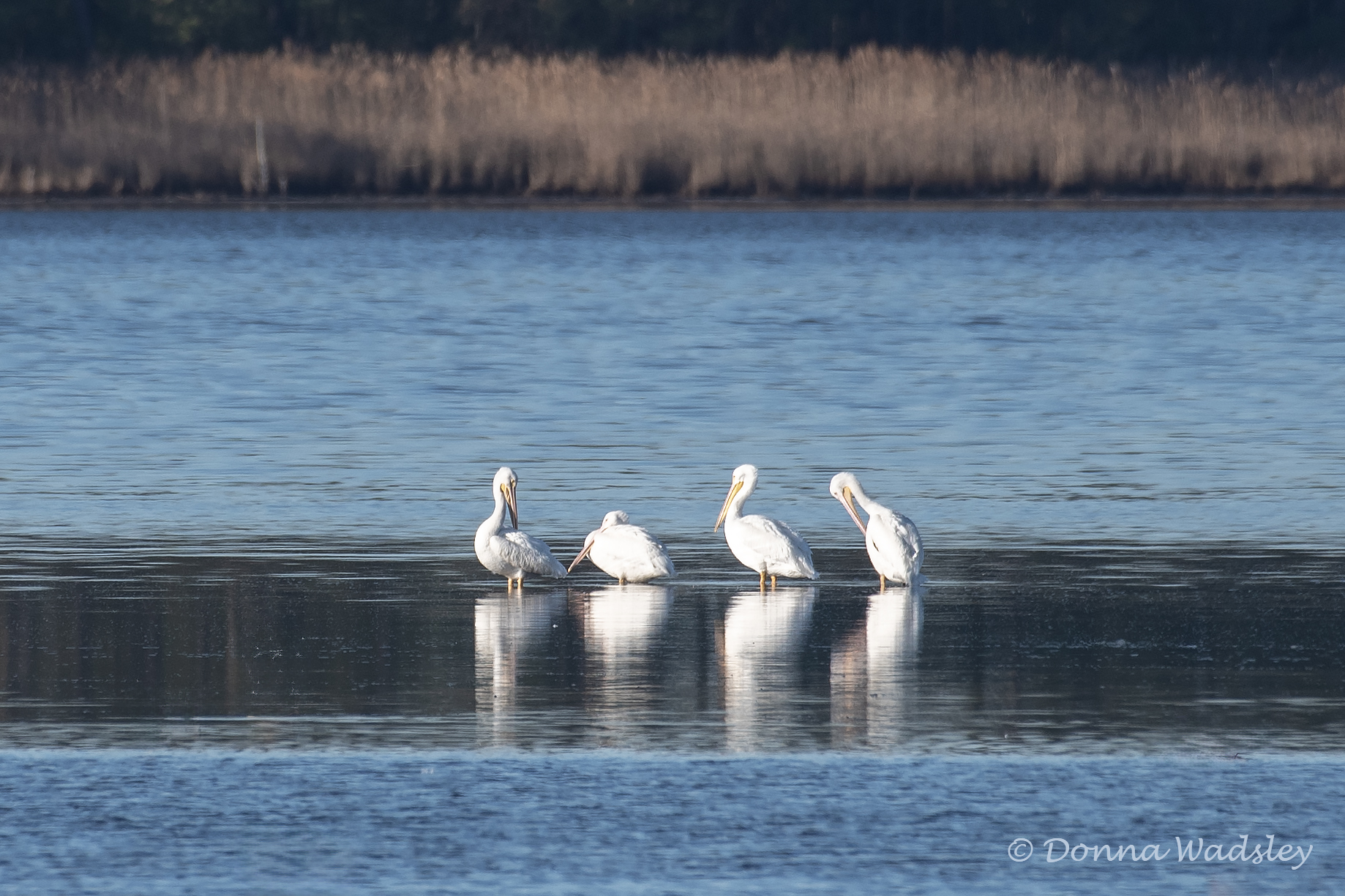
American White Pelicans
For the Brown Pelican, we continue to see the occasional fly-by as they spend more time coming up to the mid-section of the Chesapeake Bay through the summer.
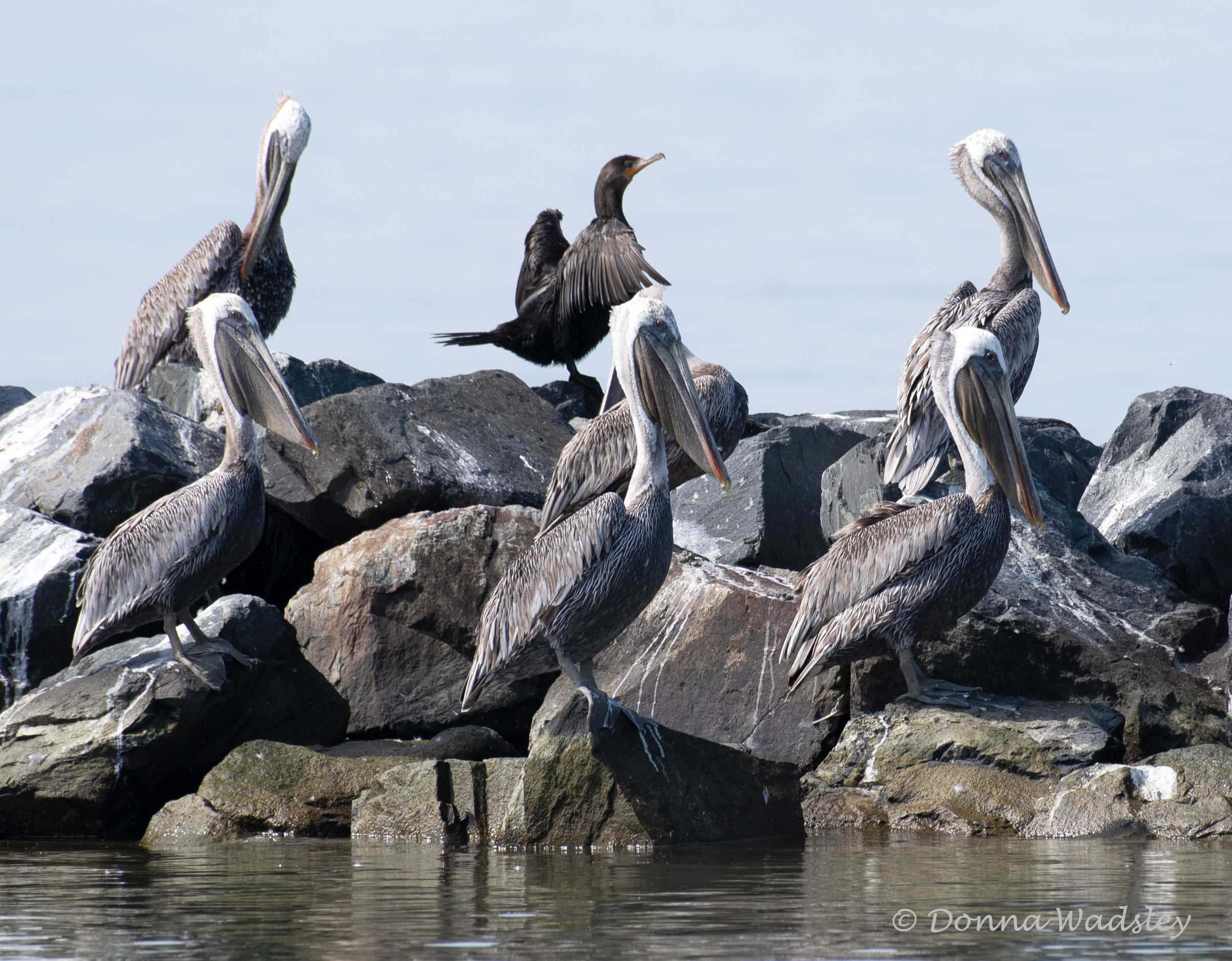
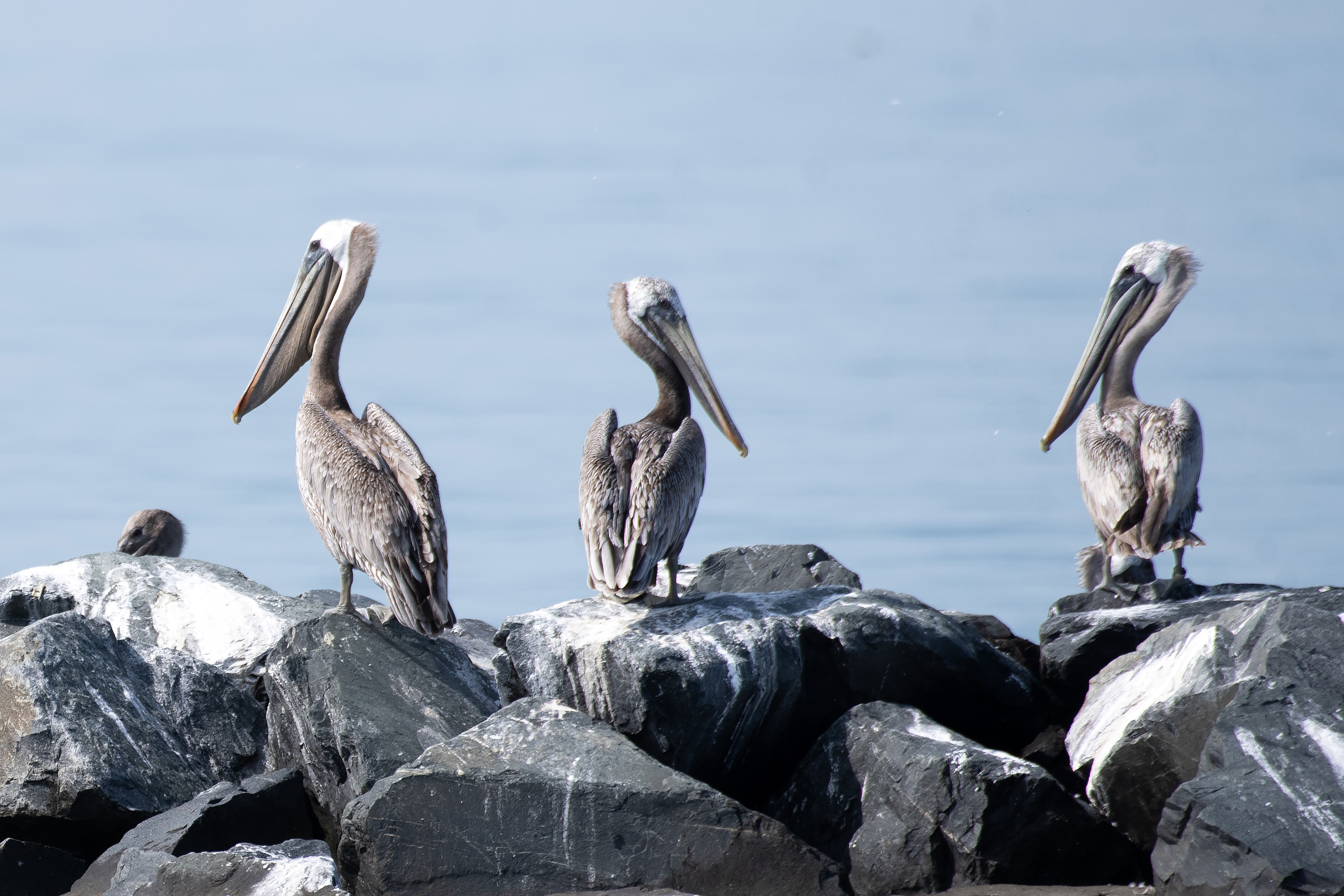
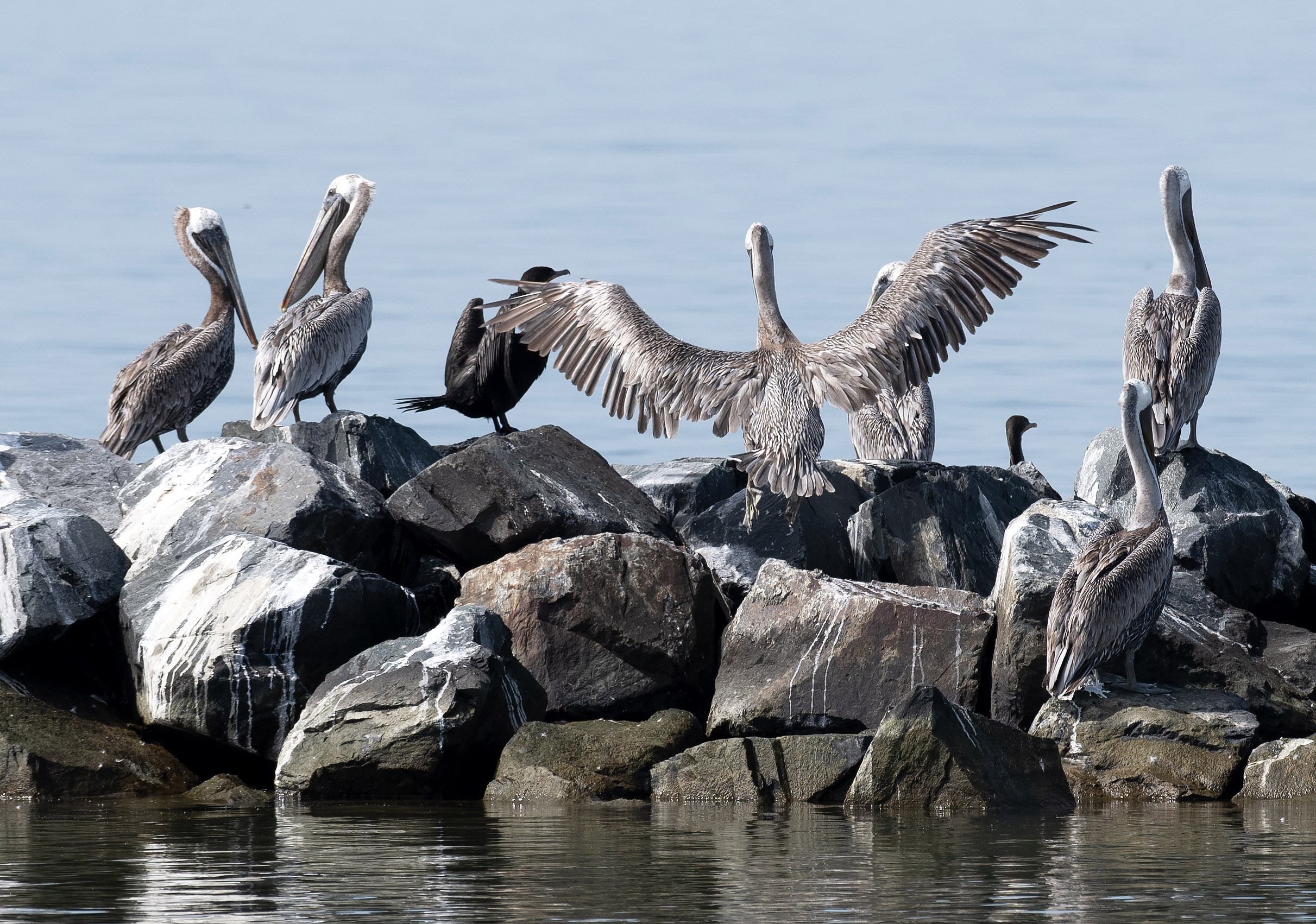
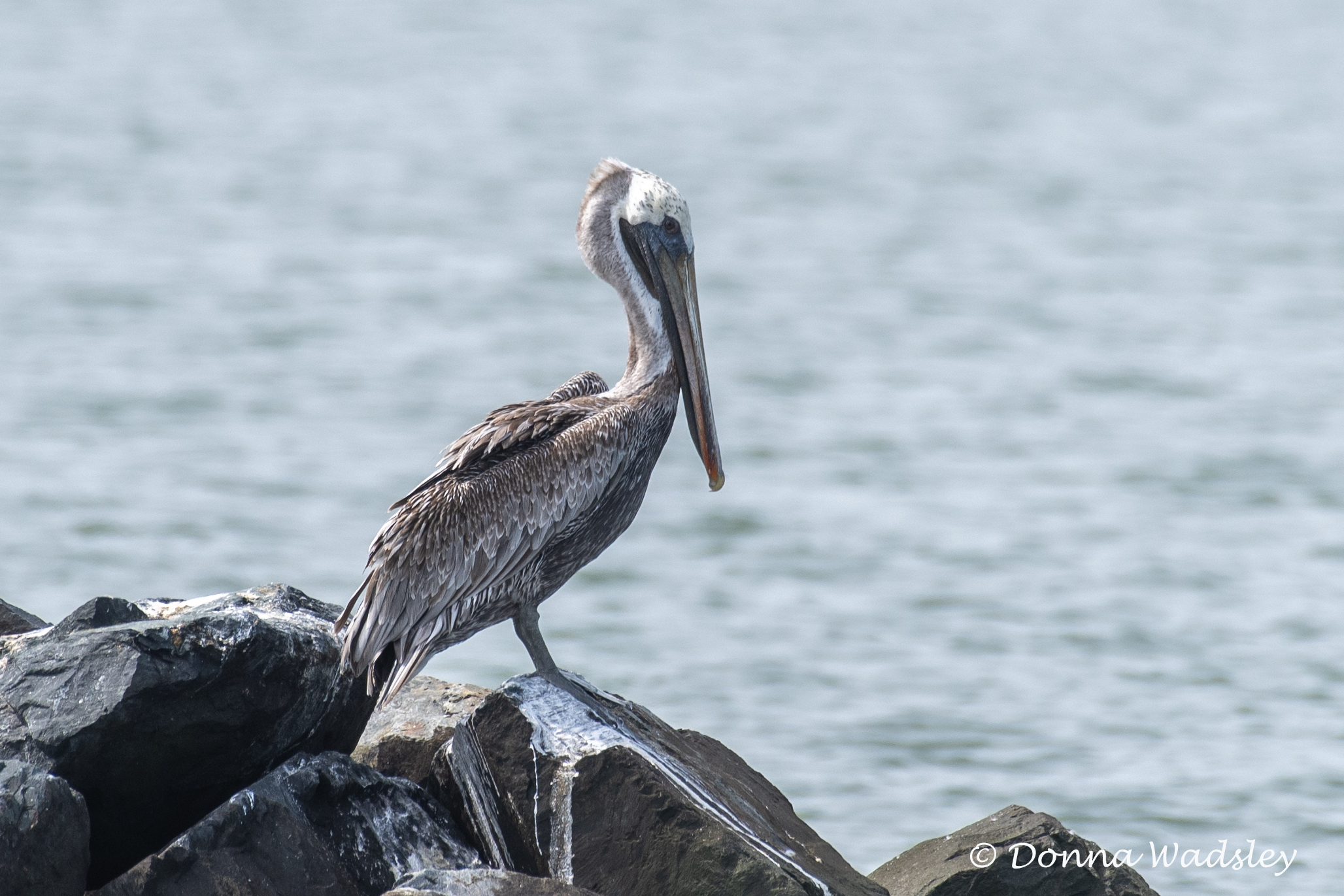
This past September, it was real exciting to come upon a pod of 32 Brown Pelicans resting on bay riprap with a few Double-crested Cormorants mixed in!
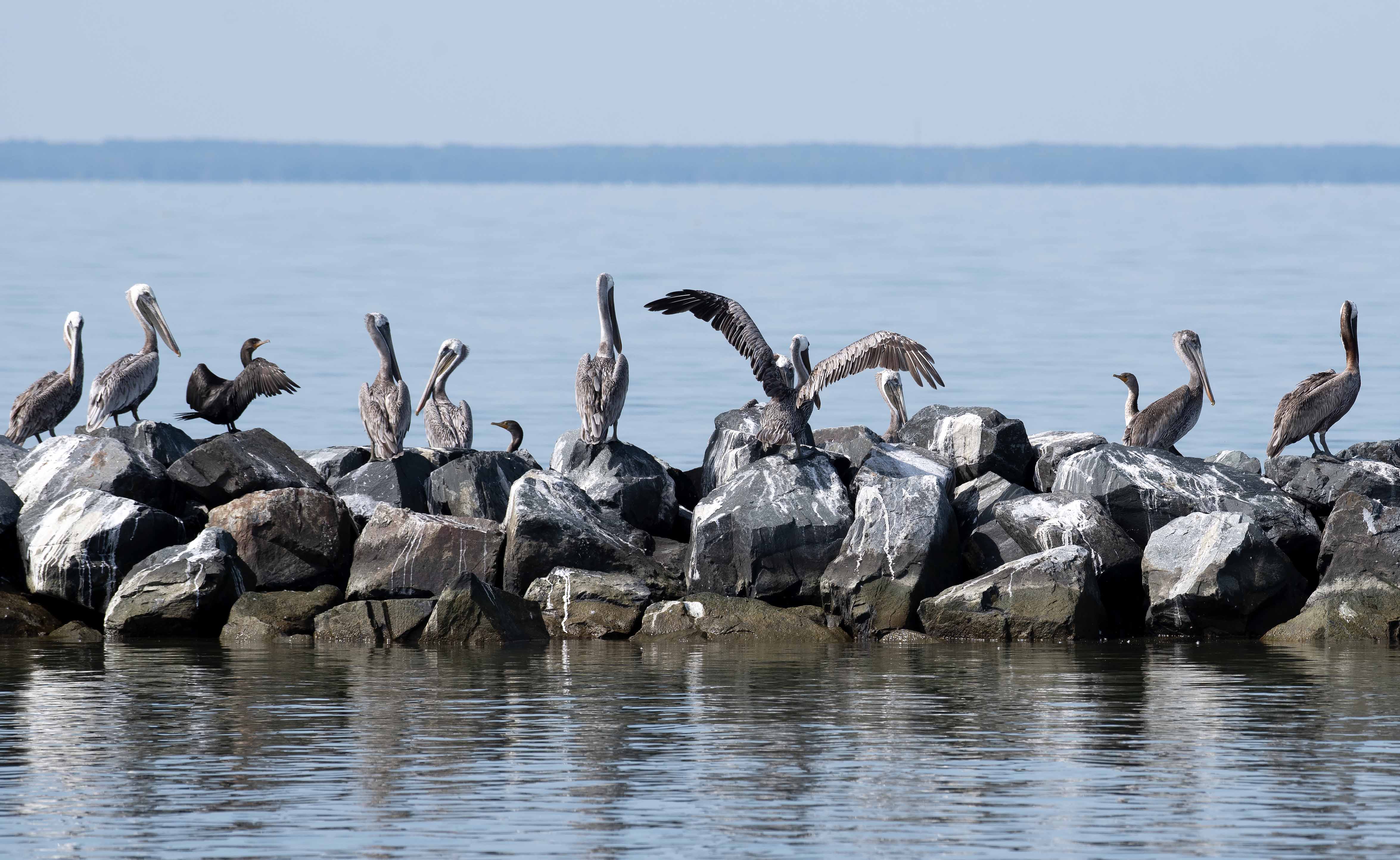
Brown Pelicans
.
.
.
.
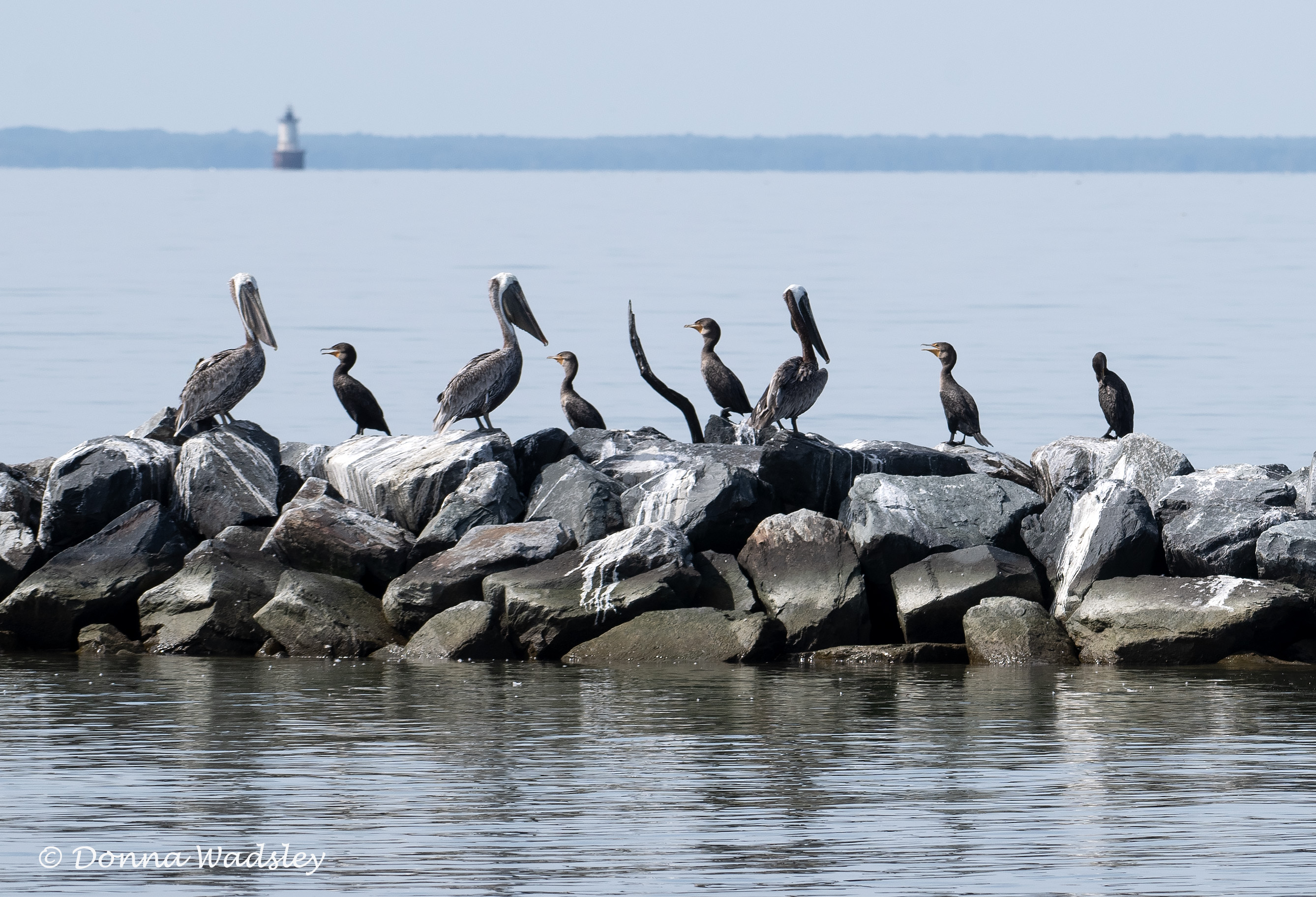
Brown Pelicans and Double-crested Cormorants
Hoopers Island Lighthouse is in the background
A side note: State of Maryland sold Hoopers Island Lighthouse (above) in 2022 for $192,000 to a guy from Pennsylvania. He now owns three lighthouses on the Chesapeake Bay and is restoring them for future educational purposes.
If you love lighthouses and their restorations, you might enjoy his website, The Lighthouse Centers at https://www.thelighthousecenters.org.
.
Happy Holidays!
Wishing you and yours a lovely holiday season!
(P.S. My hope is to return to blogging real soon!)
Great Horned Owl
This past Friday evening at dusk I was finishing up watering my flowers, when I heard a Great Horned Owl calling over the marsh behind our house. Another answered far off.
I dropped the hose and hurried towards the open space of trees to view over the marsh. I had my binoculars and found the owl perched on a big dead tree.
It was also staring directly back at me!
The owl took flight towards me. Egads!
Me: I’m fumbling with my cell phone to open up my camera.
The owl: it keeps coming and lands in a tree right in front of me.
Lucky me, it stayed for maybe a minute while I did the best I could with my phone camera!
.
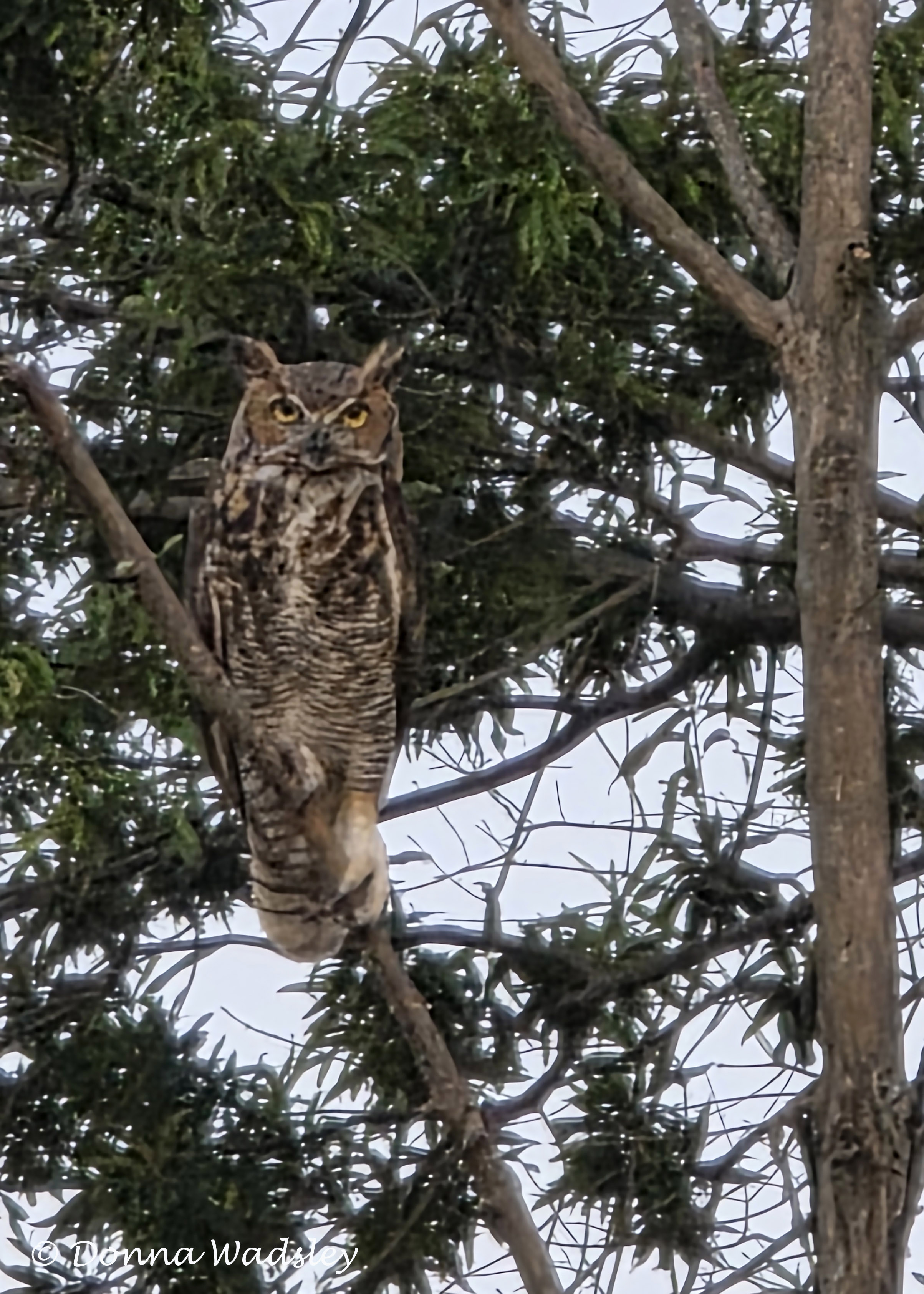
Great Horned Owl
Length: 18.1-24.8 inch (46-63 cm)
Weight: 32.1-88.2 oz (910-2500 g)
Wingspan: 39.8-57.1 inch (101-145 cm)
.

.

.
We have Great Horned Owls year-round, but this is my closest encounter to date, and the coolest for me too!
.
Duck Duck Goose – #5
We get very few duck and geese species during the summer around the Chesapeake Bay and eastern shores of Maryland, so a short game this time….. 😉
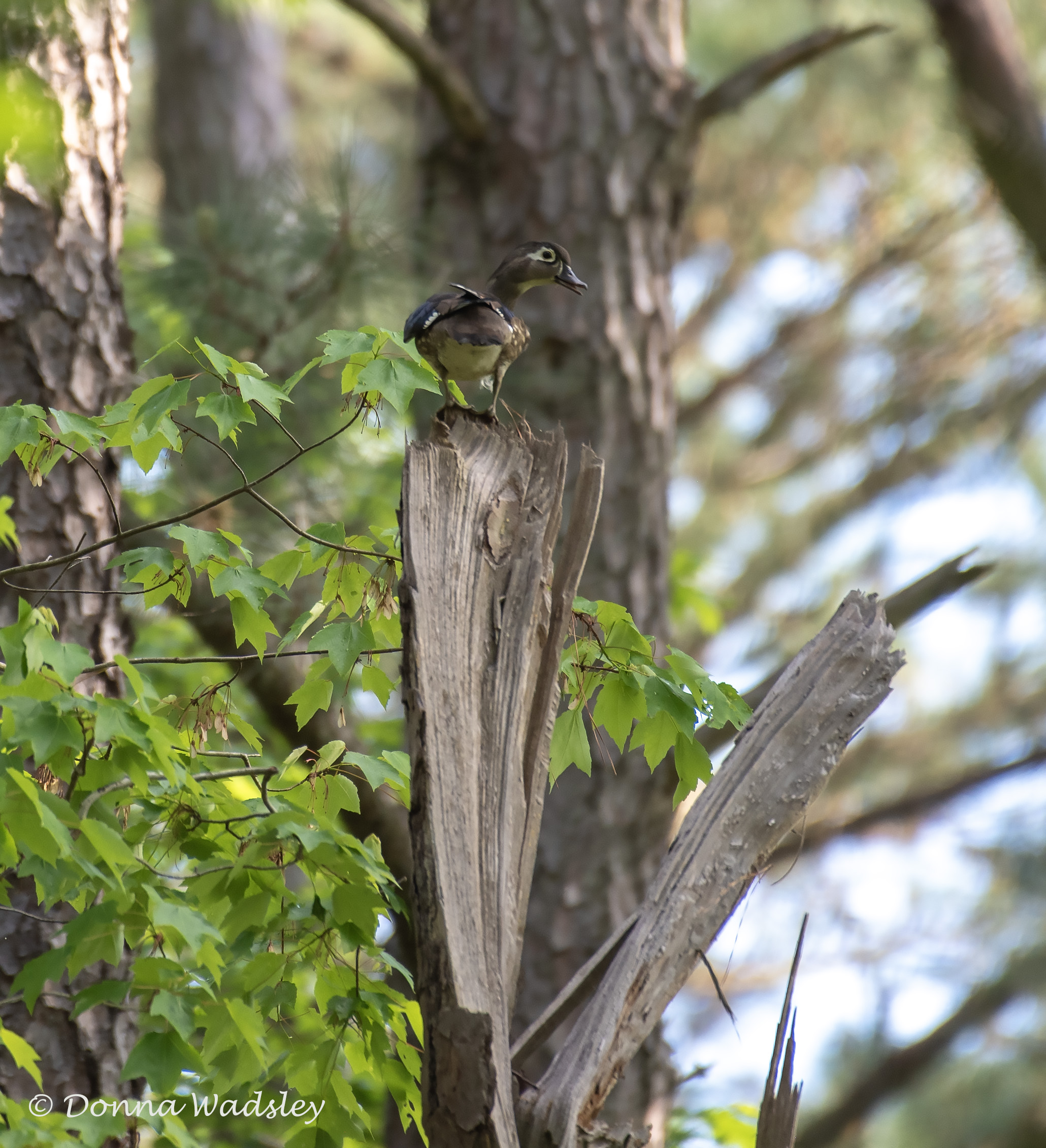
Wood Duck (female)
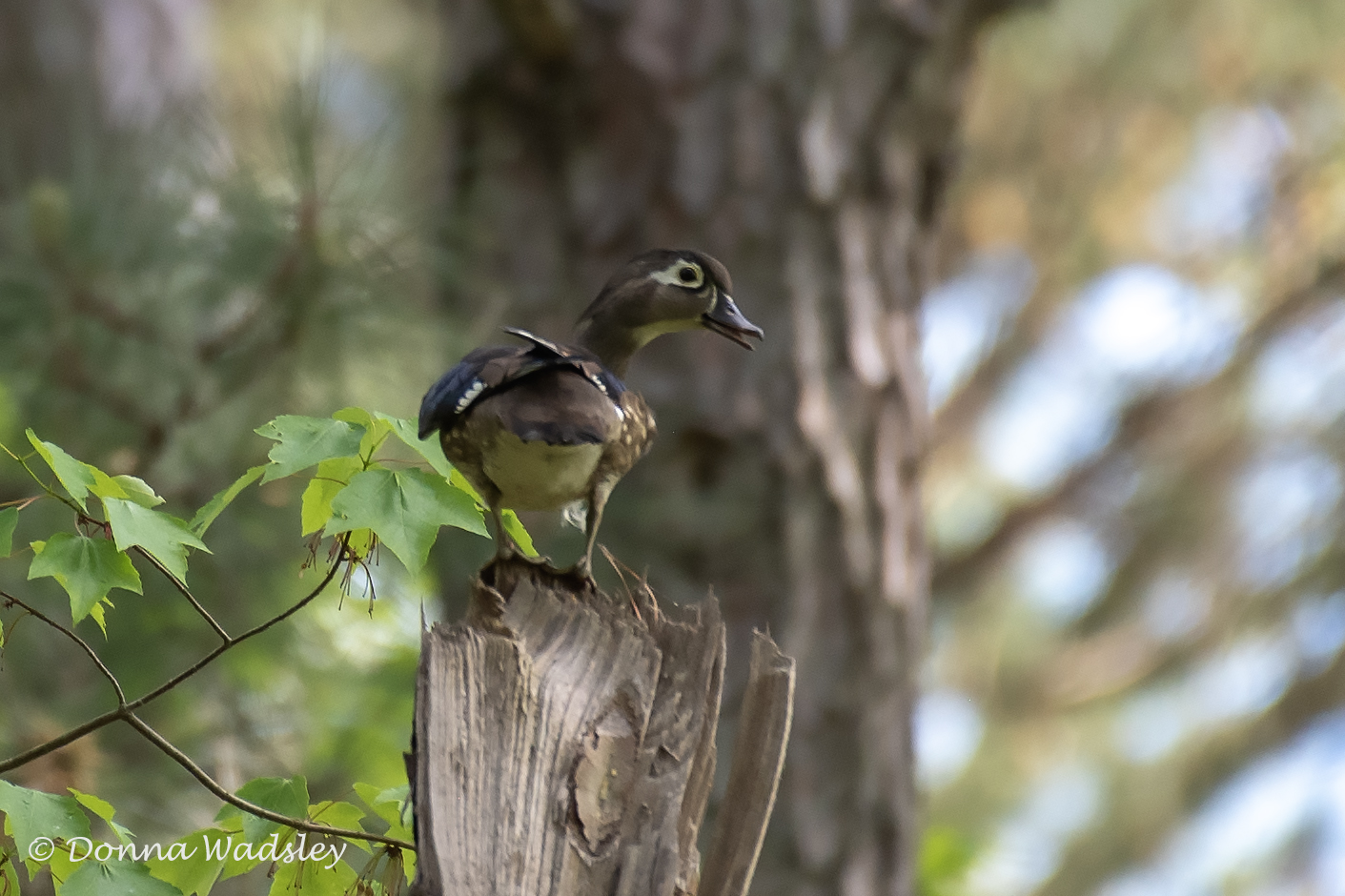
I wanted to show her in landscape above, now here’s a close-up of her smiling!
.
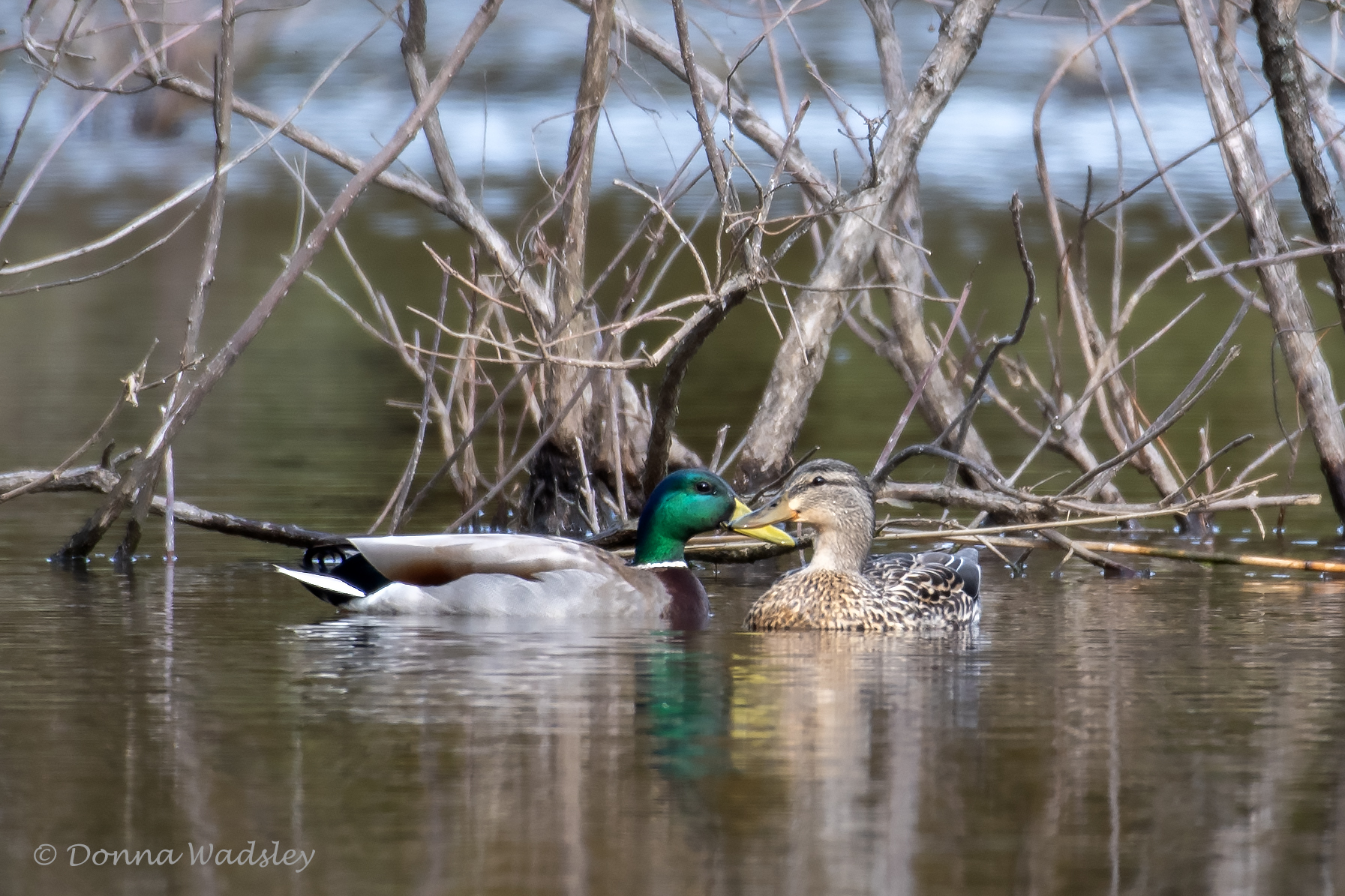
Mallards
.

Black-bellied Whistling Duck
.


 Bay Photos by Donna