
Great Blue Heron Landscape
My last post featured close-ups of my local wading birds. It’s always nice to share the big landscape scene too when it presents itself nicely.
Here’s the scene I found a couple mornings ago. The rain showers had briefly stopped, so I walked over to the marsh pond behind our house to look for any ‘waders’.
The rain crisped up the colors for a nice reflection scene on a dreary day. And I was happy to find one of my buddies there too!
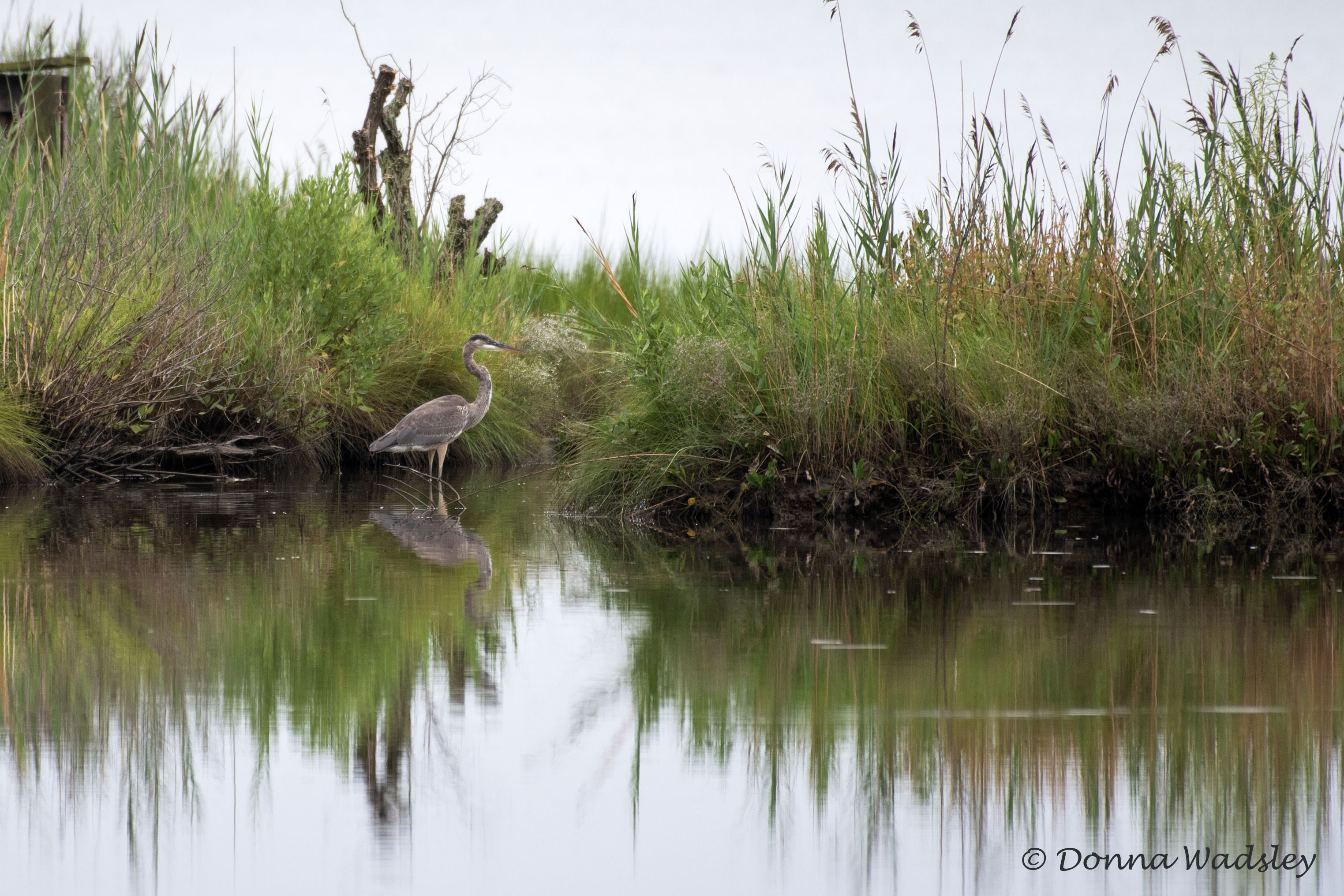
Great Blue Heron
.
Wading Birds – #4
Wading birds have the patience of a saint. So they are wonderful and perfect to shoot a series to get possibly that one photo that jumps out as your favorite.
Here are some of those favorites of my herons, egrets, and ibis shoots this spring and summer.
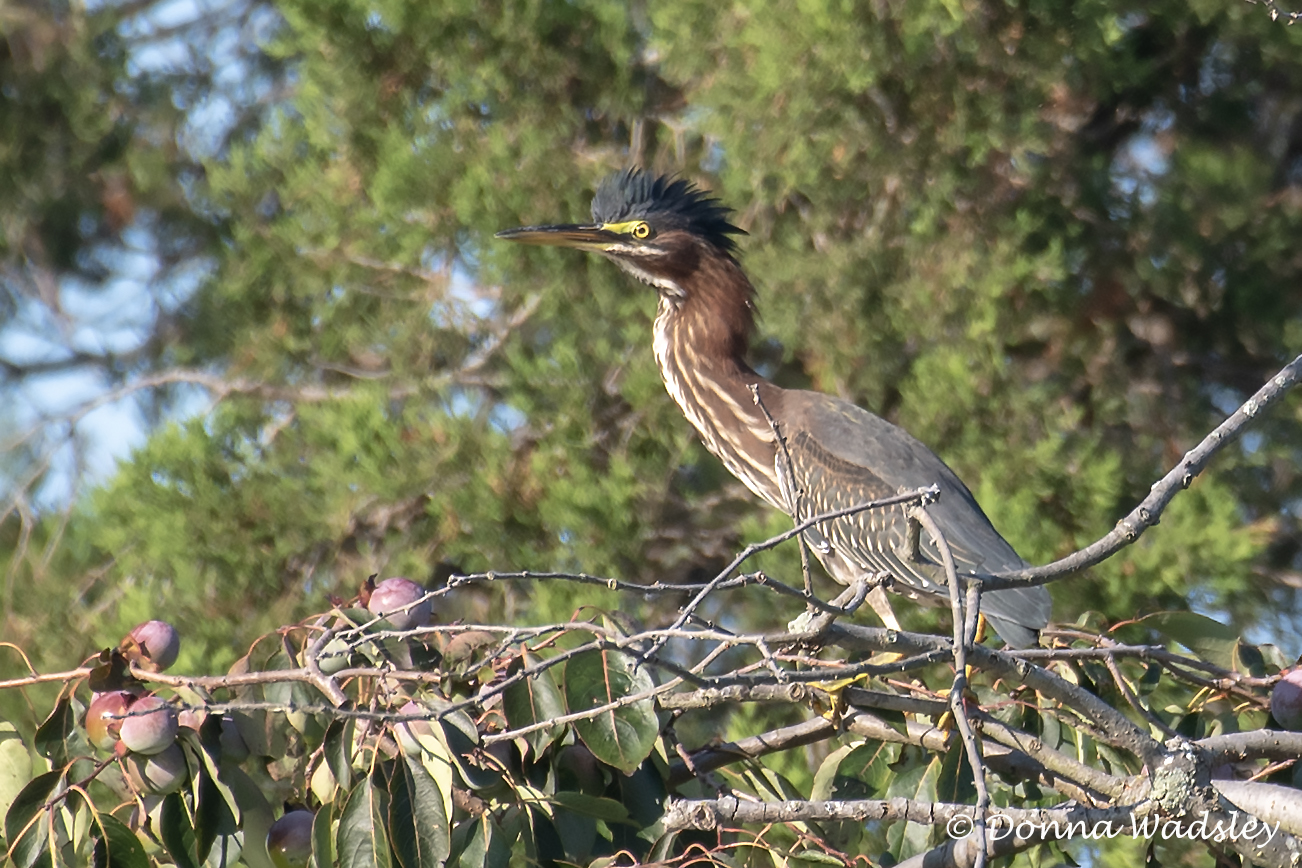
Green Heron flushed up to a persimmon tree
.

Great Blue Heron
.
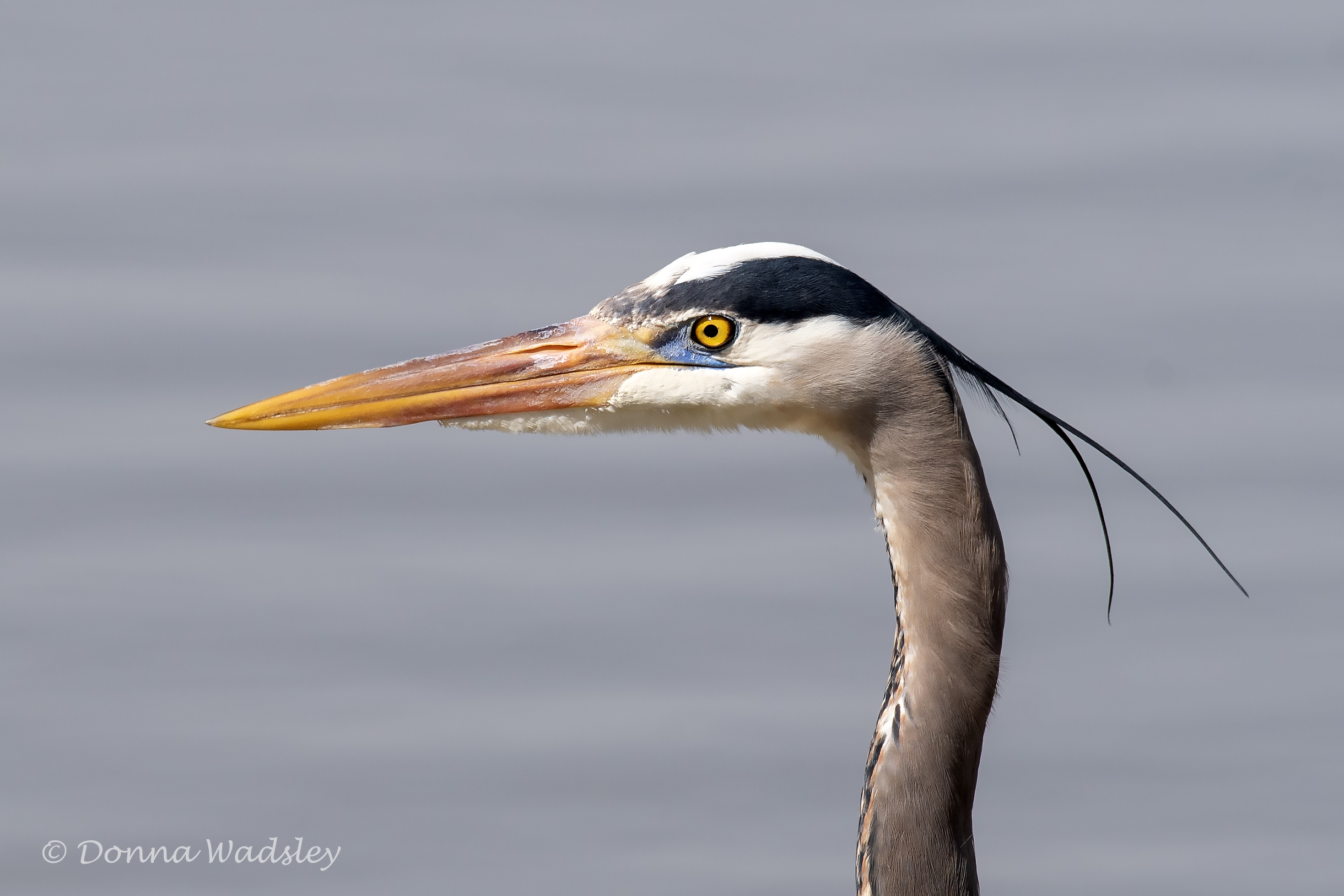
Great Blue Heron
.

Little Blue Heron (adult)
.

Little Blue Heron (immature)
.
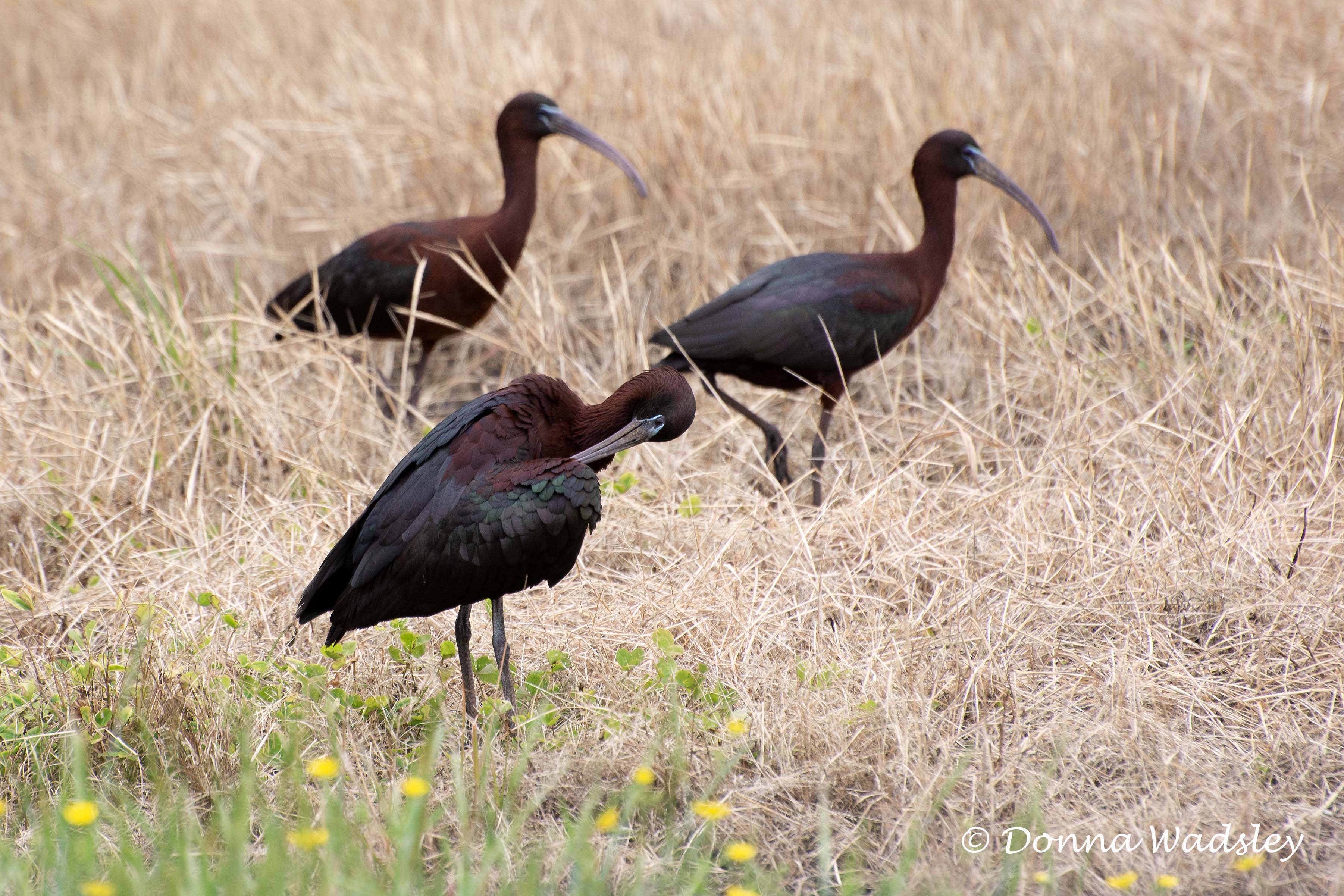
Glossy Ibis
.

White Ibis (immature, was considered rare sighting by eBird)
.
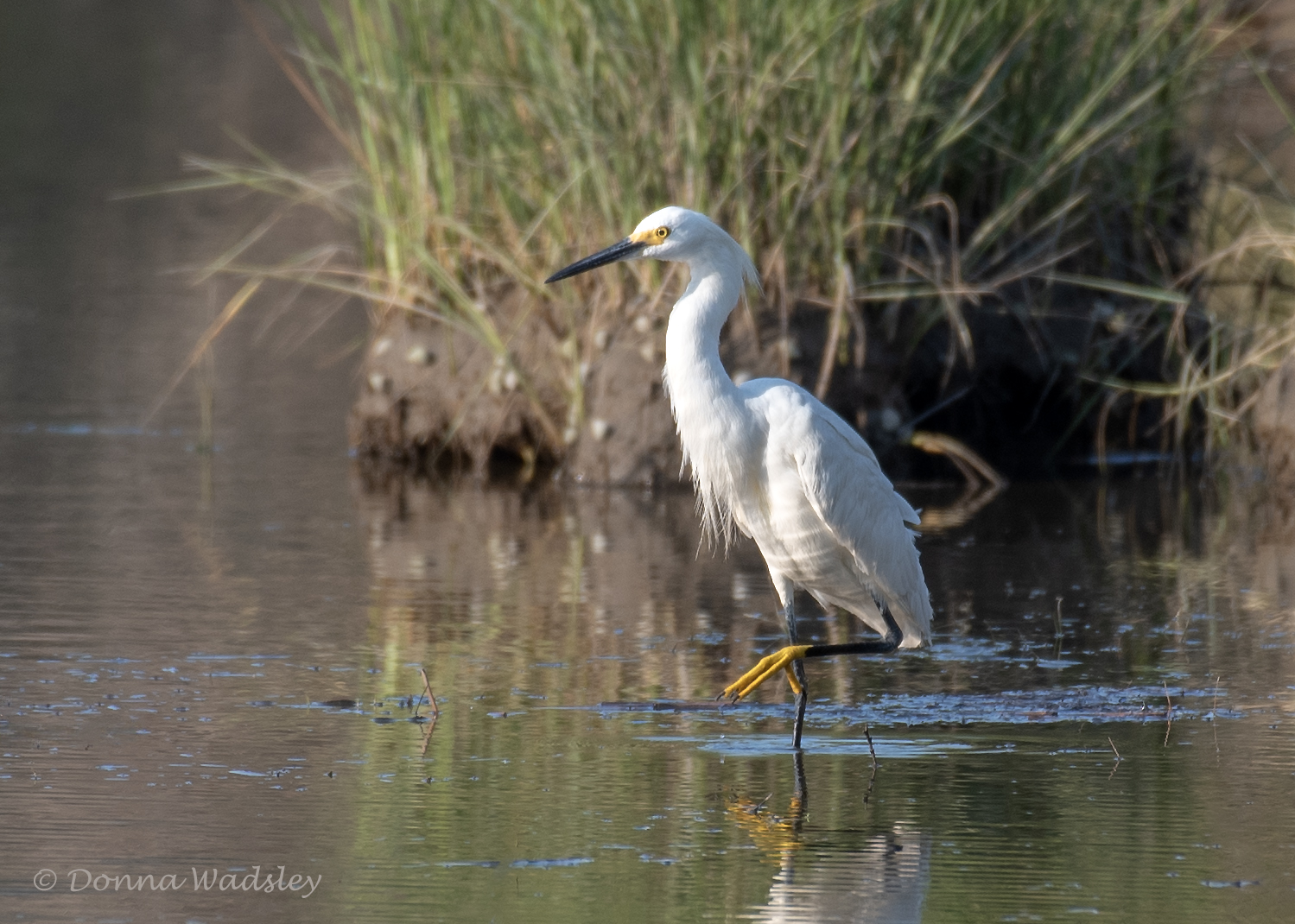
Snowy Egret
.
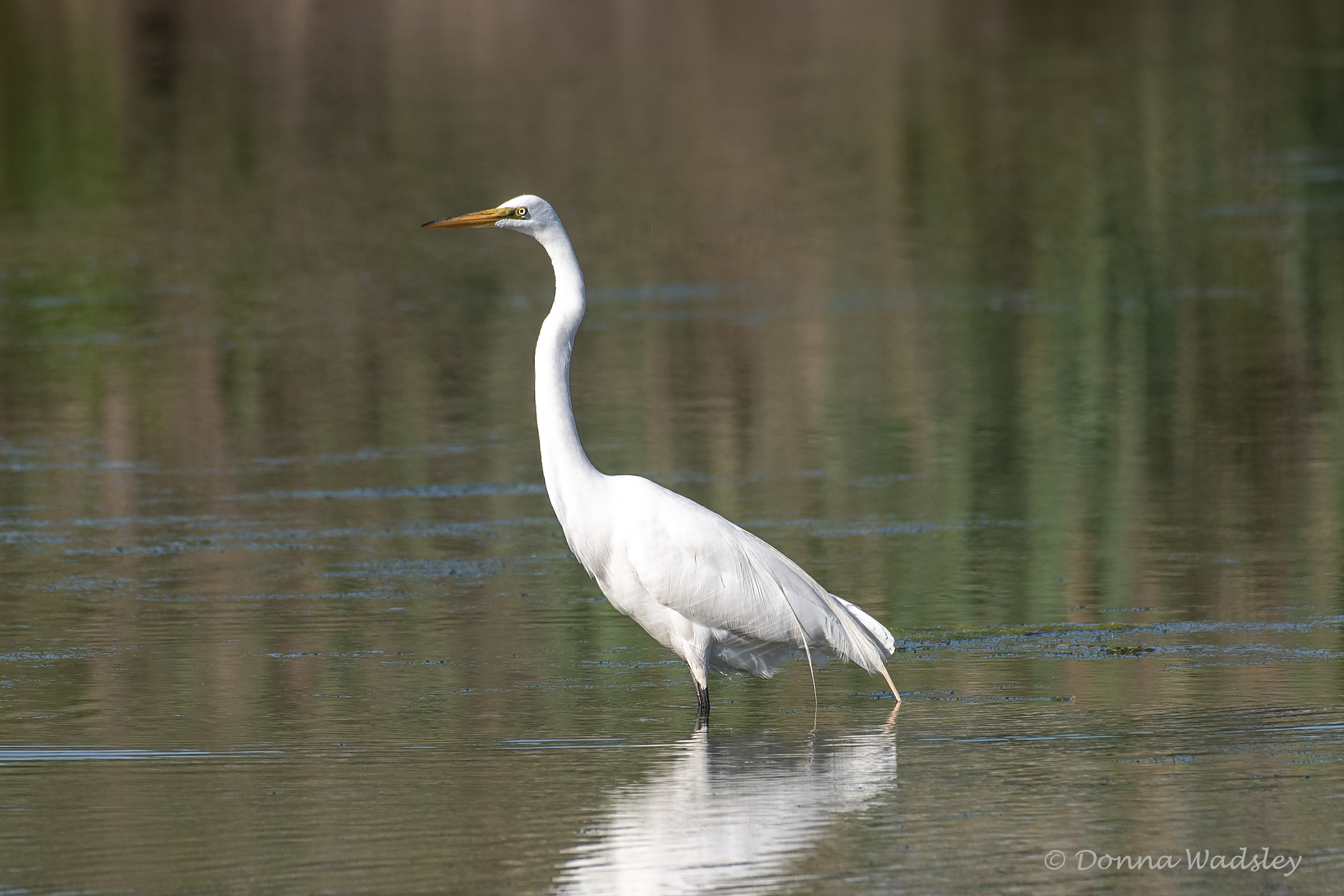
Great Egret
.

Western Cattle Egret
.

Western Cattle Egret
And a photo to show why they’re called cattle egret….. 😂

Western Cattle Egret
Alas, they will all soon depart on their fall migration, except for our beautiful Great Blue Heron, a year-round resident.
Woodpecker Wednesday
I have some very handsome and beautiful woodpeckers around my backyard and marsh during the summer.

Pileated Woodpecker (female)
.
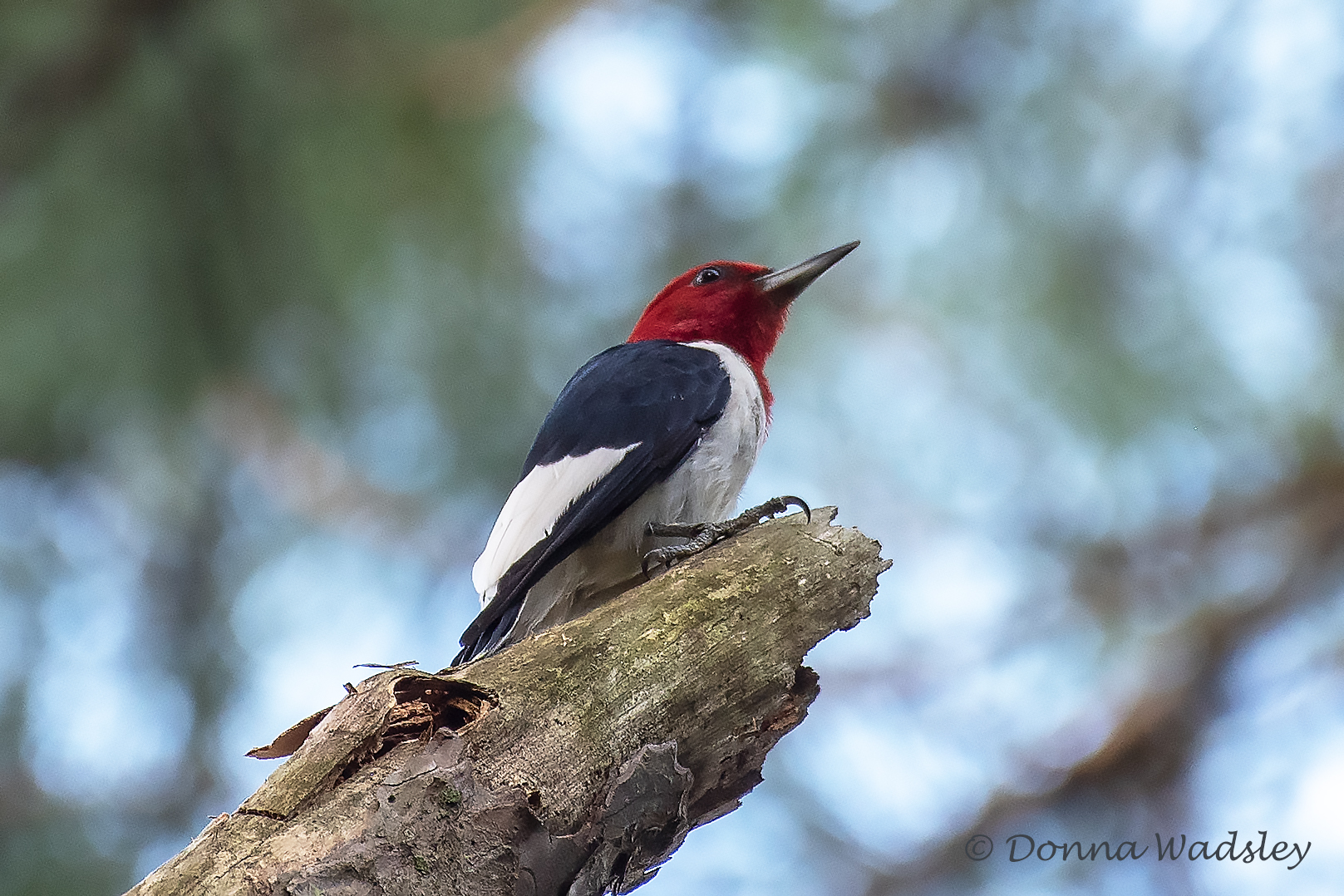
Red-headed Woodpecker
.
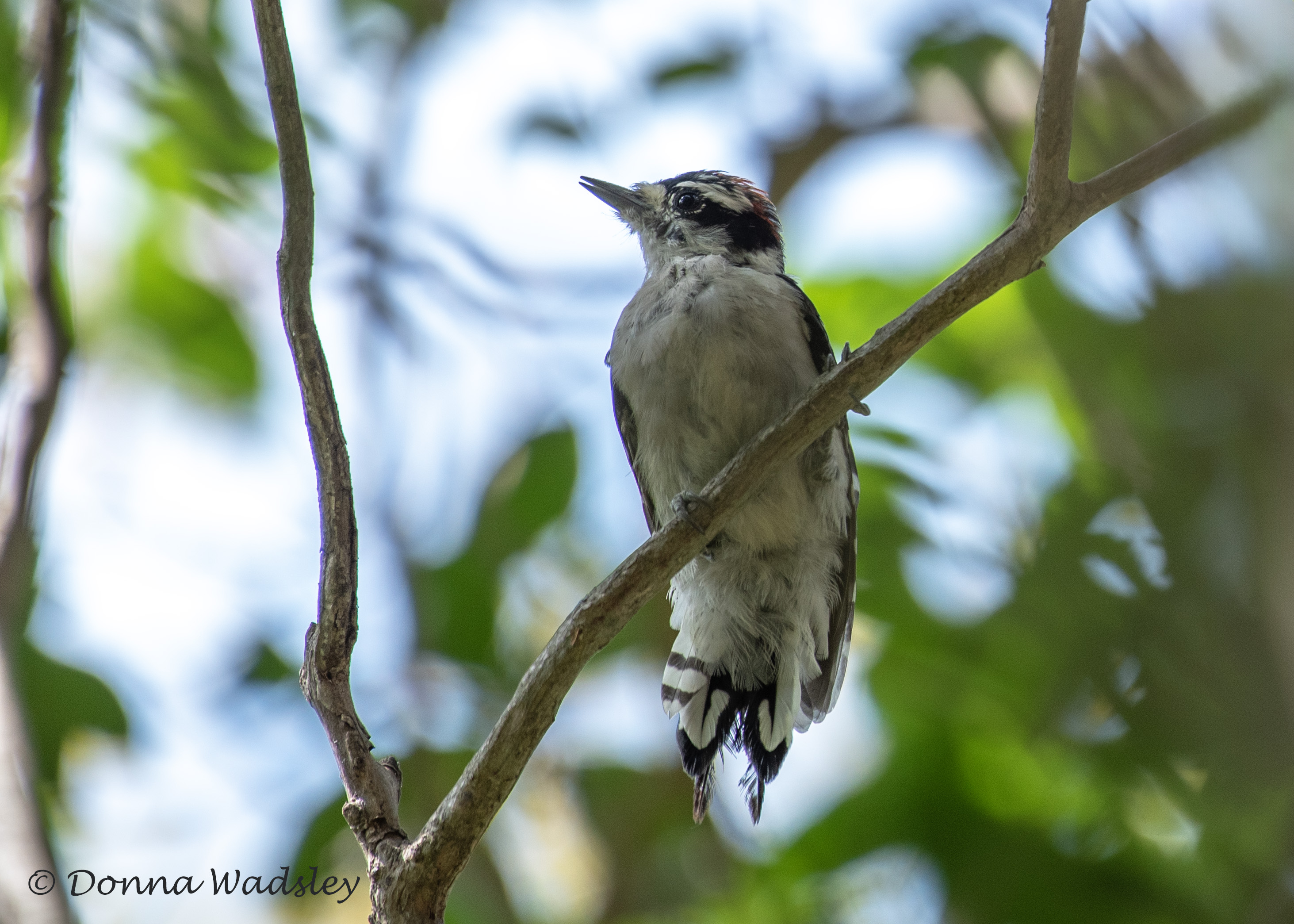
Downy Woodpecker (male)
.

Red-bellied Woodpecker (juvenile)
.
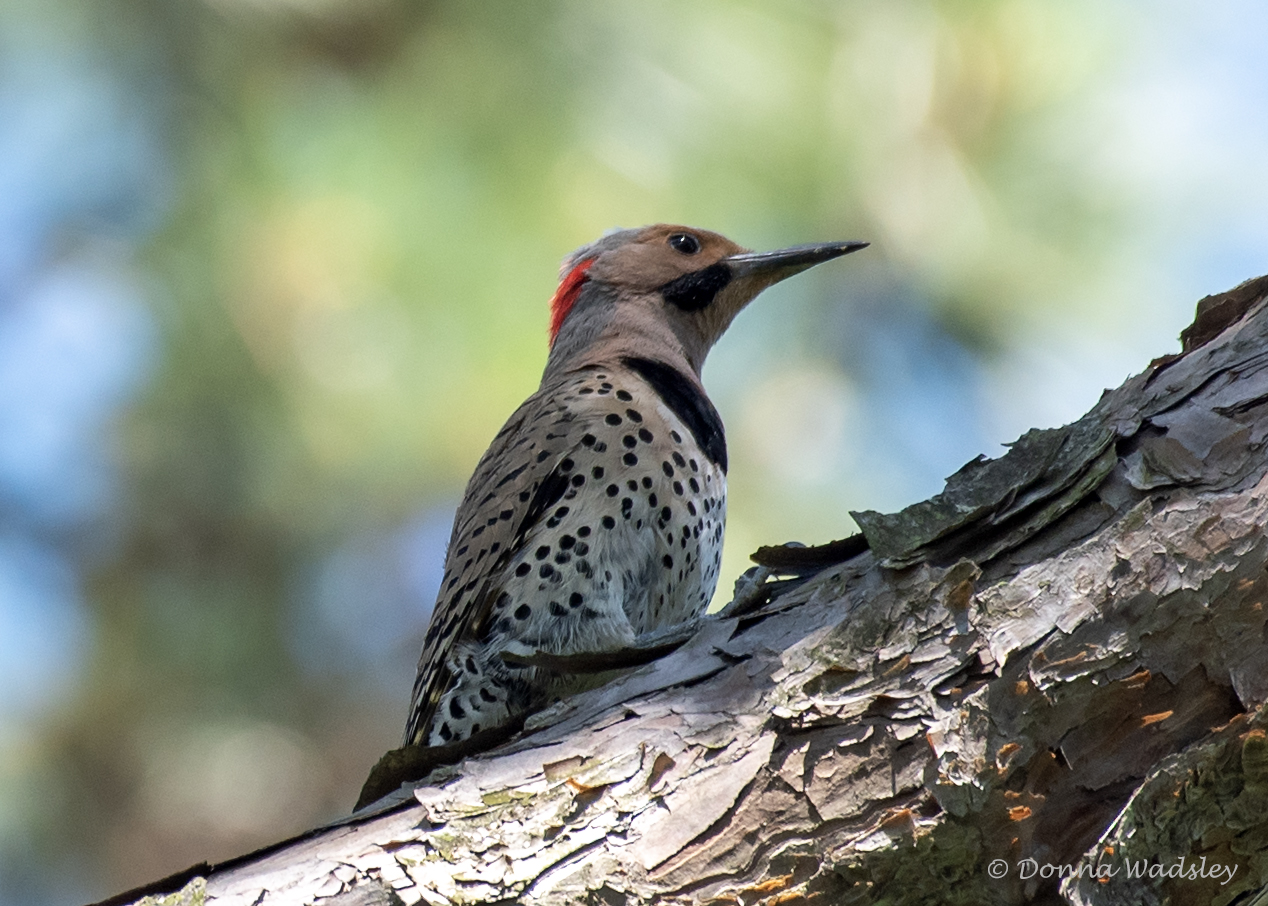
Northern Flicker – Yellow-shafted (male)
.
As long as they drill the trees and not our house and buildings, we’re all good! 😉
.
1-2-3 Medium Bird Jubilee – #25
Again, I had a second post almost complete of birds from April to June for publish early July, so I’ll proceed with it while the folder rebuilds with newer shots next time. 😊
Here ya go!
They might not be as small but those birds a little larger have a beauty and joy of their own!

Eastern Bluebird (male)
.
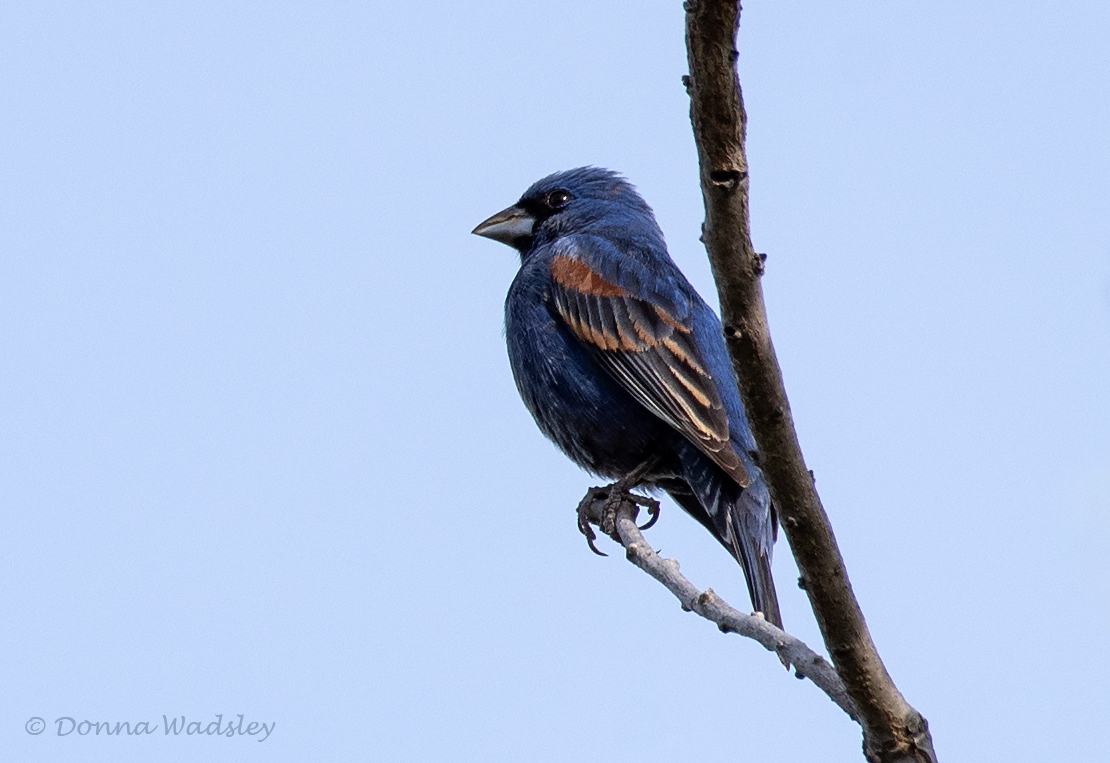
Blue Grosbeak (male)
.
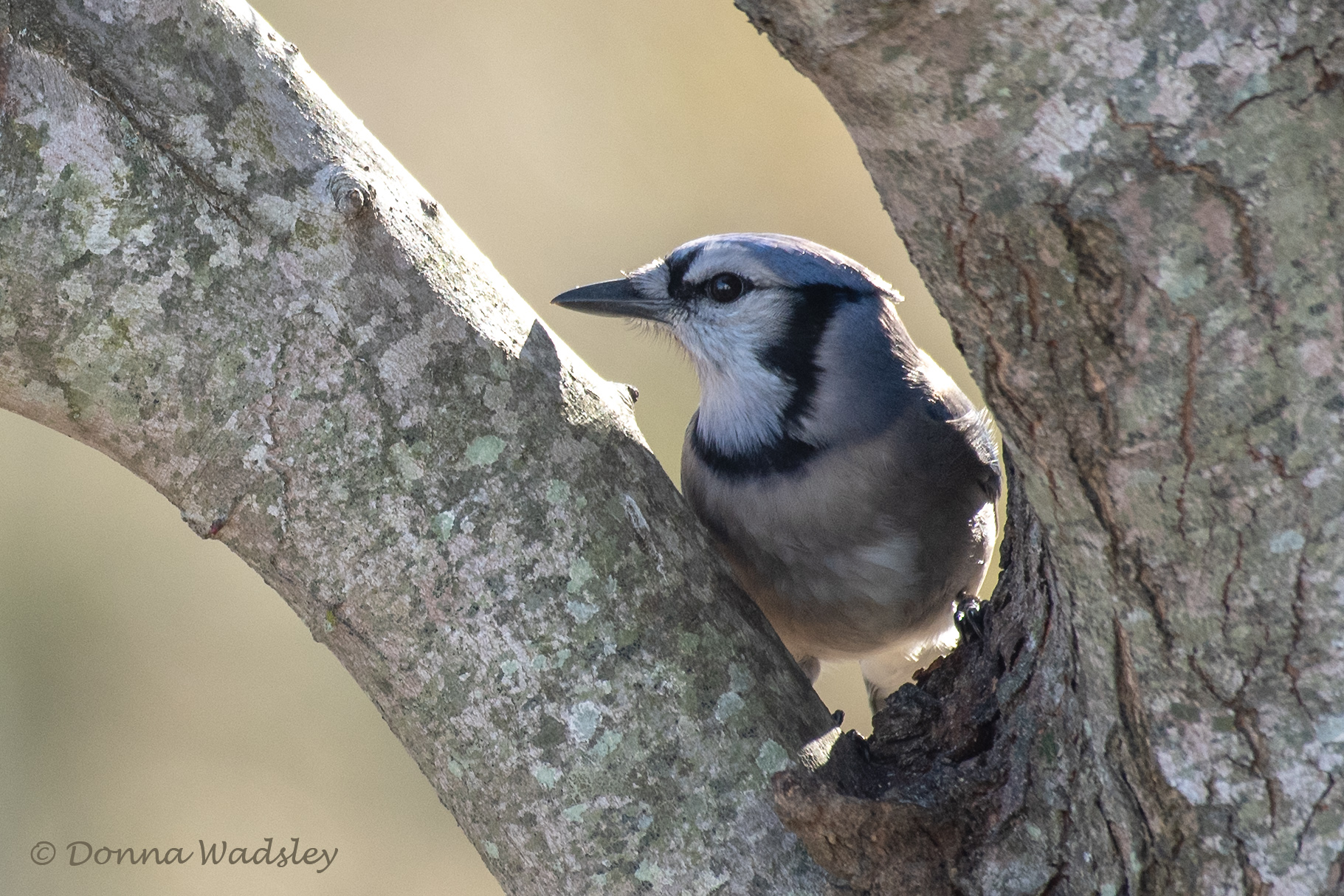
Blue Jay
.
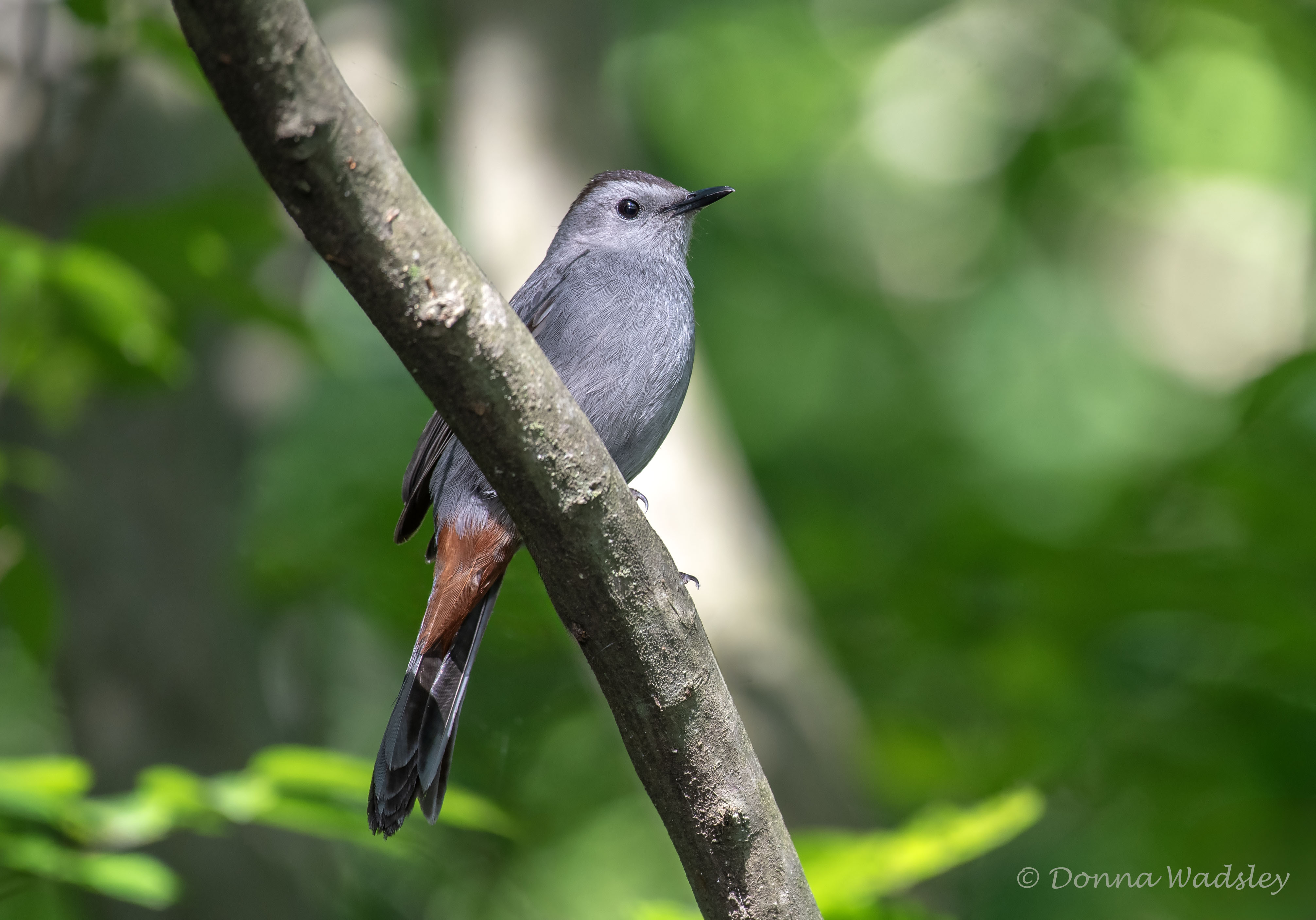
Gray Catbird
.

Eastern Kingbird
.

Mourning Dove
.

Summer Tanager (male)
.
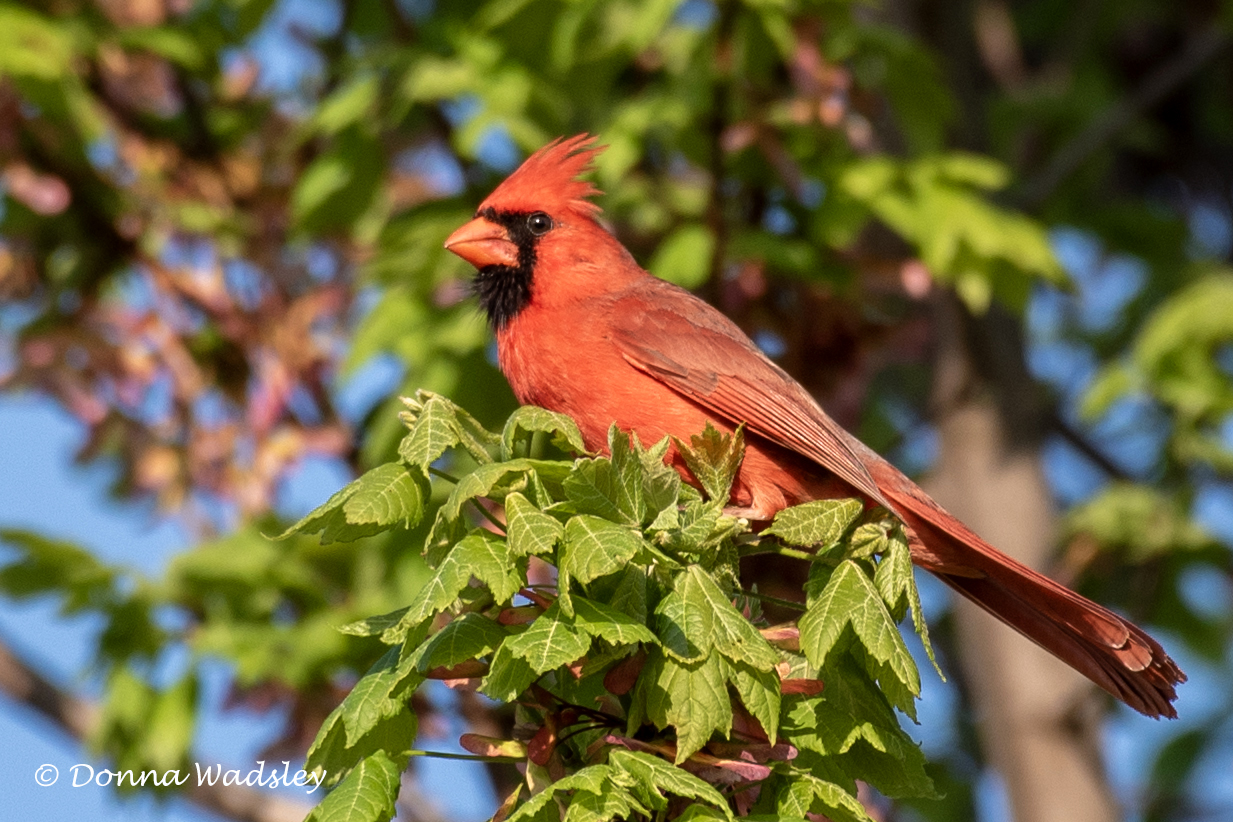
Northern Cardinal (male)
.

Brown Thrasher
.

American Robin
.

Baltimore Oriole (male)
.

Orchard Oriole (male)
.
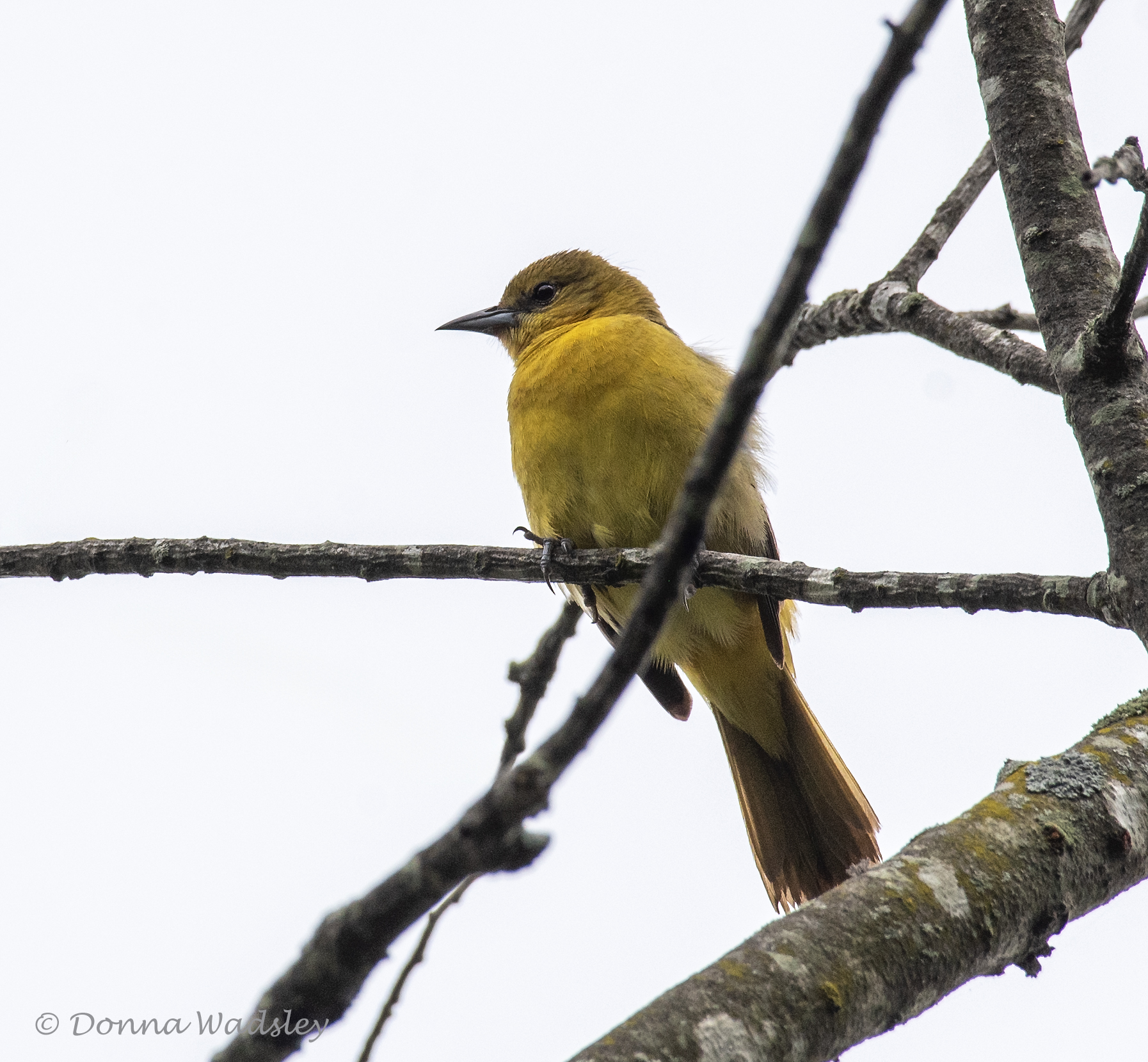
Orchard Oriole (female)
.
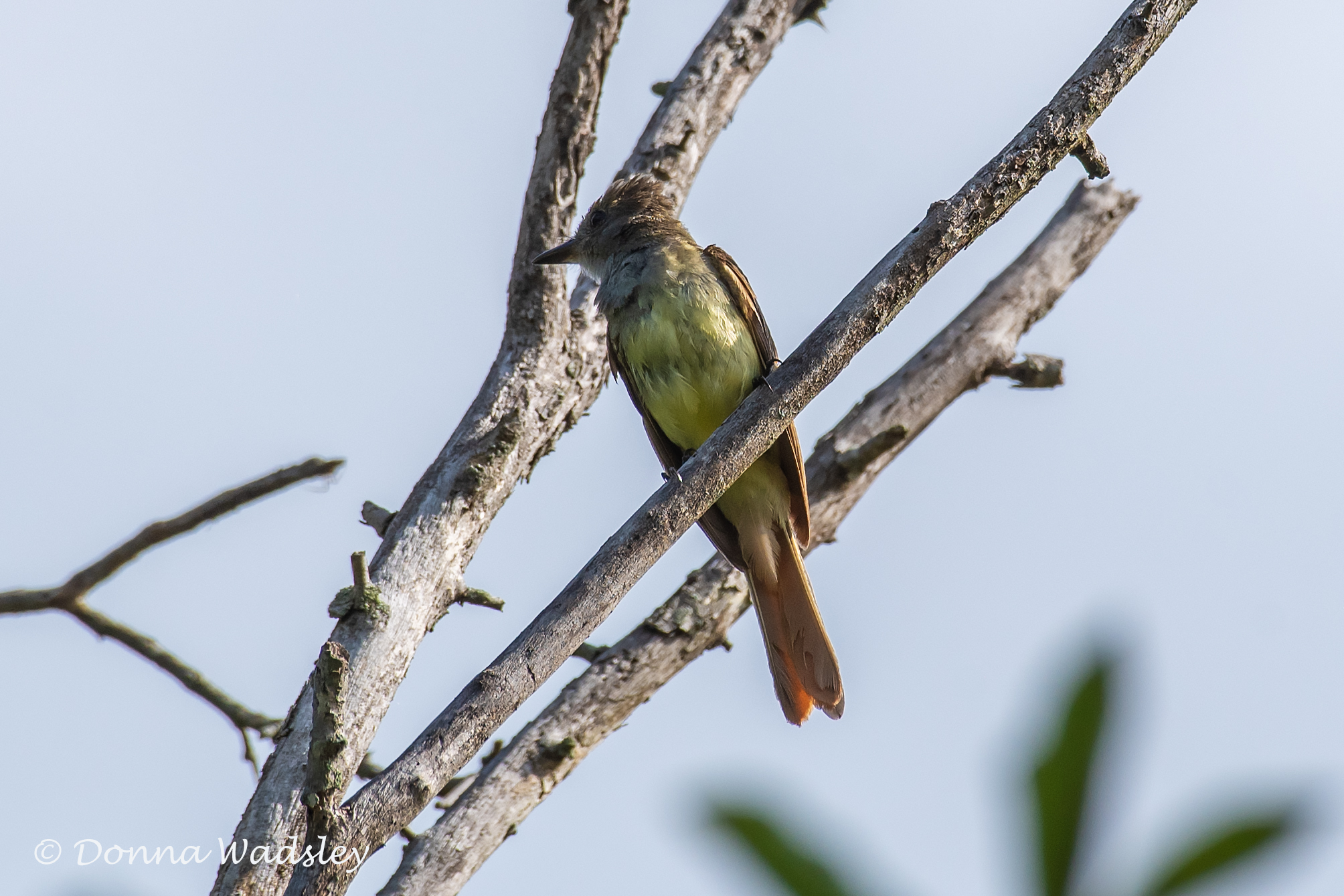
Great Crested Flycatcher
.
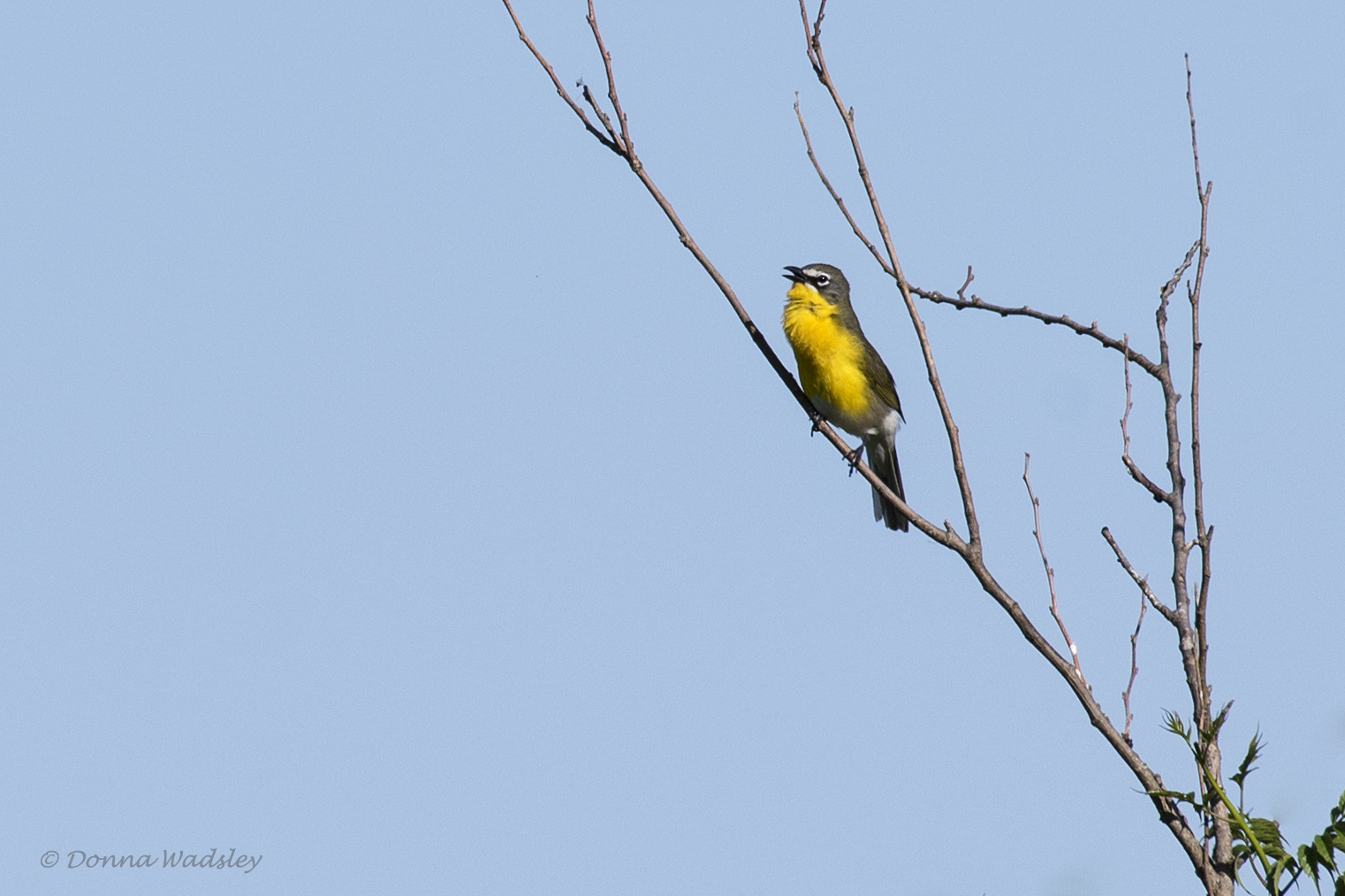
Yellow-breasted Chat
.

White-eyed Vireo
.
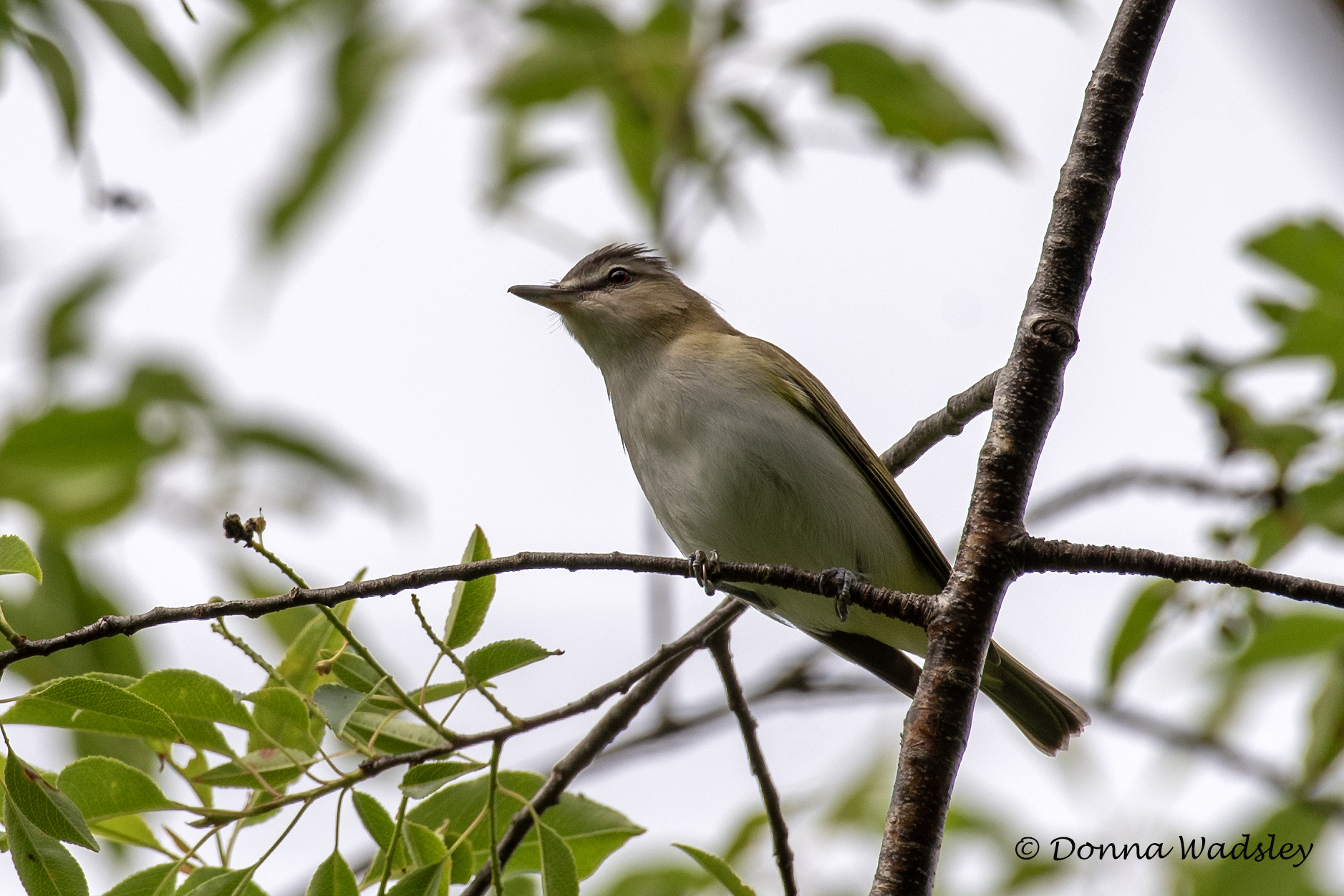
Red-eyed Vireo
.

Eastern Wood-Pewee
.

Eastern Phoebe
.
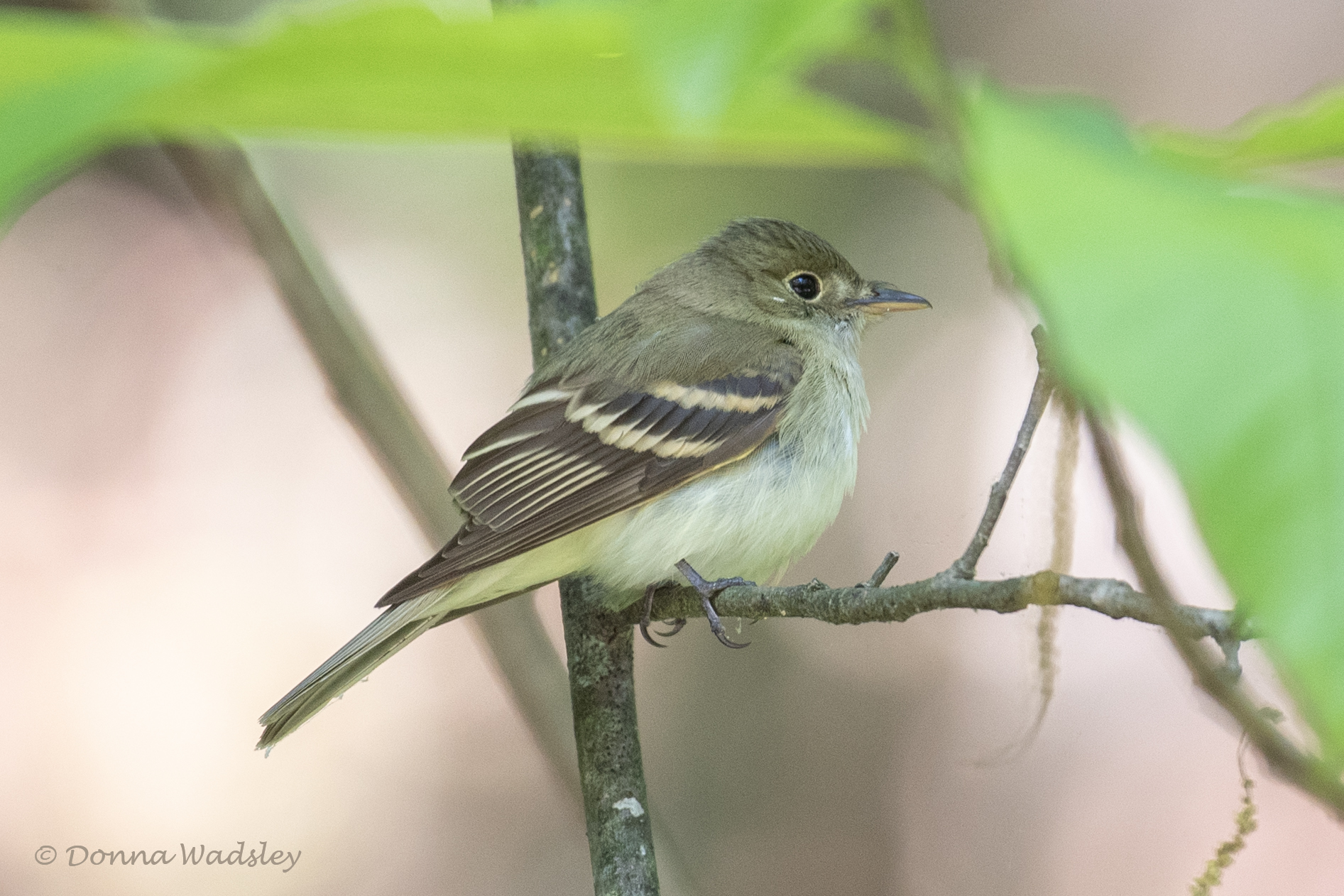
Acadian Flycatcher
.
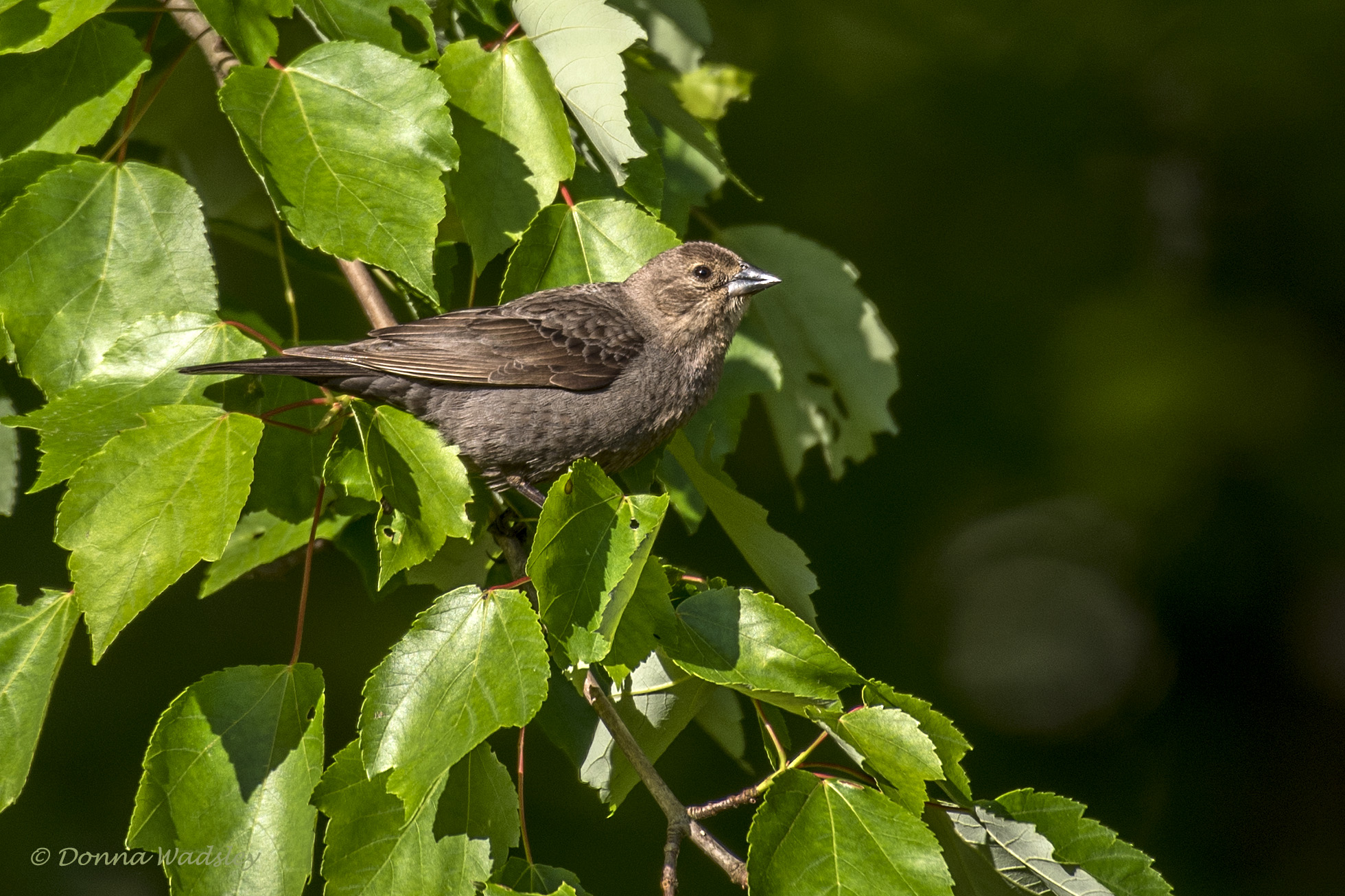
Brown-headed Cowbird (female)
.

Cedar Waxwings
.
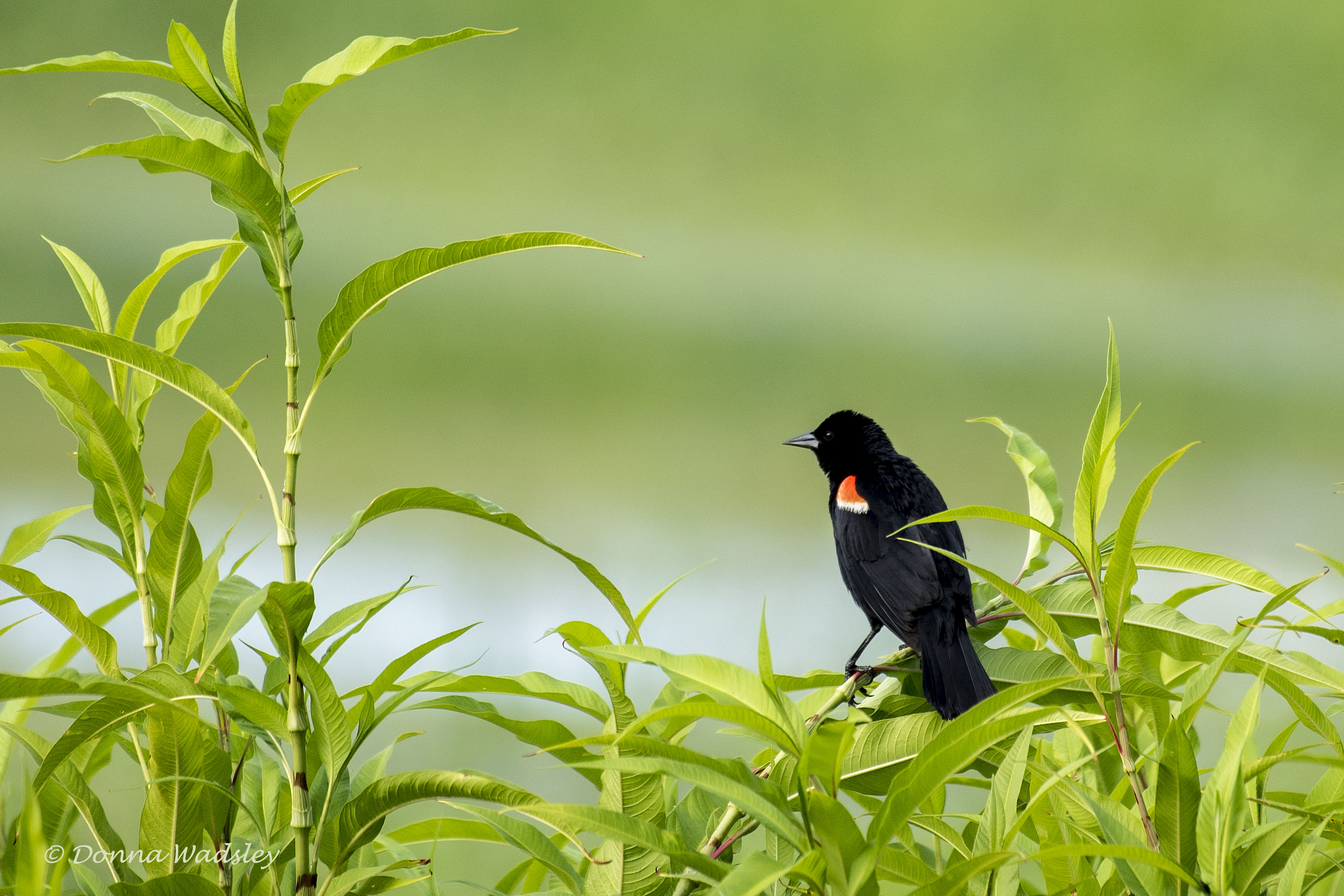
Red-winged Blackbird (male)
.
1-2-3 Cute As Can Be – #37
It’s been too long again. I had this post ready to go early July, when I was challenged with new medical problems to work through. I’m going to try to get back up and running here!
Here you go!
There’s just too many to pick from my past few months’ (April to June) local cuties; so I’ll give ya a bunch in hopes I shared one of your bird favorites!

Indigo Bunting (male)
.
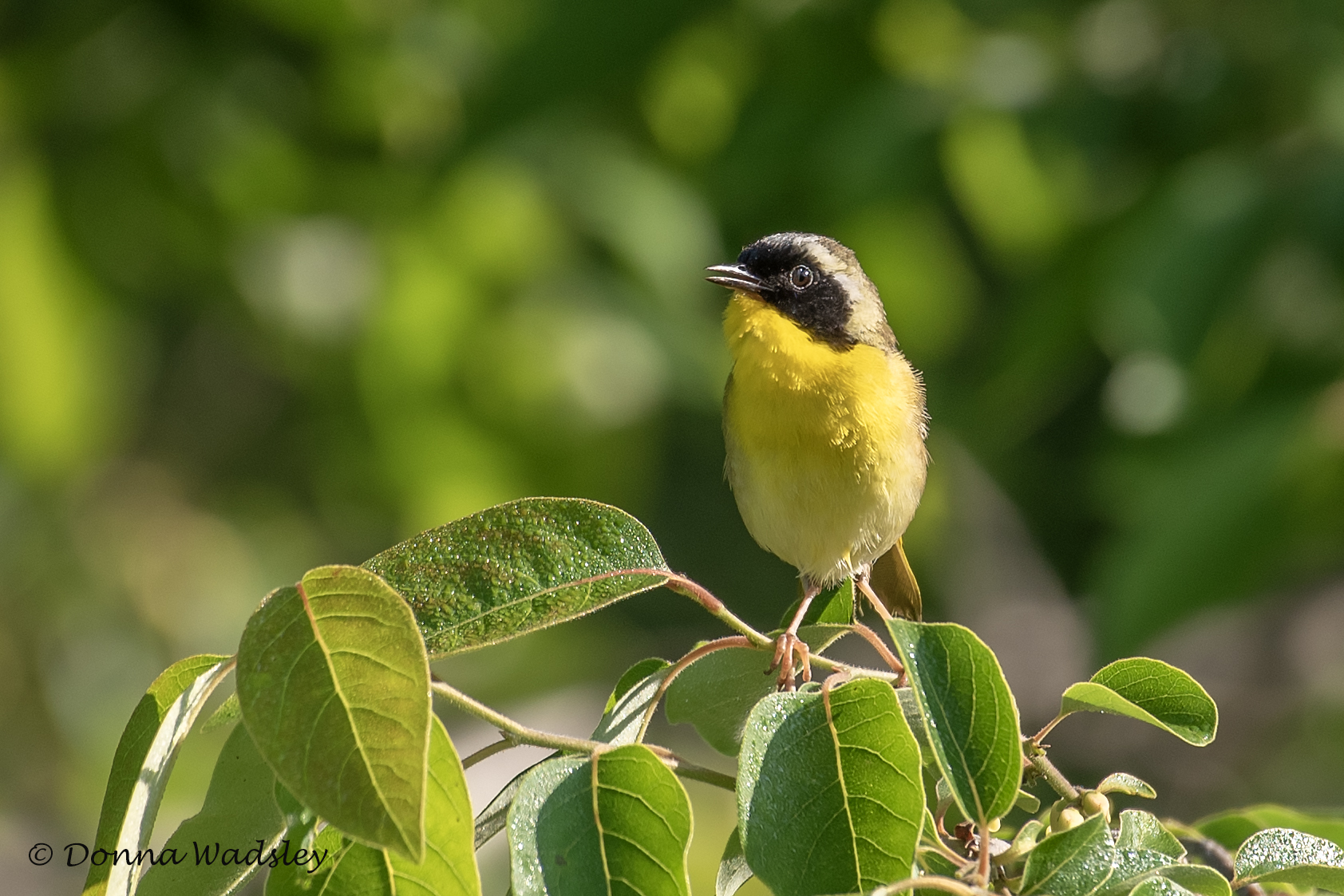
Common Yellowthroat (male)
.
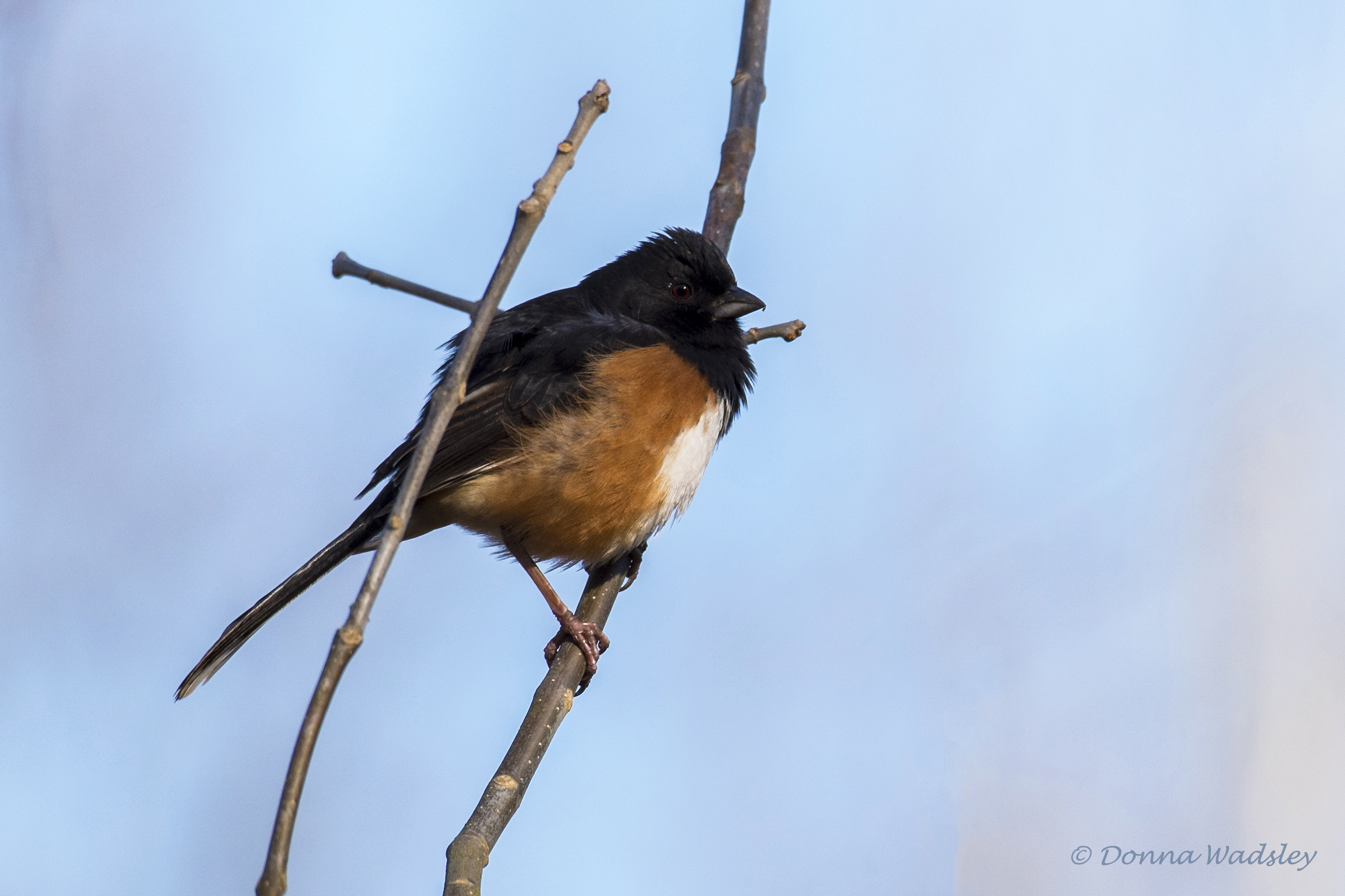
Eastern Towhee (male)
.
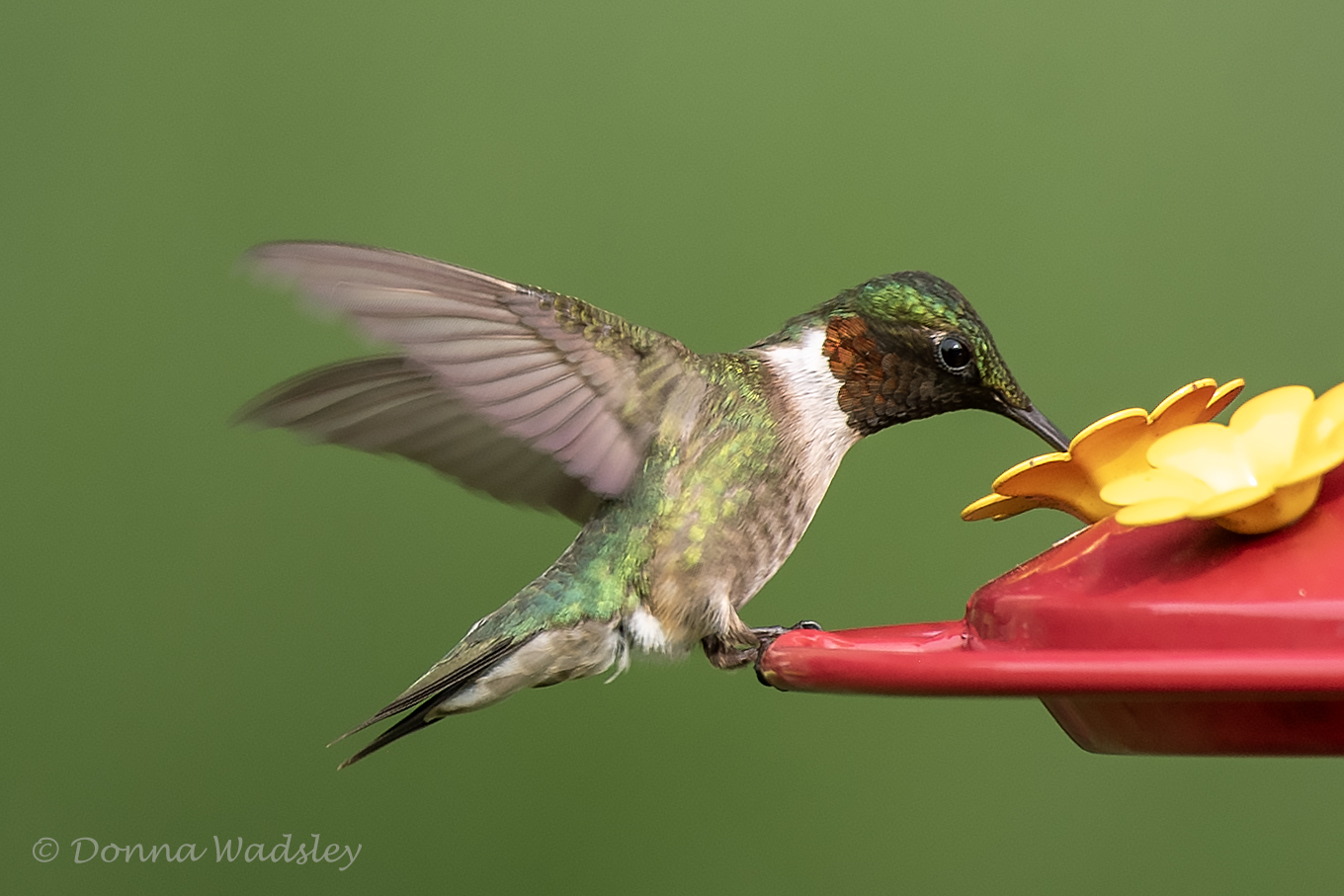
Ruby-throated Hummingbird (male)
.
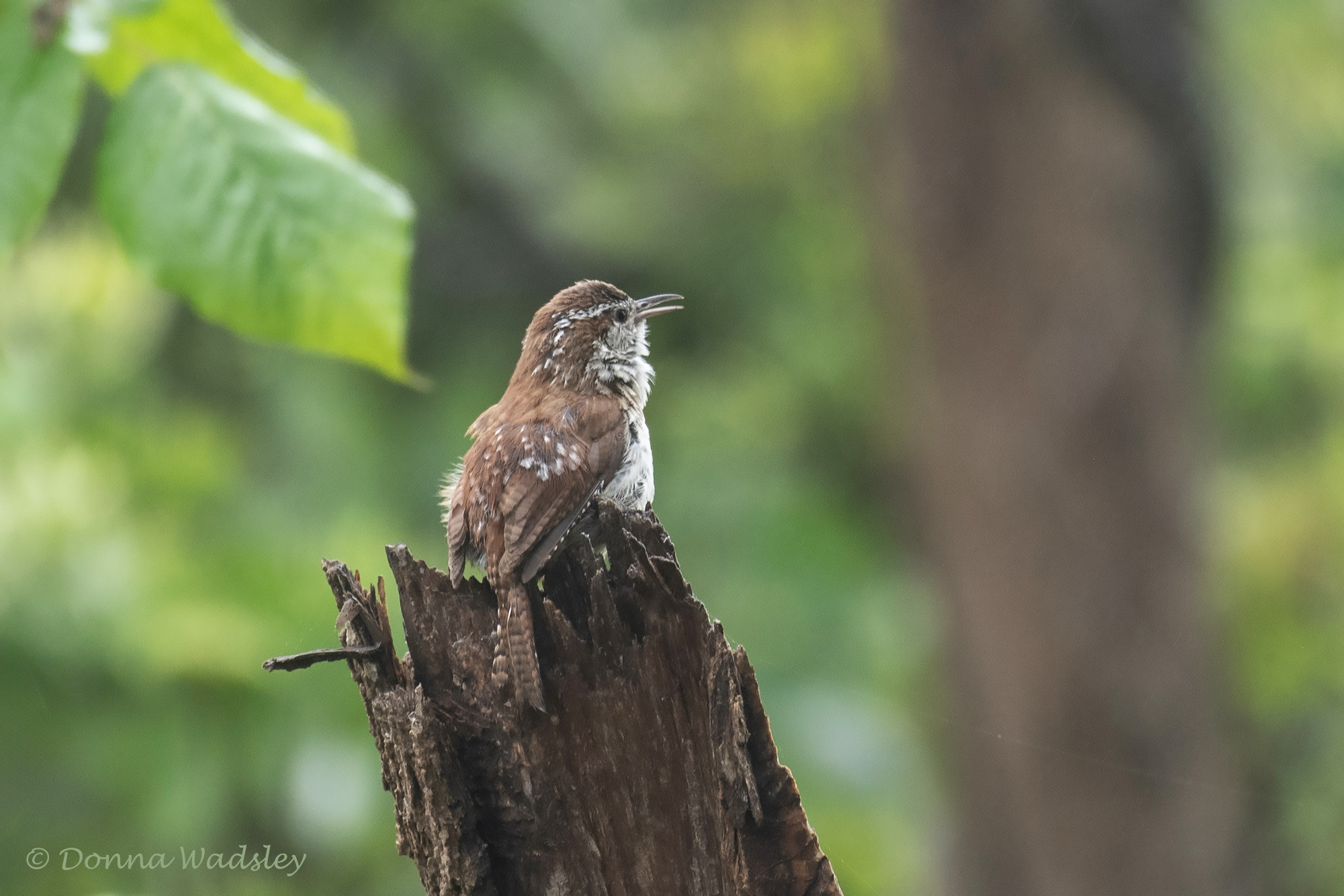
Carolina Wren
.
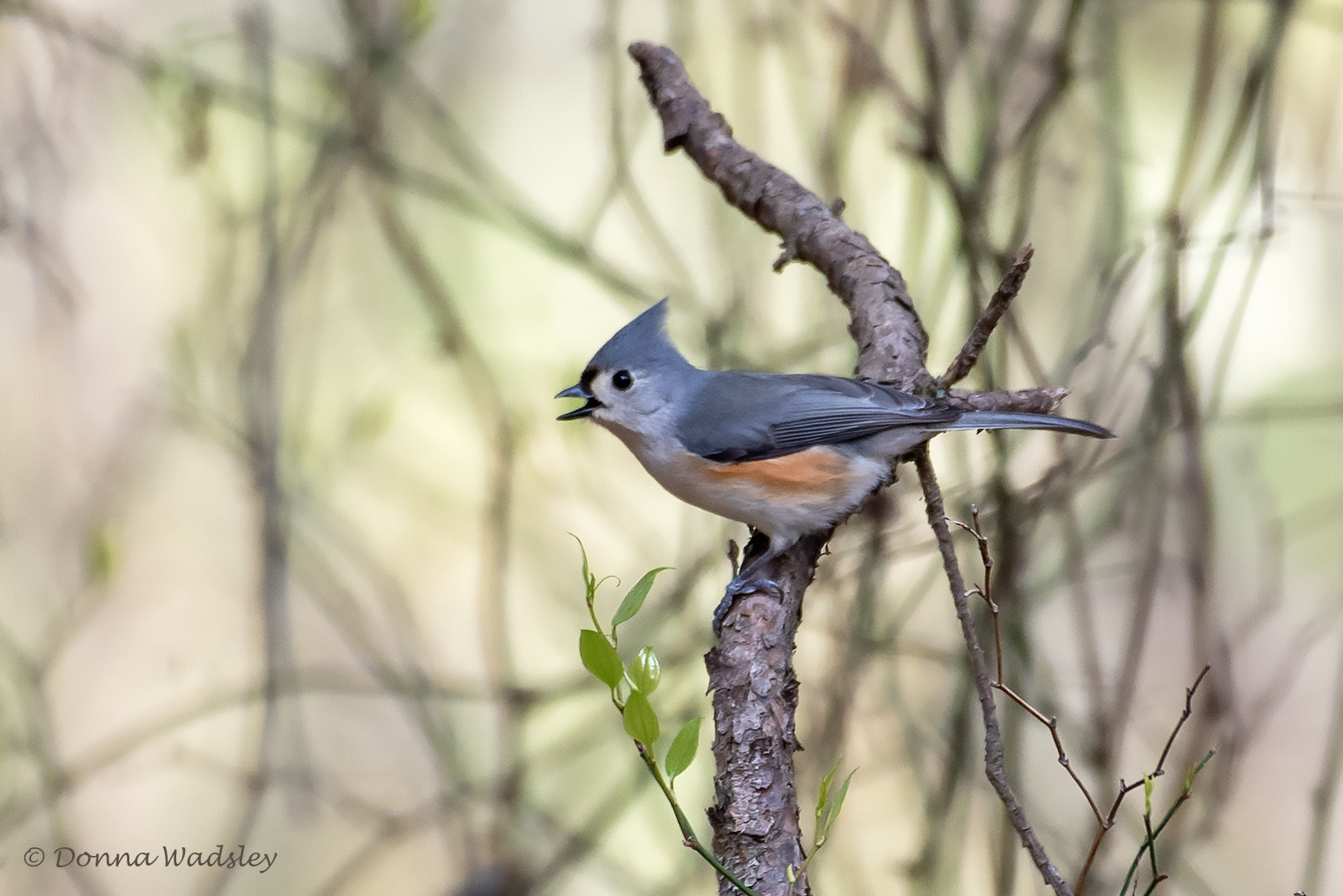
Tufted Titmouse
.
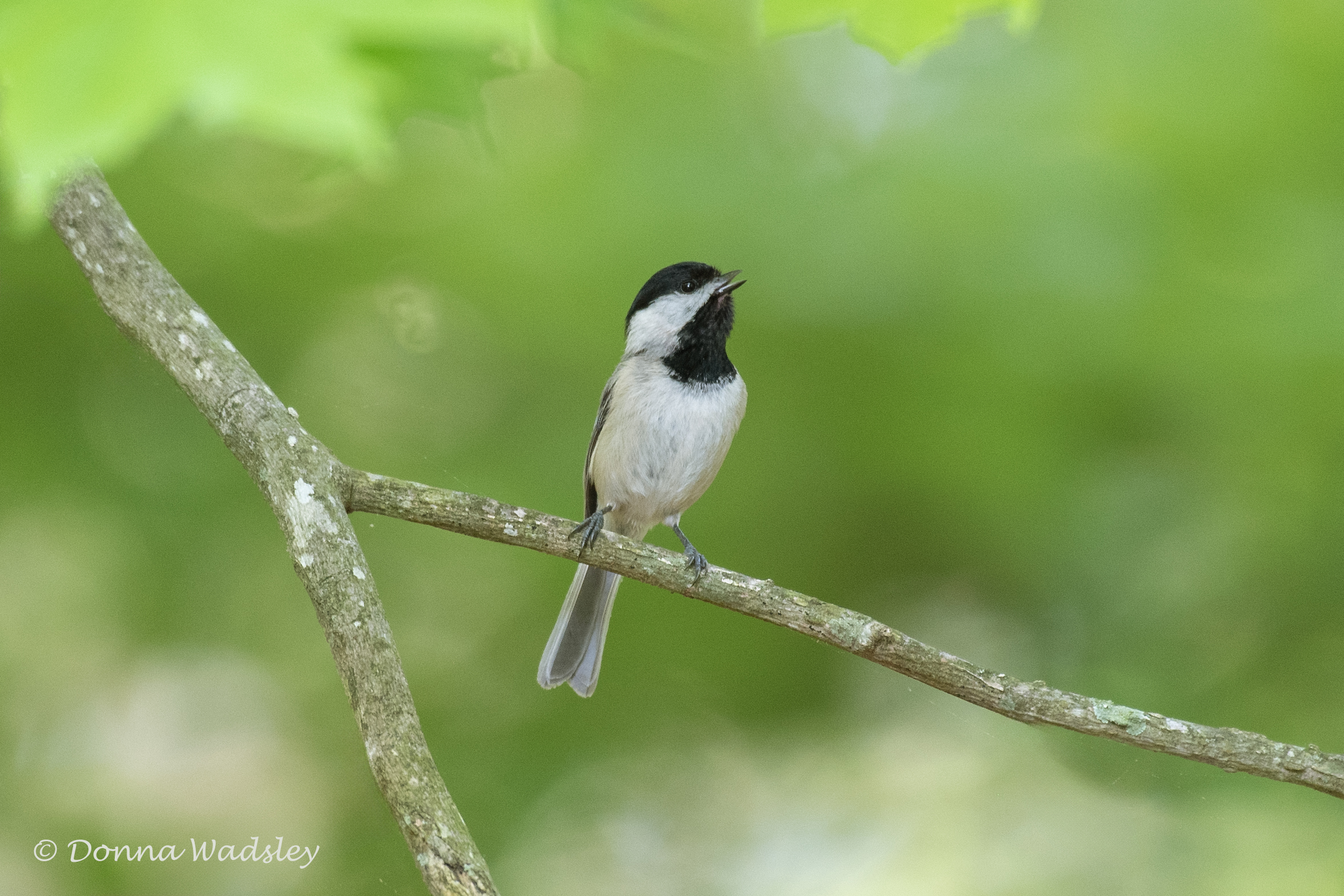
Carolina Chickadee
.
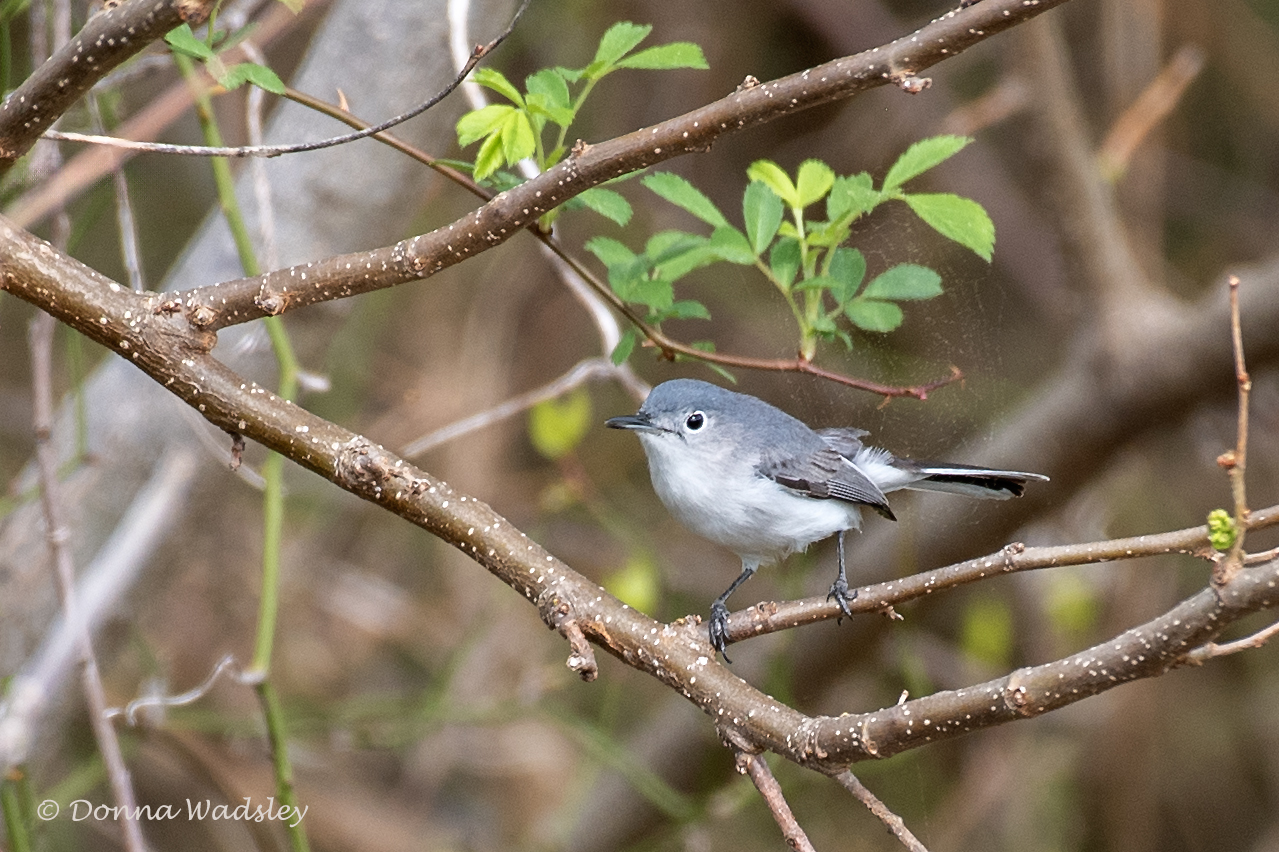
Blue-gray Gnatcatcher
.

Brown-headed Nuthatch
.
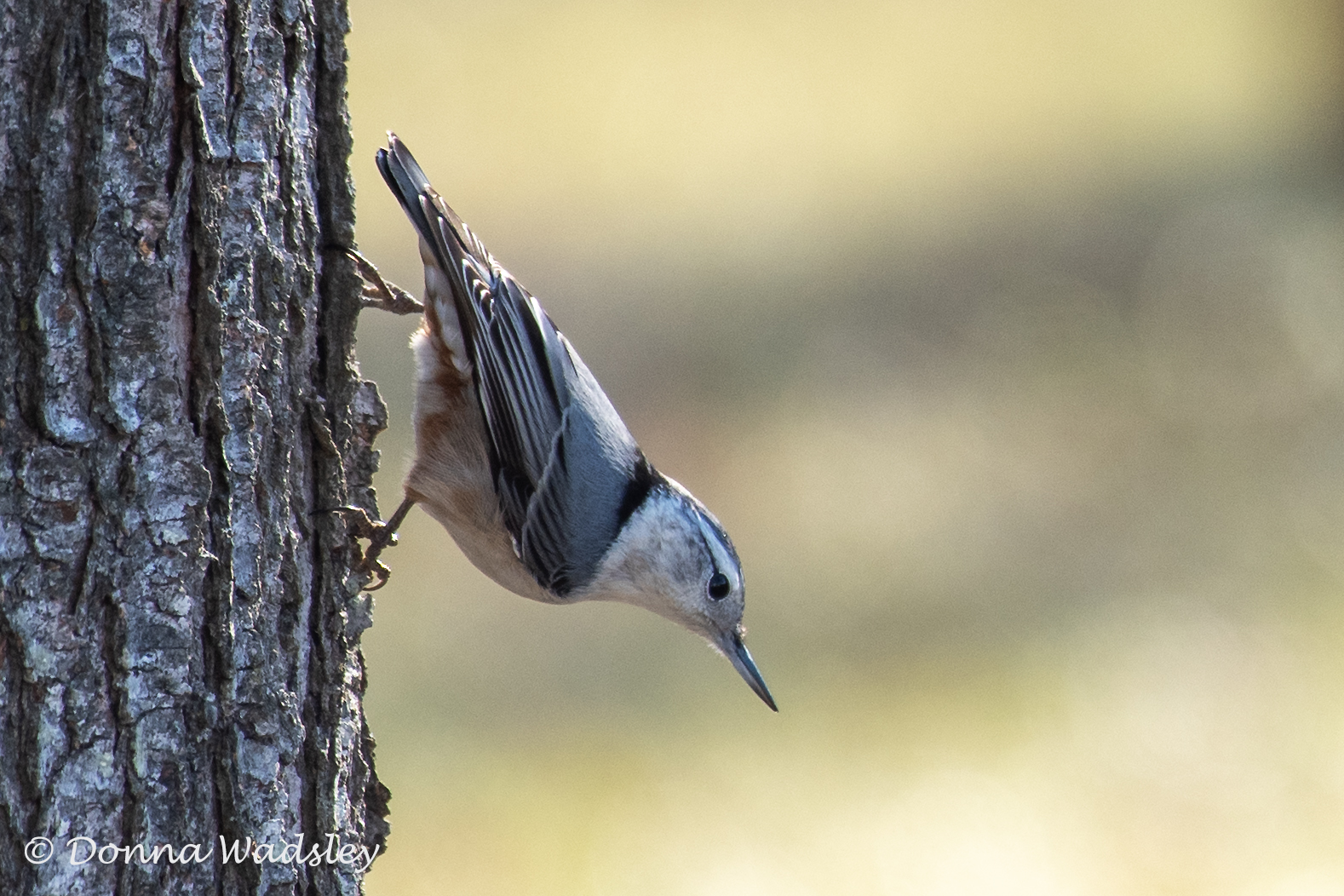
White-breasted Nuthatch
.
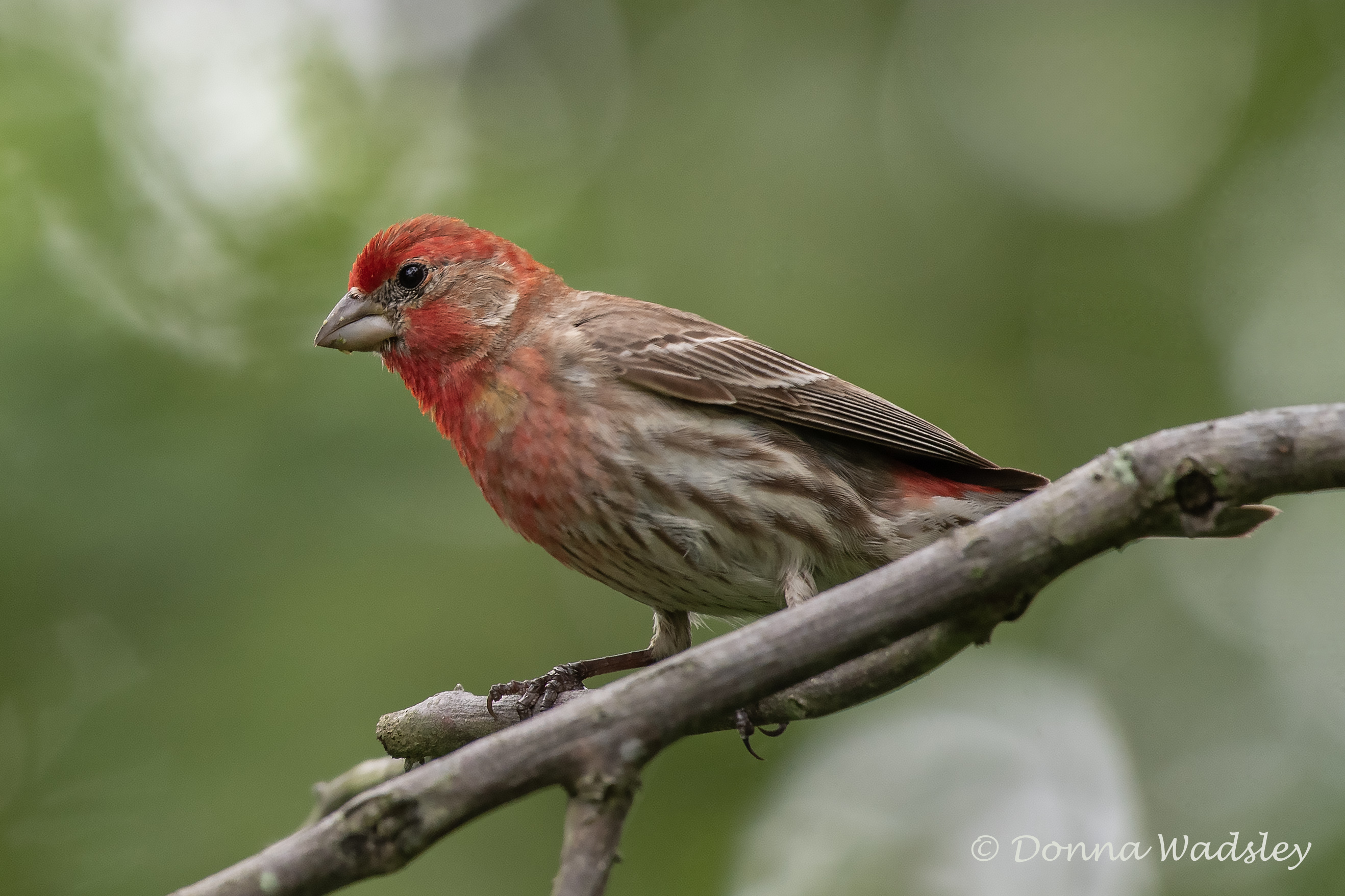
House Finch (male)
.

American Goldfinch (male)
.

Chipping Sparrow
.

Field Sparrow
.

Swamp Sparrow
And finally, one more sparrow!
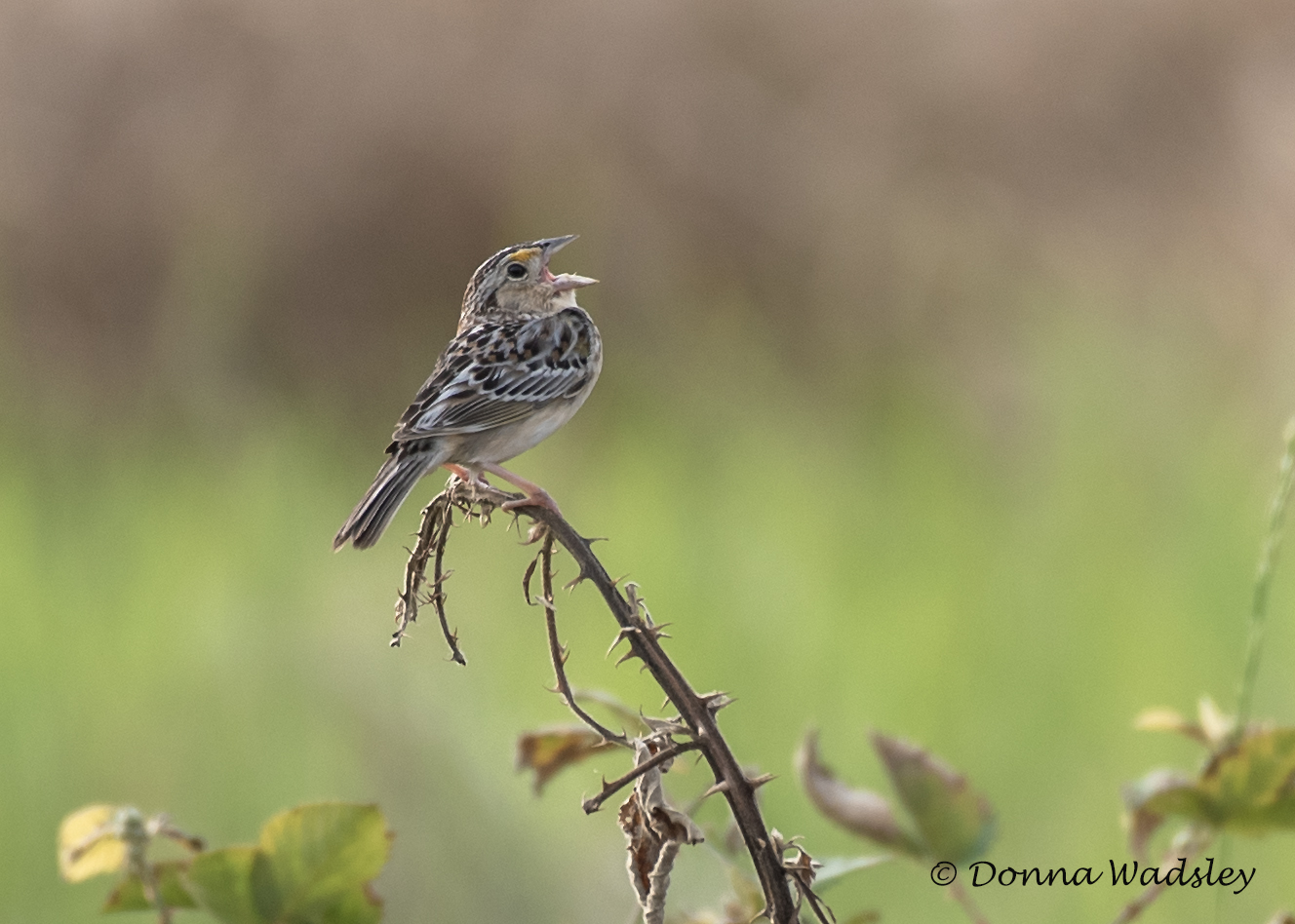
Grasshopper Sparrow
Thank you for making it to the end! Next post is to catch up with those April-June medium beauties I’ve already got lined up!
.
Oh Wow, More Warblers!
Oops! I went missing here for a couple months, blame it on Spring migration! And well, a few other life reasons. 😉
Of the 30 eBird recorded warbler species that have migrated through Maryland’s eastern shore side of the Chesapeake Bay at least once, this past Spring I saw 23 of those warblers and photographed 20 of them.
I shared my first eight warblers seen on my previous “Oh Wow Warblers” post. I saw four of those again and again, but missed scoring any other shots of these four already shared.
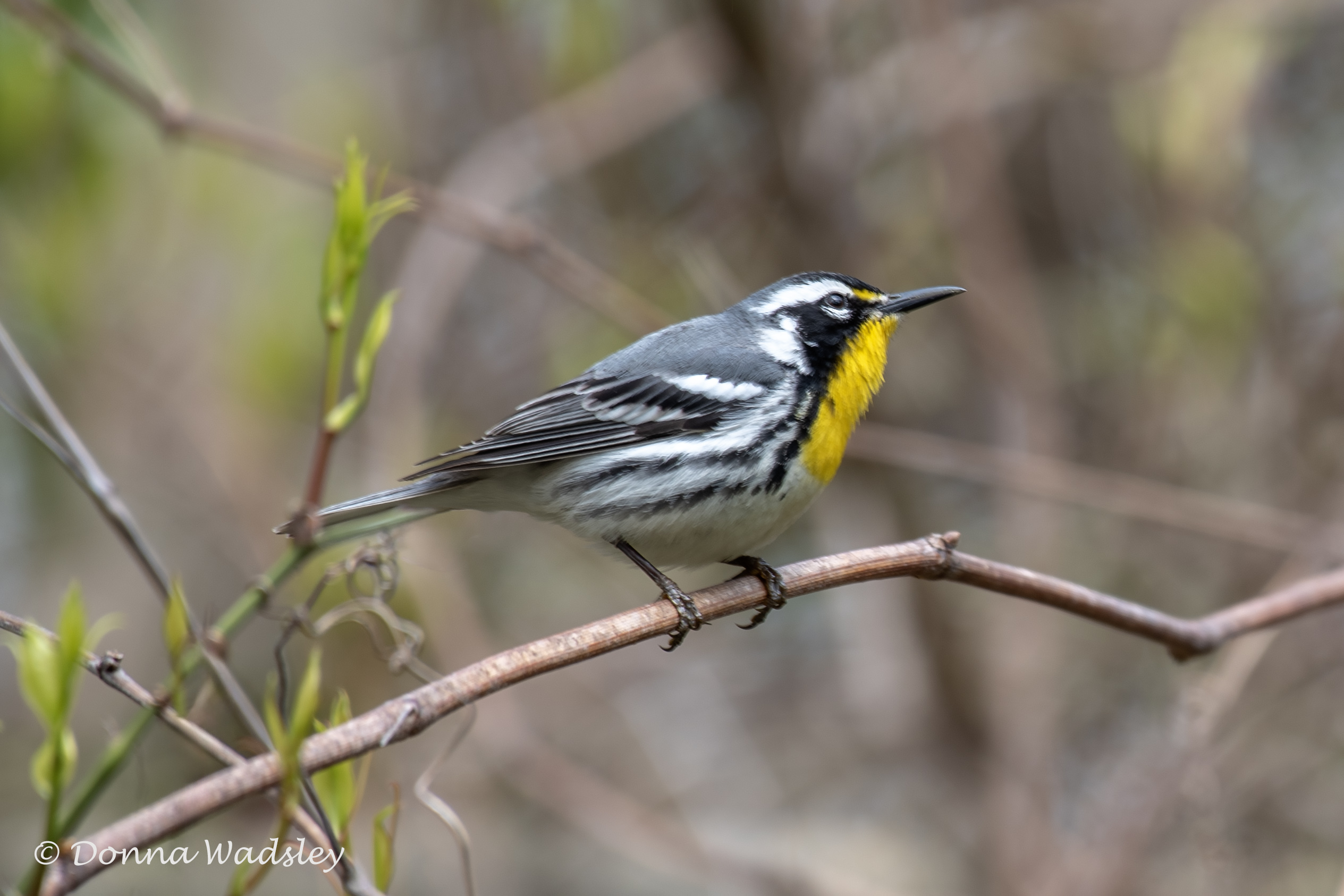
Yellow-throated Warbler
.

Louisiana Waterthrush
.
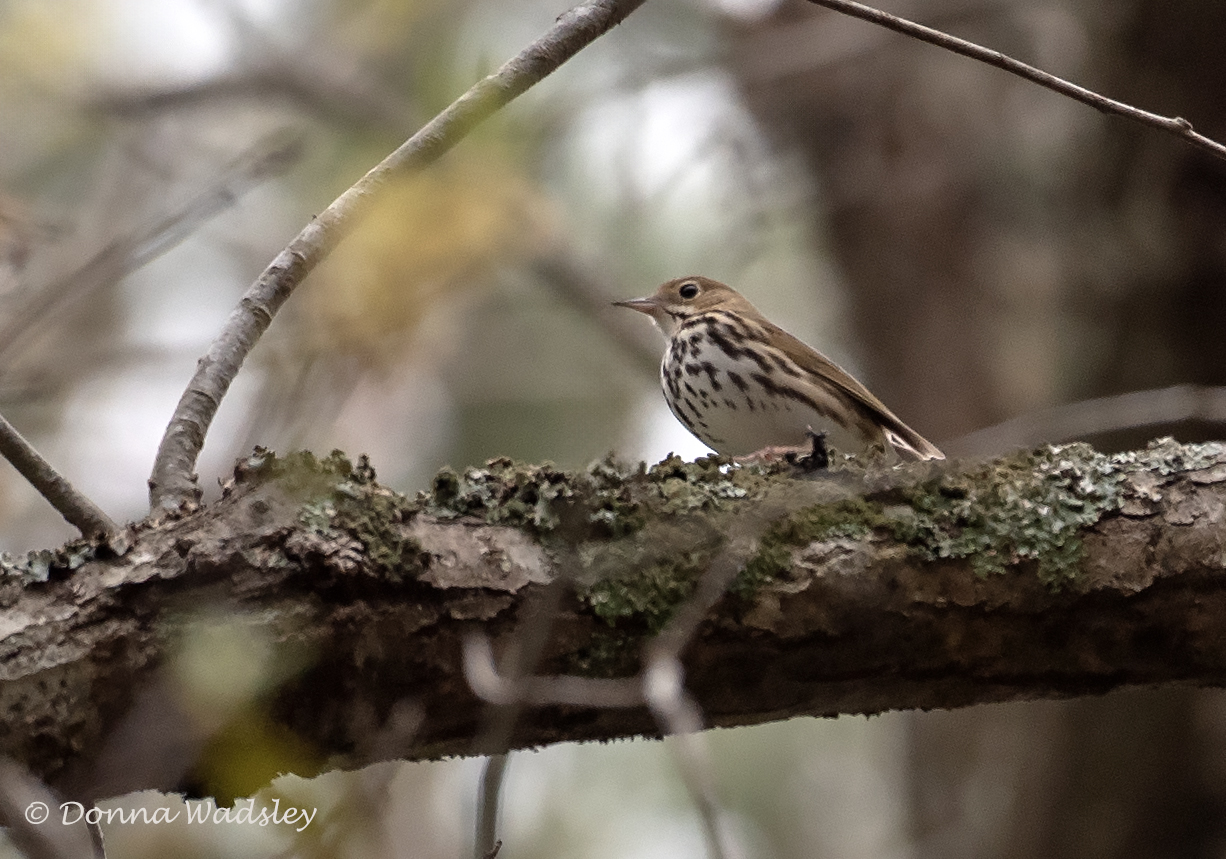
Ovenbird
.

Prairie Warbler
And here’s the best of my best of those other 16 species with a couple species’ shots sharing both the male and female.

Common Yellowthroat (male)
.
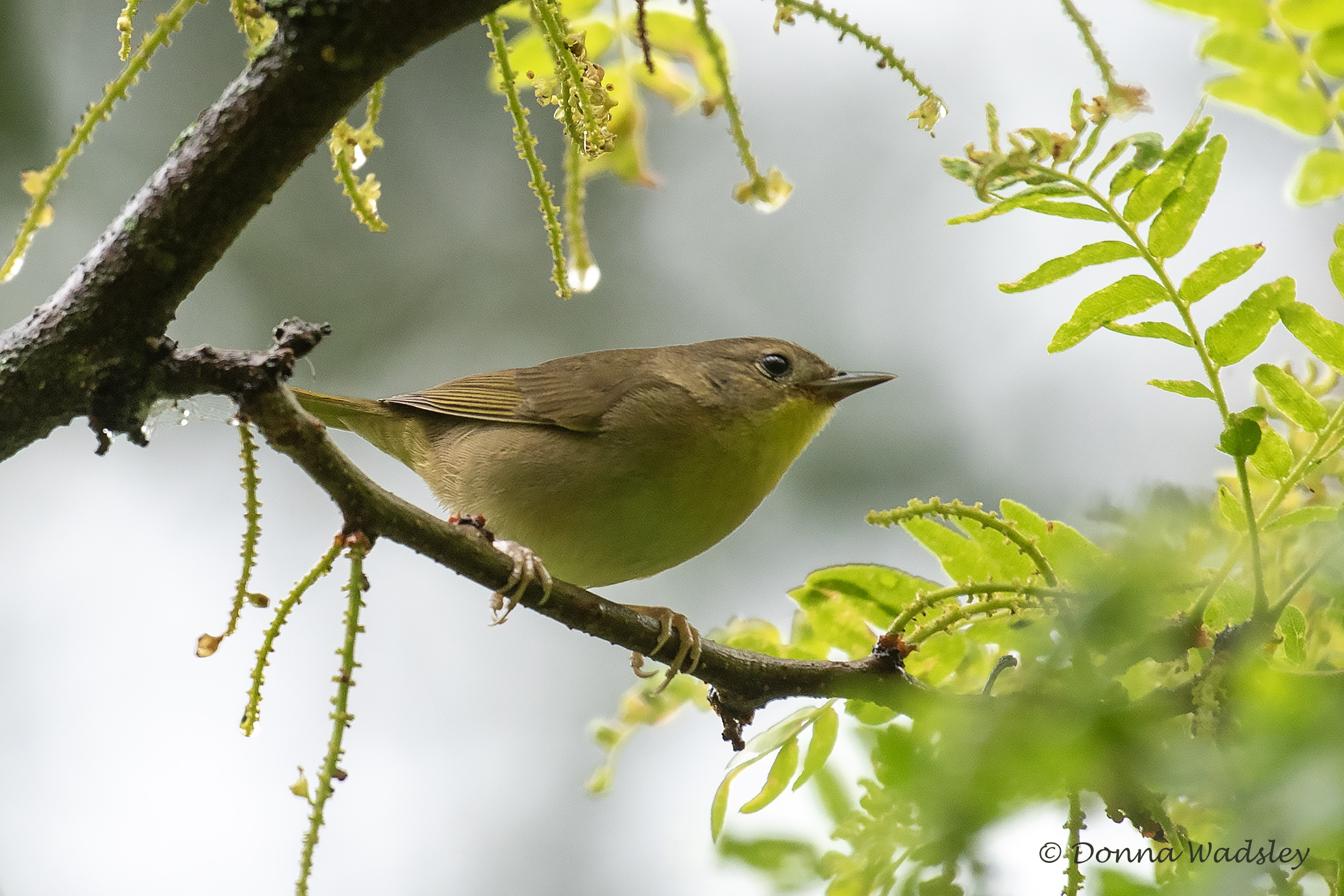
Common Yellowthroat (female)
.

Yellow-rumped Warbler (Myrtle)
.

Blackburnian Warbler
.
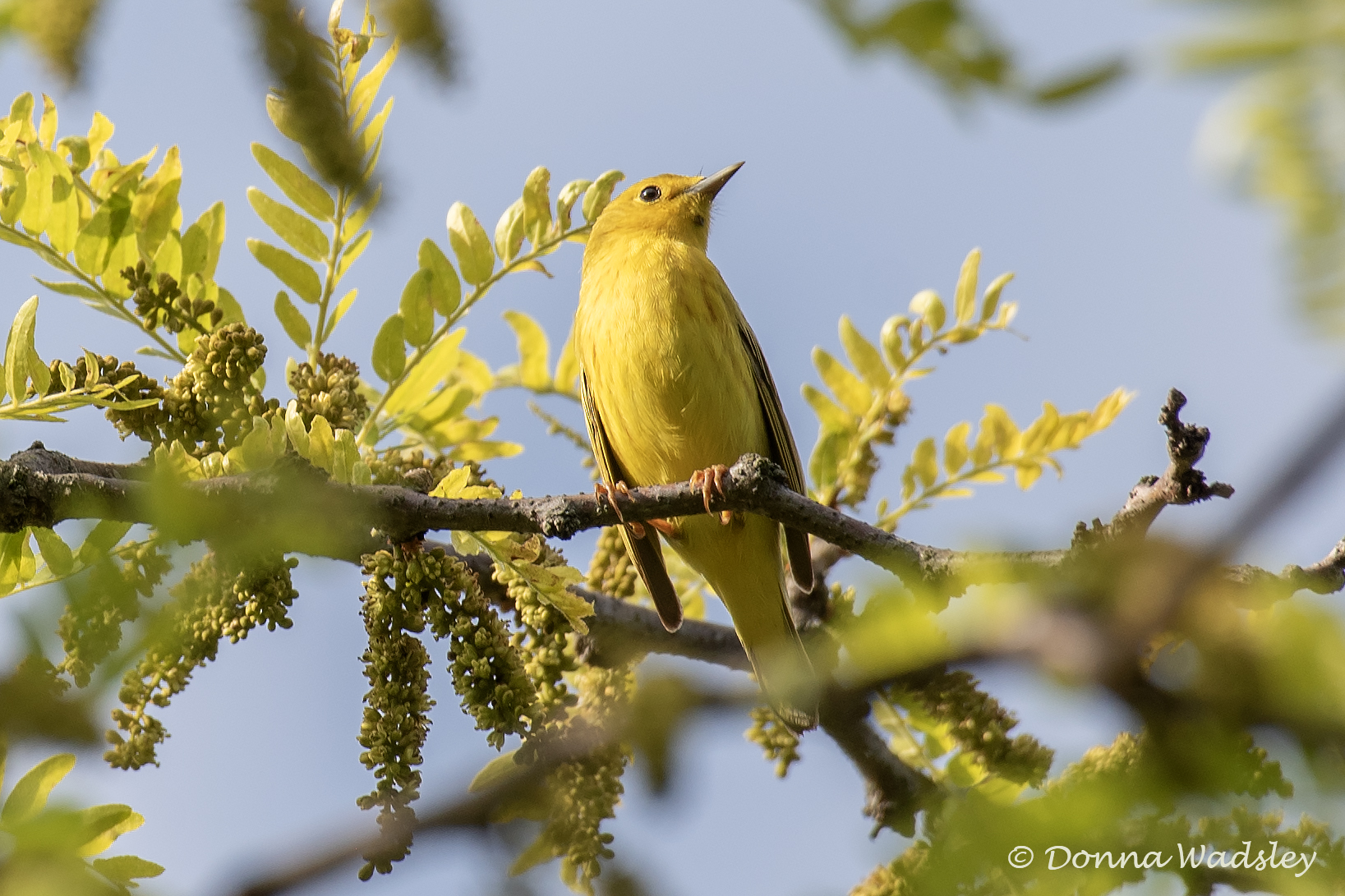
Yellow Warbler
.
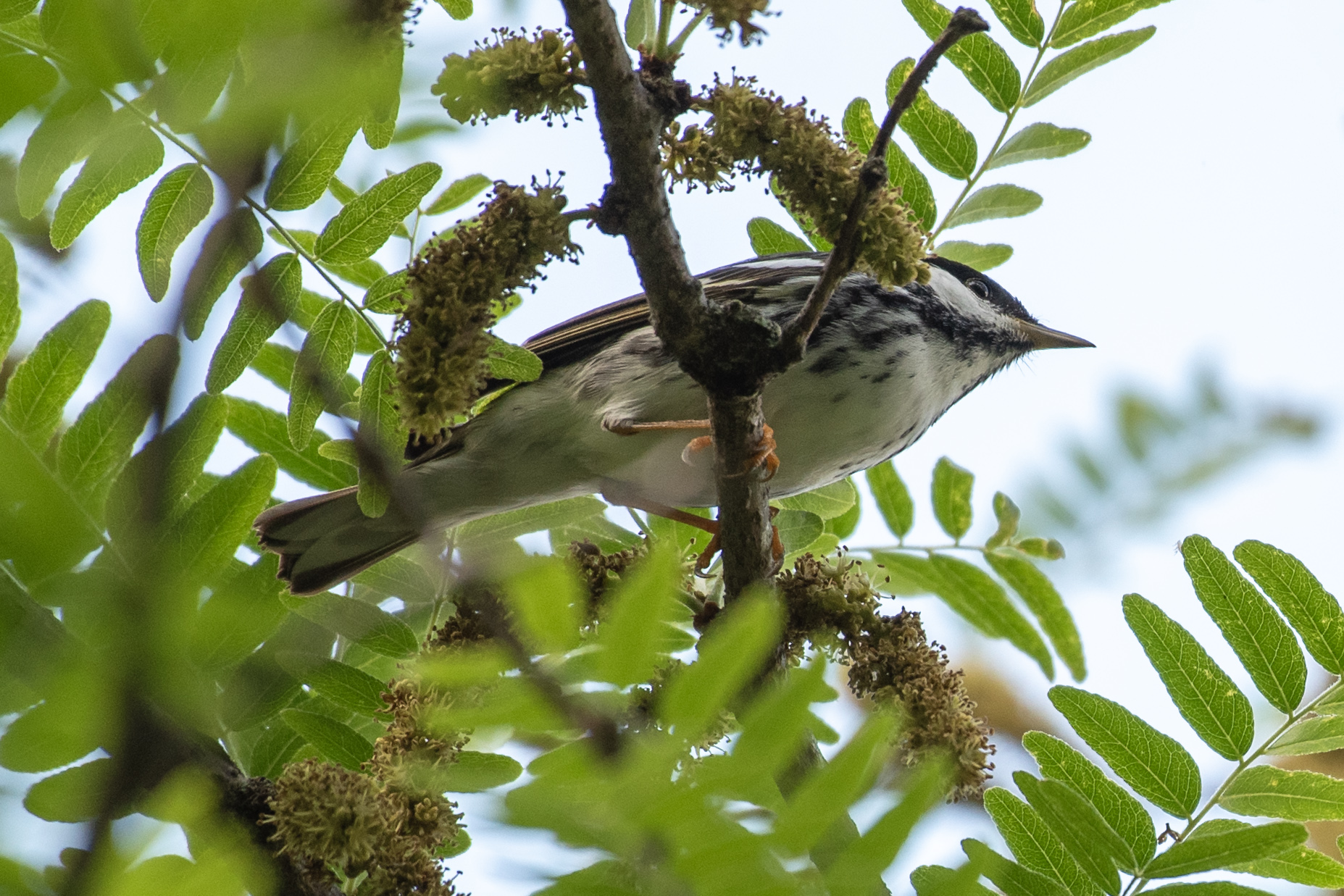
Blackpoll Warbler
.
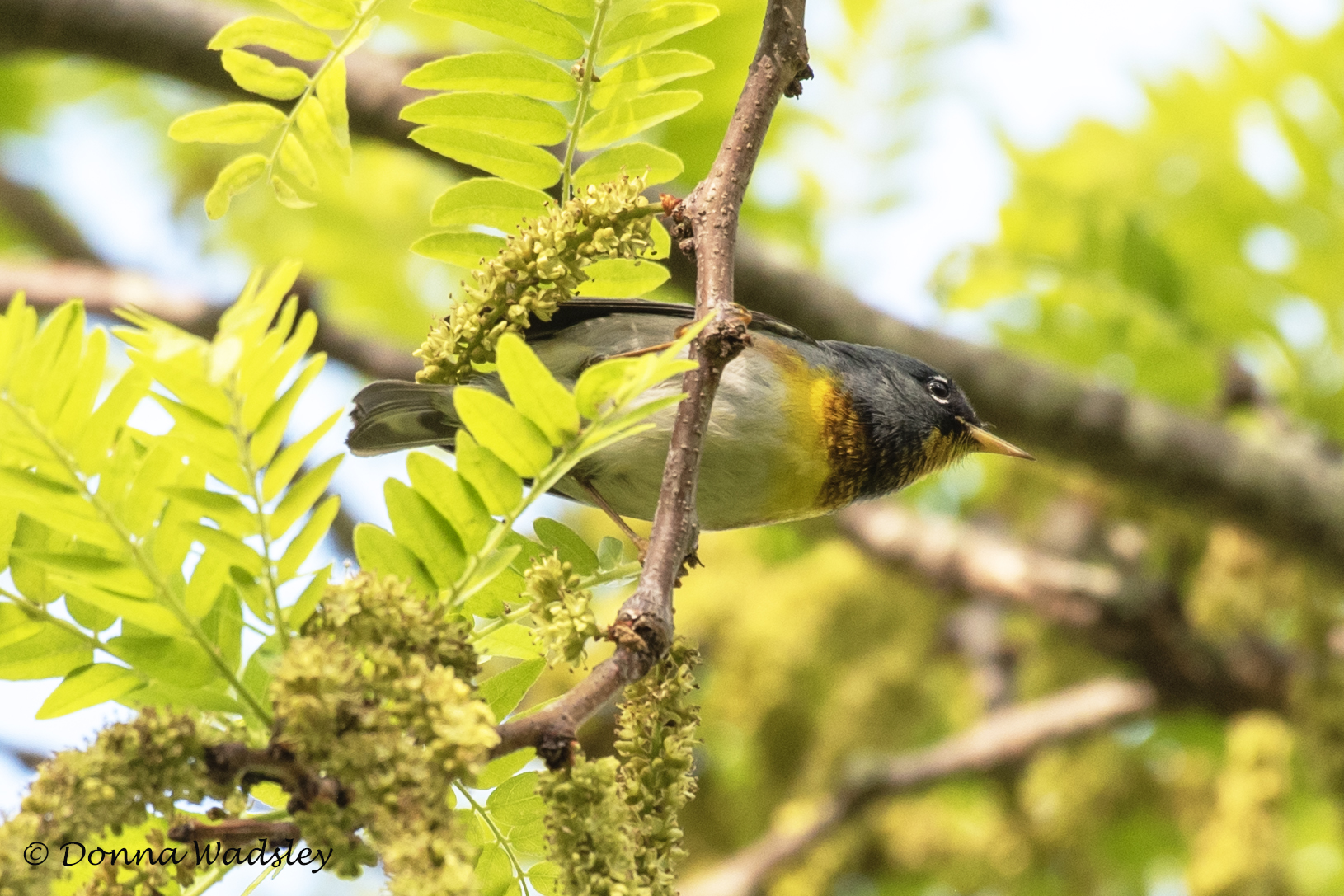
Northern Parula
.

Magnolia Warbler
.

Cape May Warbler
.
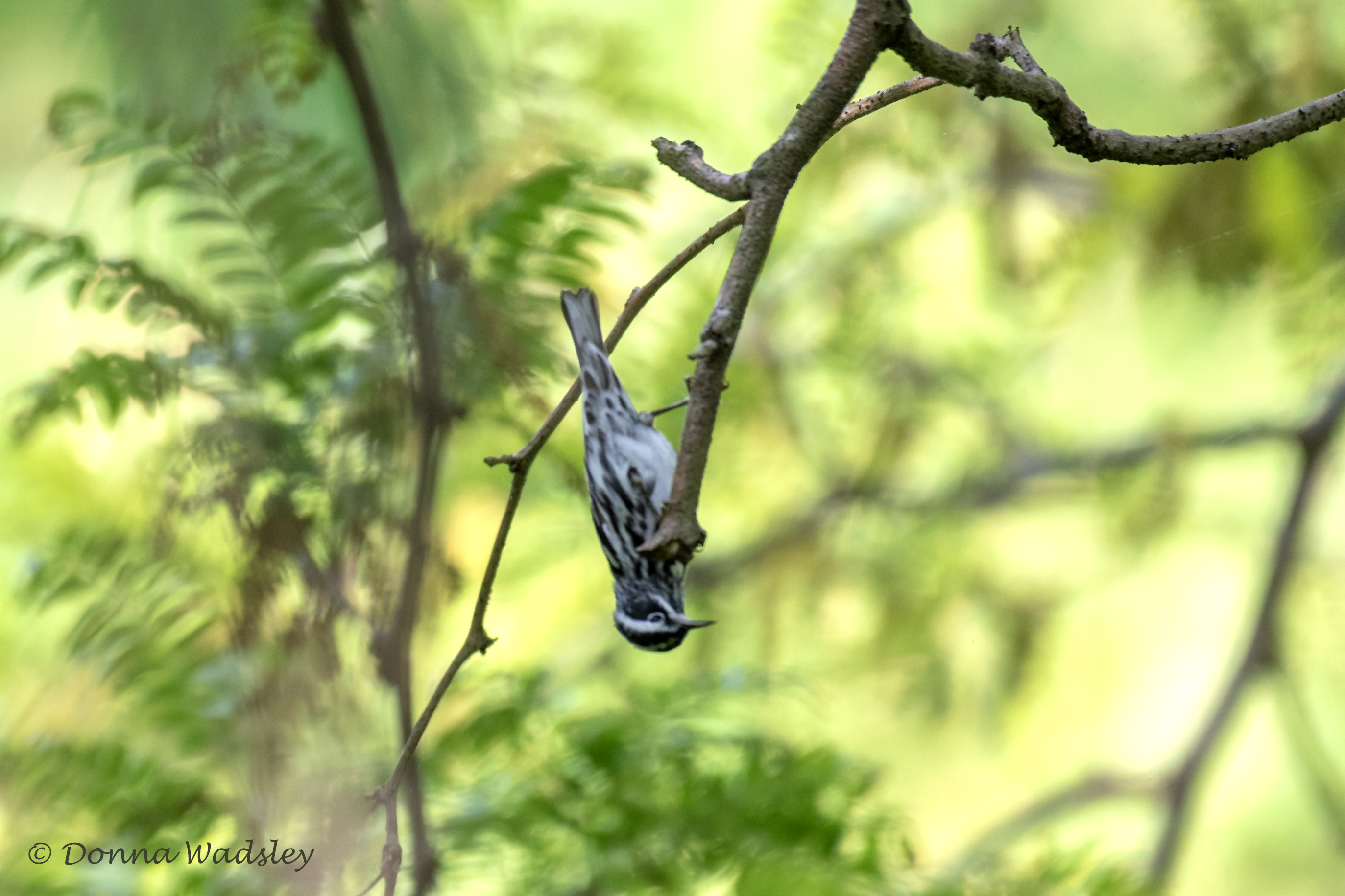
Black-and-white Warbler
.
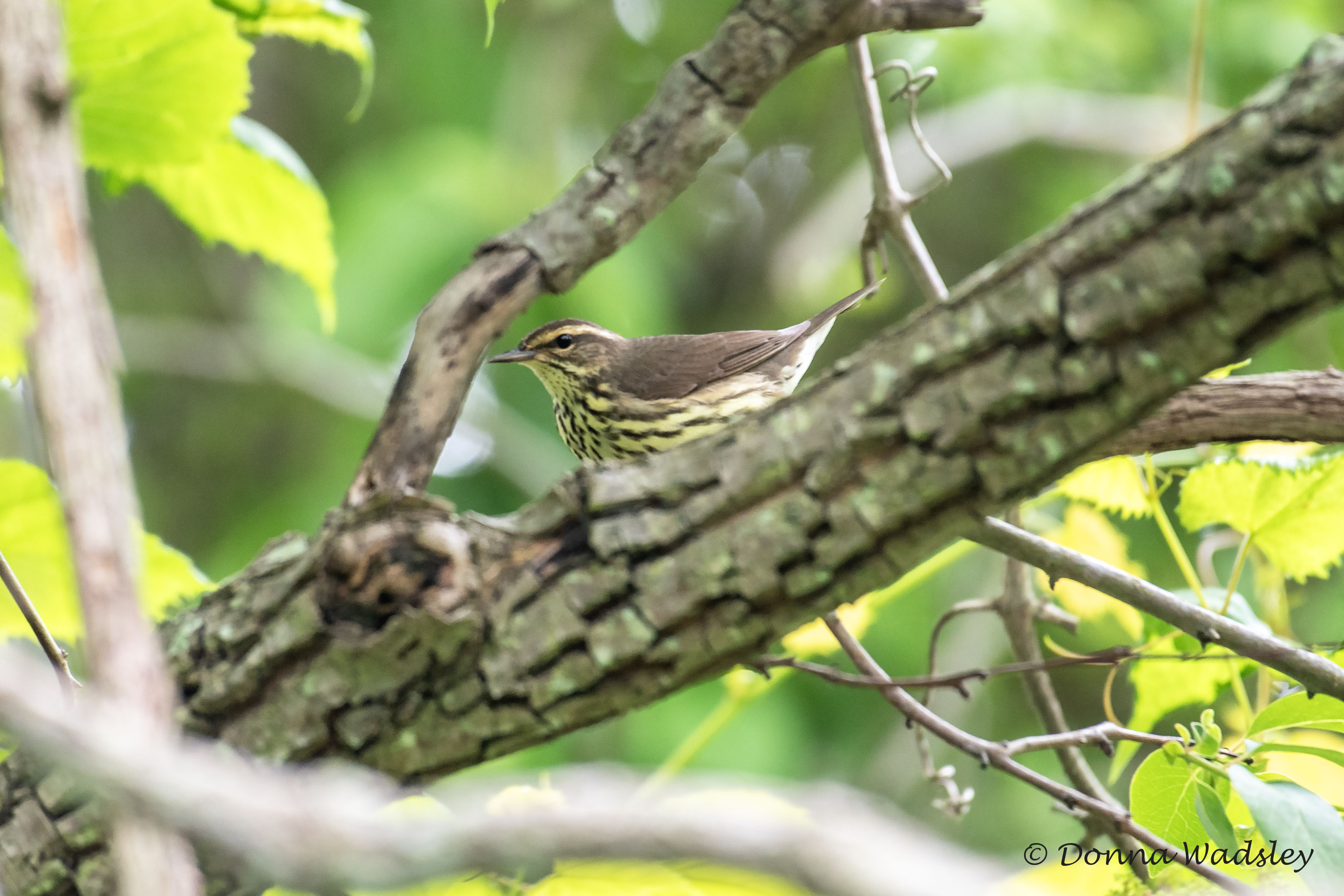
Northern Waterthrush
.

Black-throated Blue Warbler
.
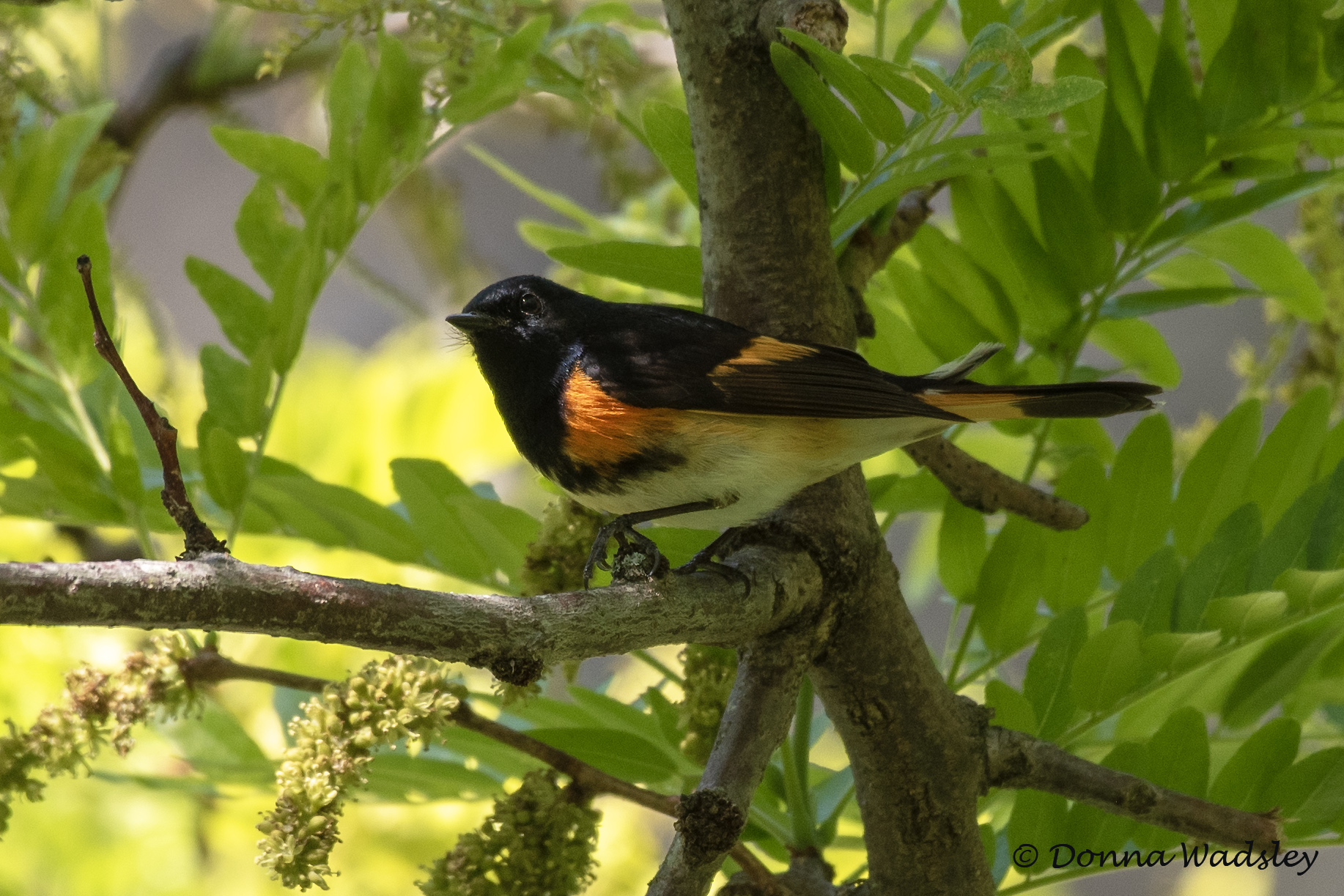
American Redstart (male)
.

American Redstart (female)
.

Pine Warbler
.

Prothonotary Warbler
.

Kentucky Warbler
(first time photographing woot!)
.

Hooded Warbler
(first time photographing woot!)
And that’s a wrap with those fleeting Spring warblers!
.
Foreman’s Branch Bird Observatory
For my “Oh Wow, Warblers” birding course, we had another field trip last week to Foreman’s Branch Bird Observatory in Chestertown, Maryland. Originally founded under the name Chino Farms Banding Station, Foreman’s Branch Bird Observatory (FBBO) has been in operation at its current location since 1998 and is a major migratory bird banding station. Researchers band more birds during migration here than at any other banding station in the country. The station has a rotating team of banders who monitor 92 nets spread over 55 acres each migration season.
FBBO has also forged a long-term relationship with nearby Washington College as a practical laboratory for students interested in field biology, restoration conservation, modern row-crop farming, and the ecological interface between upland Delmarva Peninsula and the Chesapeake Bay.
Here’s an impressive two-sided fact sheet for FBBO’s past 2024 fall migration numbers. At the end of the post, I’ll also share FBBO’s research with American Bird Conservancy and window collisions. Some cool stuff!

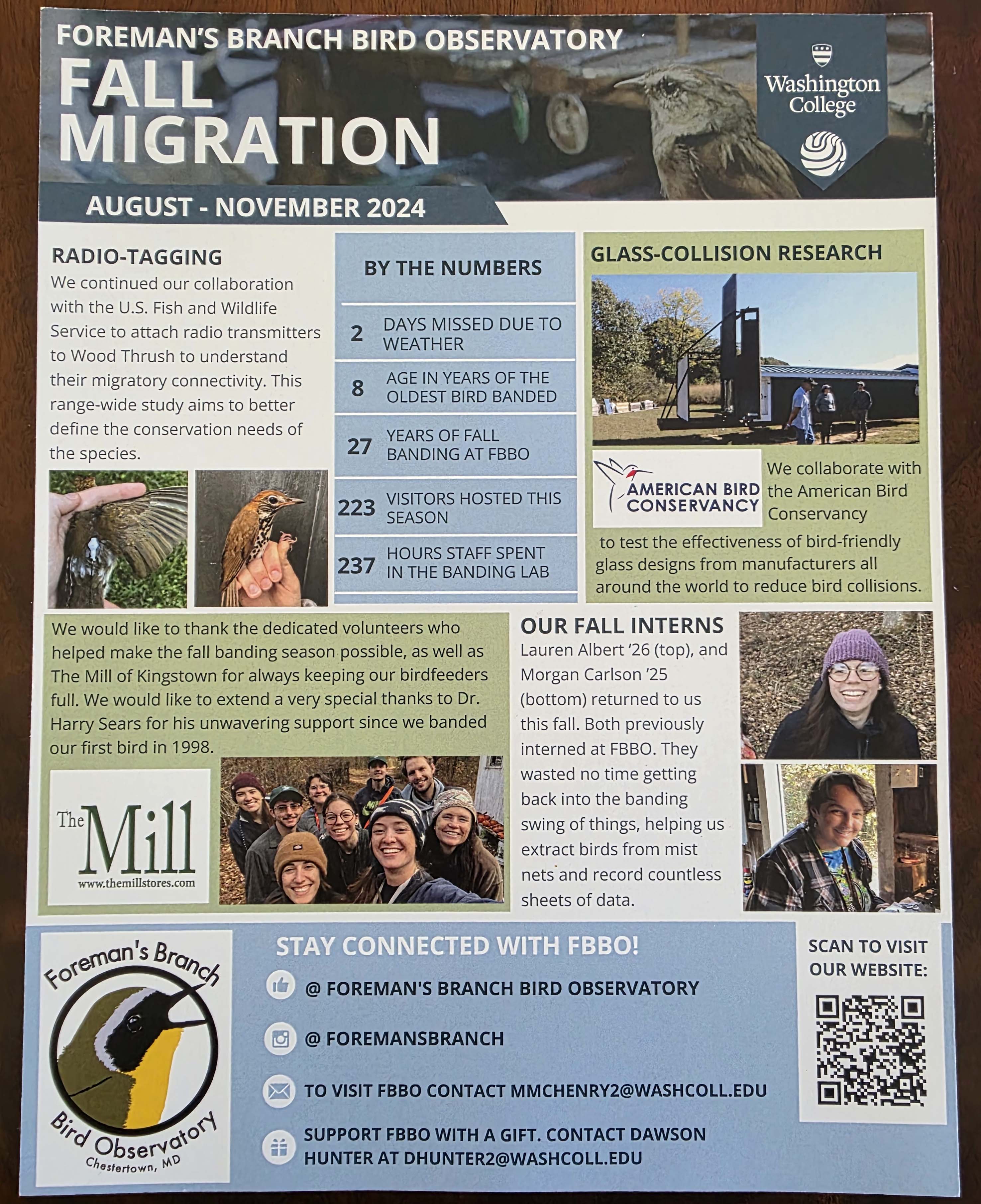
This was my second visit to FBBO, and it was just as enjoyable as the first a few years ago. Our area warbler surge seems to be behind a bit (still!), but the lack of warblers this visit did not deter us from having a wonderful time.
We walked numerous bird netting trails, finding them empty as staff bird collectors were ahead of us. The nets are carefully cleared every 40 minutes, putting each bird in it’s own bag, then returning to the banding hut for measurements, fat content rating, age if juvenile/first year, and then receiving it’s band, or record its numbers if already banded.


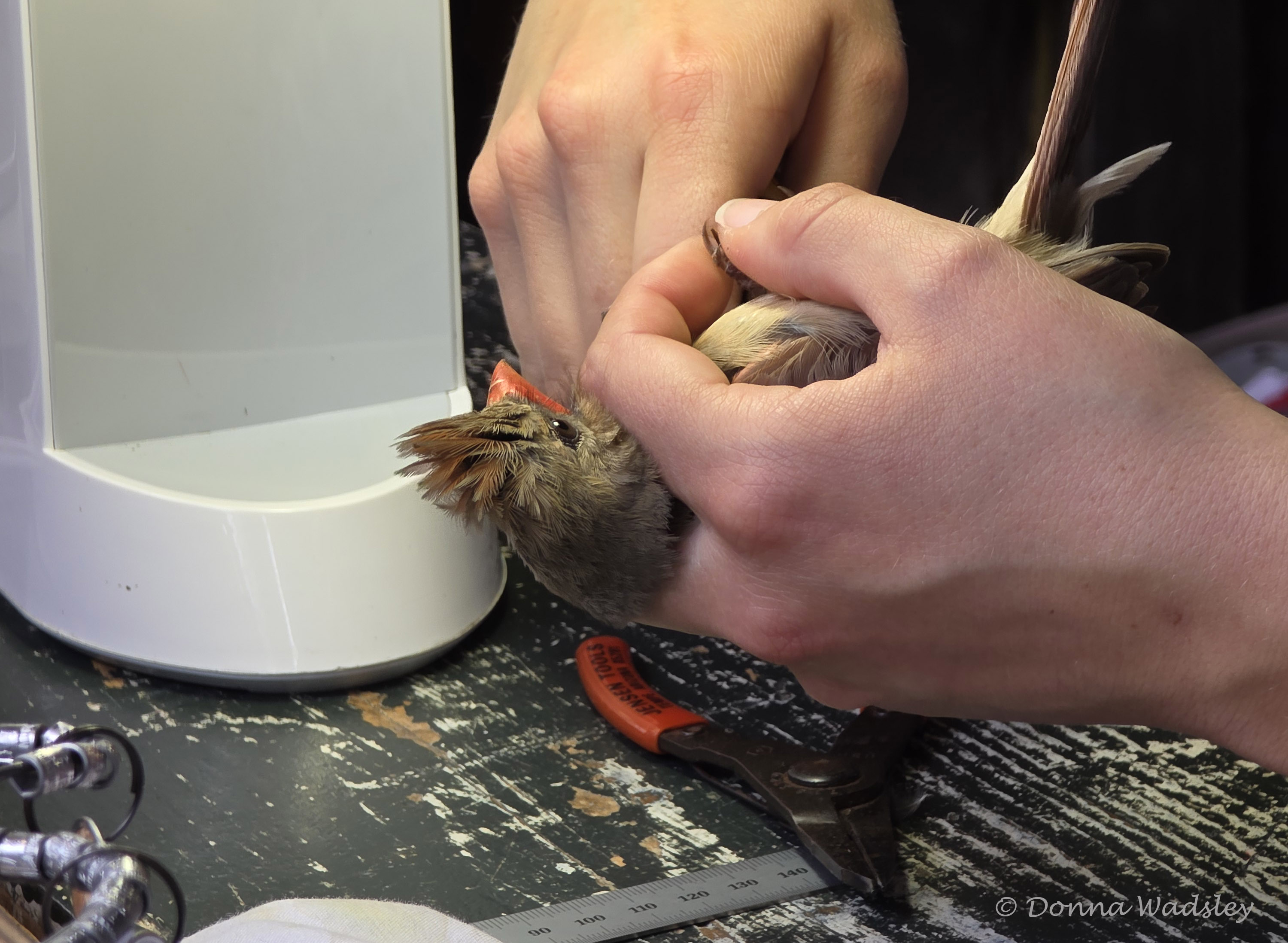
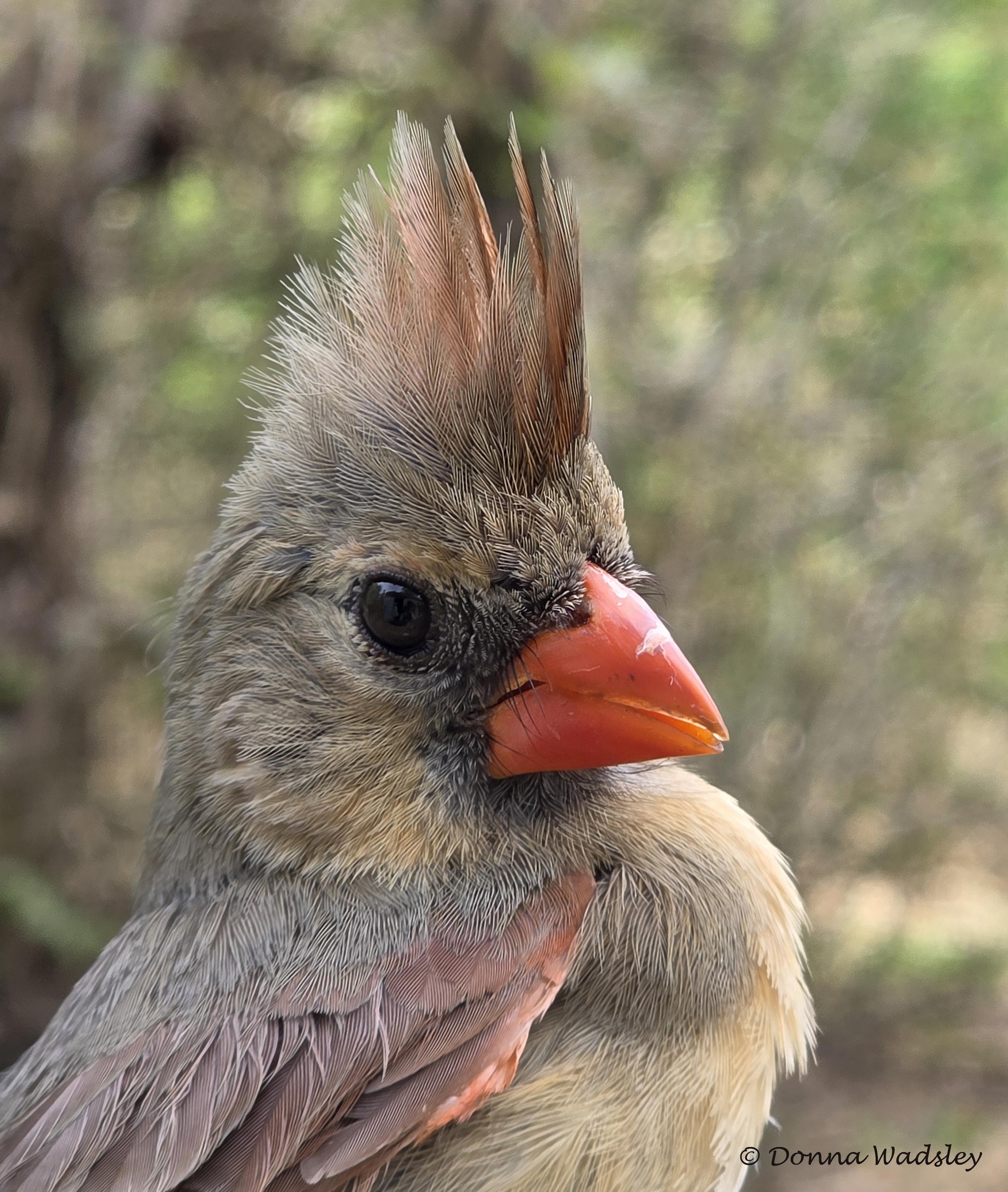
A female Northern Cardinal getting banded, followed by two photos just before releasement

A few more birds that were banded and released.
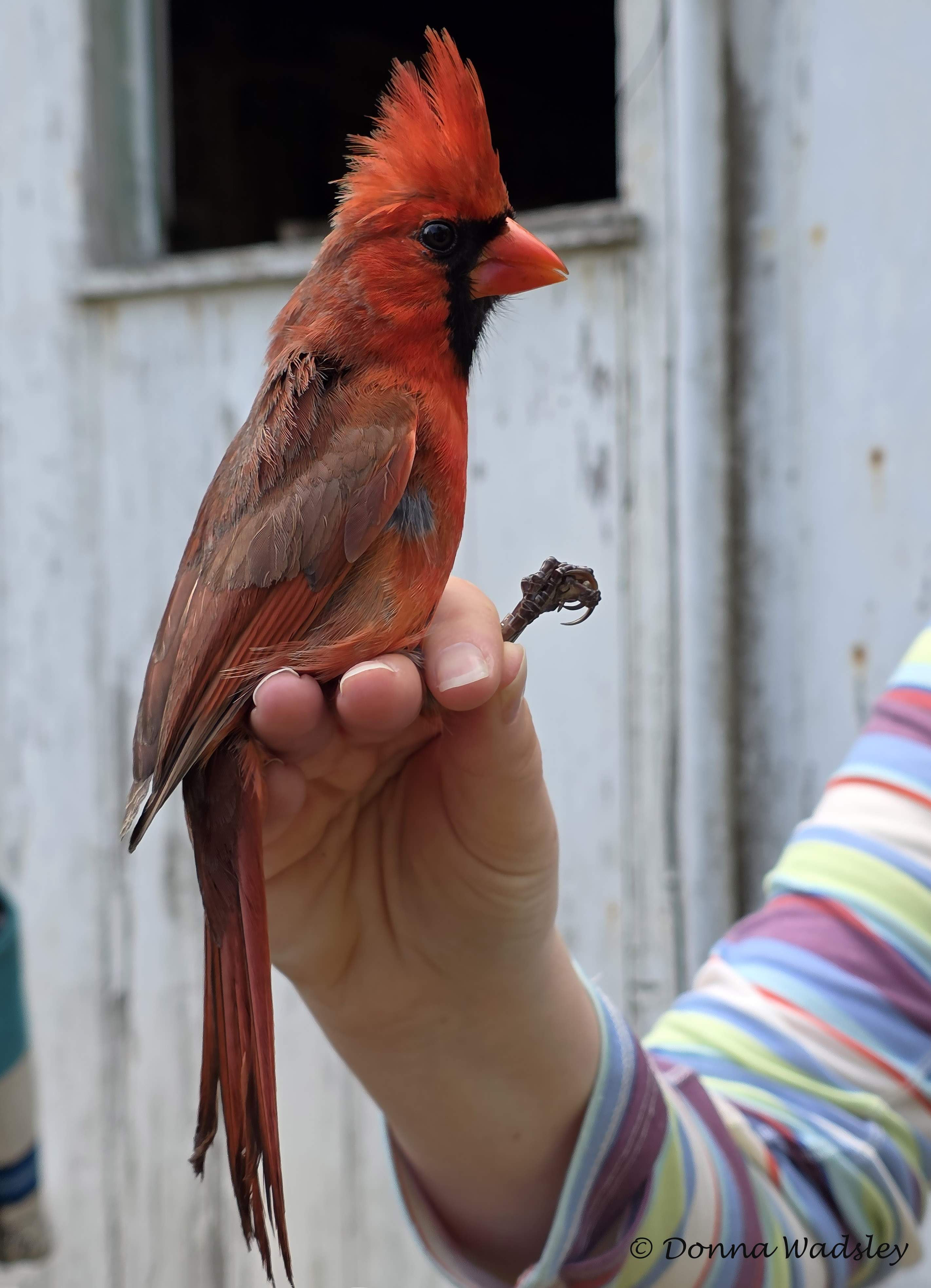
Northern Cardinal (male) which actually sang beautifully to us while being held 😊
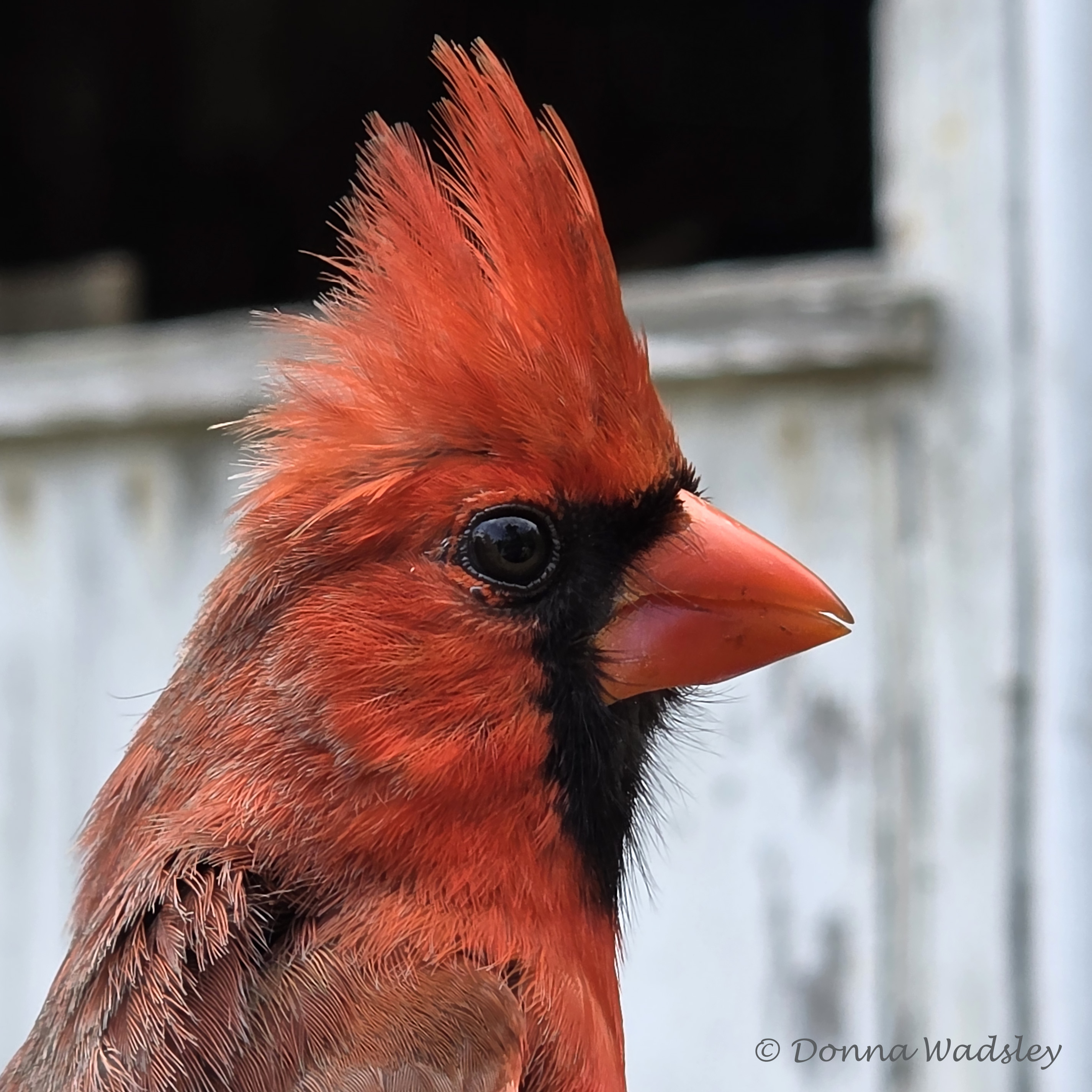
After I took the above two photos, the FBBO leader was bitten by the cardinal hard enough to draw blood, ouch! Cardinals are the worse for severe bites during banding. Their bite is so strong, Cardinals require steel bands, as they can snap an aluminum band right off their leg.

Gray Catbird
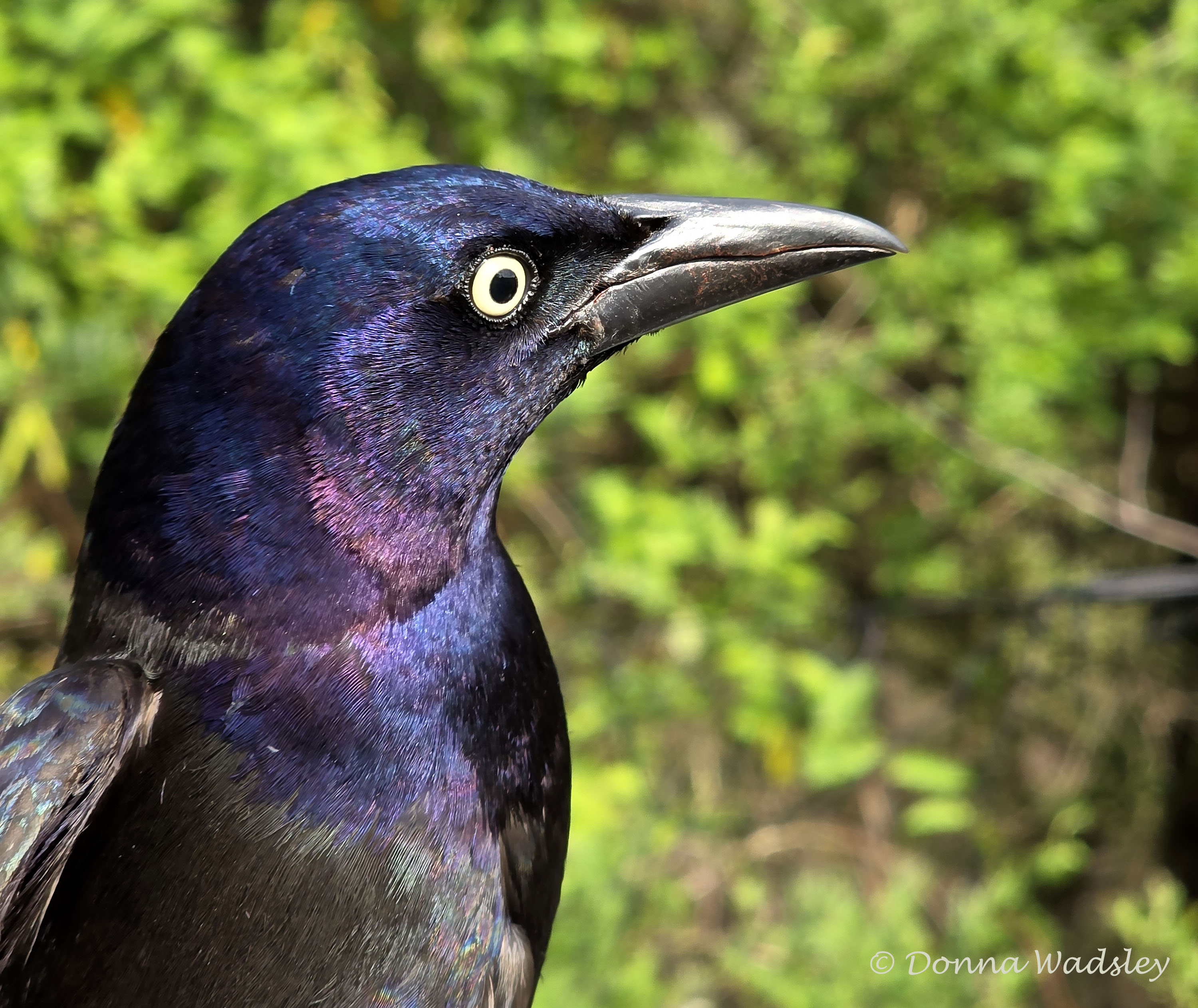
Common Grackle

Red-winged Blackbird (male)

Hermit Thrush

Ovenbird (yay, a warbler!)
Out on our walks, there were at least a dozen Common Yellowthroats (also a warbler) singing their hearts out in the marsh and scrubs.

Common Yellowthroat (male)
And two shorebirds on Foreman’s Branch’s muddy flats.
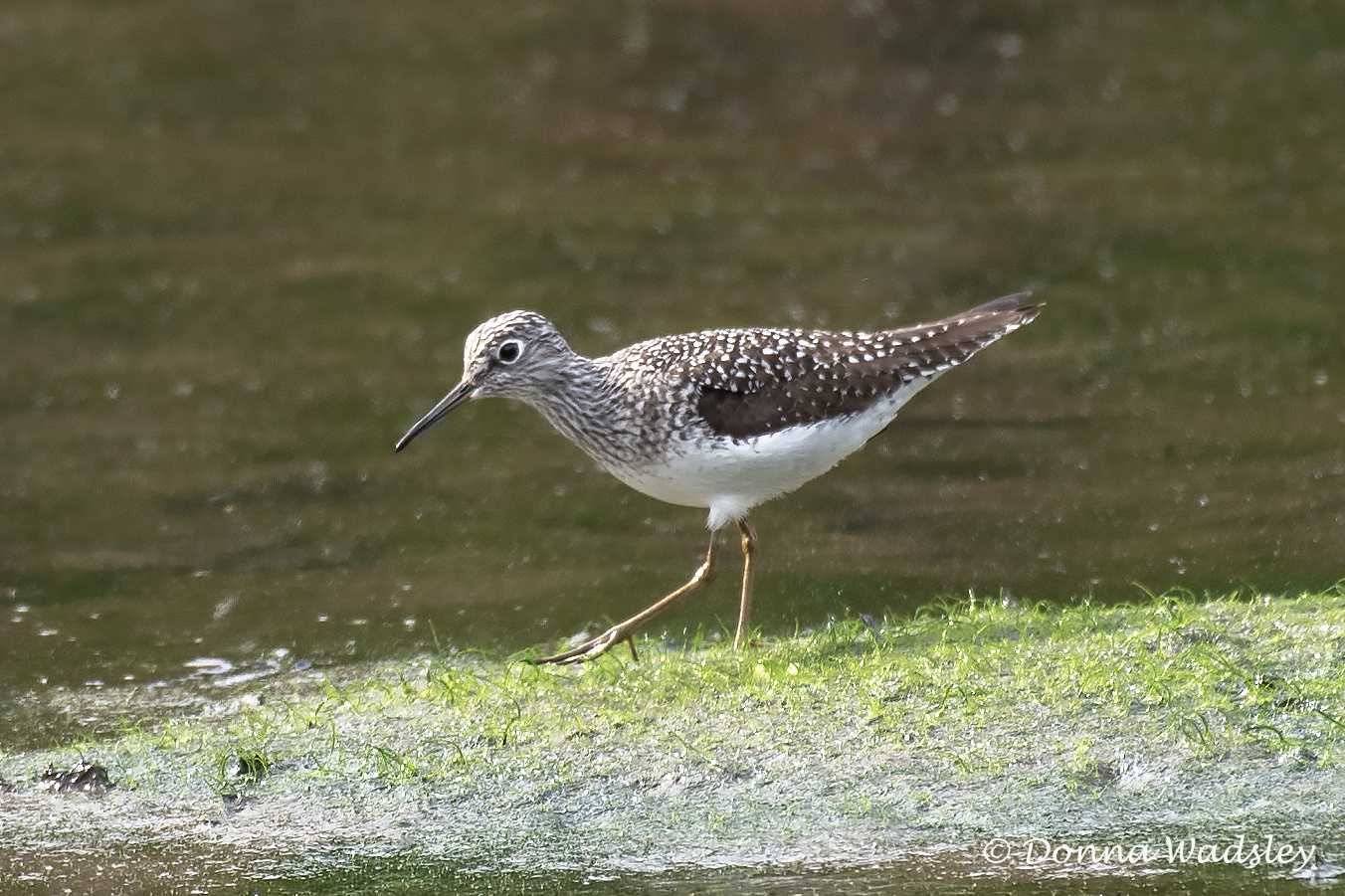
Solitary Sandpiper

Greater Yellowlegs

Foreman’s Branch
And finally, info and photos of the glass collision testing tunnel and research being performed by FBBO for American Bird Conservancy (ABC).
Windows are among the deadliest threats that migratory birds meet on their journeys, killing up to a billion in the U.S. alone each year. Birds perceive reflections in a glass surface as reality, and when they fly toward a reflected tree or open sky, their mistake is often deadly.
In 2010, ABC began testing and rating glass and other materials to deter bird collisions with their first tunnel, presently in Pittsburgh, Pennsylvania.
In March 2022, ABC joined forces with FBBO and Washington College to double its capacity to meet the demands of glass coming from all over the world to be tested.
This testing was absolutely fascinating to see again. In each trial, a just caught and banded bird is released into one end of the 24-foot-long tunnel with video recording the entire flight trial. The bird flies toward the light and ‘blue sky’ at the other end, where two different panes of glass — a test pane and a clear glass pane — present a choice.

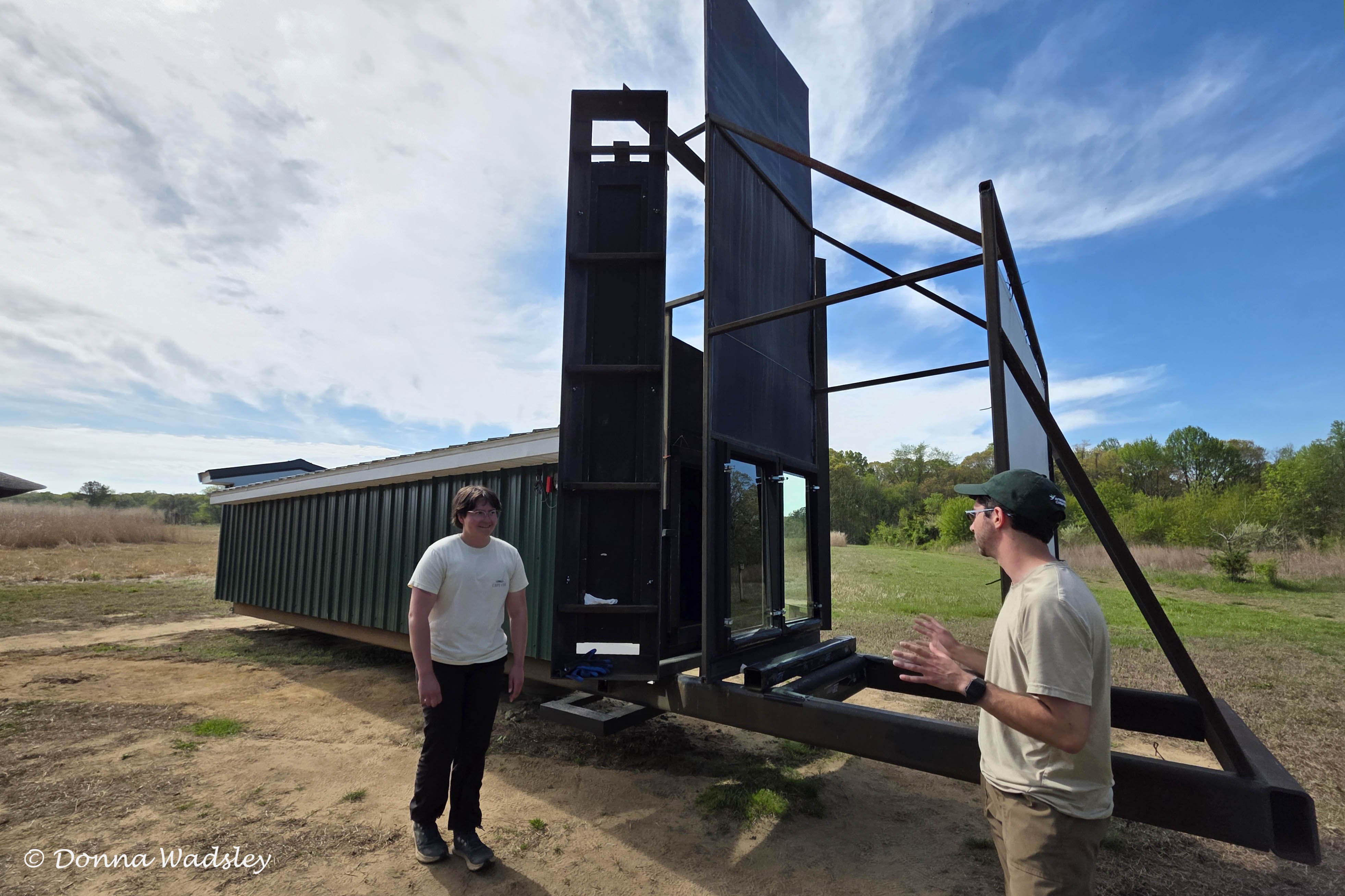

It is difficult to tell in the above photo, but there is a soft mist net within the trailer well before the window panes to stop the bird safely from hitting the glass.
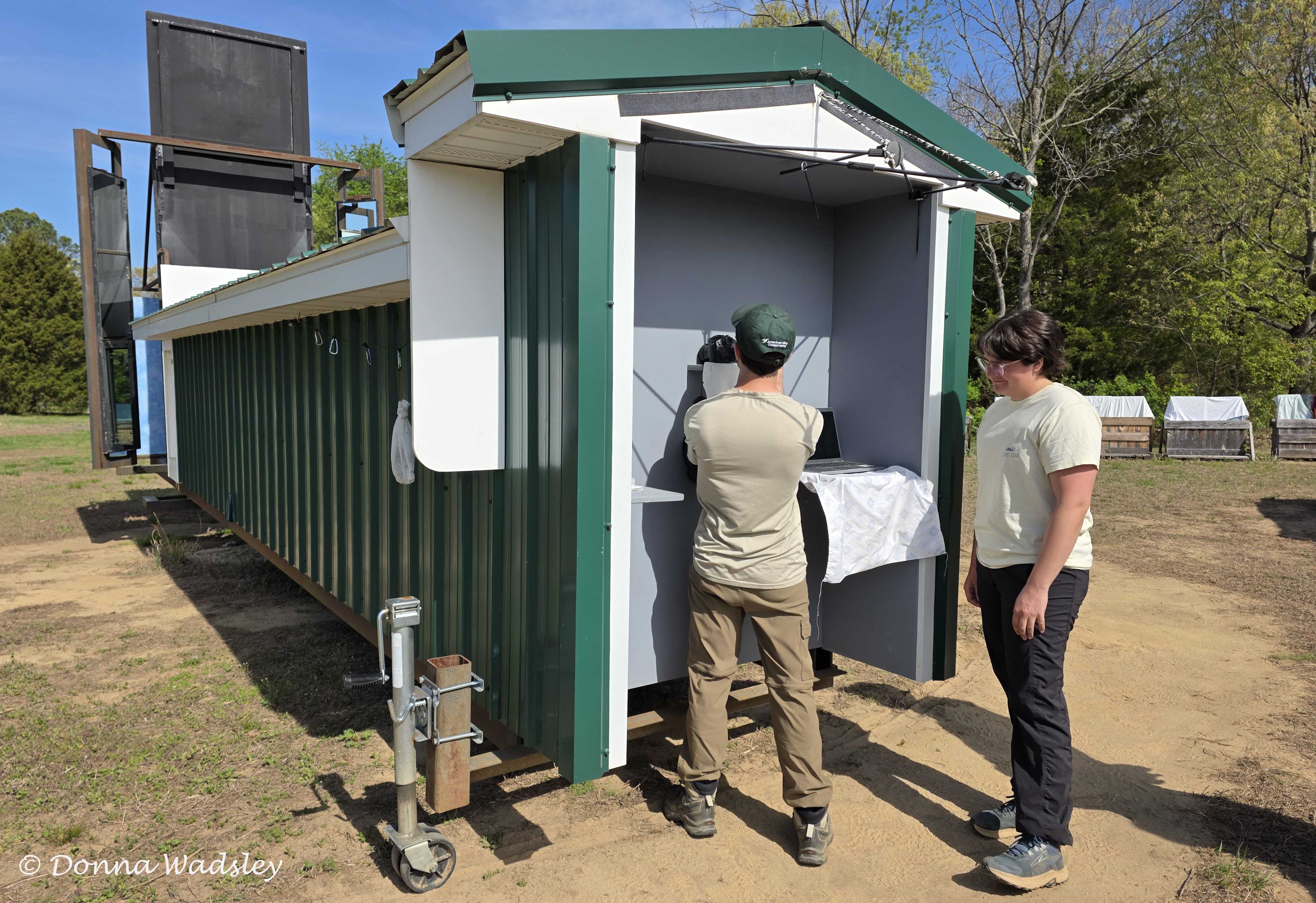
Start of a trial above, releasing a bird into the dark tunnel
The tunnel is on a rotating base and is moved often throughout the day to capture the natural sky’s light into the long mirror on each side at the end of the tunnel to mimic lighting effects on the windows.
By studying the birds’ flight paths done by FBBO, ABC is able to assign the glass a Material Threat Factor score based on how many times birds fly toward the test pane; avoidance of the pane indicates that the birds can see and do avoid the glass. Each pane of glass is tested with 80 bird flight trials.
Important note: Tested birds safely bounce off a mist net before reaching the glass, ensuring that no birds are harmed during testing. After a single test flight, each bird is released back into the wild.
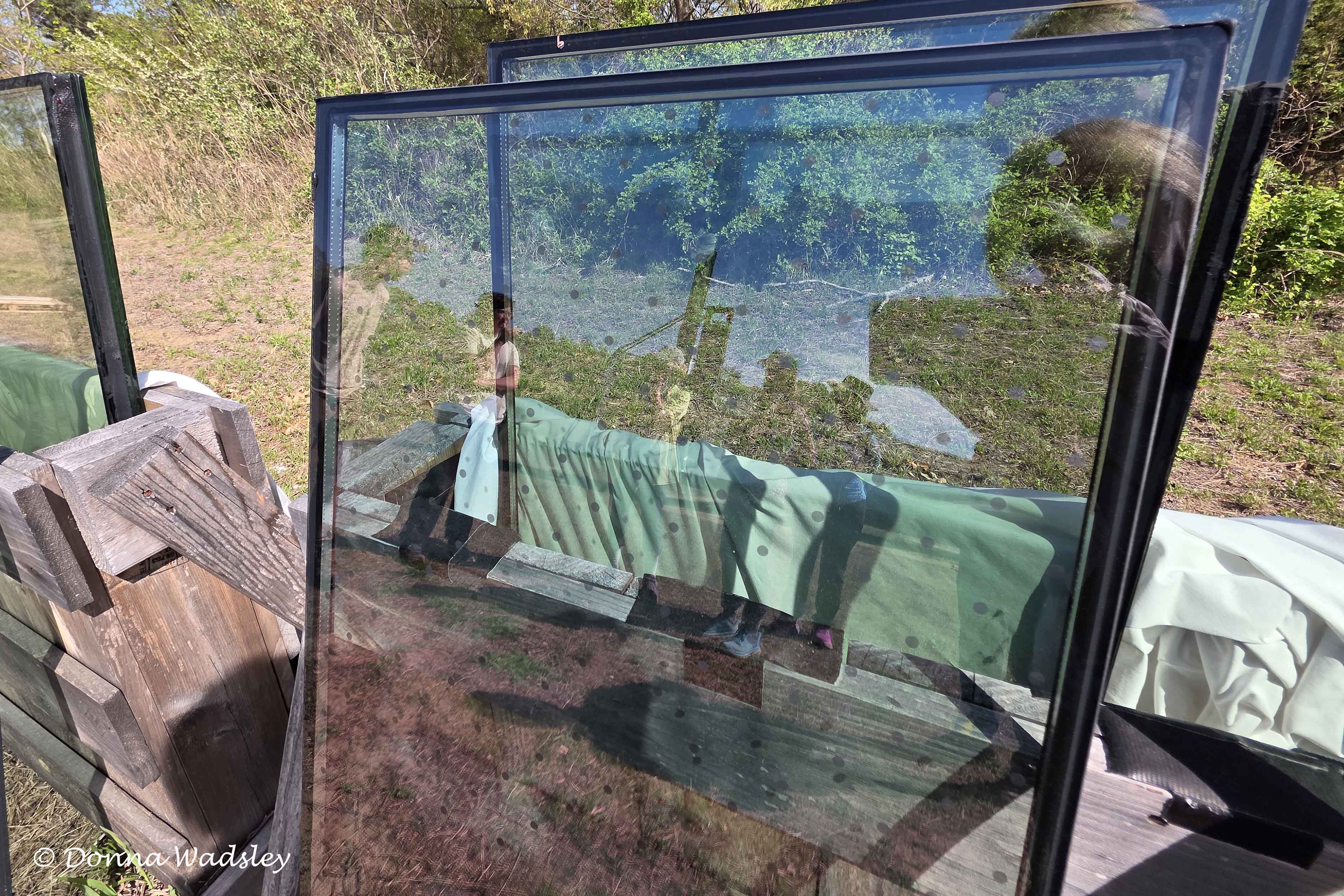
I’m hoping you can see a ‘dot’ pattern etched into the above ultraviolet glass pane, a hopeful deterrent to birds that appear to ‘see’ the dots (or some with stripes) and avoid them consistently.

All types of glass is delivered from all over the world for testing
Back to banded birds with a final thought. Encounters with banded birds occur either through trapping a live bird by another banding operation, possibly from a photo, or most often, a recovered band from a dead bird. If you happen to find a bird with a band on it, be sure to report it to Report Band at this link. (reportband.gov) I’ve reported three bands from bird photos I’ve taken, I did not have all the numbers on any, and still two were able to be identified. You even receive a personal certificate with all the known banding details of your banded bird.
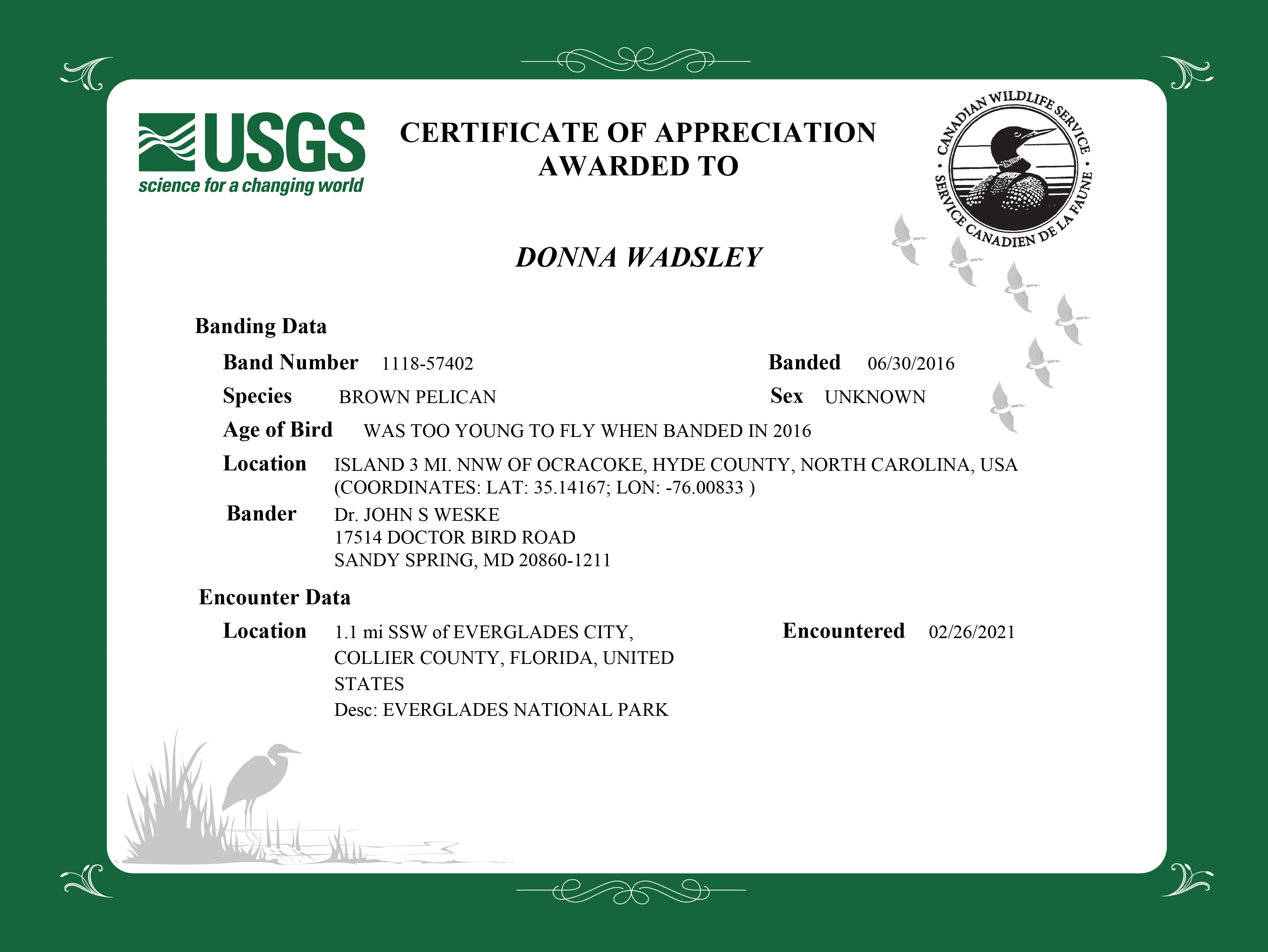
So our trip was a bust for warblers but we did log in 38 bird species, so not too shabby! I hope you enjoyed the fascinating info that I thought was pretty cool to share. And thank you for making it to the end of this long post! 🤗
.
Happy Earth Day 2025
Earth’s survival, our priority.

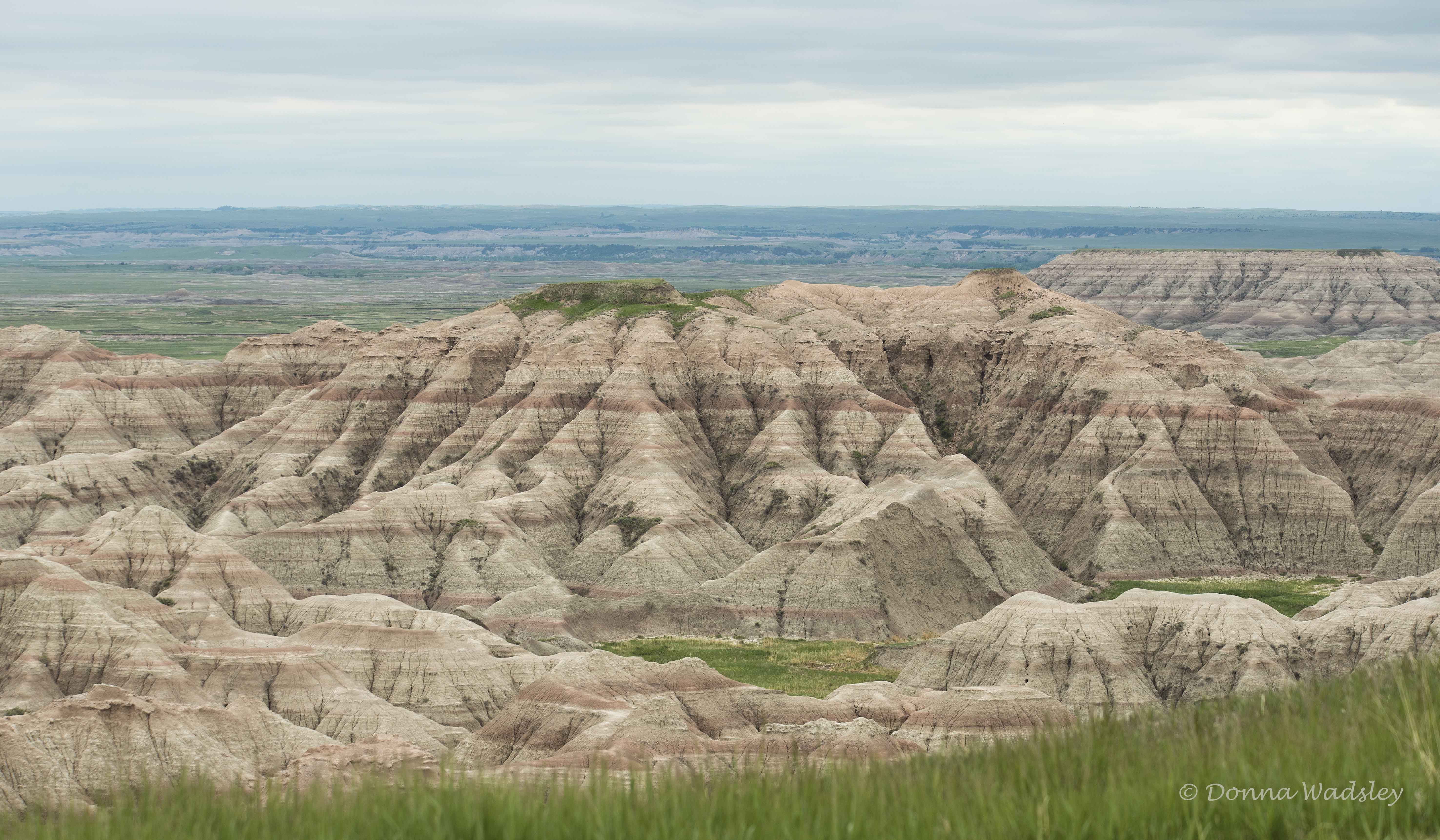
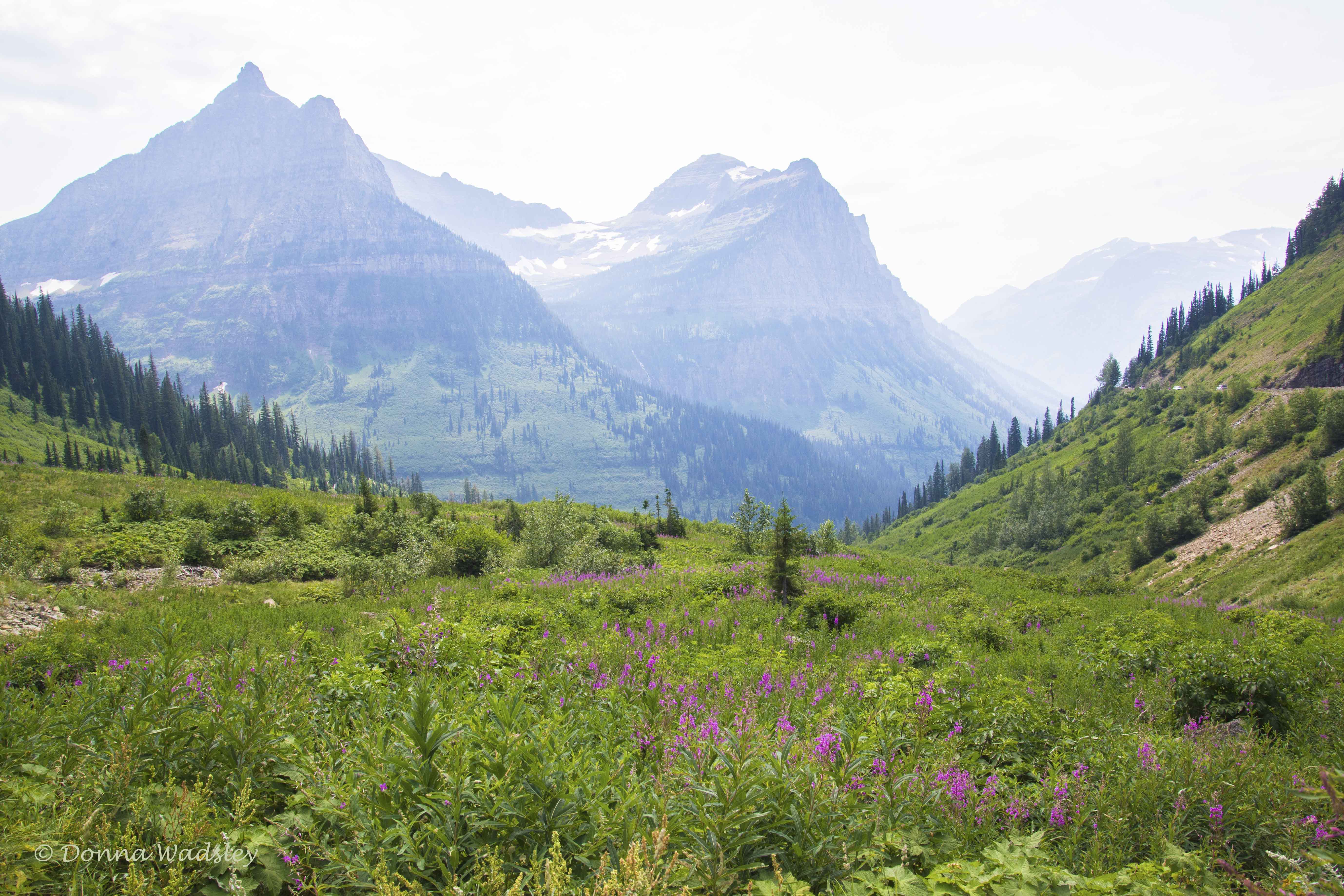

It’s too beautiful to ignore!
.
Oh Wow, Warblers!
I’m taking a warbler course to brush up on my ID skills, and we took our first field trip a week ago.
About two hours south of me in Maryland is an area known to birders as Bear Swamp. No, there are no bears! But it is a beautiful, ancient swamp and known to be one of the first areas on the eastern shore where the earliest warblers arrive.
Our quest was to find eight warblers. I found and photographed them all, along with one other exciting species I shared at the end.
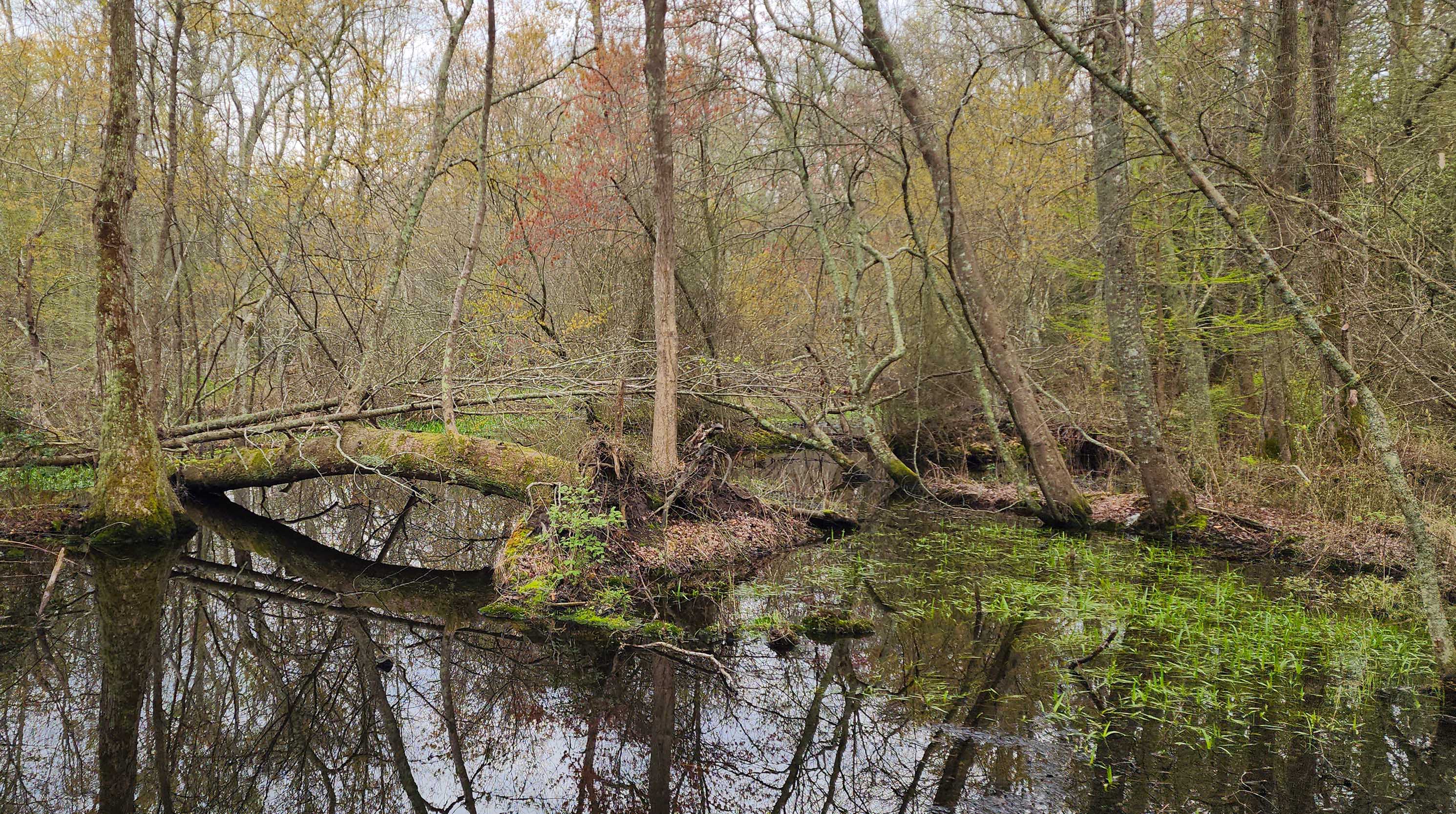
I’ll start with a scene setting with a welcoming song!
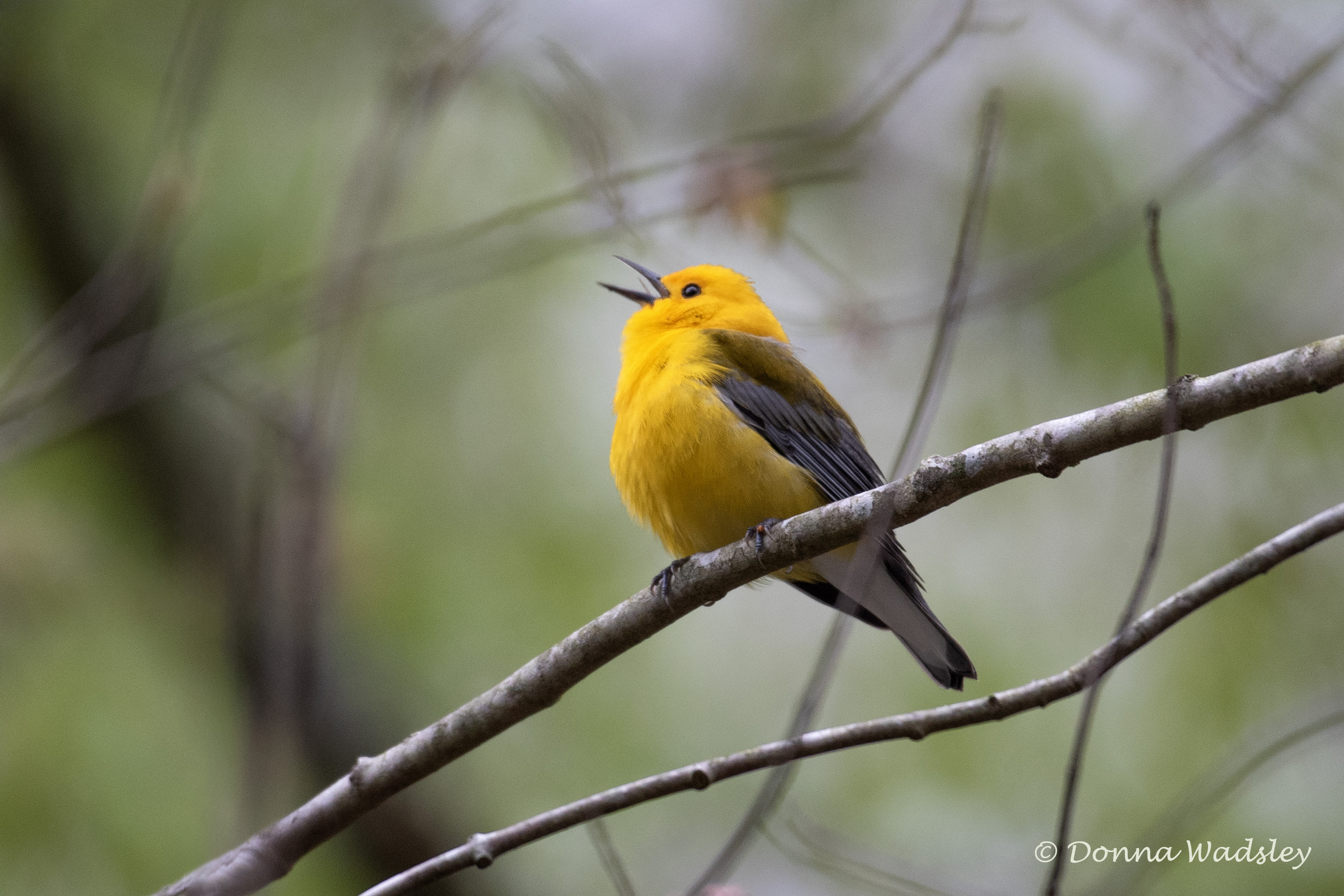
Prothonotary Warbler

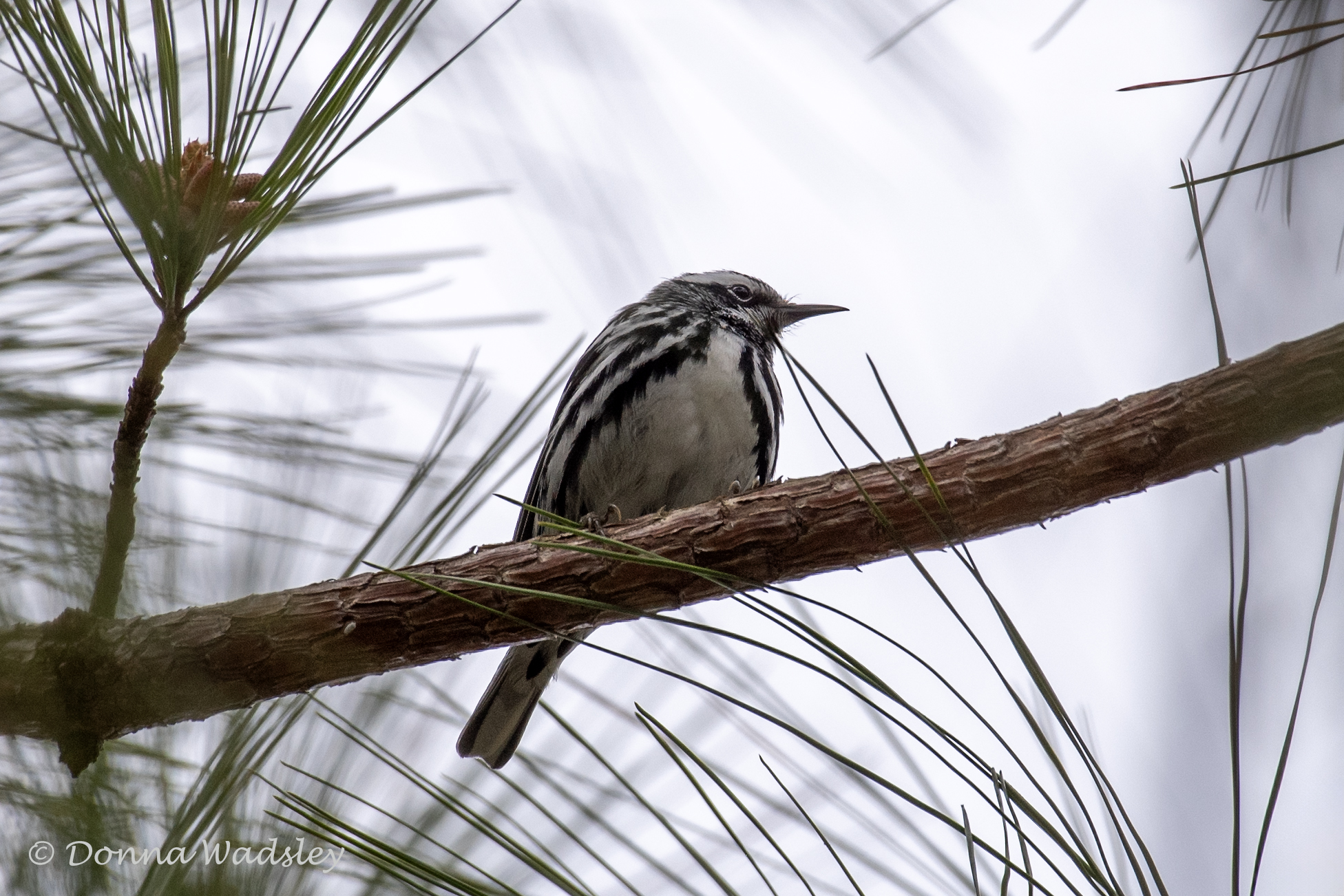
Black-and-white Warbler

Yellow-throated Warbler
Prairie Warbler

American Redstart

Common Yellowthroat
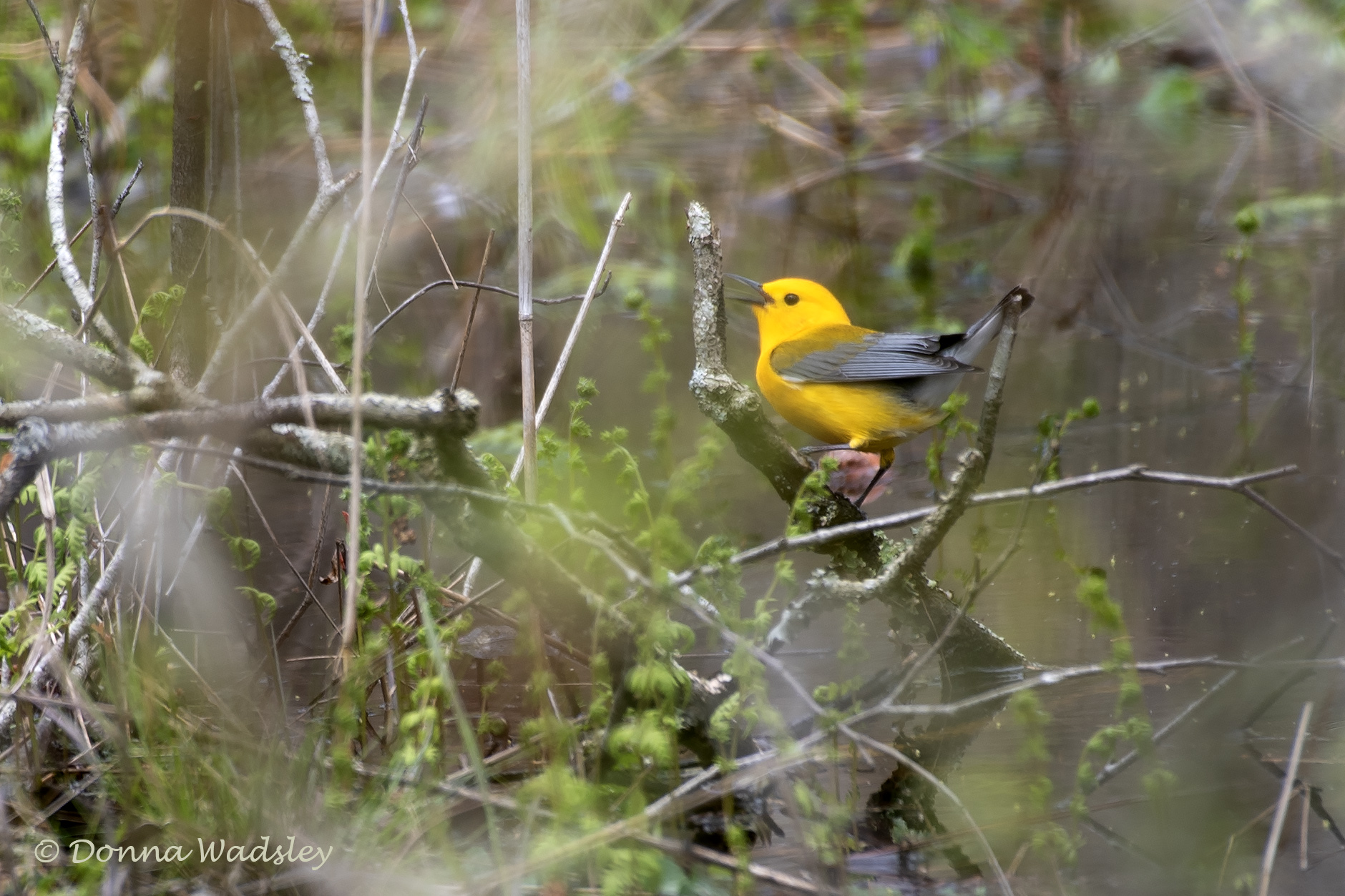
Prothonotary Warbler
Ovenbird

Louisiana Waterthrush
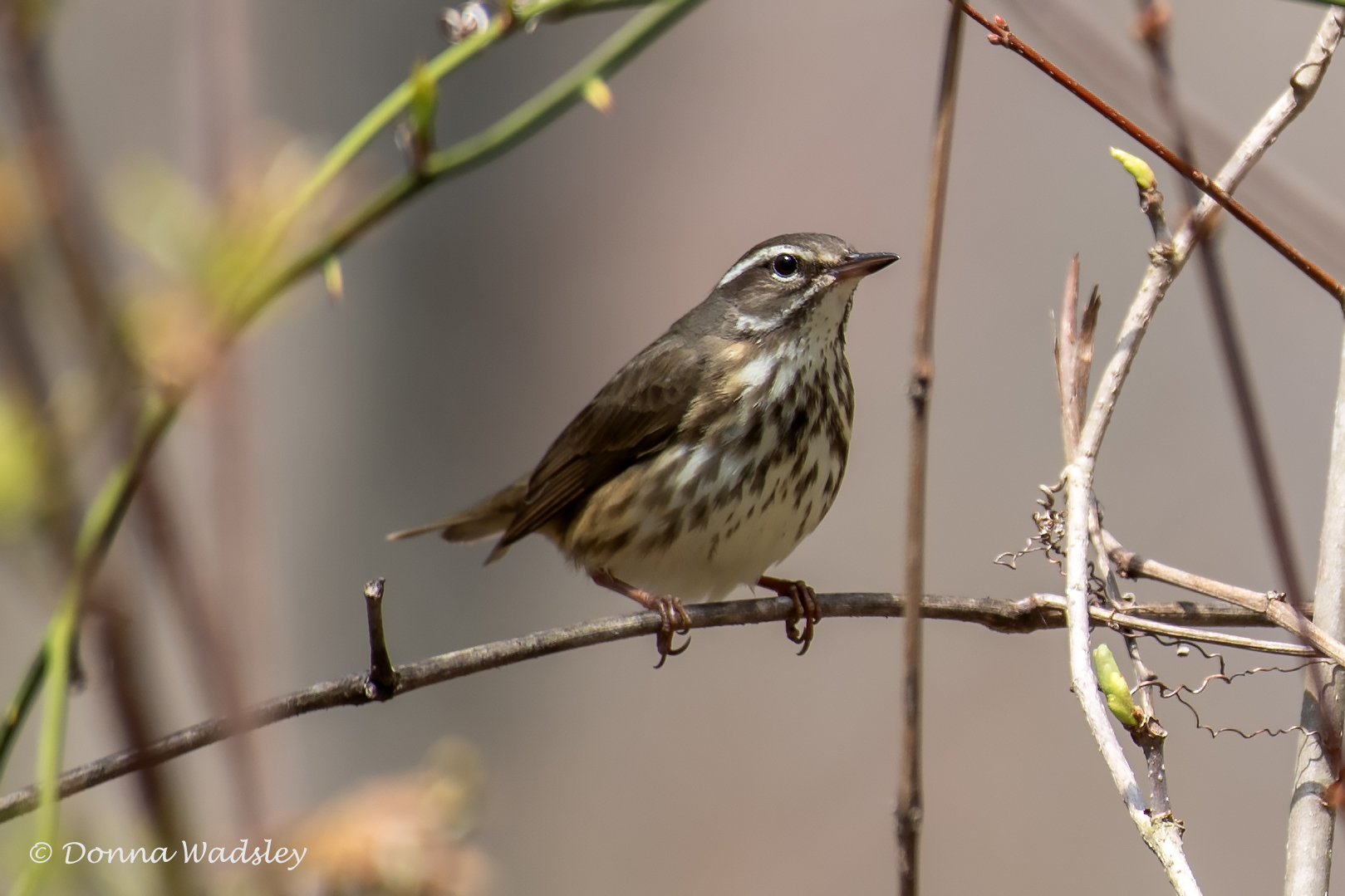

American Redstart


Prothonotary Warbler
I couldn’t help myself with those Prothonotary extras! 😉
Although this was a Warbler birding trip, we had a fabulous encounter with a Barred Owl, my first-ever photos of one, so I gotta share it!

Barred Owl


It was truly a Oh Wow, Warblers day! I’m excited like a kid in school for the next five field trips already. 🙂
.
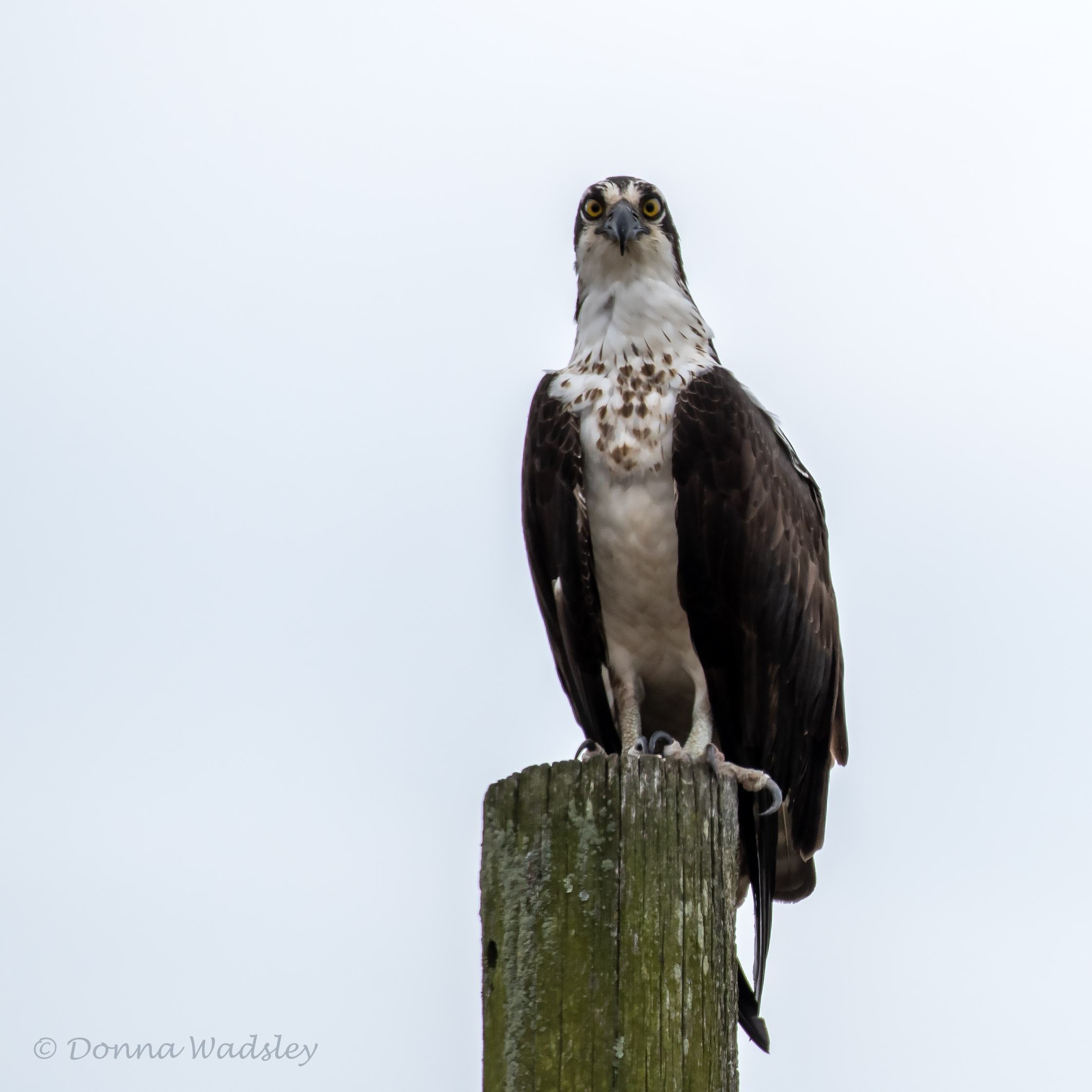
Osprey, Osprey Everywhere
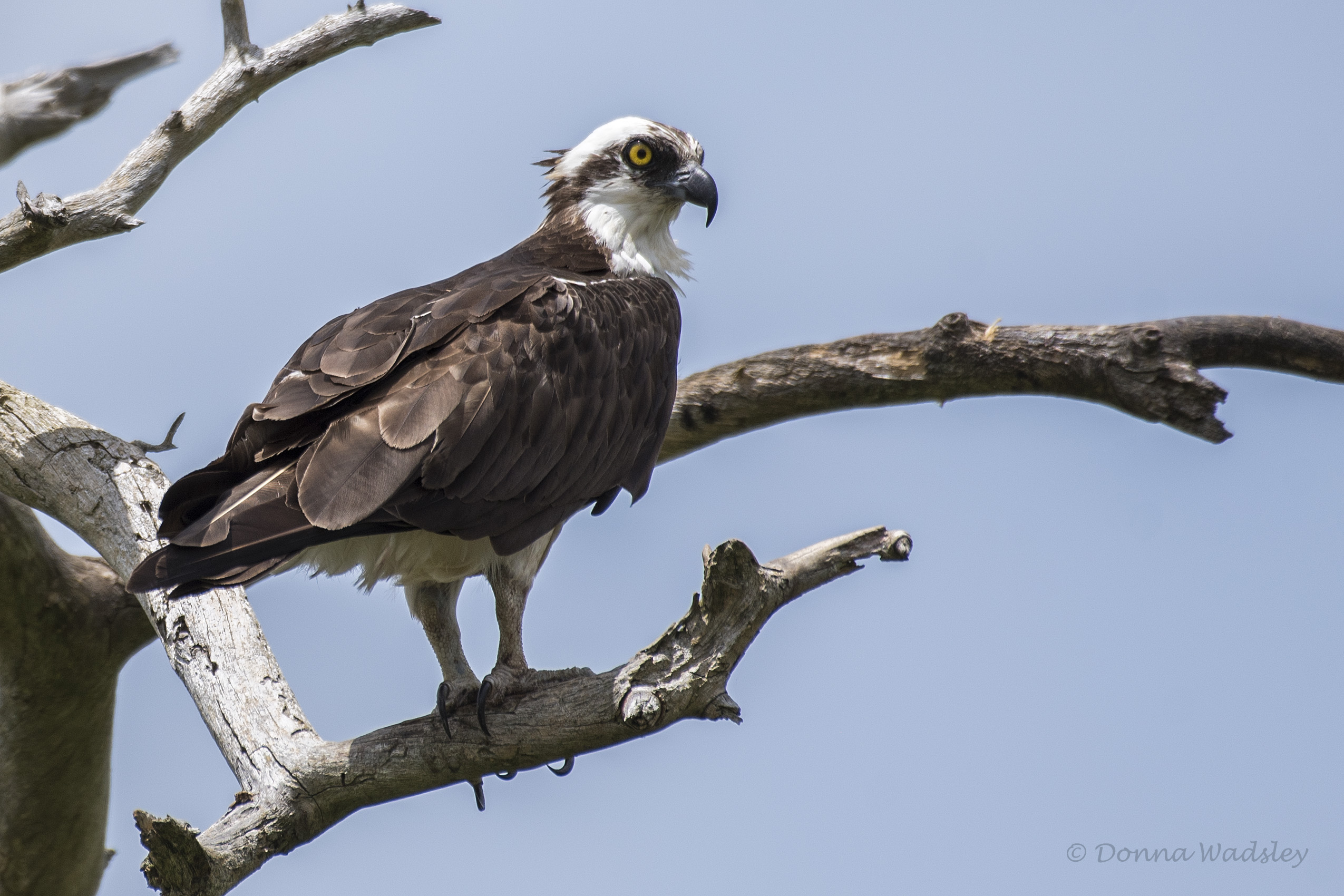
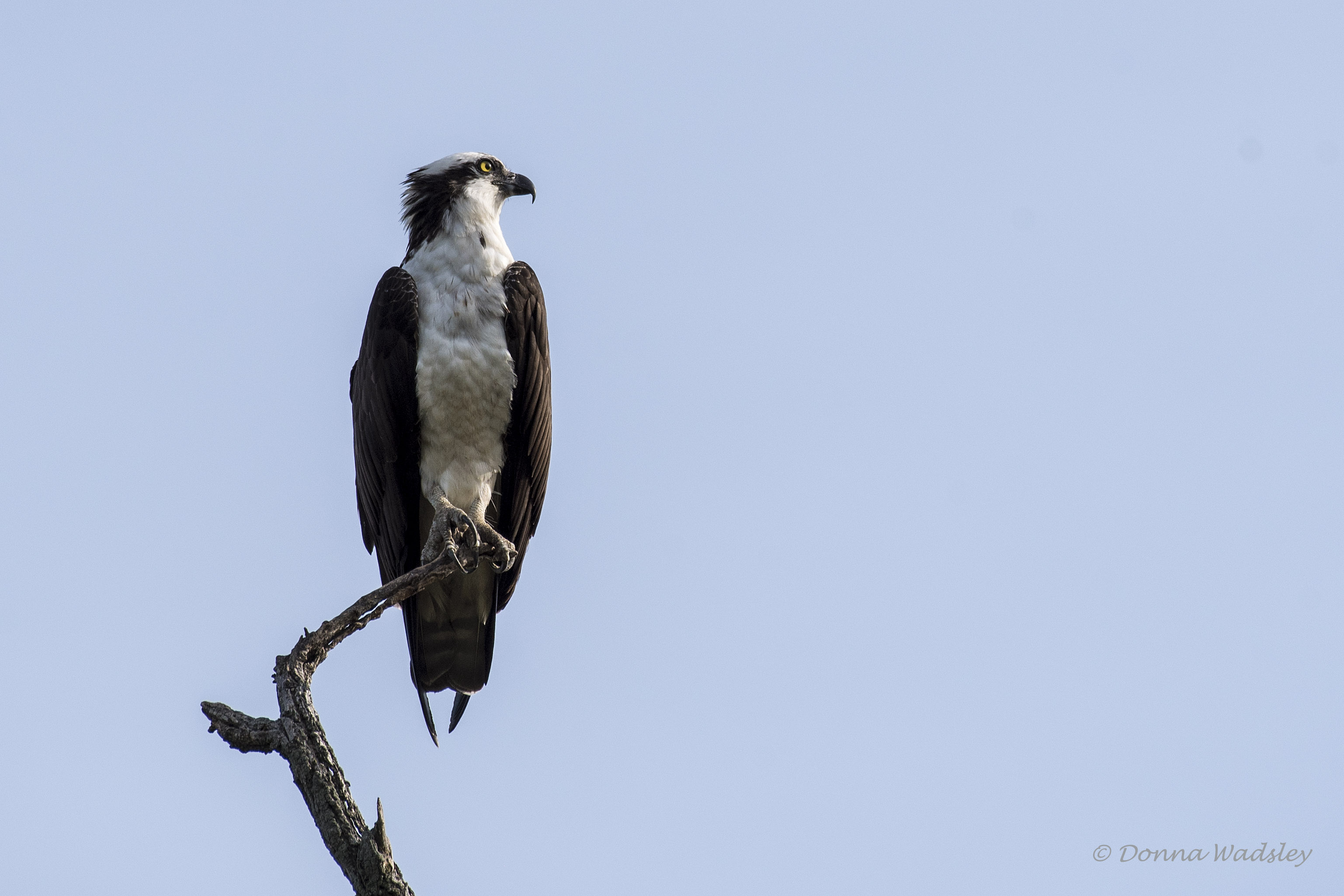
“It’s the ultimate harbinger of spring on the Chesapeake Bay; the chirping call of Ospreys, returning to their nests from winter vacations in Central and South America.”
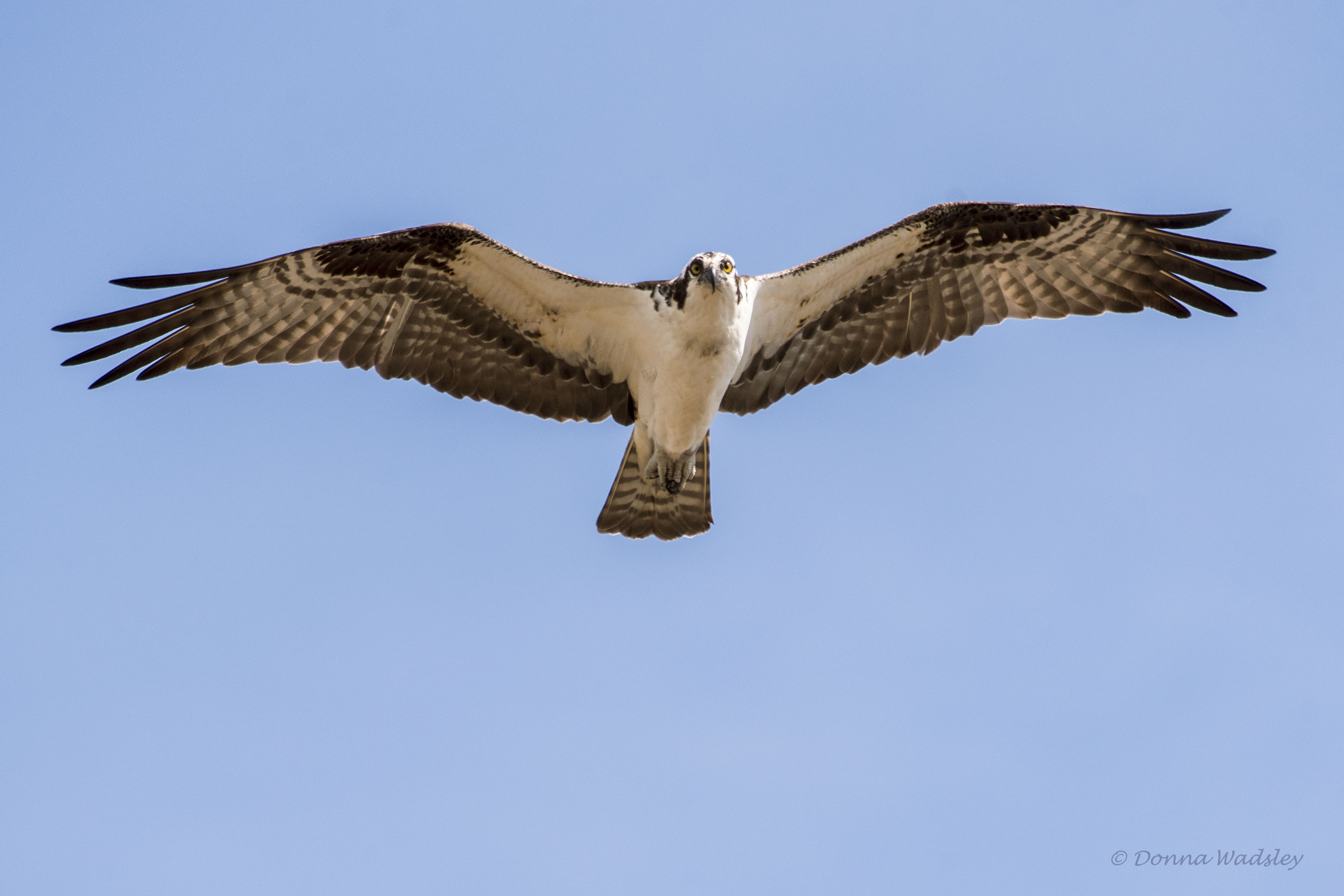
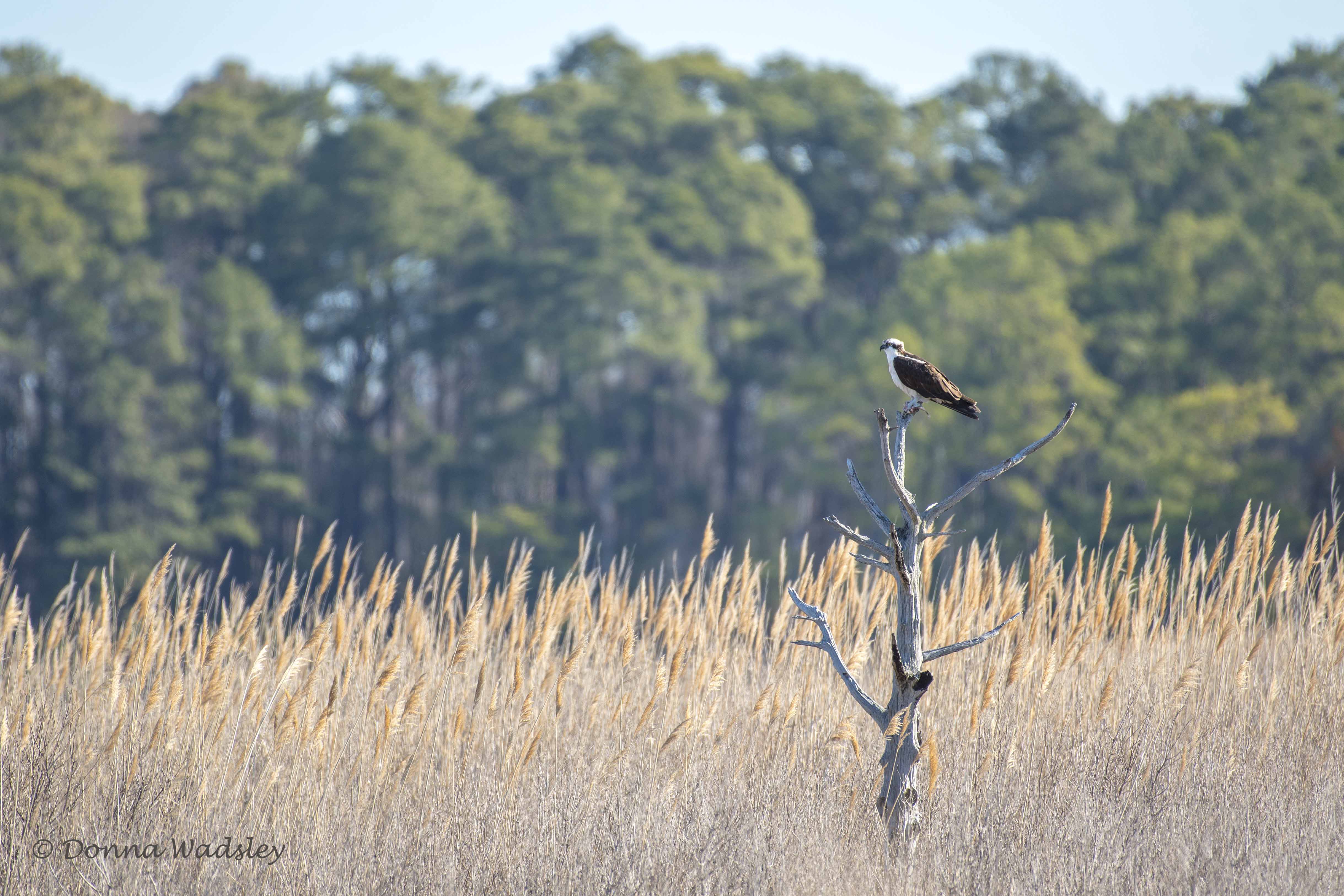
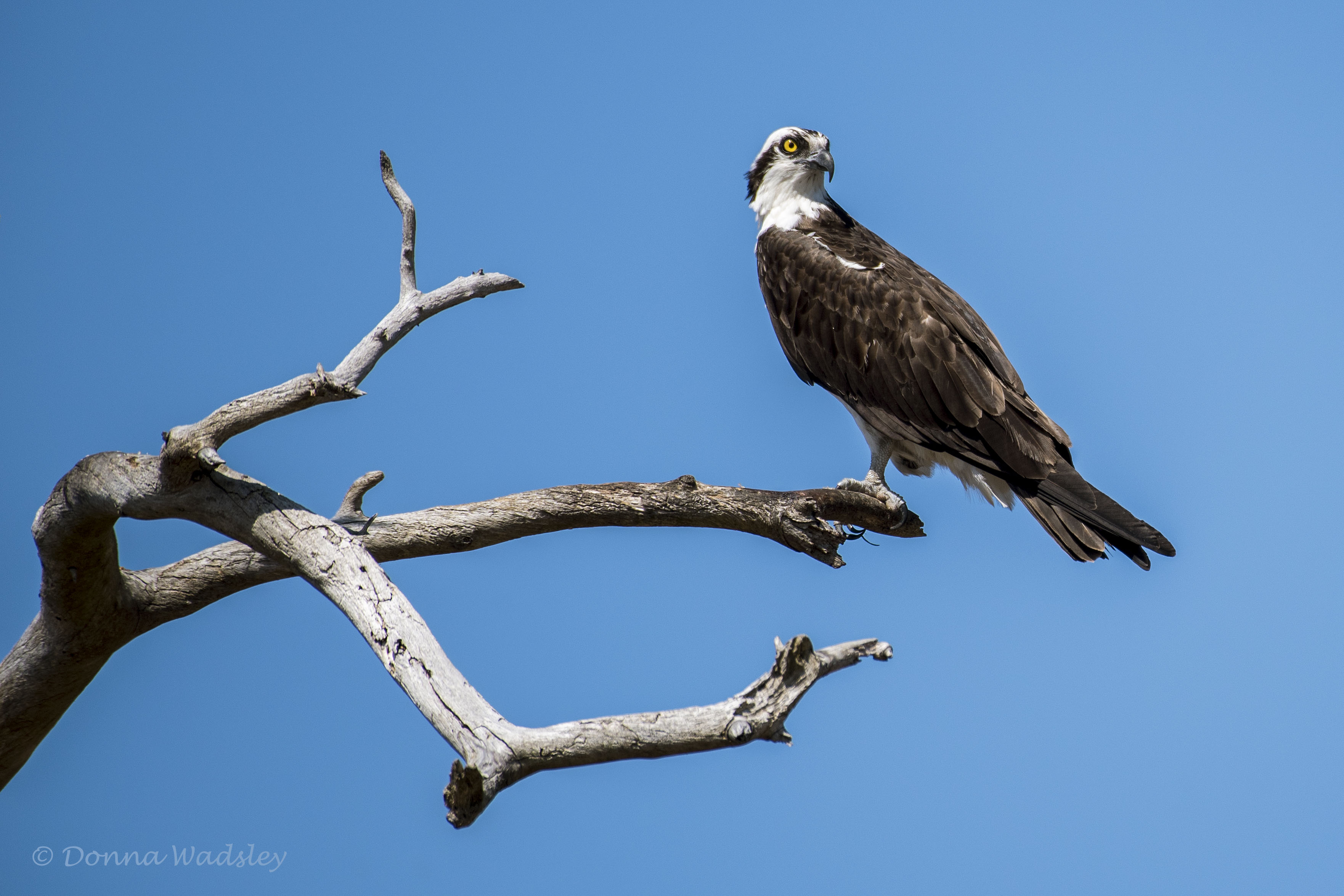
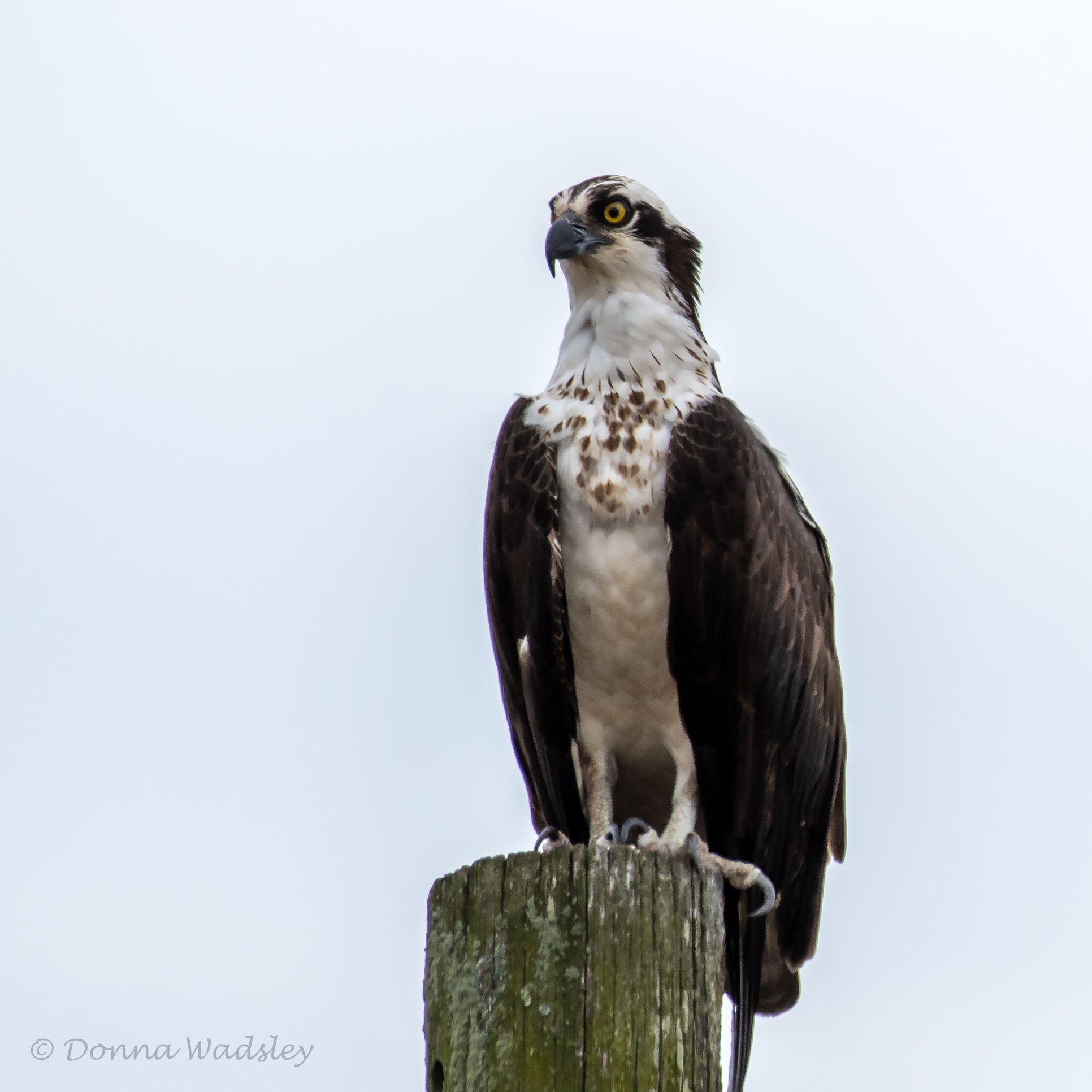
It is exciting to see the Osprey busily bonding, building nests, and some are already incubating! I’m already accumulating lots of photos while out and about birding locally, here’s a few to start the season.

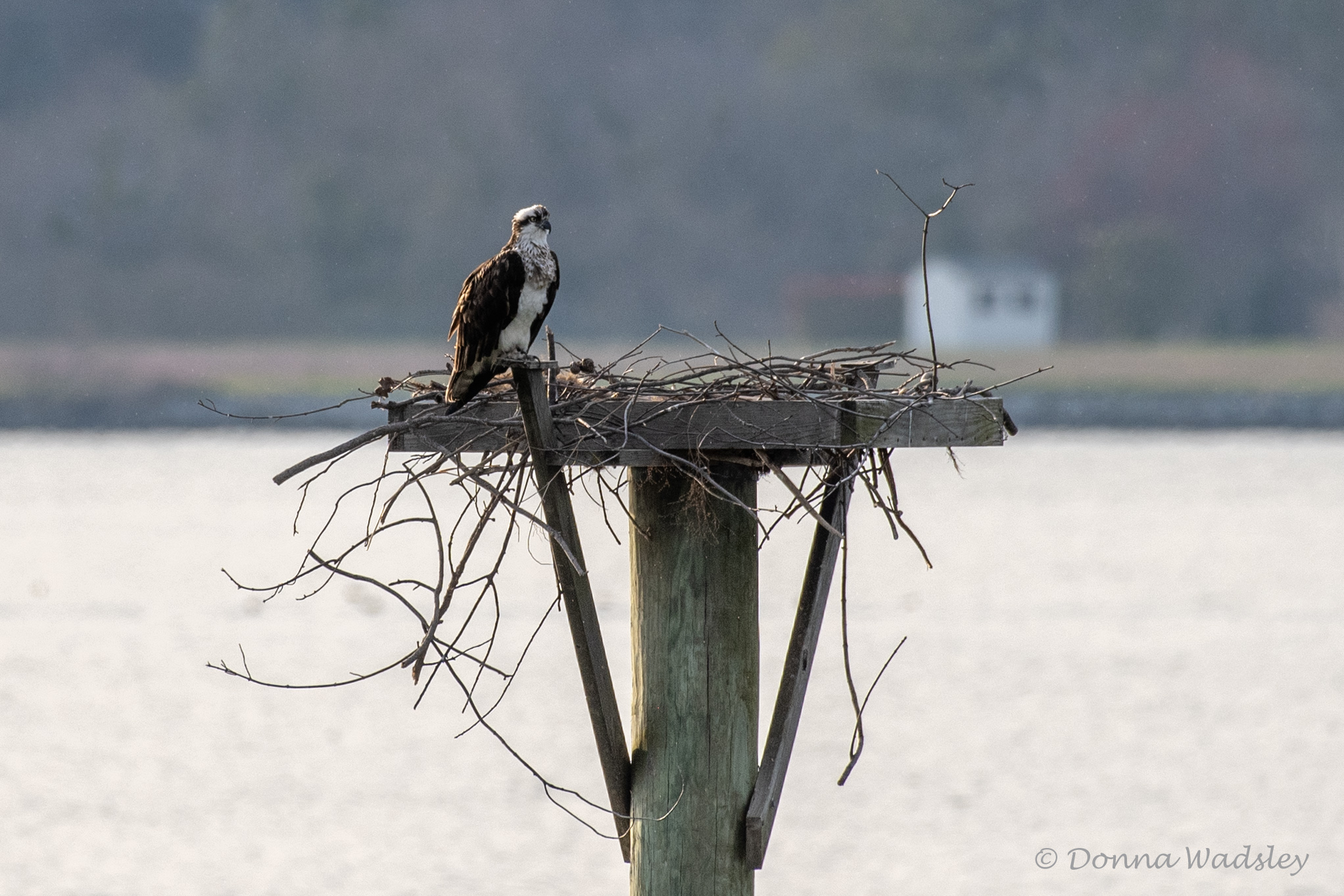
Above is my neighbor’s nest a few weeks ago.
Six days ago I noted incubation had started…..we’ve got at least one egg!


 Bay Photos by Donna