Four Recent Bird “Rares”
I was able to photograph four birds recently that are considered ‘rare/uncommon’ for the Chesapeake Bay area along Maryland’s eastern shores.
My first two birds are species that eBird issued rare bird alerts.
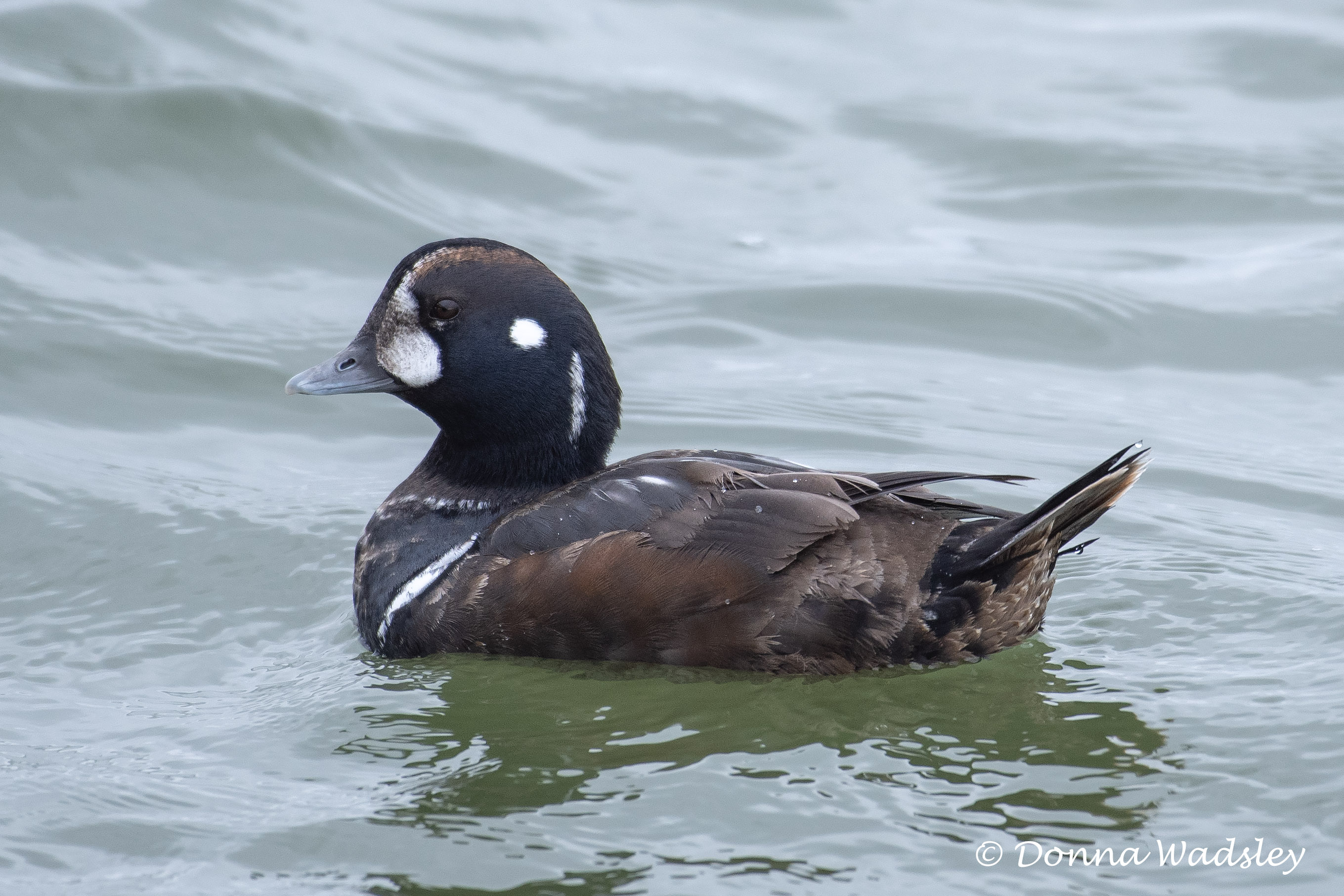
Harlequin Duck (male), Romancoke Pier, Queen Anne’s County
December 23, 2025
(considered eBird first county record on December 21, 2025)
I got so many beautiful photos of this Harlequin; he was feeding right at the end of the pier. I was the only one there in the cold wind, so he wasn’t too skittish. He was first seen on December 21, last seen January 13. He didn’t appear sick and was seen flying, so hopefully no flight injury concerns. He became quite famous with eBirders and bird photographers during his visit!
Another rare bird species was this next gull that also became an eBirder and bird photographer sensation!
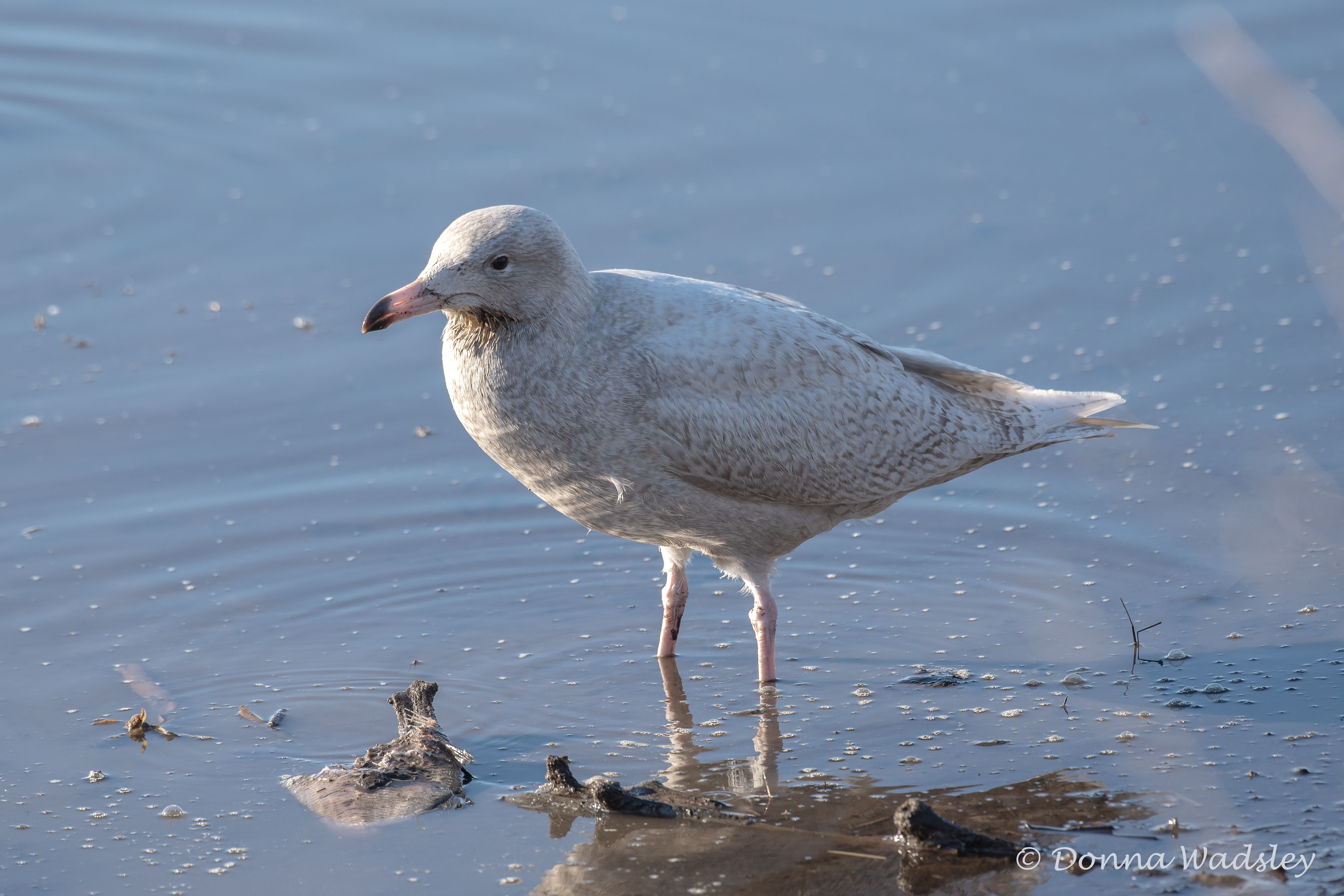
Glaucous Gull, Blackwater NWR, Dorchester County
January 13, 2026
Again, I got so many great shots, finding this gull right alongside the refuge wildlife drive; this photo is almost full frame from my car window. It was first reported December 29 and last seen January 17. I had previously looked for it on January 7th at the refuge but couldn’t locate it that day. It’s a lifer for me!
These next two are more of a lucky ‘rare/uncommon’ sighting you happen upon, finding them mixed in with their normal species.
The first, as I was passing by a flock of Canada Geese on a field, I spotted something ‘whitish’.
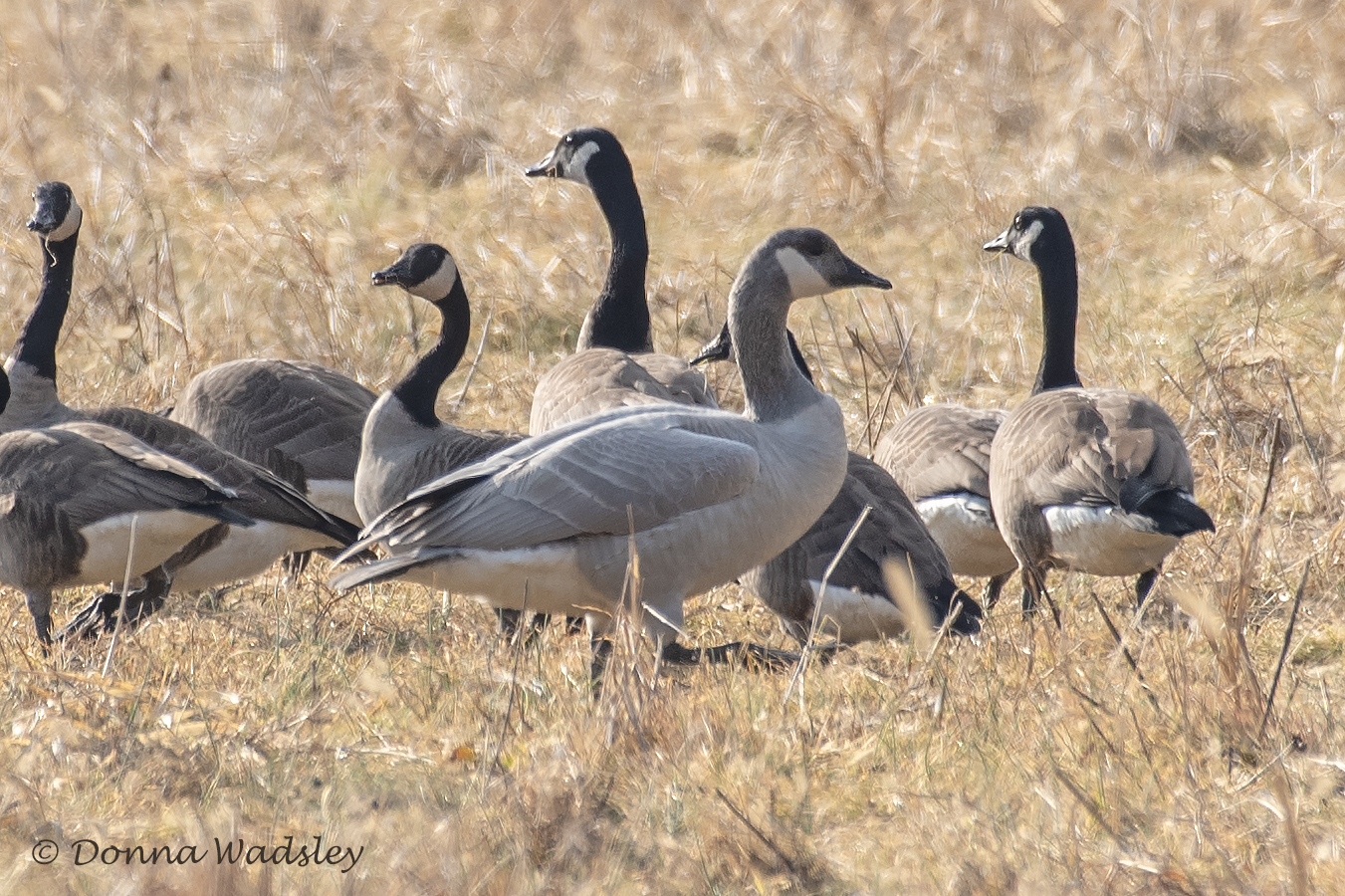
Leucistic Canada Goose, Blackwater NWR, Dorchester County
January 7, 2026
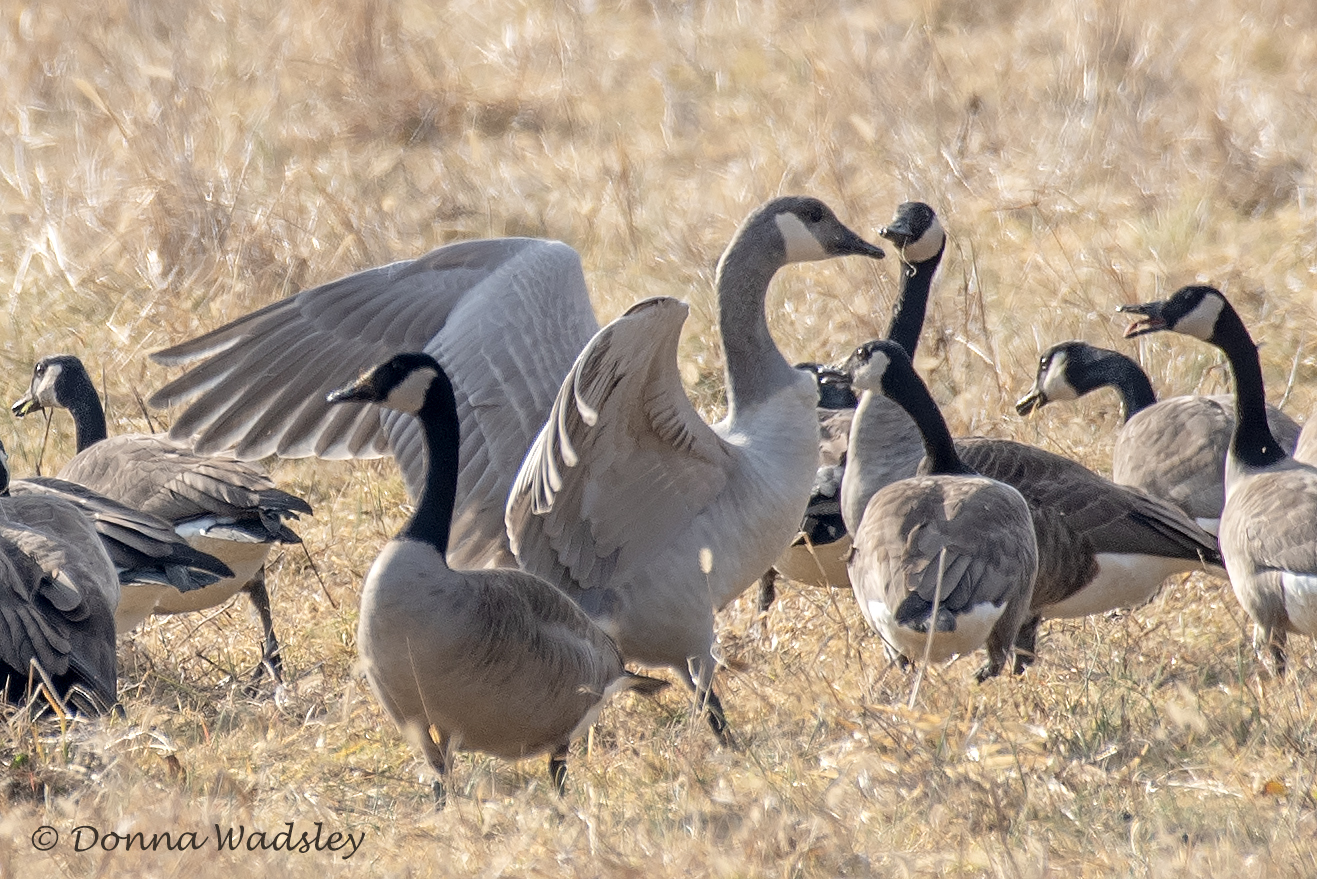
I have seen a leucistic Canada Goose only once before, so it was a nice treat to spot one again.
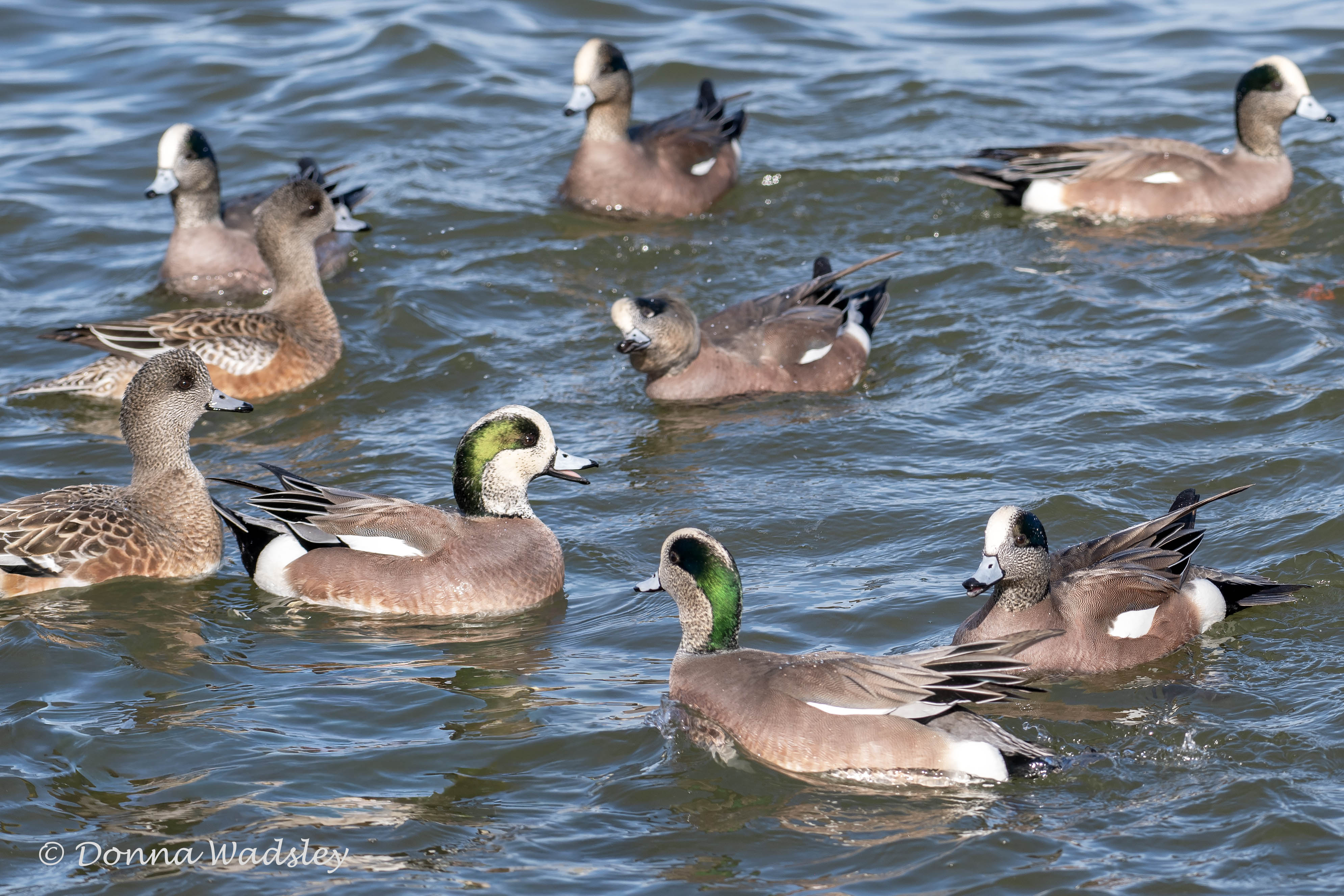
This next one was a surprise, as I had never seen an American Wigeon look like this and had to look it up when I got home.
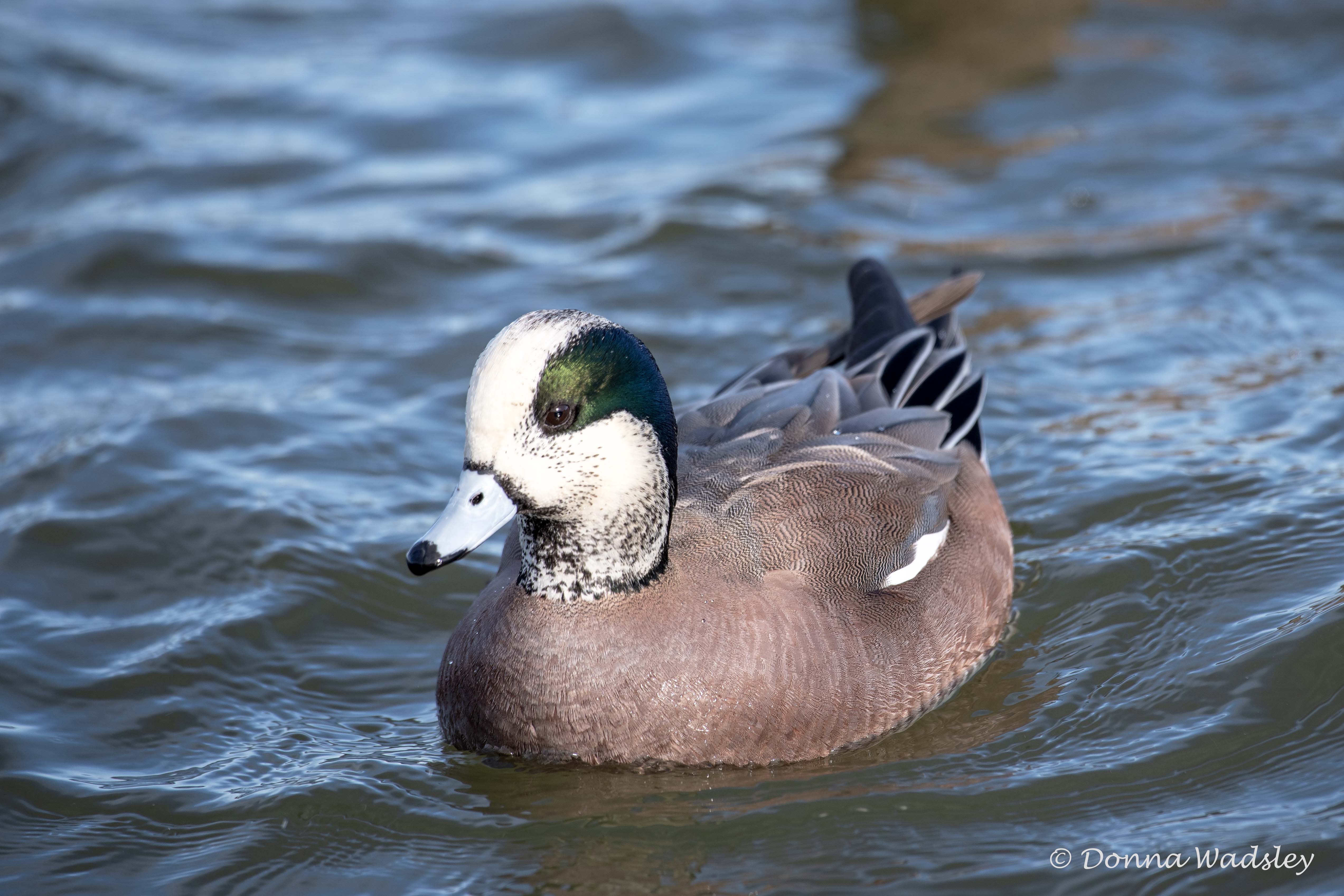
Storm Wigeon, Cambridge, Dorchester County
January 13, 2026
A Storm Wigeon is not a separate species but a rare color variant of the male American Wigeon. It’s characterized by a predominantly creamy-white face and neck, whereas a typical American Wigeon has a grey-speckled face and a white forehead patch. This results from a recessive genetic trait and occurs about 1 in 500–1,000 birds.
Here’s a comparison to the regular American Wigeons.