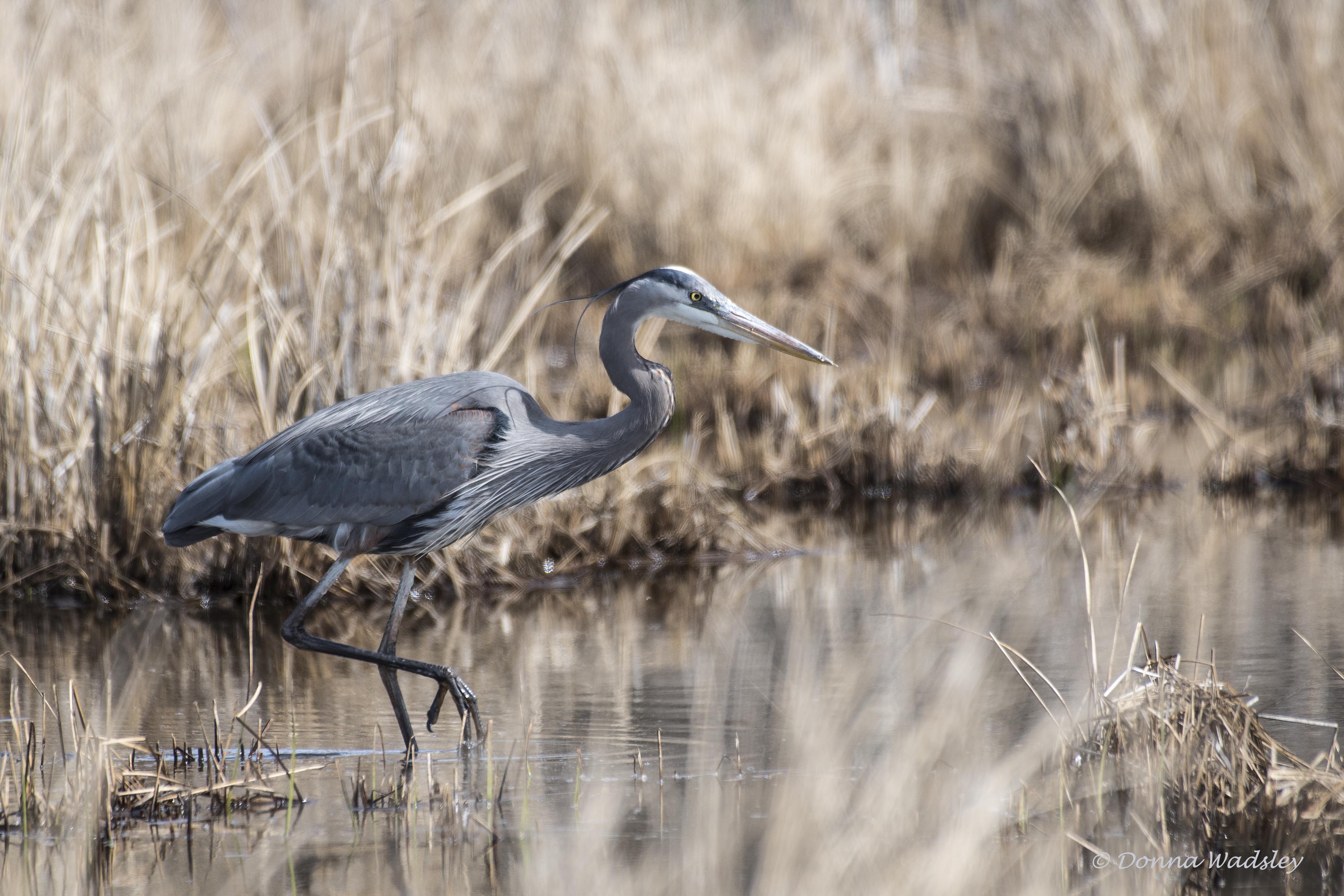
Wading Shore and Water Birds
.
Let alone the normal birds around, I’ve been enjoying my last couple weeks’ latest sightings of the new birds arriving or passing through our area, including the wading shore and water birds. Here’s what I’ve captured!
.
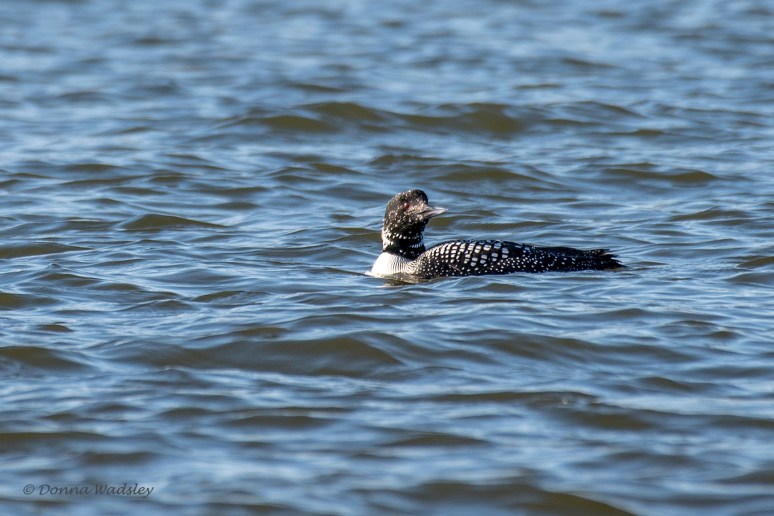
Common Loon (male)
Eastern Neck NWR
.

Bufflehead (female)
St. Mills Pond (pollen-laden)
.

Killdeer
Chesapeake Farms
.
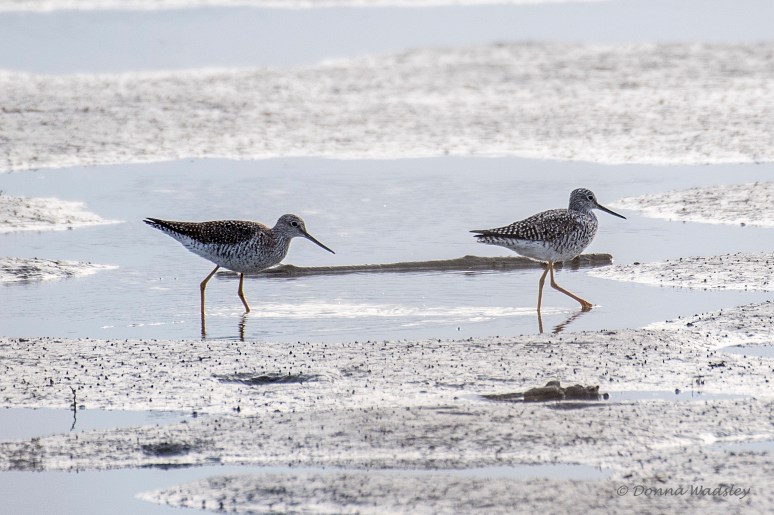
Greater Yellowlegs
Eastern Neck NWR
.
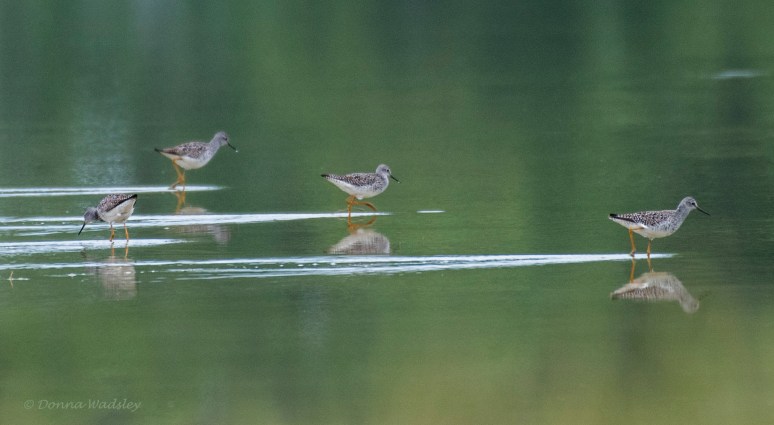
Lesser Yellowlegs
Chesapeake Farms
.

Greater Yellowlegs (left) and Lesser Yellowlegs (right) comparison
Chesapeake Farms
.
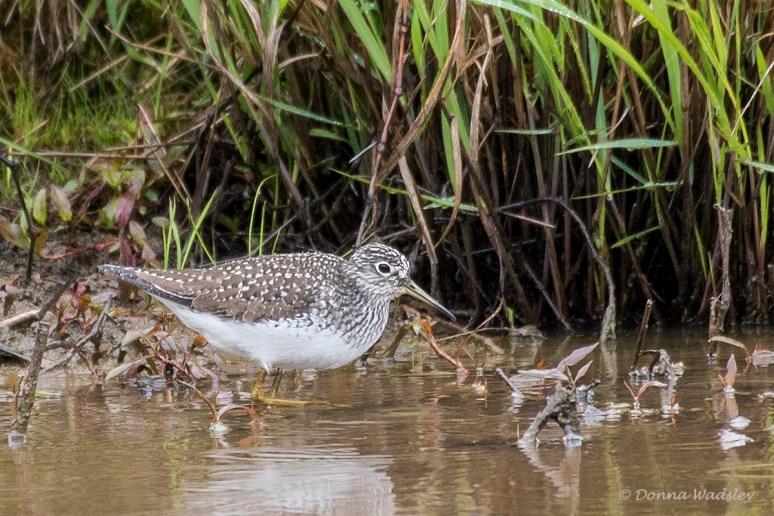
Solitary Sandpiper
Chesapeake Farms
.

Pectoral Sandpipers
Chesapeake Farms
.

Least Sandpipers
Chesapeake Farms
.

Semipalmated Plover joining the Least Sandpipers
Chesapeake Farms
.
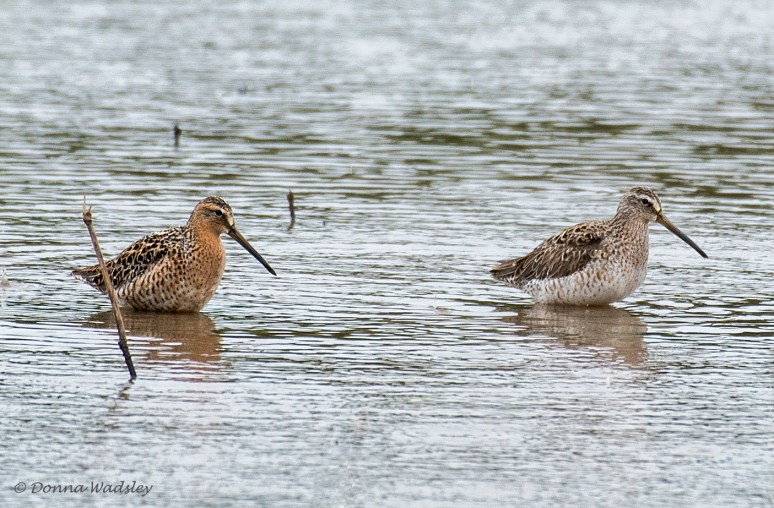
Short-billed Dowitchers
Chesapeake Farms
.

Short-billed Dowitchers
Chesapeake Farms
.
And finally, two special rare sightings this past week at the same location, what super fun!!
The first I was tipped off with an ebird alert on a lone American Avocet, keeping its distance from everyone across the pond. I’ve photographed this bird before but not in our county, so off I went the next morning to find it.
.

American Avocet
Chesapeake Farms
.

American Avocet
.
And the same two days I photographed the above avocet, I got the second rare surprise sighting on my own, a lone Glossy Ibis. What a beauty!
.

Glossy Ibis
Chesapeake Farms
.

Glossy Ibis
.
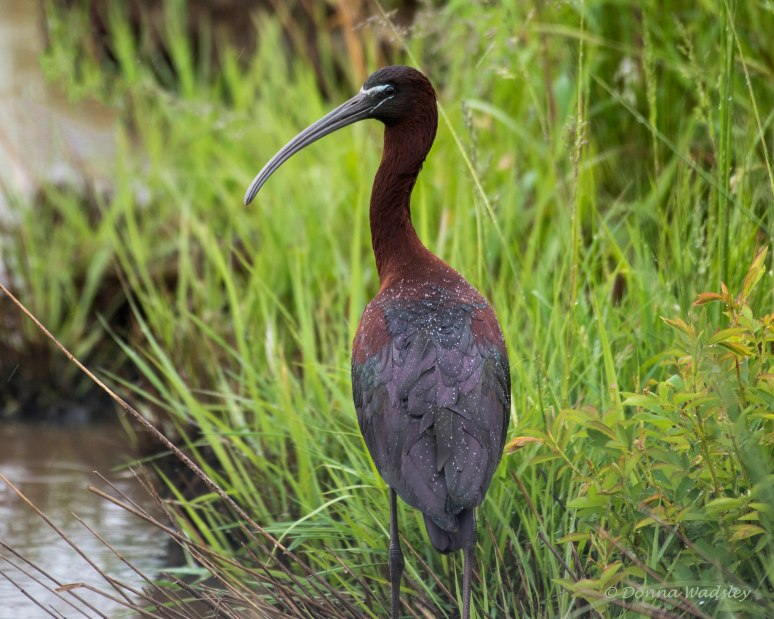
Glossy Ibis
Second day (and yes I was birding in an on/off drizzle)
.
And now you know one of the reasons why I’ve been MIA on the blog-sphere so much lately. I am out and about, rain or shine, having bird-blast adventures! 🤪🥴🤣
.
.
Raptors On The Ground
.
I’ve shared many raptors either flying or perched in trees. Not too often, I’ll get lucky to capture one on the ground, where they are usually on or near prey.
.
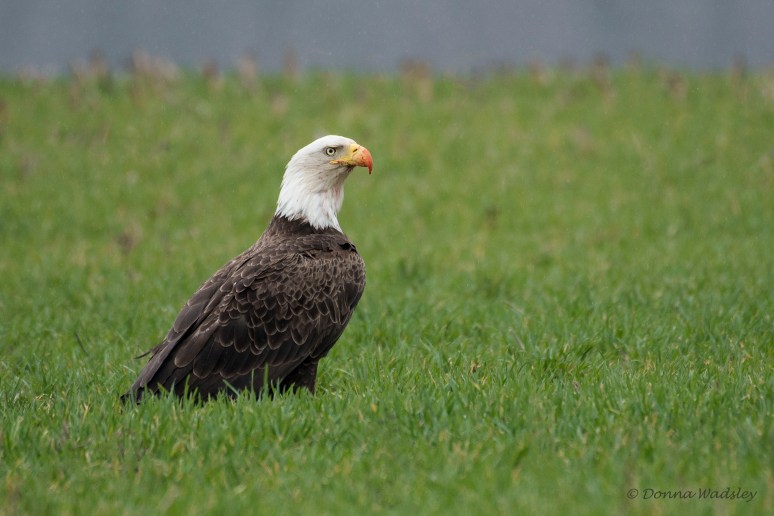
Bald Eagle (adult)
.

Bald Eagle (immature)
.

Red-shouldered Hawk
.

Turkey Vulture
.

Bald Eagle
.
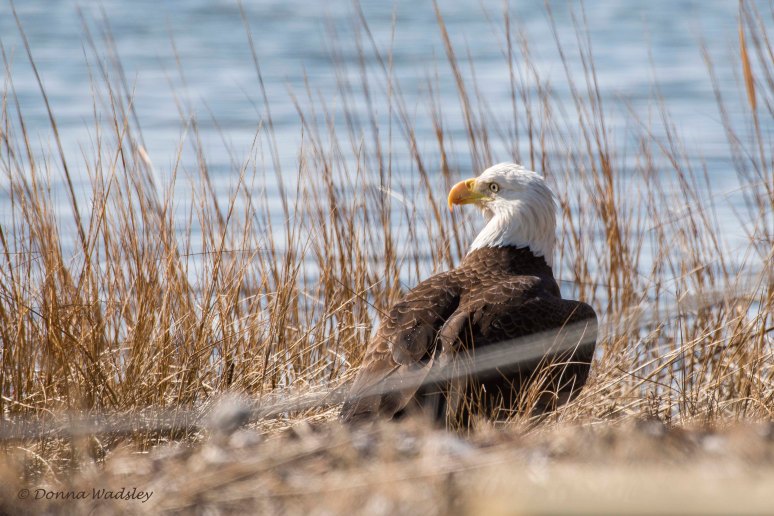
Another Bald Eagle, different location along the shoreline
.
And one final series of photos with a story about an eagle not on the ground, but in the water.
The story background – At a recent visit at Eastern Neck NWR’s Bogles Wharf and boat ramp, I was scoping the Chester River for waterfowl and spotted an eagle trying to stay atop the water while the tide was carrying it out towards the Chesapeake Bay. I watched it for about five minutes; it seemed in distress by its lackluster wing movement to try to swim and exhausted behavior. Sometimes it’d disappear below the water.
I quickly reached out to a couple refuge contacts, one told me to call Maryland’s DNR Wildlife Rescue Division. I did, telling them the eagle’s distress and the tide had it, and they needed to bring a boat. A boat? As you can imagine, that did not seem to go over so well on a late Sunday afternoon. The officer said he’d see what he could do, took the location and my info, and the call ended. I didn’t feel too good about a boat or rescue coming.
There was nothing else I could do but keep my eye on the eagle as it continued being pulled down the river. I was very worried.
Well…..I should know better about the strength and willpower wildlife has to survive!
I watched in amazement as the eagle suddenly went into a very strong swim and miraculously broke from the pulling tide, making aim for the cove I was in, and not stopping.
“GO, EAGLE, GO!”
The eagle made it into the cove and finally stopped, taking a much needed floating rest. That’s when I finally ran for my camera from my car. The eagle began swimming again, passing the shoreline to its left and aiming for a snag laying in the water across from me and the boat ramp.
.
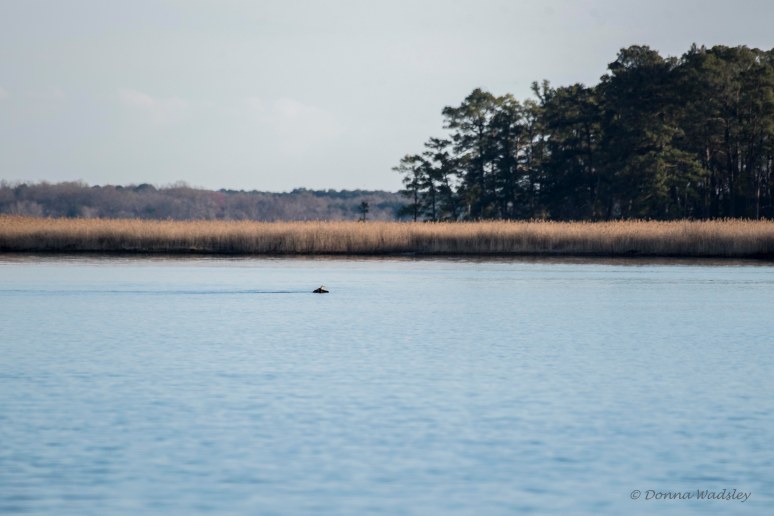
An exhausted Bald Eagle swimming for a snag on the shoreline
.


Series of the swim, heavily cropped
.
I went back to my binoculars and watched the eagle finally make it to the snag and climb up on it.
I noted it did not have anything in its talons, which was one reason it could have been in its dire situation due to a heavy prey capture.
.

Bald Eagle makes it way, walking along the snag to the shoreline
.
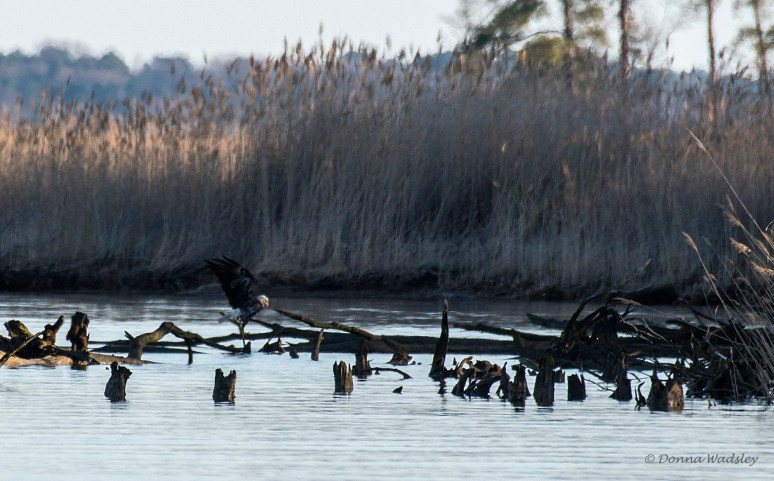
Bald Eagle stopping to flap those water-logged wings
.
The eagle finally reached the shoreline and disappeared behind the marsh grass. With my binoculars, I could see it just sitting there, probably thinking, “Whew, that was one helluva swim!”
It sure was! It had been 45 minutes since I first saw the eagle in the water, and it had certainly been in the water longer.
Not sure why the eagle was in its dire situation, but I was so happy to see it make it to the shore. We’re going to hope it was able to recuperate quickly that evening/next day, and that I’ve since seen it in the air or up in a tree during a visit since at the refuge. 🙂
.
.
Five On The Wire – #12
.
A recent alert of a rare bird that lives throughout the western half of the United States was sighted 20 miles from me. Bird trip!
Yay! I did locate the bird, a Say’s Phoebe, on a barb-wired fence as reported, along with other birds who favored that perch as well.
And so, this easily became another post for my series of five birds perched on a wire, taking in their 360° view….and grabbing a bug or two for a snack!
.
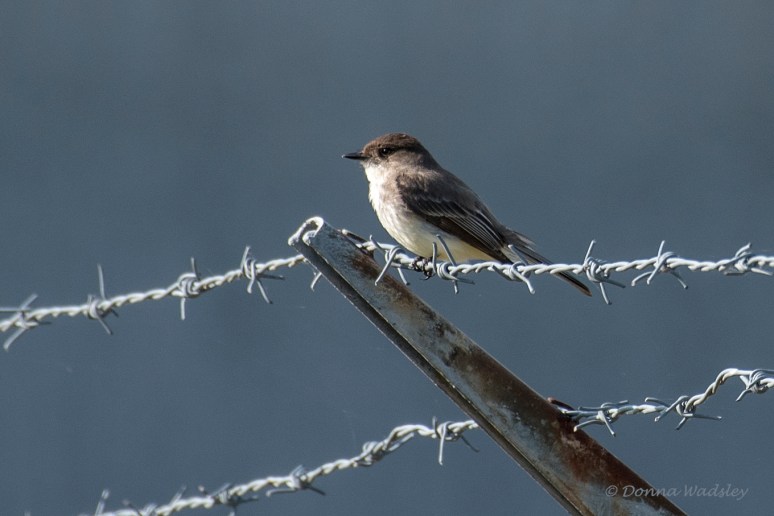
Eastern Phoebe
.

Say’s Phoebe (lifer #295)
.

Eastern Bluebird (male)
.
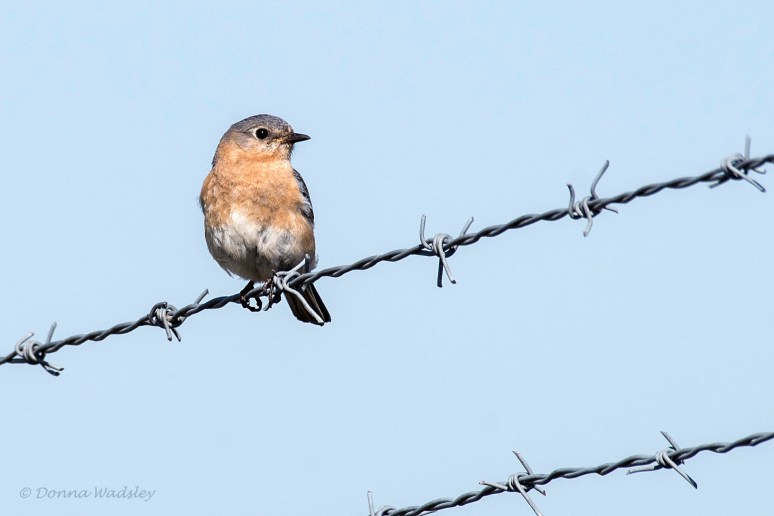
Eastern Bluebird (female)
.
The next bird opted for a communication line.
.

Tree Swallow
.
They were all just sittin’ pretty for me!
.
.
Earth Day 2023
.
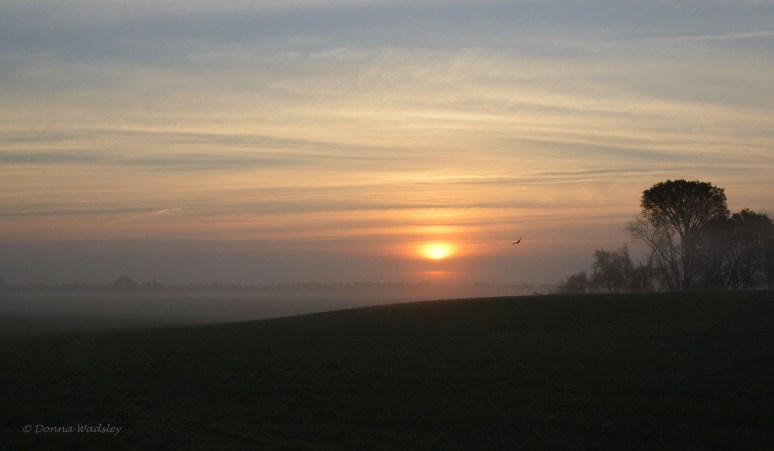
Good Morning, Earth Day 2023
.
(Soon, I’ll be catching up with your blogs! Promise!!)
.
.
1-2-3 Cute As Can Be – #27
.
Apologies! A brief break wasn’t planned, let’s see if I can get back on bird track.
Another series of the little birds who are still with me for the time being. Some of these species are now or will be in migration very soon!
.
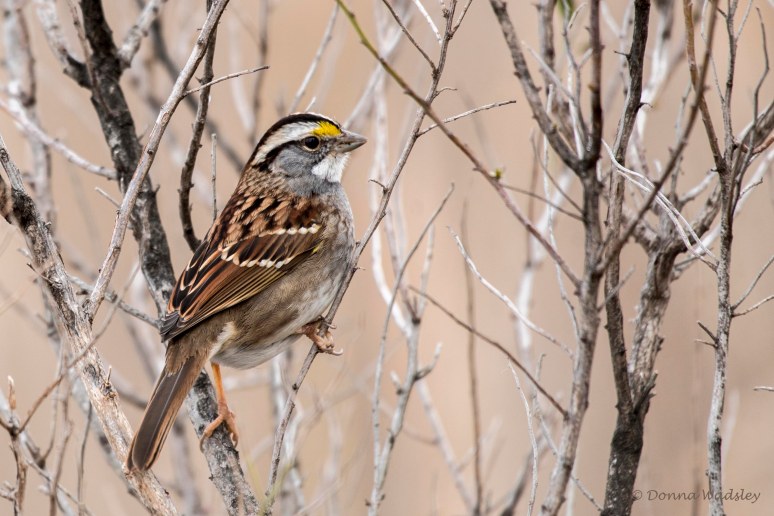
White-crowned Sparrow
Length 6.3-7.1 inches (16-18 cm)
Weight 0.8-1.1 oz (22-32 g)
Wingspan 7.9-9.1 inches (20-23 cm)
.
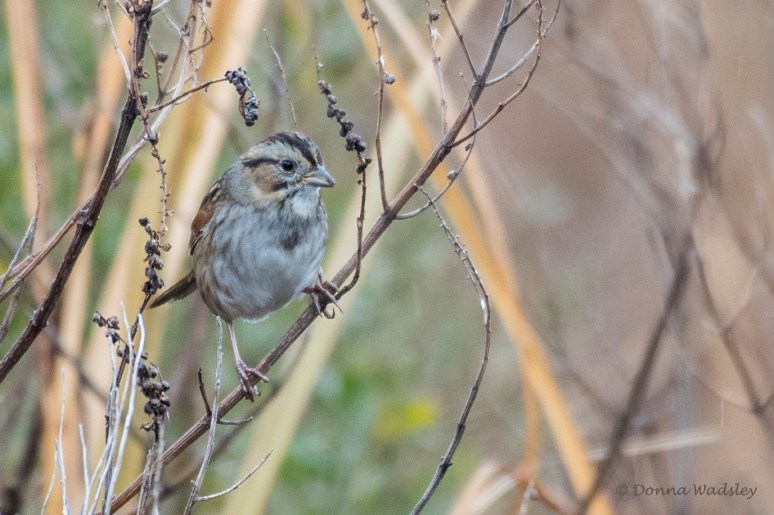
Swamp Sparrow
Length 4.7-5.9 inches (12-15 cm)
Weight 0.5-0.8 oz (15-23 g)
Wingspan 7.1-7.5 inches (18-19 cm)
.
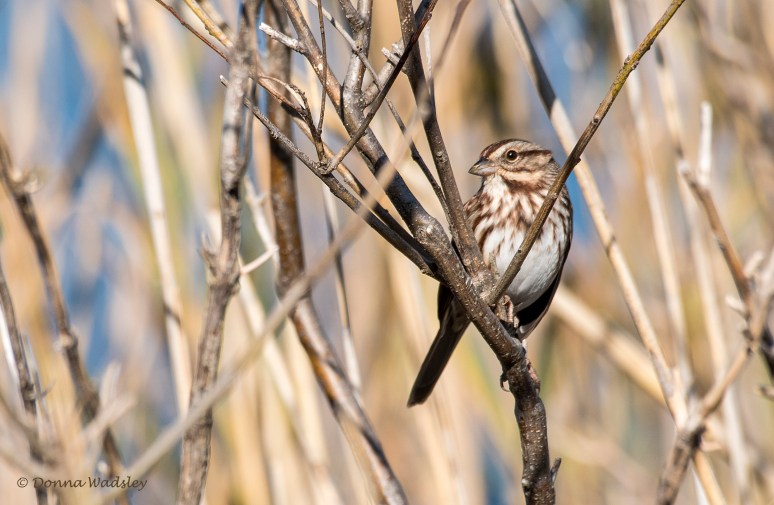
Song Sparrow
Length 4.7-6.7 inches (12-17 cm)
Weight 0.4-1.9 oz (12-53 g)
Wingspan 7.1-9.4 inches (18-24 cm)
.
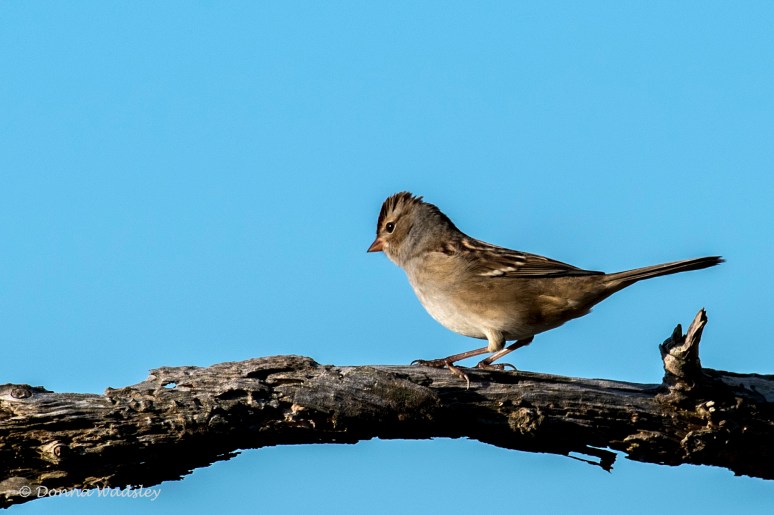
White-crowned Sparrow
Length 5.9-6.3 inches (15-16 cm)
Weight 0.9-1.0 oz (25-28 g)
Wingspan 8.3-9.4 inches (21-24 cm)
.
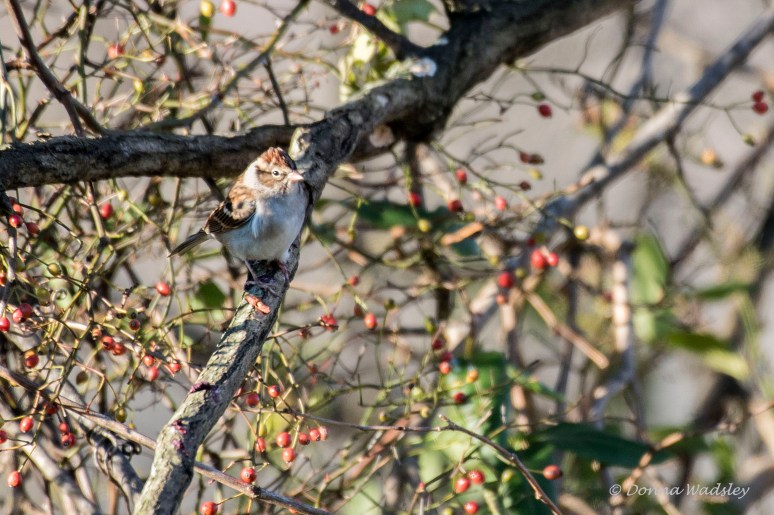
Field Sparrow
Length 4.7-5.9 inches (12-15 cm)
Weight 0.4-0.5 oz (11-15 g)
Wingspan 7.9 inches (20 cm)
.
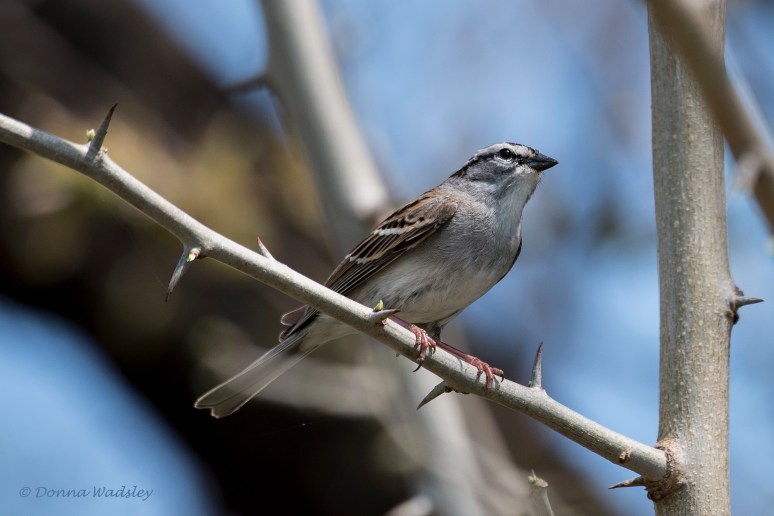
Chipping Sparrow
Length 4.7-5.9 inches (12-15 cm)
Weight 0.4-0.6 oz (11-16 g)
Wingspan 8.3 inches (21 cm)
.
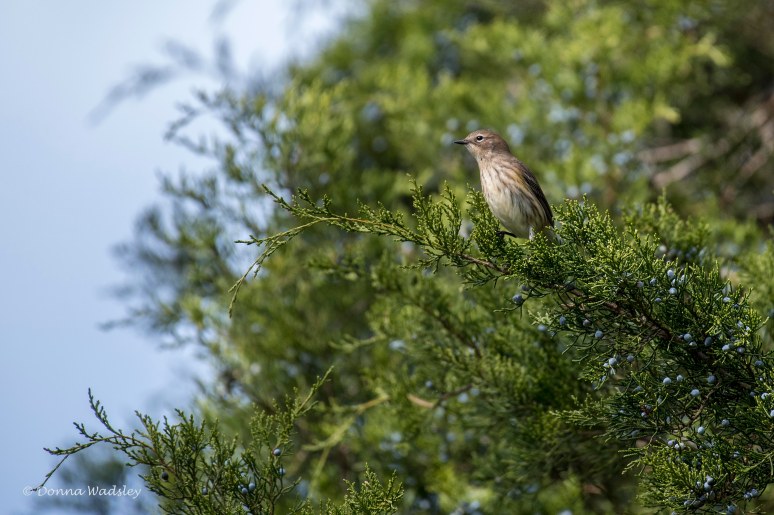
Yellow-rumped Warbler
Length 4.7-5.5 inches (12-14 cm)
Weight 0.4-0.5 oz (12-13 g)
Wingspan 7.5-9.1 inches (19-23 cm)
.
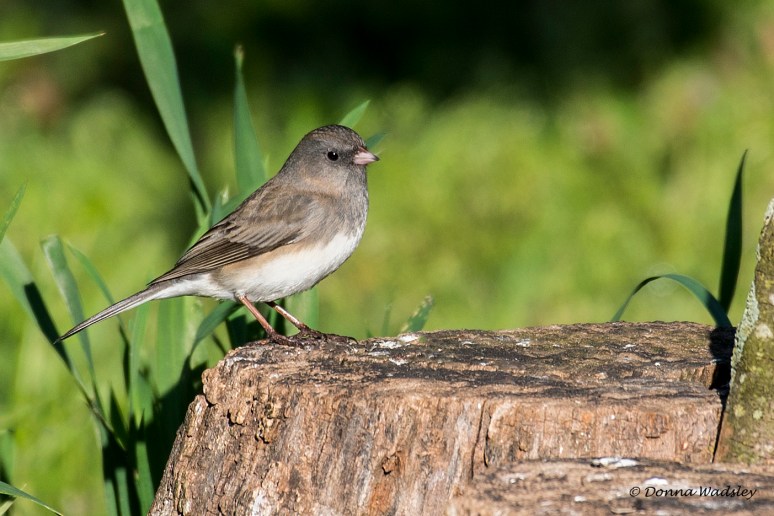
Dark-eyed Junco
Length 5.5-6.3 inches (14-16 cm)
Weight 0.6-1.1 oz (18-30 g)
Wingspan 7.1-9.8 inches (18-25 cm)
.
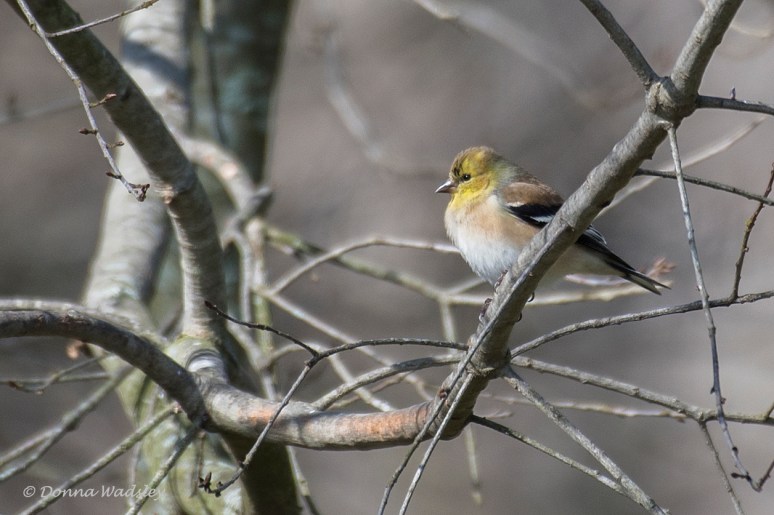
American Goldfinch
Length 4.3-5.1 inches (11-13 cm)
Weight 0.4-0.7 oz (11-20 g)
Wingspan 7.5-8.7 inches (19-22 cm)
.
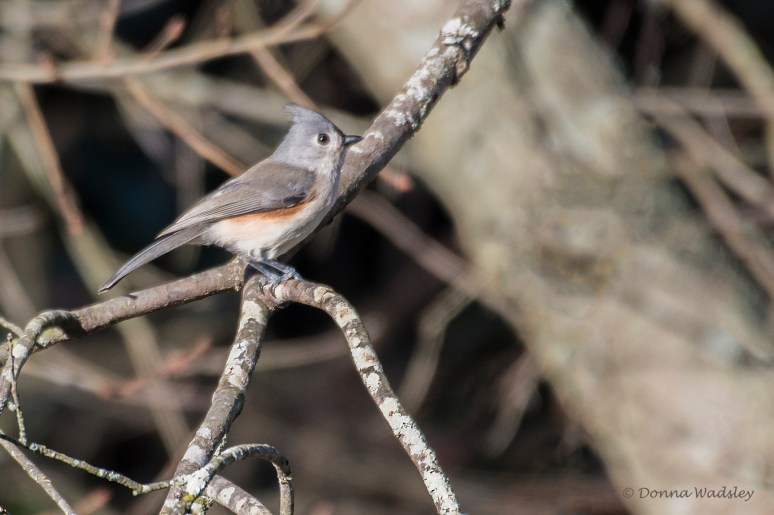
Tufted Titmouse
Length 5.5-6.3 inches (14-16 cm)
Weight 0.6-0.9 oz (18-26 g)
Wingspan 7.9-10.2 inches (20-26 cm)
.

Red-breasted Nuthatch
Length 4.3 inches (11 cm)
Weight 0.3-0.5 oz (8-13 g)
Wingspan 7.1-7.9 inches (18-20 cm)
.
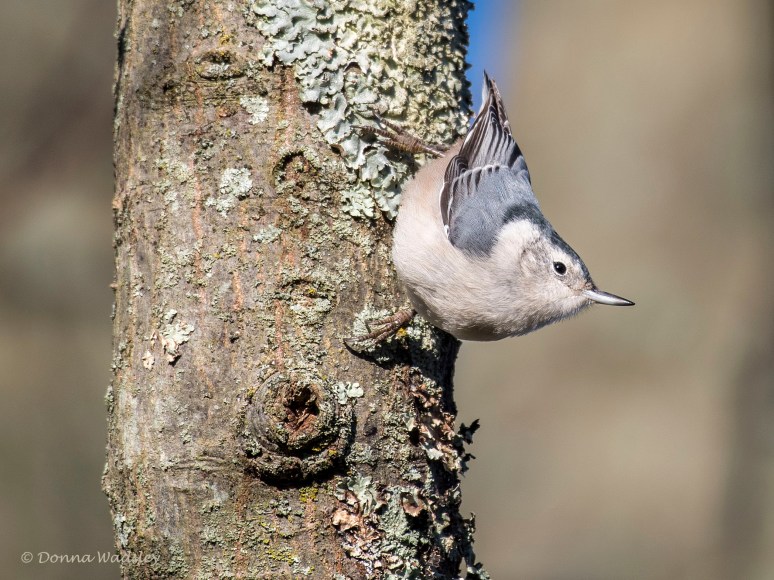
White-breasted Nuthatch
Length 5.1-5.5 inches (13-14 cm)
Weight 0.6-1.1 oz (18-30 g)
Wingspan 7.9-10.6 inches (20-27 cm)
.
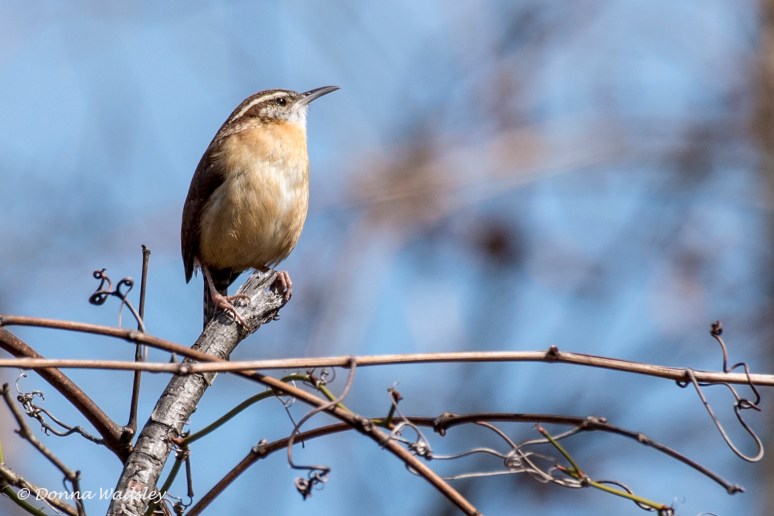
Carolina Wren
Length 4.7-5.5 inches (12-14 cm)
Weight 0.6-0.8 oz (18-22 g)
Wingspan 11.4 inches (29 cm)
.
I hope at least one of those cuties made you smile!
.
.
Rise & Shine
….and enjoy your morning!
.

“Every day, a million miracles begin at sunrise.”
–Eric Jerome Dickey
.
.
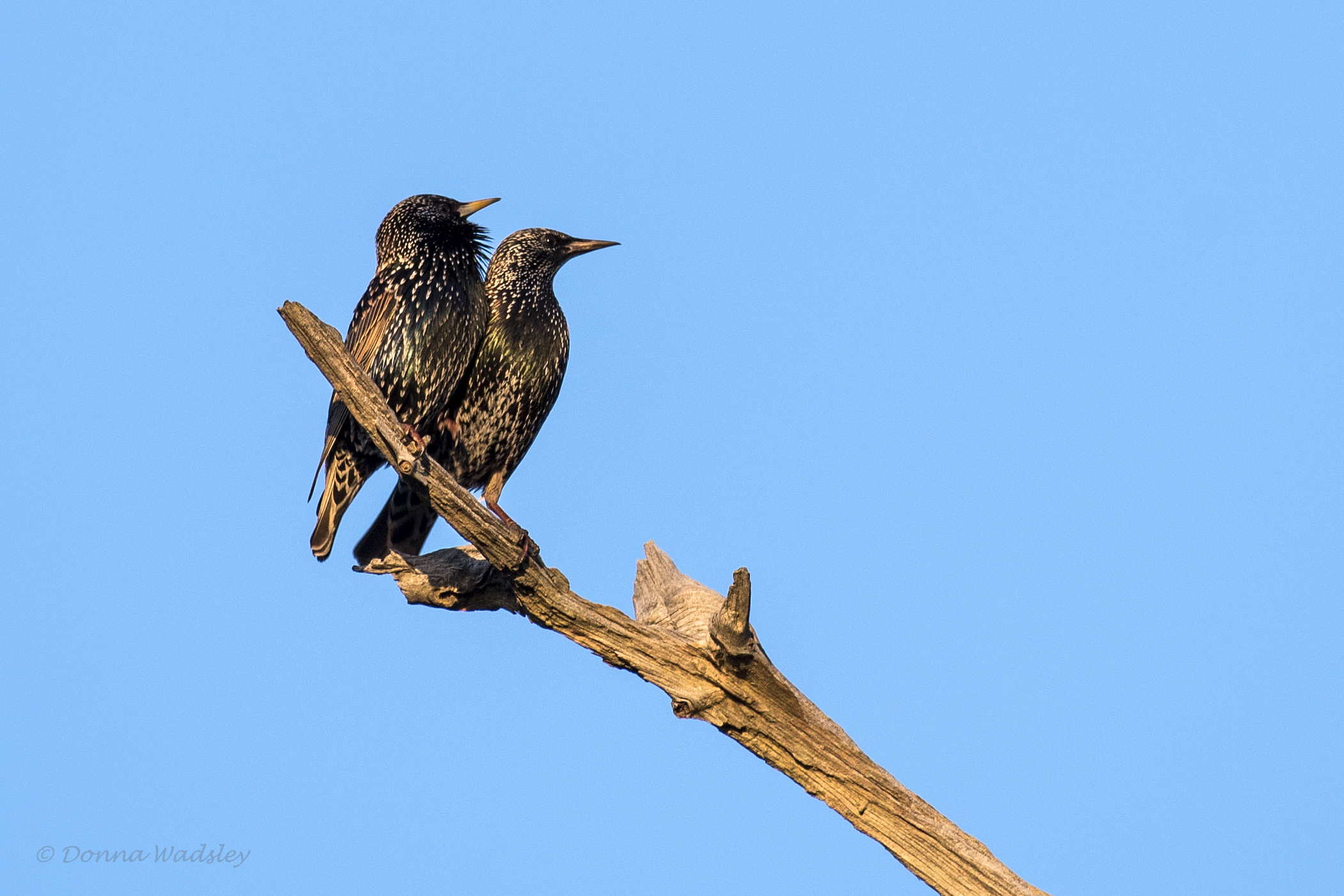
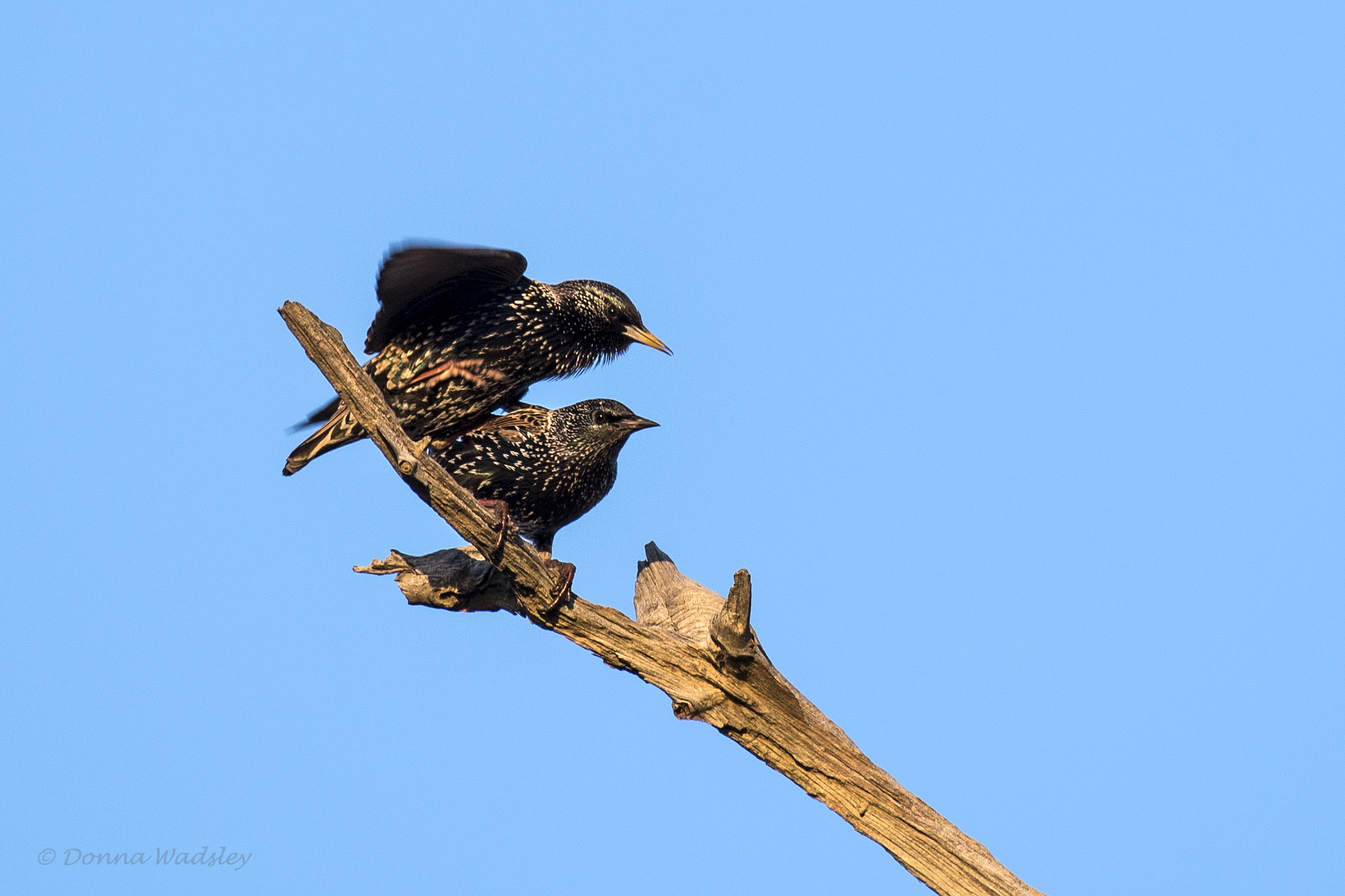
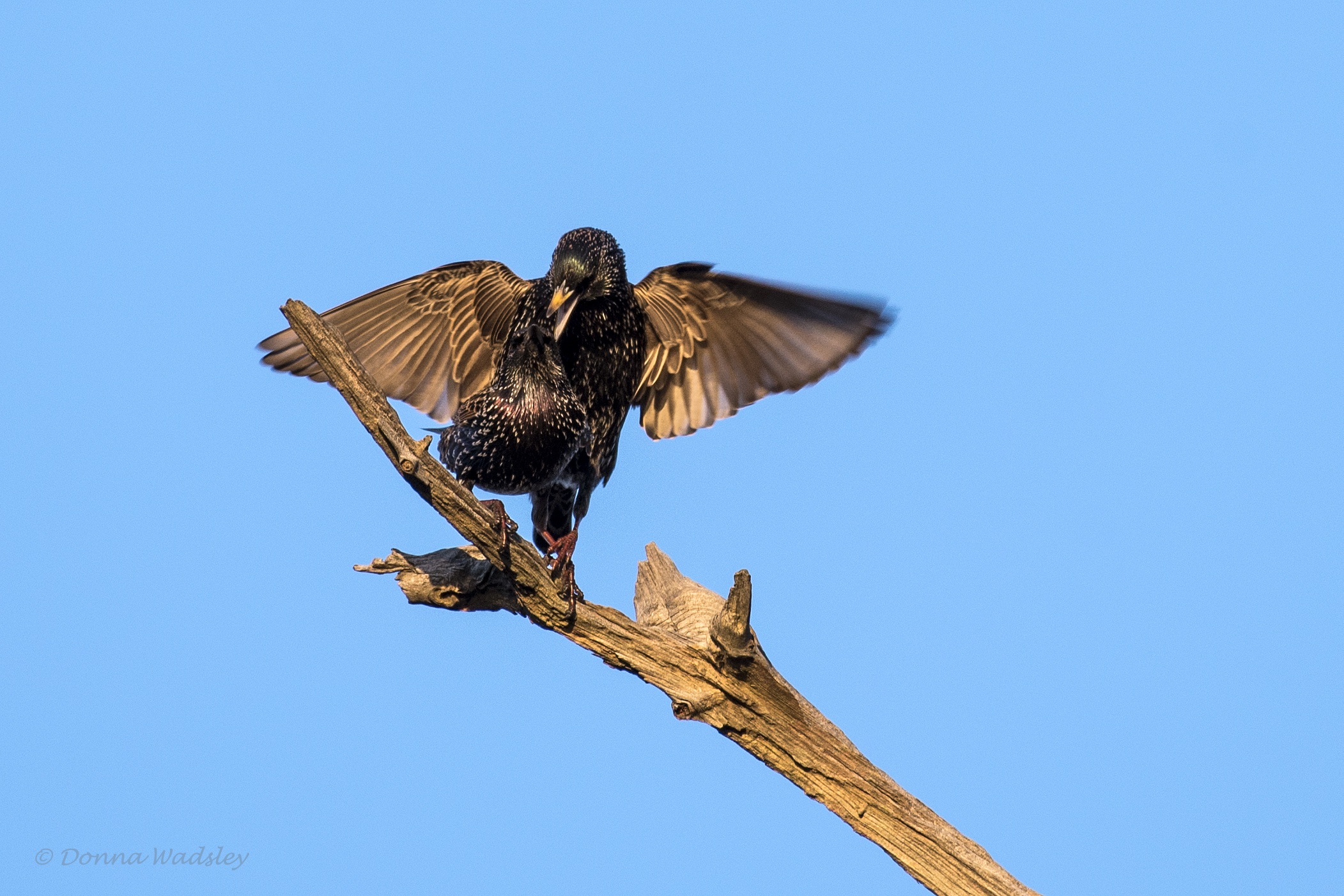
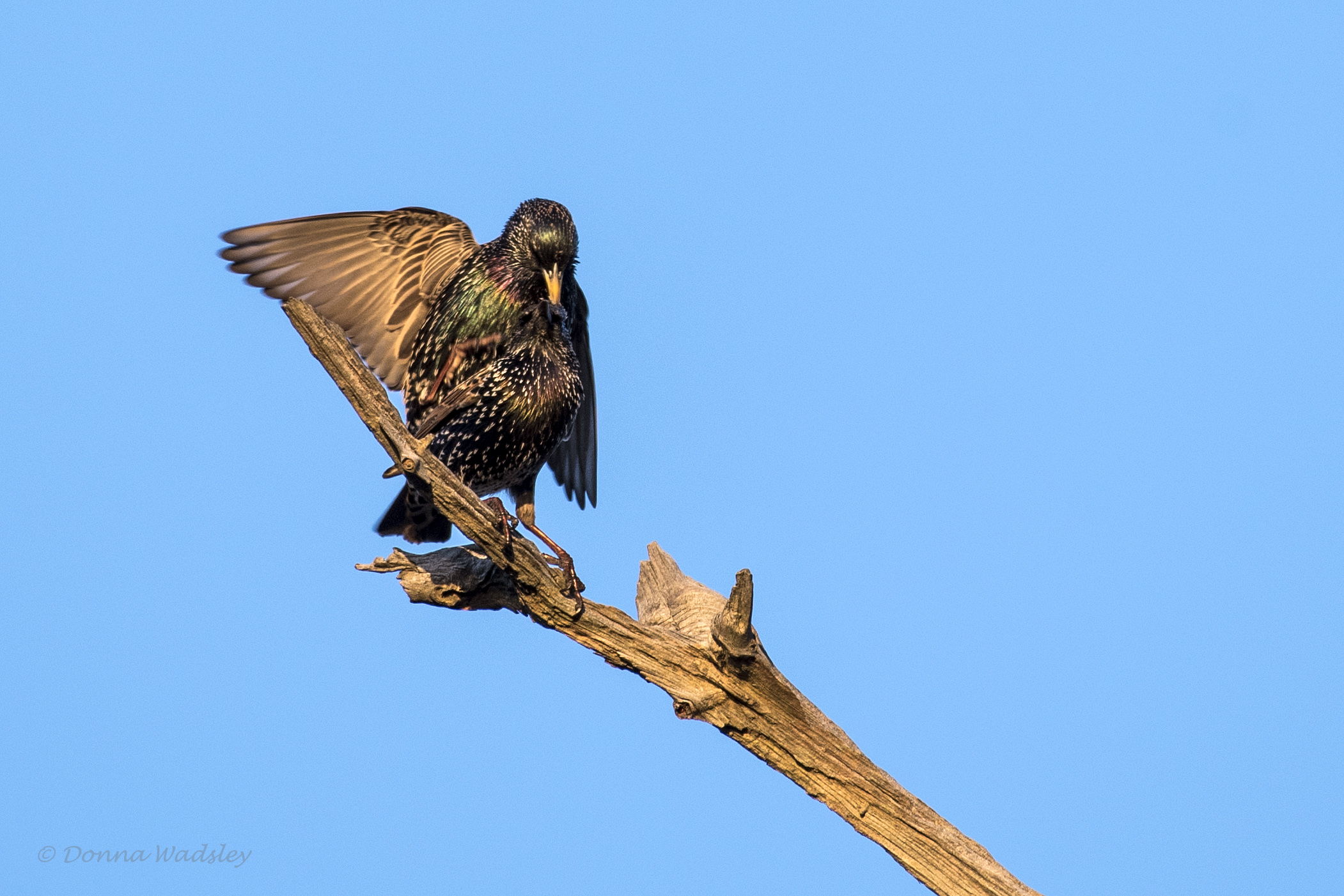
European Starlings – Mating
.
I was watching a male European Starling singing its heart out on a snag. His coloring was gorgeous in the lighting! Of course, when I took a shot, he stopped singing.
.
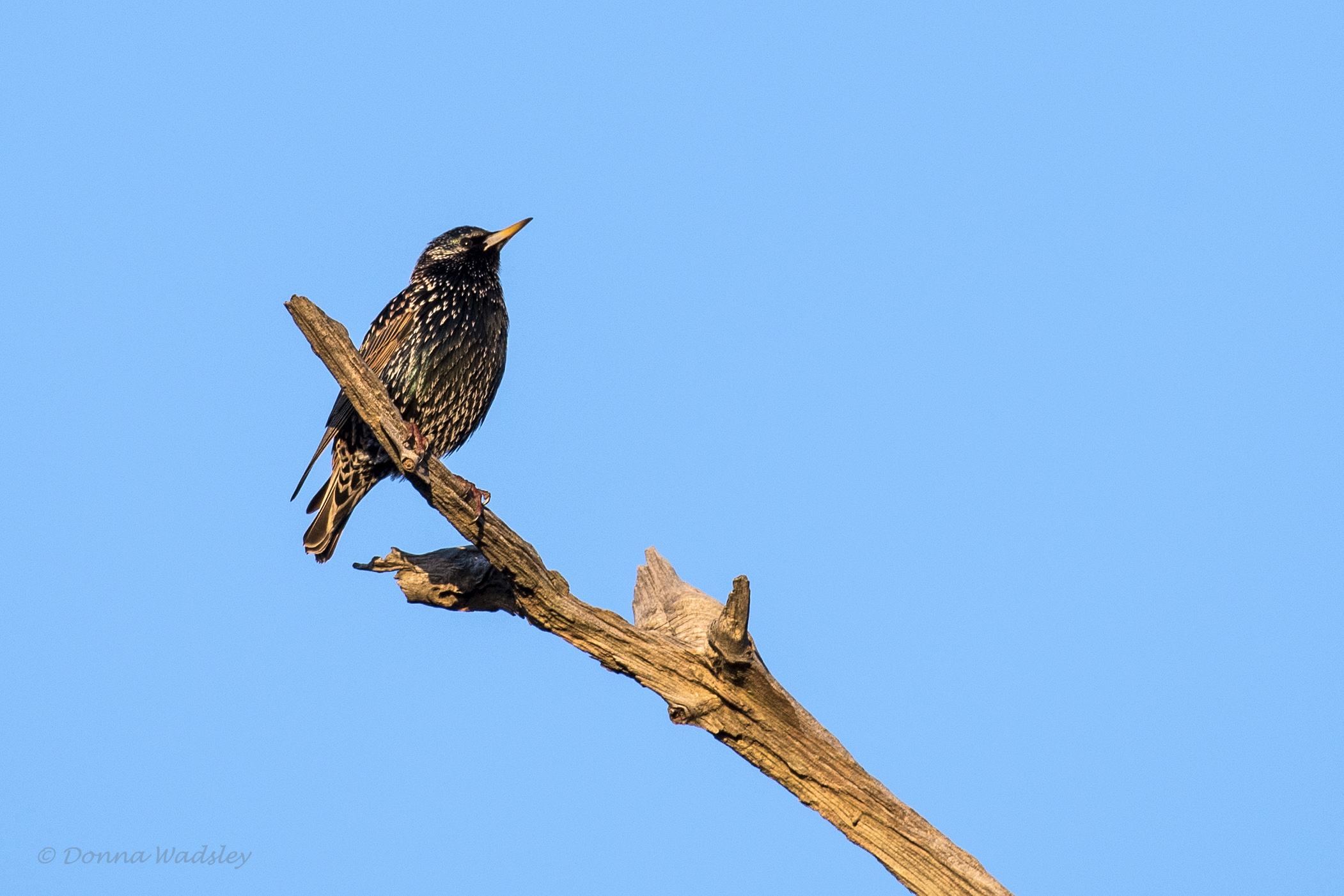
European Starling (male)
.
I decided to take more, hoping he’d go into song again and quickly found myself in a non-stop clicking series….
Little did I know he was singing for his gal’s attention!
Swoop! In came a female who saddled up alongside him.
Now on with the excitement that transpired…..
.
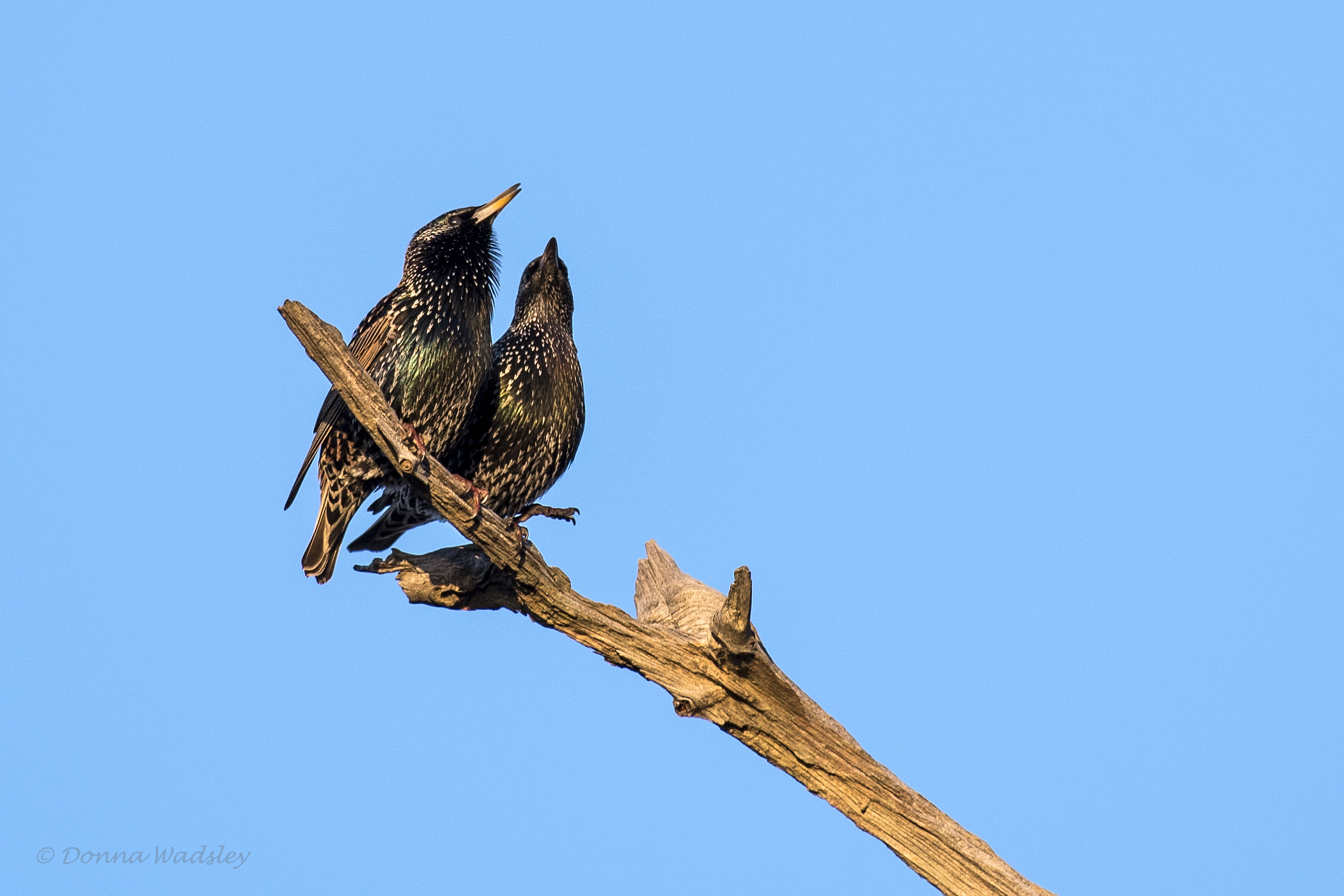
#01
.
#02
.
#03
.
#04
.
#05
.
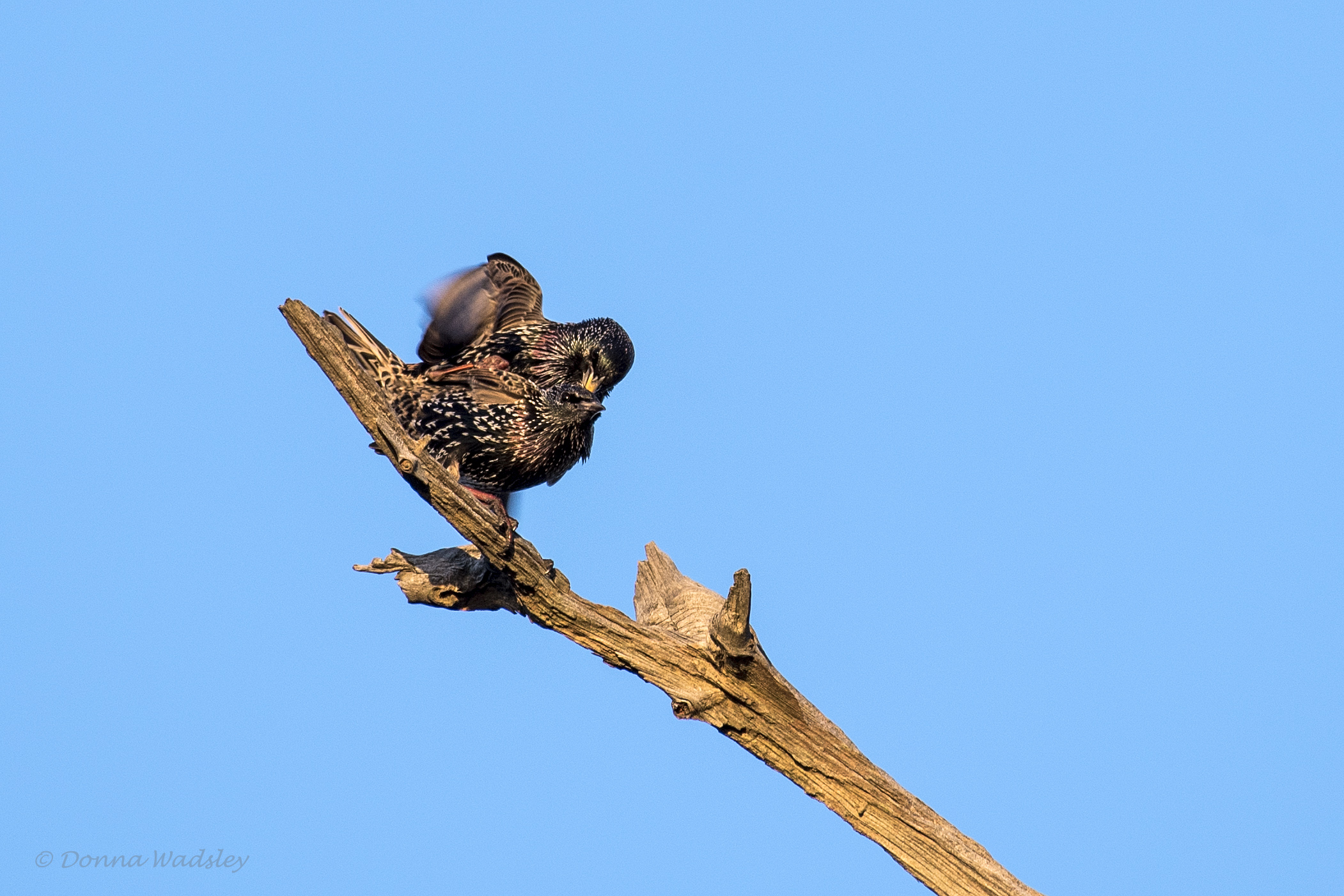
#06
.
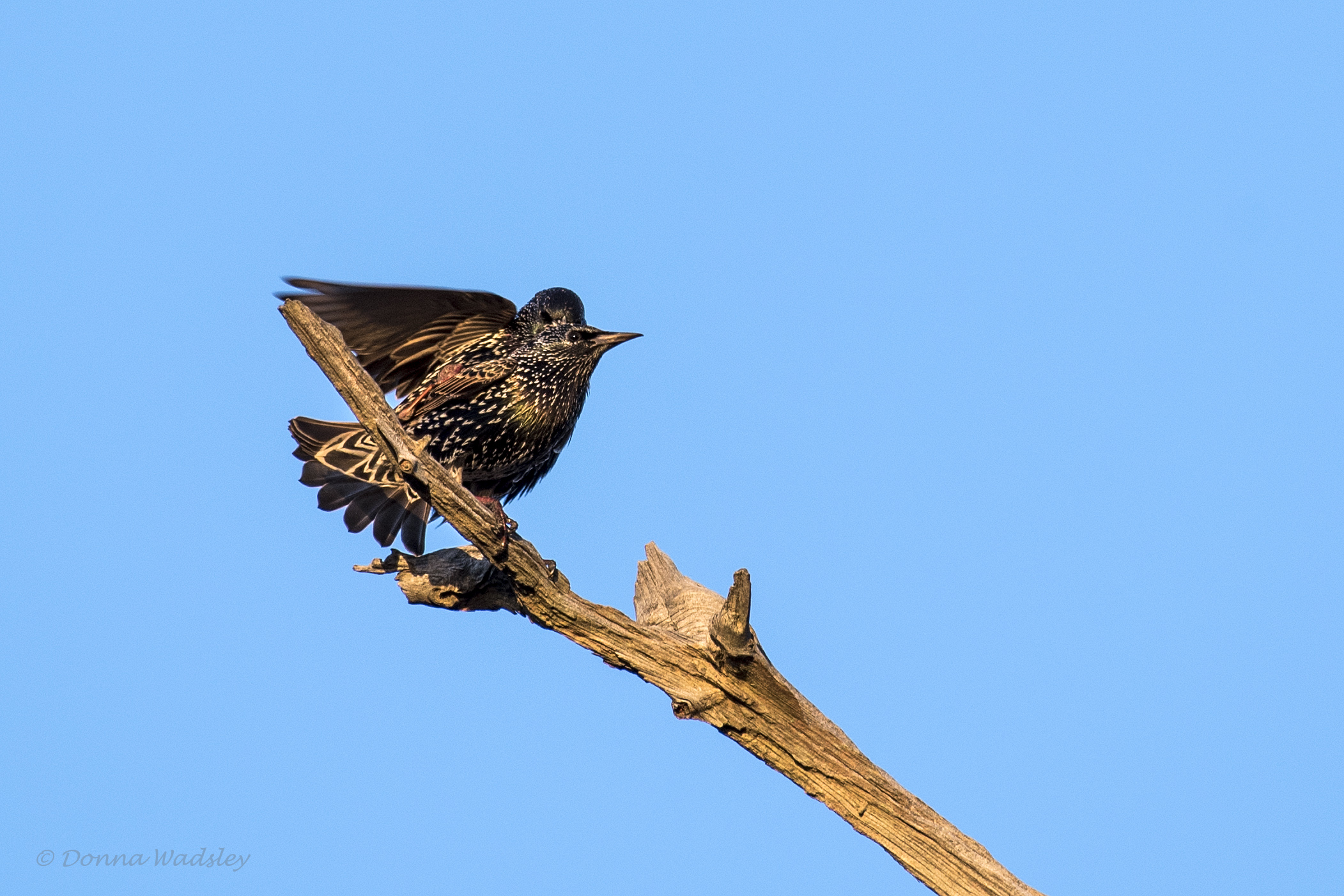
#07
.
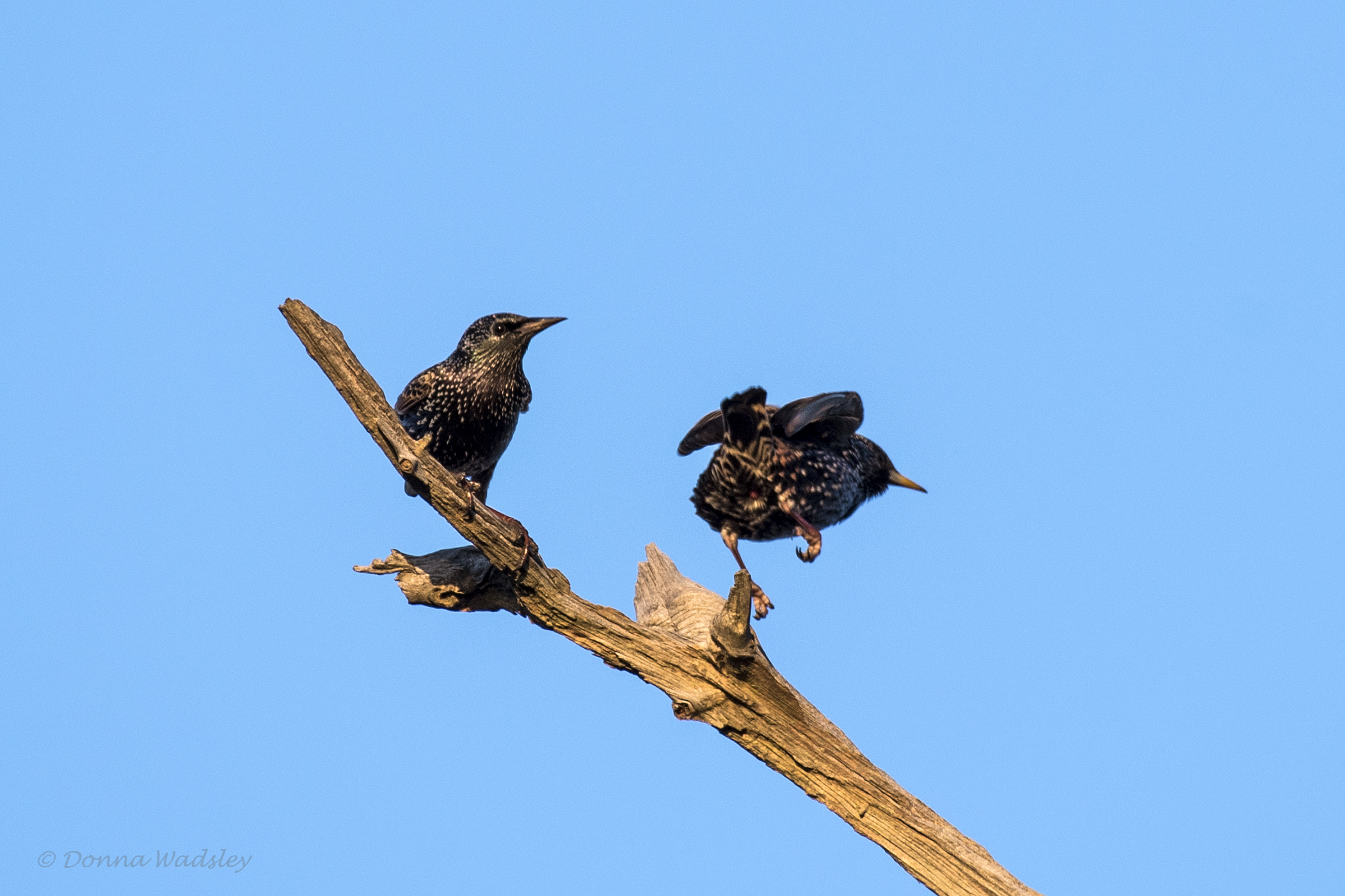
#08
.
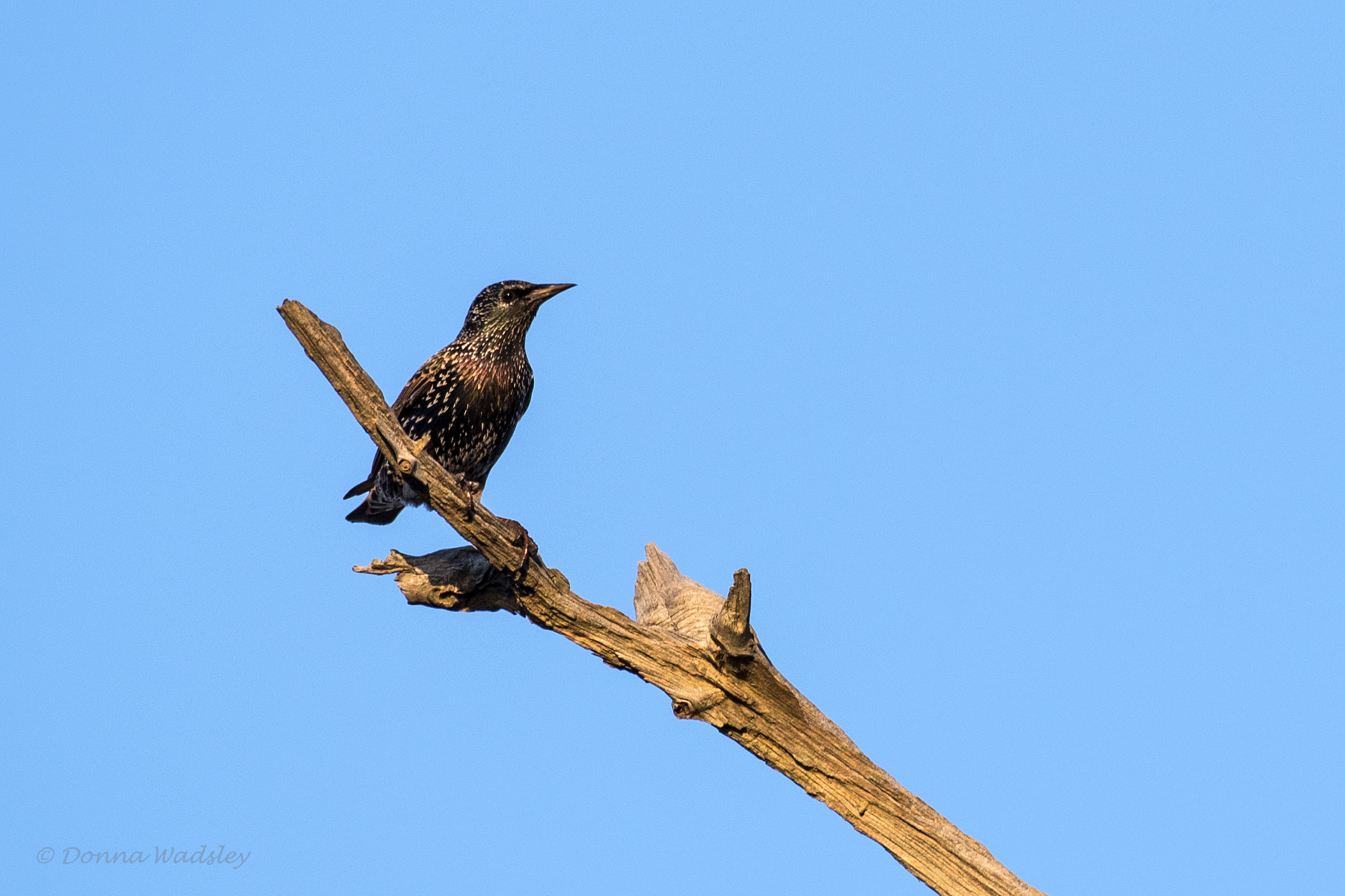
European Starling (female)
.
Yep, all in less than a minute! 😏
I am also going to try out sharing the photo series in a clickable slideshow.
.
.
.
Osprey Rejuvenation
.
The Osprey are back to the Chesapeake Bay region, reclaiming their nest locations and reconnecting with their mates. Osprey mate for life, and it’s been exciting to see so many pairs already reunited. Last September 2022 was worrisome; we had seven named storms, including two major hurricanes, Fiona and Ian, that migrating east coast Ospreys had to survive.
The Osprey typically leave the Chesapeake Bay region late August through September, with the female departing first. Each flies alone thousands of miles to South America for the winter.
There they live alone, enjoying the tropical vacation single life of fishing and relaxing until late February, when the instinct to return home to breed kicks in.
Most times we see the male arrive first. His mission is to hightail it back to make sure he repossesses the nest location before his lady returns usually within days to a couple weeks.
Osprey arrive home looking ragged, thin, and exhausted for good reason. The thousands of miles just completed was challenging and in most cases nonstop into storms, high winds, and other hazardous situations.
Depending on the exact departure over the Caribbean Sea that all east coast Osprey must take, their flight includes a grueling 400-700 mile over-water flight that takes 27-40 hours, forcing the additional risk of night-time travel.
Just a little info. 😉 Now on with a gratifying photo series of what helps begin the Osprey’s rejuvenation, a bath!
I happened upon this female Osprey, who had reconnected with her mate just days prior at the first nest platform on the left when entering Eastern Neck NWR.
She was standing in the water, the male up on the platform watching me pull up. I took a couple shots from my car window and moved on to leave her be.
.
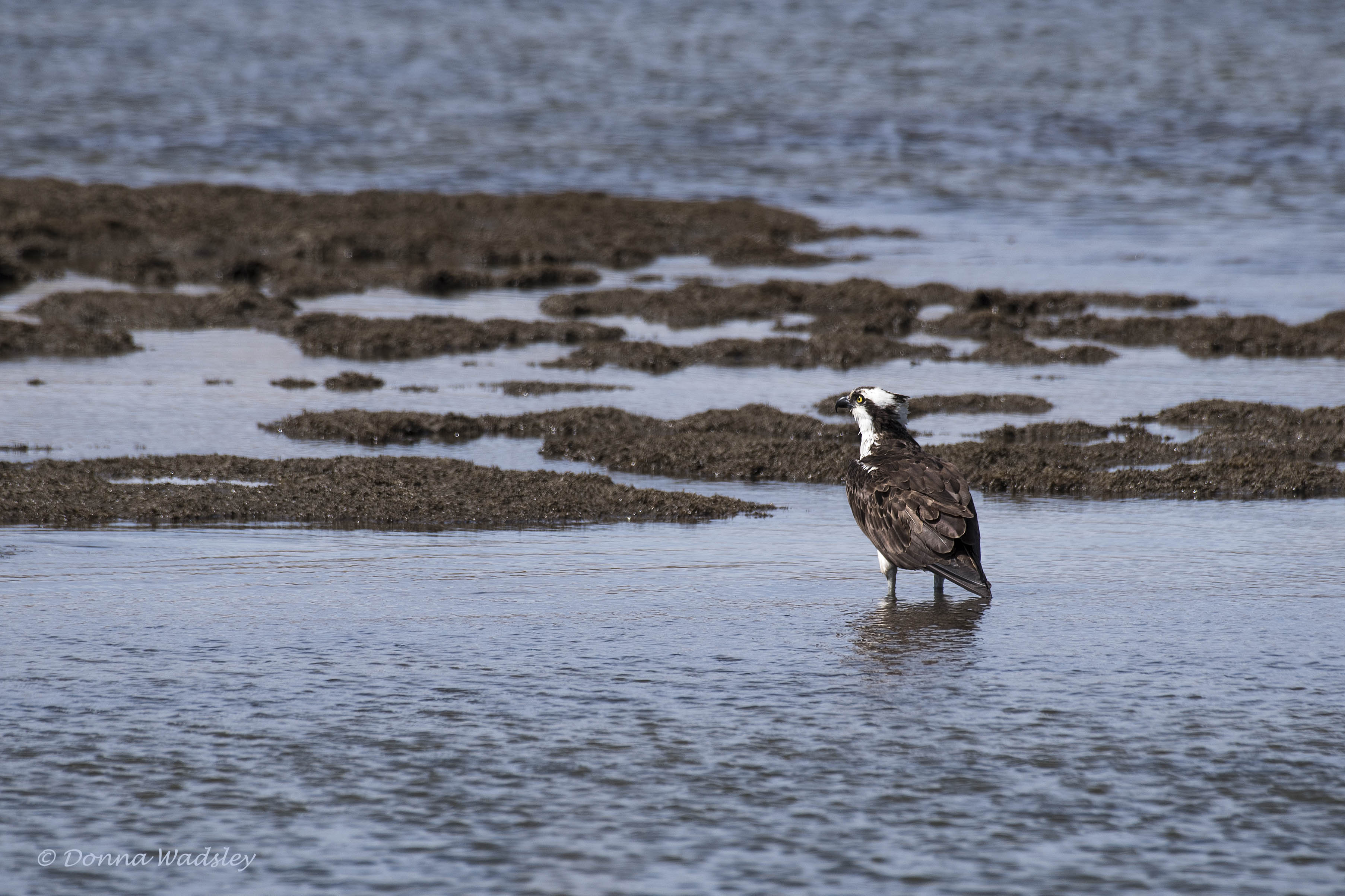
Osprey (female)
.
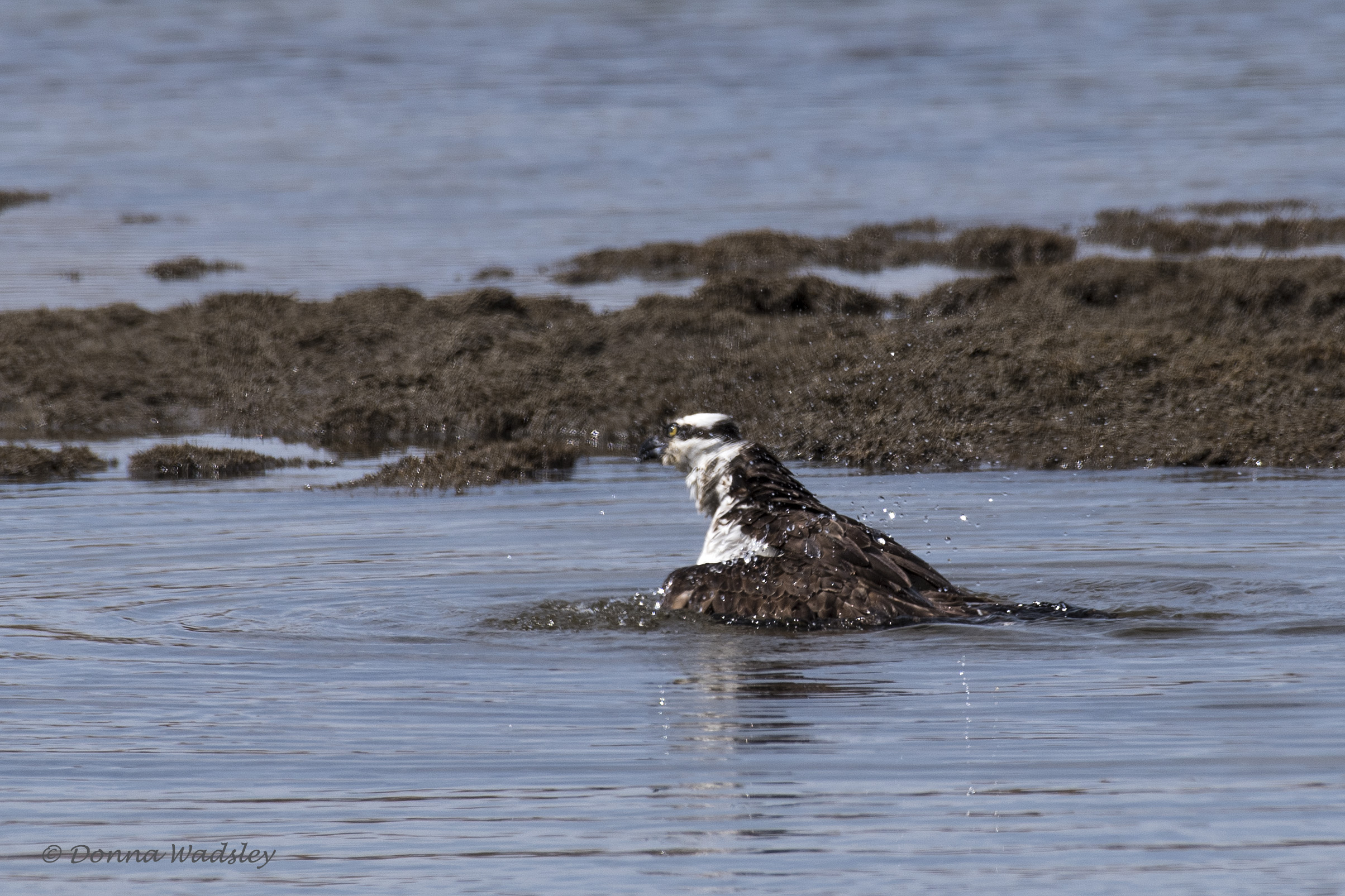
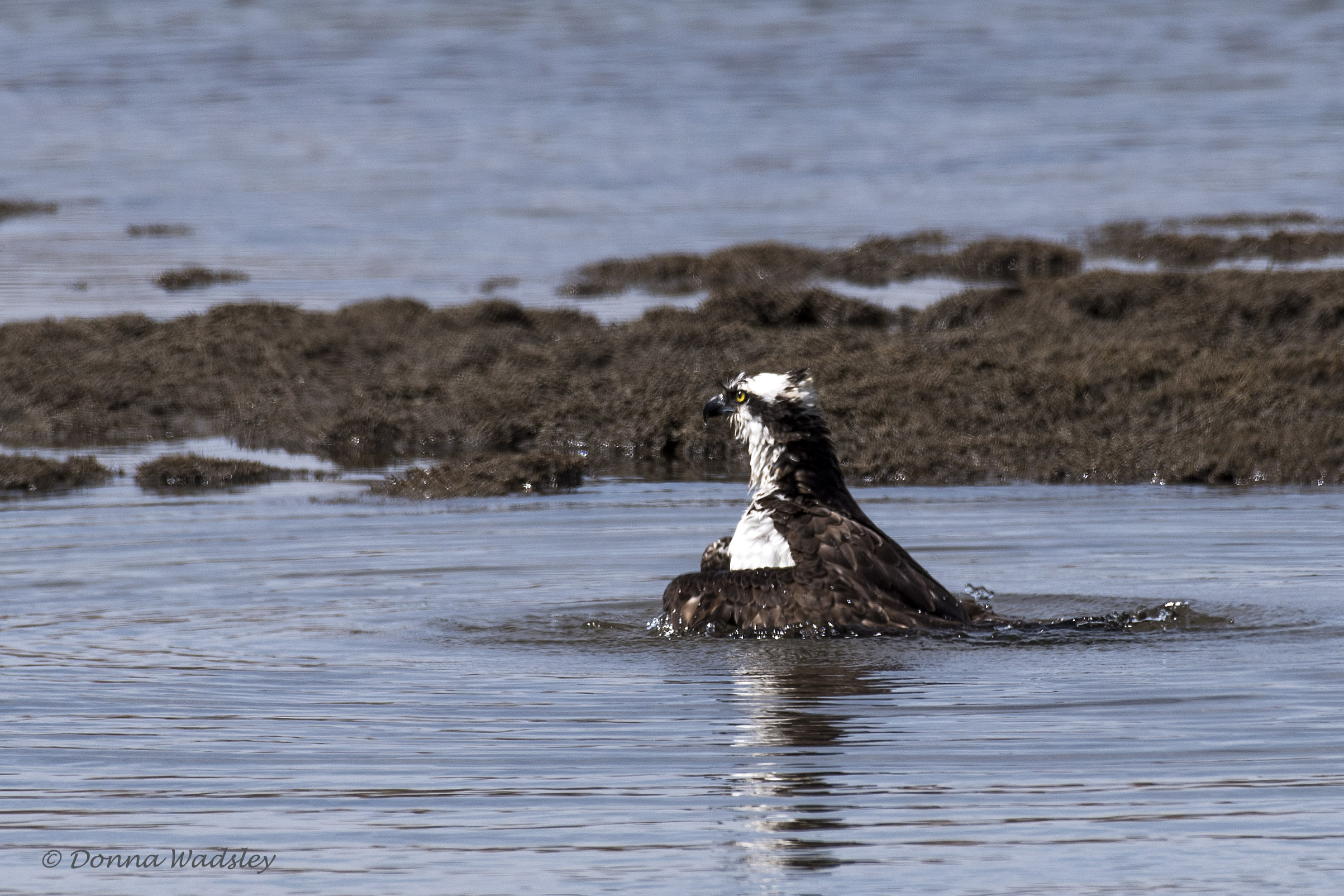
Eleven minutes later I passed back by and found her still in the water, but now she was taking one of her much needed feather-maintenance baths!
.
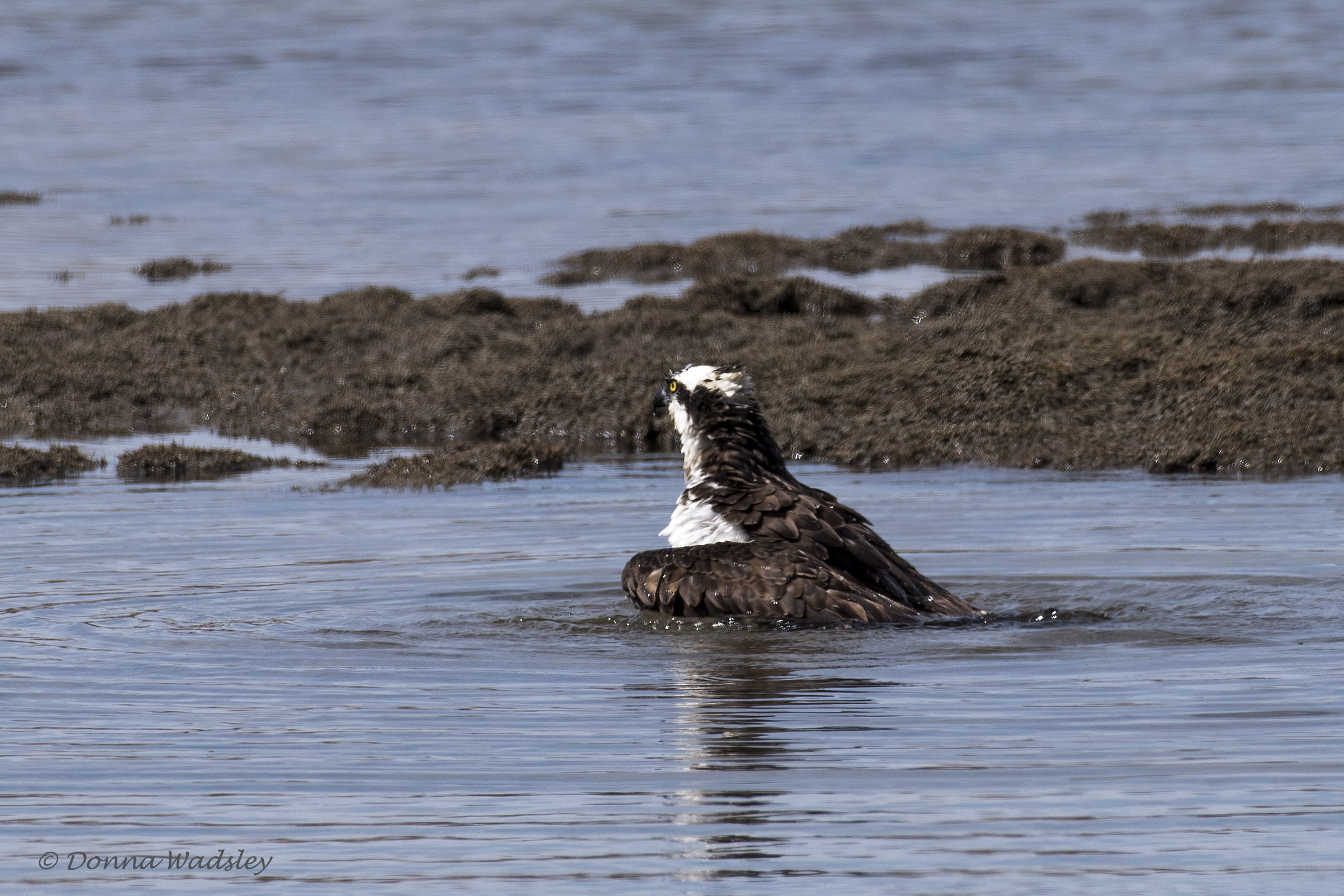
Female Osprey taking a bath
.
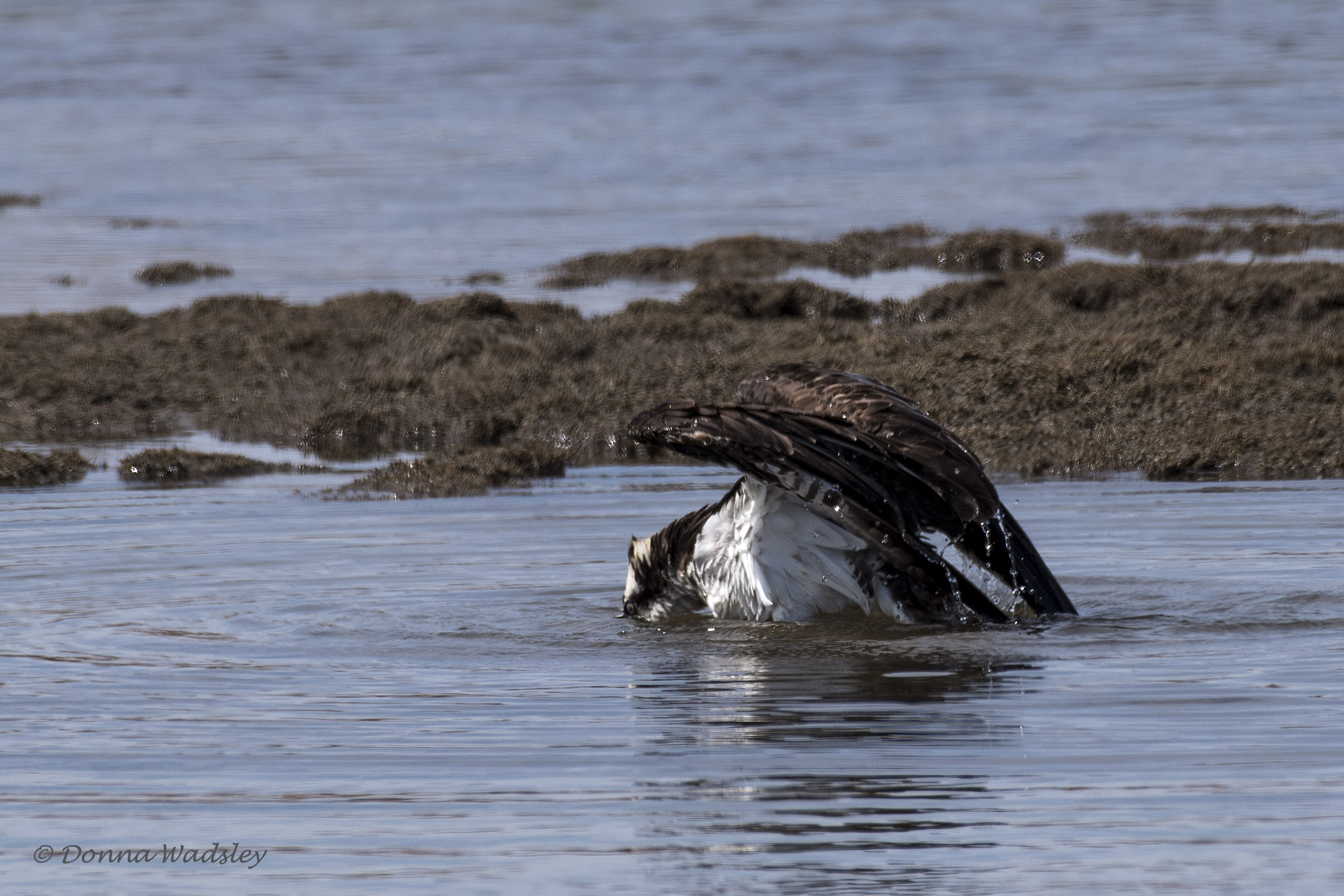
.
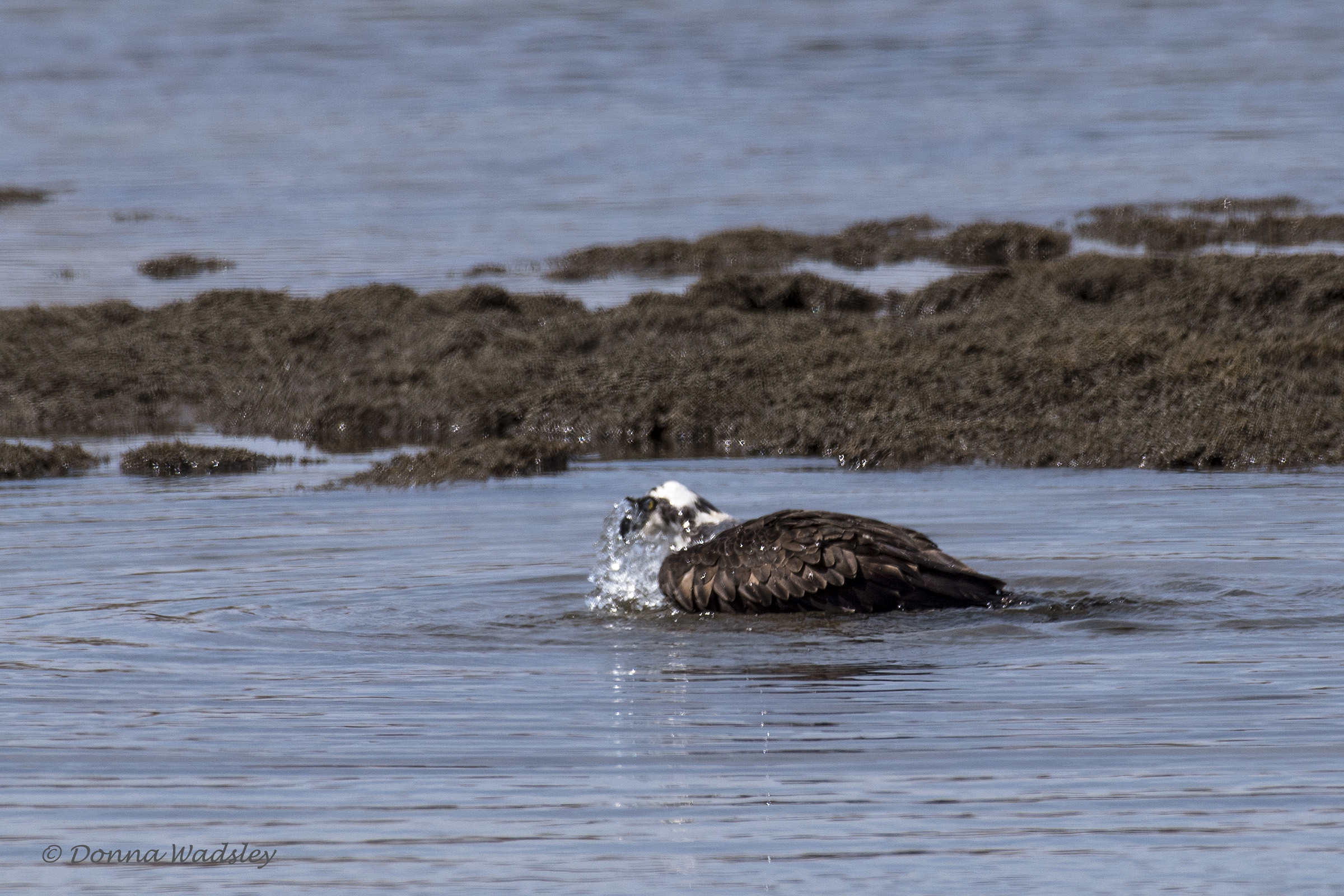
.
.
.
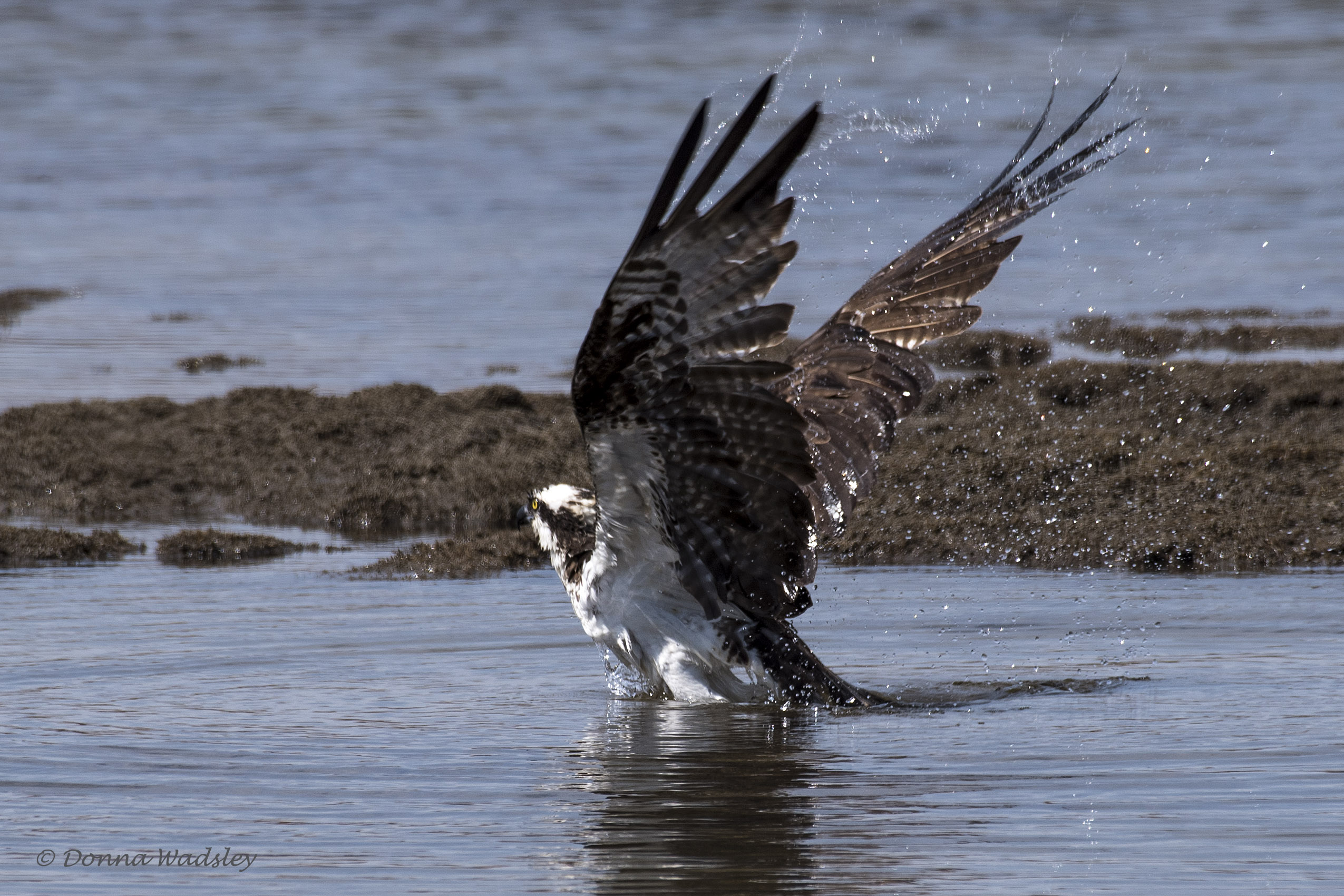
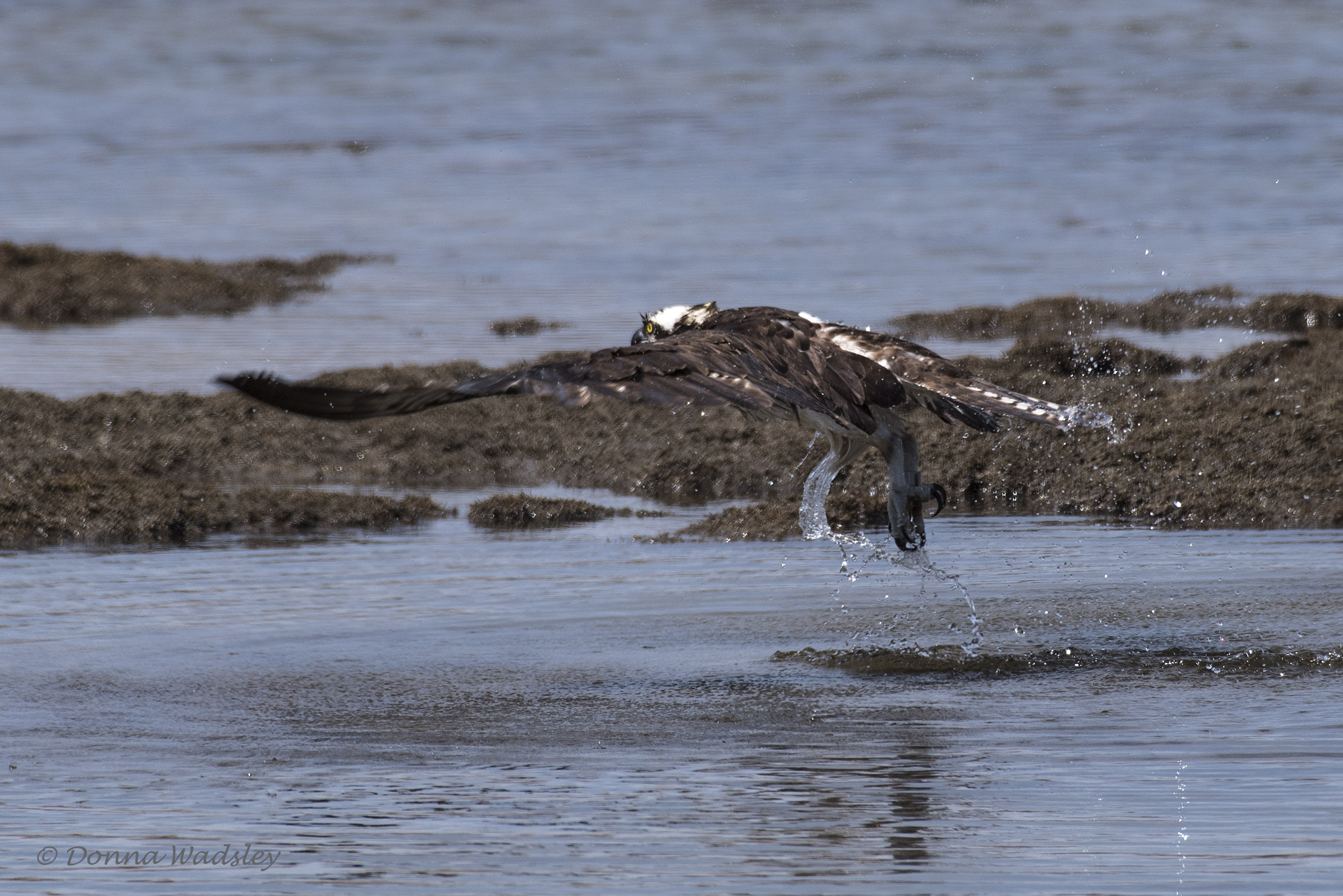
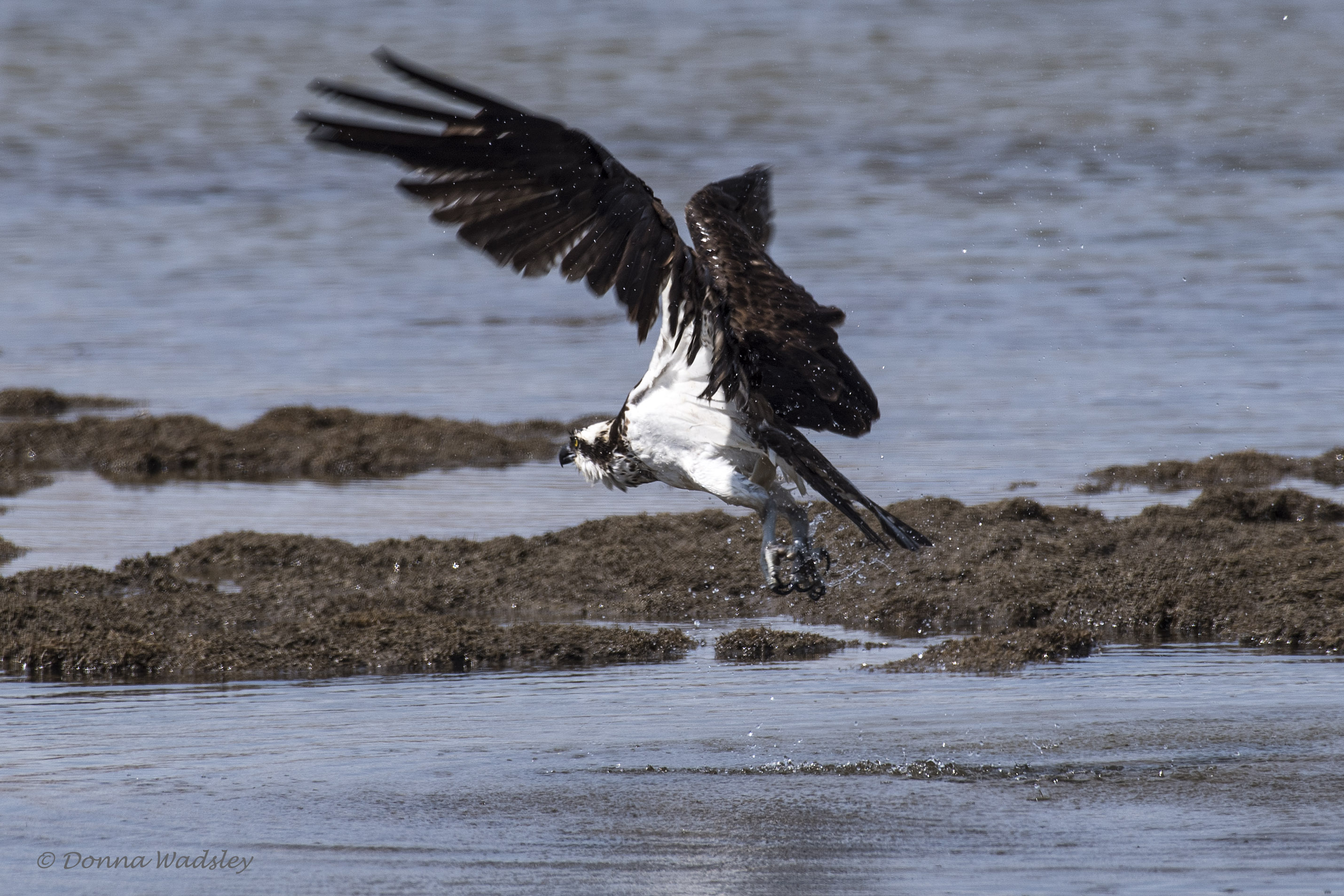
When finished, she took flight.
.
.
.
.
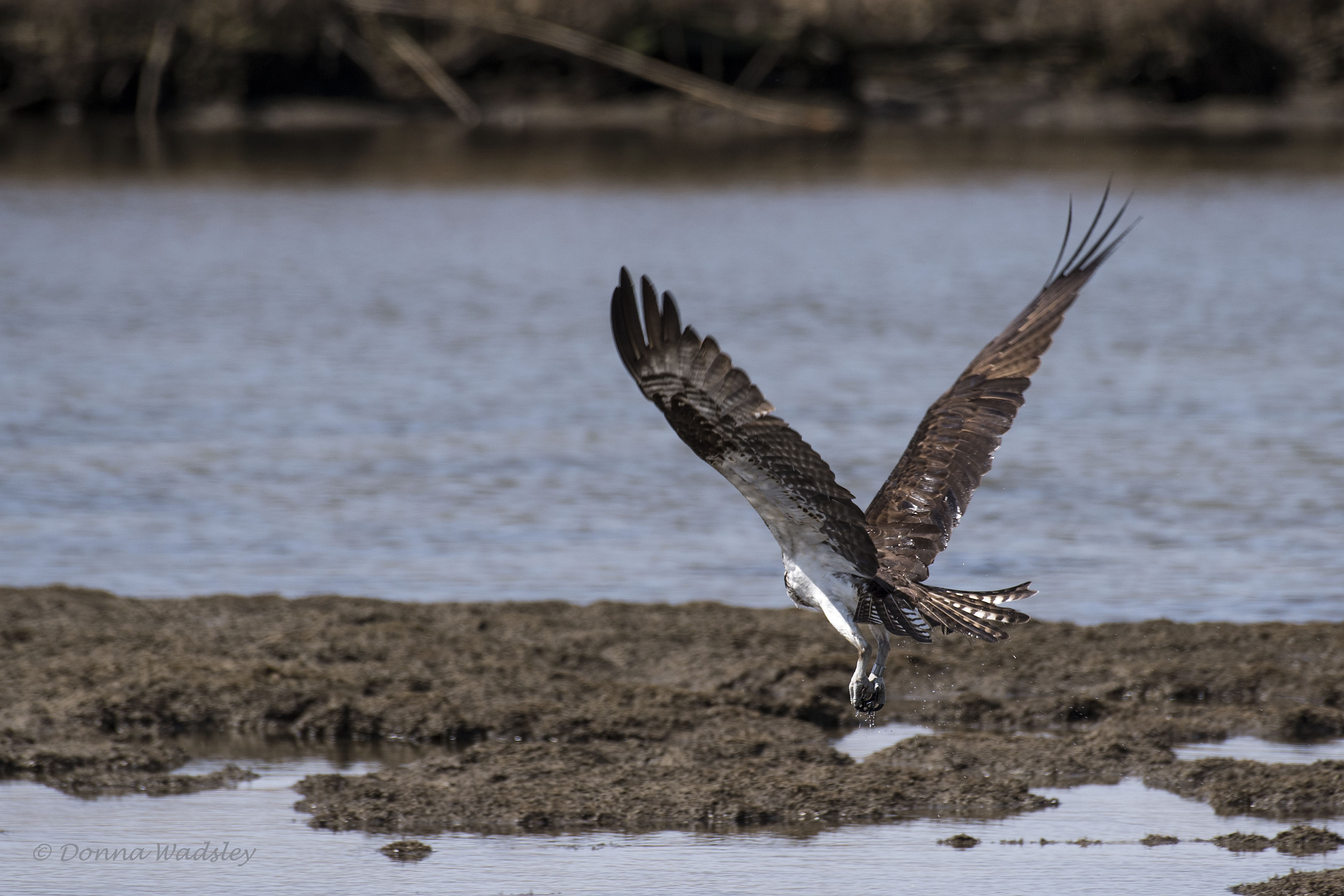
When processing the next photo, I zoomed in to take a good look at her tail feathers, seeing several missing.
.
.
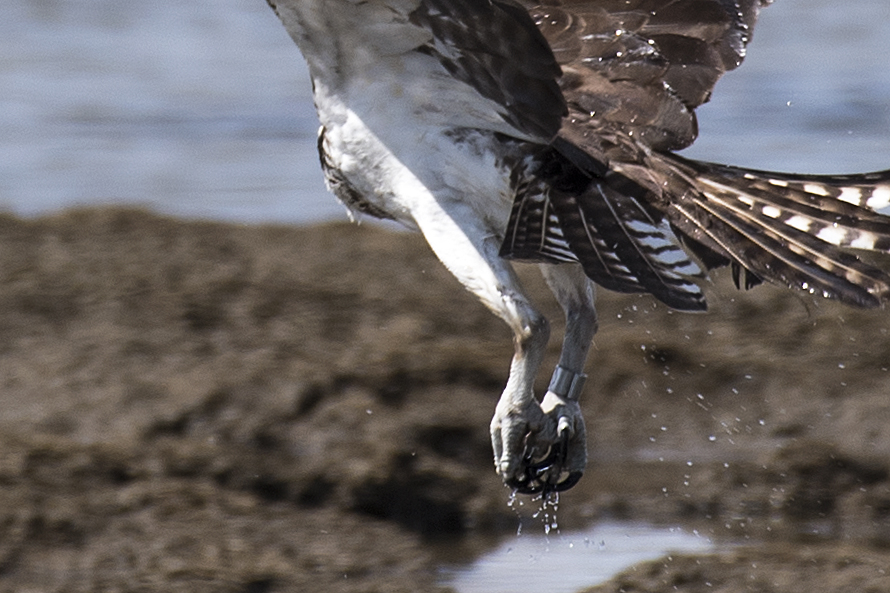
It was then that I noticed some bling on her right leg.
.
.
.
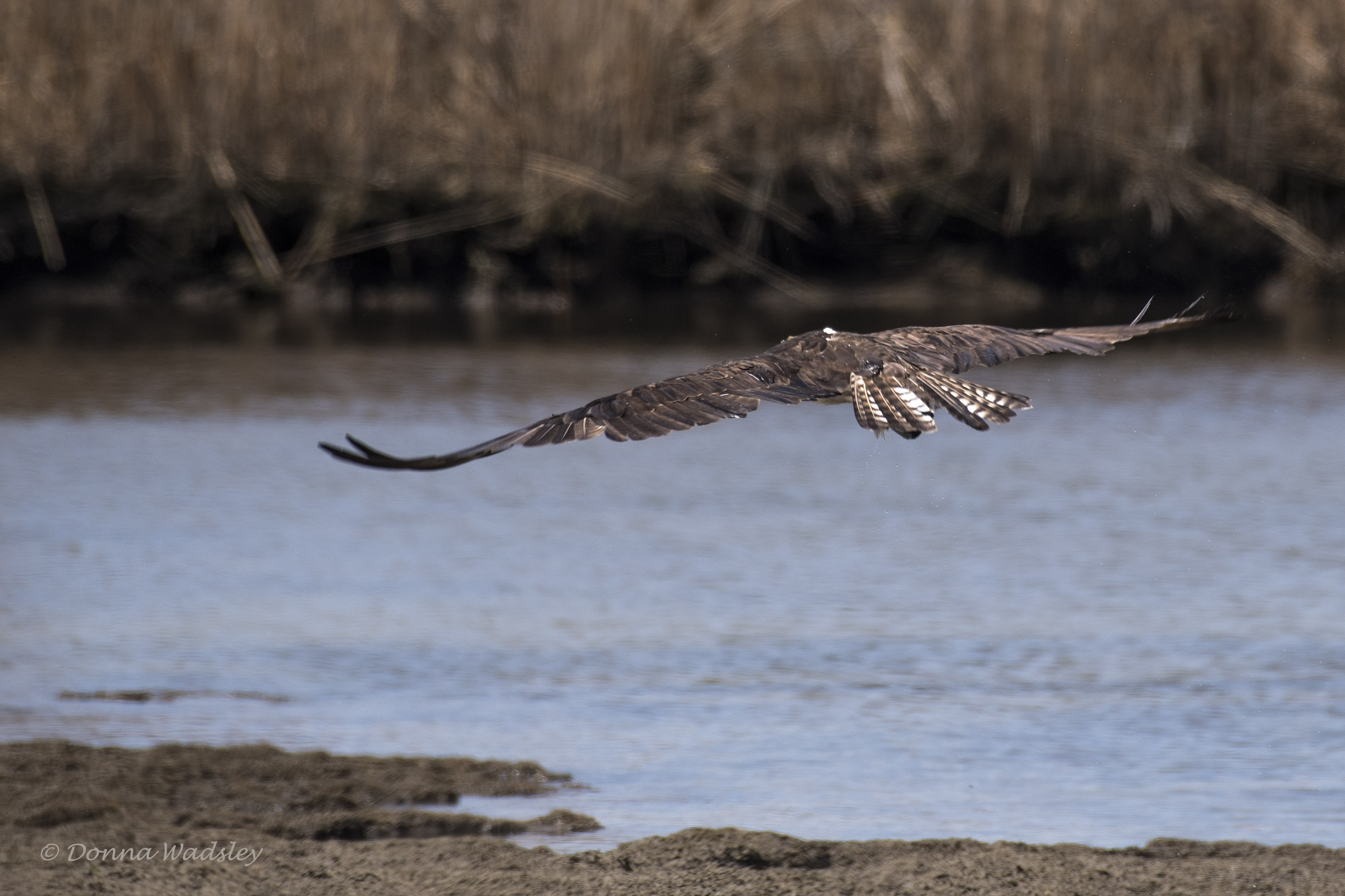
That last shot was as far back my body would turn from the car window, so I missed the shake-off! As I pulled away, I watched her circle around, fly up, and land next to her mate.
As to the leg band, knowing it was probably a slim chance, I reported the three numbers I could read (692) and sent high-res photos for review, including the small letters underneath unreadable.
I just heard back the small letters are important in identifying the bander to move forward with the numbers, and they couldn’t read the letters either. If I should obtain more photos over the course of the summer, I can resubmit with a report number.
Sounds like a plan! 😉
By the way….Welcome home, Osprey! We missed ya!
.
.
Orange-crowned Warbler
.
The Orange-crowned Warbler breeds in the western U.S. and Canada, and migrates to the southern states and Mexico for the winter.
Considered rare for our region per eBird, an Orange-crowned Warbler was spotted recently at Eastern Neck NWR at the end of Duck Inn Trail.
I didn’t have a lot of time and hit the 1/2 mile one-way trail with my binoculars, long lens, and fingers crossed.
When I got to the end, I searched for 30 minutes in a chilly wind. No sign of the warbler or anything else for that matter. I disappointingly decided to head back to my car. Maybe it was no longer there.
So while walking back, yeah my mind was talking. I was disappointed. But should I have given up just yet? It wasn’t that cold (well, maybe). And what if it is still there. This is a lifer for me, I reminded myself.
I stopped, turned around, and looked back down that path leading through the marsh grasses and trees.
That’s all it took. (And how a birder’s mind thinks! 🤣) Yes, I started walking back to the end to look some more!
.
“Well, there you are! You were watching me all along, weren’t you?” 🙂
.
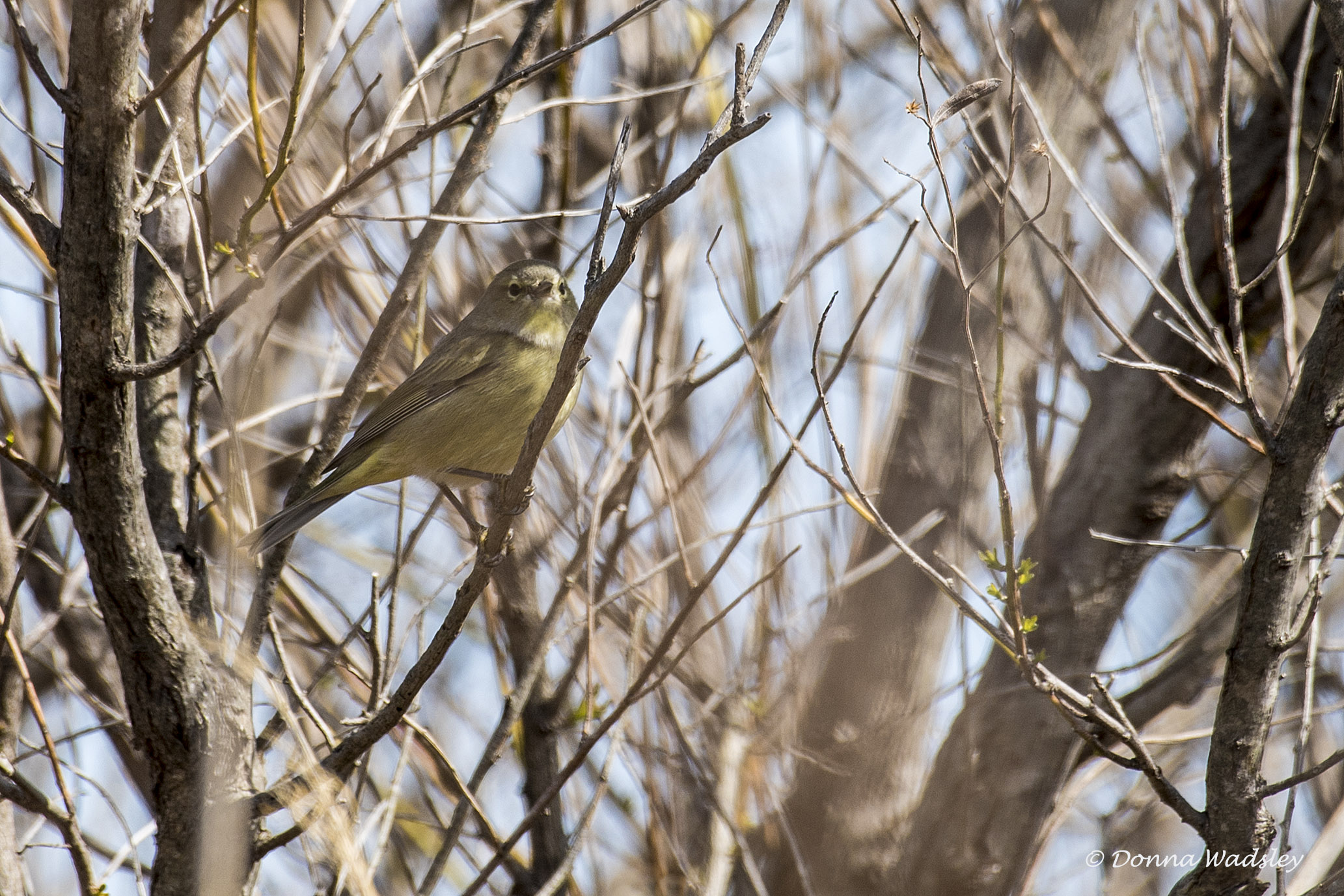
Orange-crowned Warbler – My lifer #294 (photographed #273)
.
I saw movement and then saw the warbler fly across the path in front of me and land on a branch. It then took off again, flitting back and forth, from tree branch to tree branch. I kept clicking away, hoping for a good shot. What a tease!
.
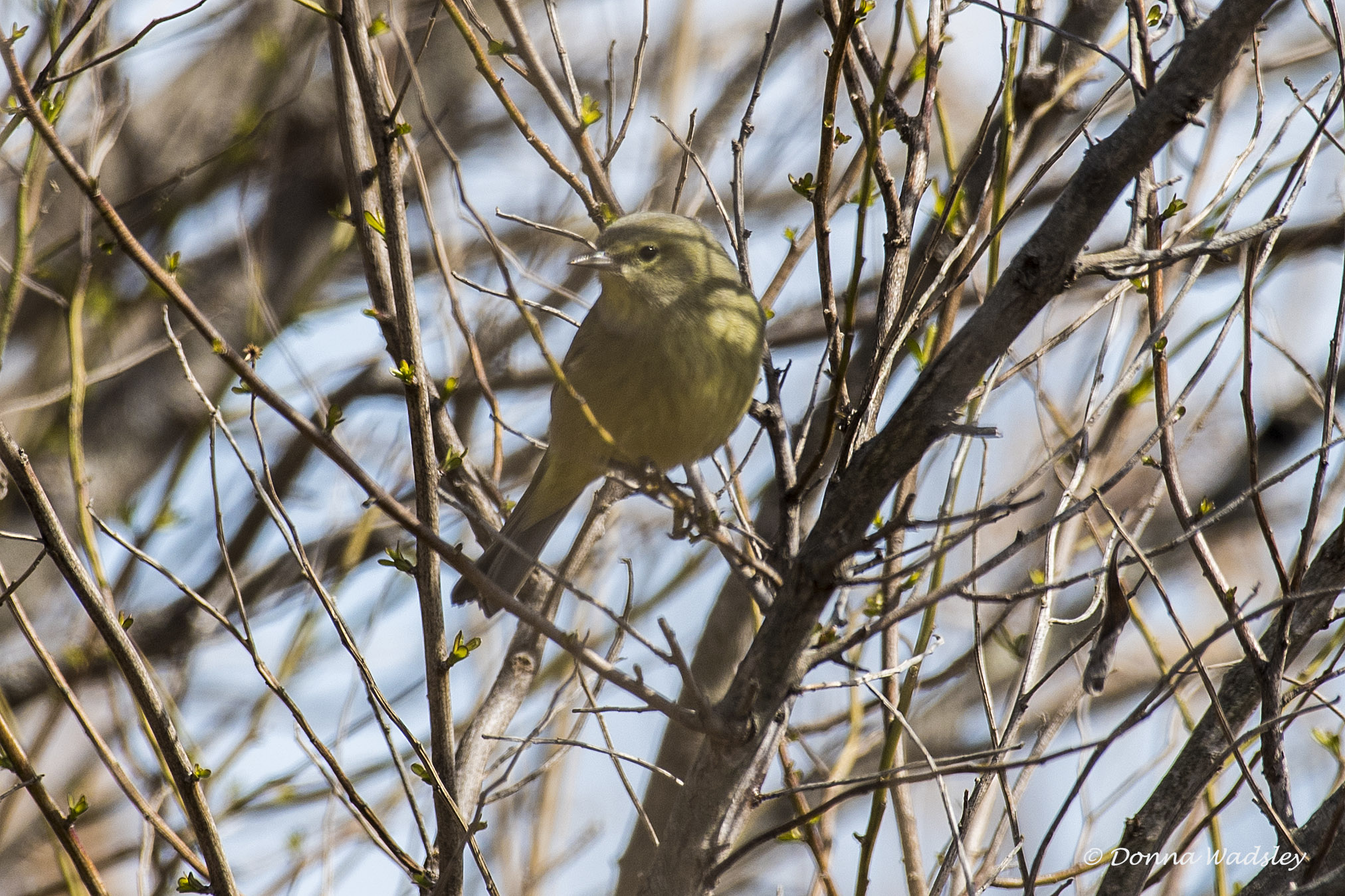
Orange-crowned Warbler
.
This little warbler does have an orange crown that it displays when very excited. I guess I didn’t excite it that much, ha! But I know it excited me when I saw it!
.
.
Great Blue Heron
.
I hadn’t seen one of the refuge’s year-round resident, a Great Blue Heron, since February 1st. Someone else at the refuge mentioned they, too, hadn’t seen it for quite a while either.
Two days ago, I was elated to find it back, fishing in one of its favorite ponds.
.
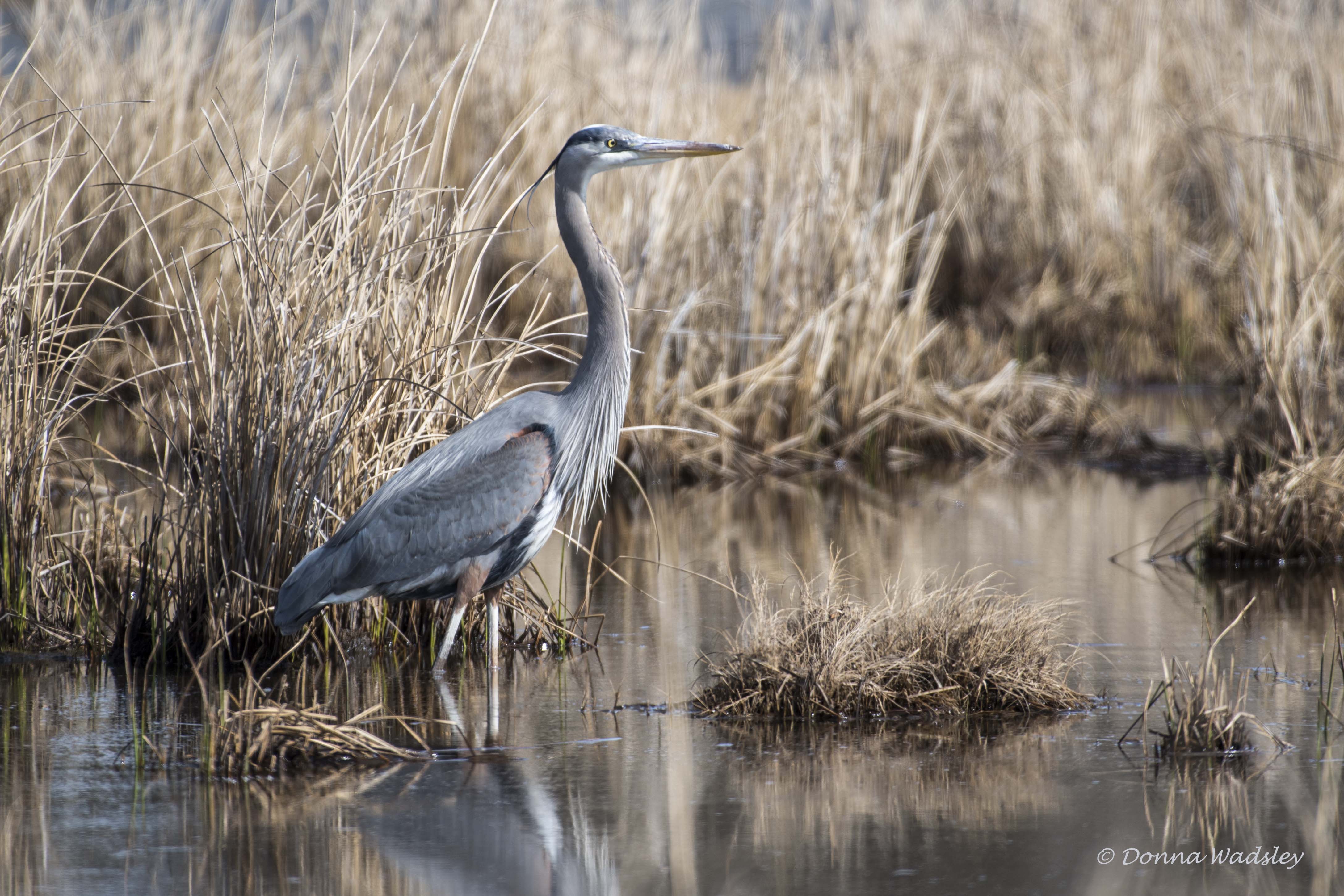
Great Blue Heron
.