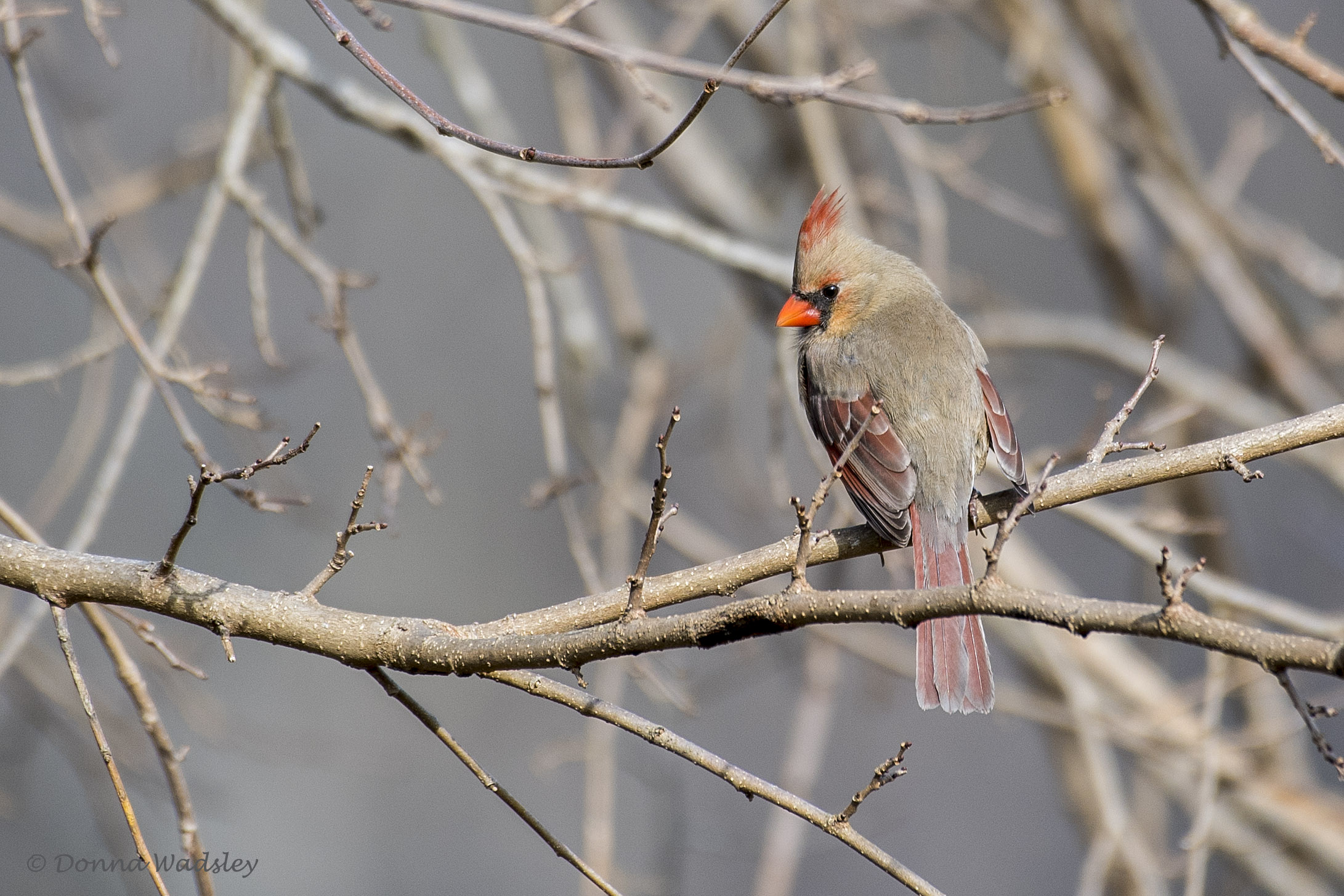
1-2-3 Cute As Can Be – #26
.
Little bird, little bird, thank you for sharing the winter with me!
.
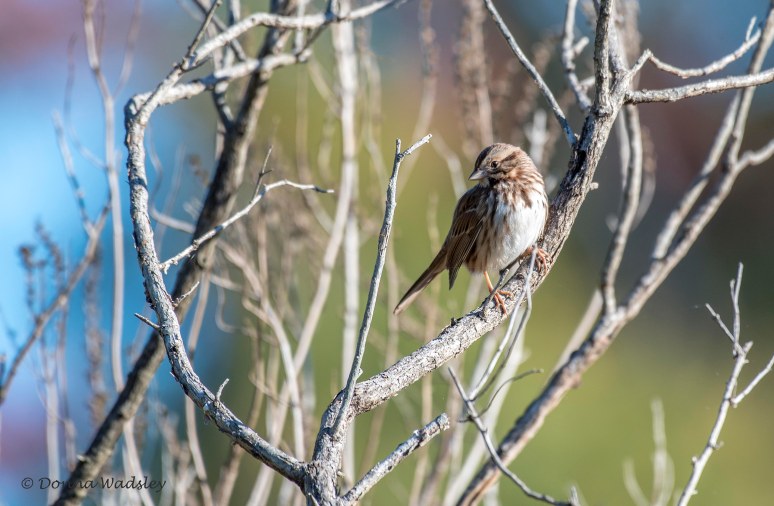
Song Sparrow
Length: 4.7-6.7 in (12-17 cm)
Weight: 0.4-1.9 oz (12-53 g)
Wingspan: 7.1-9.4 in (18-24 cm)
.
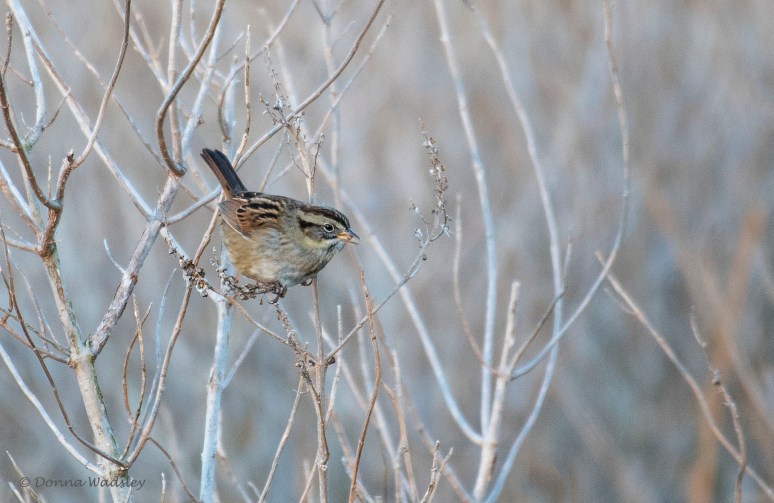
Swamp Sparrow
Length: 4.7-5.9 in (12-15 cm)
Weight: 0.5-0.8 oz (15-23 g)
Wingspan: 7.1-7.5 in (18-19 cm)
.
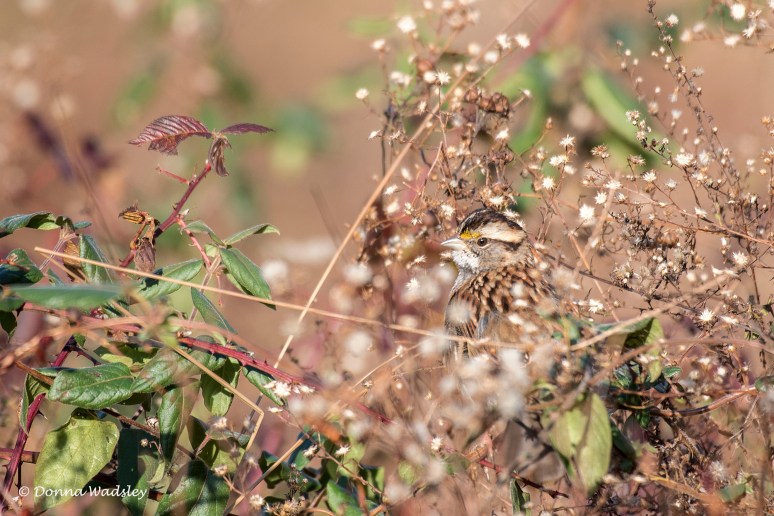
White-throated Sparrow
Length: 6.3-7.1 in (16-18 cm)
Weight: 0.8-1.1 oz (22-32 g)
Wingspan: 7.9-9.1 in (20-23 cm)
.
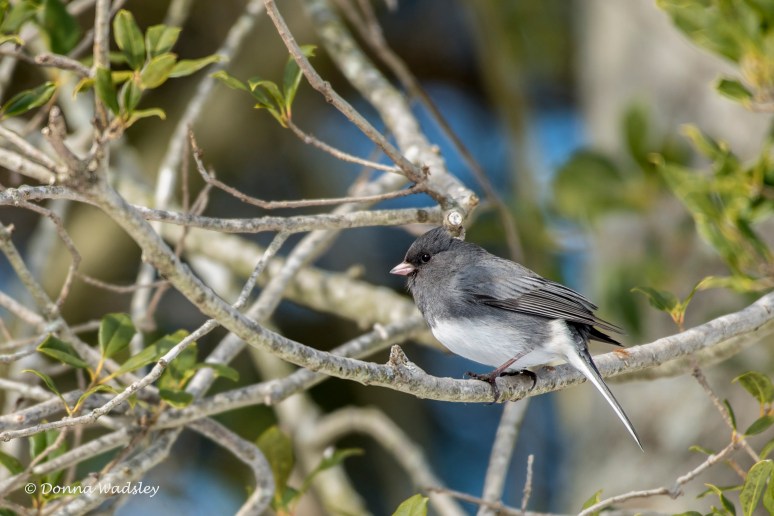
Dark-eyed Junco
Length: 5.5-6.3 in (14-16 cm)
Weight: 0.6-1.1 oz (18-30 g)
Wingspan: 7.1-9.8 in (18-25 cm)
.
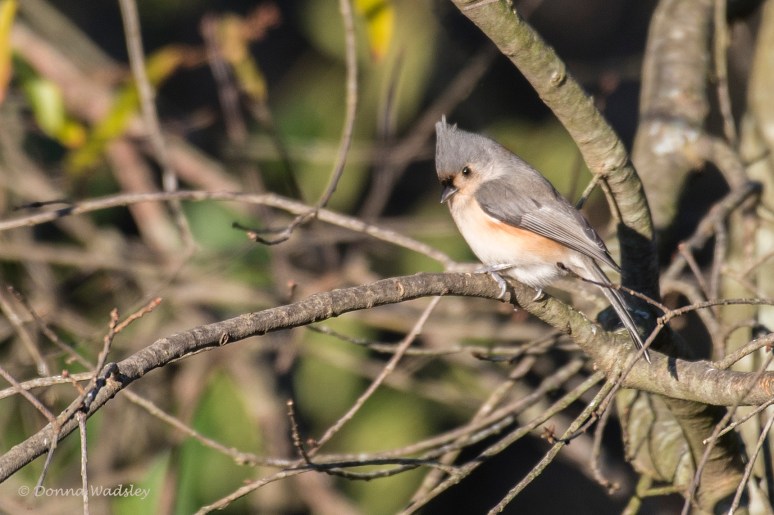
Tufted Titmouse
Length: 5.5-6.3 in (14-16 cm)
Weight: 0.6-0.9 oz (18-26 g)
Wingspan: 7.9-10.2 in (20-26 cm)
.
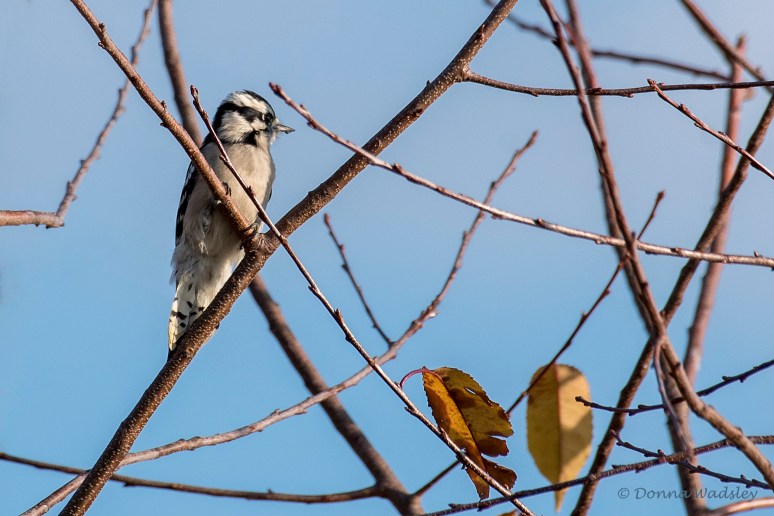
Downy Woodpecker
Length: 5.5-6.7 in (14-17 cm)
Weight: 0.7-1.0 oz (21-28 g)
Wingspan: 9.8-11.8 in (25-30 cm)
.

American Goldfinch
Length: 4.3-5.1 in (11-13 cm)
Weight: 0.4-0.7 oz (11-20 g)
Wingspan: 7.5-8.7 in (19-22 cm)
.
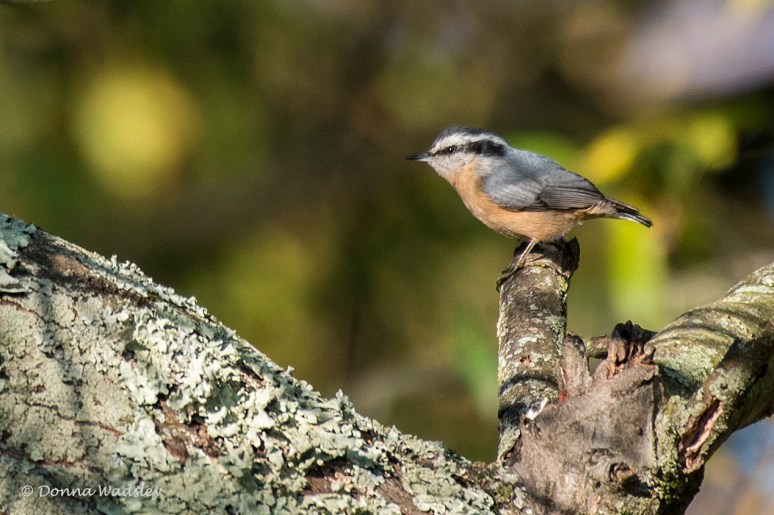
Red-breasted Nuthatch
Length: 4.3 in (11 cm)
Weight: 0.3-0.5 oz (8-13 g)
Wingspan: 7.1-7.9 in (18-20 cm)
.
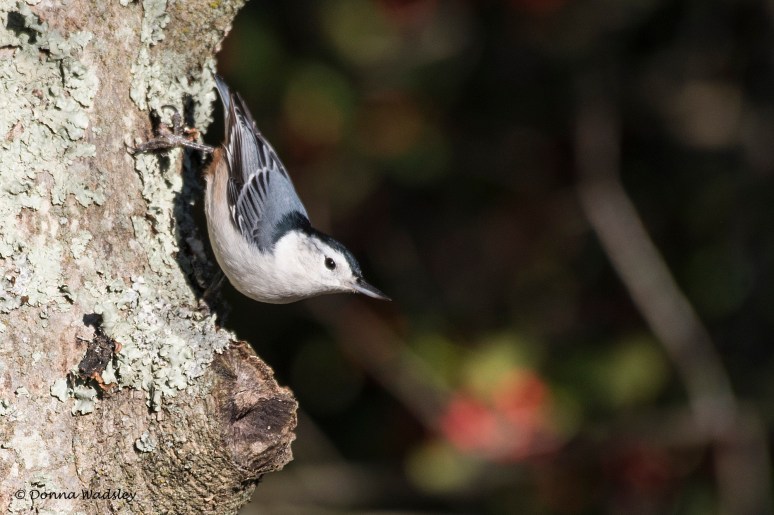
White-breasted Nuthatch
Length: 5.1-5.5 in (13-14 cm)
Weight: 0.6-1.1 oz (18-30 g)
Wingspan: 7.9-10.6 in (20-27 cm)
.
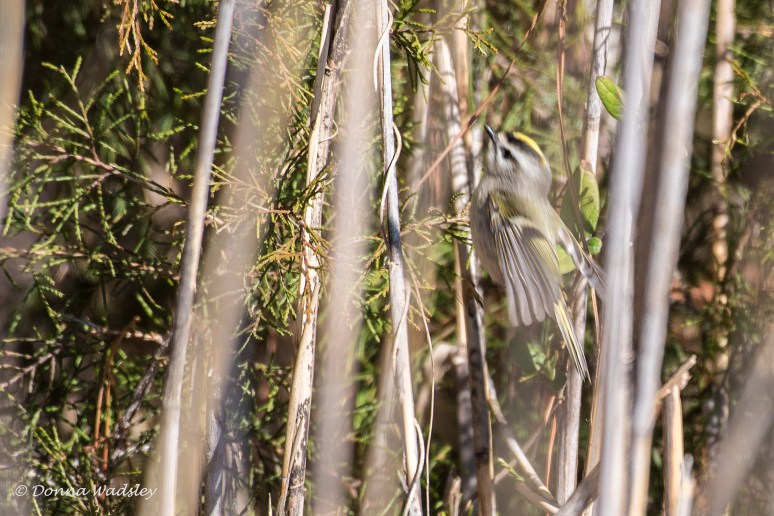
Golden-crowned Kinglet
Length: 3.1-4.3 in (8-11 cm)
Weight: 0.1-0.3 oz (4-8 g)
Wingspan: 5.5-7.1 in (14-18 cm)
.
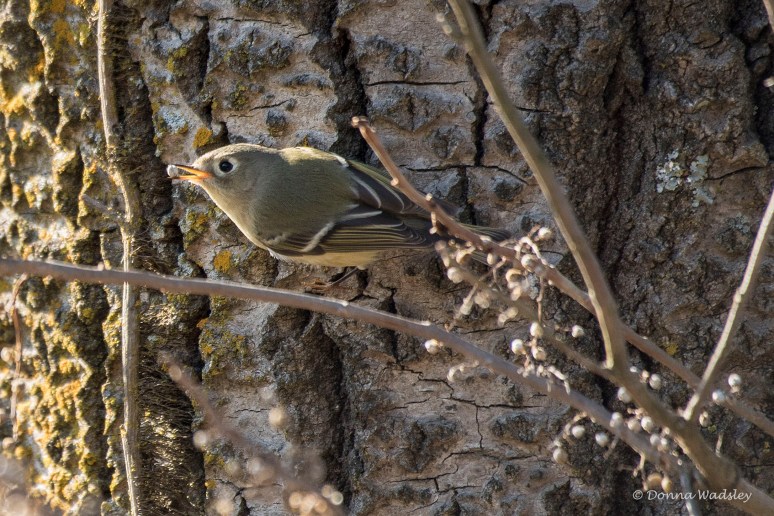
Ruby-crowned Kinglet
Length: 3.5-4.3 in (9-11 cm)
Weight: 0.2-0.3 oz (5-10 g)
Wingspan: 6.3-7.1 in (16-18 cm)
.

Yellow-rumped Warbler
Length: 4.7-5.5 in (12-14 cm)
Weight: 0.4-0.5 oz (12-13 g)
Wingspan: 7.5-9.1 in (19-23 cm)
.
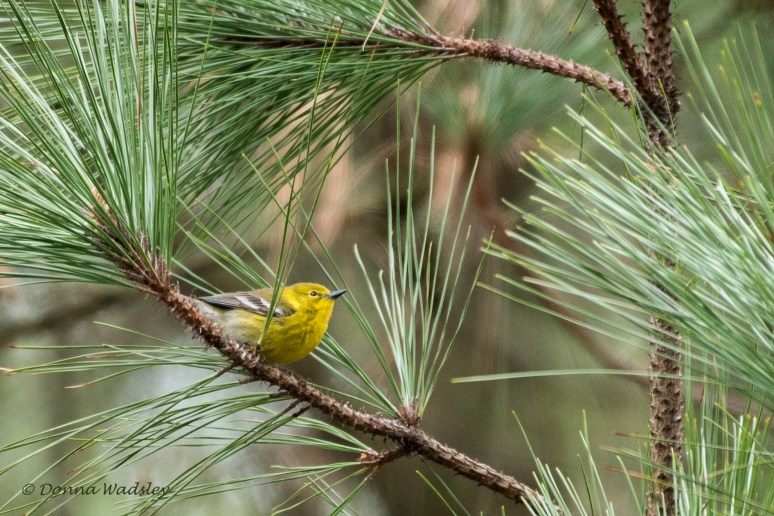
Pine Warbler
Length: 5.1-5.5 in (13-14 cm)
Weight: 0.3-0.5 oz (9-15 g)
Wingspan: 7.5-9.1 in (19-23 cm)
.
Once I saw a little bird
Come hop, hop, hop;
So I cried, “Little bird,
will you stop, stop, stop?”
I was going to the window
To say, “How do you do?”
But he shook his little tail,
And far away he flew.
by Walter Crane
(first published in “An Alphabet Of Old Friends” in 1874)
.
.
Peregrine Falcon
.
I recently shared a beautiful few minutes with an adult Peregrine Falcon I found perched along the dirt road to the Visitor’s Center at Eastern Neck NWR.
.

Peregrine Falcon (adult)
.
The Peregrine Falcon is found on all continents except Antarctica.
.
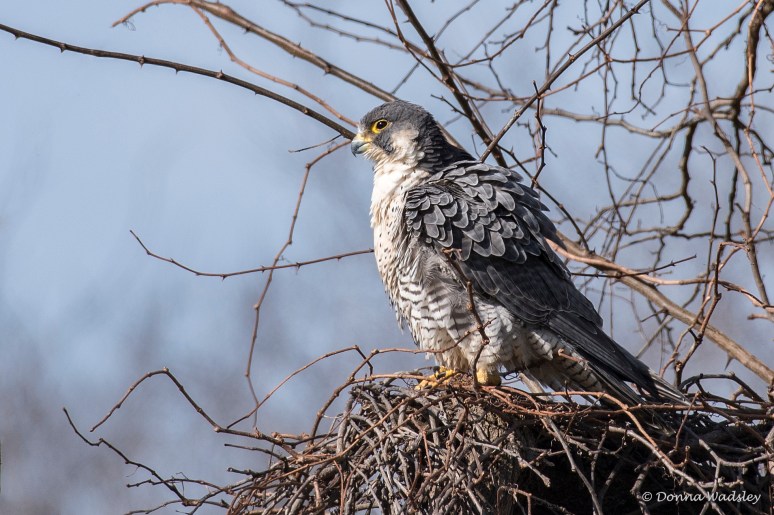
Peregrine Falcon
.
It was a partly cloudy morning and I saw blue sky was setting up to appear in the background. I moved my car up a little closer, very slowly.
Oh no, I thought, it’s going to fly; and I really didn’t want it to.
.

Peregrine Falcon
.
It must have heard me 😉 and settled back down.
The Peregrine Falcon is fast, averaging 25-34 mph (40-55 km/h) in traveling flight, and reaching speeds up to 69 mph (112 km/h) in direct pursuit of prey. Incredibly, it can hunt from heights over 0.62 miles (1 km), then speed-drop to its prey, reaching up to 200 mph (320 km/h).
A couple more shots and I slowly pulled away. Yes, with a smile a mile wide!
.
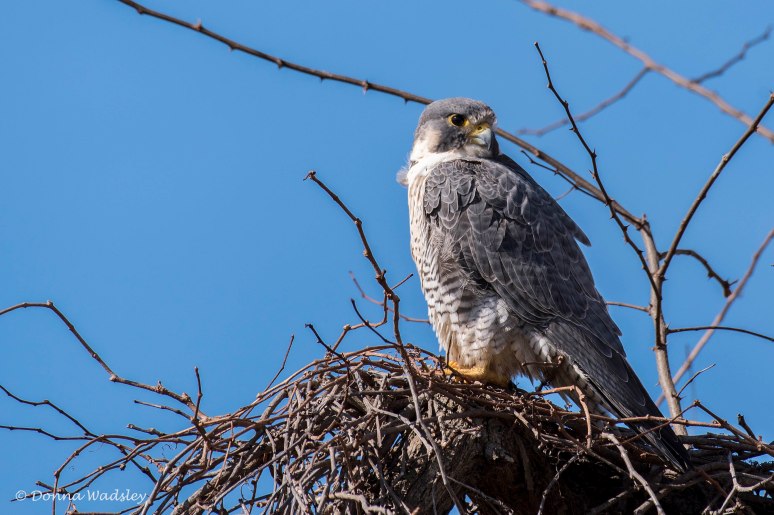
Peregrine Falcon
.
.
Five On The Wire – #11
.
Let’s see who’s been enjoying those 360 degree views recently!
.
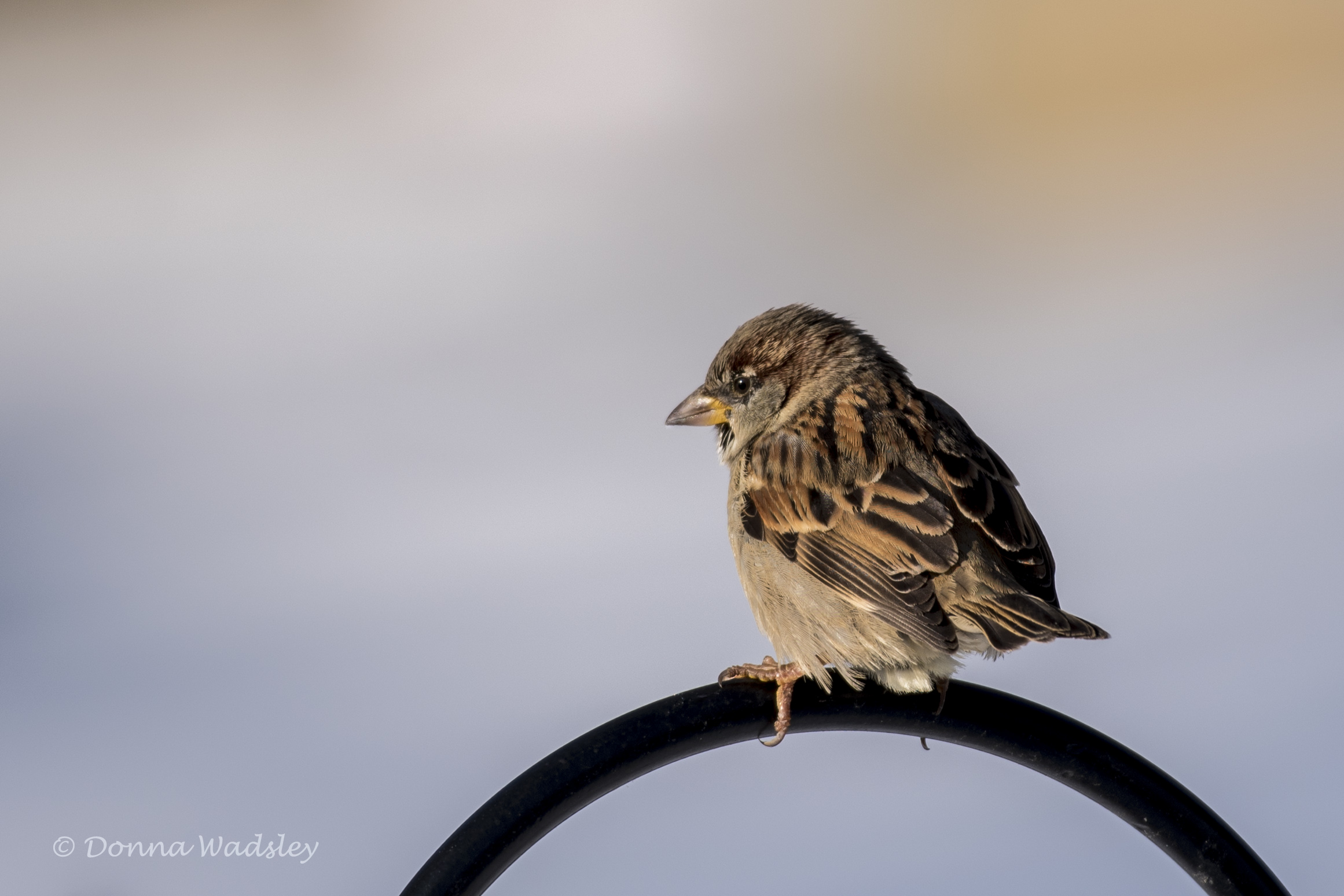
House Sparrow (male)
.
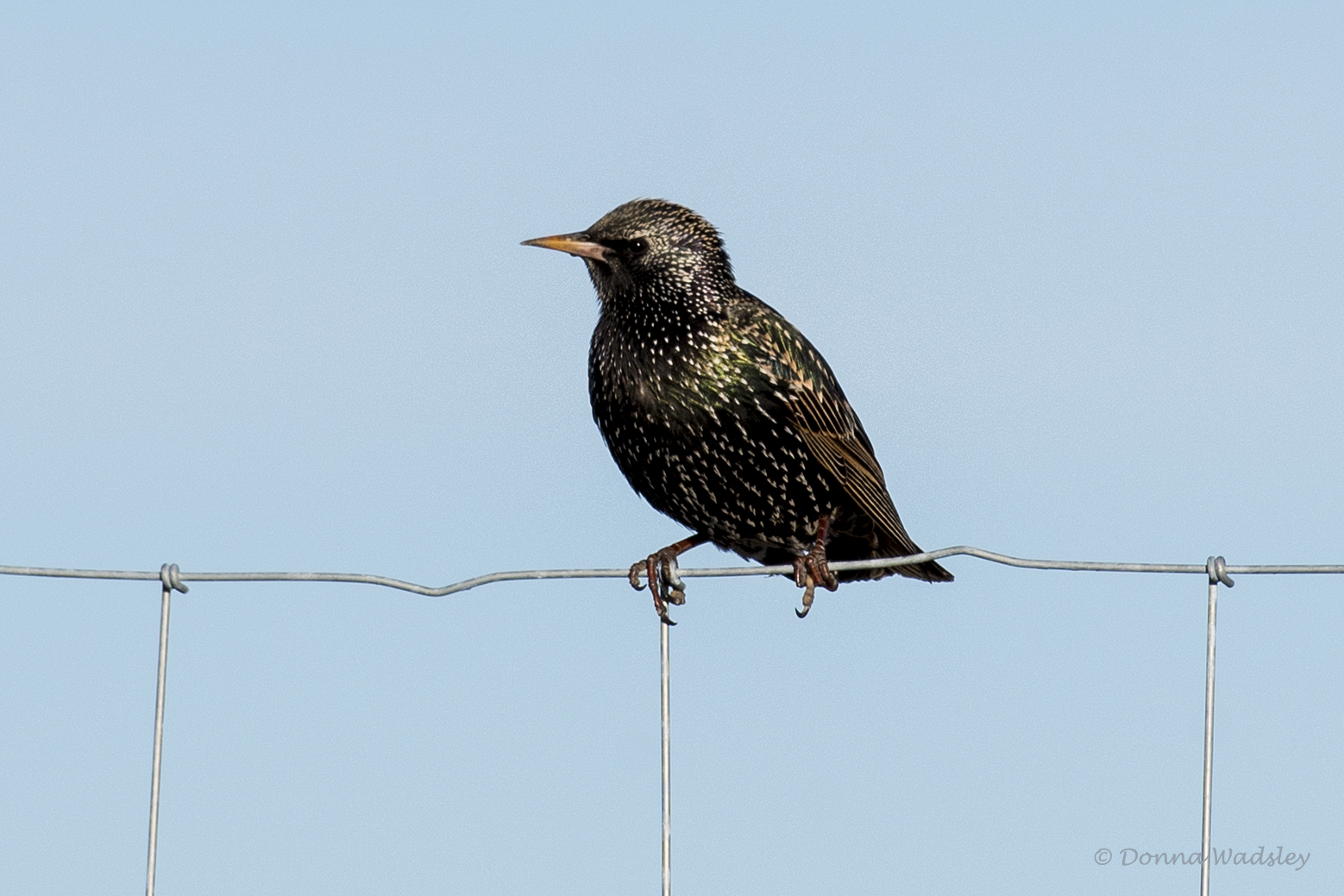
European Starling
.
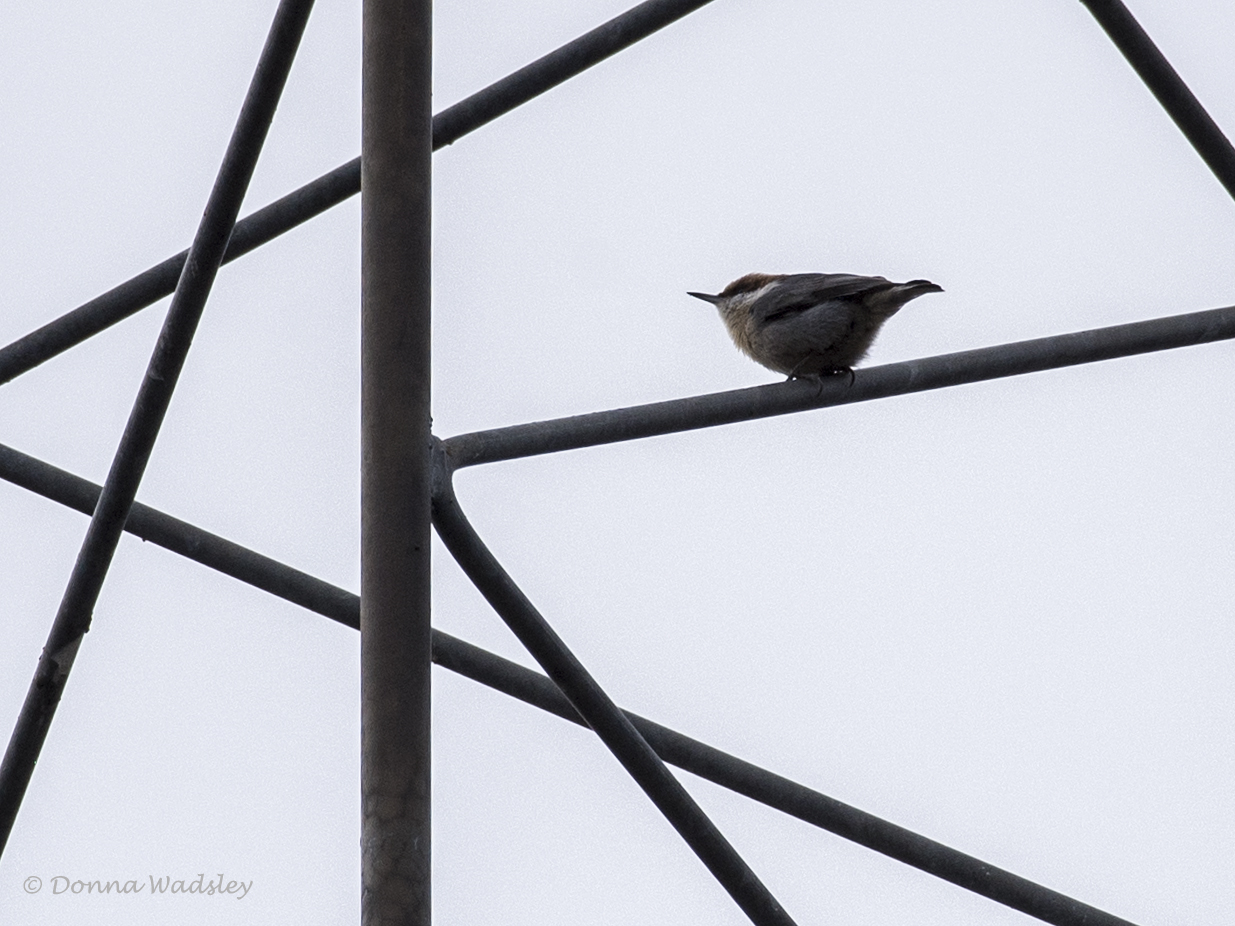
Brown-headed Nuthatch
.

Belted Kingfisher (female)
.
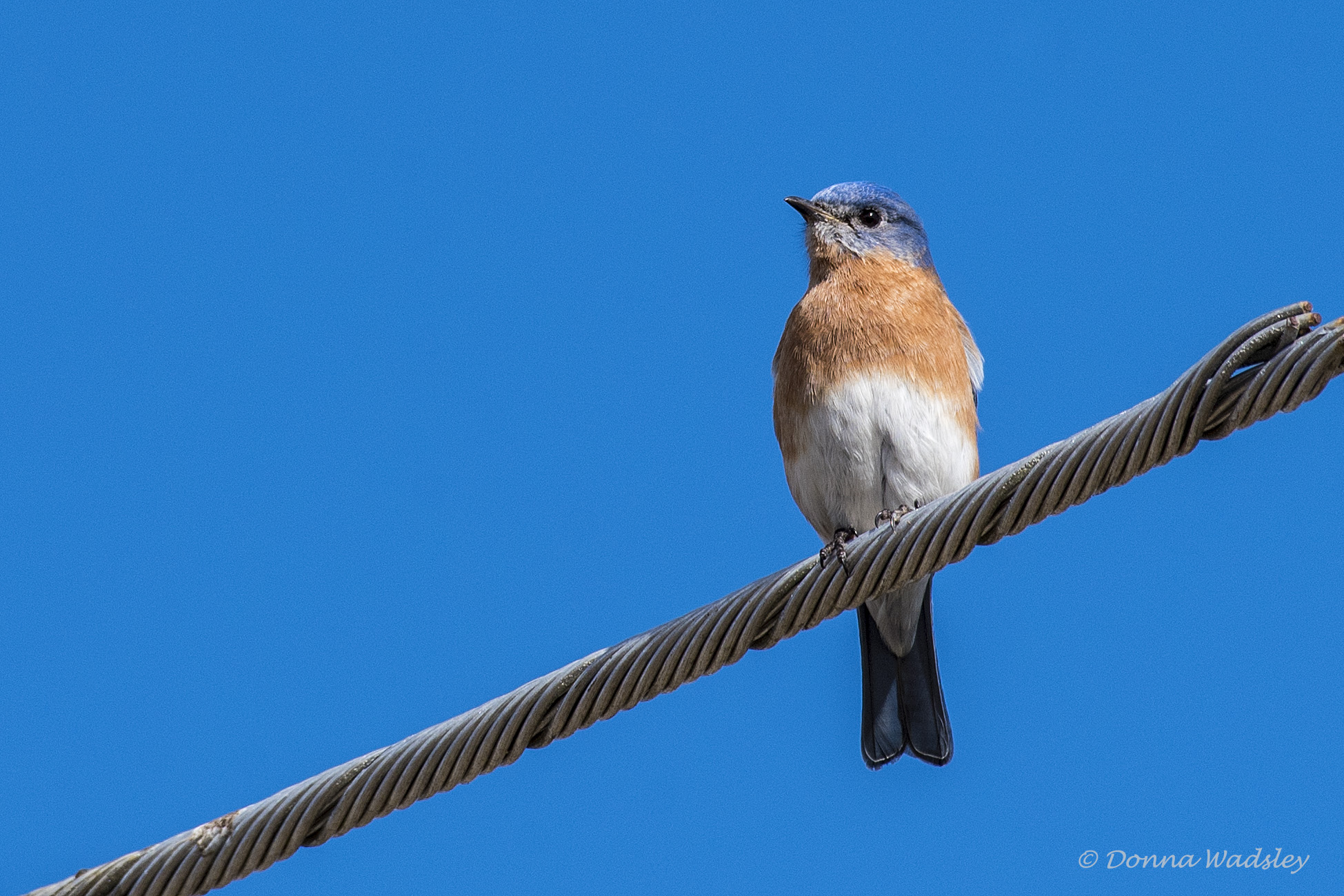
Eastern Bluebird (male)
.
Happy Valentine’s Day 2023
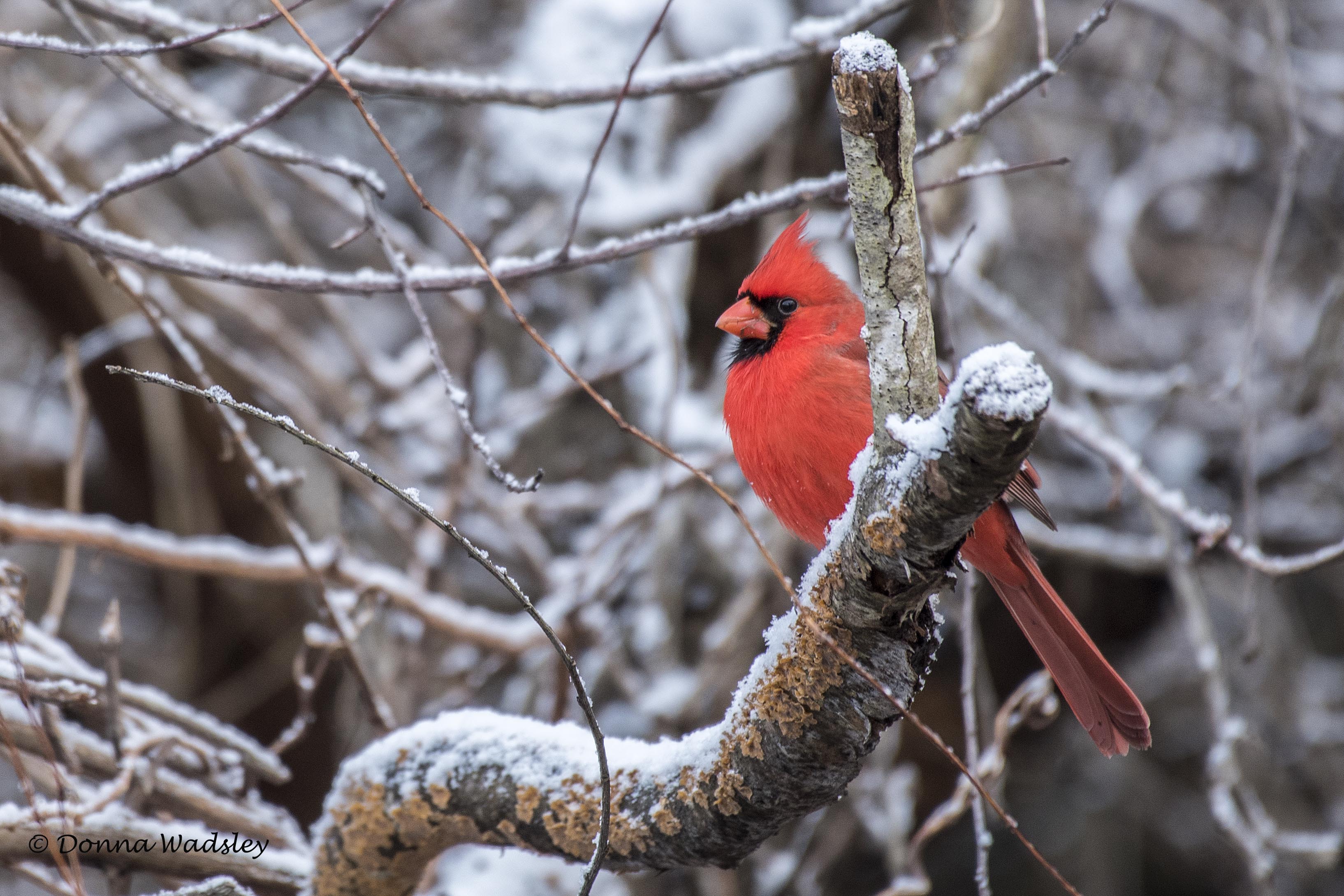
Happy Valentine’s Day!
.
.
A Day Awakens
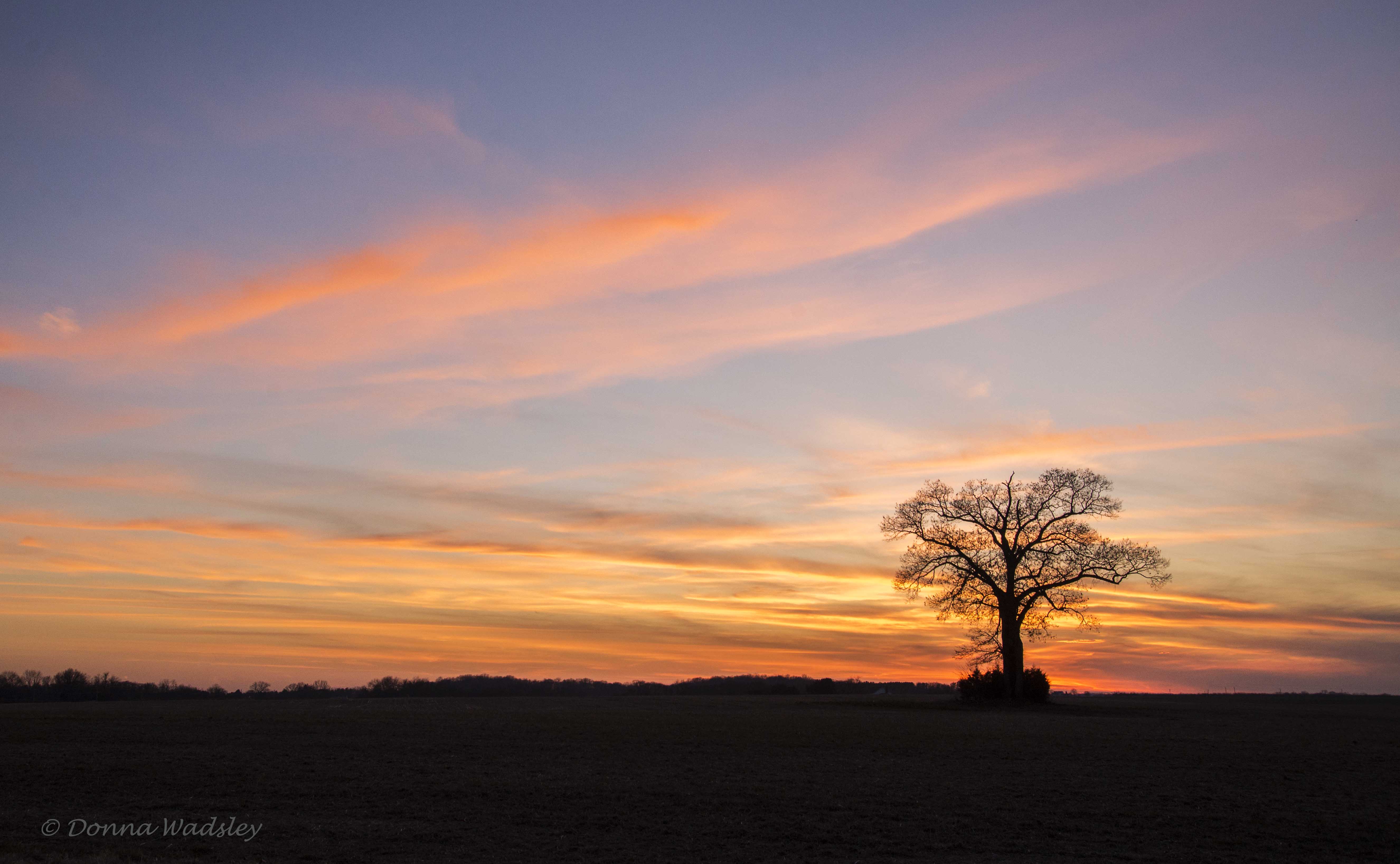
To one who loves birds, morning always wakes up singing.
– Author Marty Rubin
.
.
An Eagle Pair’s Love Story
The last of my four Eagle posts in a row, this shares the bonding and mating of a pair of Bald Eagles just over two weeks ago. My encounter was beyond incredible for me! I clicked away from my car, taking over 100 photos.
I’ve tried to keep it simple with as few photos as possible yet still share the entire love story.
Ready? 😉
I happened upon a lone Bald Eagle perched on an Osprey platform and stopped to take what I thought would be a couple photos.
.
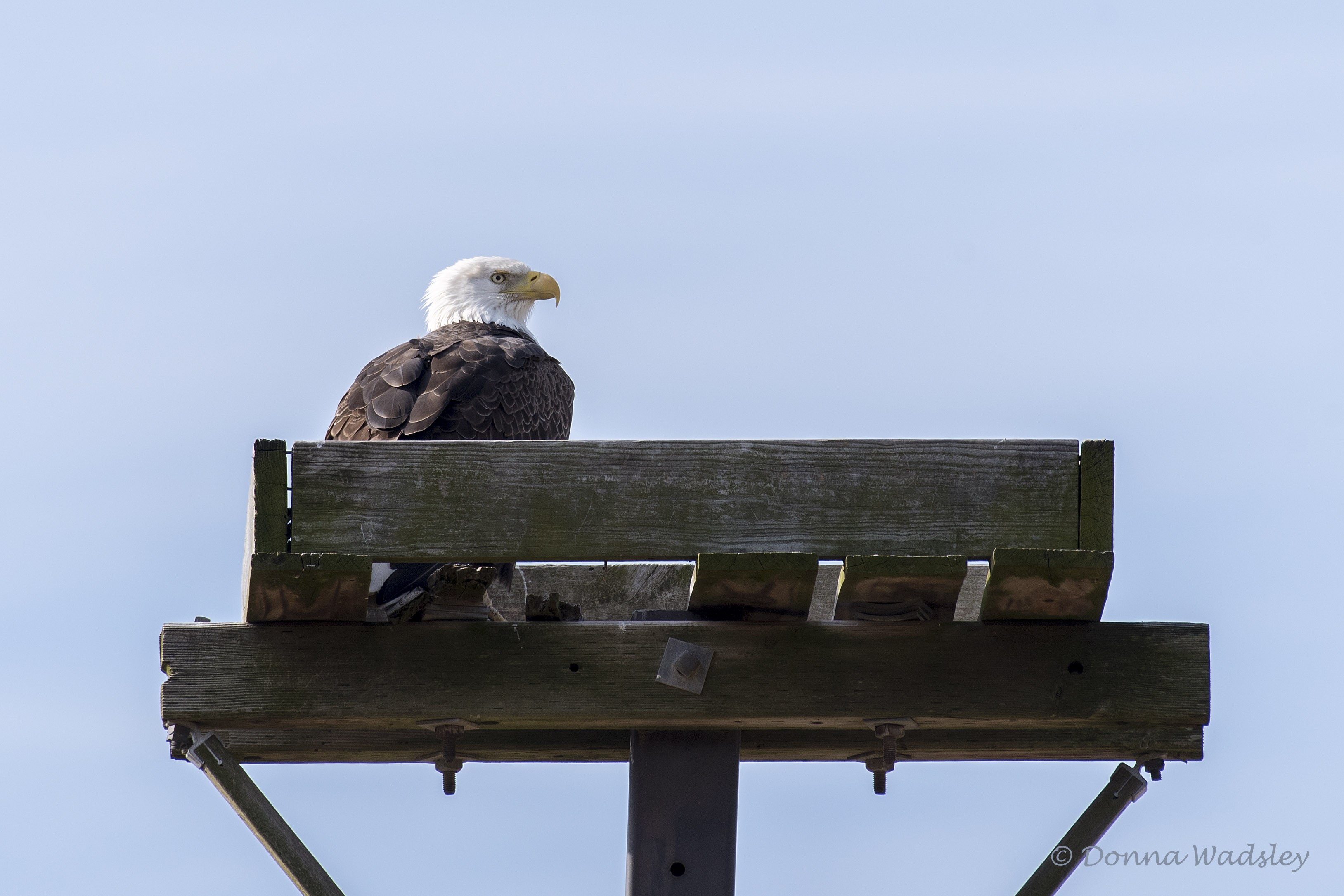
Bald Eagle (male)
.
I heard another Bald Eagle from behind the platform and spotted a female on the ground. She was calling to her mate and watching him.
.
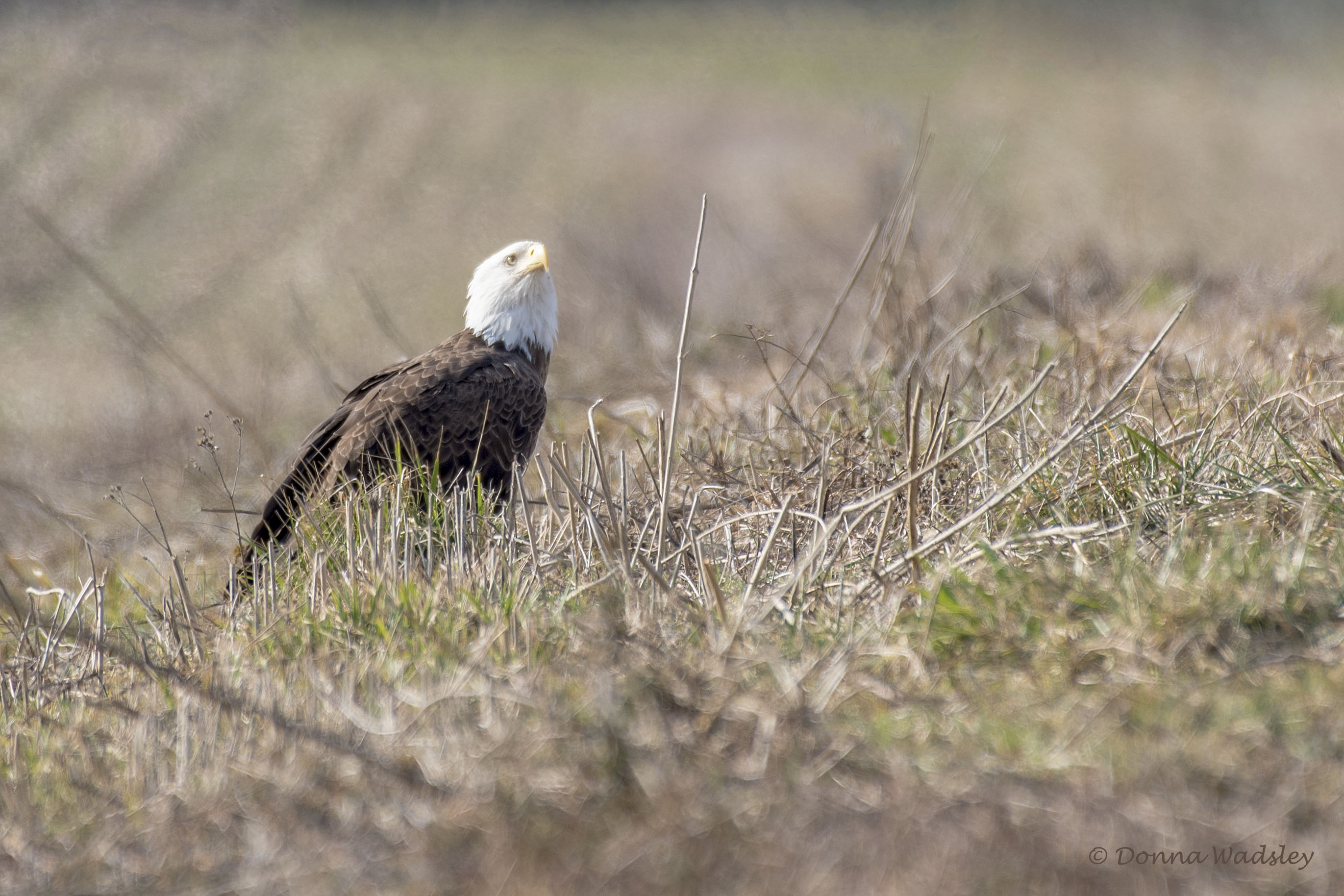
Bald Eagle (female)
.
The male turned and looked down at her, returning a very excited call.
The female took flight, circled past me, and landed on the platform.
.


Bald Eagle (female) heading to the platform
.
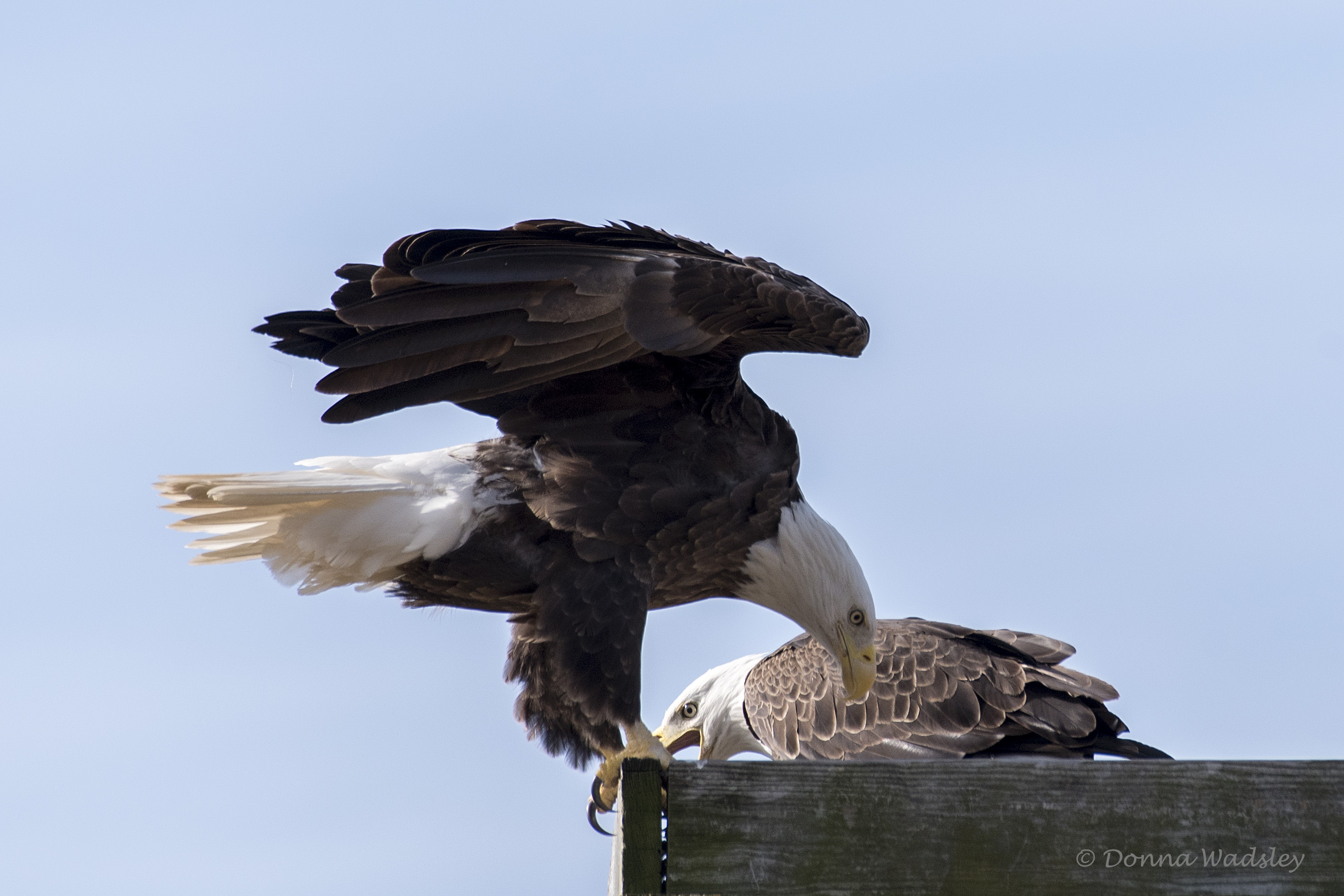
Female lands on the platform to an excited male
.
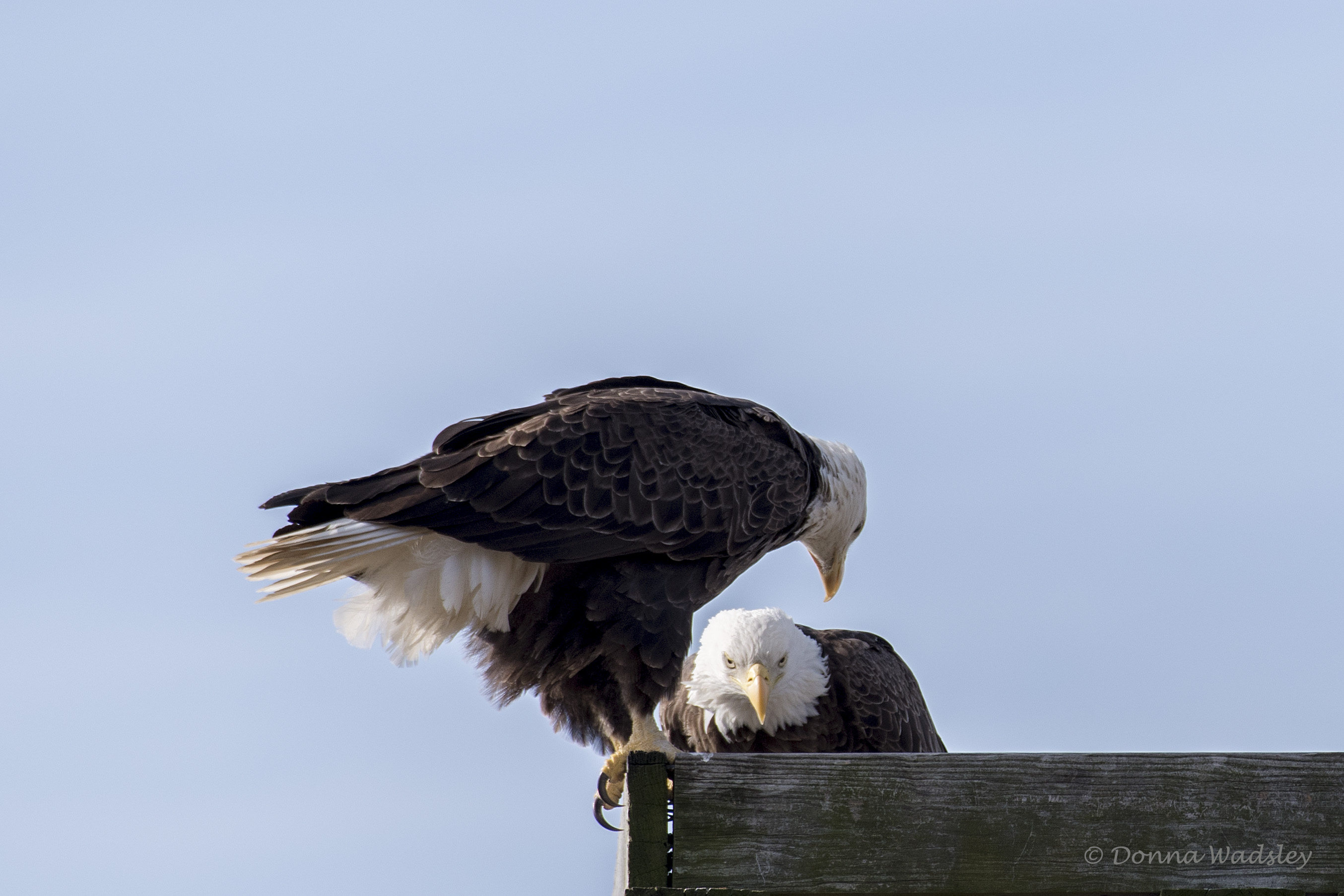
They acknowledge each other, as the male sidled towards her
.
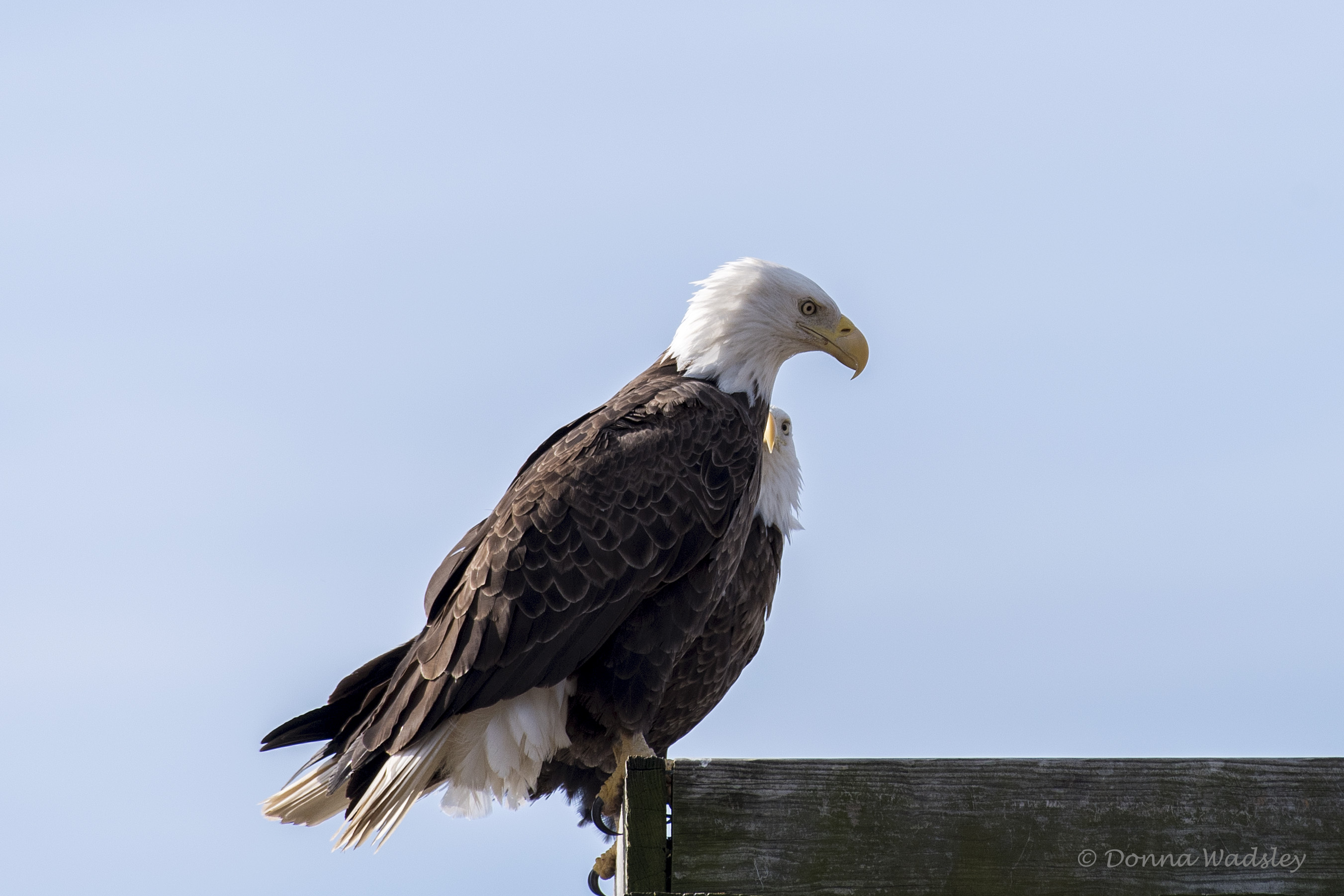
The male patiently awaited the female’s okay
.
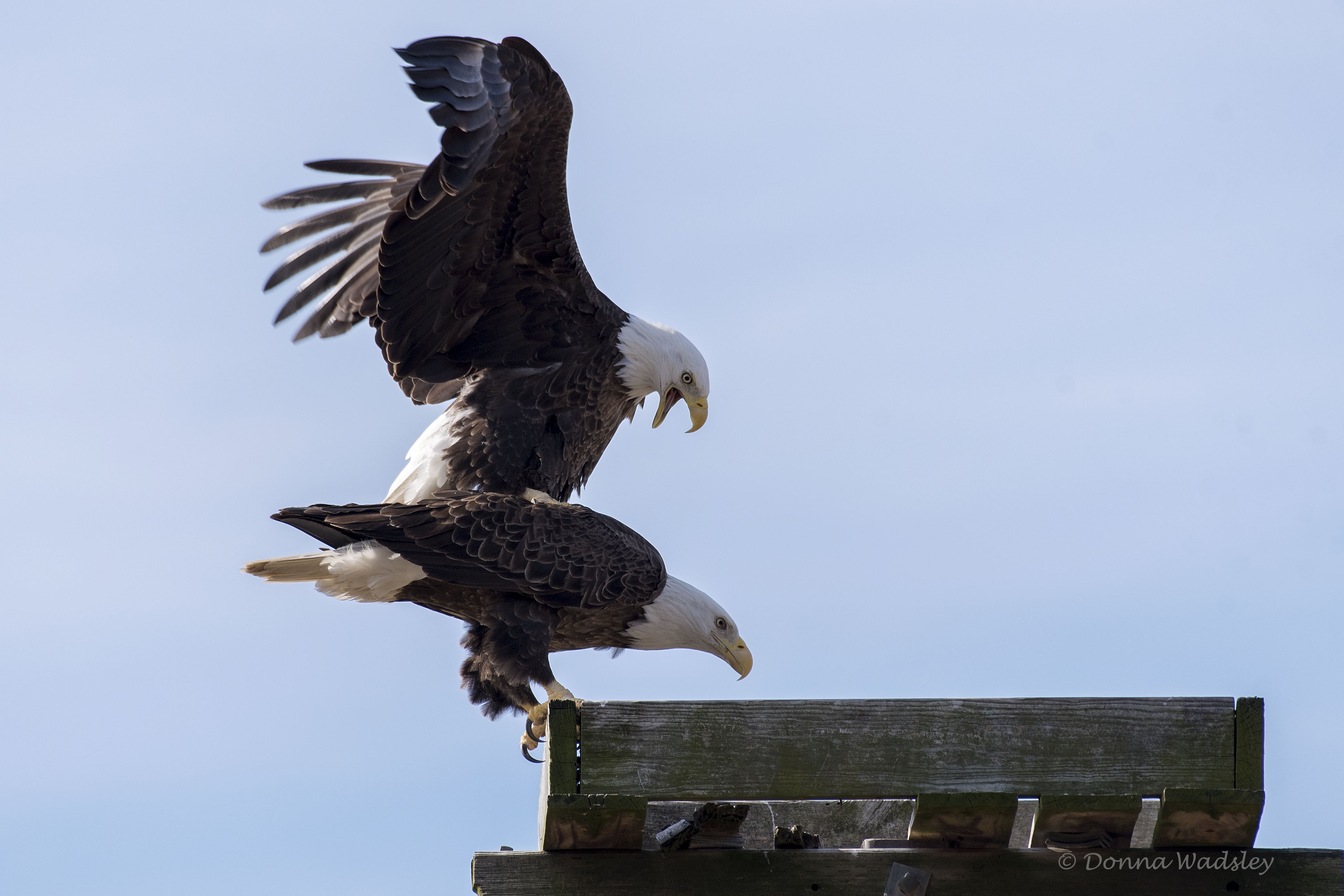
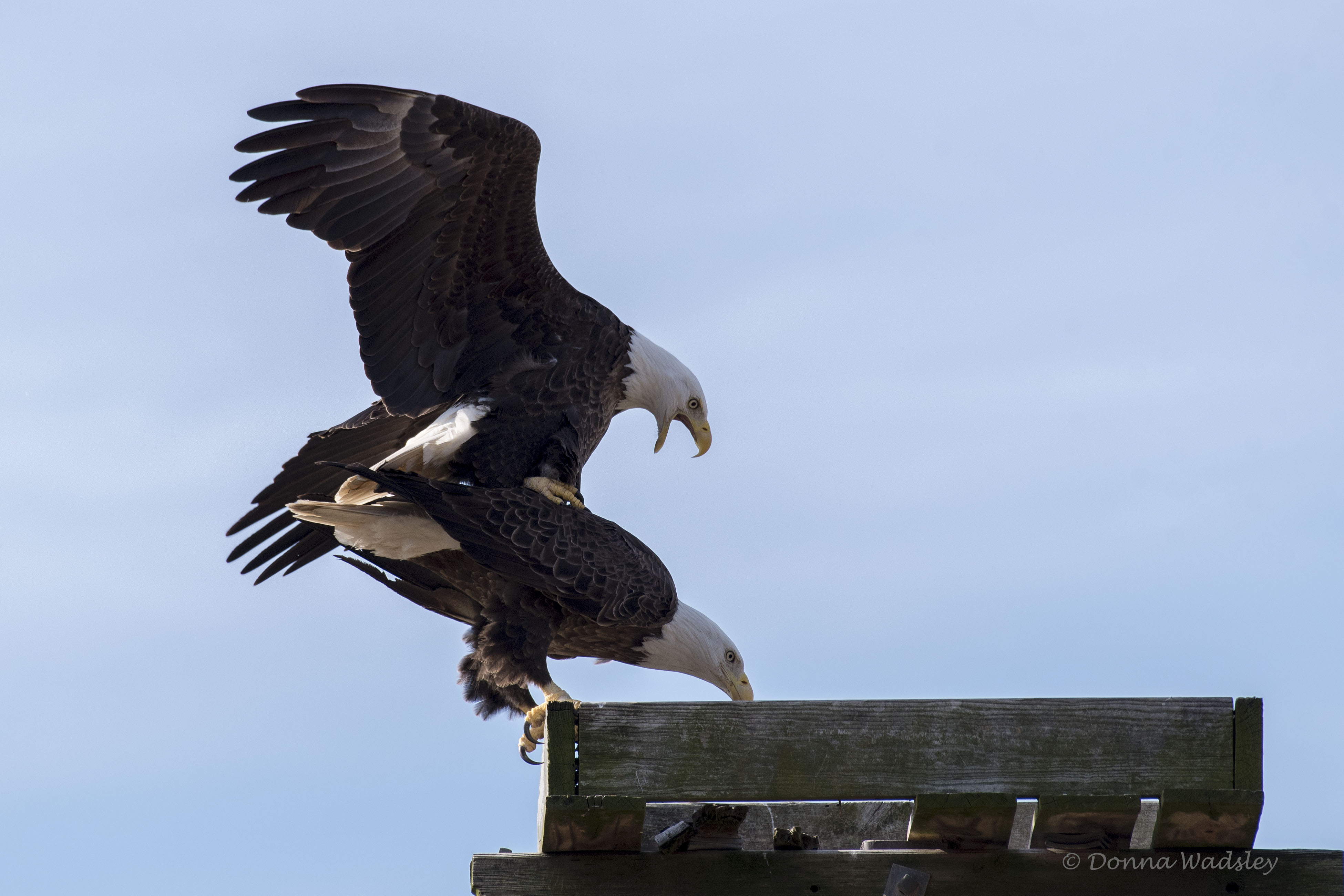
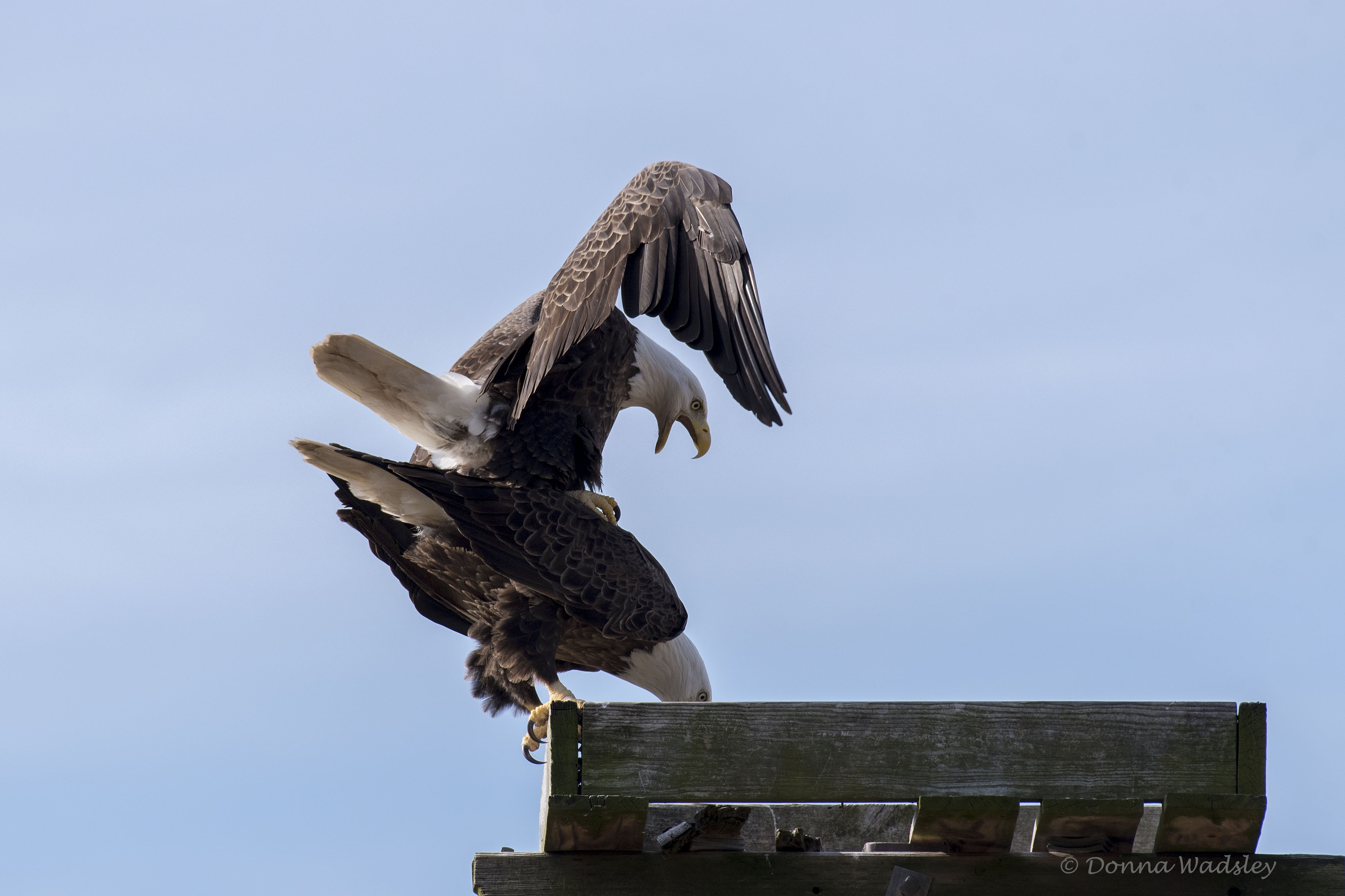
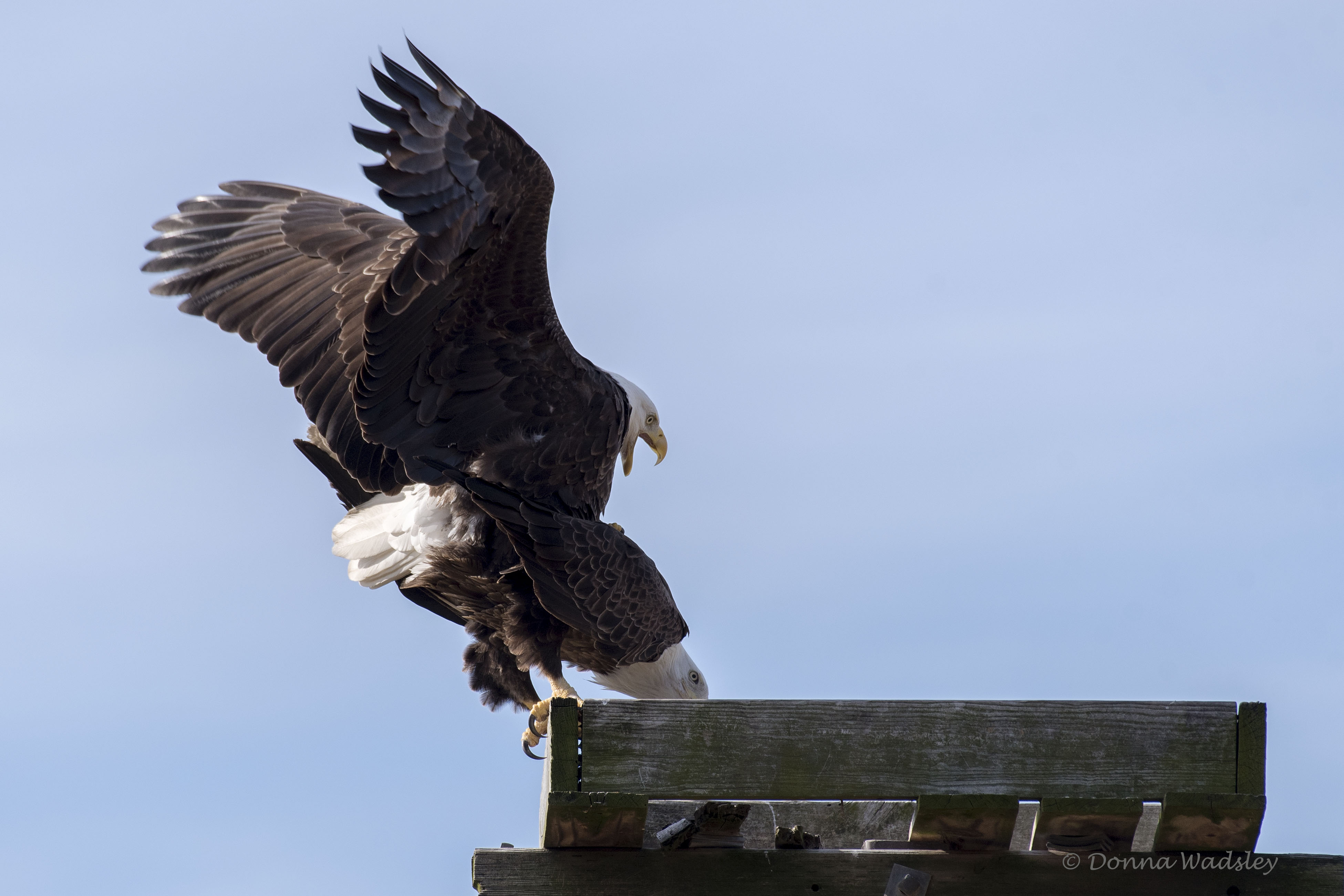
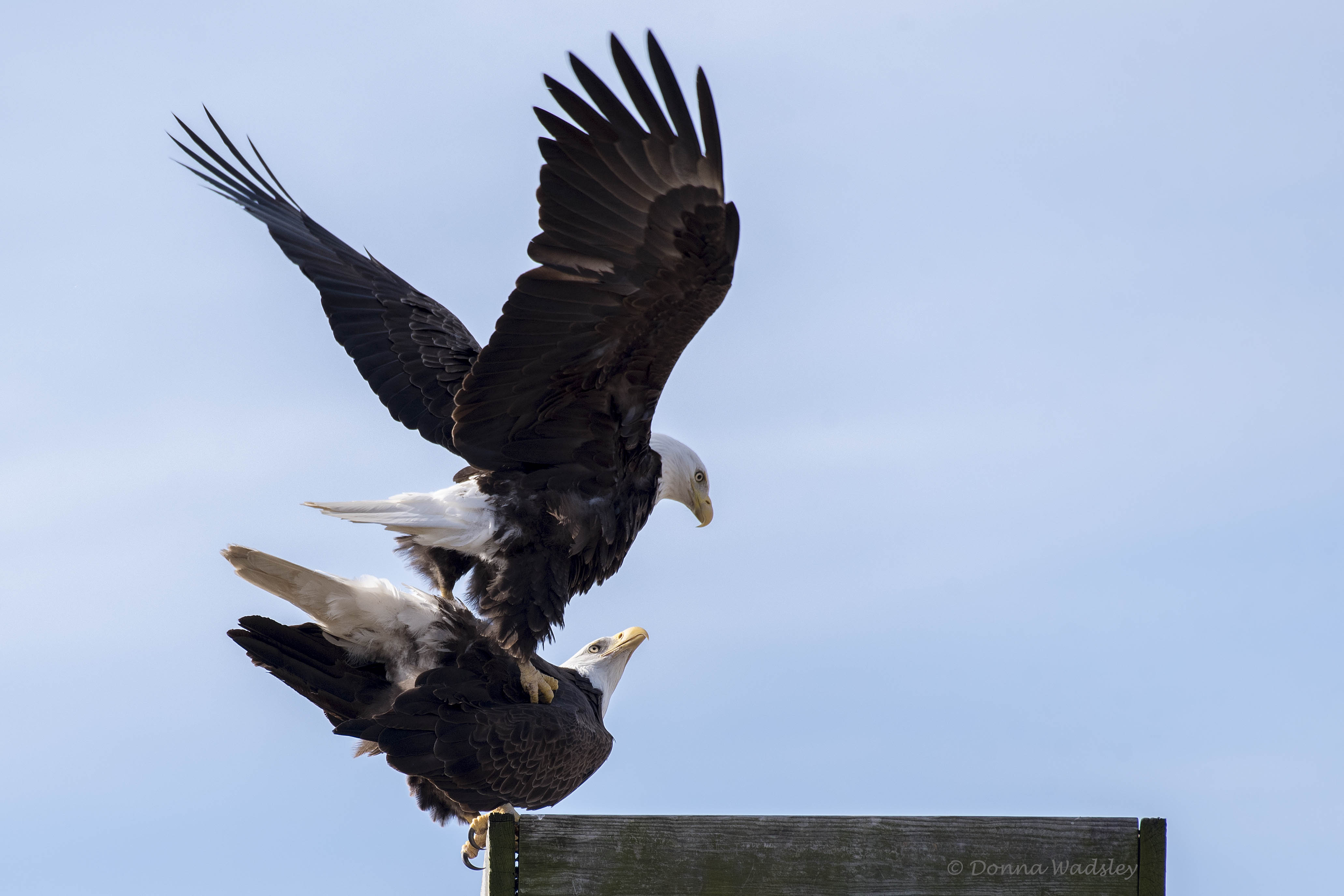
The female finally looked at her partner, giving him the signal, and he quickly moved onto her. I shot 22 incredible photos, here’s five of the series.
.
.
.
.
.
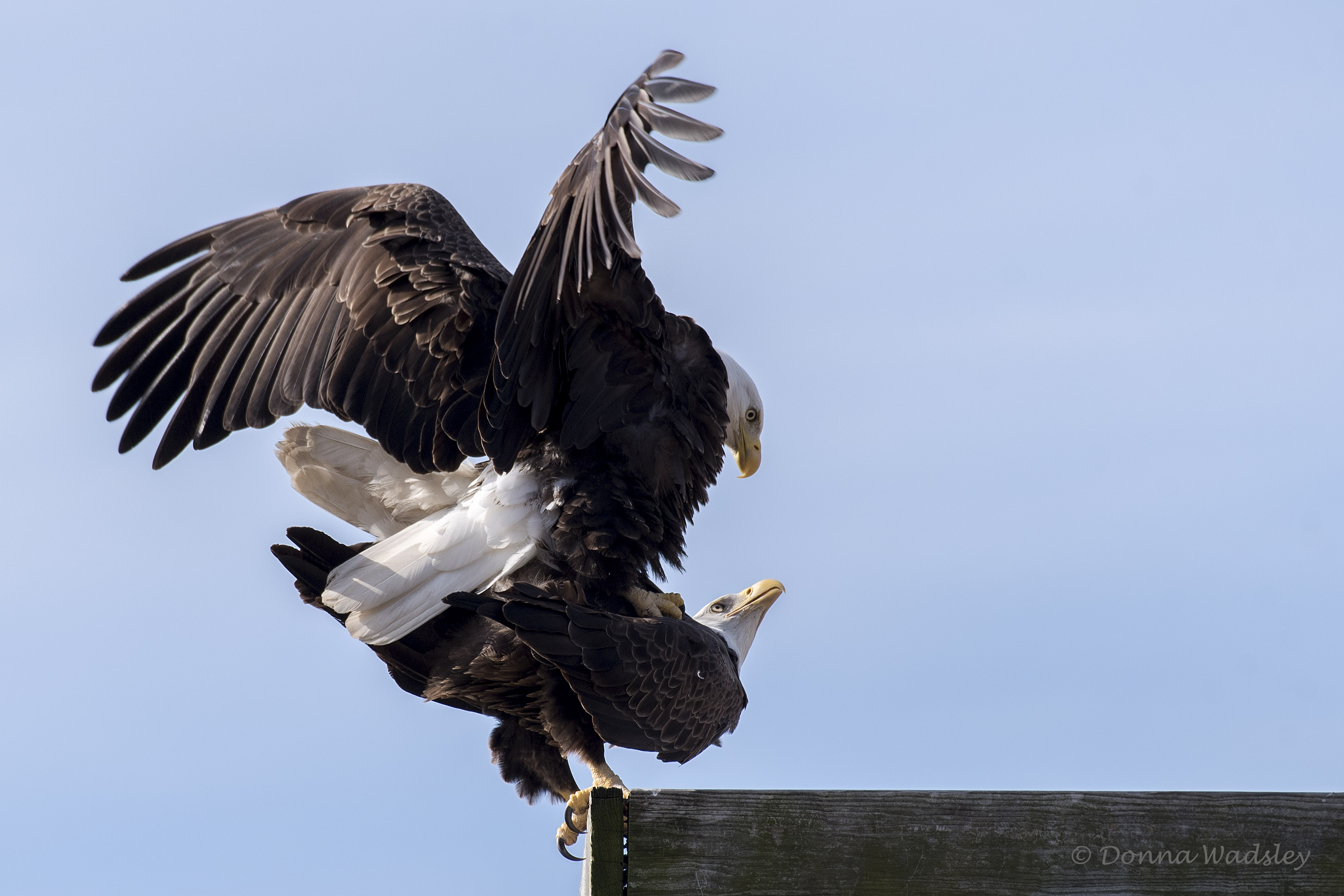
My favorite shot!
.
Just as quick as the mating started, it was over. But the bonding session wasn’t just yet.
.
.
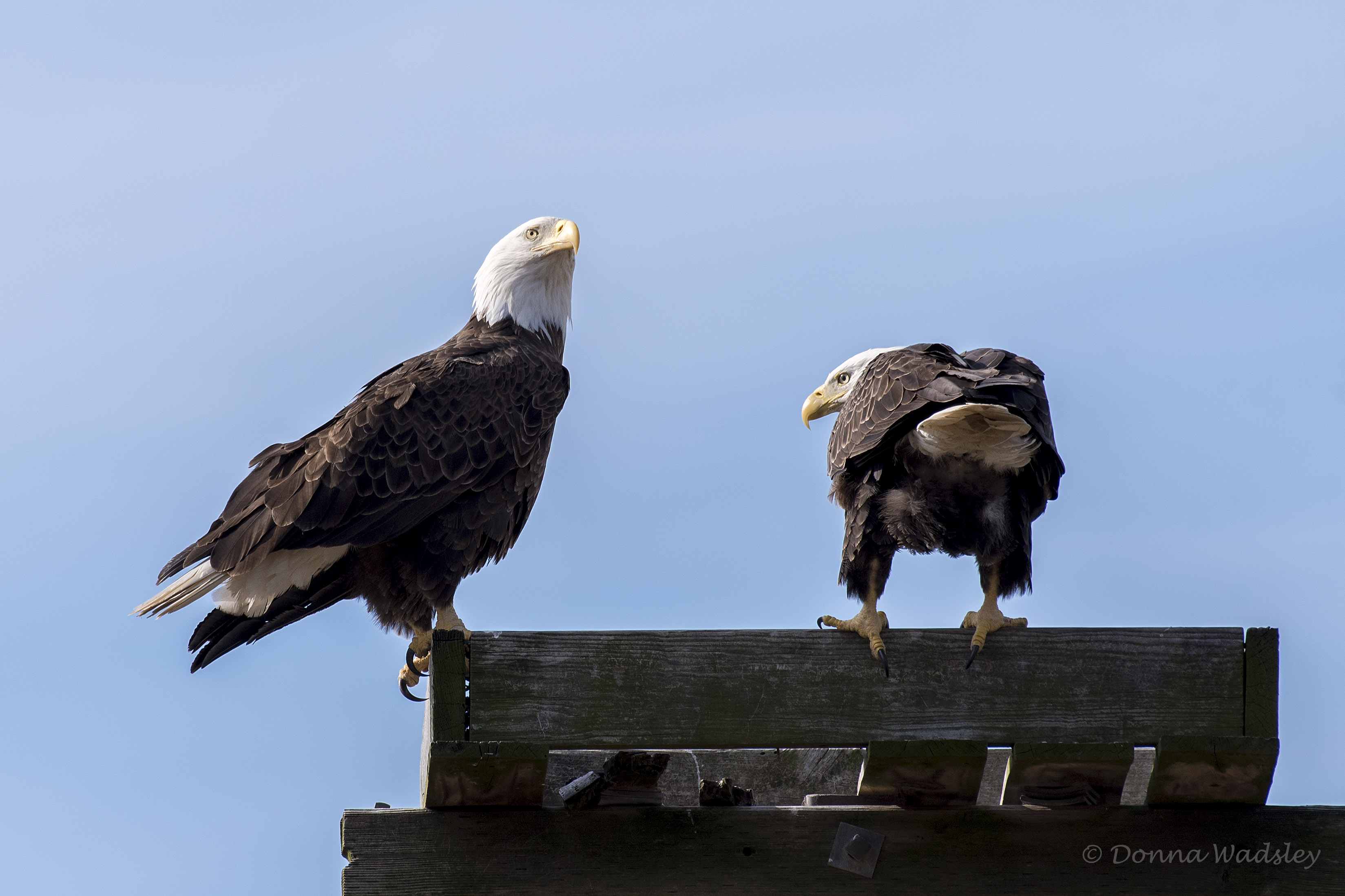
While the female looked around, the male sat humbled, watching her intently; did he please her?
.
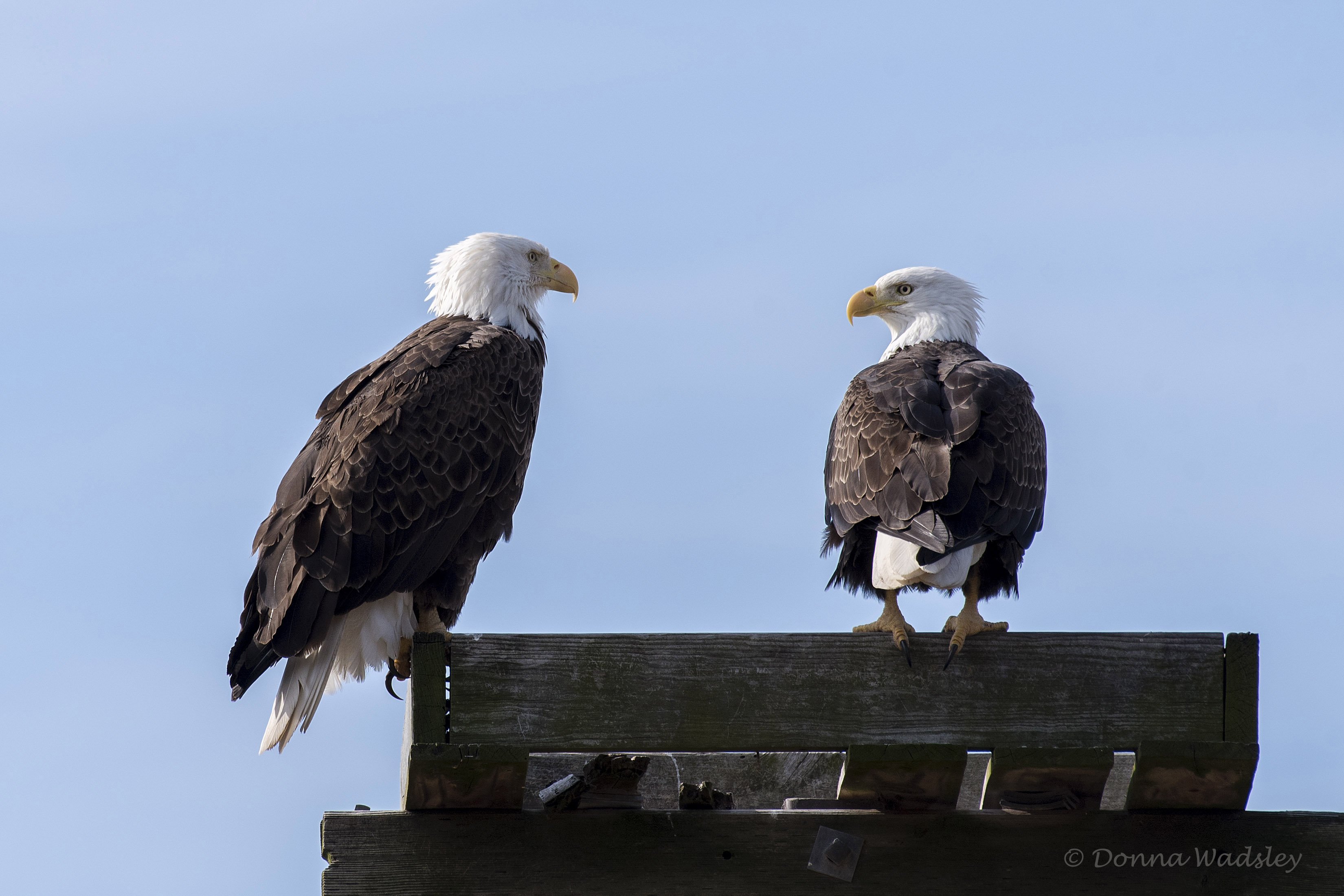
She finally gave her partner a direct look and he perked up
.
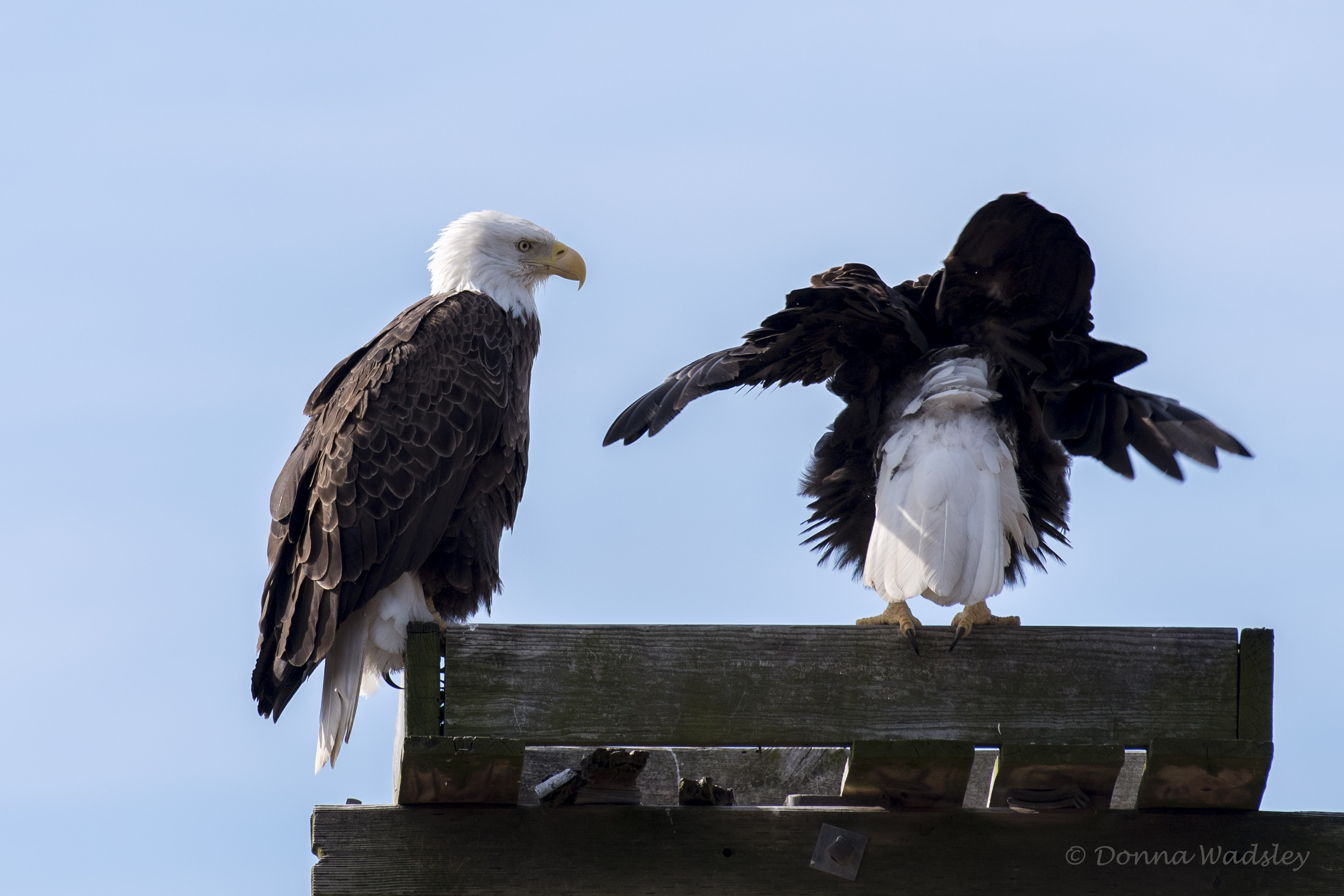
Shiver Me Timbers!
.
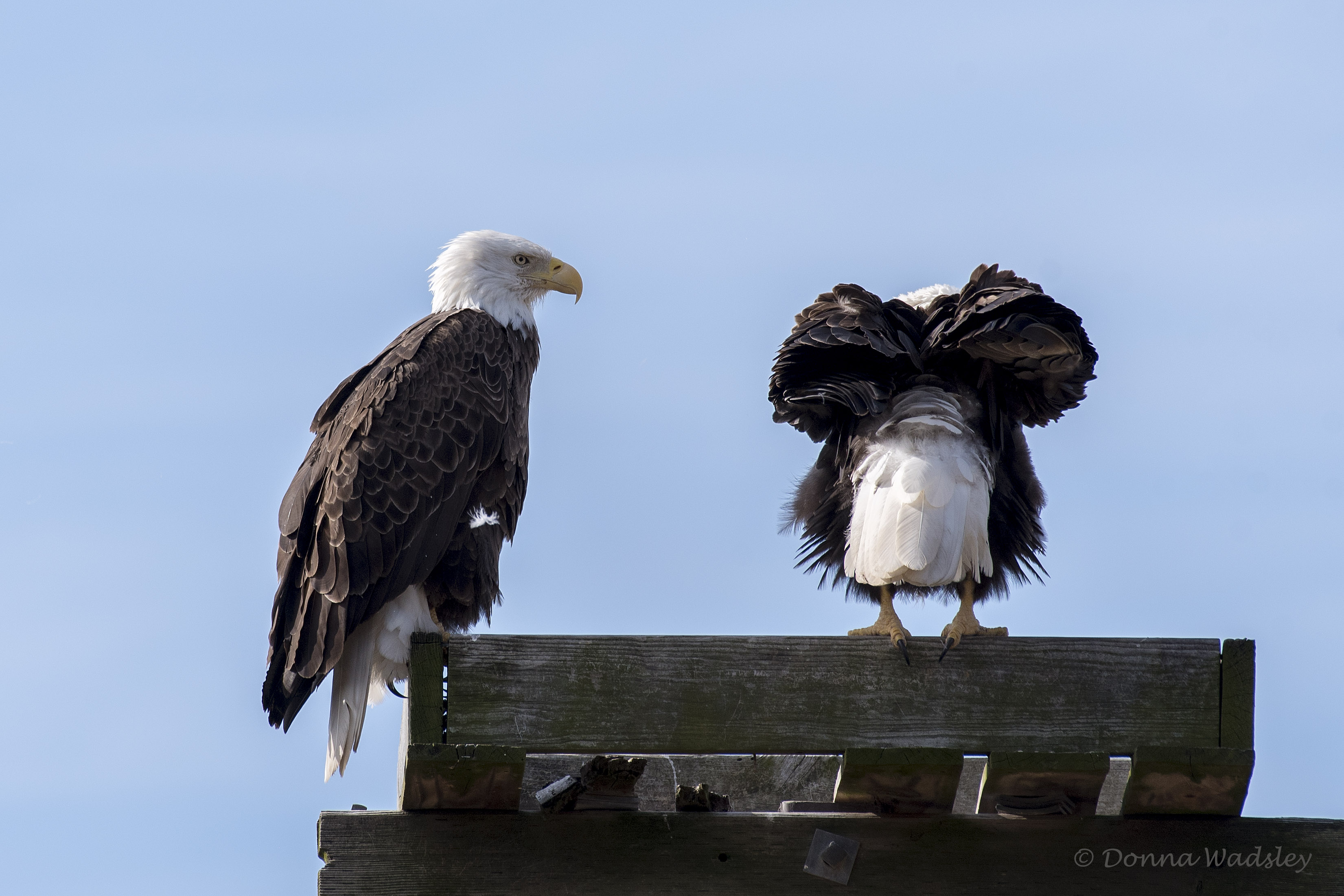
The Mrs. is unimpressed
.
The female began preening herself. Poor fella, he couldn’t catch a break.
The male decided to do one more bonding gesture.
.
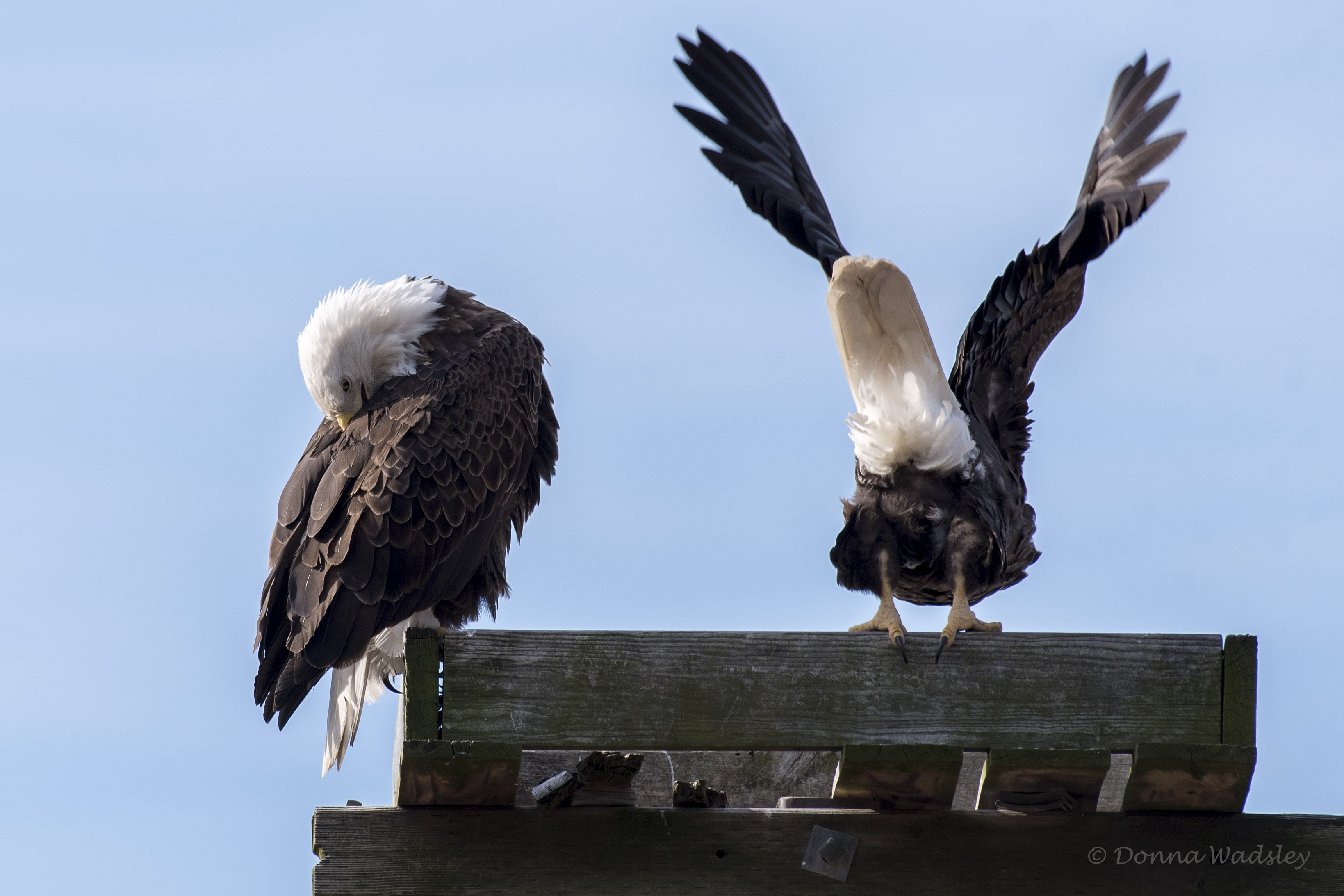
As she preened, the male took flight
.
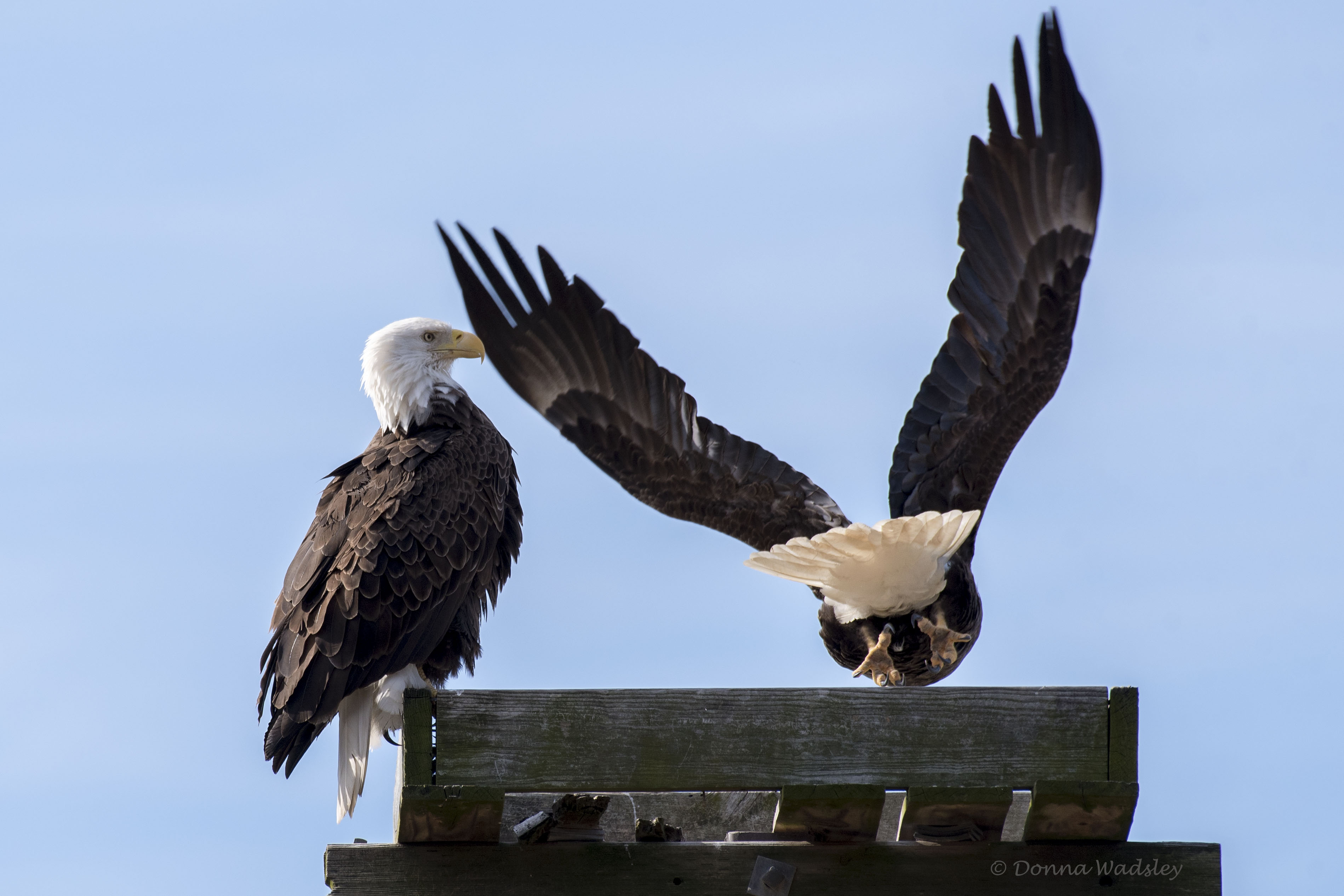
The female noticed him then, she just missed getting swiped by accident!
.
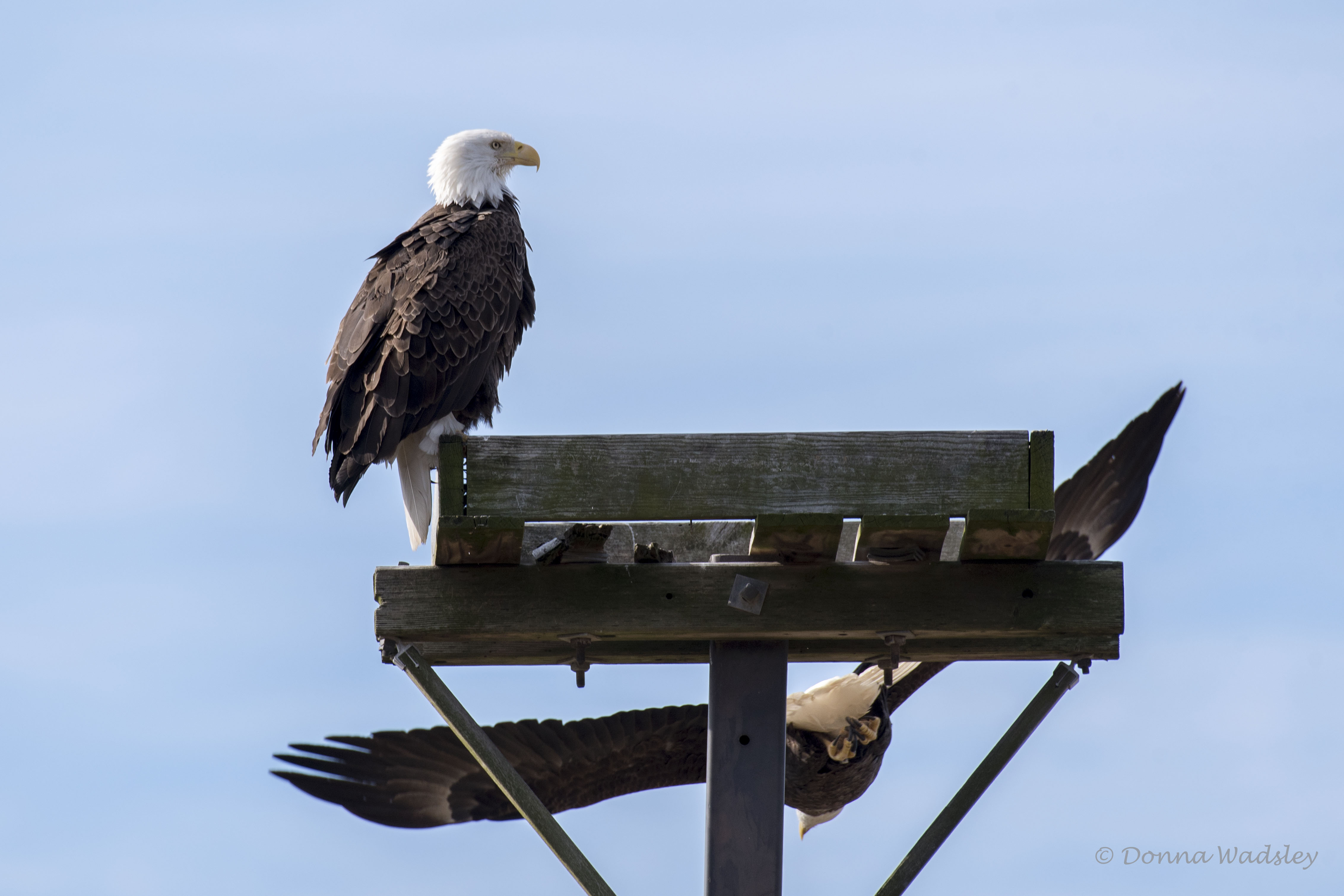
The male proceeded to dive down to the ground
.
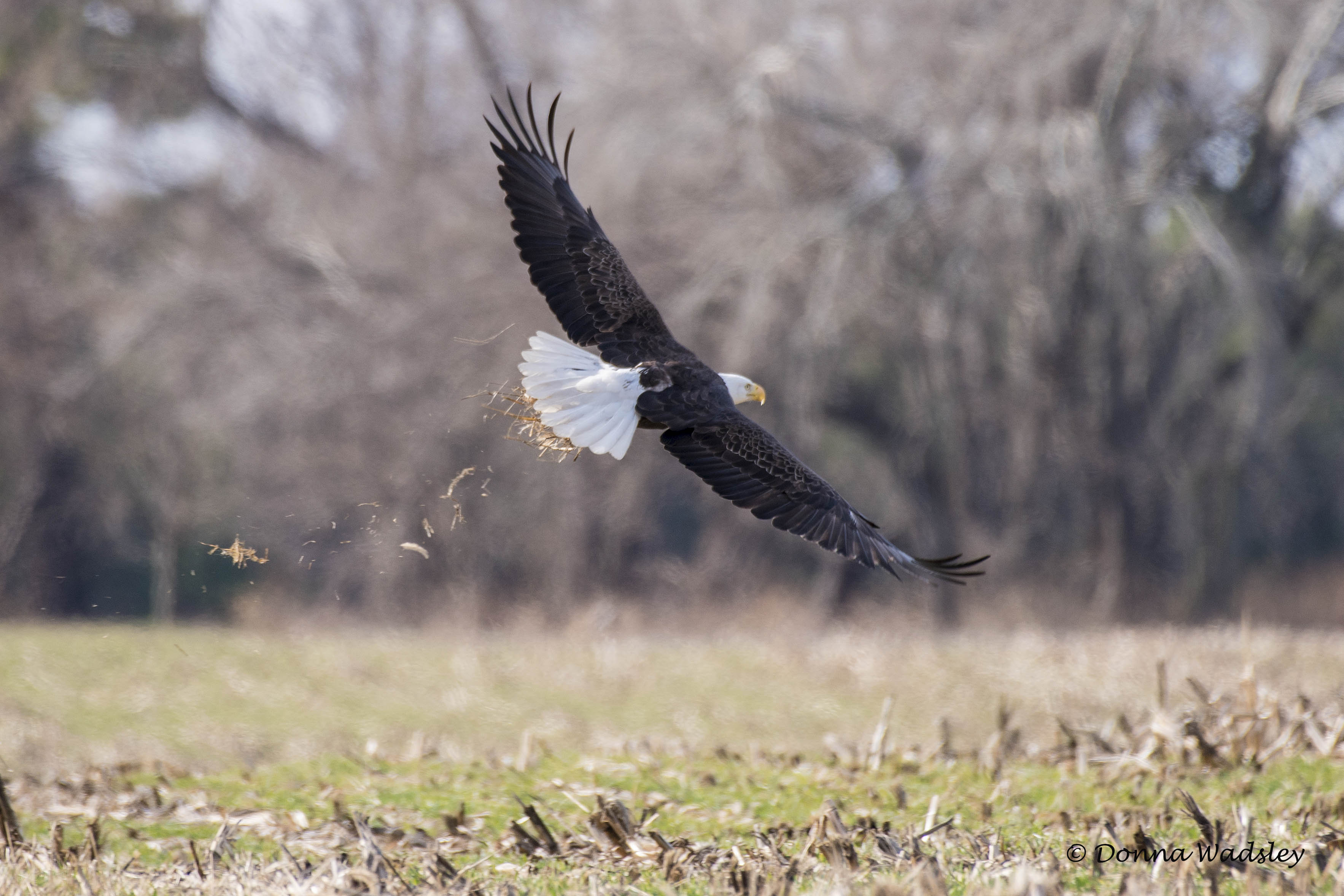
In flight, the male grabbed a clump of grass and flew off
.
I watched where he headed. I then turned back to the female who was also watching her partner fly off. If only he knew!
.
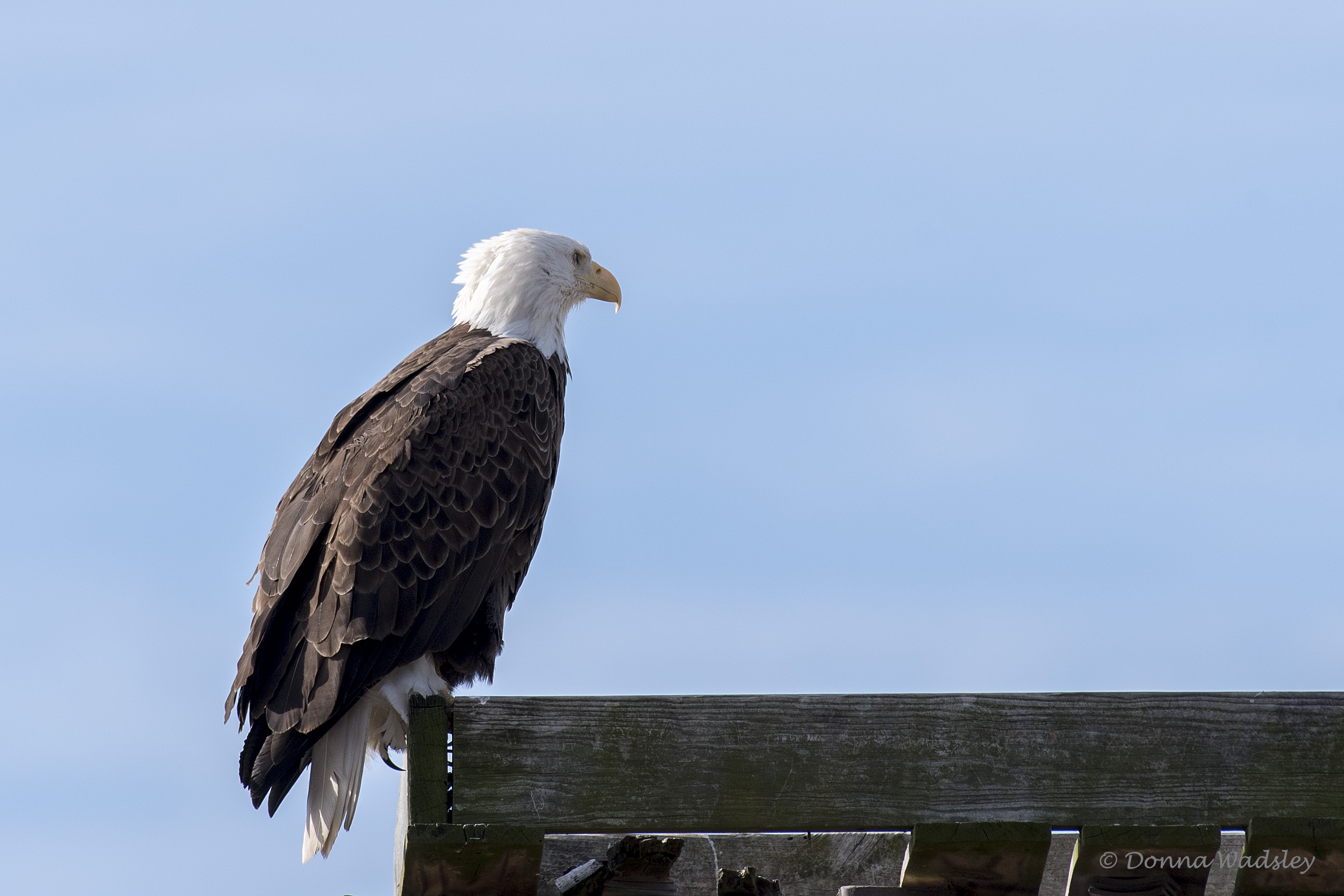
The female turns and watched her partner carry-off nesting material
.
When he disappeared, the female’s interest went back to looking around. I took a couple more quick shots and prepared to pull away.
.
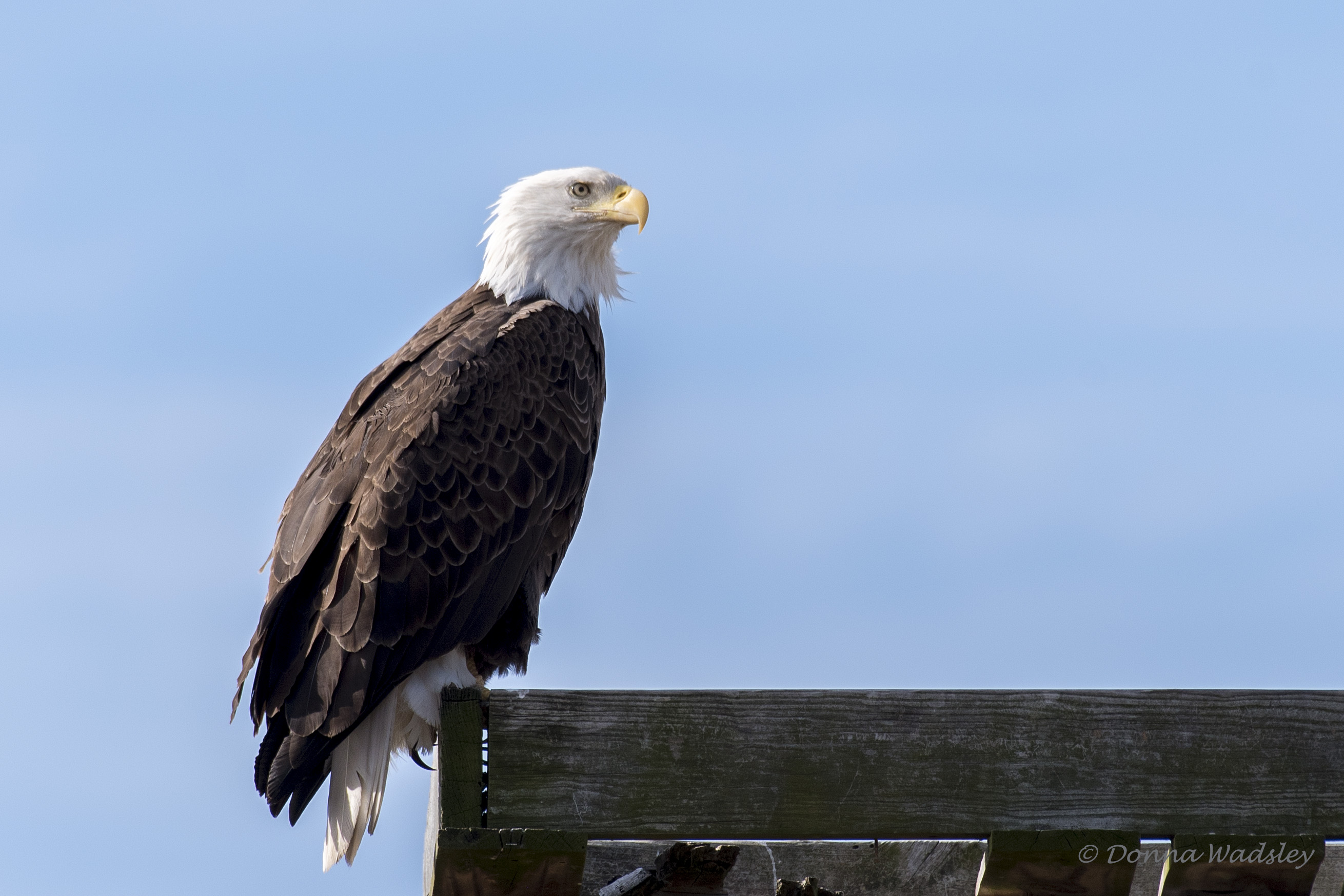
Bald Eagle (female)
.
I am aware of a nearby failed eagle’s nest for the past couple years, and that was the exact direction the male flew with the clump of grass. Hmmmmm…..
I left the female and drove to a spot where I knew I could get my binoculars on the nest from the road through the trees. Guess who I found arranging grass and branches on the nest?!!
.
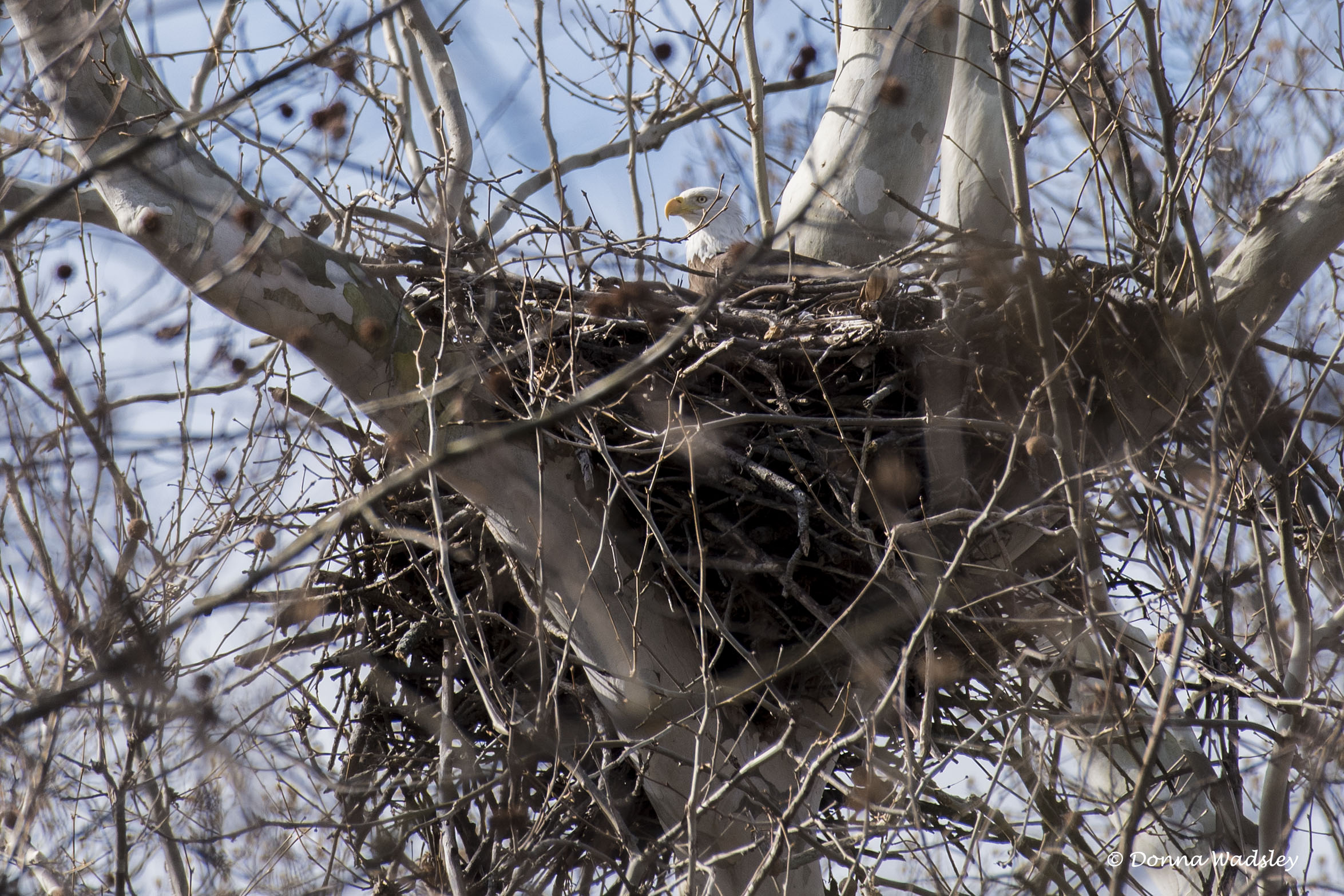
Male Bald Eagle on nest
.
The male worked on the nest, then would glance over his shoulder to where he left his partner at the platform. He had hoped to coax her there.
For sure, he had coaxed me! Ha!
If you recall two posts ago of the perched eagles, I shared a female with a dark, vertical marking on her left iris.
In this mating photo shoot, I was able to easily identify this as the same female. Now that I am looking for her at the refuge and in my eagle photos, it just seems appropriate to name her Iris. 😊
.
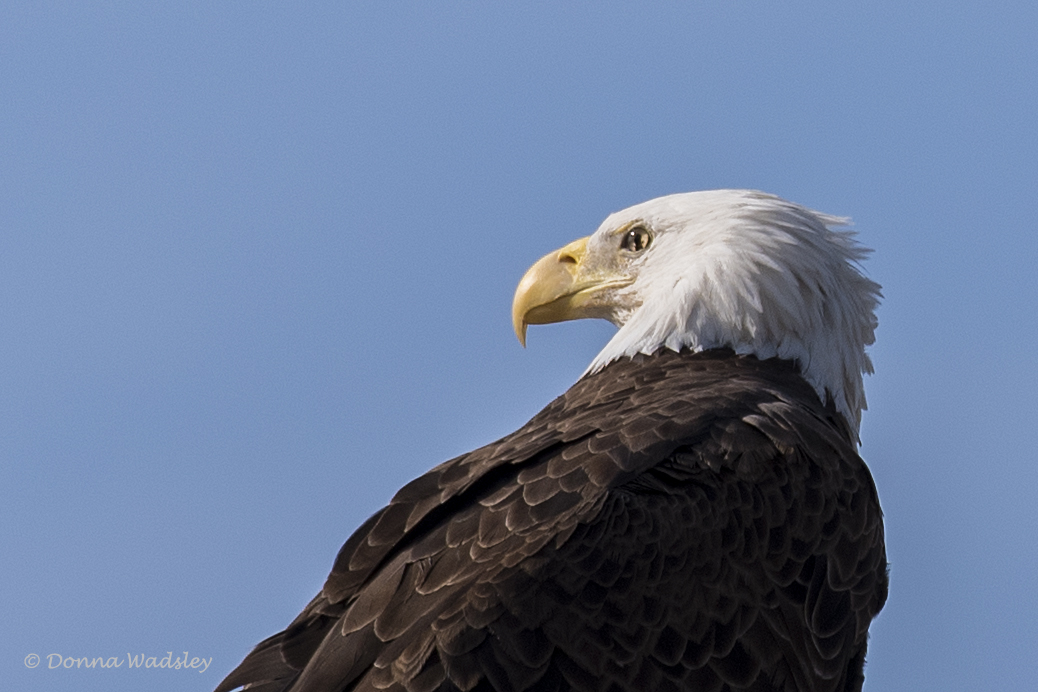
Iris
Bald Eagle (female)
.
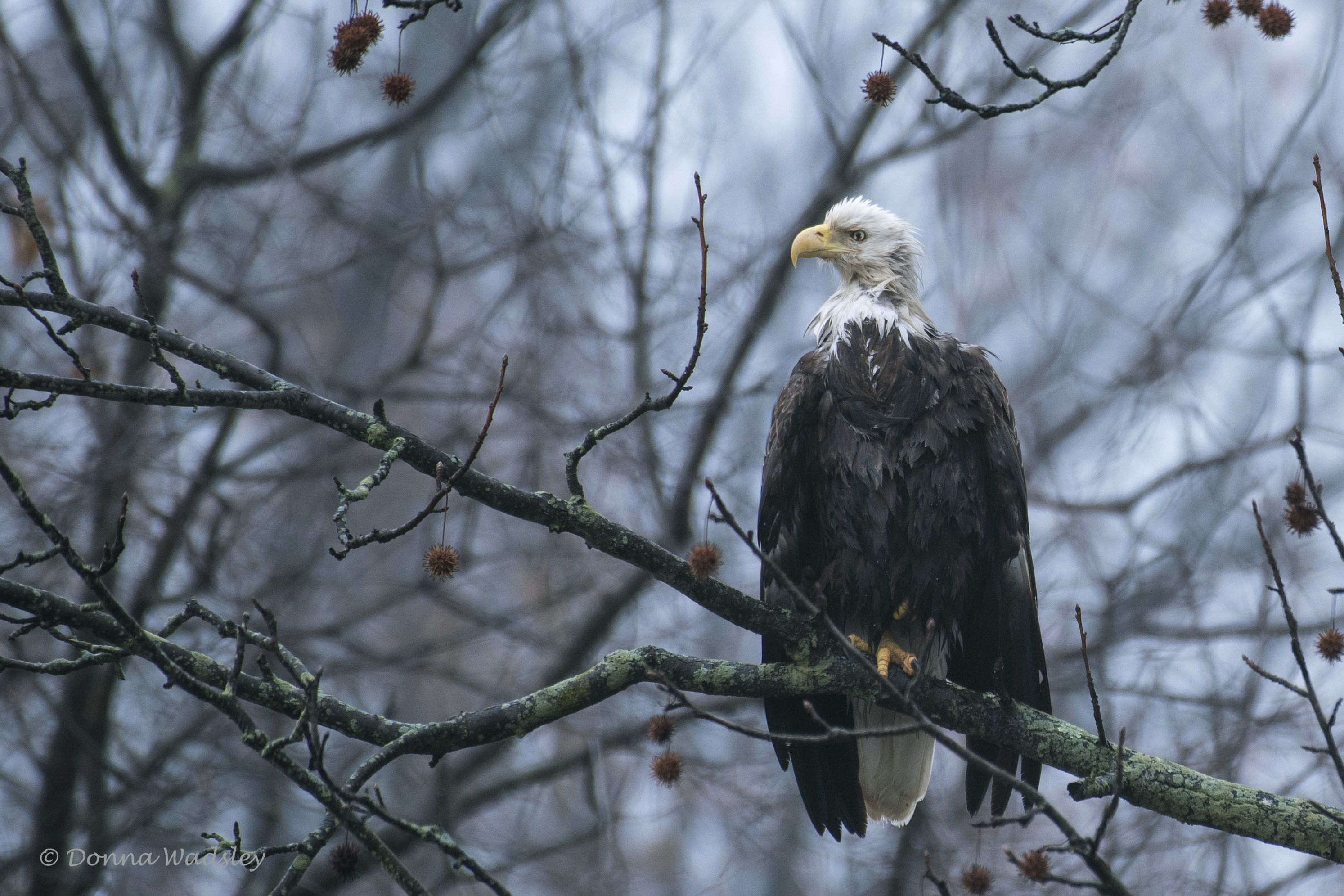
Remember this shot of Iris in the rain I shared two posts back 🙂
.
I hope you enjoyed this love story of Iris and her partner!
An update from a week ago, I saw the male on the nest again while Iris was feeding on a meal nearby.
.
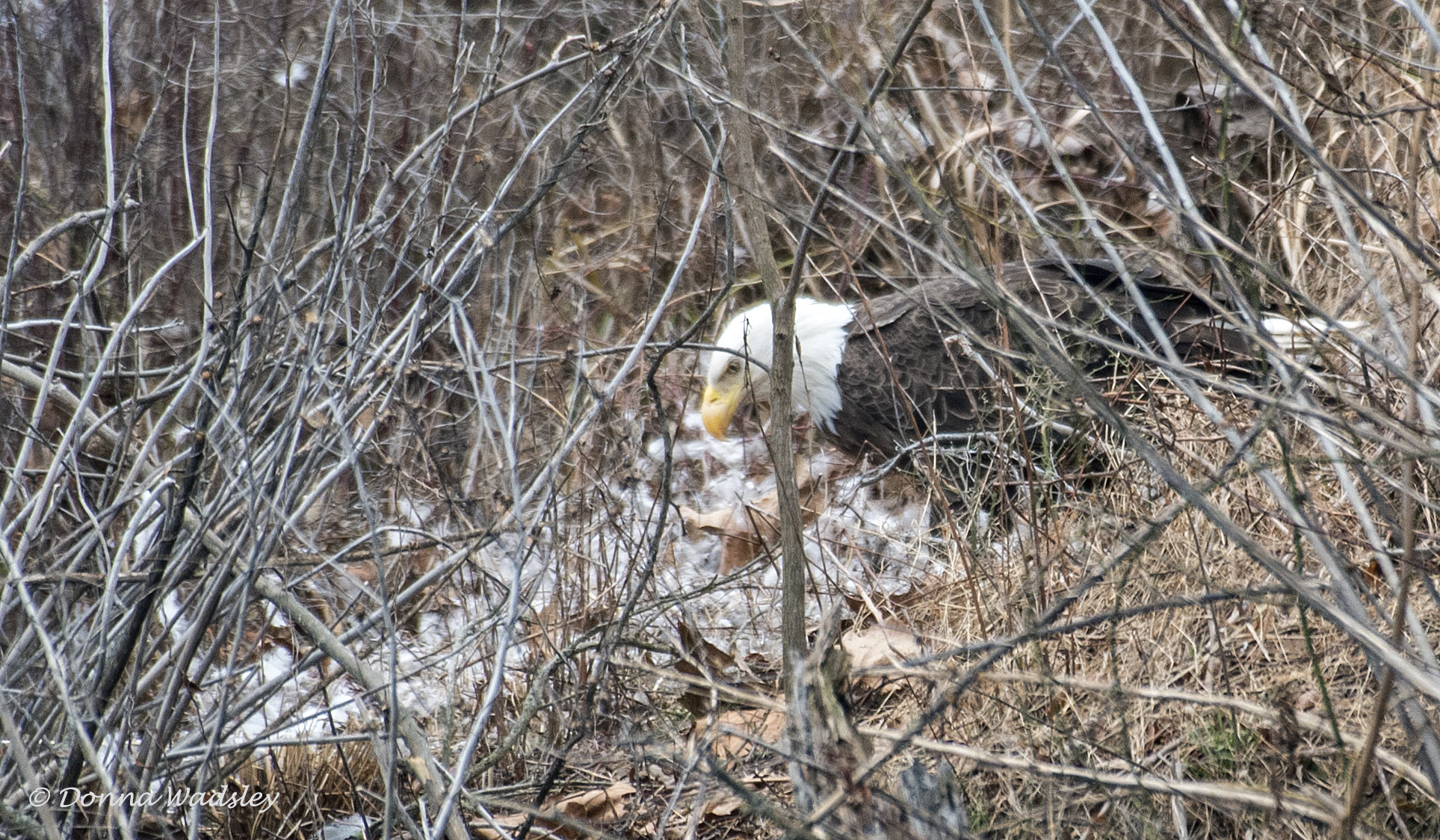
Iris finishing a meal week ago
.
Come on, Iris, we are rooting for you!
(Iris and her mate reside at Eastern Neck NWR, Rock Hall, Maryland)
.
.
Eagles at Play
.
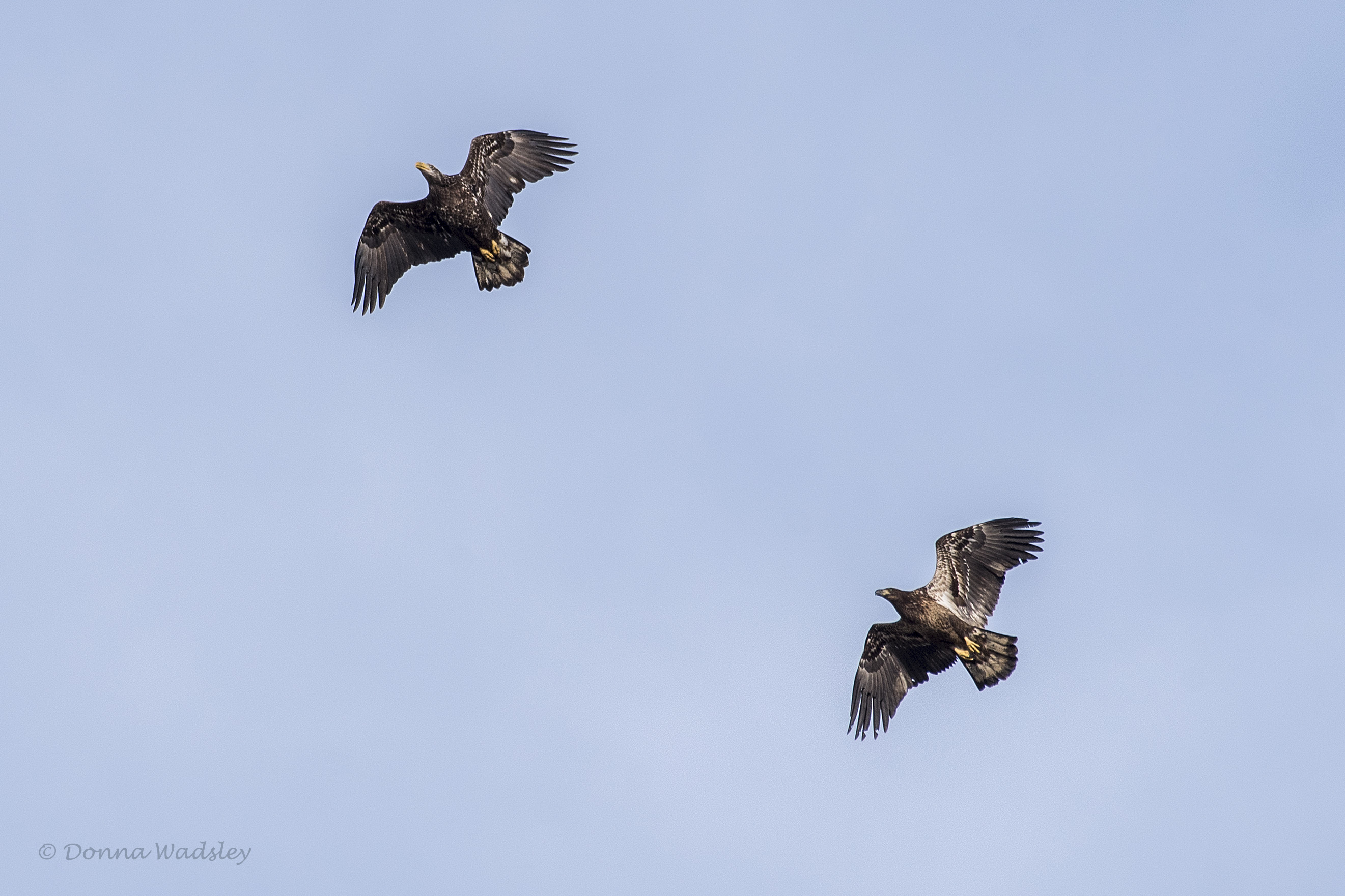
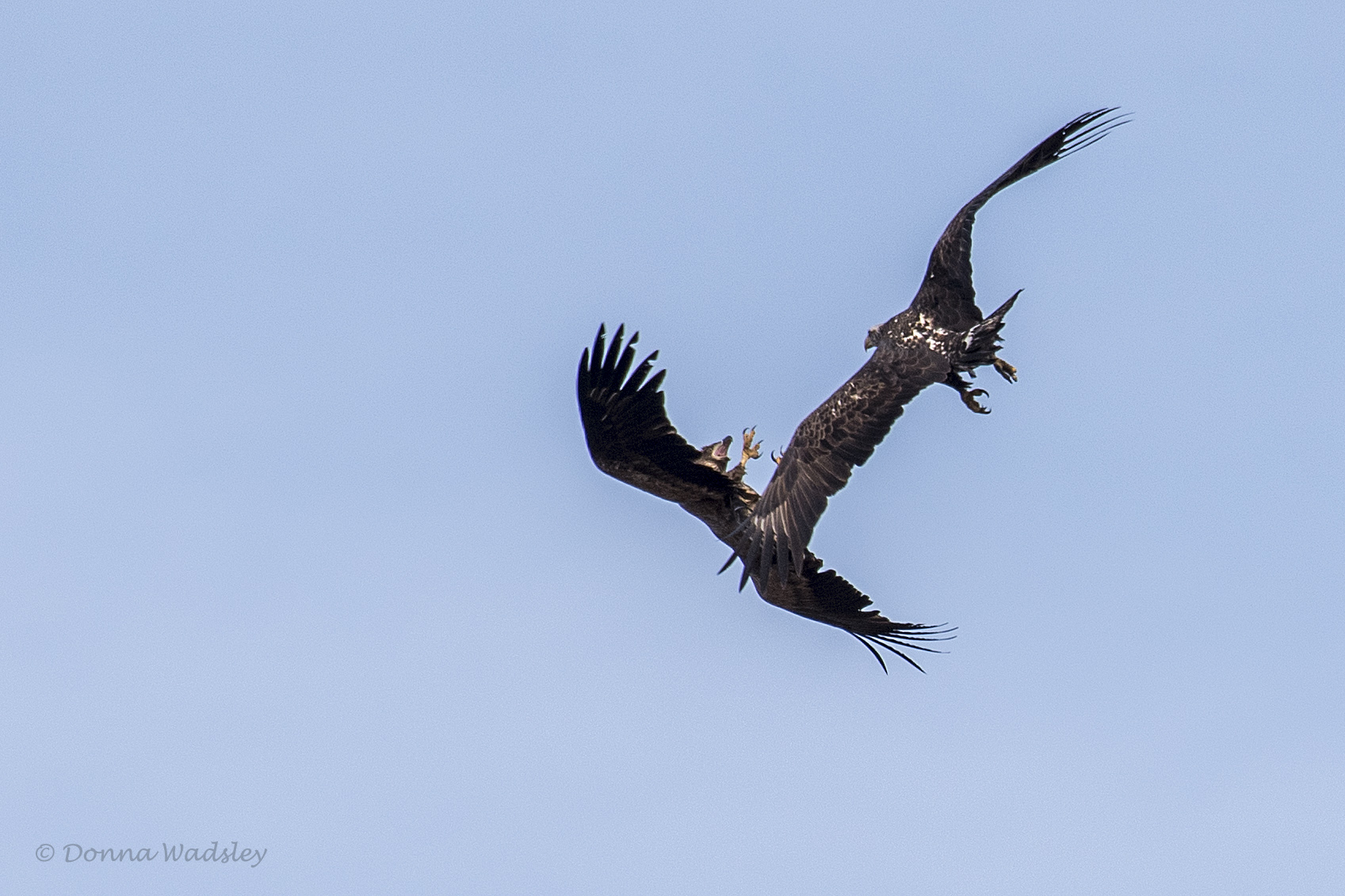
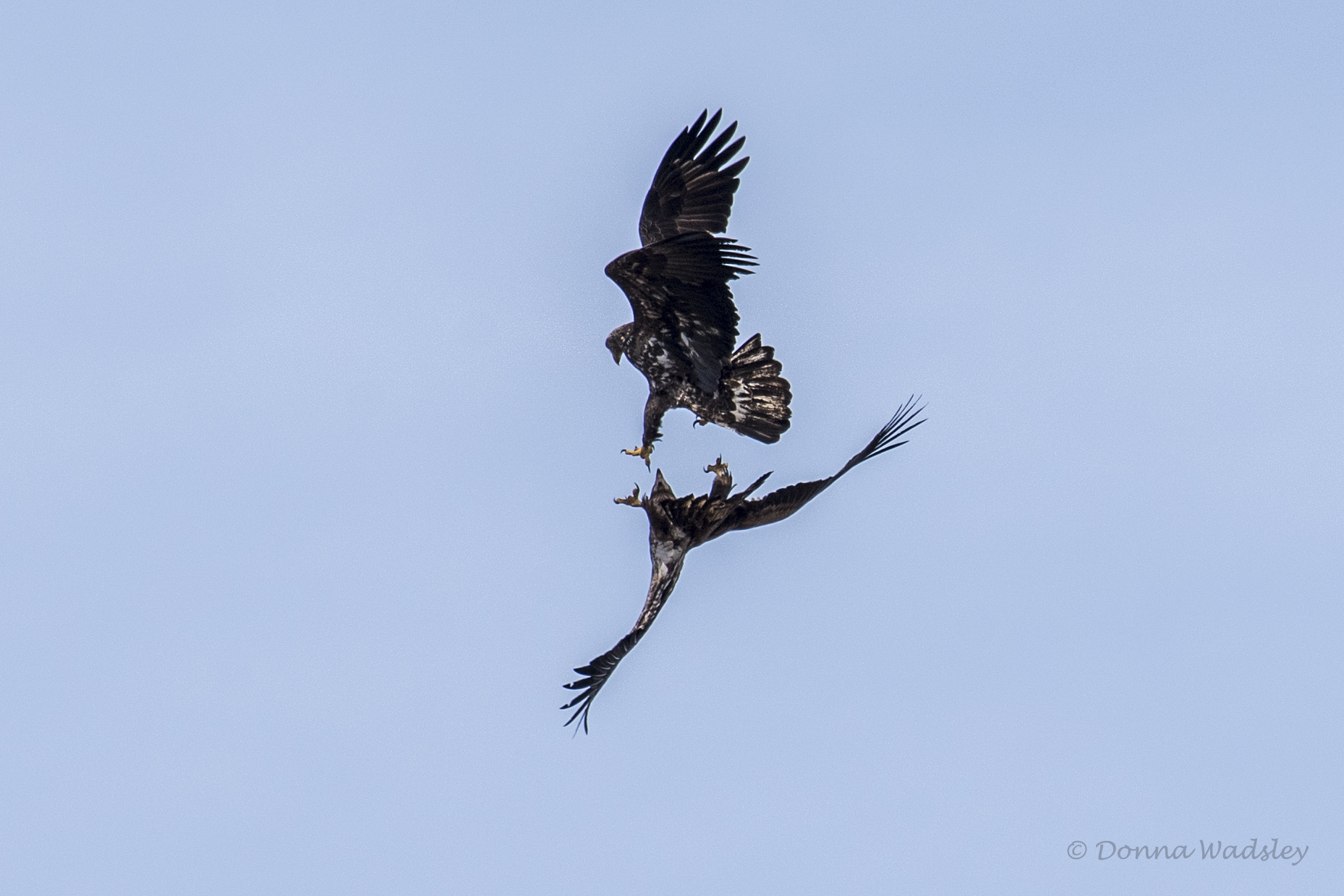
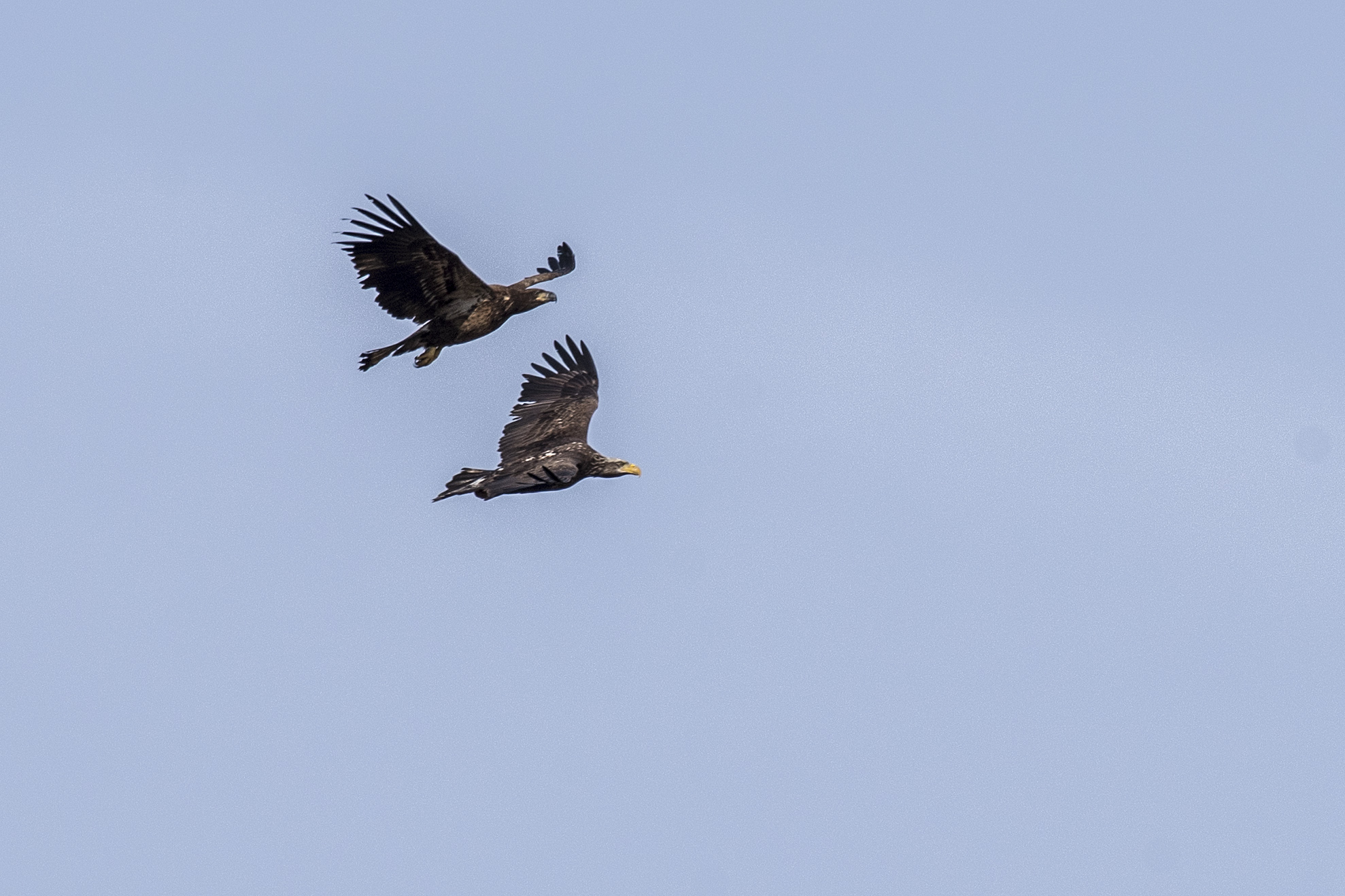
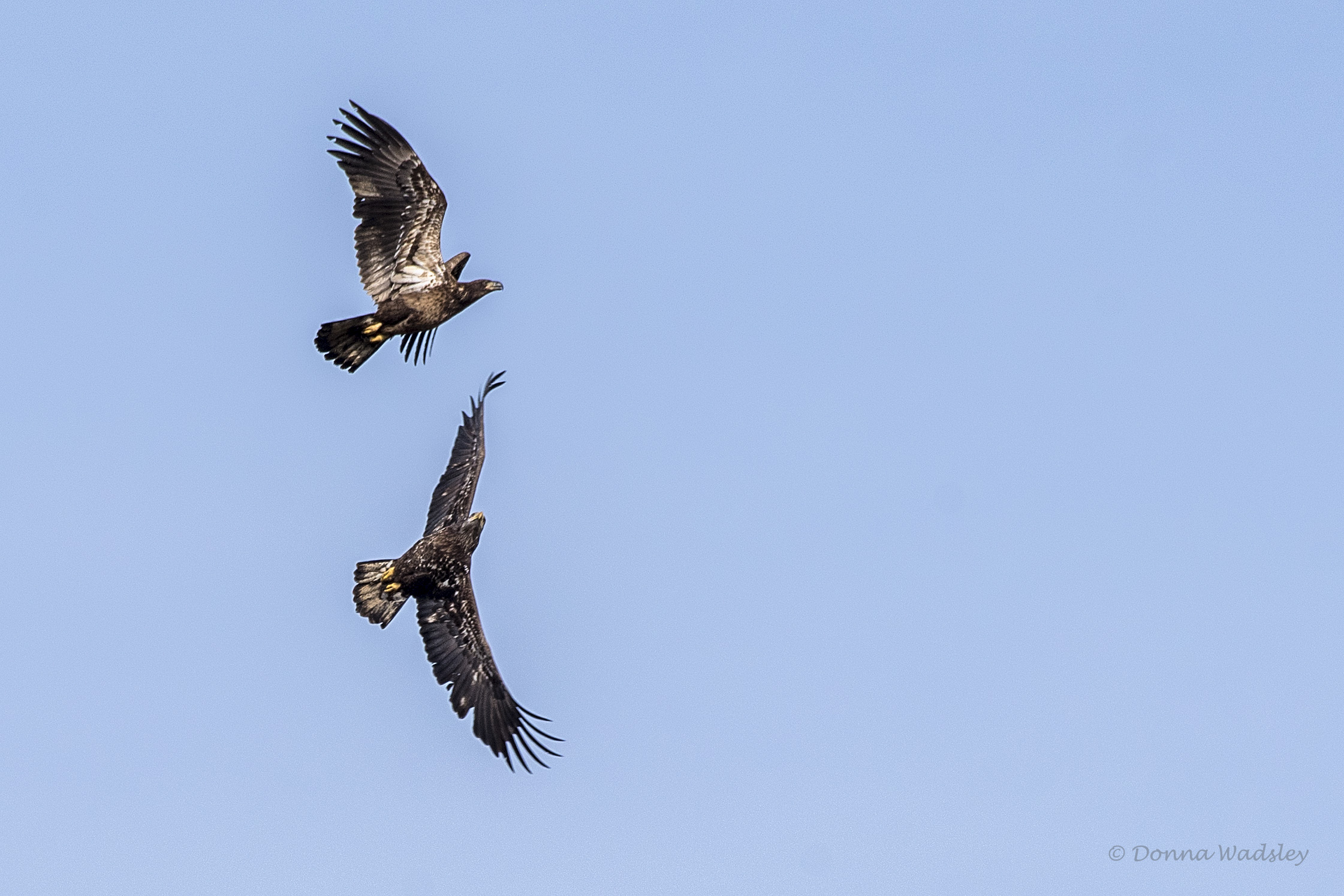
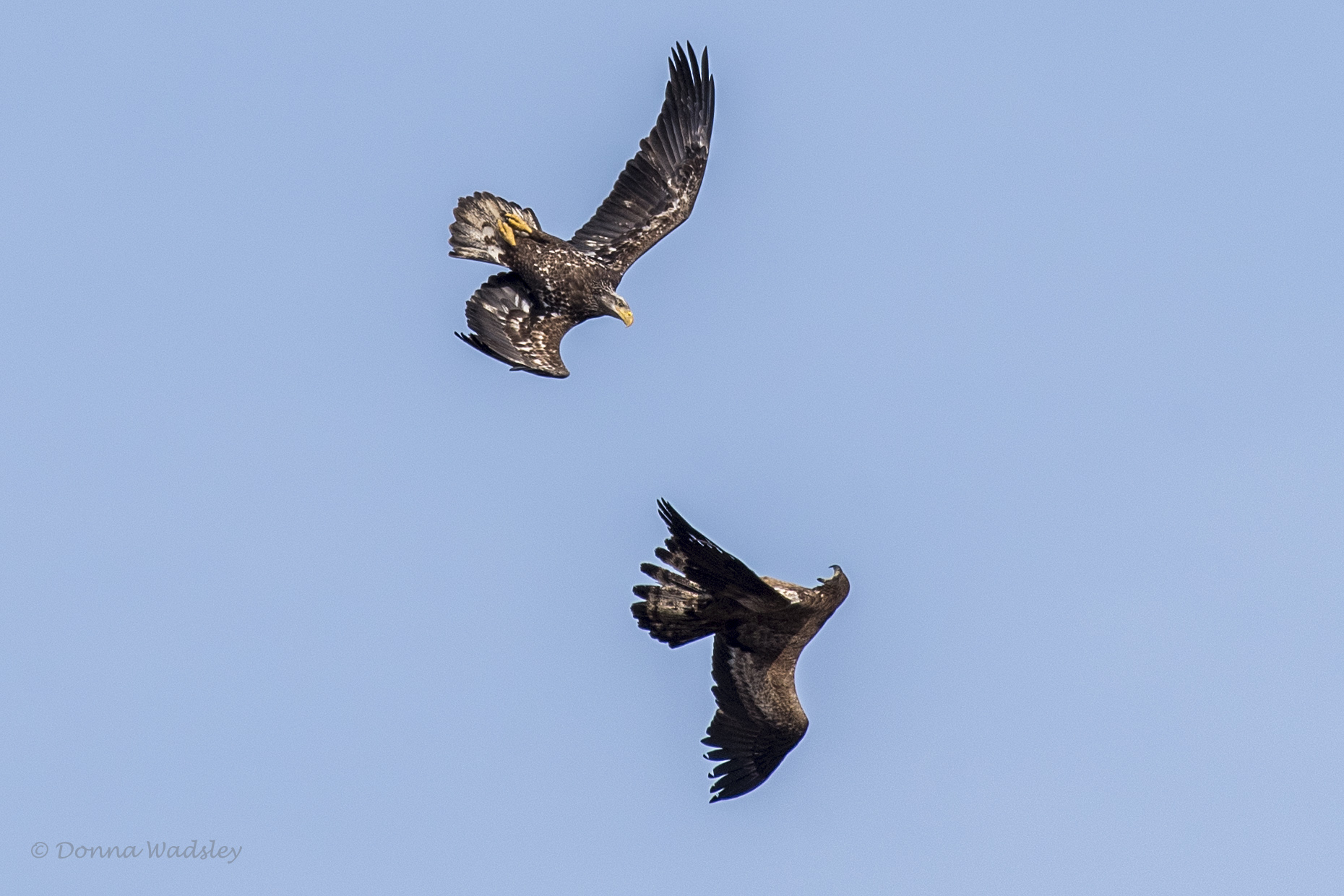
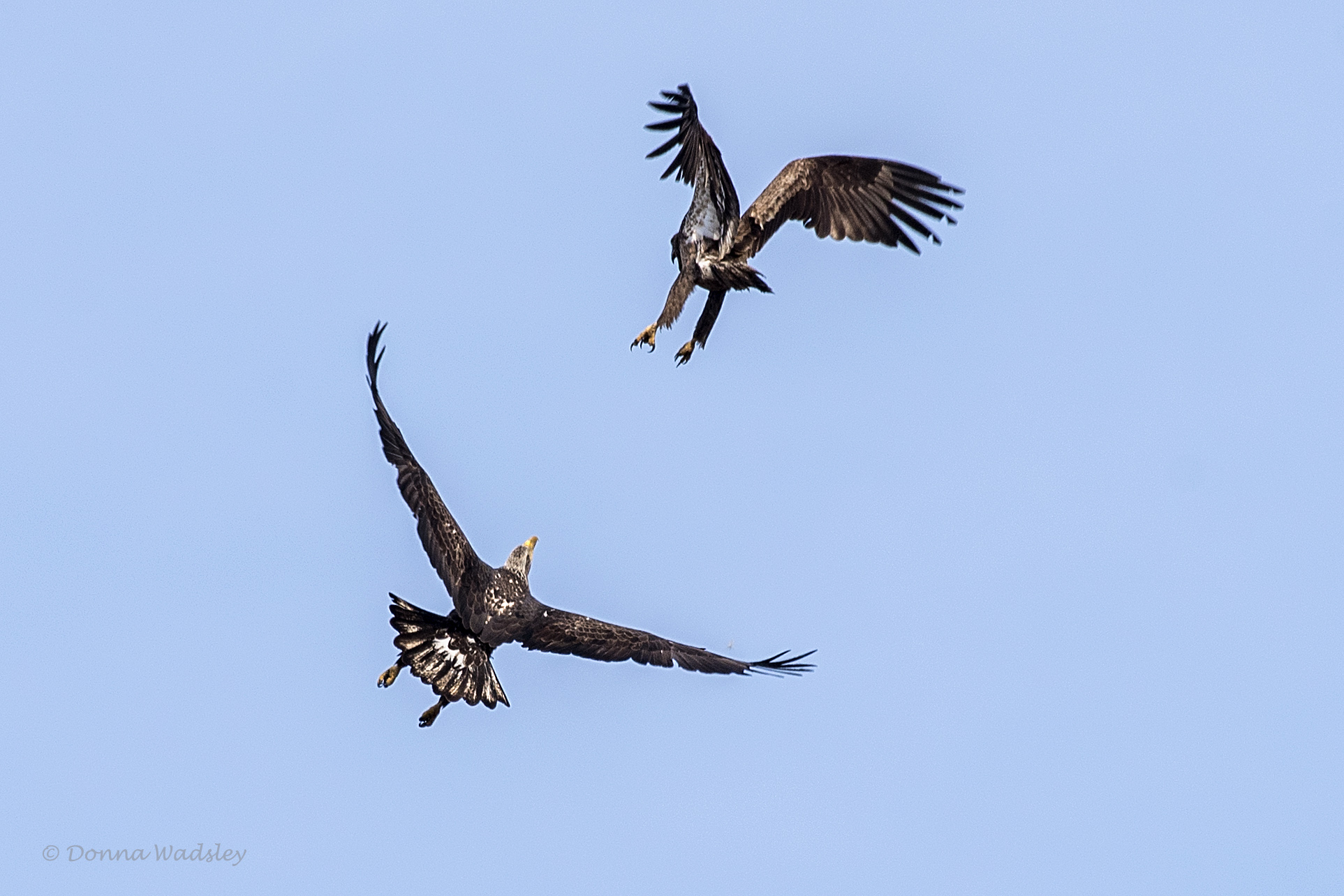
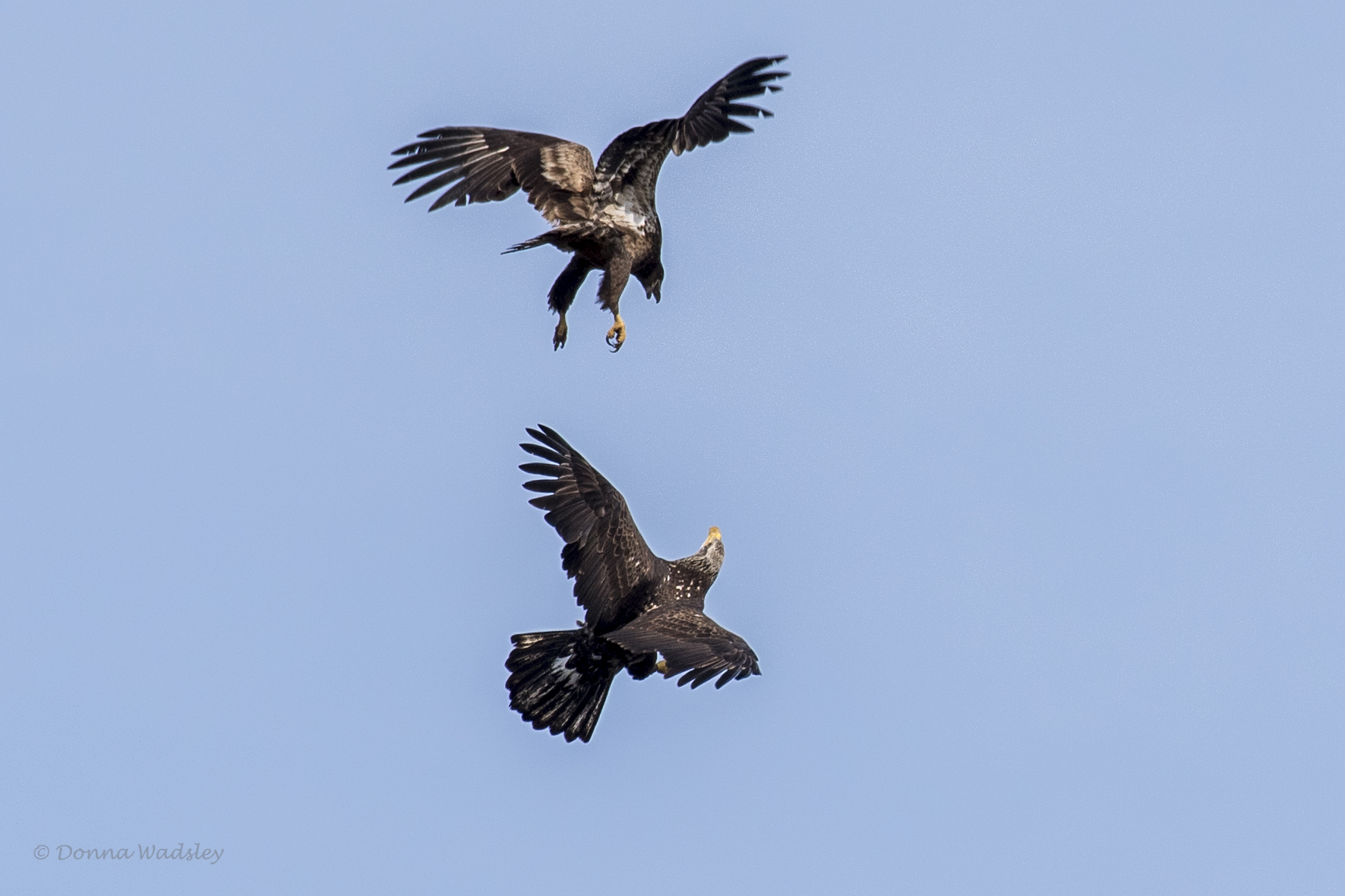
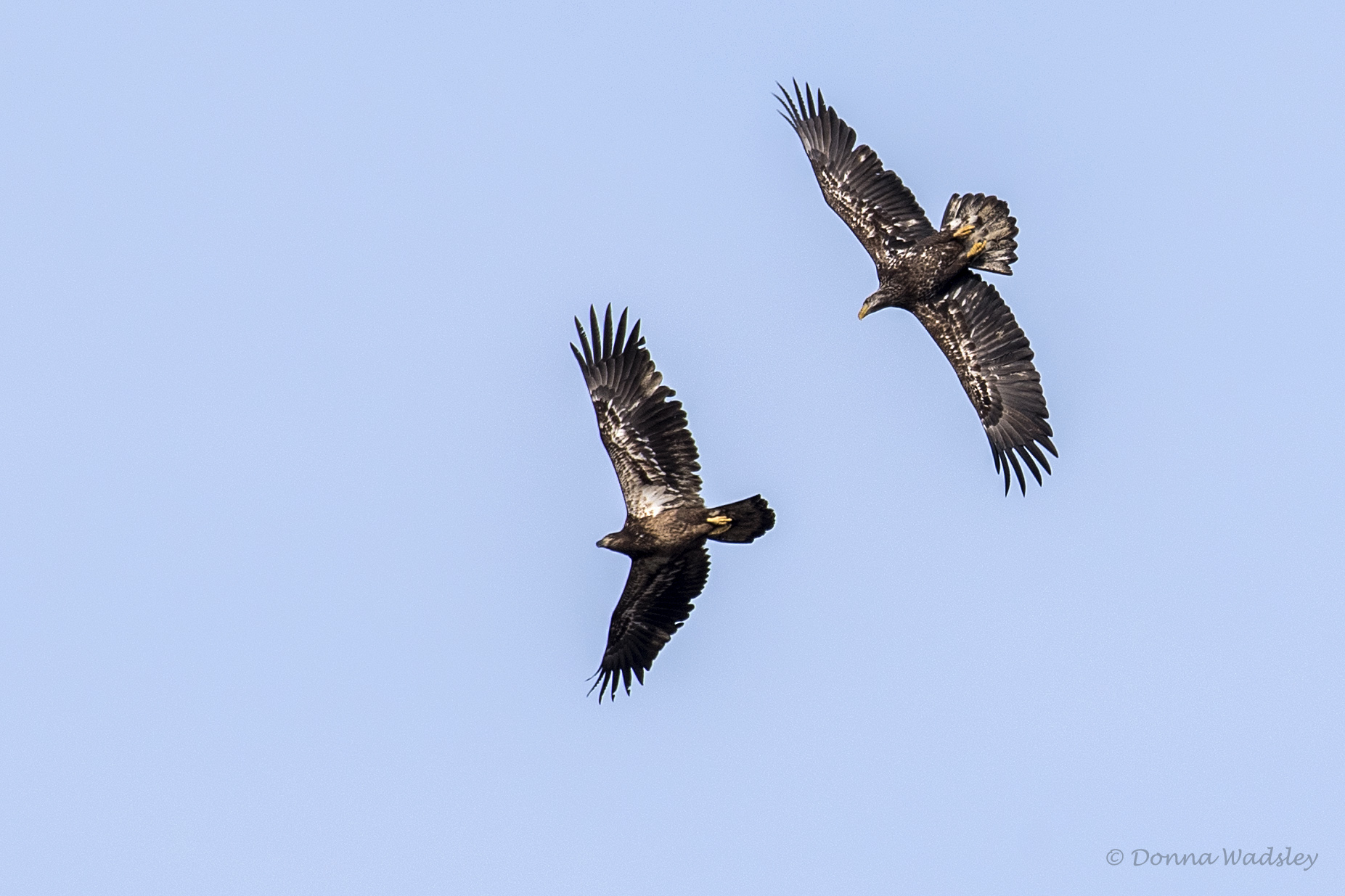
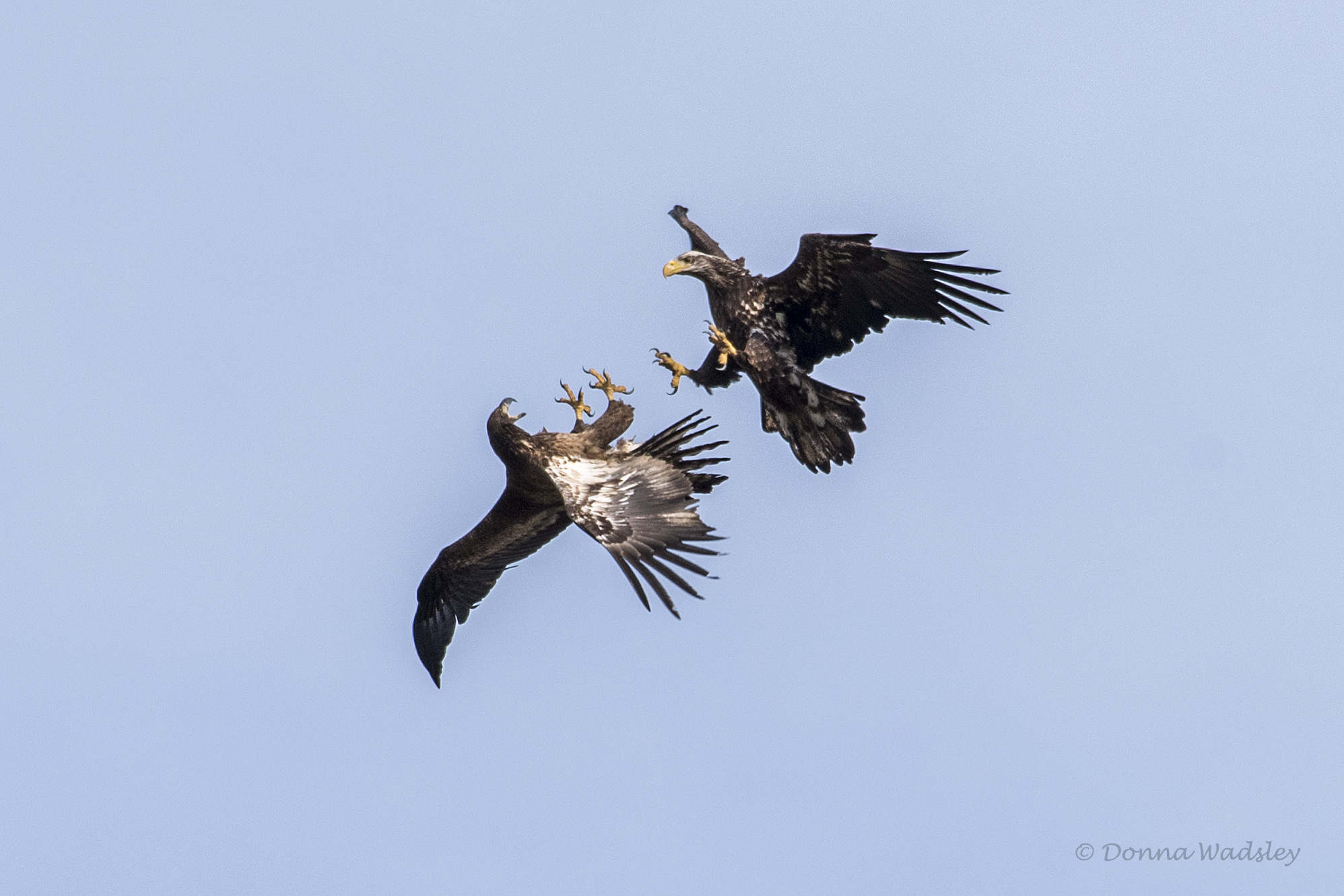
Continuing with another eagle post! This one is sharing a pair of immature Bald Eagles playing in the sky. What fun to watch them chase each other, practicing their maneuvers and tactics!
.
.
.
.
Going through the photos and using the comparison chart I previously compared, my guess one is 1-2 years old, the other at least 3 years old. You can see their beaks and heads are noticeably different.
.
.
.
.
Don’t you just love their expressions!
.
.
.
.
.
(Photos taken at Chesapeake Farms wildlife auto tour)
.
.
Eagles Perched in Trees
.
My previous post shared a series of Eagles in flight. Here’s my next Eagle gallery sharing them perched in trees, taking in the big views. With the bare winter branches, it makes it so much easier to find them!
.
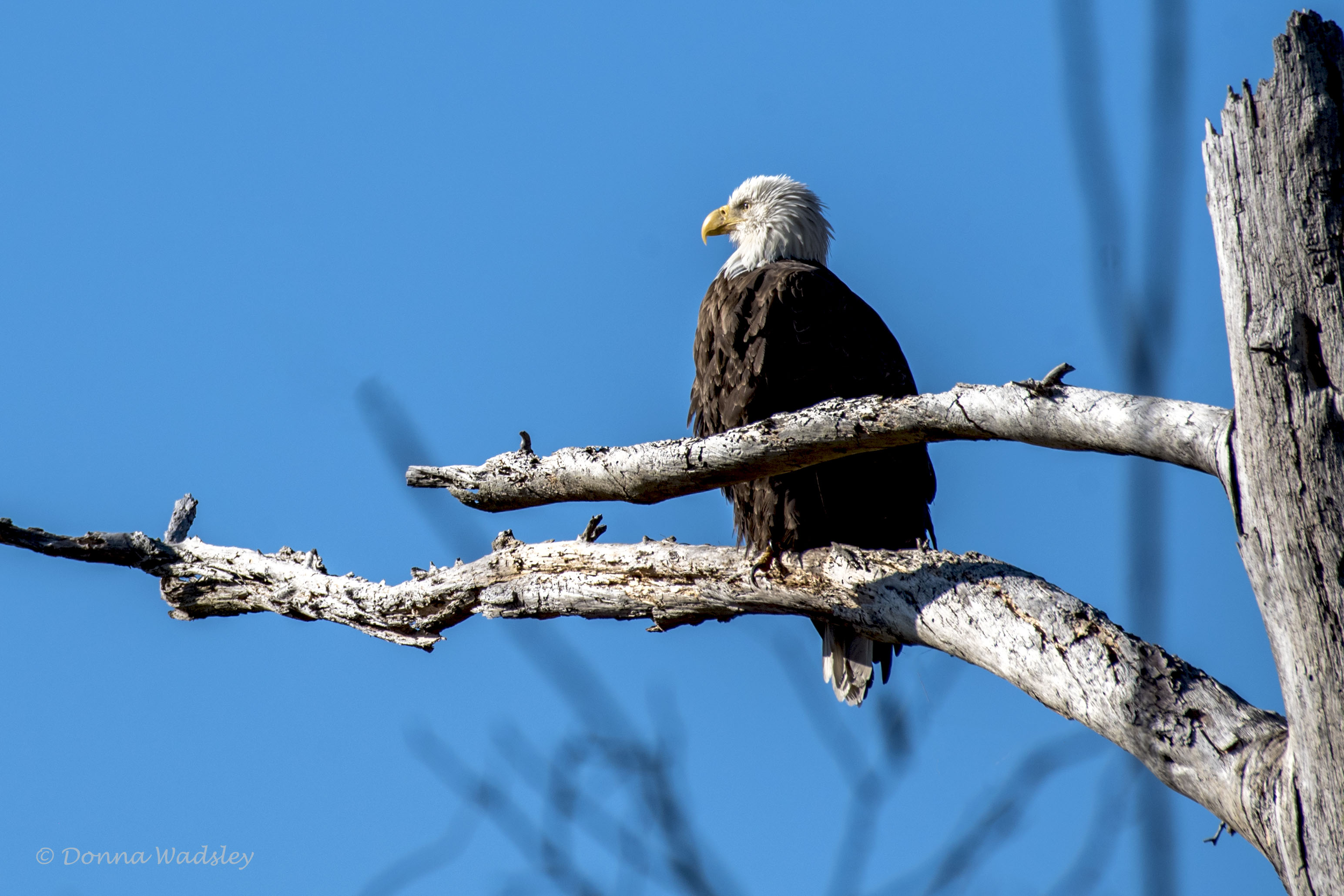
Bald Eagle (adult)
.
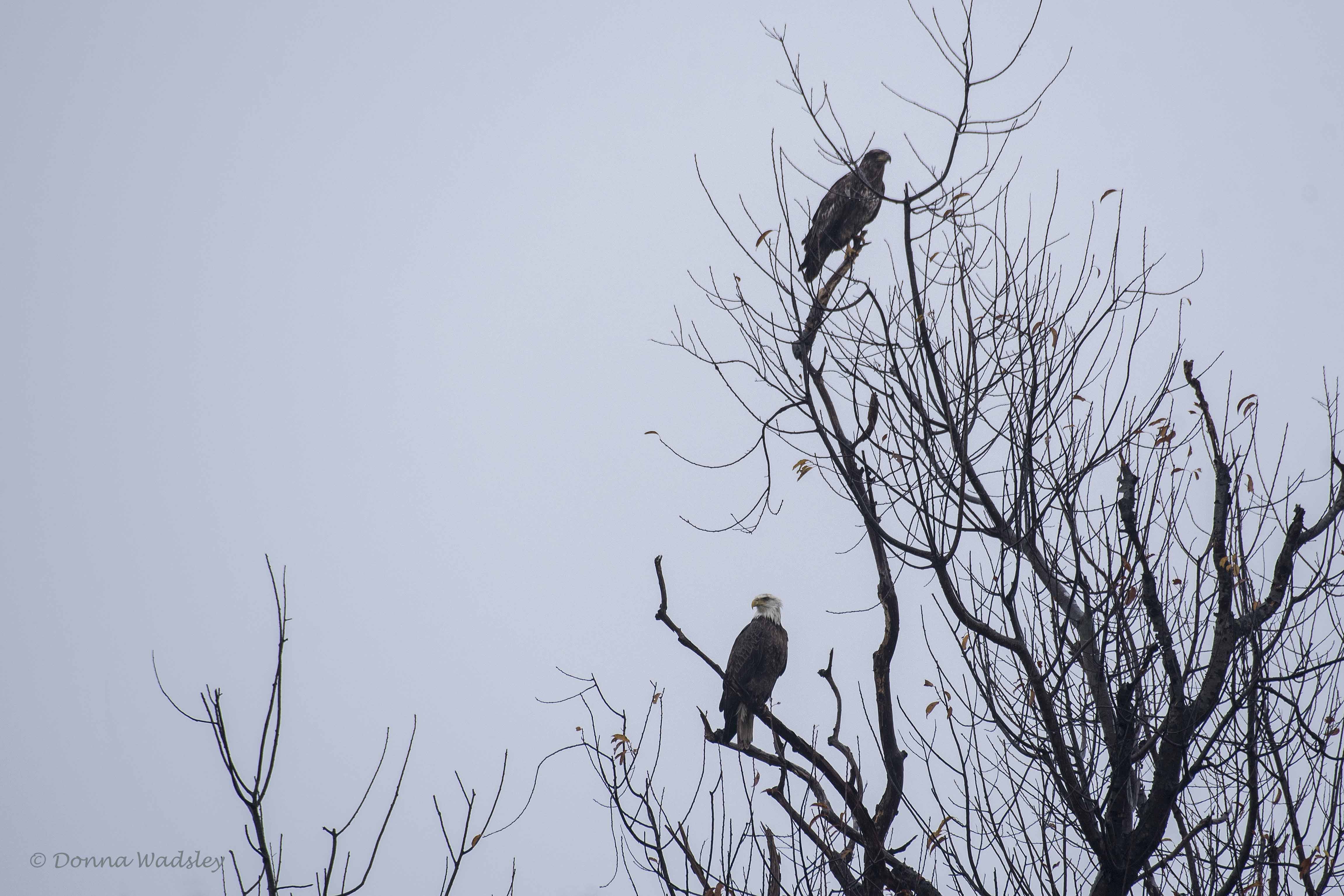
Bald Eagles (adult and immature)
.

Bald Eagle (immature)
.
From a distance and even perched singularly, Bald Eagles can be difficult to differentiate between sexes.
But have a pair side by side, it becomes very easy, as the female is approximately one-third larger and 10-15 pounds heavier than the male.
.
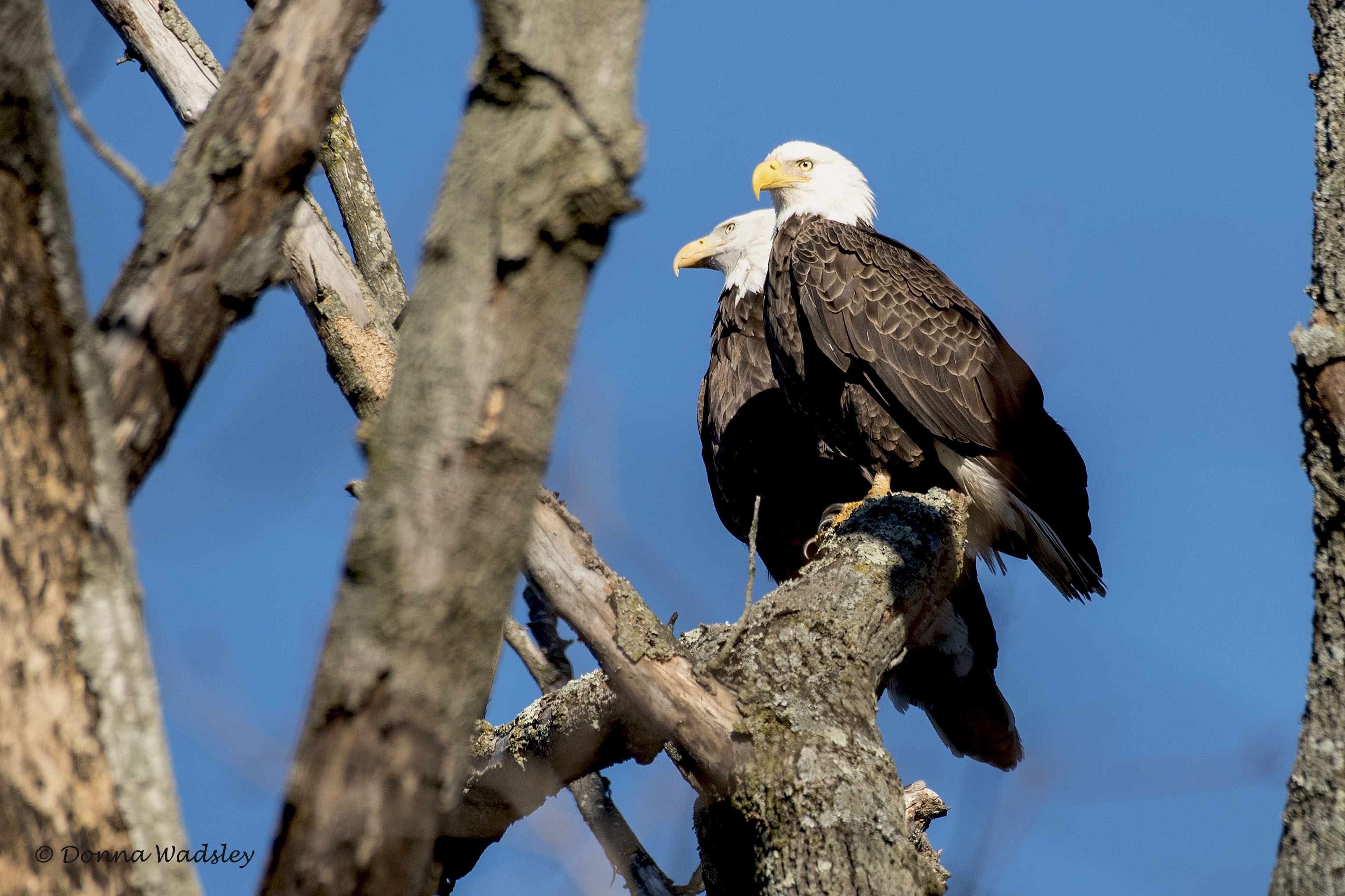
Bald Eagles (female in background, male in foreground)
St. Pauls Millpond
.
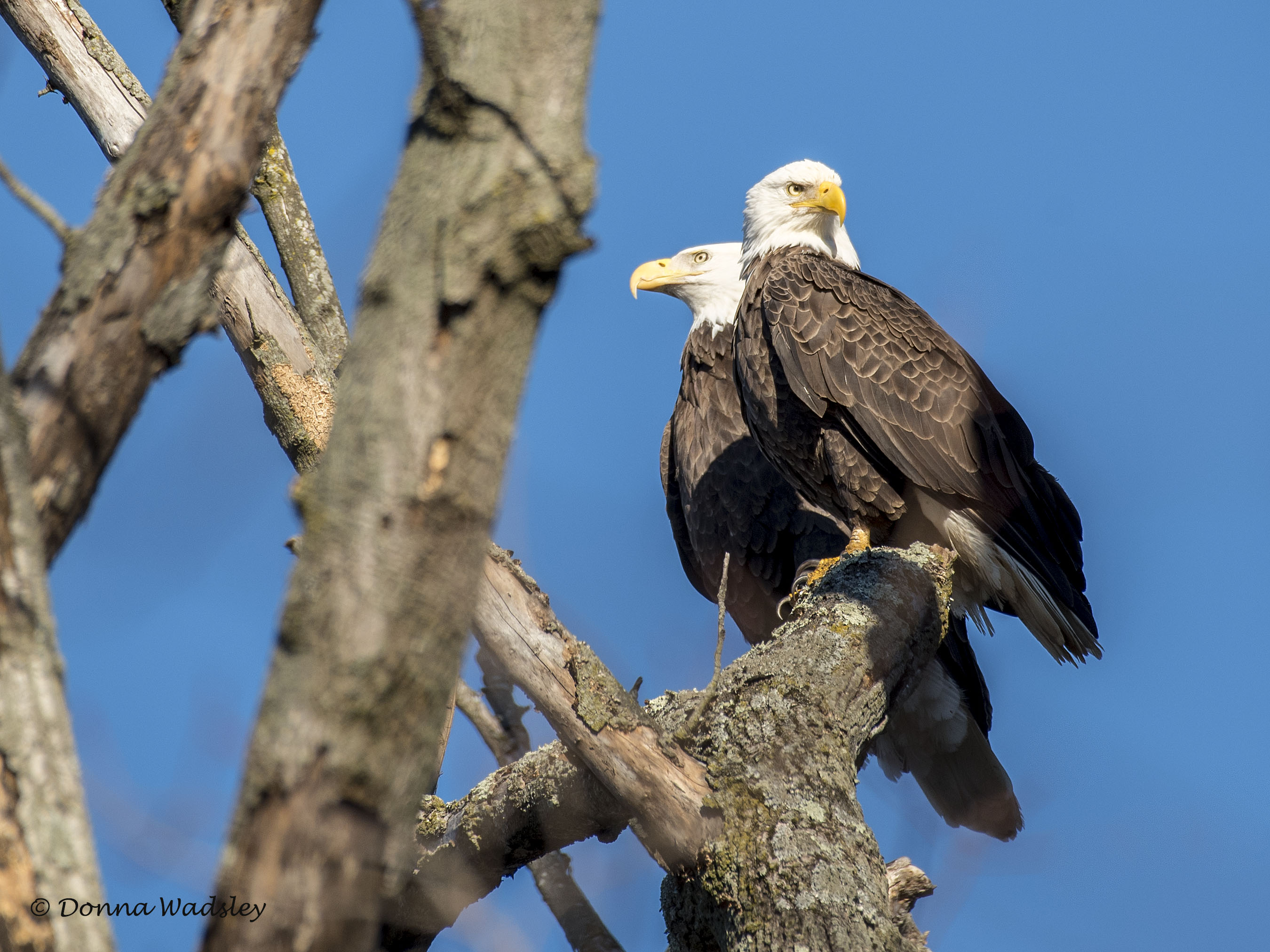
Bald Eagles
.

Bald Eagles (female at top, male below)
.
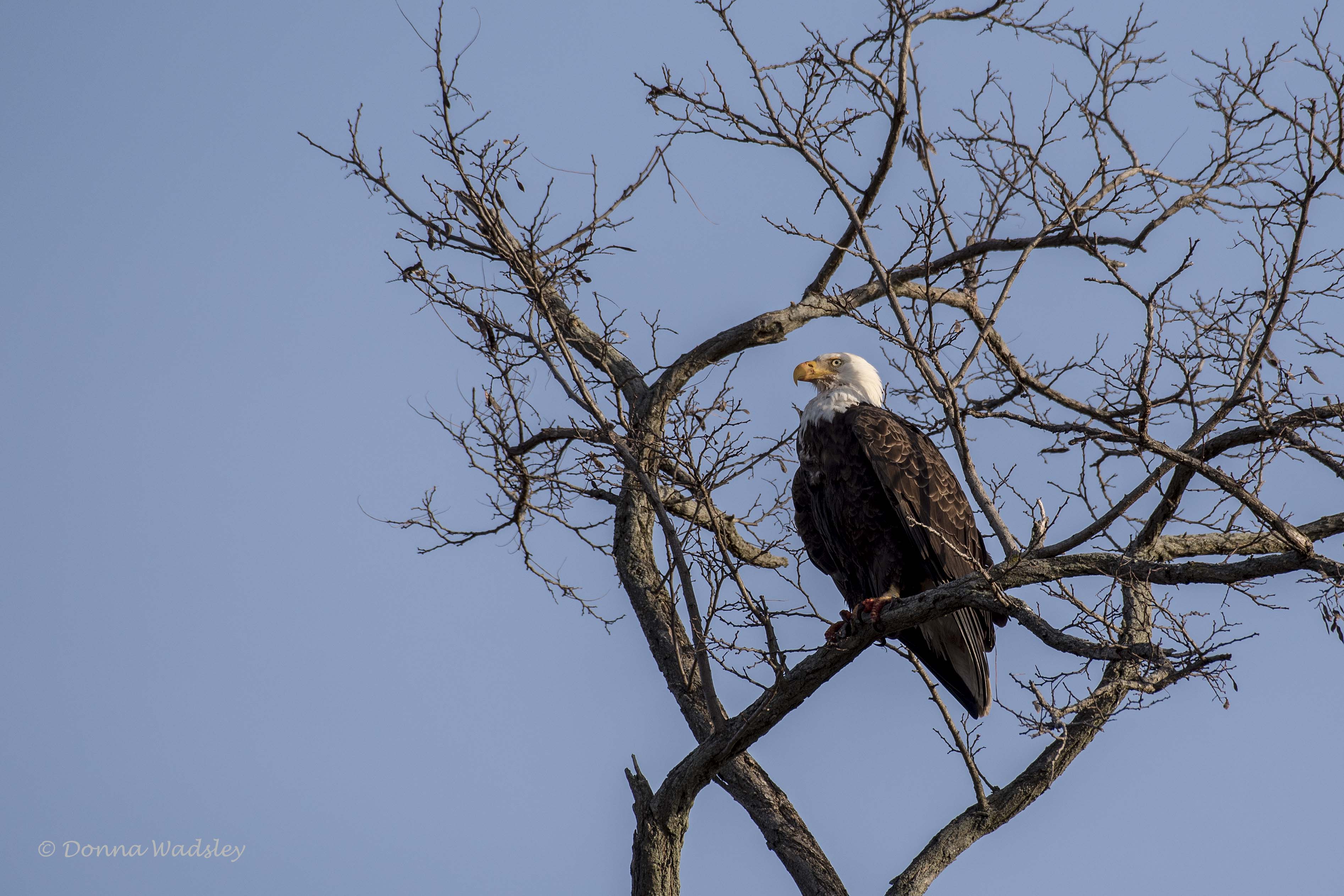
Bald Eagle (adult)
.
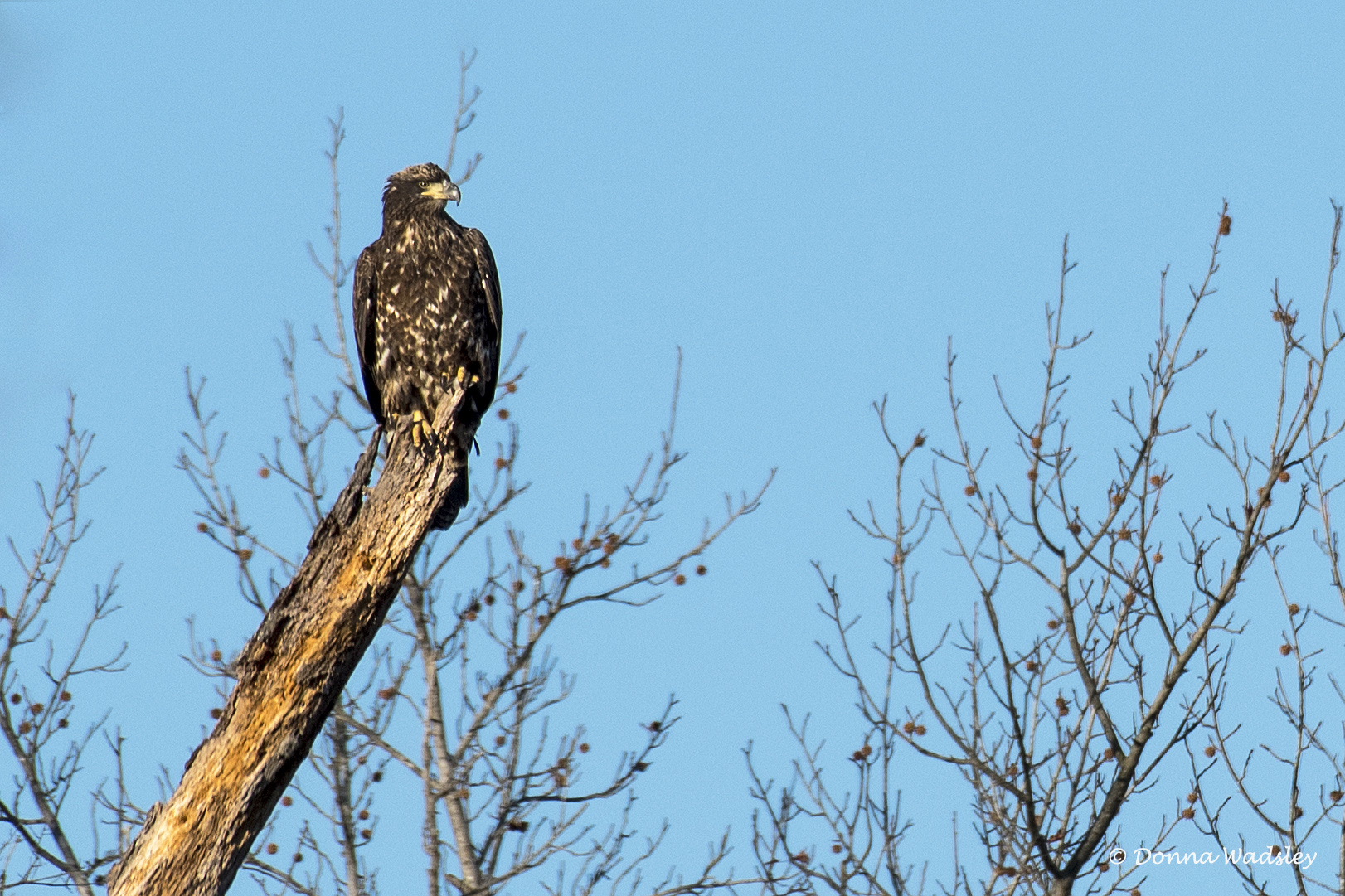
Bald Eagle (immature)
.
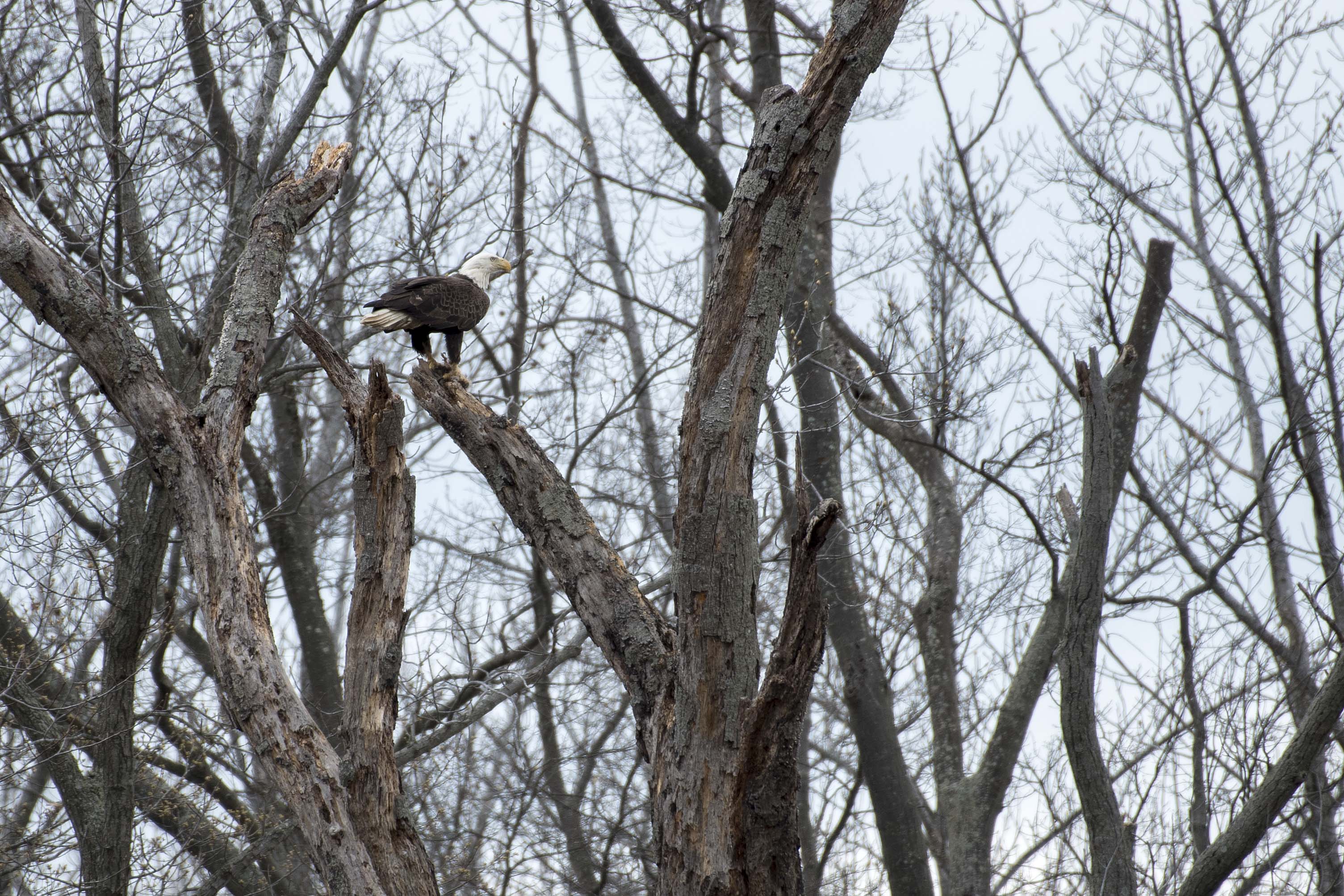
Bald Eagle (adult)
.
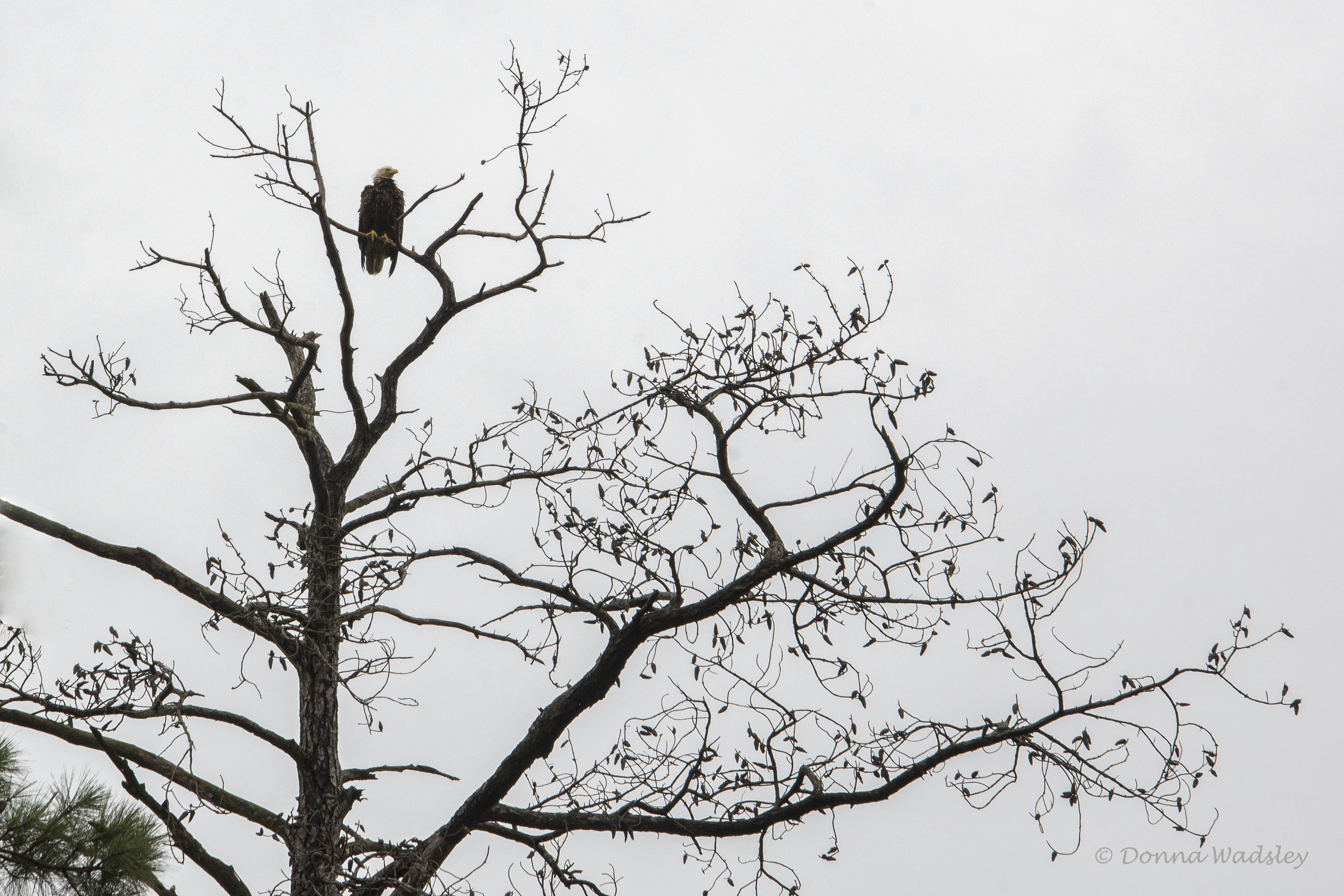
Bald Eagle (adult)
.
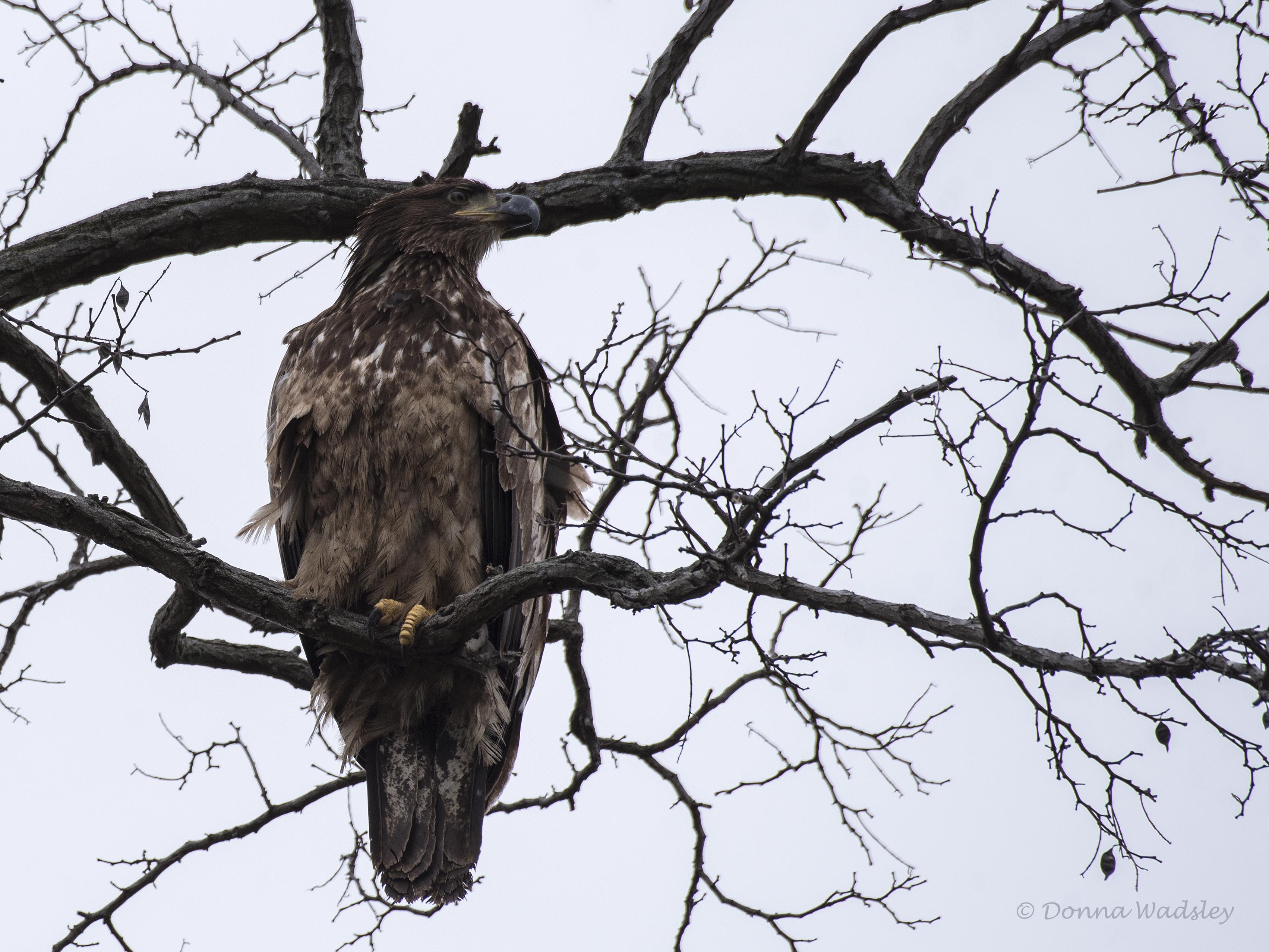
Bald Eagle (immature)
.
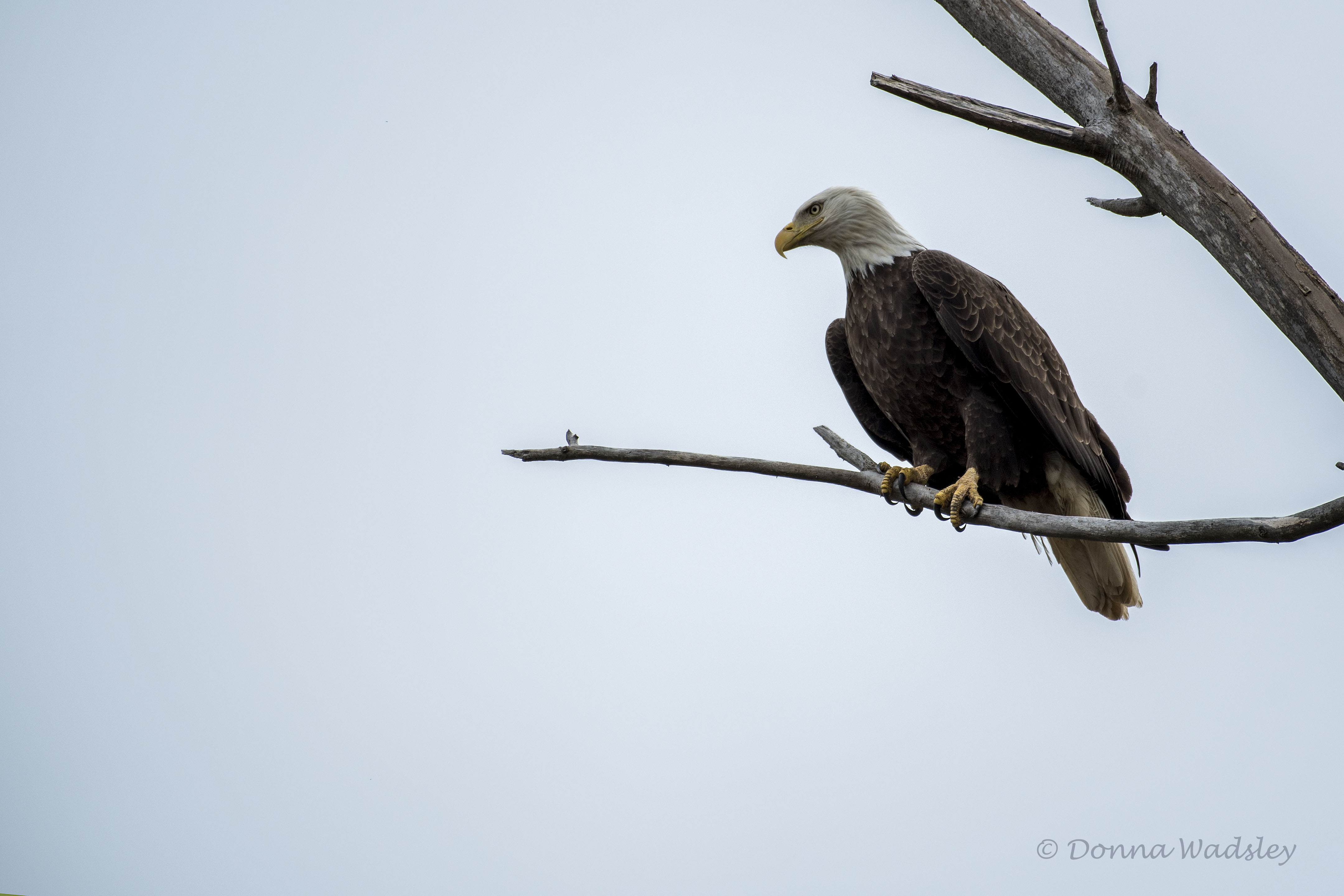
Bald Eagle (adult)
.
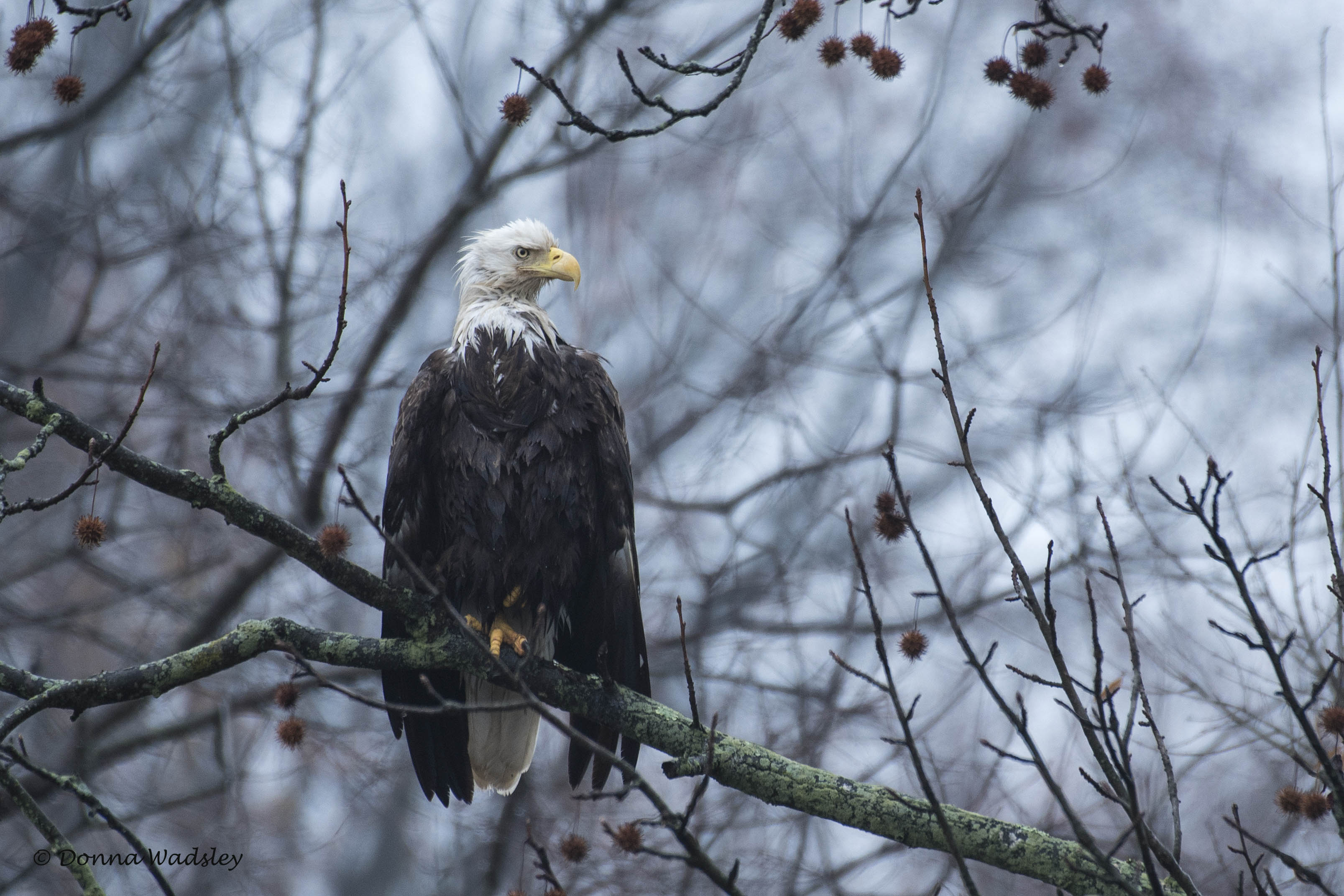
Bald Eagle (adult female) in the rain
.
Who knew an eagle perched in the rain was so pretty?!!
Next is another composition of her, showing she has a long vertical iris on her left eye.
.
Bald Eagle (adult female) in the rain
.
So how am I able to identify this wet eagle as a female since it’s just one eagle perched? I have a series of photos of her with her partner on another recent day and noticed the odd iris.
I now always look for her in my photos. Here’s a closer look at her left eye’s iris.
.
Close-up of the female’s different iris
.
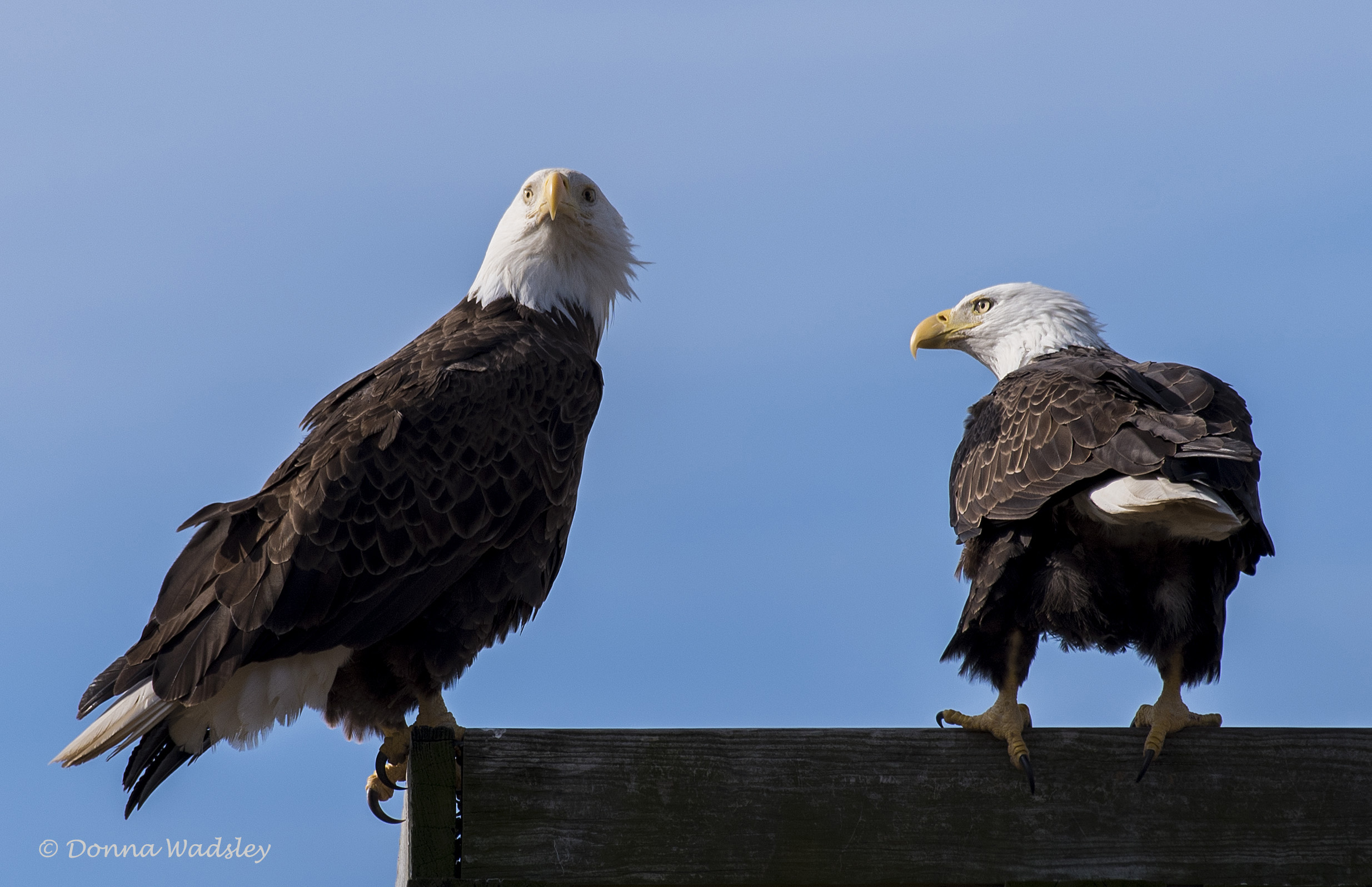
Here she is again on the left with her mate looking at her
.
As you can see, I am so fortunate right now with so many eagle photo ops, I can’t help myself with taking yet another eagle shot, as they are one of my favorite birds.
All photos above were taken at Eastern Neck NWR except for the photos of the first pair of Eagles which I noted were from St Pauls Millpond.
If you enjoy Bald Eagles, there’s two more post galleries to come. Next is eagle aerial play! Fun fun!
.
.
Eagles in Flight
.
This post is two-fold fun! I get to share a lot of Eagles in flight and you get to compare Eagles in a few stages of plumage.
.
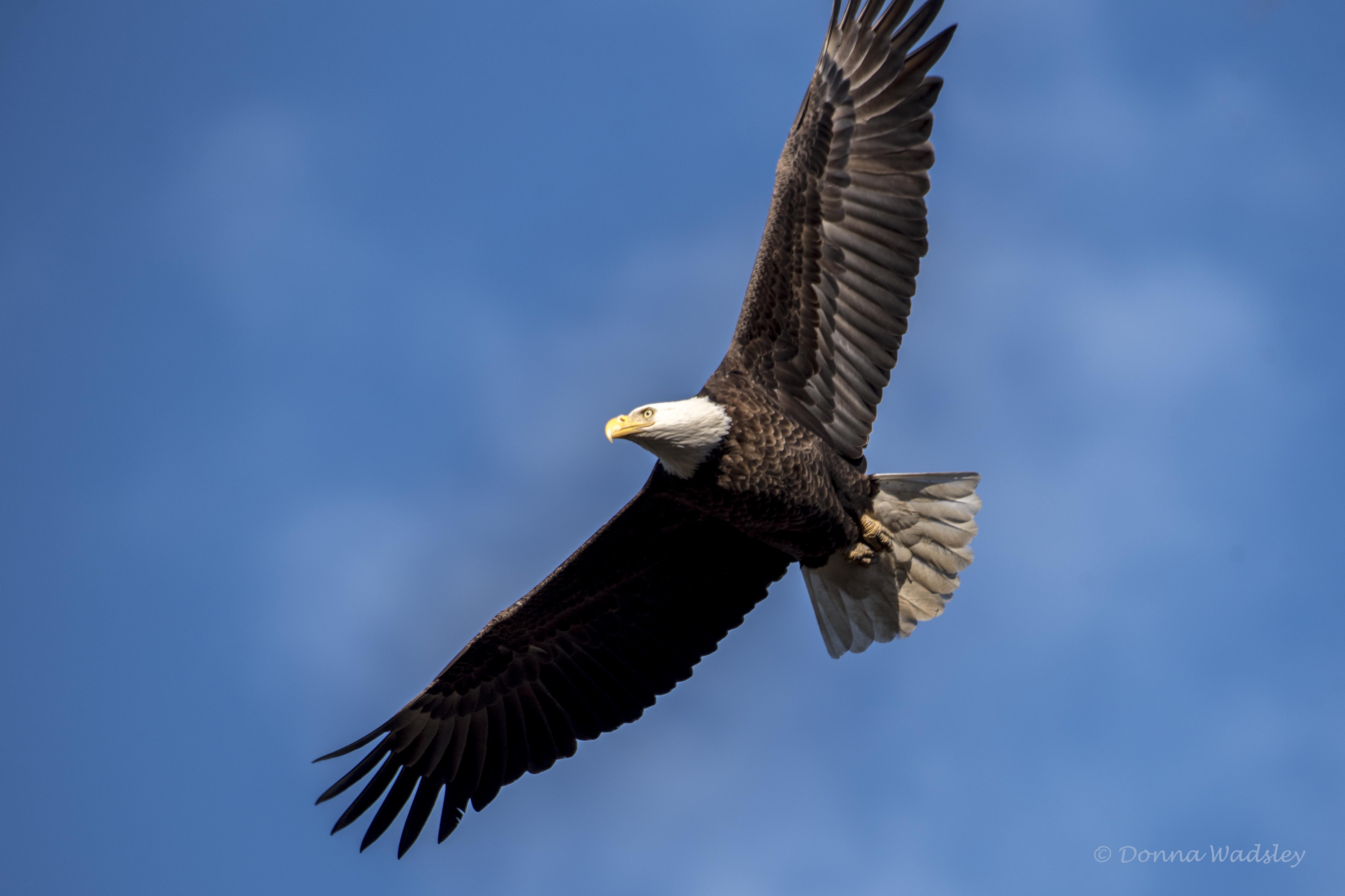
Bald Eagle (adult)
.
Eagles are born dark brown with a dark beak and begin a widely-varied array of plumage of white-mottling as they mature each year.
They do not reach adulthood with their white head, white tail, and dark brown body profile until they are about five years old.
Here is a chart that I find helpful with identifying how old an Eagle might be if you’re lucky to see a close-up view of the head.
.
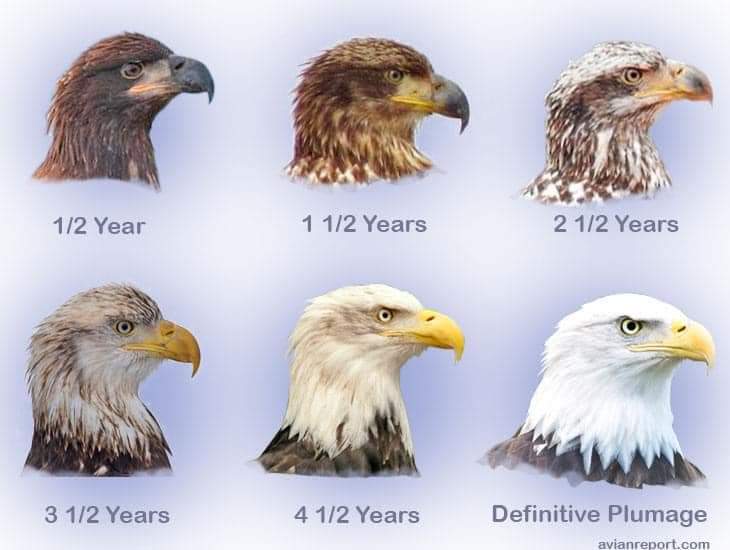
Eagle Plumage Stages
.
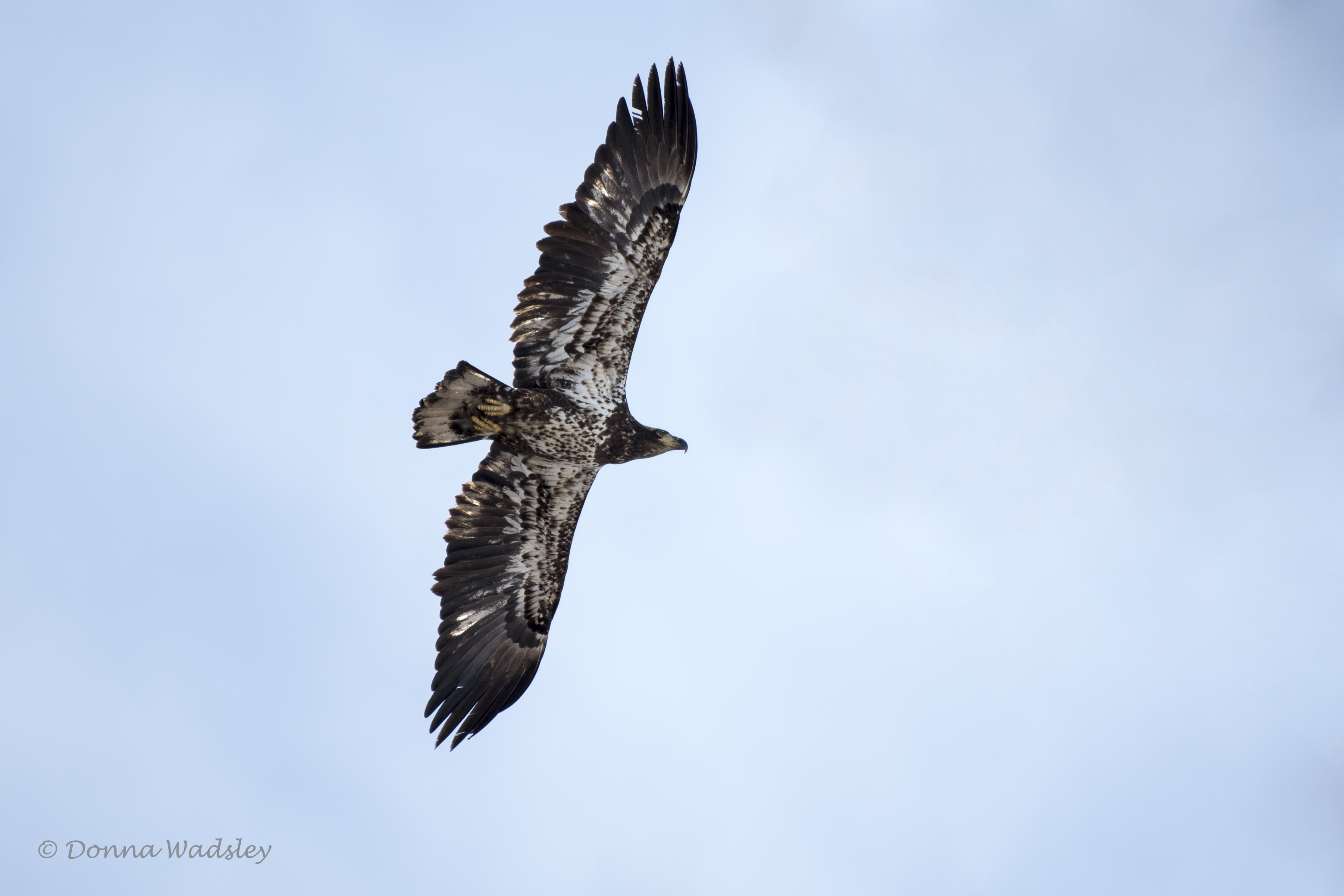
Bald Eagle (immature)
.
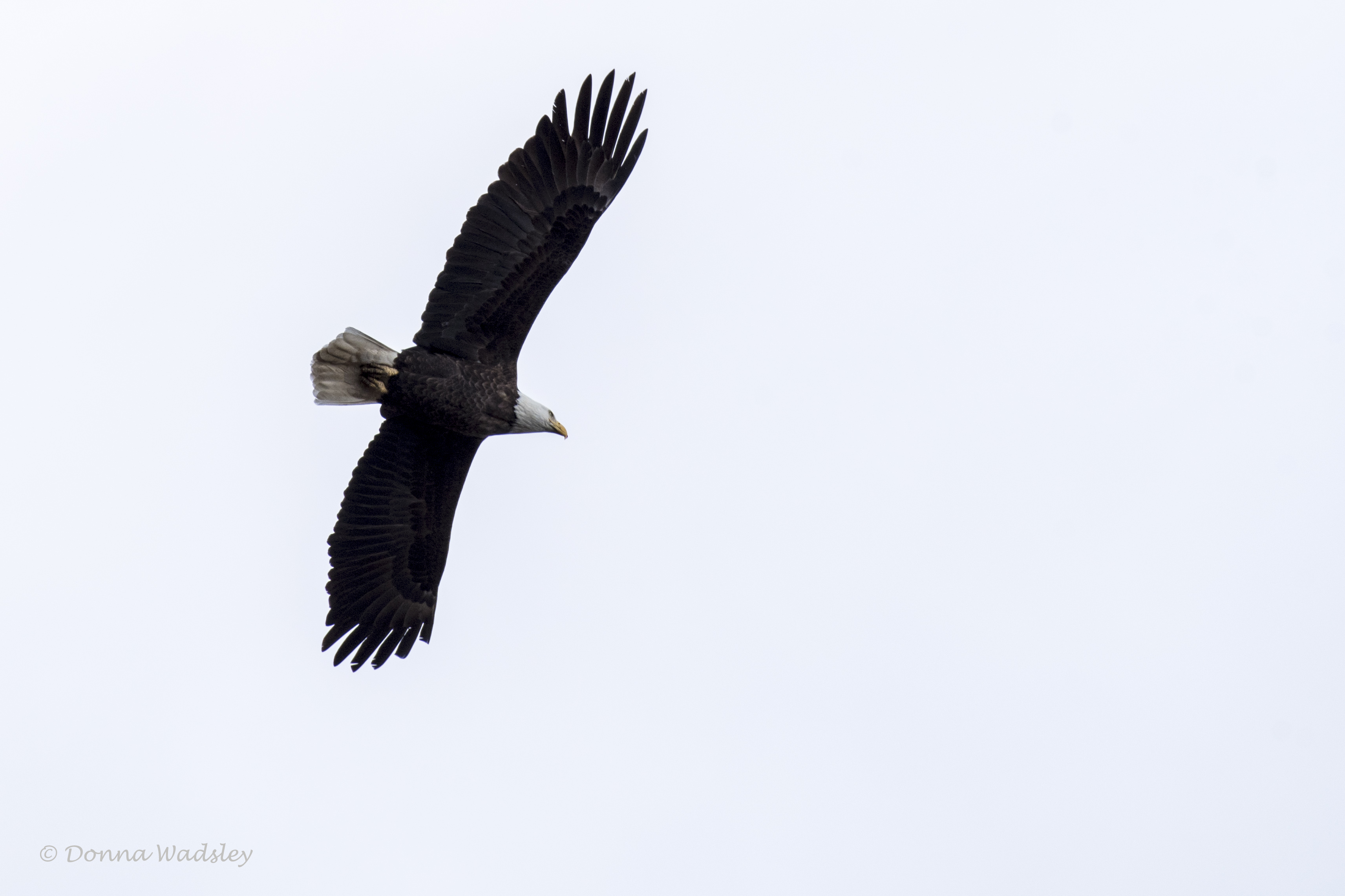
Bald Eagle (adult)
.
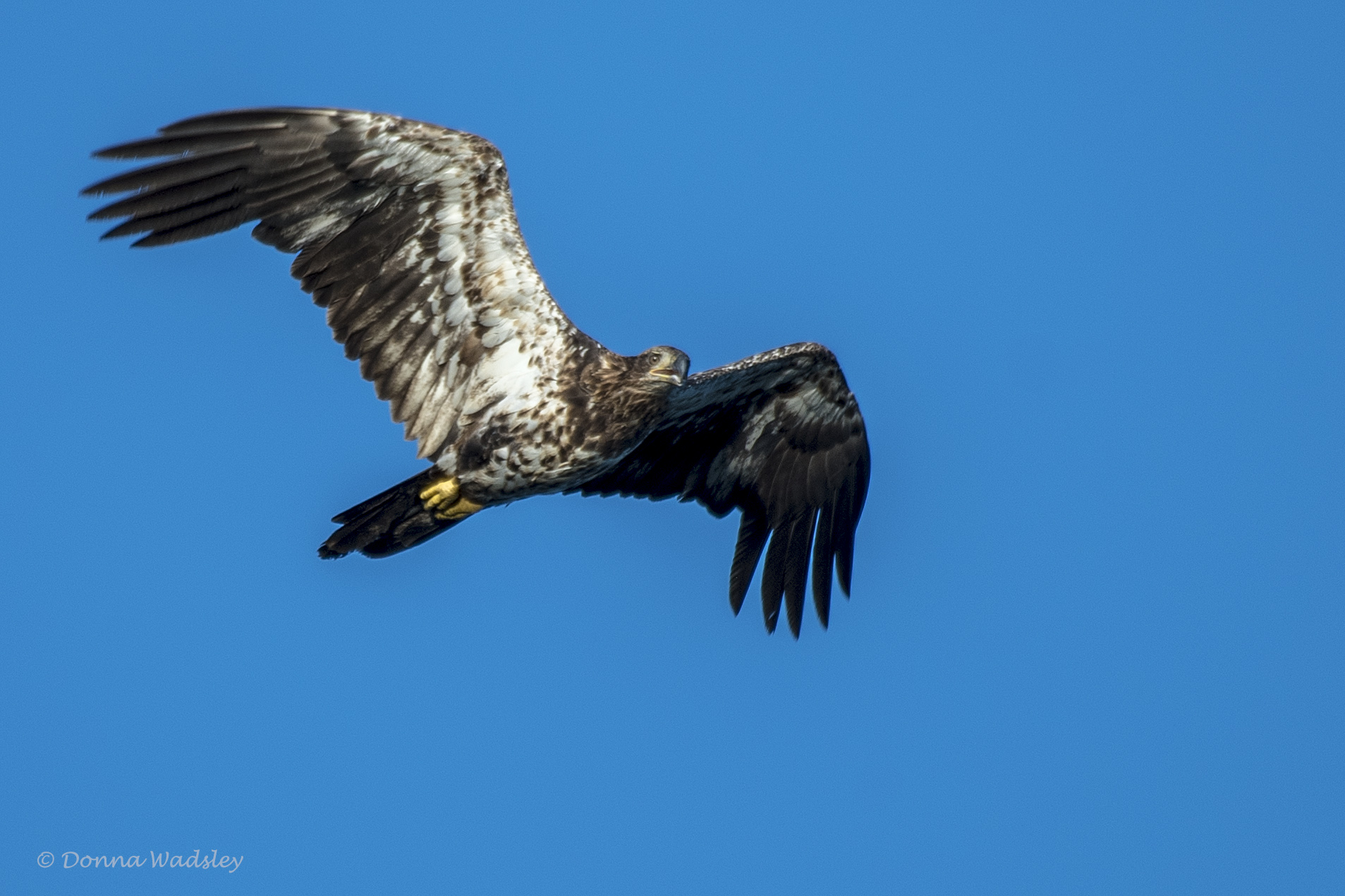
Bald Eagle (immature)
.
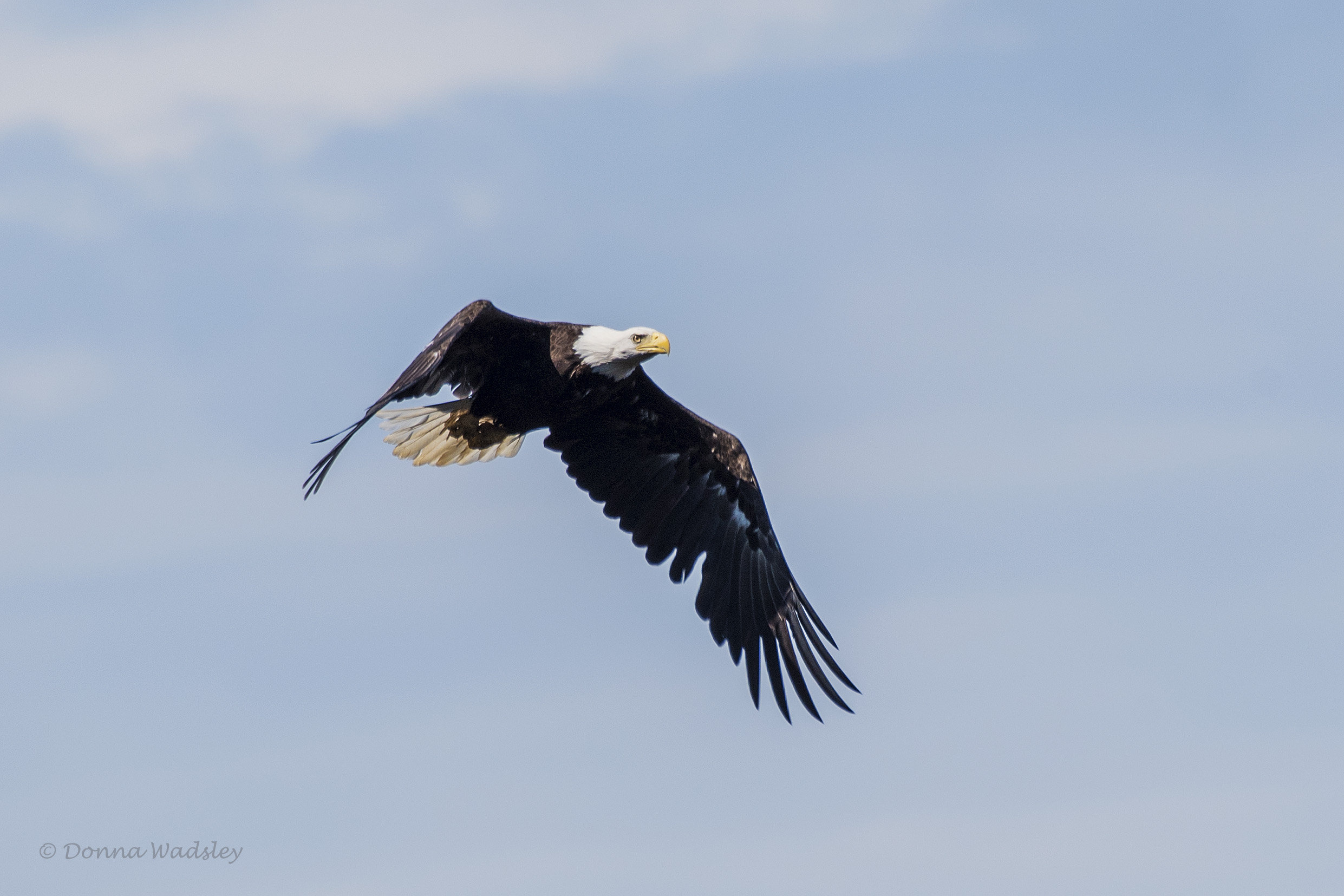
Eagle (adult)
.
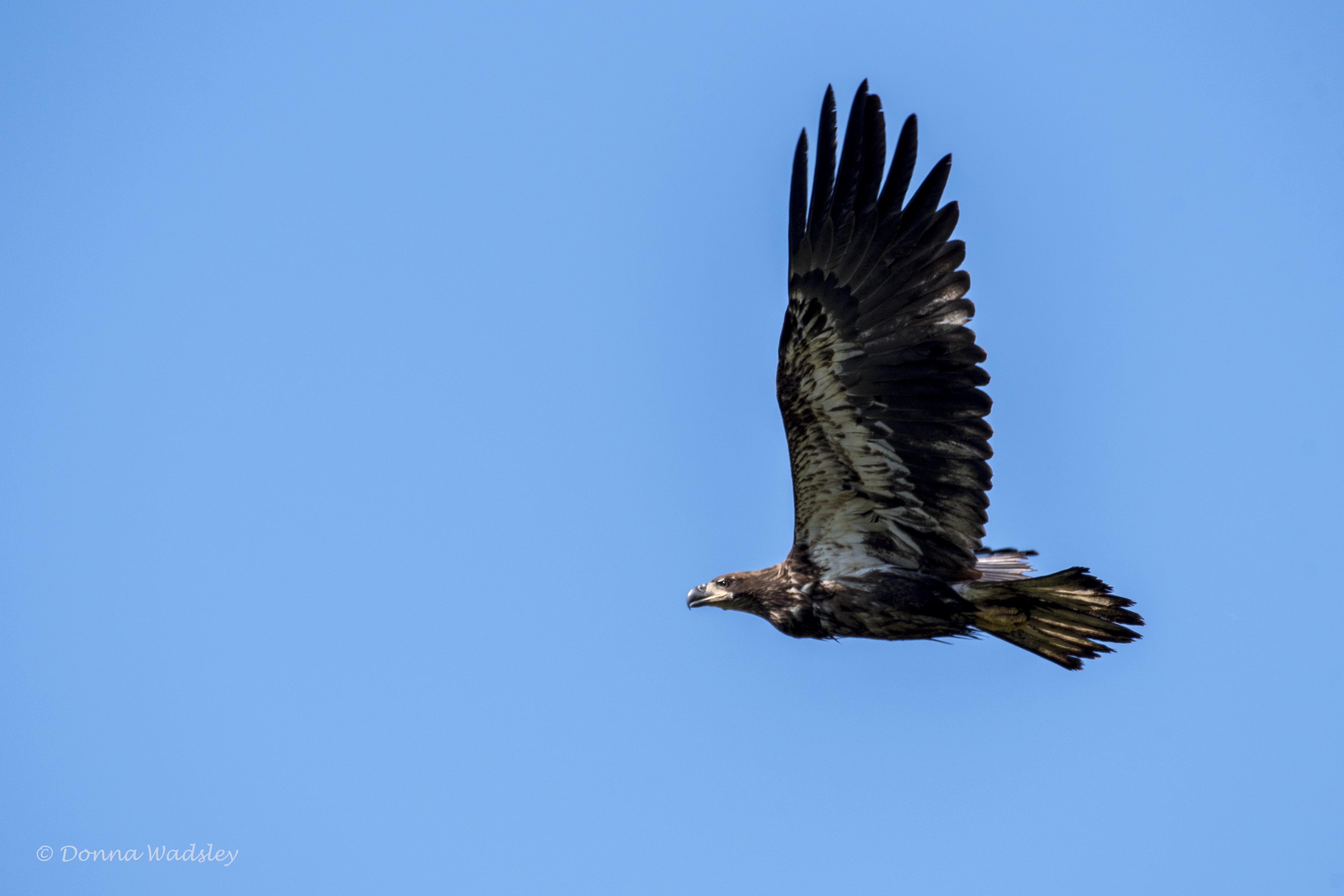
Bald Eagle (immature)
.
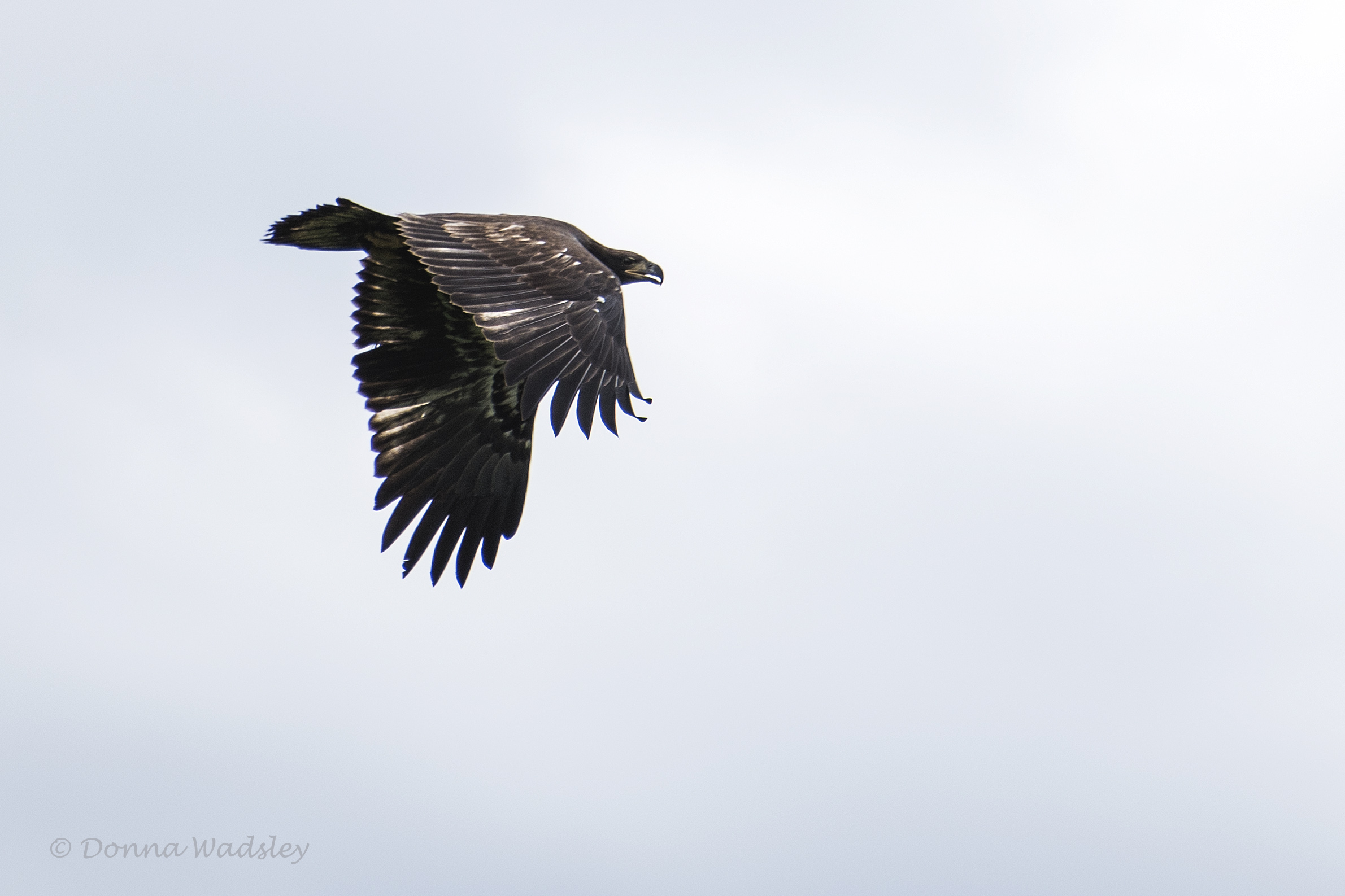
Bald Eagle (immature)
.
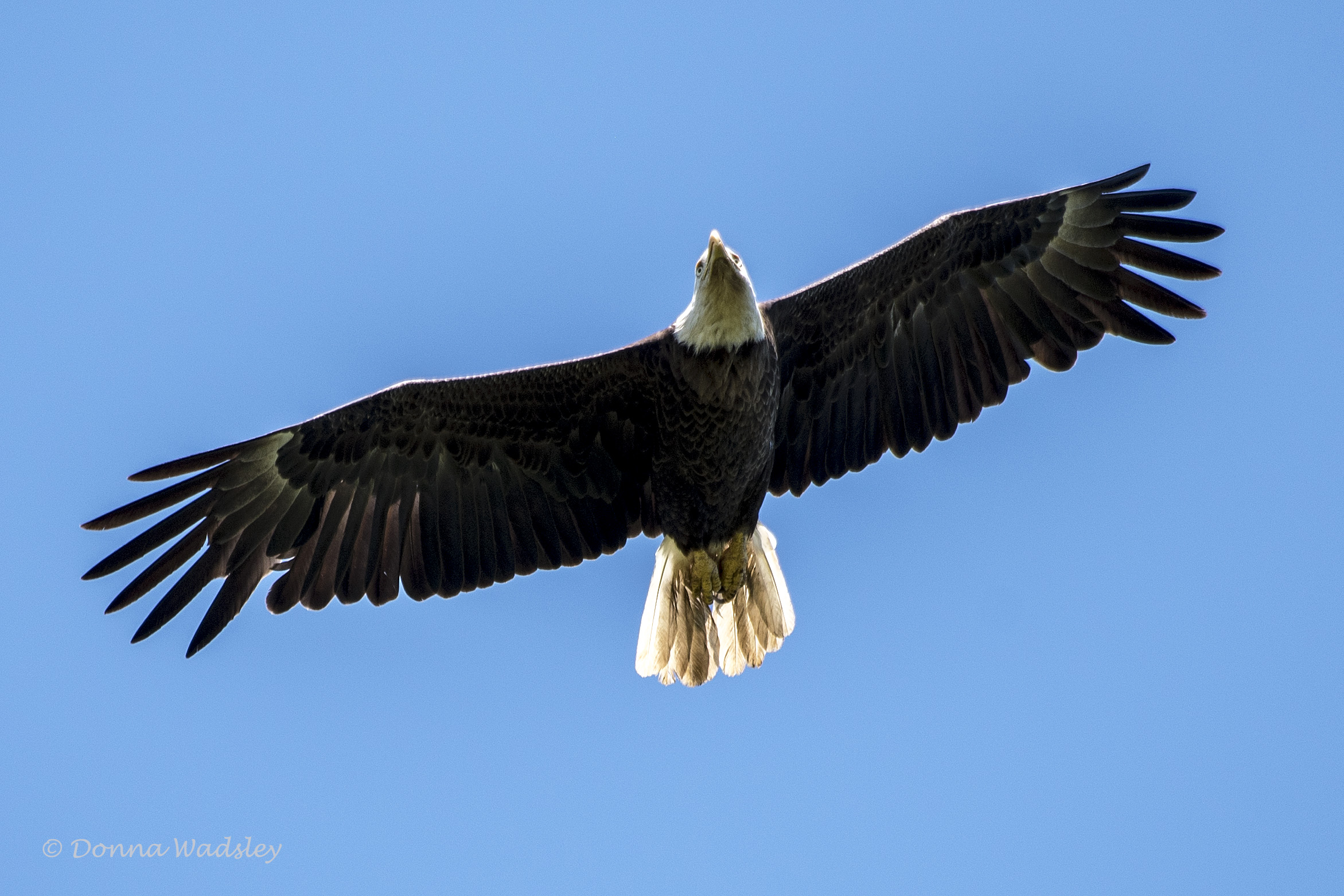
Bald Eagle (adult)
.
Were you able to distinguish the different ages the immatures might have been? Sometimes it can still be difficult because no two will look alike in the same stage.
The next two photos is of an immature Golden Eagle that I luckily spotted again just a few miles from my home recently. Note the differences from it to the immature Bald Eagle. The Golden Eagle has a golden nape, white patches at the base of the primary feathers, and dark brown wide band tail tip.
.
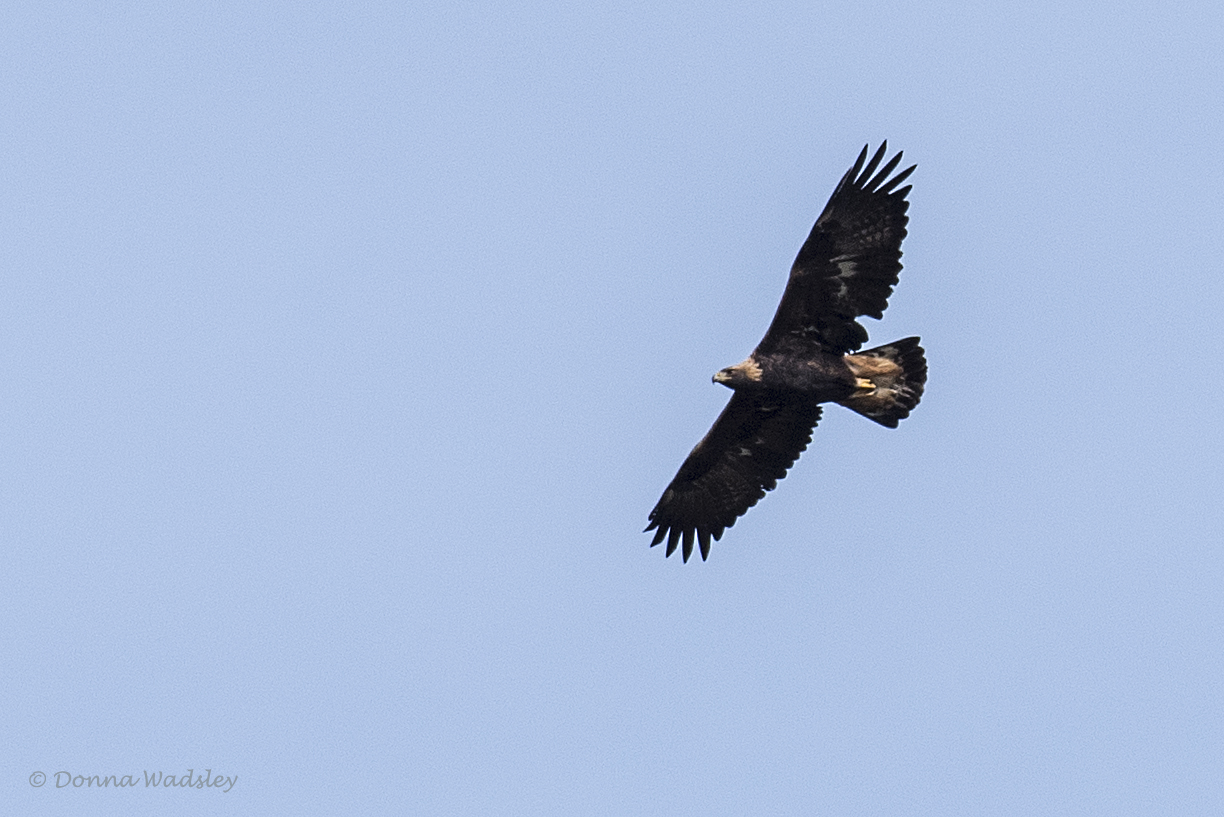
Golden Eagle (immature)
.
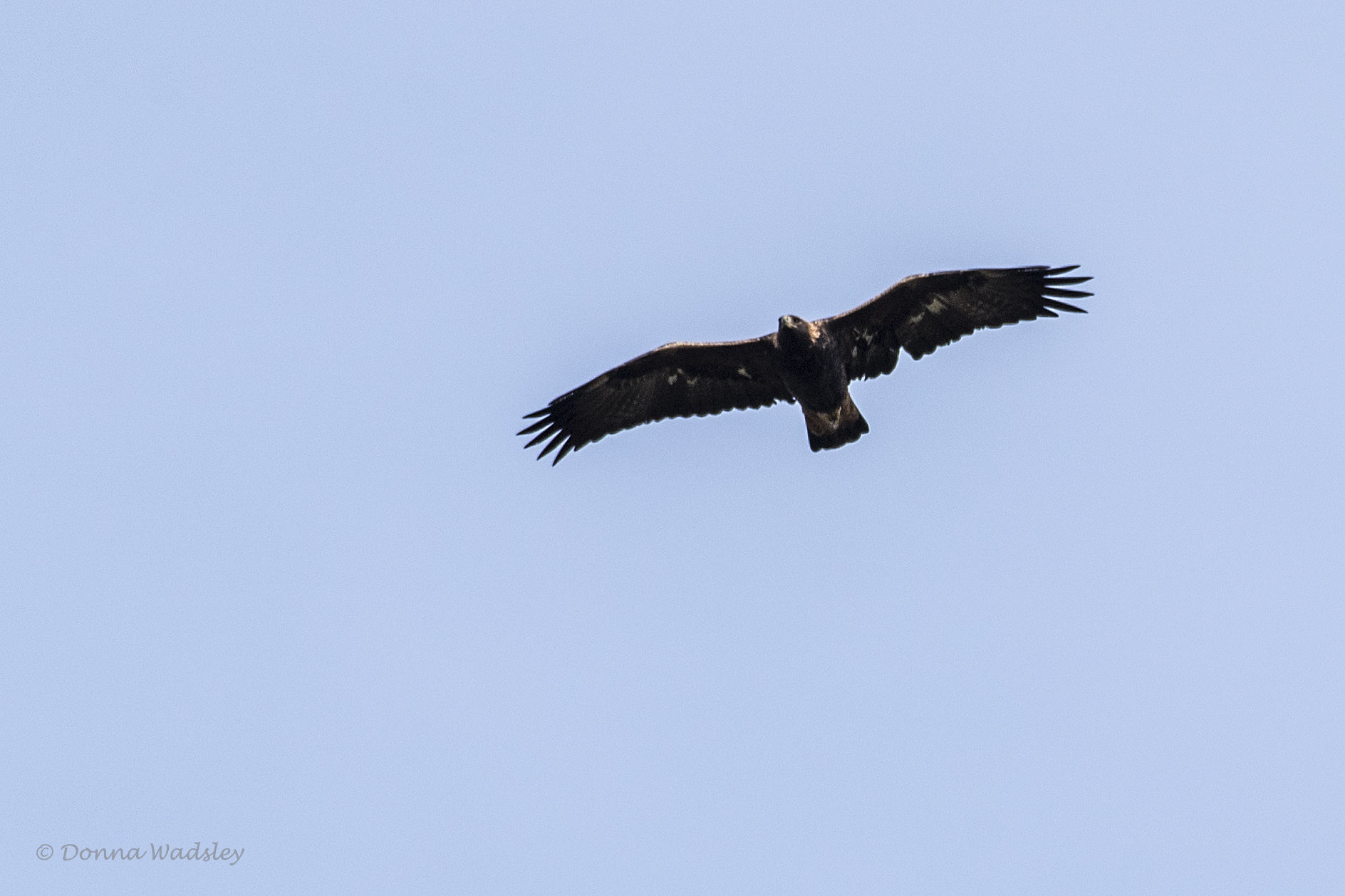
Golden Eagle (immature)
.
Back to the Bald Eagle with a final three-photo series of a full-frame fly-by! It was exciting in person!
.
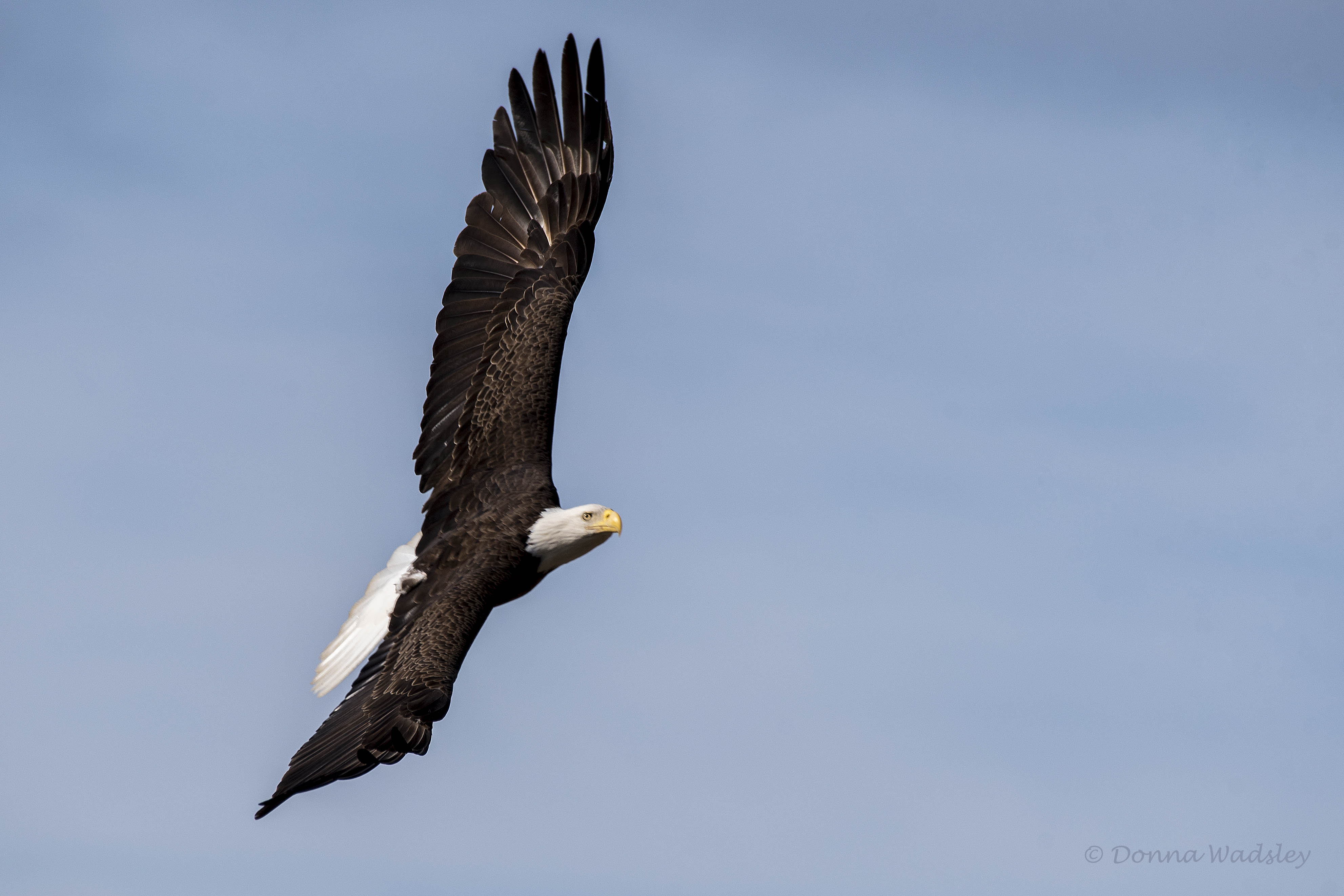
Female Bald Eagle Fly-by
.
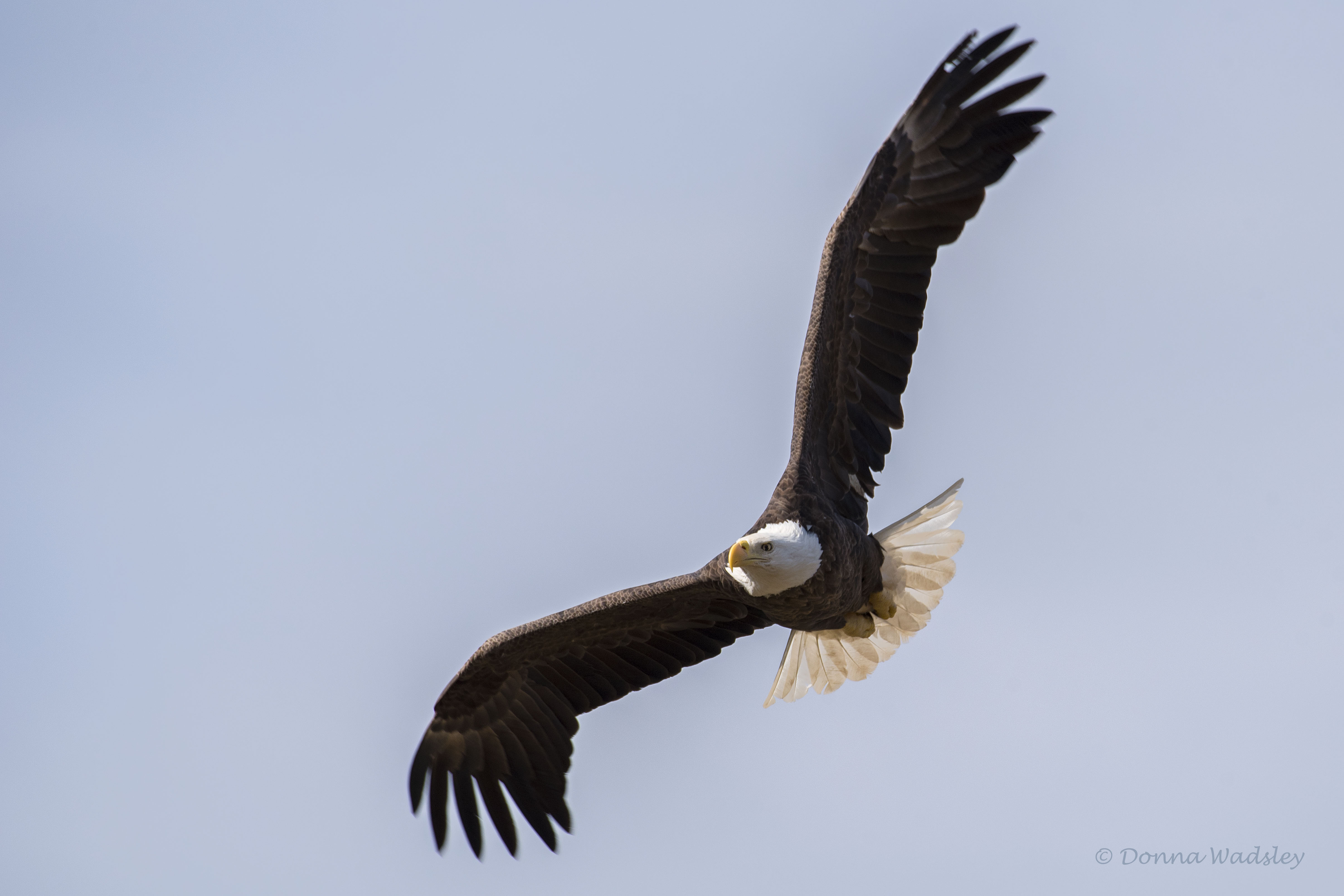
Female Bald Eagle Fly-by
.
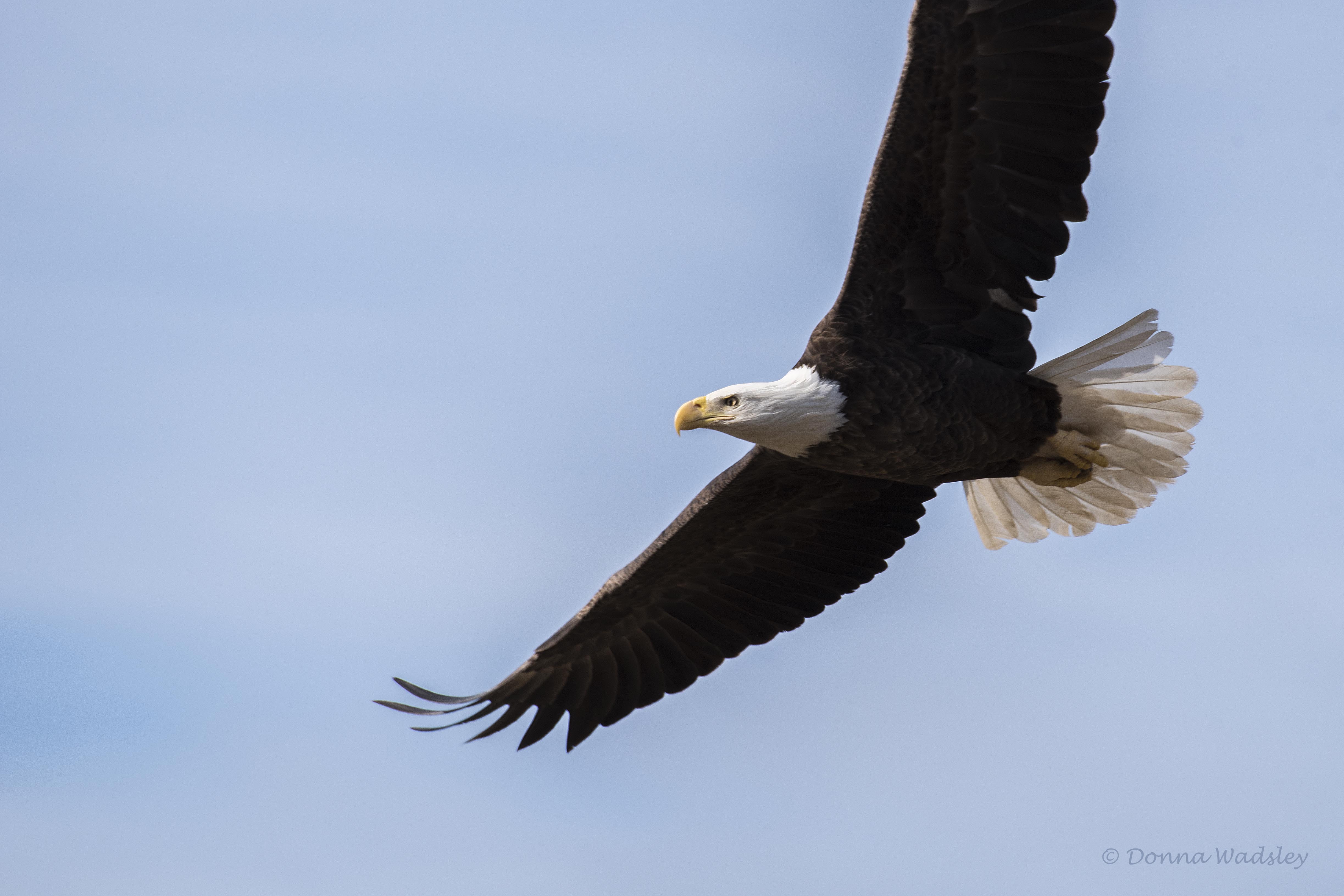
Female Bald Eagle Fly-by
.
More Bald Eagle galleries coming, next perched in trees….
.
.
1-2-3 Medium Bird Jubilee – #14
Here’s another post to add to my series of medium-sized birds that I’ve encountered recently. Maybe one will be one of your favorite birds. 🙂
.

Red-winged Blackbird (male)
Length 6.7-9.1 inches (17-23 cm)
Weight 1.1-2.7 oz (32-77 g)
Wingspan 12.2-15.8 inches (31-40 cm)
.

Blue Jay
Length 9.8-11.8 inches (25-30 cm)
Weight 2.5-3.5 oz (70-100 g)
Wingspan 13.4-16.9 inches (34-43 cm)
.

Northern Mockingbird
Length 8.3-10.2 inches (21-26 cm)
Weight 1.6-2.0 oz (45-58 g)
Wingspan 12.2-13.8 inches (31-35 cm)
.

Belted Kingfisher (female)
Length 11.0-13.8 inches (28-35 cm)
Weight 4.9-6.0 oz (140-170 g)
Wingspan 18.9-22.8 inches (48-58 cm)
.

Blue Jays Red-bellied Woodpecker (male)
Length 9.8-11.8 inches (25-30 cm) Length 9.4 inches (24 cm)
Weight 2.5-3.5 oz (70-100 g) Weight 2.0-3.2 oz (56-91 g)
Wingspan 13.4-16.9 inches (34-43 cm) Wingspan 13.0-16.5 inches (33-42 cm)
.

Northern Cardinal (male)
Length 8.3-9.1 inches (21-23 cm)
Weight 1.5-1.7 oz (42-48 g)
Wingspan 9.8-12.2 inches (25-31 cm)
.