Coming In For A Landing
.
Like the rest of the country, we’ve experienced some drastic weather patterns recently, where we might experience a light fog on our cold mornings.
.

Bald Eagle preparing to land with its mate on an old hunter’s duck blind
Tundra Swans dot the waters behind
Chesapeake Bay Bridge in the background behind the northern tip of Kent Island
Photographed from Eastern Neck NWR entrance causeway
.
.
Sunrise at Bogles Wharf
.
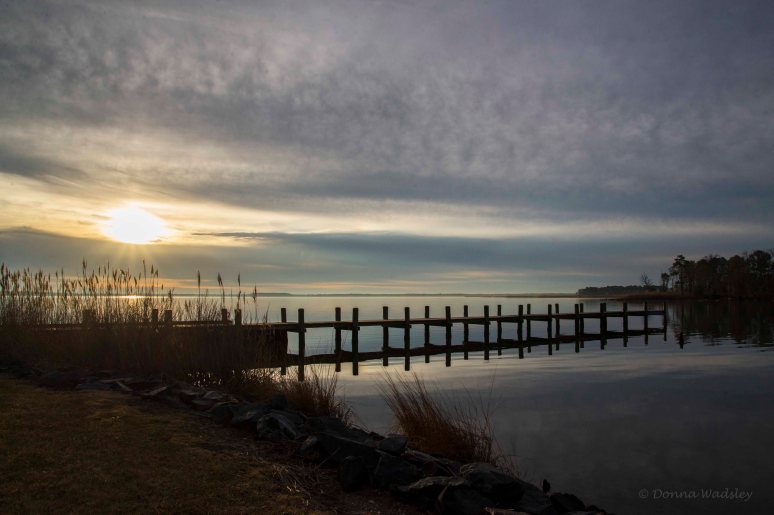
Sunrise at Bogles Wharf – January 4, 2023
Eastern Neck National Wildlife Refuge
.
“The grand show is eternal. It is always sunrise somewhere; the dew is never dried all at once; a shower is forever falling; vapor is ever rising. Eternal sunrise, eternal dawn and gloaming, on sea and continents and islands, each in its turn, as the round.” – John Muir
.
.
Tundra Swans at Sunrise
Numbers have increased in the past month on the arctic Tundra Swans wintering around the Chesapeake Bay. They have started to come in closer to the shorelines at Eastern Neck NWR, yay!
I encountered this small group at sunrise this past Wednesday alongside the road at the refuge, photographed from my car window. What a beautiful set-up, I took over 60 photos!
I’ll spare you with three of my favorites. 😉
.
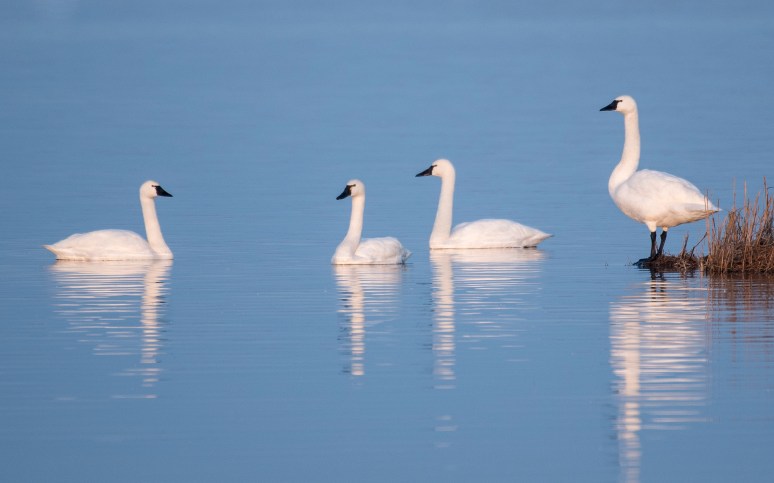
Tundra Swans
.

Tundra Swans
.
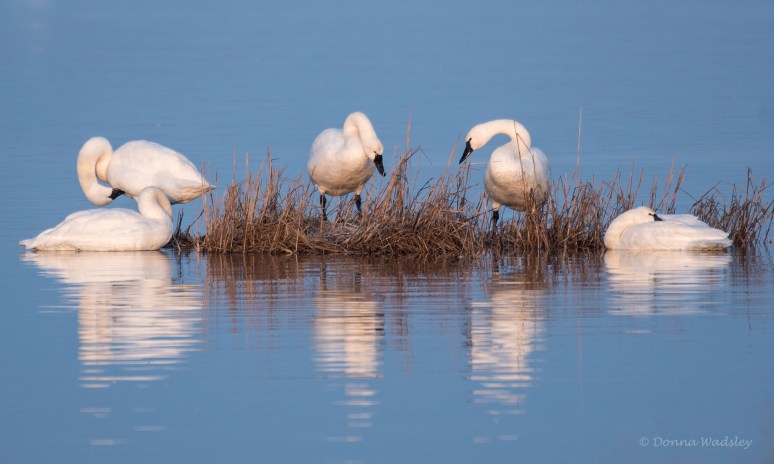
Tundra Swans
(there’s got to be a great caption on the center pair in this scene!)
.
.
Banded Peregrine Falcon Update
I promised an update if I gained any information after reporting the banded Peregrine Falcon I encountered at Bogles Wharf, Eastern Neck NWR, in Rock Hall, Maryland, back in November 2022 (previous post here with all photos).
.
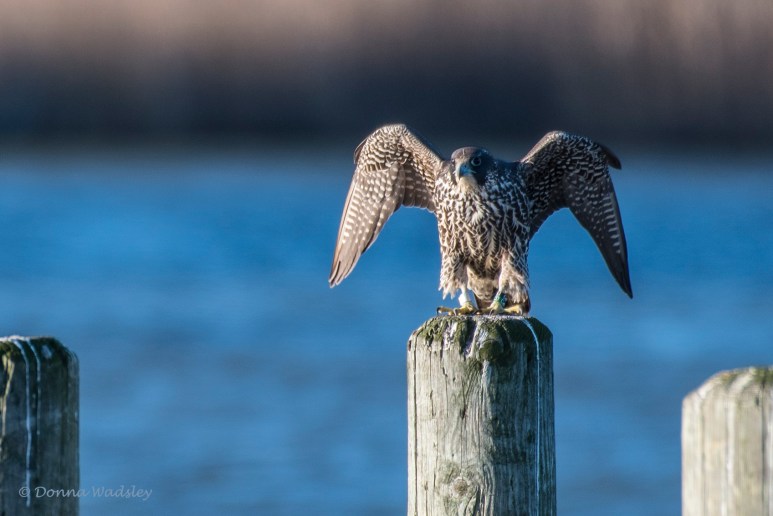
Peregrine Falcon (female)
.
I received an email response with the below certificate on January 10, 2023. The falcon was a female banded May 2022 in Westborough, Massachusetts, before she fledged. As a straight shot, she was about 375 miles from her birth home. Check out her banding data below!
.

.

“See my bands?”
.
She was gorgeous, all fluffed-up in the chilly wind that day. I loved when she changed her stance to alert, showing the powerful falcon she is growing to be.
.

Don’t mess with this fierce gal!
.
Do any of you Massachusetts friends and followers live near our gal’s original location?? I’d love to know!
For further information on reporting banded birds you may encounter, please read my email’s following excerpt. And please do not hesitate to report any banded bird info and photos. They do not necessarily need all the data on the bands, sometimes colors and a few number/letters still works miracles in identifying!
.
The North American Bird Banding Program
Bird banding is important for studying the movement, survival and behavior of birds. About 60 million birds representing hundreds of species have been banded in North America since 1904. About 4 million bands have been recovered and reported.
Data from banded birds are used in monitoring populations, setting hunting regulations, restoring endangered species, studying effects of environmental contaminants, and addressing such issues as Avian Influenza, bird hazards at airports, and crop depredations. Results from banding studies support national and international bird conservation programs such as Partners in Flight, the North American Waterfowl Management Plan, and Wetlands for the Americas.
The North American Bird Banding Program is under the general direction of the U.S. Geological Survey and the Canadian Wildlife Service. Cooperators include the U.S. Fish and Wildlife Service, Mexico’s National Commission for the Knowledge and Use of Biodiversity and Secretary of the Environment and Natural Resources; other federal, state and provincial conservation agencies; universities; amateur ornithologists; bird observatories; nature centers; nongovernmental organizations such as Ducks Unlimited and the National Audubon Society; environmental consulting firms and other private sector businesses. However, the most important partner in this cooperative venture is you, the person who voluntarily reported a recovered band. Thank you for your help.
U.S. Geological Survey
Canadian Wildlife Service
Please Report Bands at www.reportband.gov
.
Knock Knock Knock on Wood
.
In the silence of the woods, you suddenly hear the sound of drilling or hammering fill the air. It’s a good chance you’re hearing a woodpecker busy at work.
Maryland has seven species of woodpeckers. And right now, they are all very active, busy stashing food in preparation for any future wintry days when pickings may be scarce.
I’ll share them in size order, starting with Maryland’s smallest, the adorable Downy Woodpecker.
.
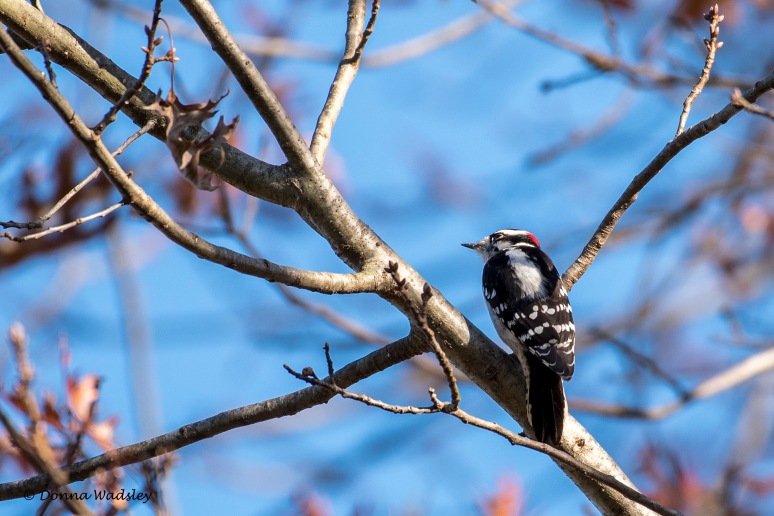
Downy Woodpecker (male, ID’d by red spot on nape)
Length 5.5-6.7 inches (14-17 cm)
.

Downy Woodpecker (male)
.
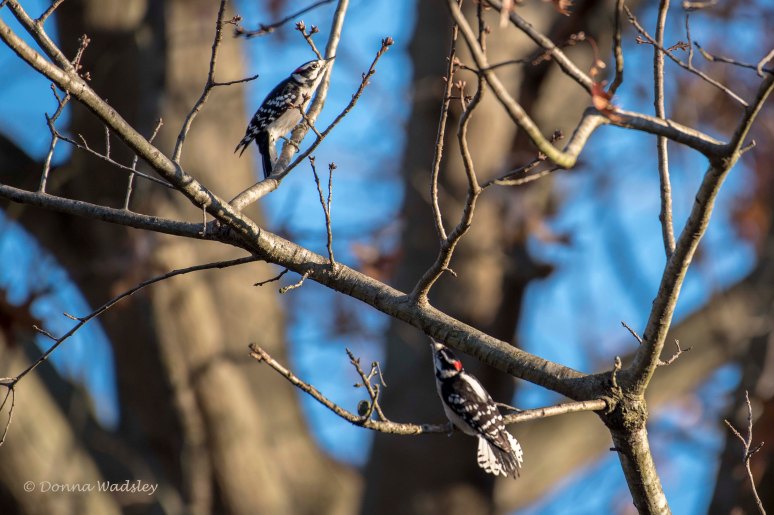
Downy male chasing another male away from his gal
.
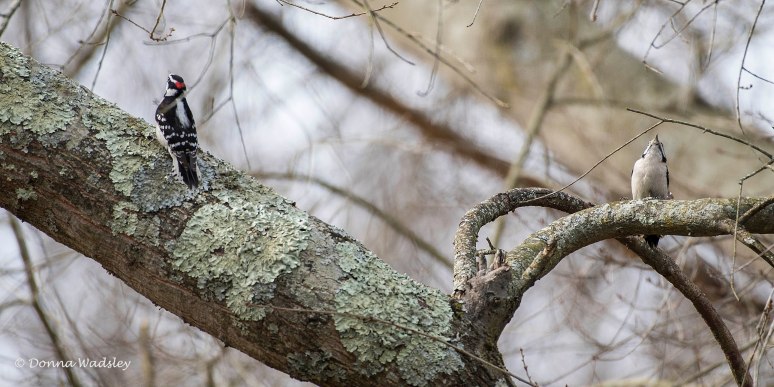
Downy Woodpecker pair
.
Very close in looks to the Downy but larger in length is the Hairy Woodpecker. Its additional ID differences to the Downy is the much larger-looking beak-to-head ratio and lacks the spots along the outer tail feathers.
.
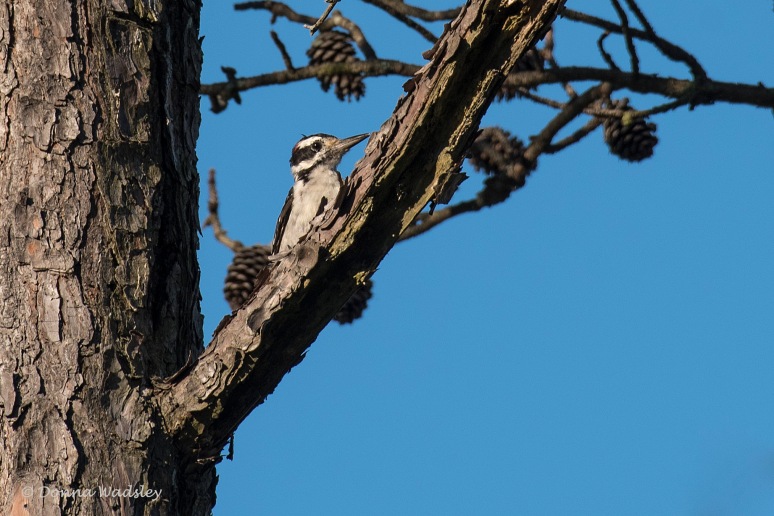
Hairy Woodpecker (male, ID’d by red spot on nape)
Length 7.1-10.2 inches (18-26 cm)
.
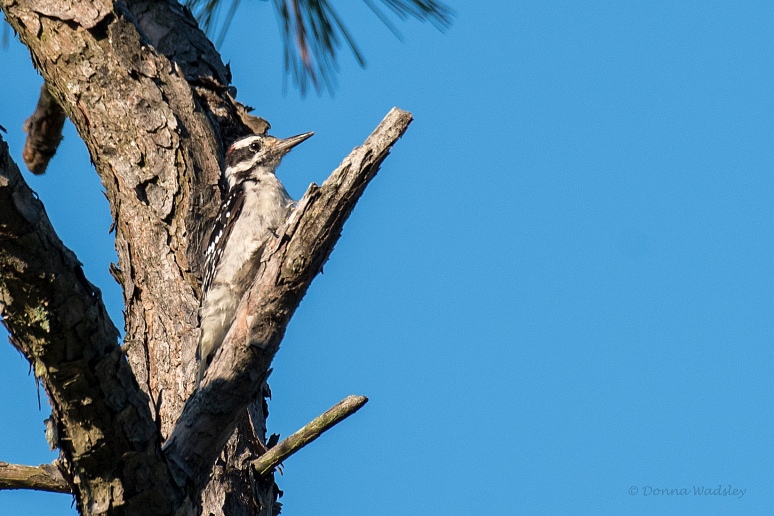
Hairy Woodpecker (male)
.
Close in size to the Hairy is the next woodpecker, the beautiful Yellow-bellied Sapsucker.
.

Yellow-bellied Sapsucker (female, she lacks the red throat)
Length 7.1-8.7 inches (18-22 cm)
.
Almost the same size to the Yellow-bellied Sapsucker is the next woodpecker, the striking Red-headed Woodpecker.
.

Red-headed Woodpecker (both sexes look identical)
Length 7.5-9.1 inches (19-23 cm)
.
The next woodpecker also has a lot of red on its head, the Red-bellied Woodpecker.
.
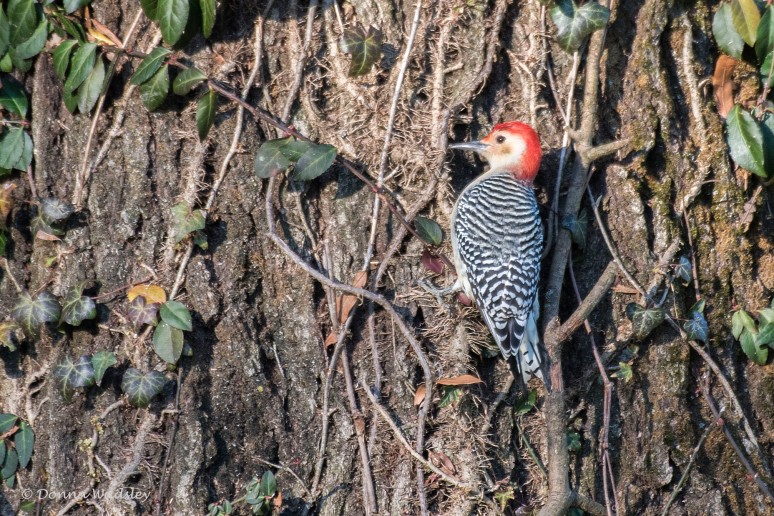
Red-bellied Woodpecker (male, ID’d by red crown)
Length 9.4 inches (24 cm)
.
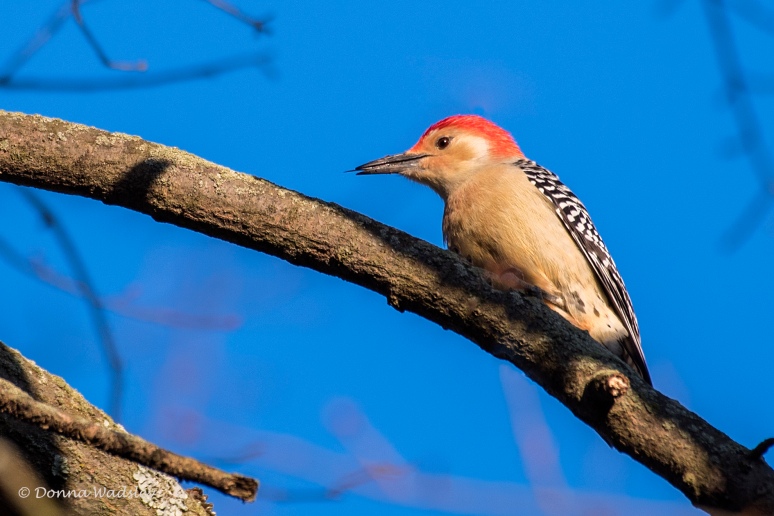
Red-bellied Woodpecker (male – see its tongue?)
.
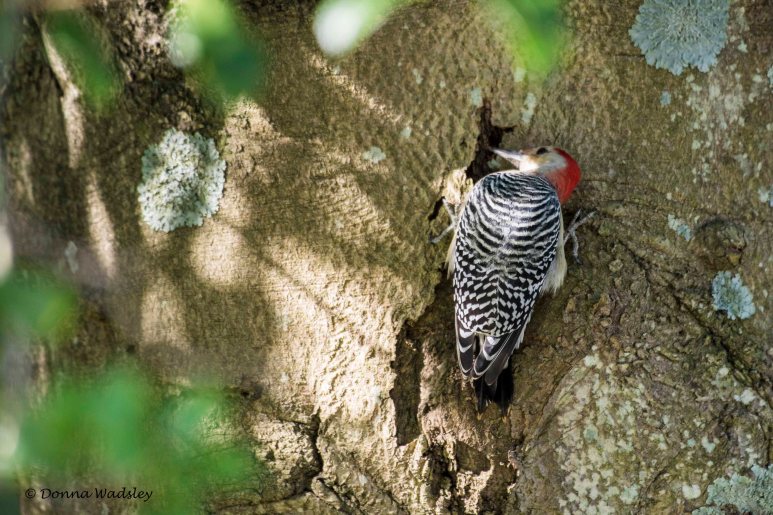
Red-bellied Woodpecker (female – lacks red crown, both have red nape)
.
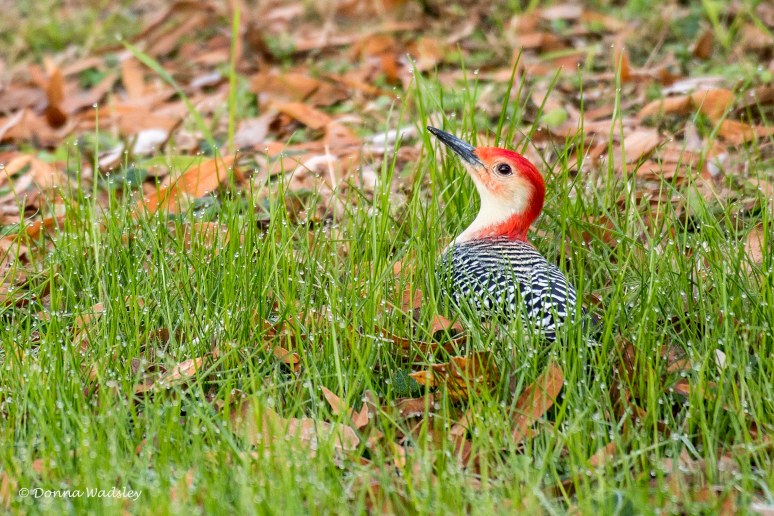
Red-bellied Woodpecker (male)
.
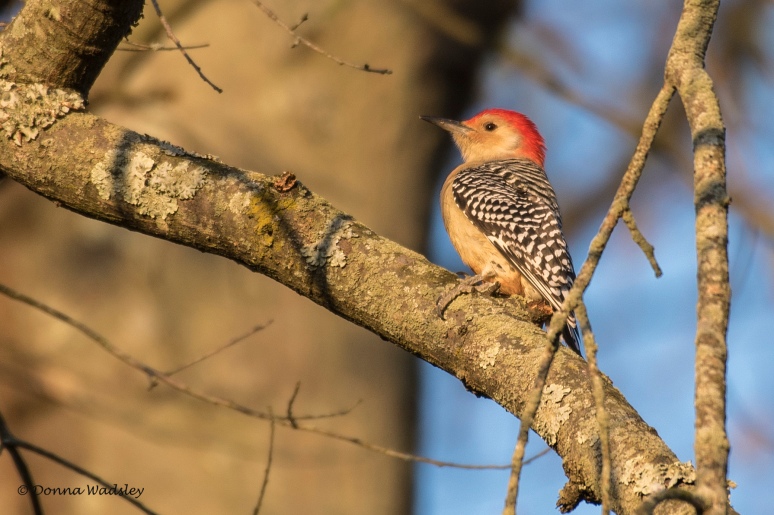
Red-bellied Woodpecker (male)
.
Larger than the Red-bellied Woodpecker and just as pretty, the Northern Flicker. Our eastern version is the yellow-shafted tail; the western version is red-shafted.
.
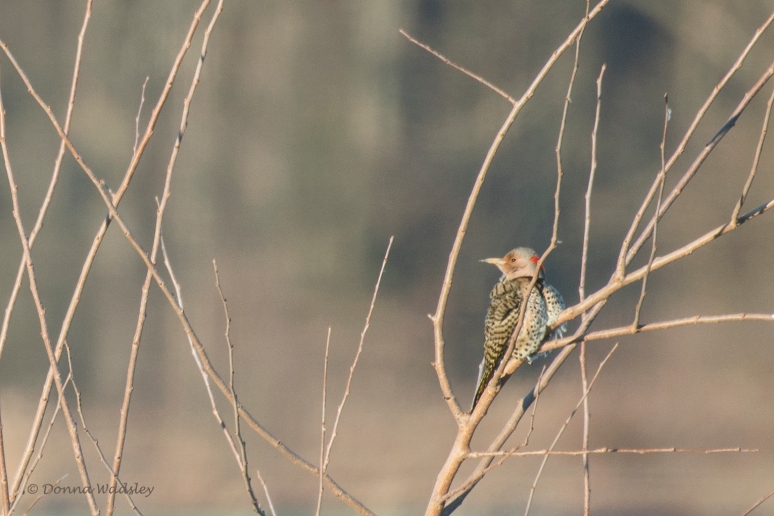
Northern Flicker (female, ID’d by lack of black mustache)
Length 11.0-12.2 inches (28-31 cm)
.
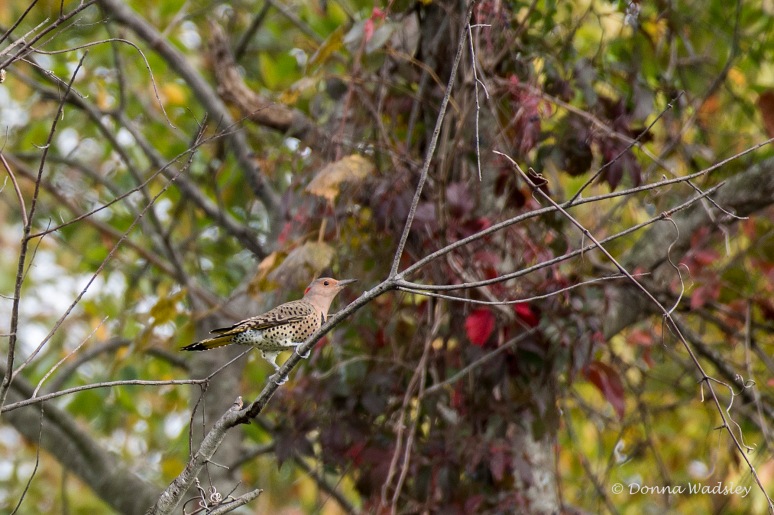
Northern Flicker (female)
.
Finally, the last of the seven and the largest of them all, the Pileated Woodpecker.
.
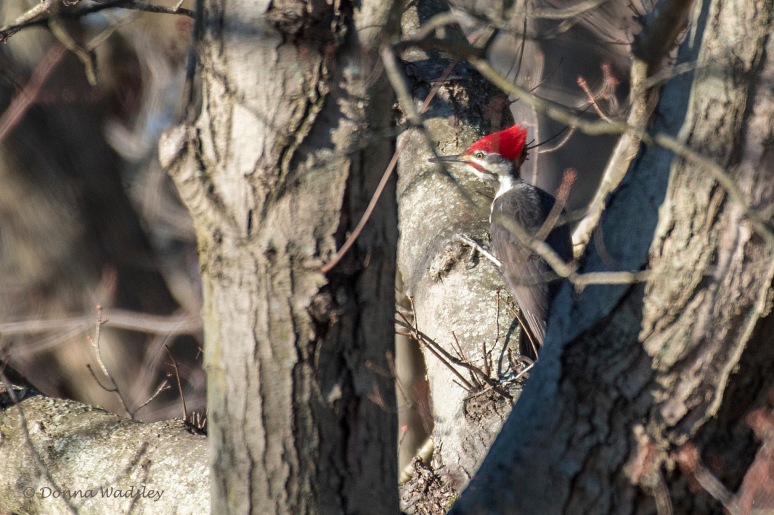
Pileated Woodpecker (male, ID’d by red stripe on cheek)
Length 15.8-19.3 inches (40-49 cm)
.
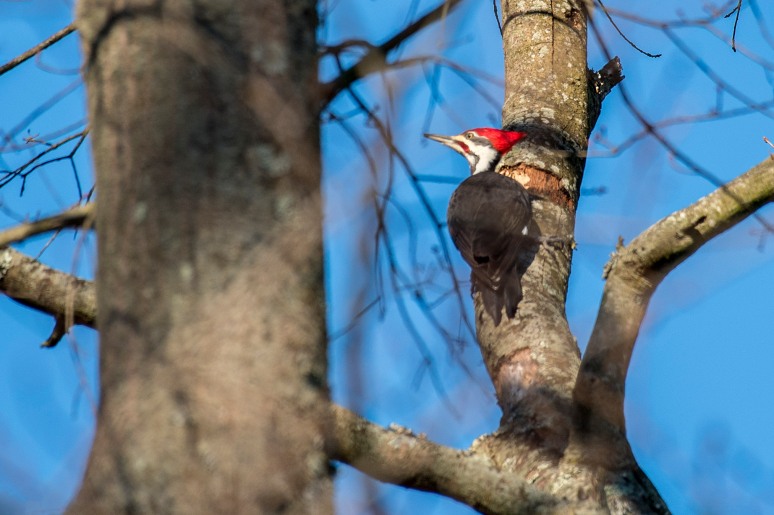
Pileated Woodpecker (male)
.
I hope you enjoyed this comparison post of Maryland’s seven woodpeckers. I am fortunate to have all seven local to me. In fact, most of these photos were taken in my backyard.
Quite interesting, there are a total of 23 woodpecker species in the United States!
.
.
Five On The Wing – #33
Another series of five bird species in flight. These are all raptors!
.
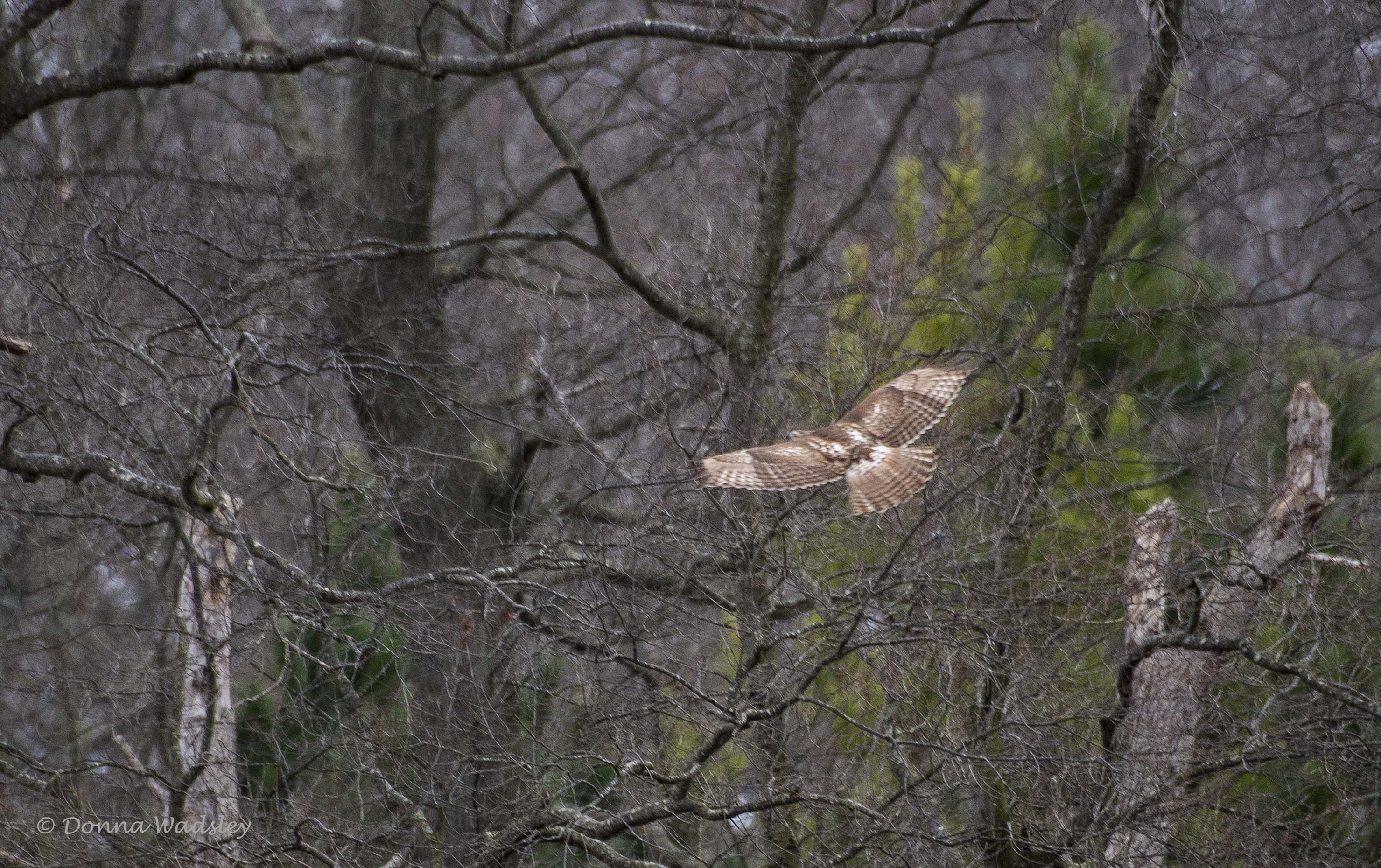
Red-tailed Hawk
wingspan – 44.9-52.4 inches (114-133 cm)
.

Red-shouldered Hawk
wingspan – 37.0-43.7 inches (94-111 cm)
.
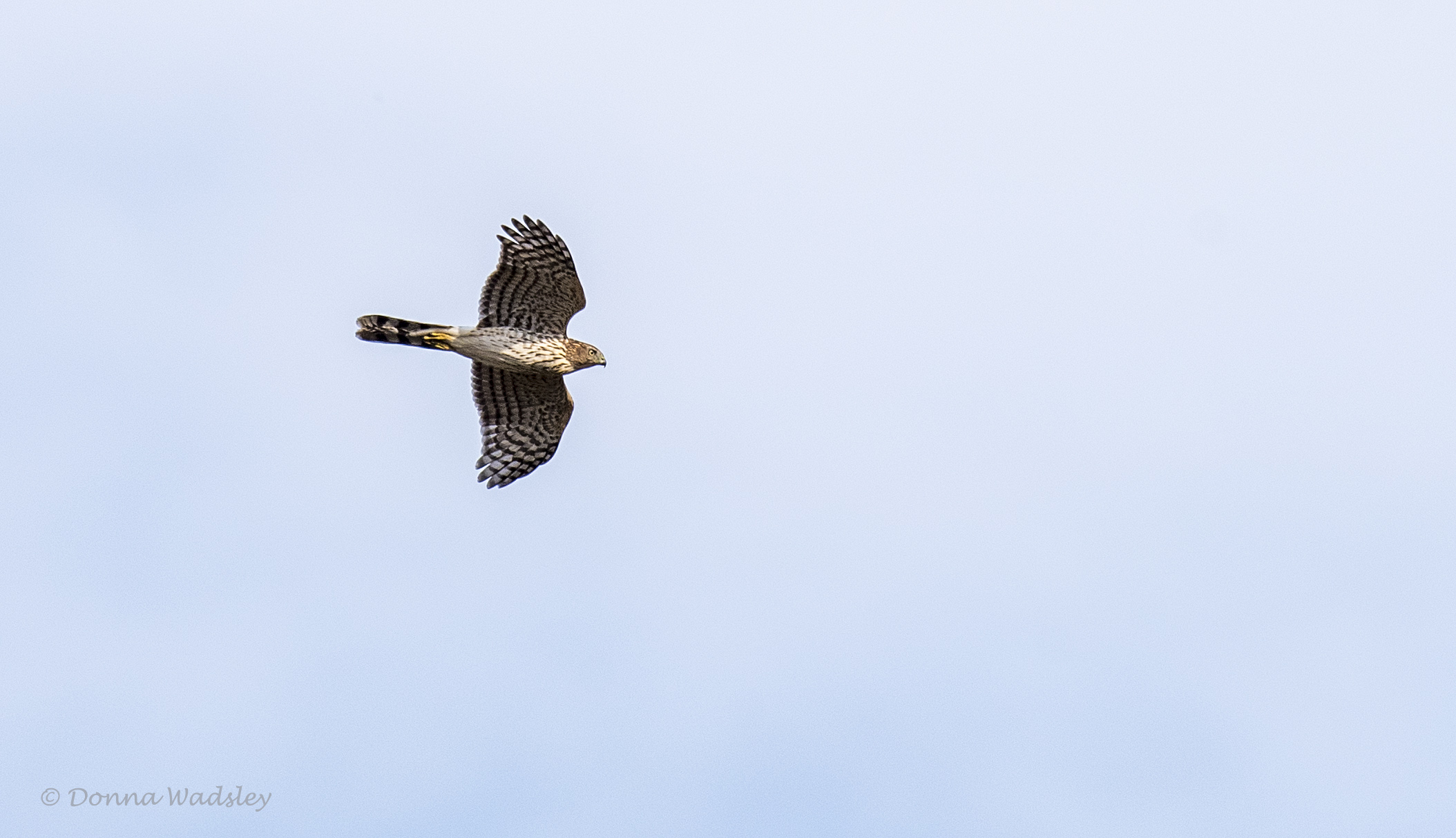
Cooper’s Hawk
wingspan – 29.5-35.4 inches (75-90 cm)
.

Sharp-shinned Hawk
wingspan – 16.9-22.1 inches (43-56 cm)
.

Bald Eagle (adult)
wingspan – 80.3 inches (204 cm)
.
Throwing in an additional photo of another Bald Eagle that hasn’t reached adulthood for comparison.
.

Bald Eagle (immature)
wingspan – 80.3 inches (204 cm)
.
.
Great Blue Heron On Ice
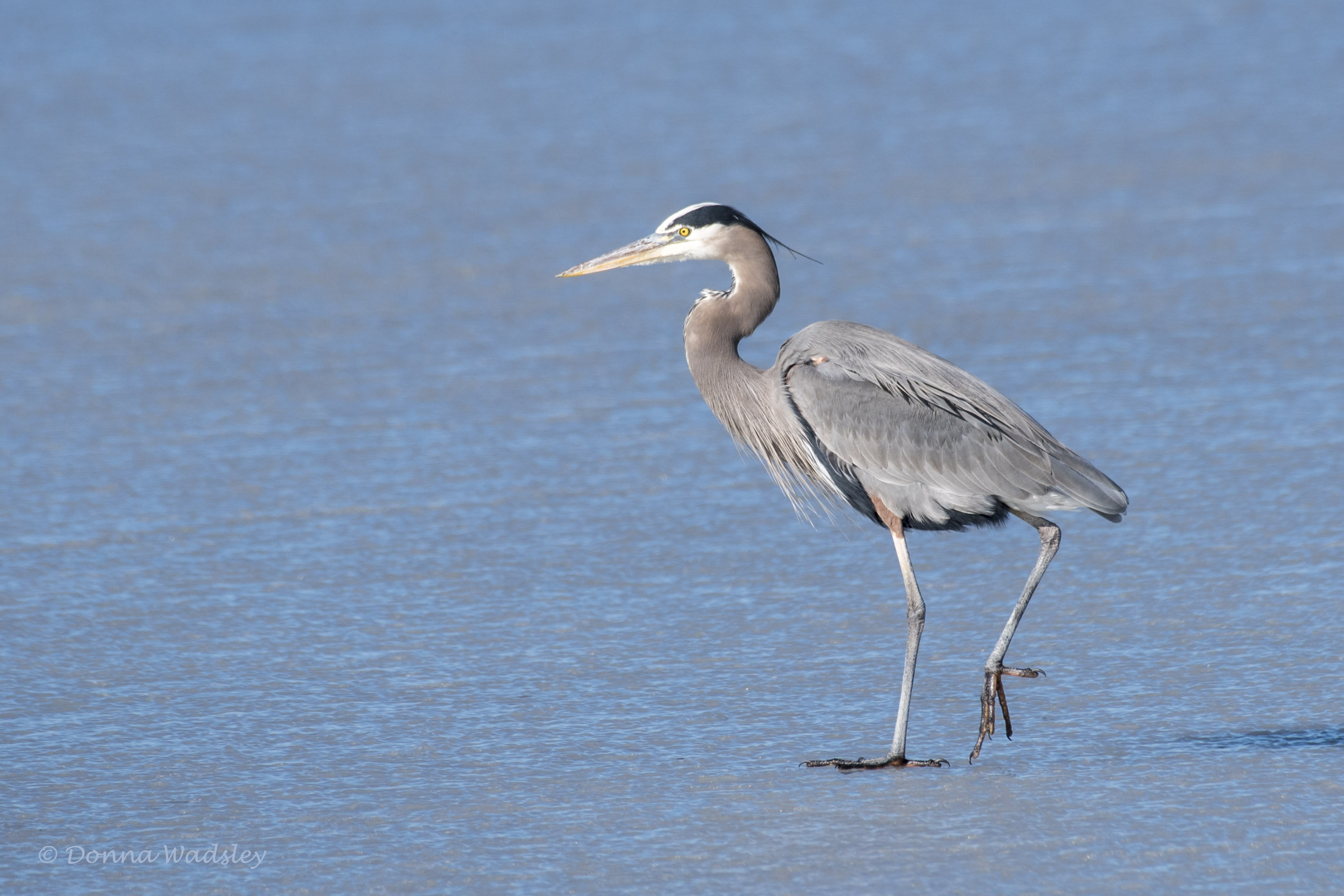
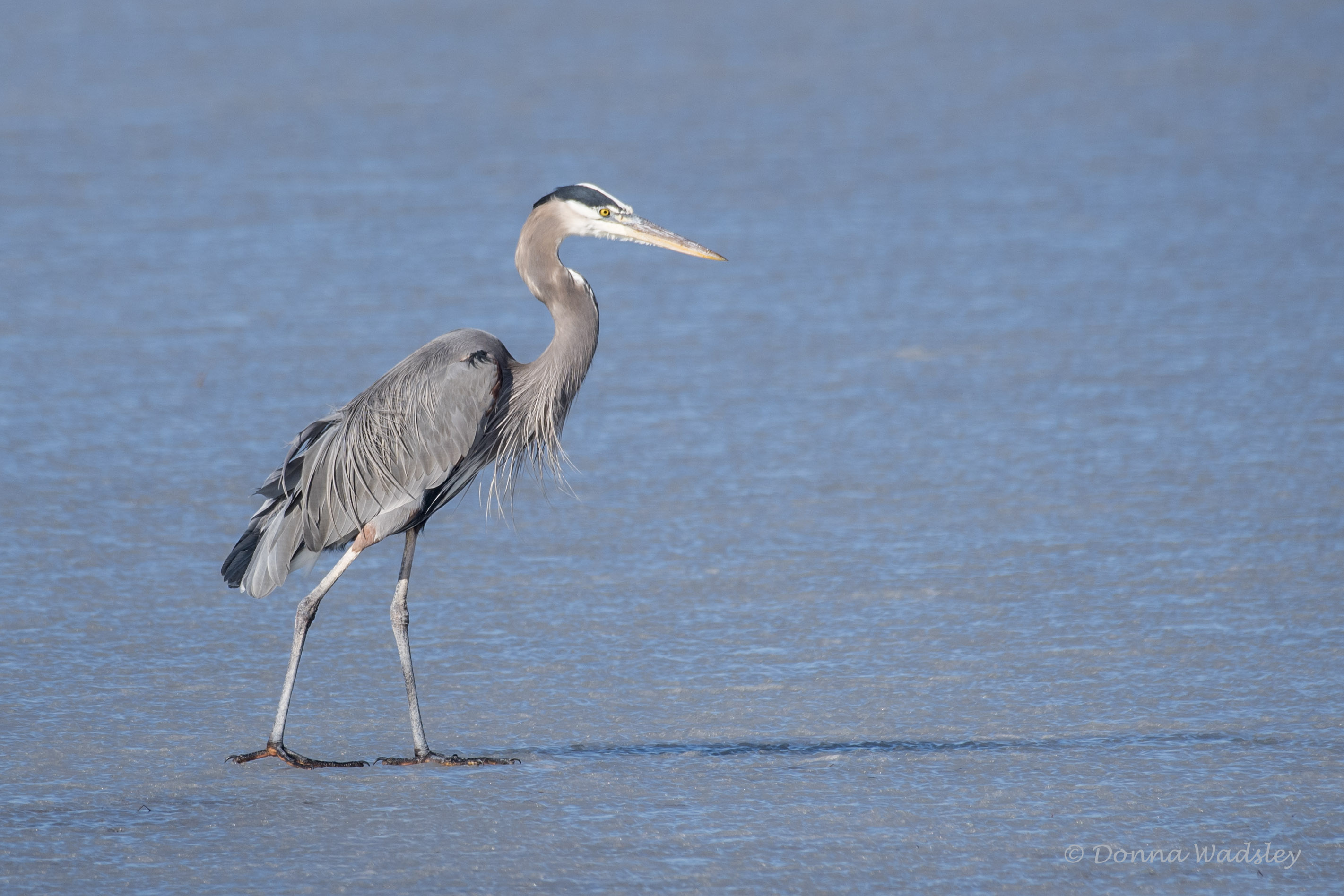
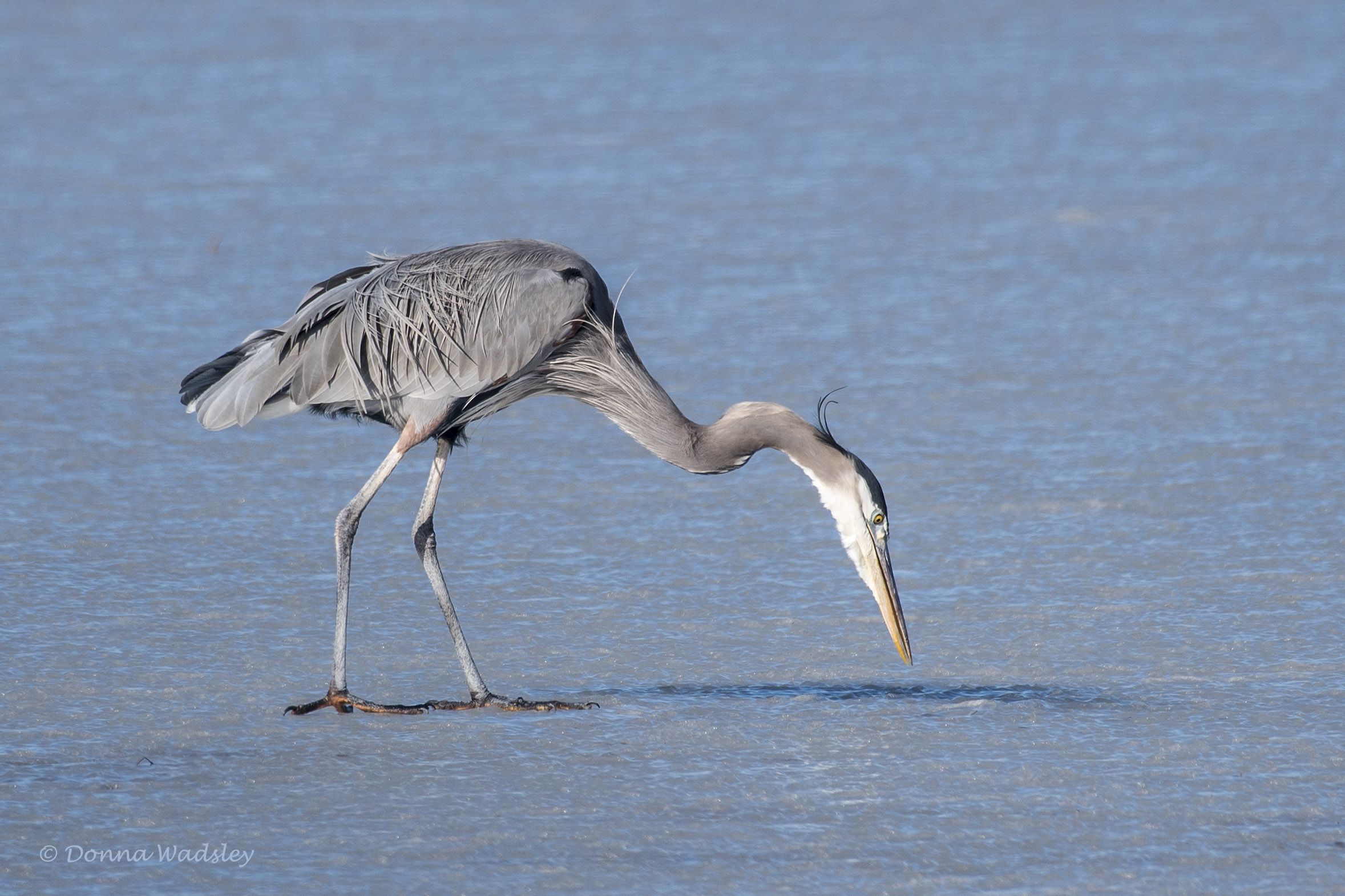
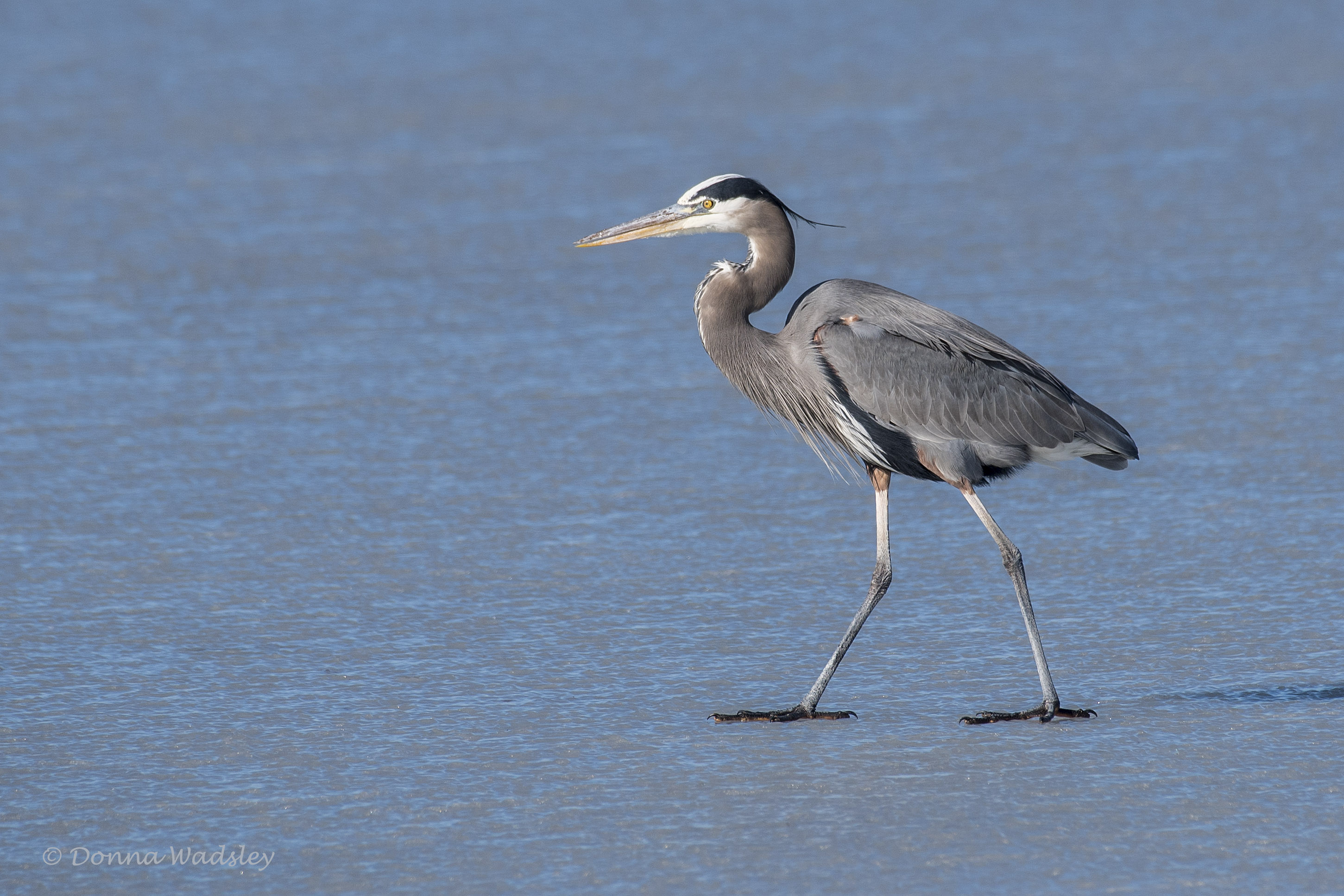
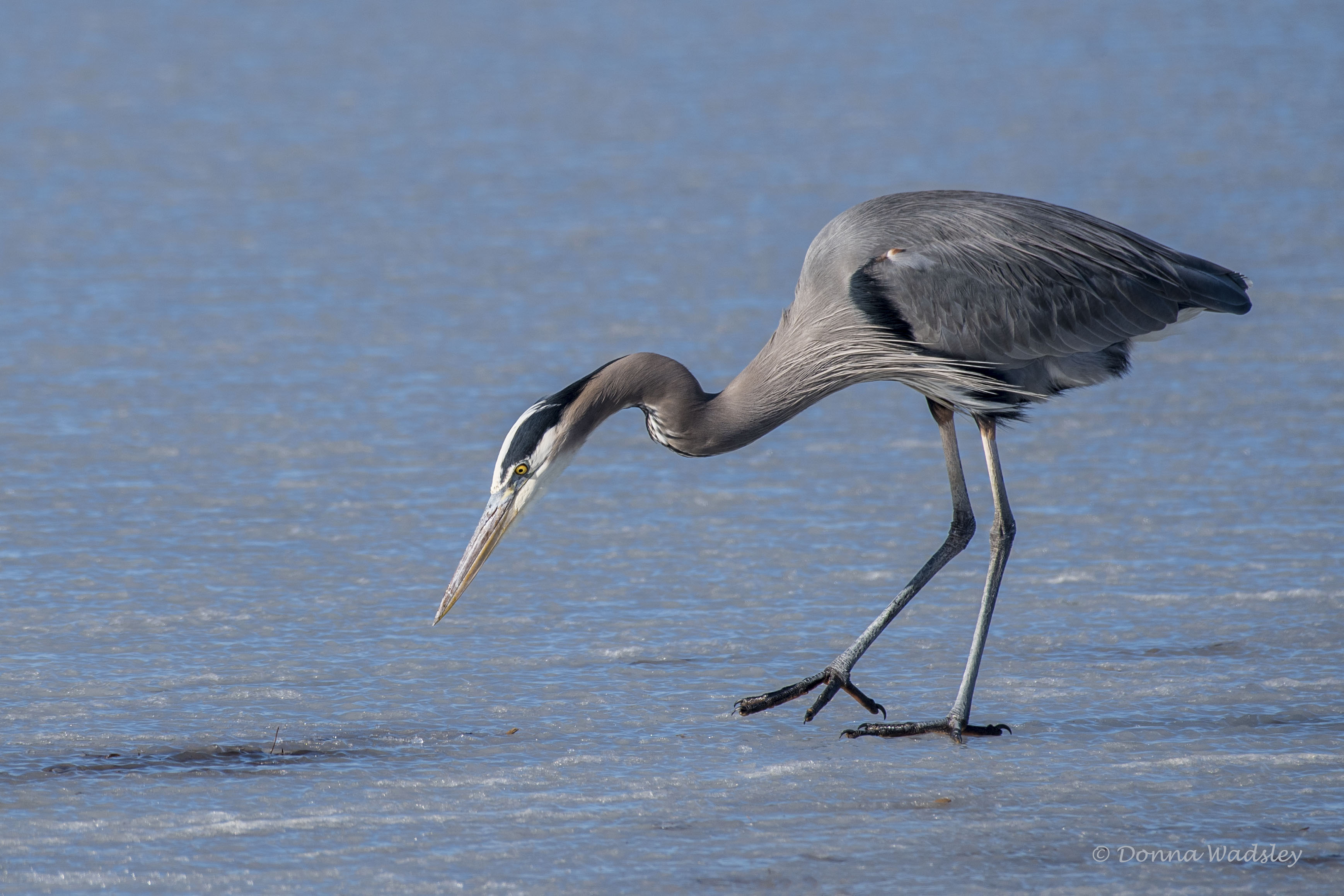
I had an awesome close-encounter with a gorgeous Great Blue Heron walking around on the ice at Eastern Neck NWR a week ago.
Here’s a shortened series of eight shots of the over sixty I took. With the perfect setup, lighting, and a light wind to ruffle those feathers, I couldn’t help myself!
.
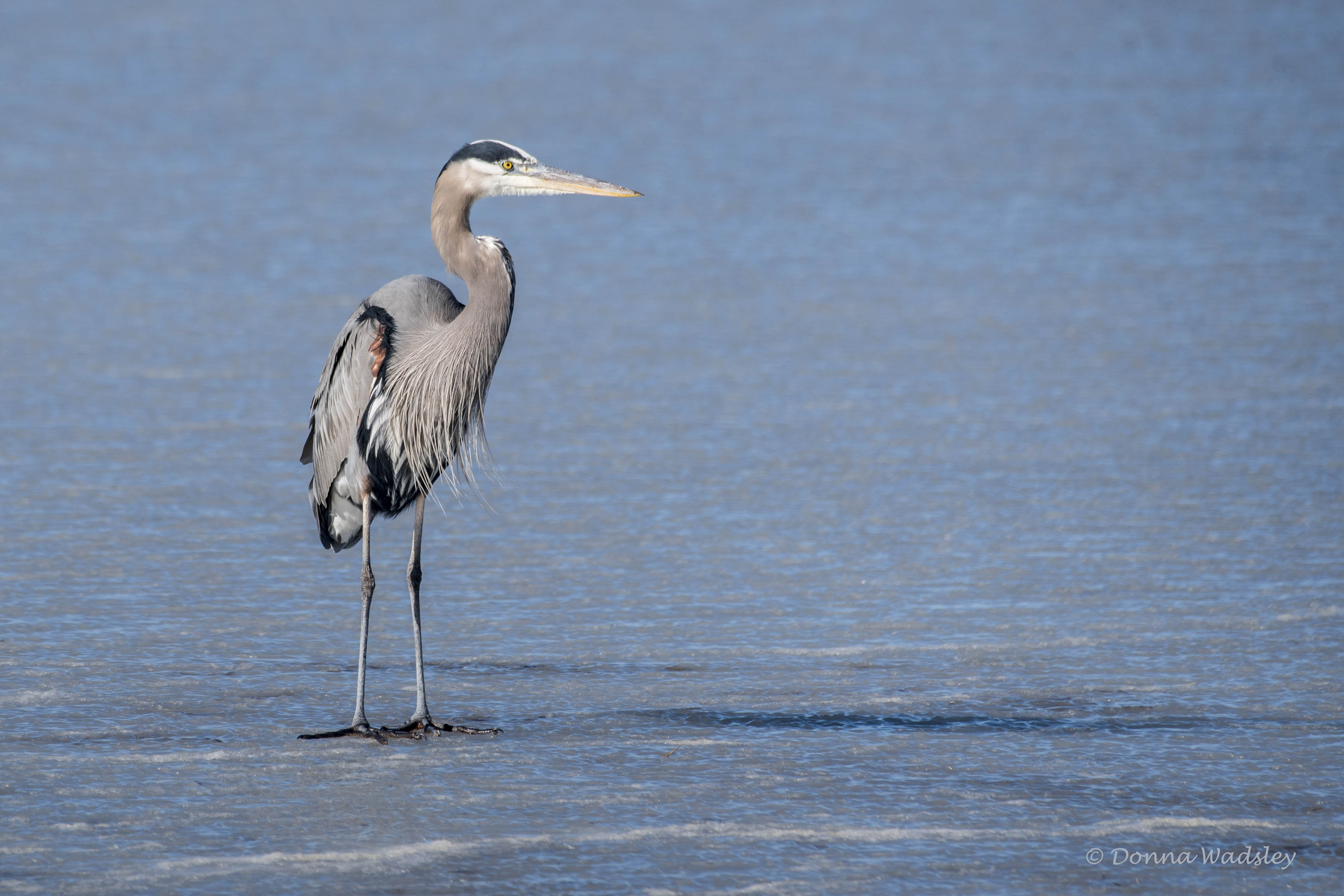
Great Blue Heron
.
.
Cautiously, the heron walked around, back and forth, slipping and sliding only a few times.
Amazingly, those sharp toenails kept it pretty solid on those feet!
.
.
.
.
.
I was all alone on the road and photographed these from my car. What luck!
But, as always, good things must come to an end, as one, two, then three cars pulled up from the other direction, some getting out of their car.
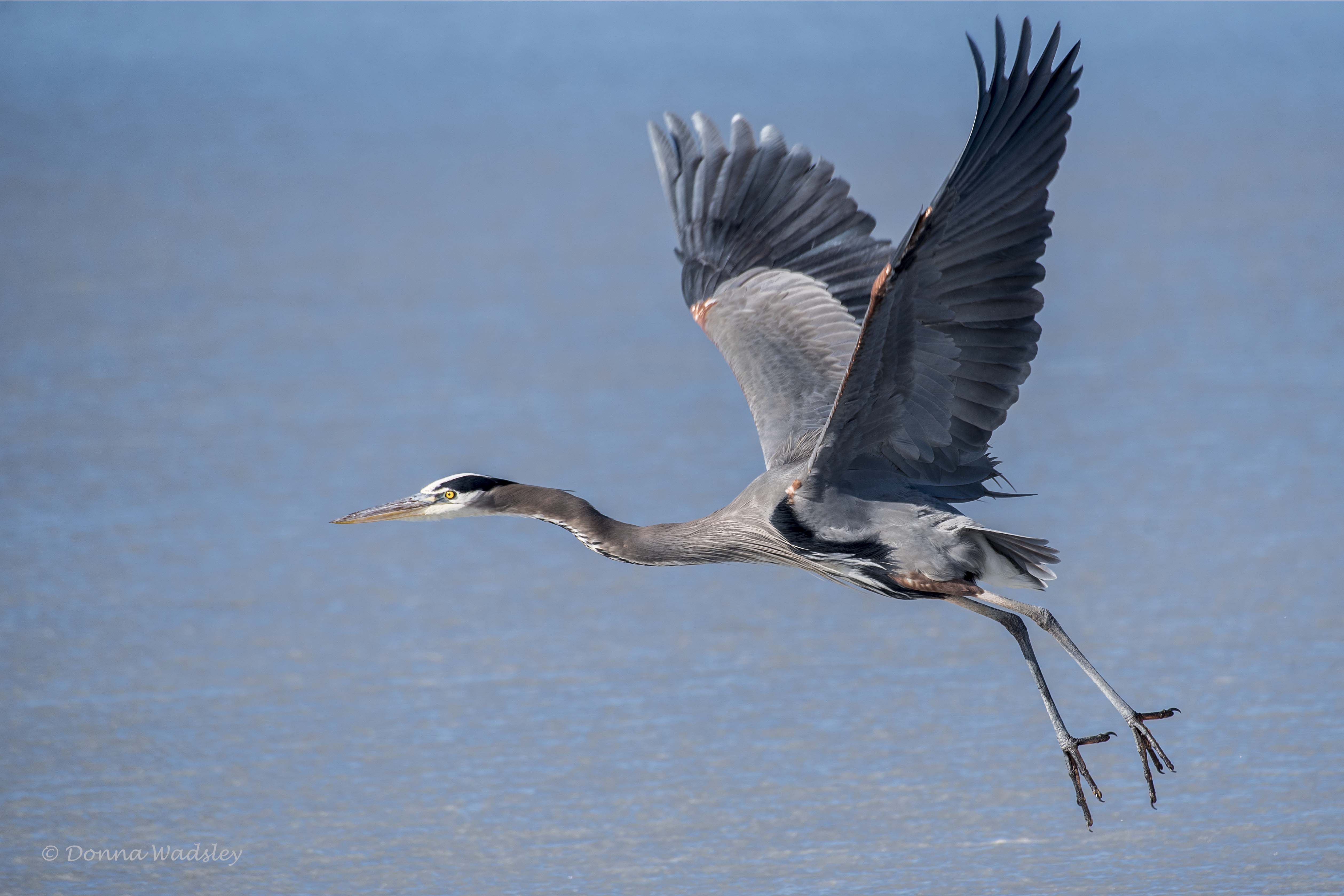
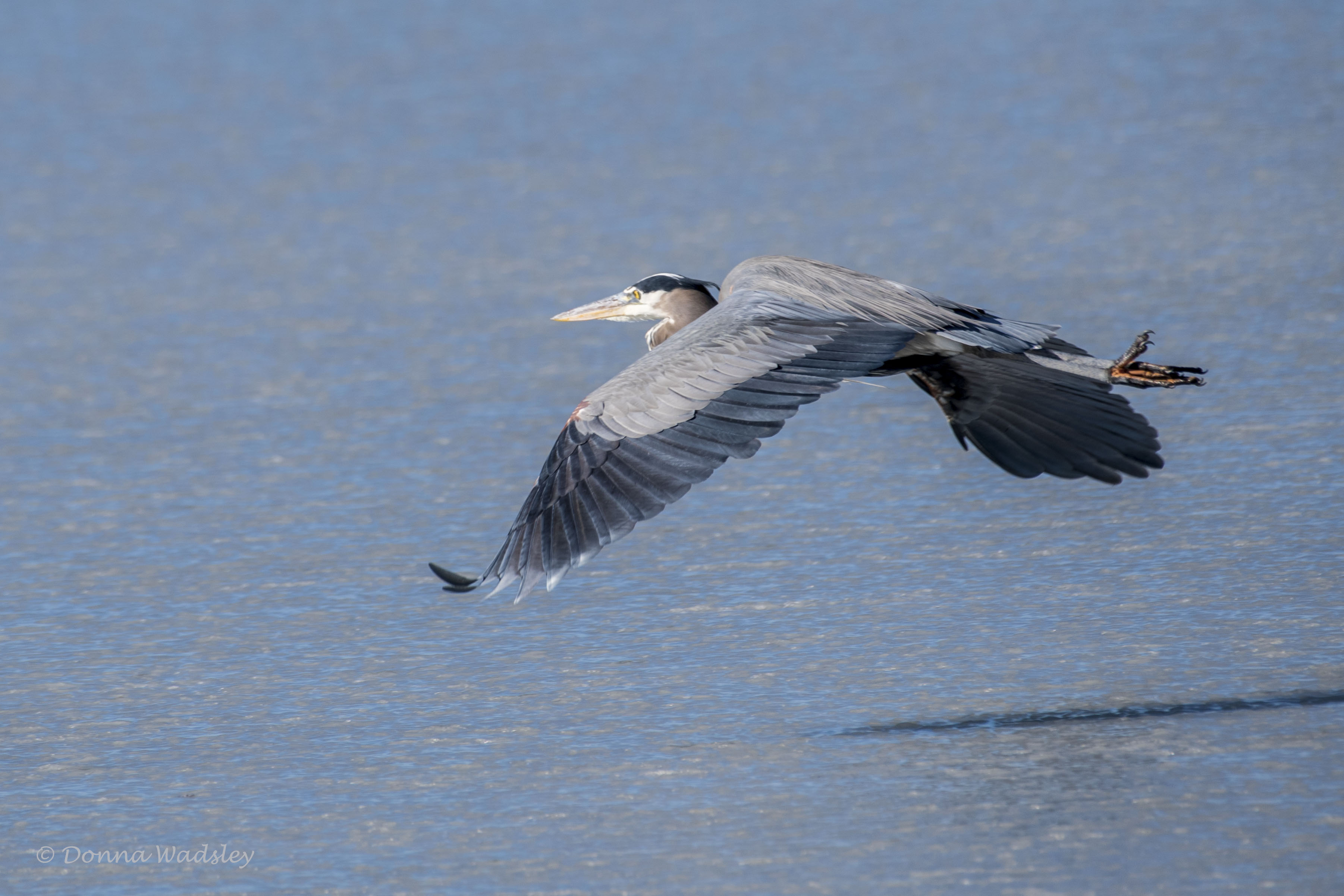
The Great Blue Heron went into flight towards me, filling my frame.
.
.
.
I was disappointed the heron had gotten spooked, but to be honest I am thrilled with those flight shots!
We’ve had a temperature ‘warm-up’ the last few days and the ice has since melted, the refuge’s Great Blue Herons are back to some good fishing, no worries!
.
.
Happy New Year 2023
The grand show is eternal.
It is always sunrise somewhere;
the dew is never dried all at once;
a shower is forever falling;
vapor is ever rising.
Eternal sunrise, eternal dawn and gloaming,
on sea and continents and islands,
each in its turn,
as the round earth rolls.
~ John Muir
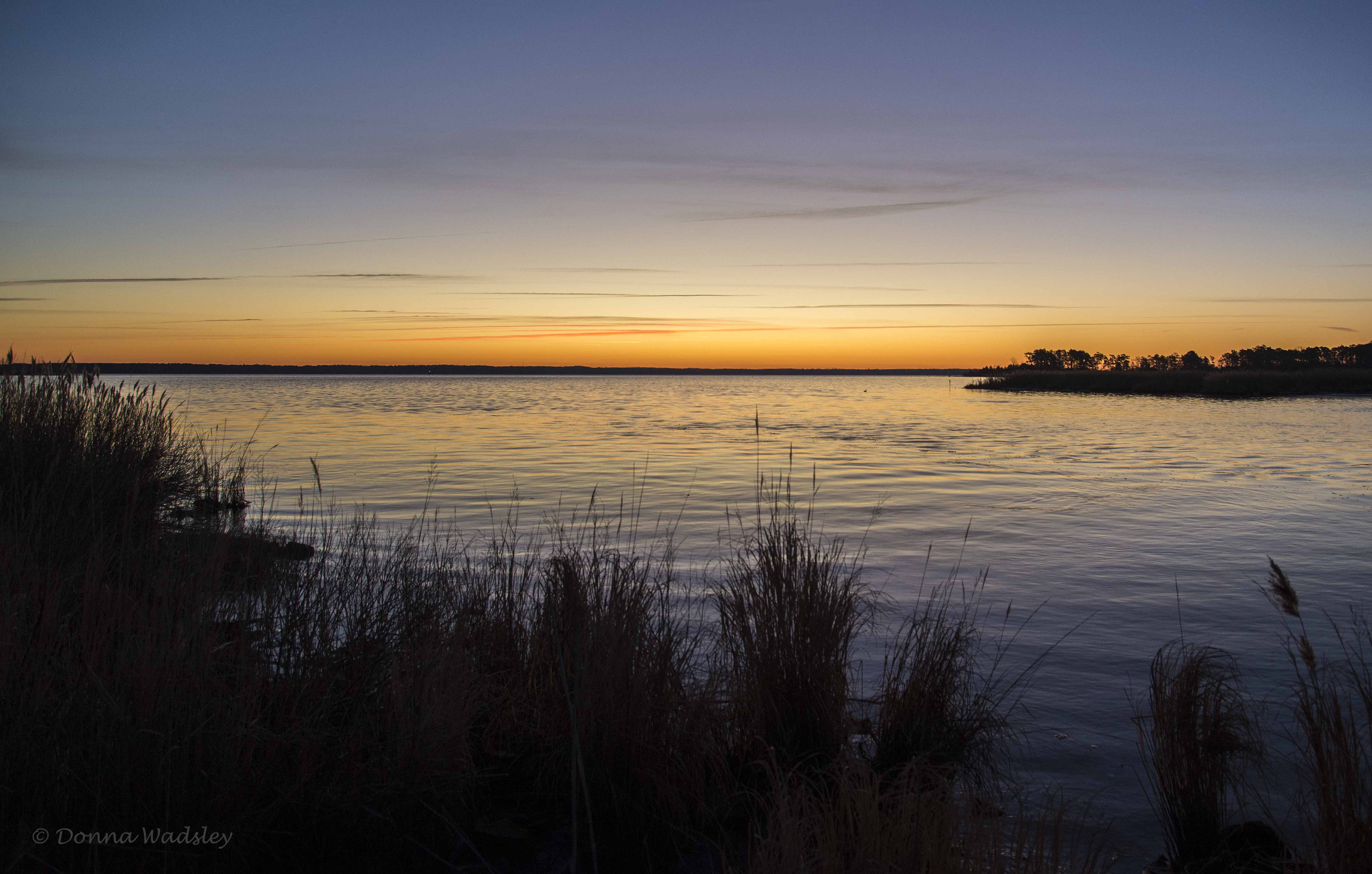
Sunrise from Eastern Neck bridge – December 28, 2022
Eastern Neck National Wildlife Refuge
.
Thirty minutes later…..
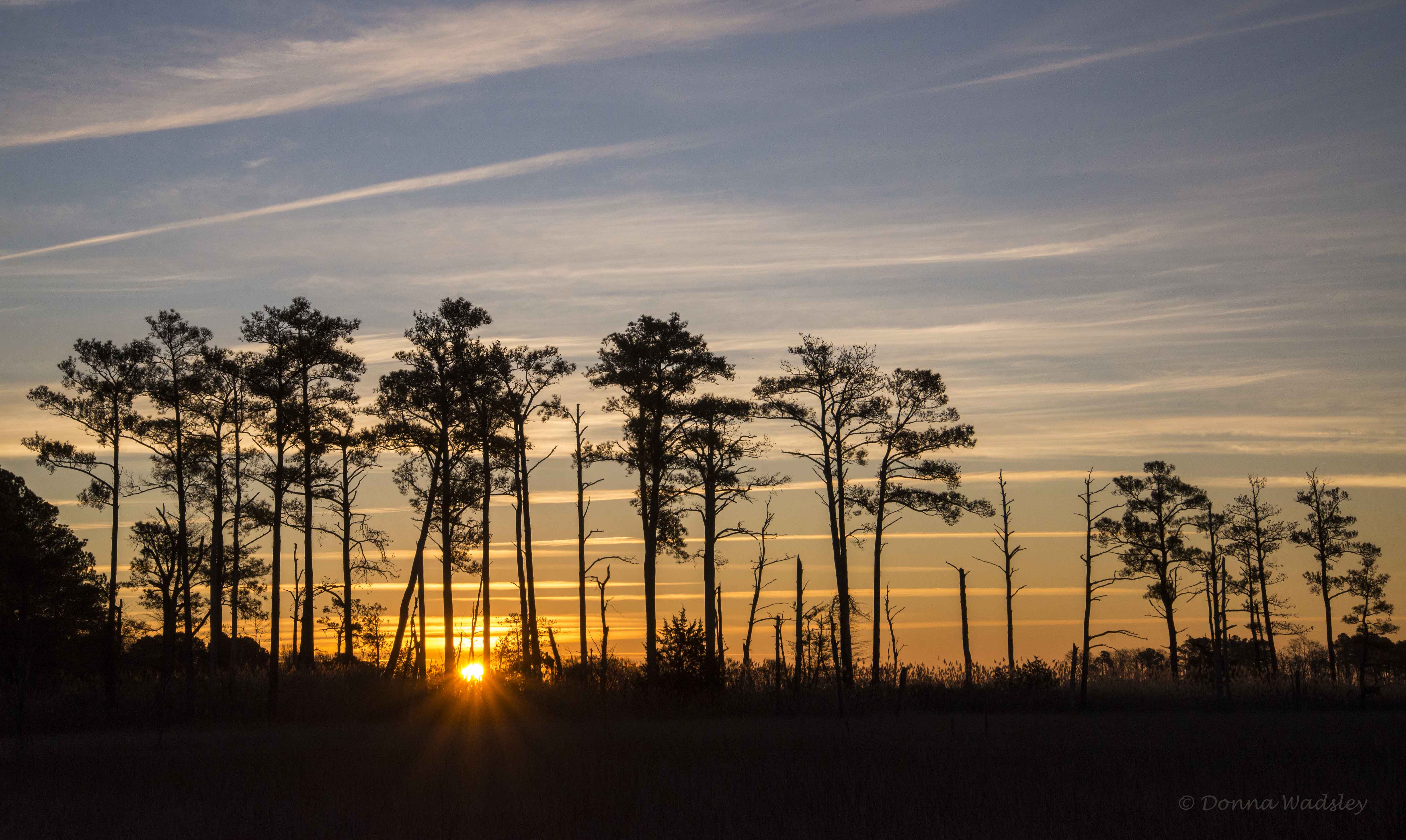
Along Bogles Wharf Road, Eastern Neck National Wildlife Refuge
.
You are the beloved child of this universe,
so live as if everything is yours.
Every morning the sun is rising for you.
The rays of light are kissing you,
birds are singing for you,
flowers are dancing for you,
and everything belongs to you.
~ Debasish Mridha
.
My wish for you is that this year is filled with blessings of love, good health, and true happiness!
Happy New Year, my friends!
.
.
Always Watching For Other Wildlife
While birding, of course, I love to cross paths with other wildlife. What have I seen and photographed lately?
First, I’ll start with a September shot of a frog that somehow jumped ship from another earlier post. Not this time! Ribbit!
.
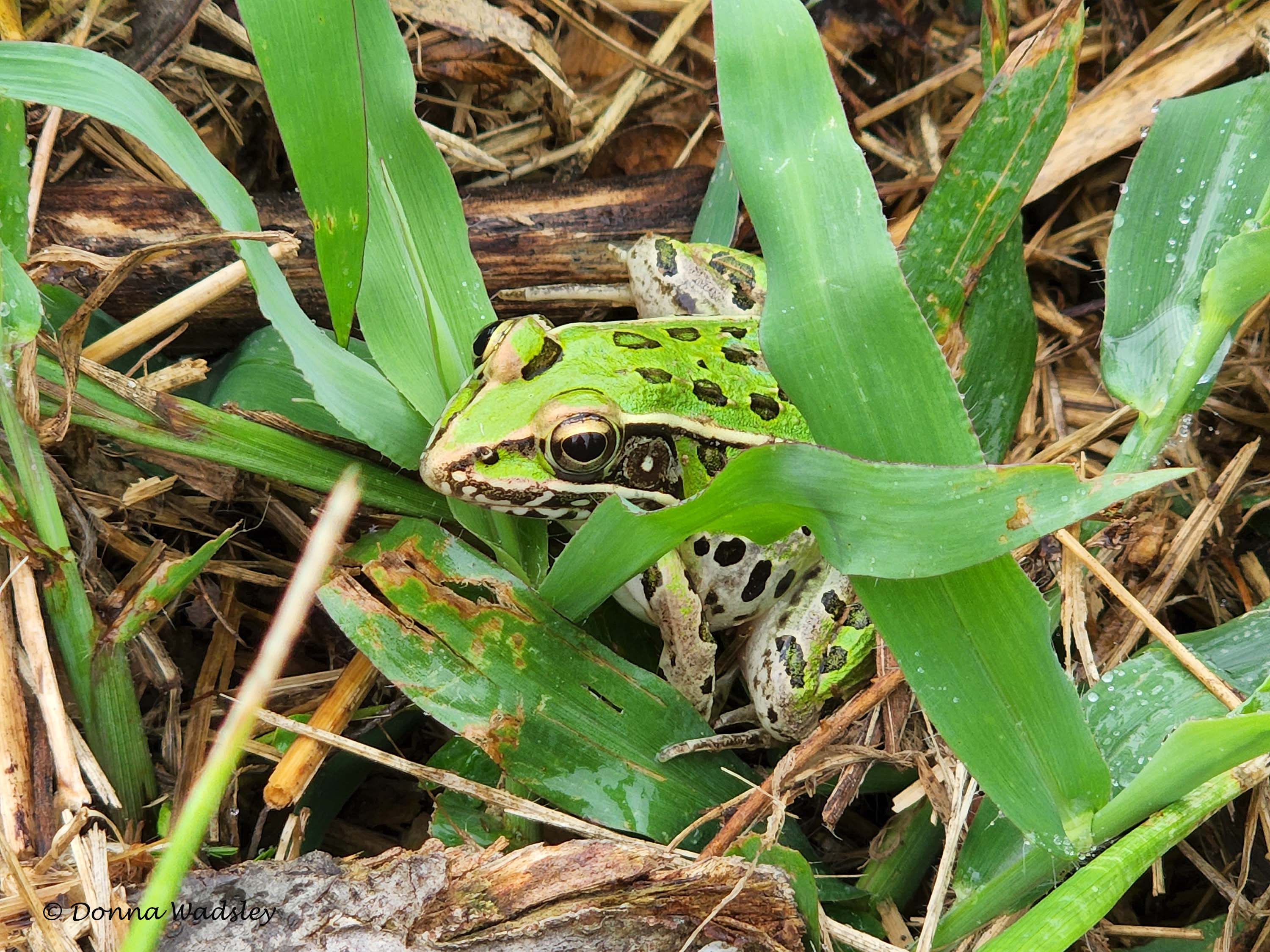
Southern Leopard
.
And now the recent ones.
.

Empty hive, previous tenants long gone
.

White-tailed Deer
.

White-tailed Deer (right doe is piebald)
.

White-tailed Deer in the fog
.

White-tailed Buck always guarding his ‘pond’
.

Red Fox
.
And finally, a critter loved or hated (depends on which side you’re on), and one I cross paths with often, squirrels!
.

Eastern Gray Squirrel
.
There’s three or four that come around my back yard, always trying to get a chance at the feeders.
.

Eastern Gray Squirrel settles for an acorn
.
Trying to dissuade them became frustrating, so I’ve learned to accept them.
.
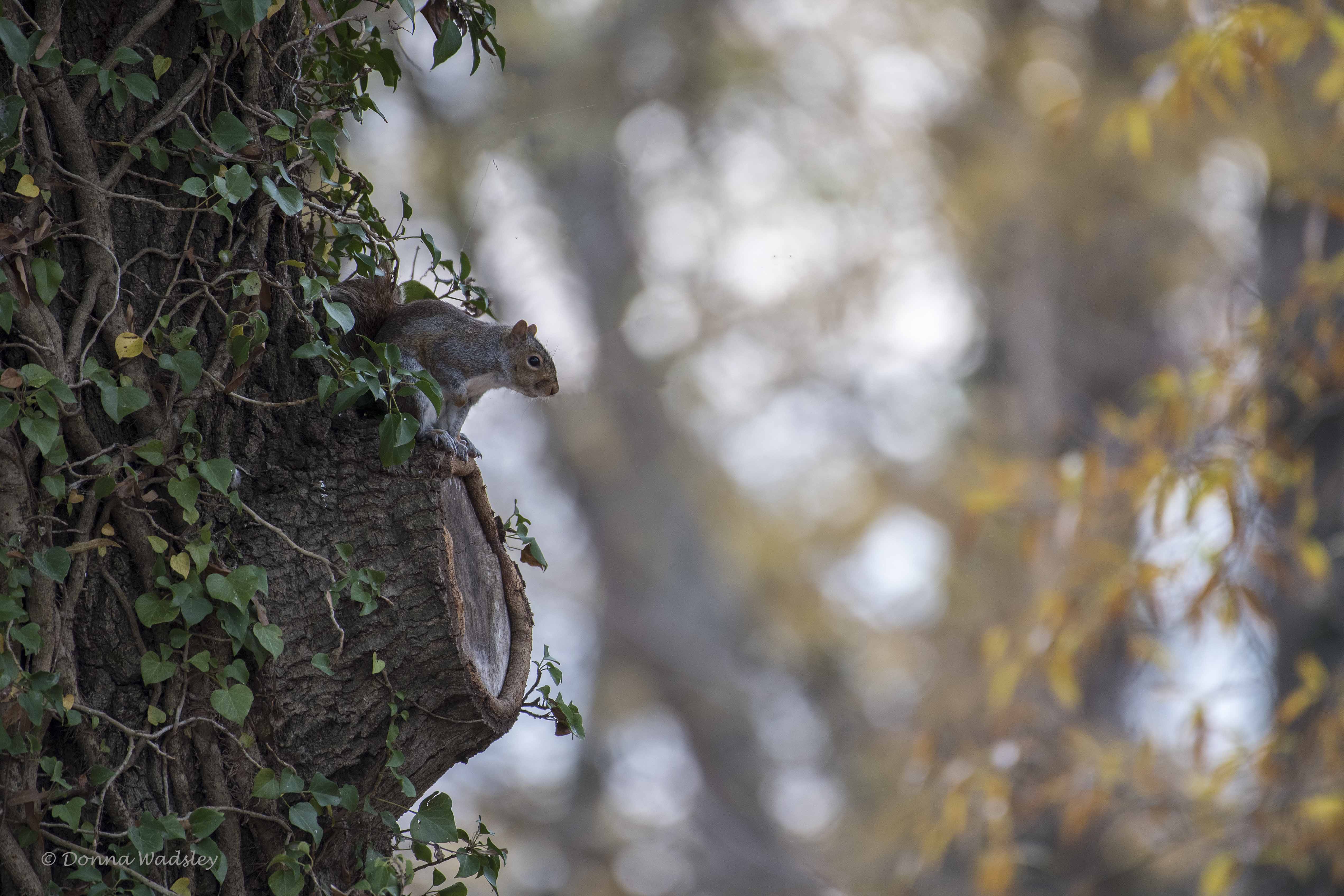
Eastern Gray Squirrel
.
And I just laugh at their funny antics!
.
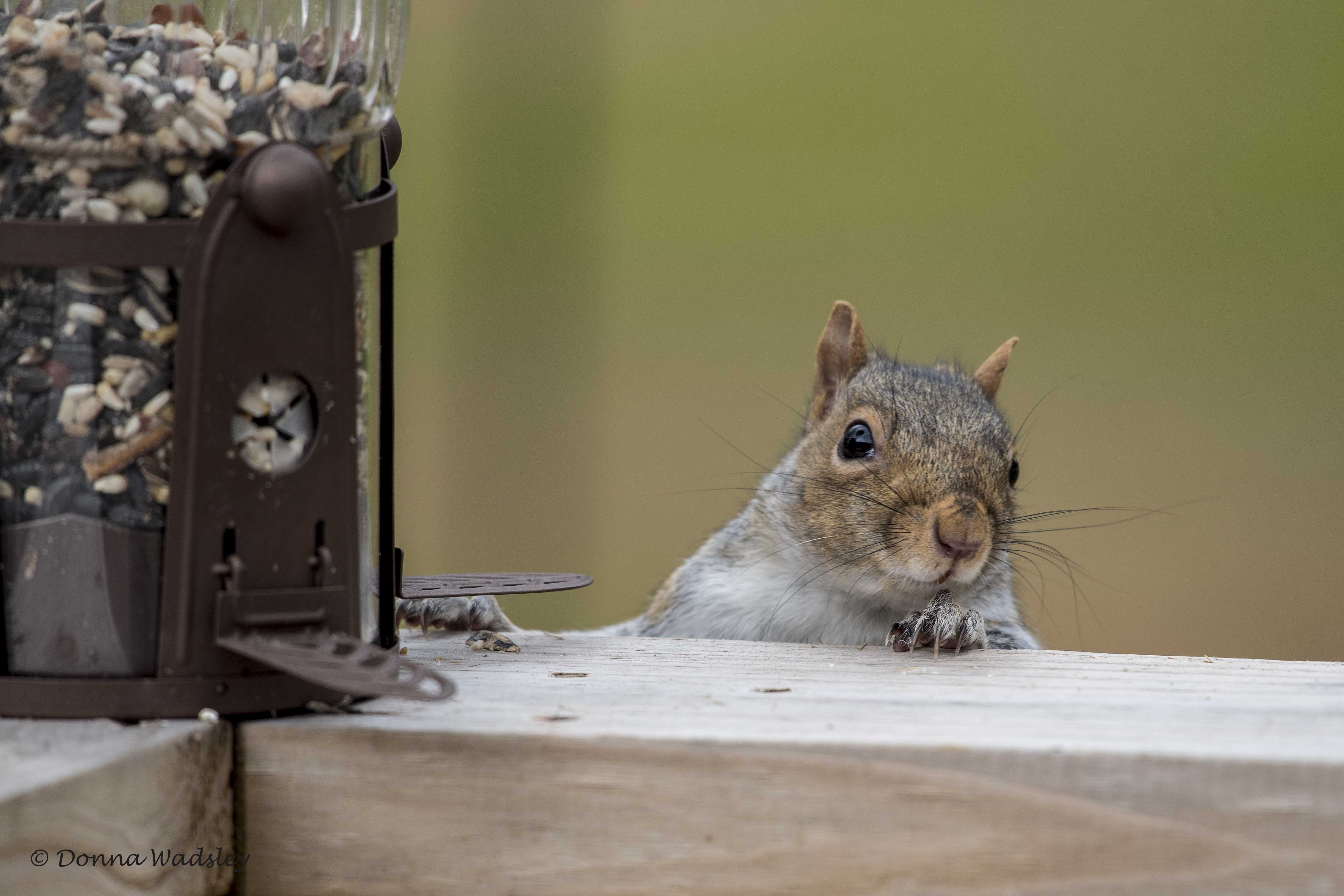
Who me?
.
.
1-2-3 Cute As Can Be – #25
.
Here’s another series of the smaller birds,
that flit and fly so quick,
they’re training me to be just as fast,
so I can get their click!
😊
.
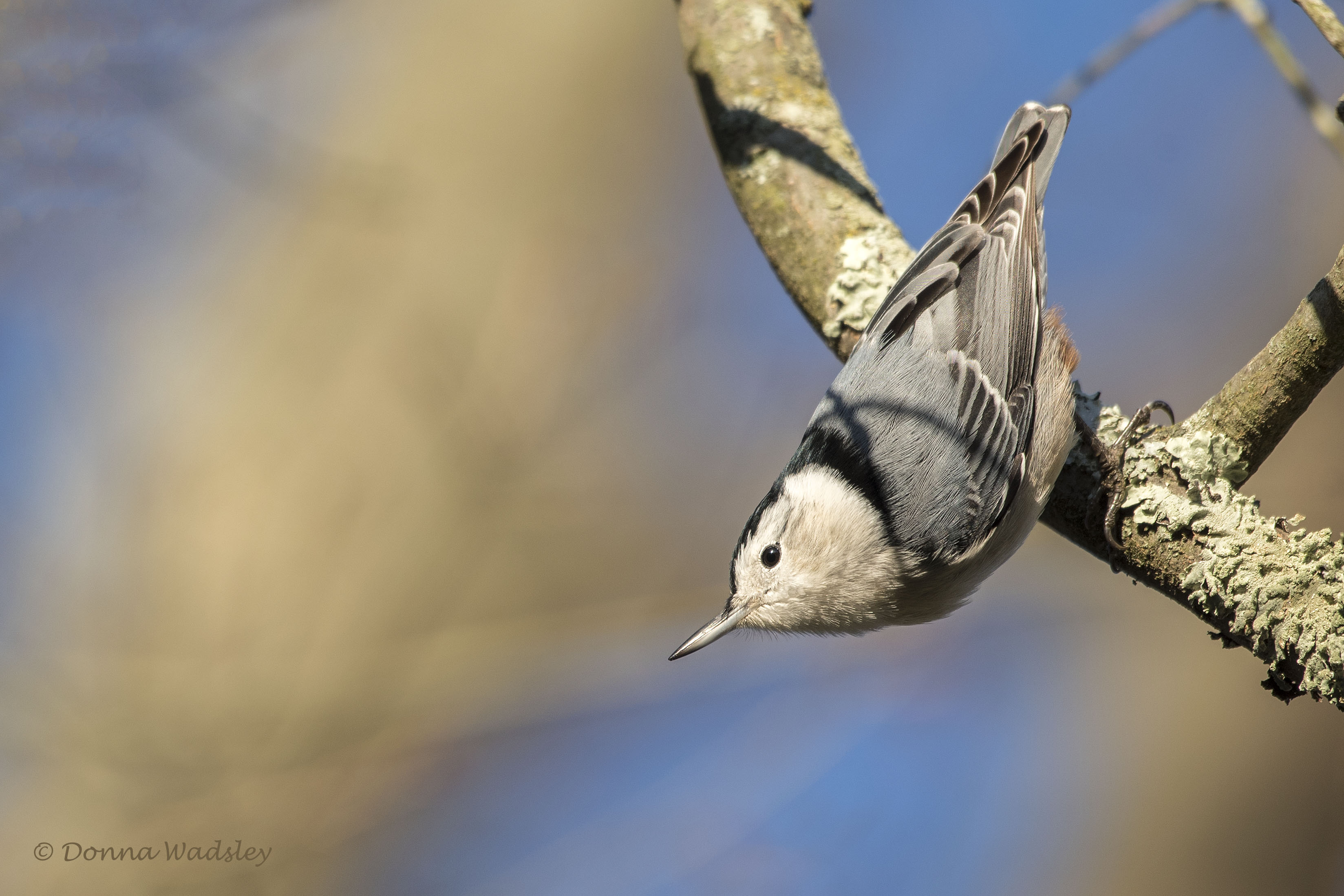
White-breasted Nuthatch
Length 5.1-5.5 inches (13-14 cm)
Weight 0.6-1.1 oz (18-30 g)
Wingspan 7.9-10.6 inches (20-27 cm)
.
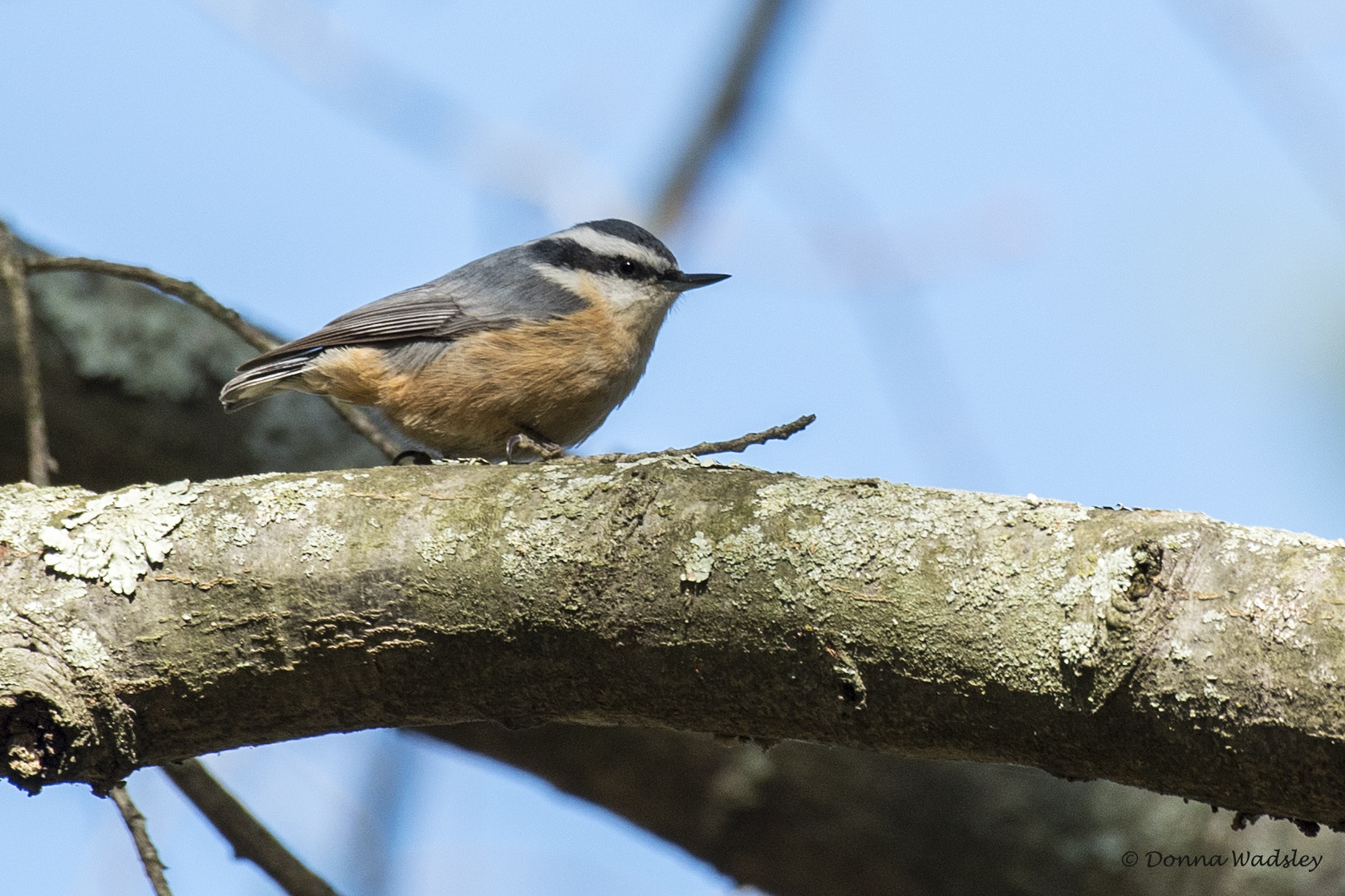
Red-breasted Nuthatch
Length 4.3 inches (11 cm)
Weight 0.3-0.5 oz (8-13 g)
Wingspan 7.1-7.9 inches (18-20 cm)
.
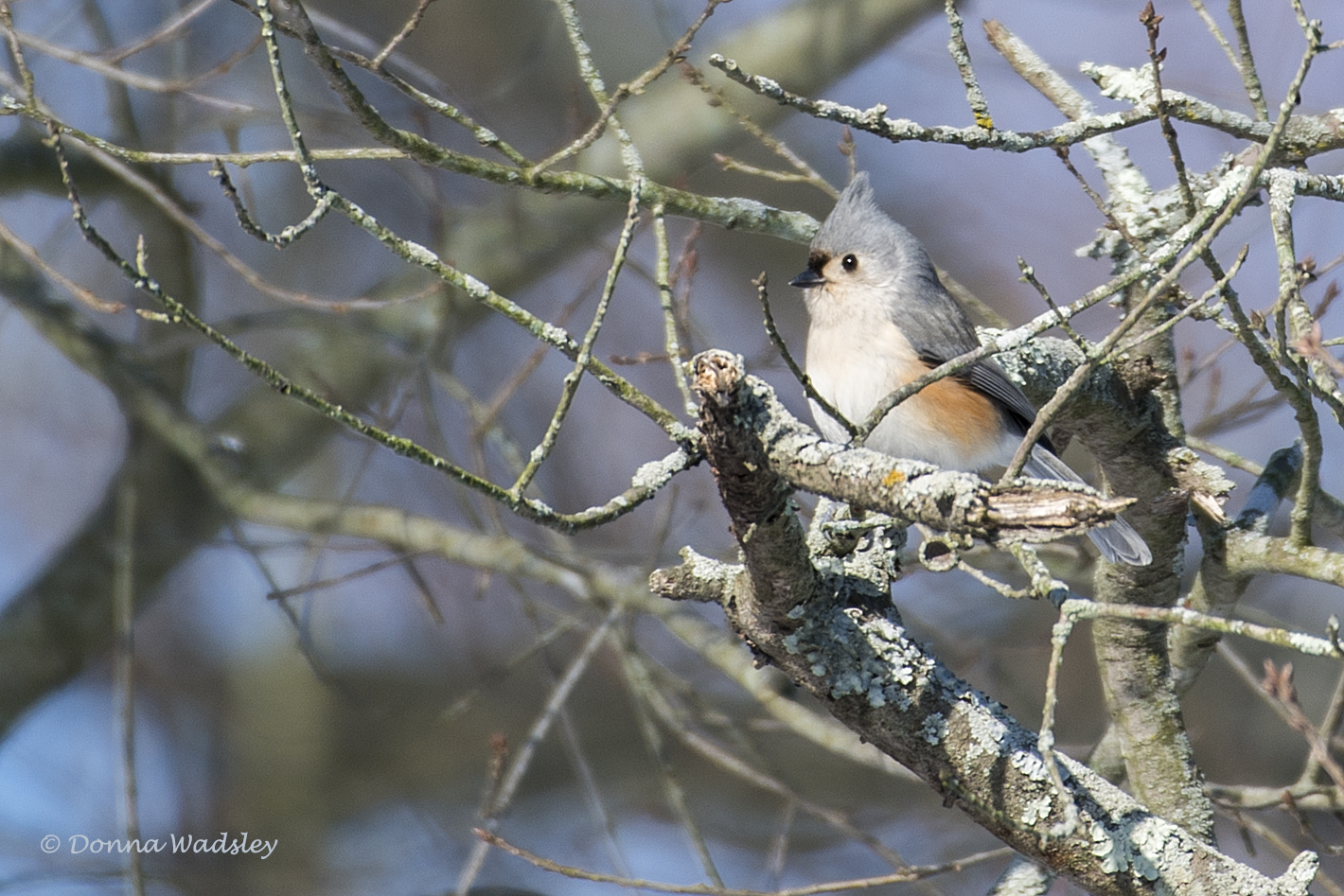
Tufted Titmouse
Length 5.5-6.3 inches (14-16 cm)
Weight 0.6-0.9 oz (18-26 g)
Wingspan 7.9-10.2 inches (20-26 cm)
.
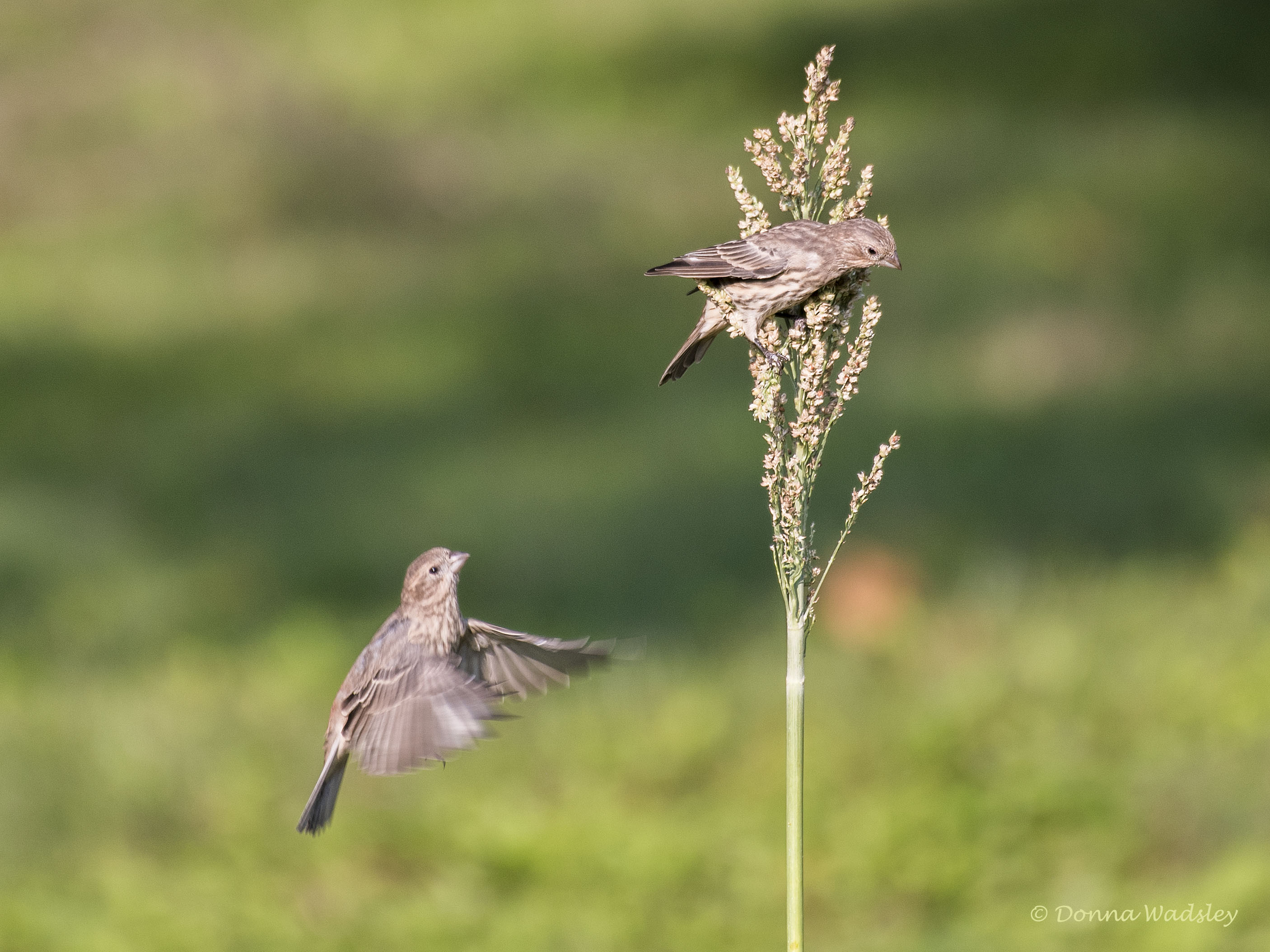
House Finches (females)
Length 5.1-5.5 inches (13-14 cm)
Weight 0.6-0.9 oz (16-27 g)
Wingspan 7.9-9.8 inches (20-25 cm)
.
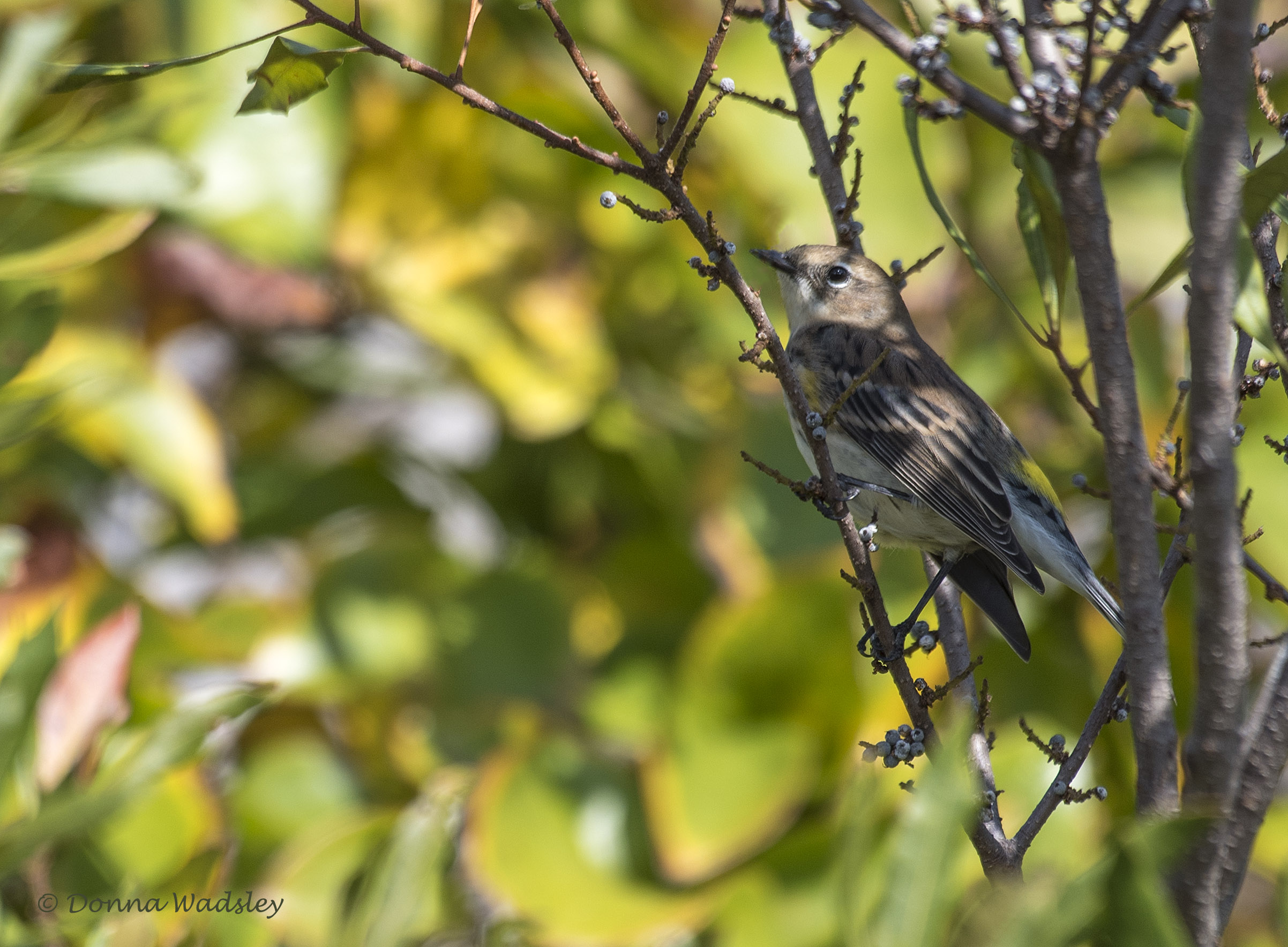
Yellow-rumped Warbler (Myrtle – female or immature)
Length 4.7-5.5 inches (12-14 cm)
Weight 0.4-0.5 oz (12-13 g)
Wingspan 7.5-9.1 inches (19-23 cm)
.
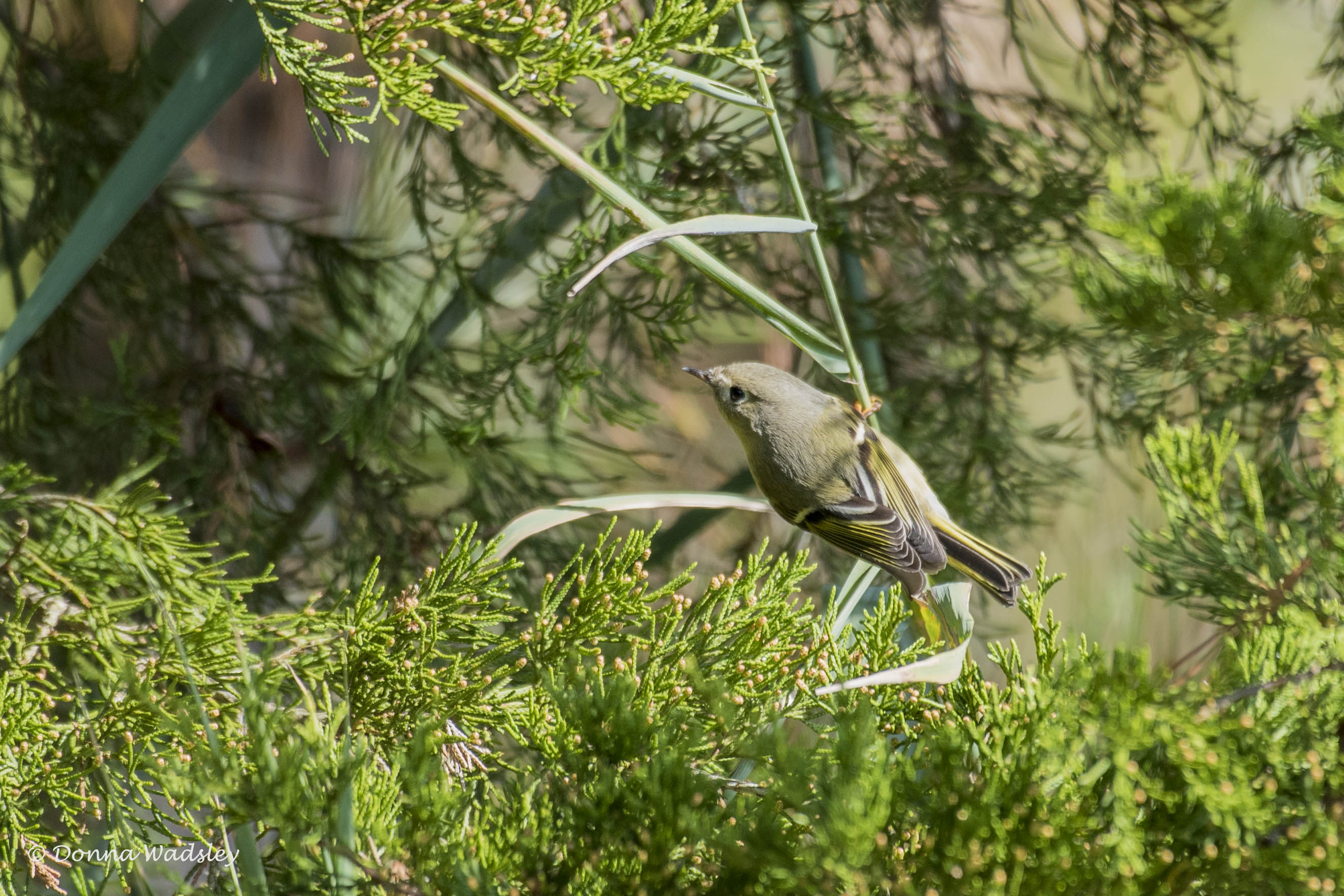
Ruby-crowned Kinglet
Length 3.5-4.3 inches (9-11 cm)
Weight 0.2-0.3 oz (5-10 g)
Wingspan 6.3-7.1 inches (16-18 cm)
.
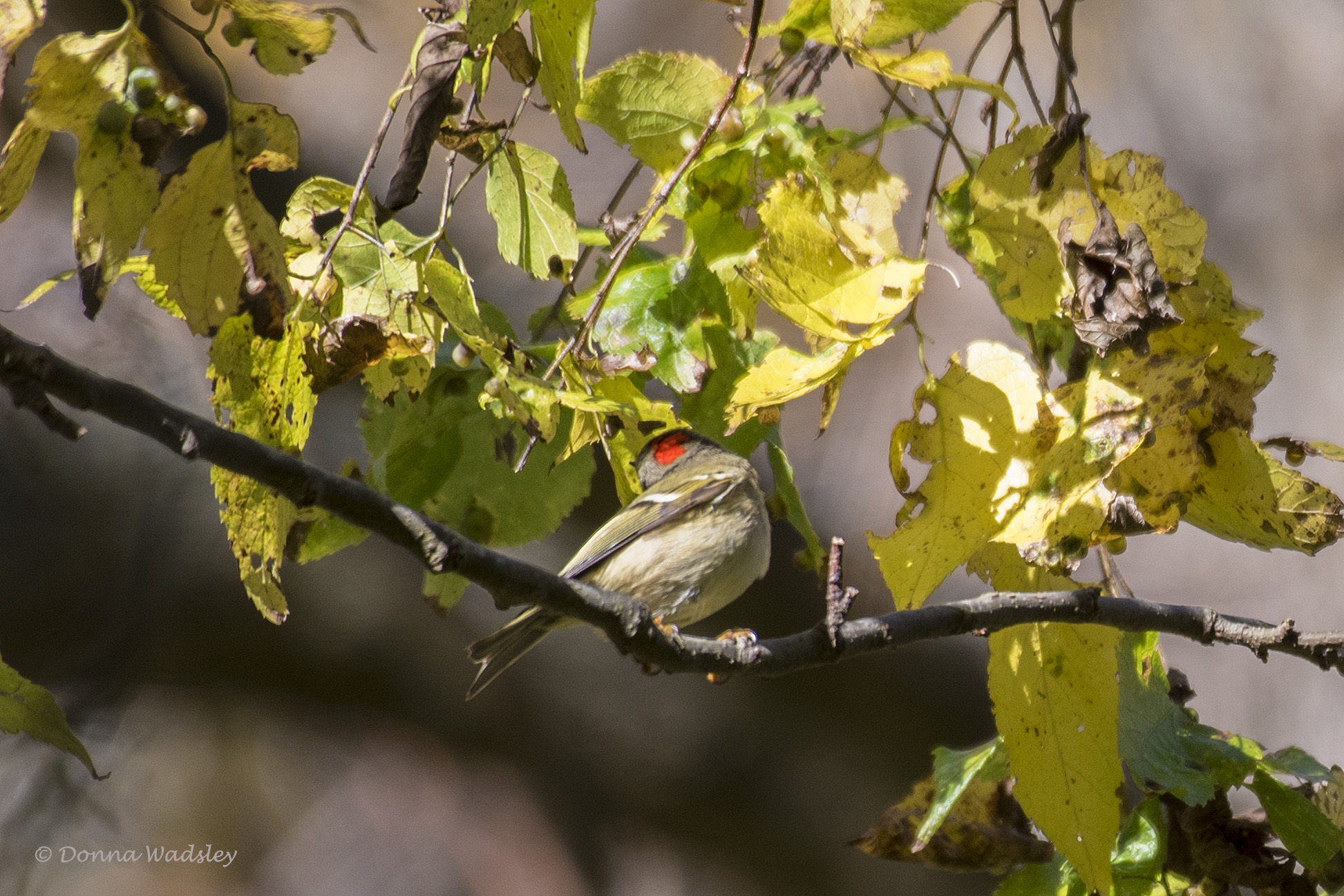
Ruby-crowned Kinglet (male) displaying its “ruby crown”
.