
Boat-tailed Grackles
.
Strictly a coastal species, Boat-tailed Grackles are found along the U.S. East and Gulf Coasts, as well as across the entire state of Florida generally near marshes and lakes.
With the lighting just right, the black male will shine with iridescent colors of purples, blues, and greens.
.

Boat-tailed Grackle (male)
.
The female is dark brown and russet in color.
.

Boat-tailed Grackle (female)
.
Boat-tailed Grackles are aptly named for their very long tails that make up almost half their body length and resembles the keel of a boat.
.

Boat-tailed Grackle (male)
.
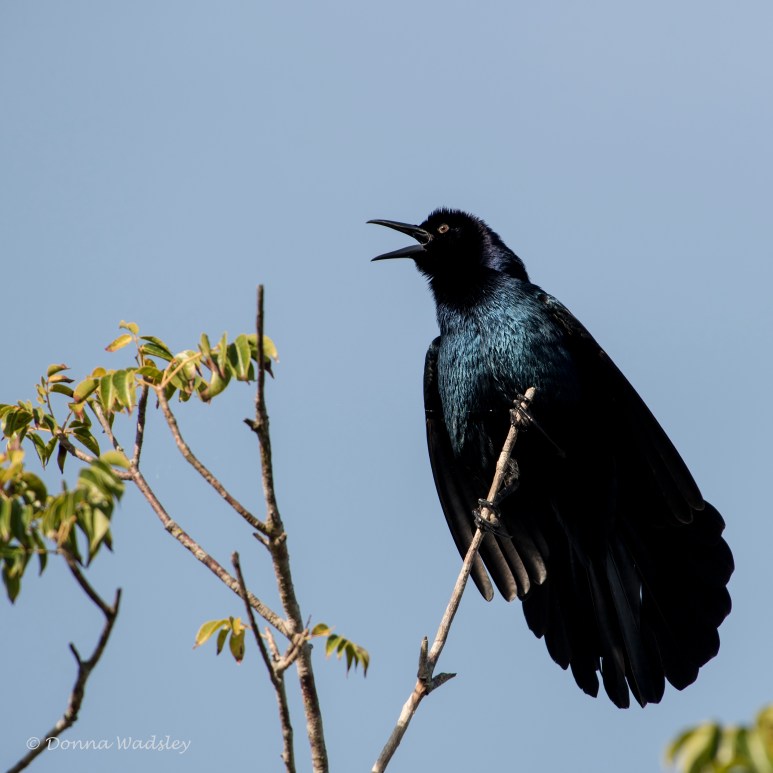
“Singing A Song”
.
There are two eye color variations with Boat-tailed Grackles Those males along the Gulf Coast and in Florida have brown eyes, as mine shows above. Along the East Coast, you’ll find the males with bright yellow eyes.
.
.
Little Gators
.
Alligator eggs usually hatch late August/early September. As much as I searched this past winter, it wasn’t until mid-March that I finally found any juvenile alligators.
These in this post were found in the front area at the Fakahatchee Strand Big Bend Boardwalk. Vulnerable and always in hiding from predators, the warm temps were bringing the little ones out to sunbathe.
But before anyone starts ga-ga-ing over them and taking photos, they need to know where Mama is. She is a ferocious protector of her offspring.
Ahhhh…..I found her, in the front pond, mid-day sunbathing.
.
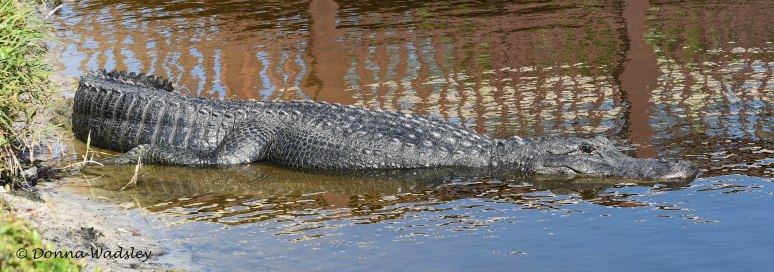
“Mama”
.
Across from the pond is a canal that leads deep into the strand that the boardwalk follows. It was at the canal’s beginning near the parking lot that I spotted and counted 13 juvenile alligators, ranging in two age groups, approximately one foot (30 cm) and 2.5 feet (30 to 76 cm) long.
Interestingly, juvenile alligators stay under their Mama’s protection for the first two years of their life as they learn to survive.
At hatching, these reptiles are 6-8 inches (15-20 cm) long.
.
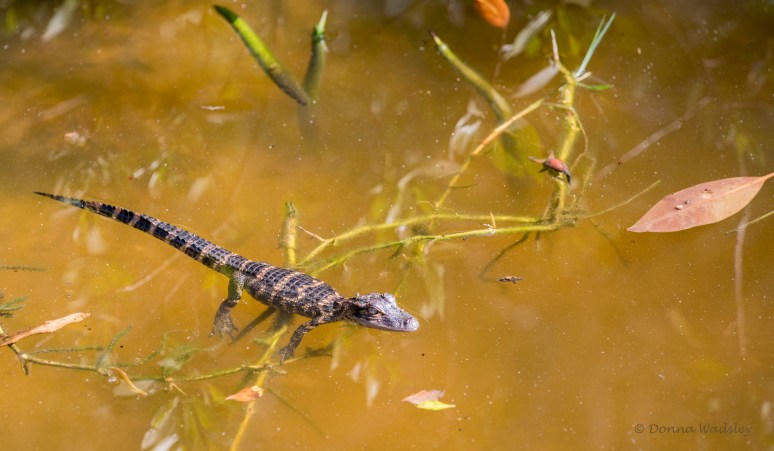
Young alligator, approx. six months old and one foot (30 cm) long
(I left the leaf in the photo for comparison)
.
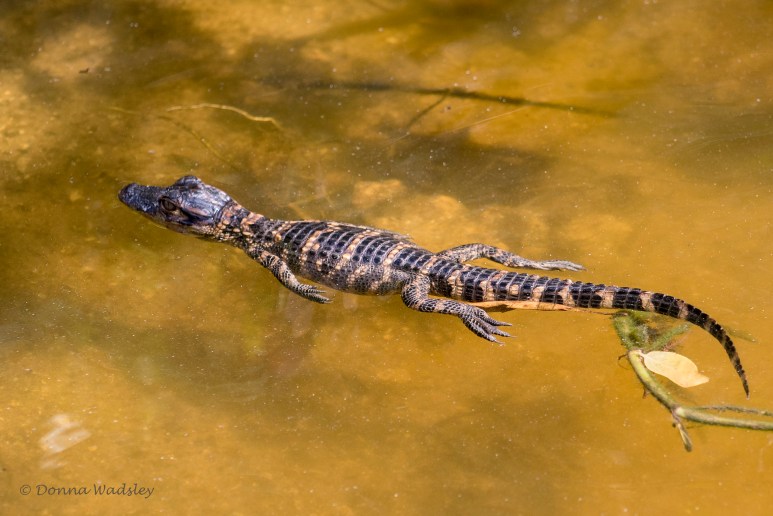
Close-up of a six-month old (one foot long) alligator
.
Big bro or sis was sunning on the embankment, babysitting for Mama. 😉 Or testing its bravery.
.
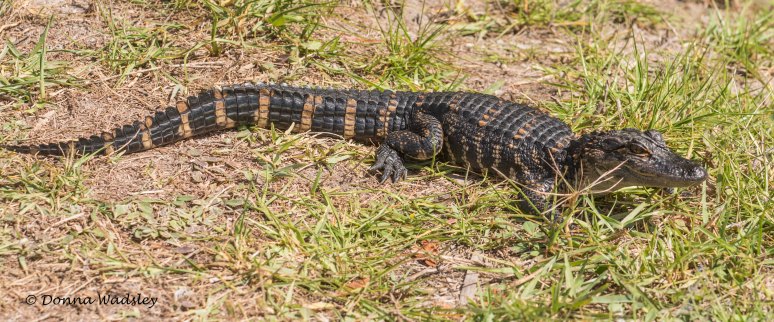
Young alligator approx. 18 months old and 2.5 feet (76 cm) long
.
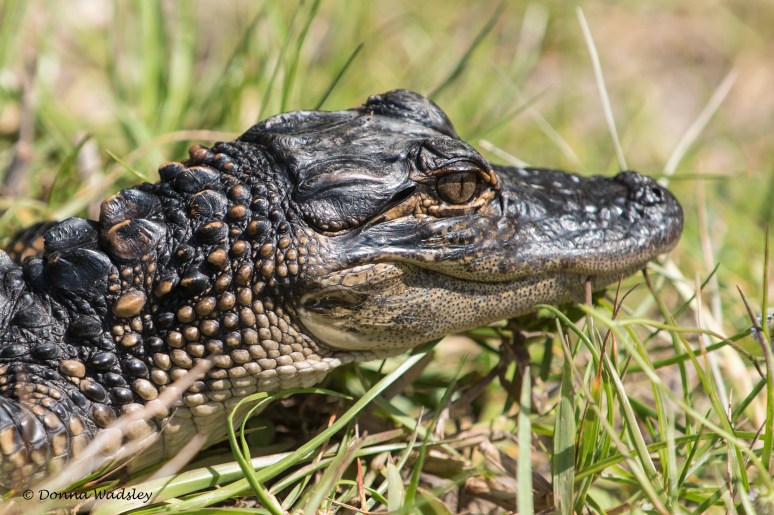
Close-up of 18 month old alligator
.
Some of the ‘babies’ were looking to buddy up with another big bro or sis.
.
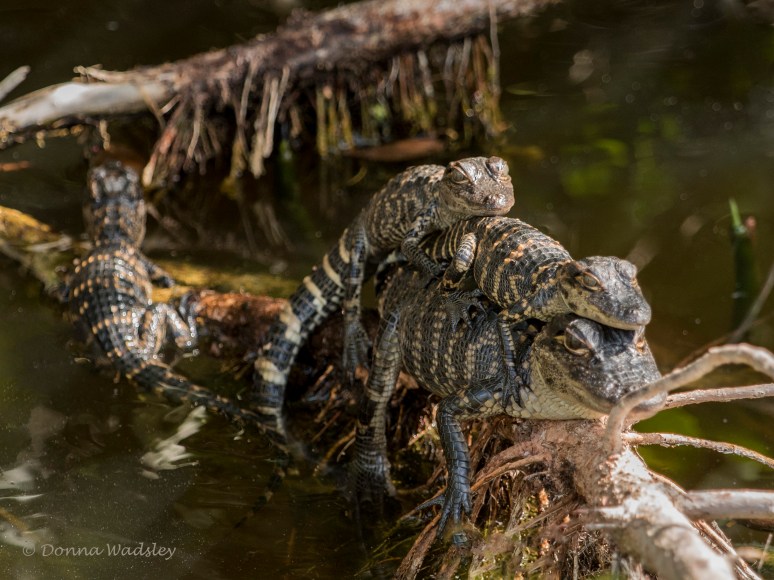
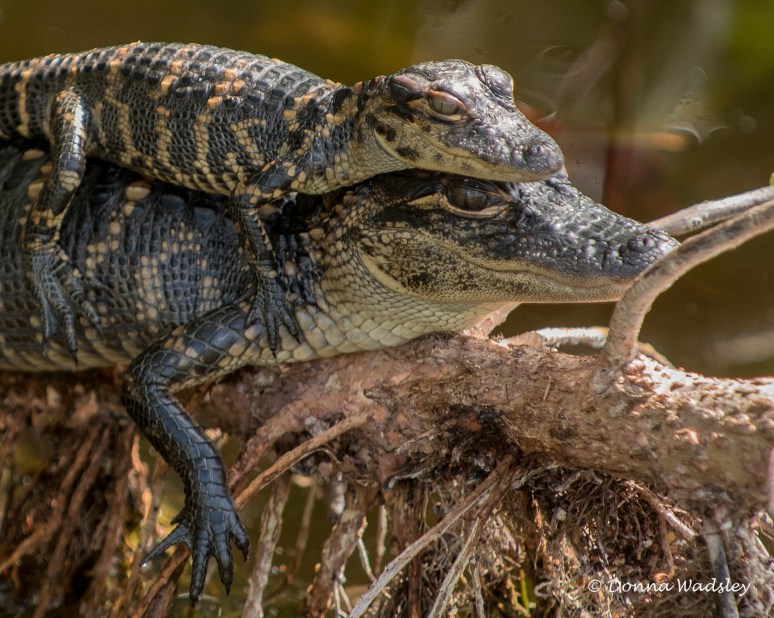
Six month olds climbing on 18 month old to sunbathe
.
Right after that shot above, little gator #3 was trying to climb on #2, knocking them both into the water. But that little gator #1 hung on tight!
And now for a couple of endearing shots of the two left. At least I thought so! 😊
.
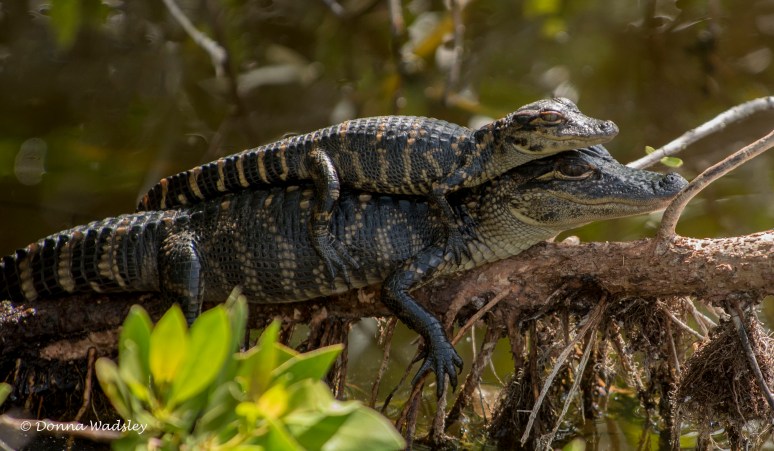
.
Remember, one foot long on top of 2.5 feet long.
.
.
Cute! Yea…..until they get 5 to 10 to 15 feet long! 😳
Meanwhile….while looking at these, were you paying attention on the whereabouts of someone not to be forgotten?
No worries! I was for all of us! 😊
.
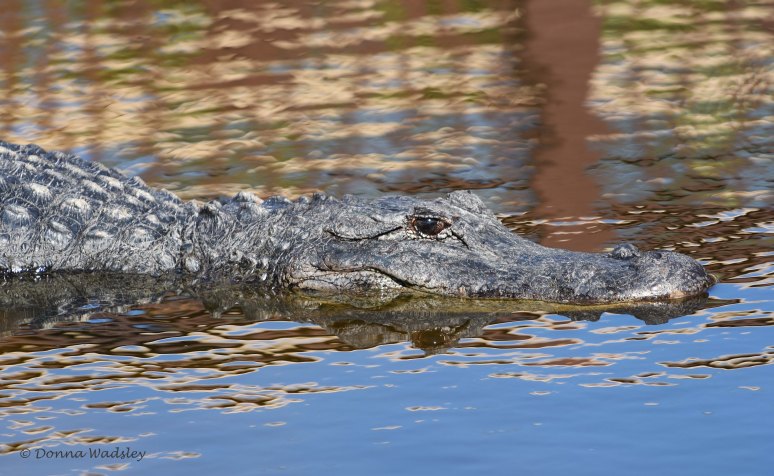
Mama’s intimidating eye gives a clear message which I took seriously
.
Interesting fact: An adult alligator has roughly 80 teeth in its mouth at one time. As the teeth wear down, they are replaced with new teeth. An average alligator can go through 2,000 to 3,000 teeth in a lifetime.
.
.
Series: Take A Moment and Enjoy A Sunset
.
This sunset was shot from Everglades NP Gulf Coast a couple months ago.
.
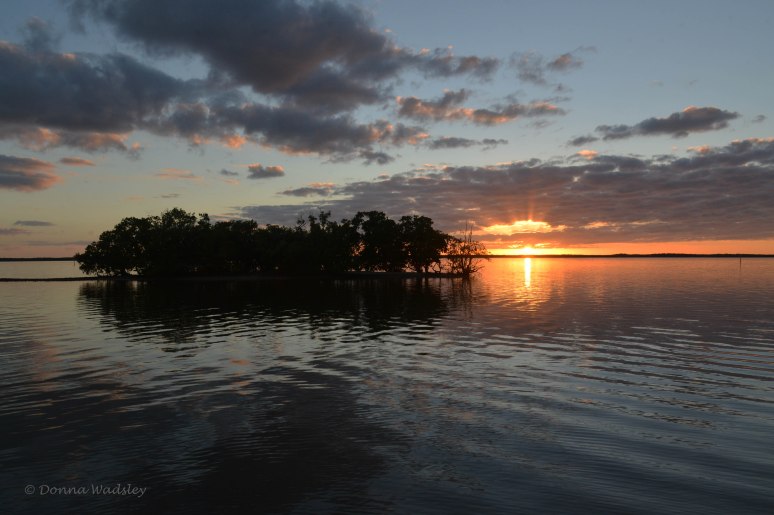
Sunset at Everglades NP Gulf Coast
.
As the sun disappeared, I captured a few shots of a small boat at the horizon when I heard a plane taking off at the nearby airport. Two for the price of one!
.

Sunset at Everglades NP Gulf Coast
.
.
Happy Easter
.
Several weeks ago I took a series of photos of this Osprey perched on the cross of the Holy Family Mission in Everglades City. I thought it appropriate to share a couple of them in celebration for this Easter weekend.
.
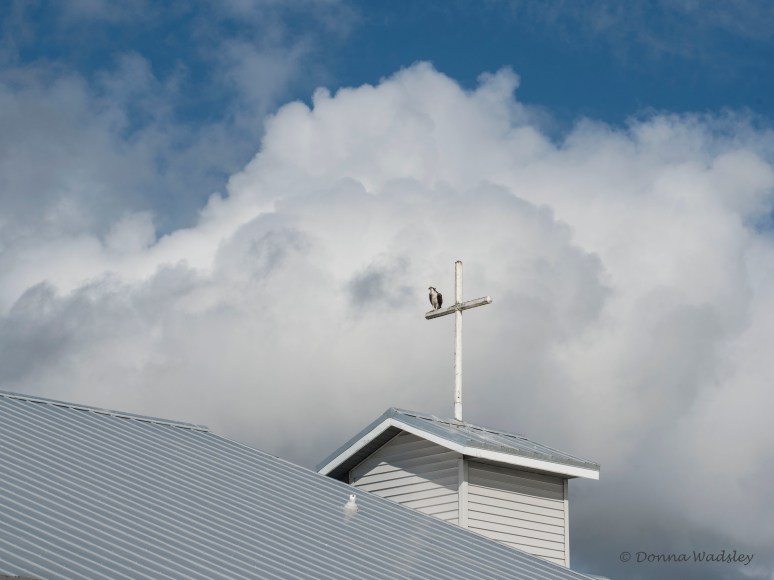
Osprey on Holy Family Mission’s Cross
.
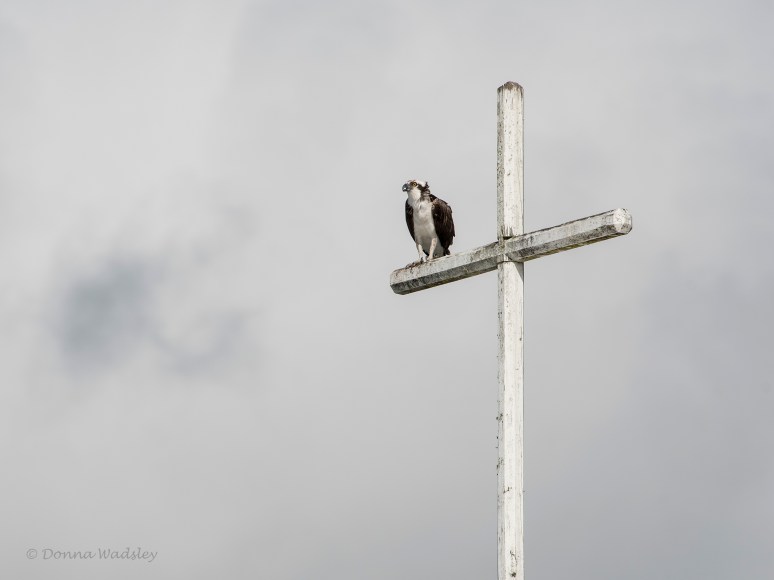
Osprey
.
Wishing you a blessed holiday weekend filled with family, friends, love, and laughter.
🙏 🐣 🐇 💐 🙏
.
.
Five On The Wire – #3
.
Sharing a third post in my series of five bird species perched on a wire. Always a great time to get profile shots!
Some might be a bit common as in these two….
.
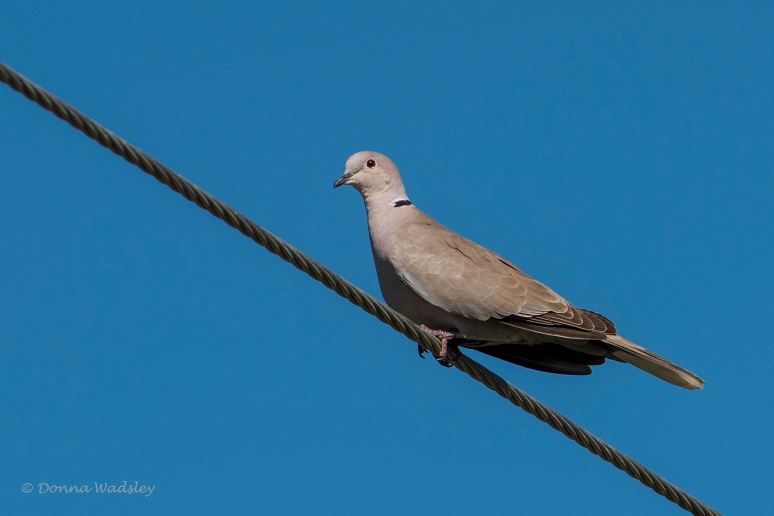
Eurasian Collared-Dove
.
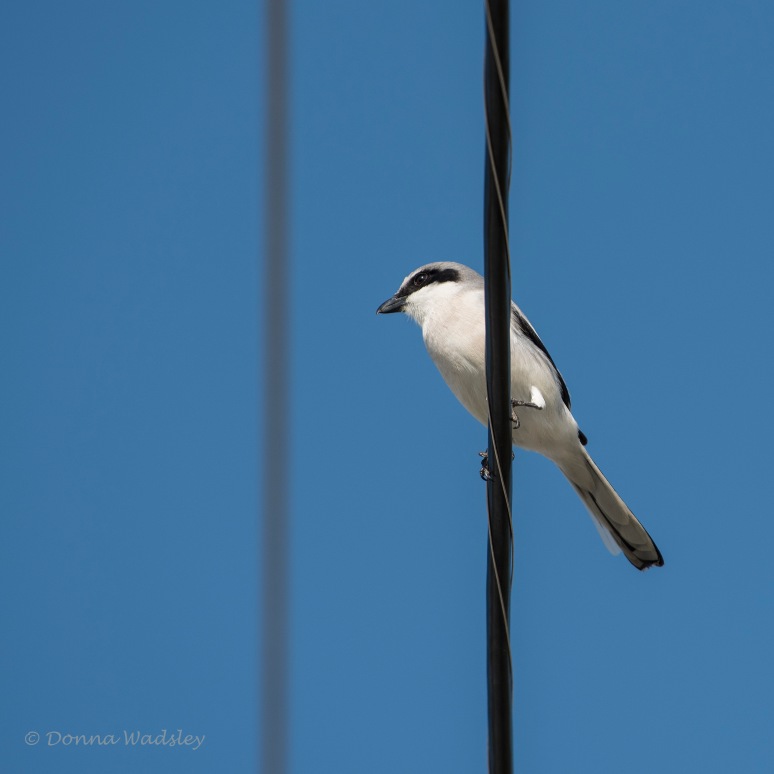
Loggerhead Shrike
.
Whereas some might be a little unusual as in these three.
.
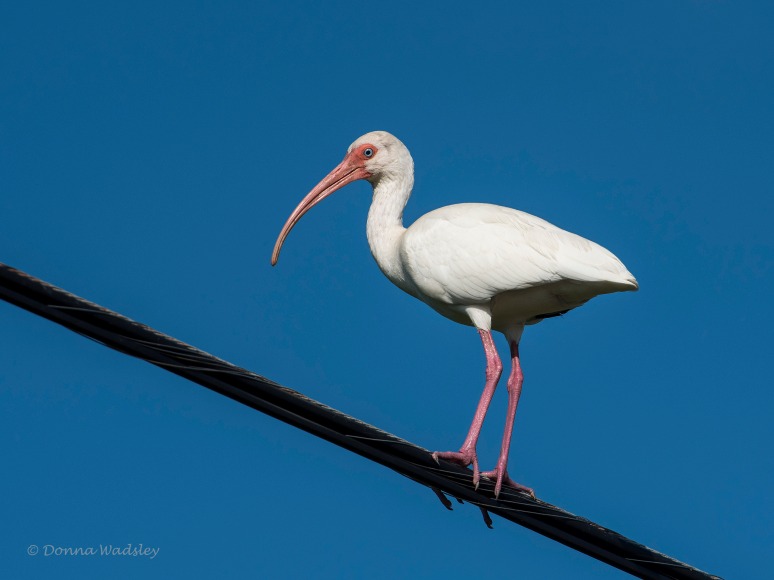
White Ibis
.
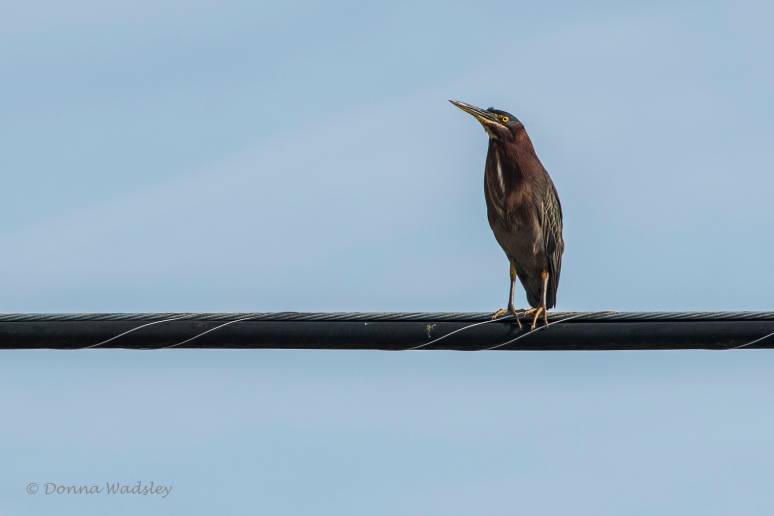
Green Heron
.
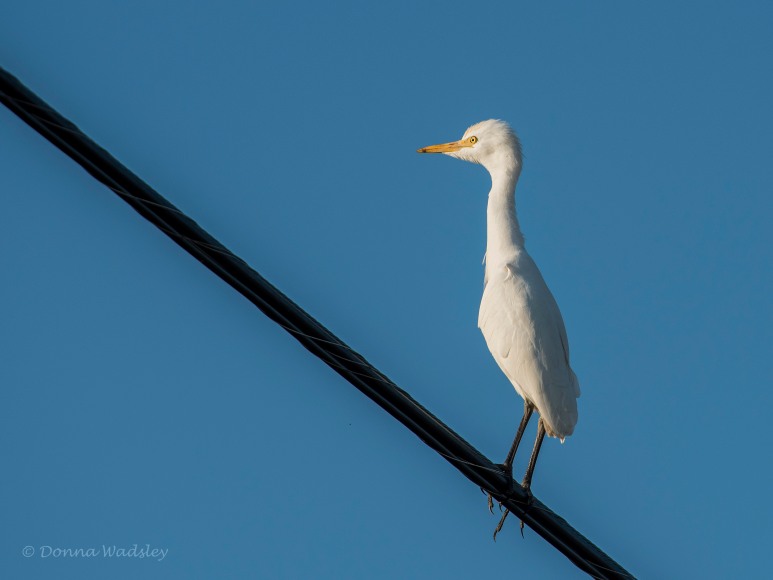
Cattle Egret
.
.
A Great Blue Heron Rescue
.
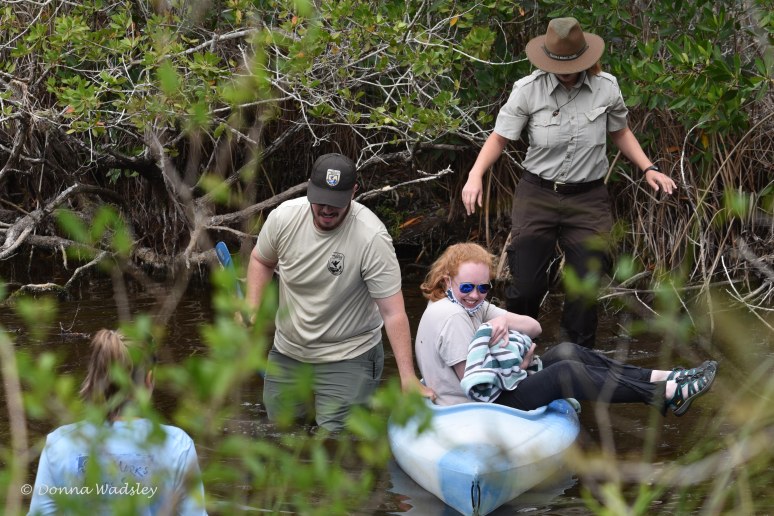
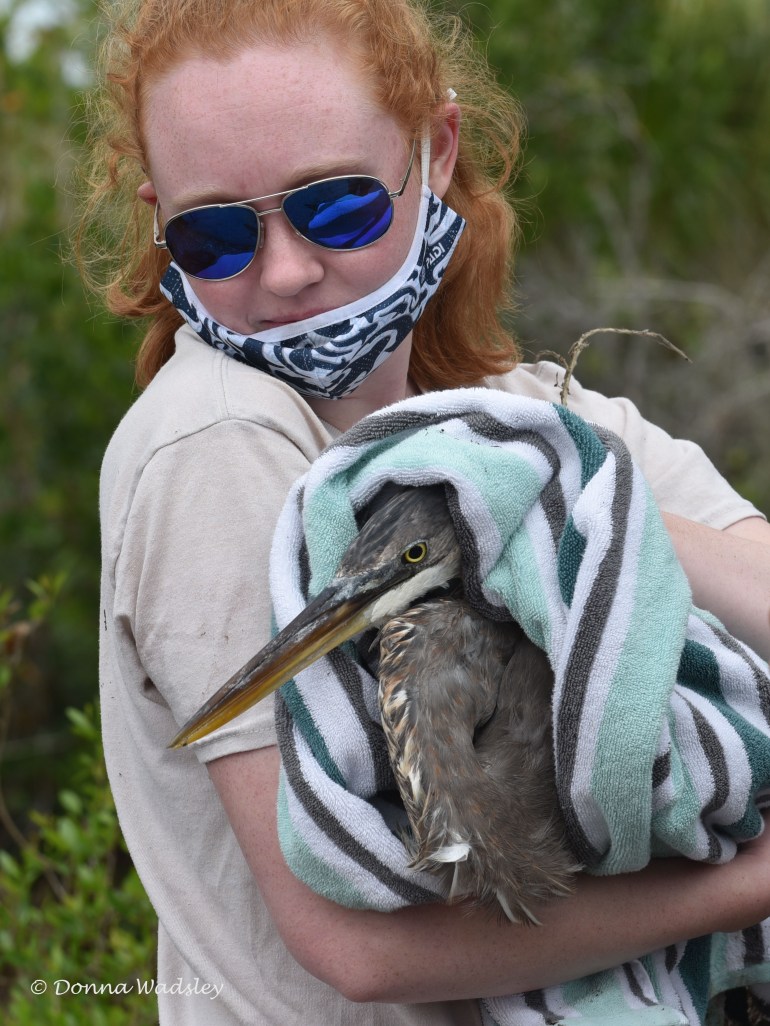
One of my last visits to the 10,000 Islands NWR in Florida earlier this month yielded a feel-good story with a rescue of a Great Blue Heron.
Along the refuge’s trail, I came upon one of the Park Rangers sitting down at the water canal’s edge. We exchanged morning pleasantries and bird sightings, and how much we both loved this refuge.
The Park Ranger kept a partial attention to the 20-25′ wide water canal as we talked, and I asked was something wrong. She pointed to a Great Blue Heron across the canal in the water reported by another trail walker a couple hours earlier that was possibly sick or injured.
The Park Ranger herself had been there for over an hour and had tried to coax it to get out or up on the embankment but was unsuccessful. She said it appeared lethargic, and was possibly injured or sick; it may have been there in hiding all night. She had called and was waiting for the park’s wildlife team to arrive and rescue it. And as if on cue, a truck was heading towards us with the team and a kayak.
The Park Ranger advised the team she had been watching for the alligators and thought the coast was clear. They made their plan, set up their equipment, and then proceeded to cross the approximately two foot deep canal by foot. (I have seen alligators in this canal before! 😳)
.

Great Blue Heron back left, tucked up in the mangroves
.

.

.

.
.
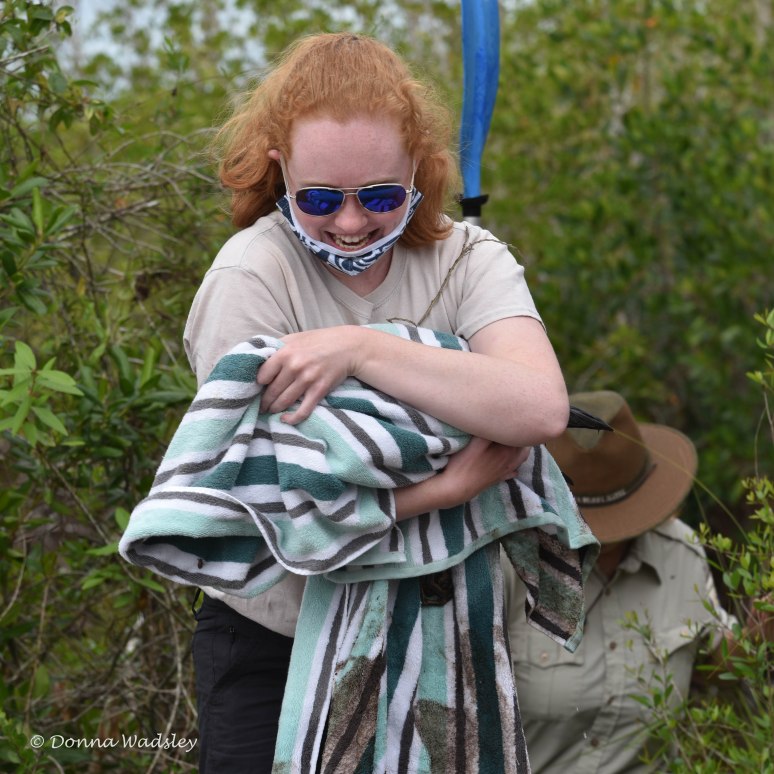
Safely back on the trail side
.
Throughout the entire time, the Great Blue Heron never fought its rescue. It surely was exhausted and cold from the chilly water.
.
.

.

.
The team had a large container, and the handler laid the heron gently inside it. They assured the small crowd that had now gathered the heron would be taken to their wildlife hospital for evaluation and hopefully able to have a successful recovery. 😊
.
.
Five On The Wing – #8
.
Here’s another post in my five bird species in flight series. These five birds are egrets and herons, all taken in Florida this past February.
.

Tricolored Heron
.
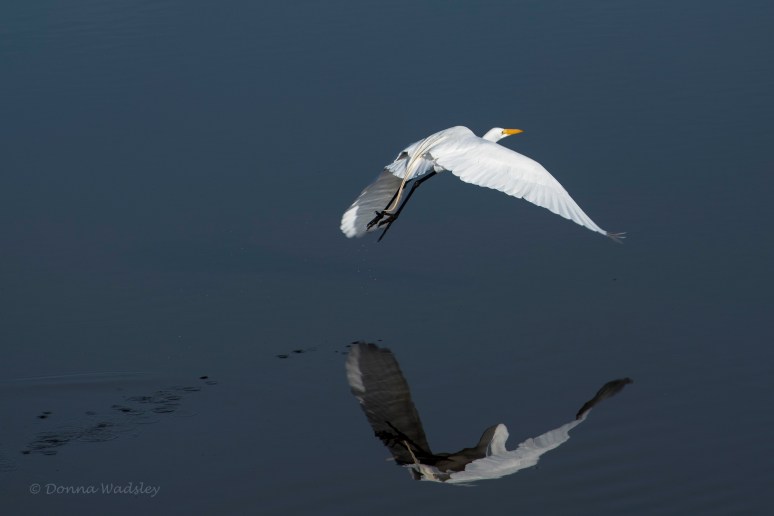
Great Egret
.
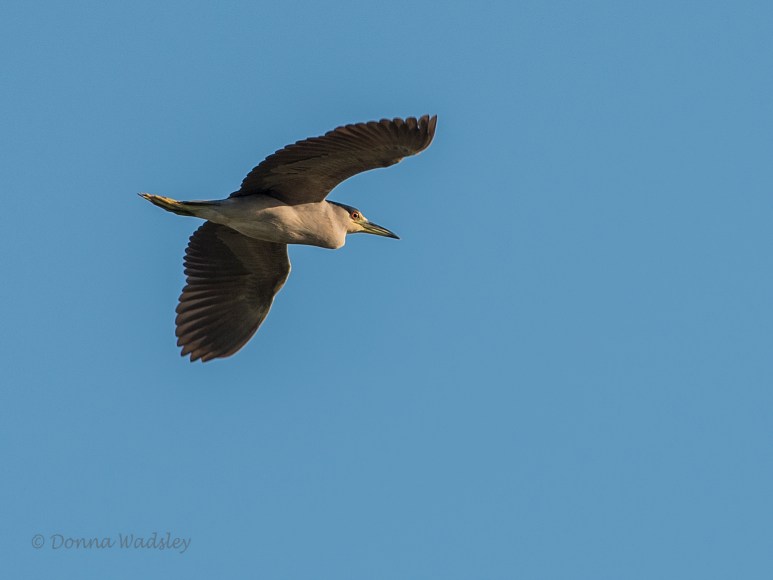
Black-crowned Night Heron
.

Reddish Egret
.

Great Blue Heron
.
“If birds can glide for long periods of time, then why can’t I?” – Orville Wright
.
.
Osprey Gallery
.
The Chesapeake Bay Osprey have returned! Local feeds are abuzz and I’m feeling the excitement. In my travels since returning home, I’ve seen quite a few in flight. I’m anxious to check out some local nests, hopefully soon!
Many Osprey in Florida are year-round residents.
.

Florida Osprey with fish meal
.
While we were in Everglades City the last couple months, I photographed the local Osprey already in high gear with incubating and having chicks by February. Here’s a gallery of some favorites of them and their different nests.
The first set of photos are of a pair who created a nest atop a utility transfer station. 😟
.

Mr & Mrs Osprey starting a new nesting season together
.

Osprey nest is established one month later
Mama is incubating eggs while Dad is eating a fish and on guard duty
.
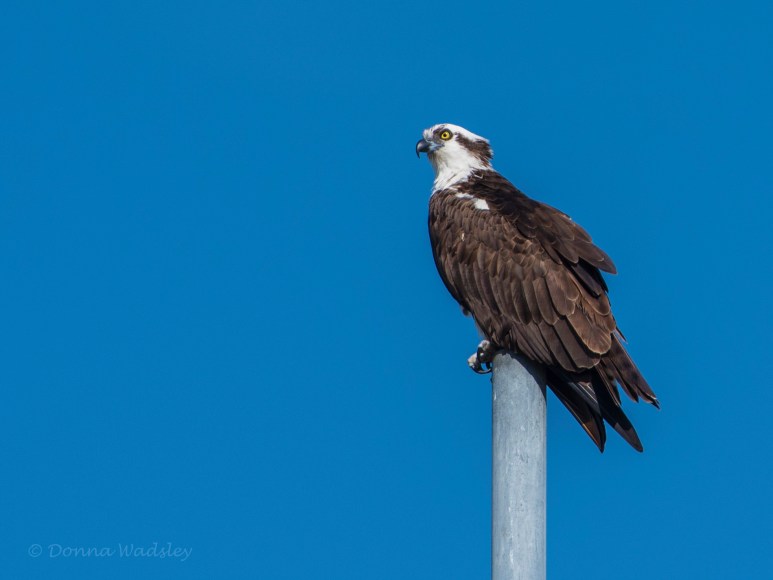
Male Osprey on guard duty
.
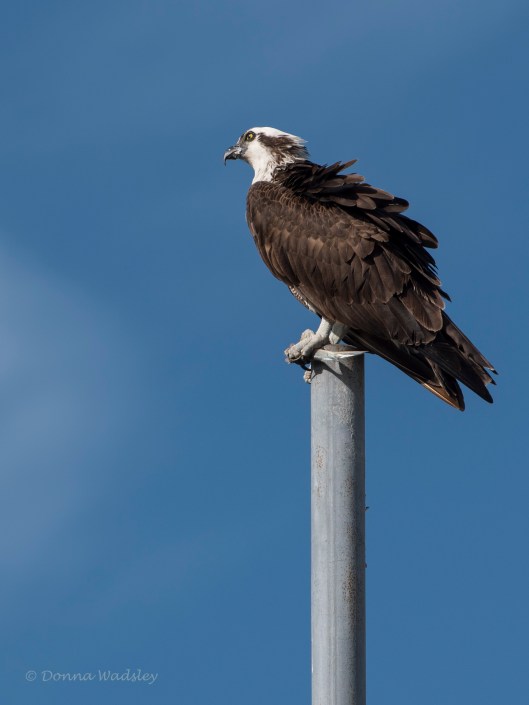
Male Osprey on guard duty while finishing a fish
.

Male Osprey departing nest
.

More eating and guarding the nest
.
That nest really seemed to be in a dangerous place. Seems Osprey are daredevils with their nest location selections.
Here are more nests around town…..
.

Everglades City Fire Station – Female

Everglades City Fire Station – Male
.

Osprey nest in palm tree berry branches

Osprey nest in palm tree berry branches
.

Osprey chick!

Osprey Nest

On guard while eating
.

Osprey Family
.
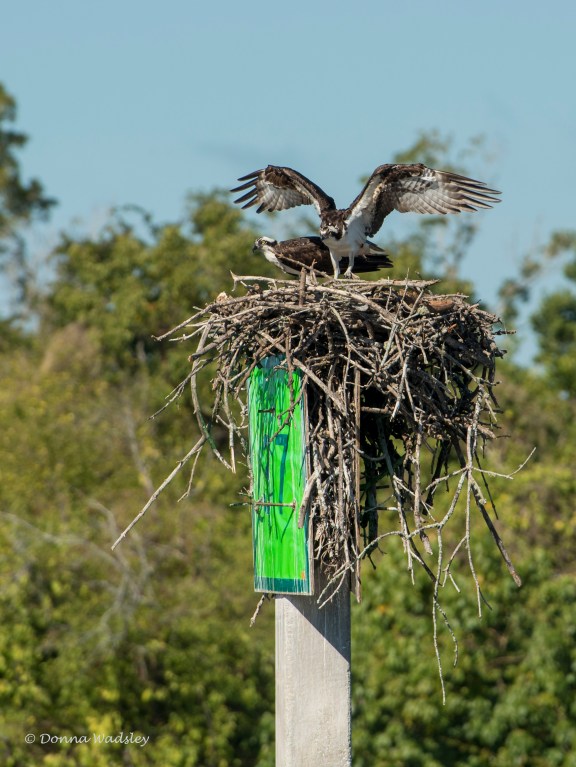
Osprey nest along Barron River’s riverwalk
.

Same Osprey nest on Barron River a month later
.

Osprey Nest on satellite dish, dwarfed by Mexican Fan Palms that grow up to 100 feet
.
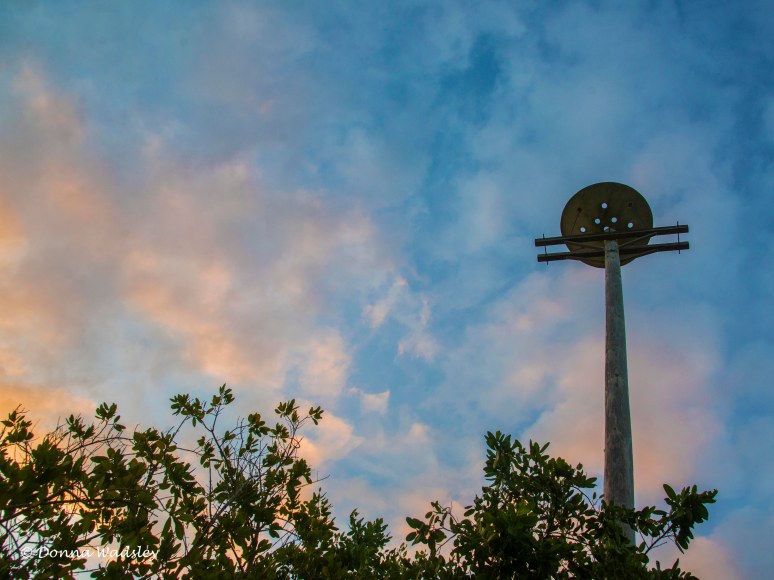
A Waiting Osprey Home – “First Come, First Serve”
.

Male Osprey fluffing and shaking to dry its feathers
.

Handsome Osprey – “Almost Dry”
.
And now all of this is repeating on the Chesapeake Bay…….minus the palm trees!
.
.
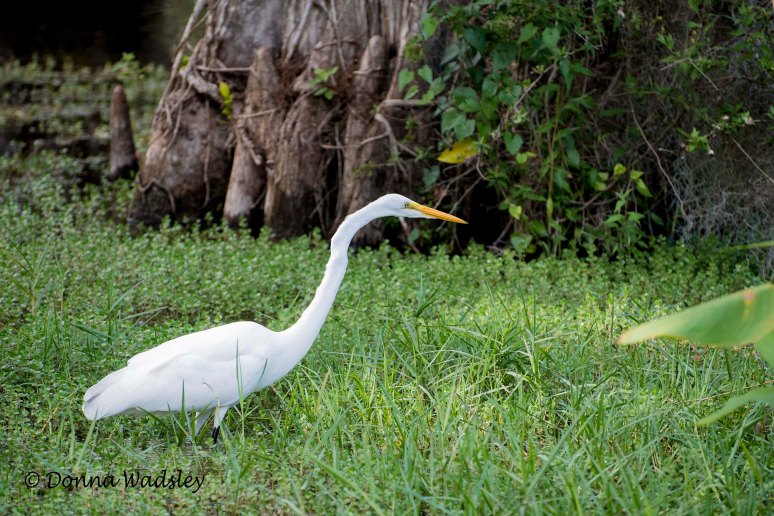
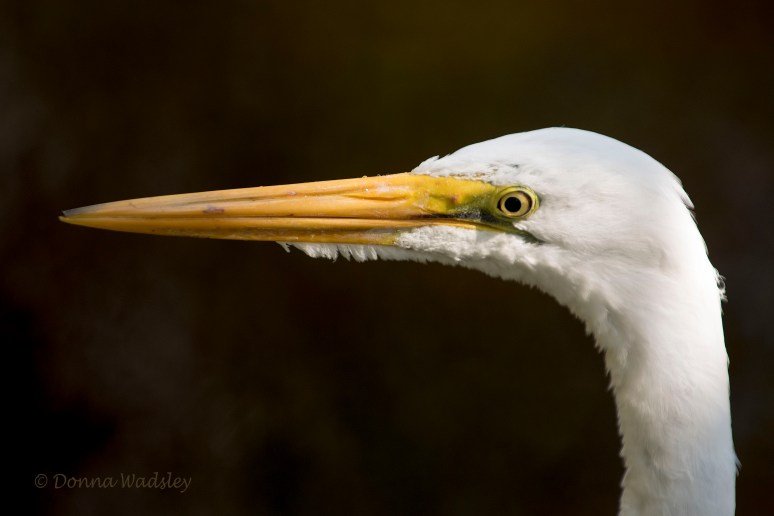
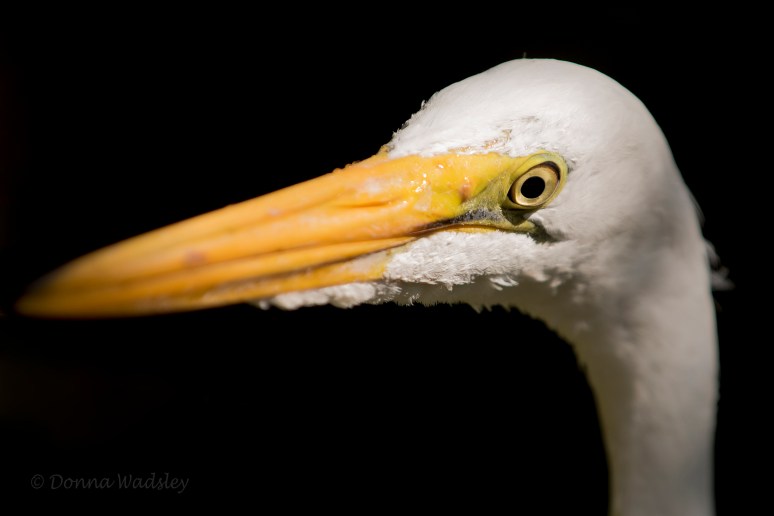
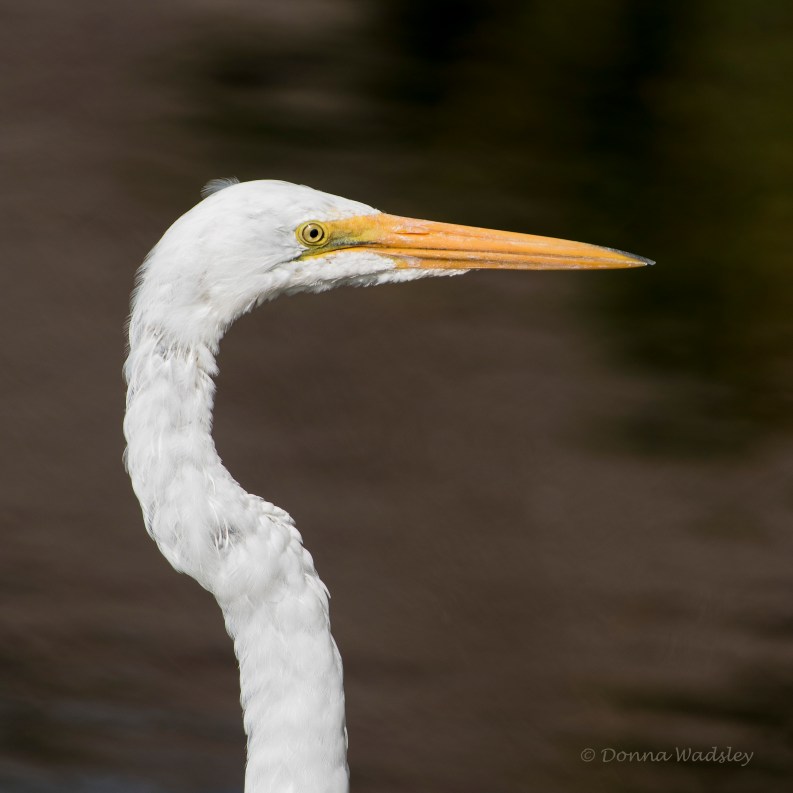
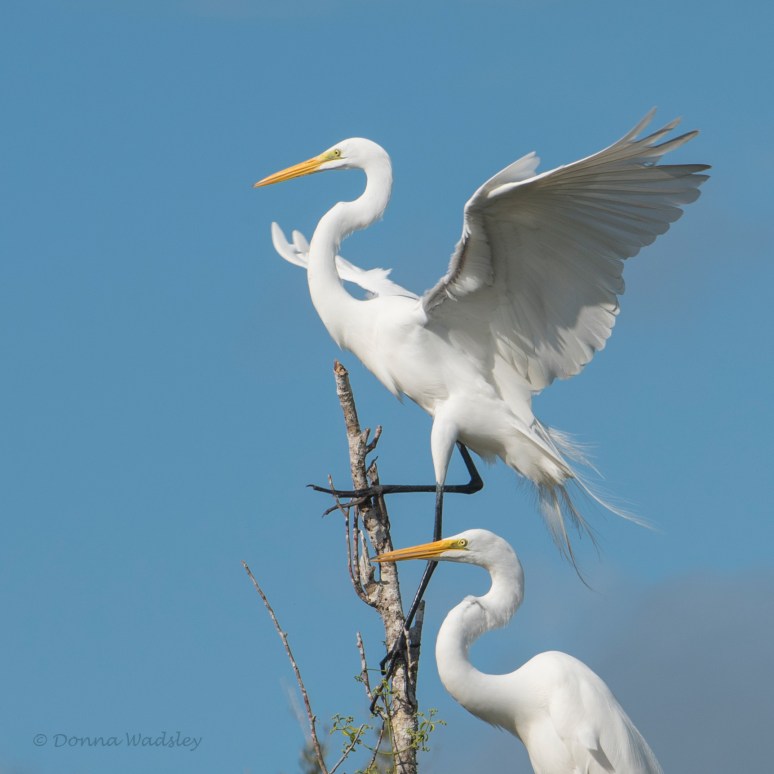
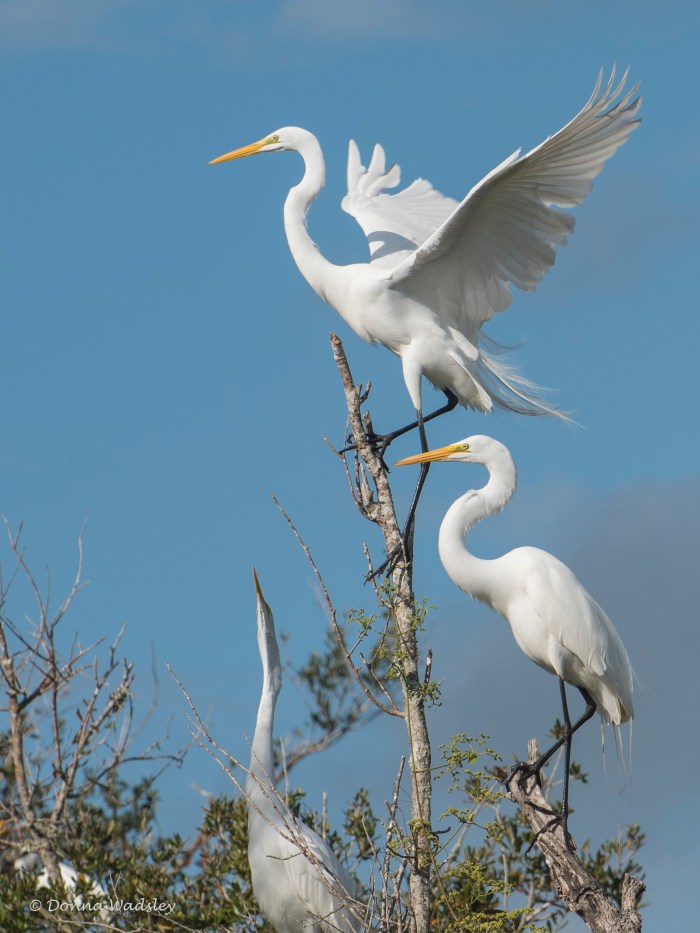
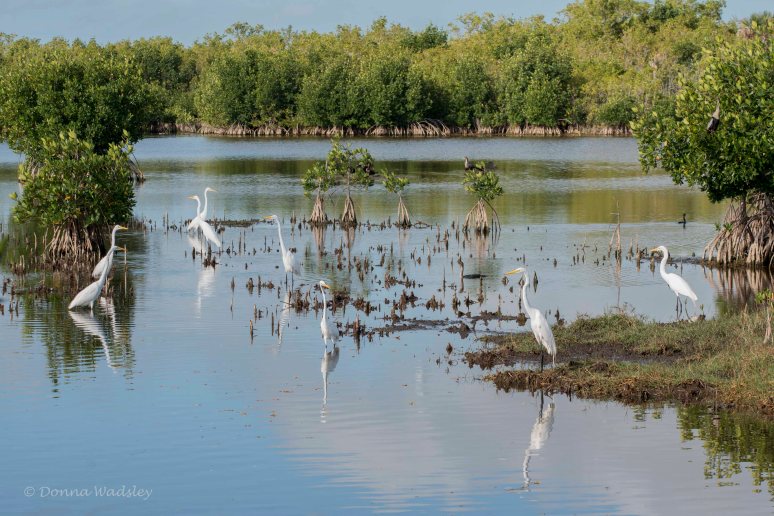
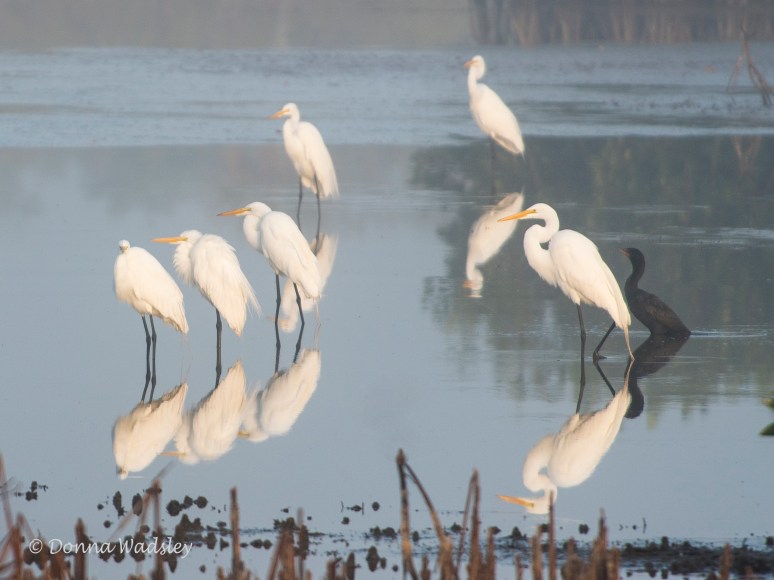
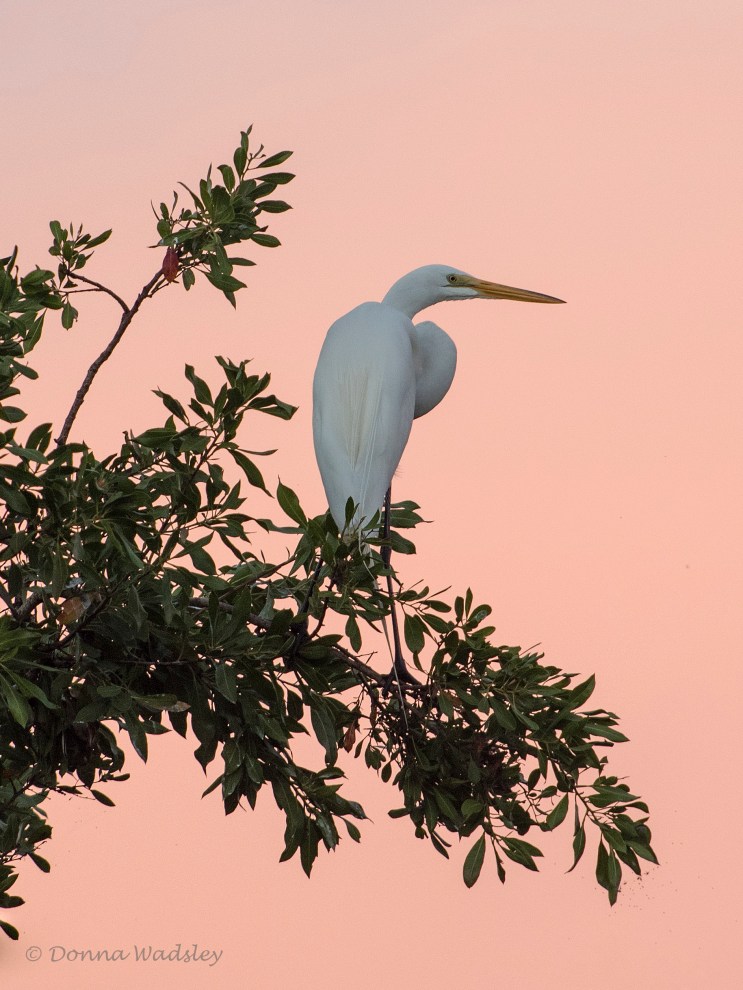
Great Egret Gallery
.
After a daily post for the past couple months, sorry for my sudden short break! We left Florida sooner than planned to head home to Maryland, so I wasn’t prepared for a post. We’ve safely arrived home, skirting all the east coast storms with no problems. I’ve got lots of catching up to do at home as well as with all your blogs!
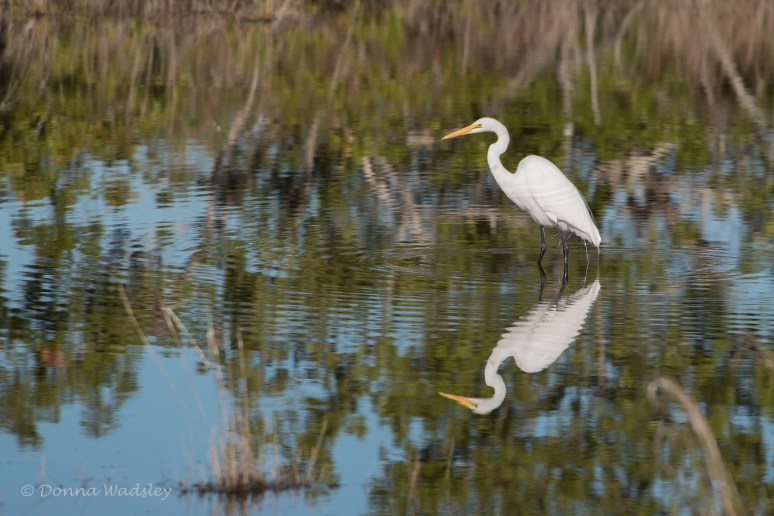
I want to get myself back up and running too. I hope you enjoy this gallery of several different and interesting compositions of the beautiful and elegant Great Egret taken in Florida. 😊
.
.
.

.
.
.
.
.
.
.
.
.
Leaving Florida’s birding paradise was bittersweet. I am glad to be home. A bit overwhelming, but I’m looking forward to catching things up! 😊
.
.
Tricolored Heron Gallery
.
Back home in Maryland, I get to see five of the six North American heron species. The one missing is the Tricolored Heron. So this past couple months, I always spent more time photographing the Tricolored Heron over the other herons to add to my collection.
So again, here I am sharing more of my favorites from the past several weeks of this beautiful heron.
.
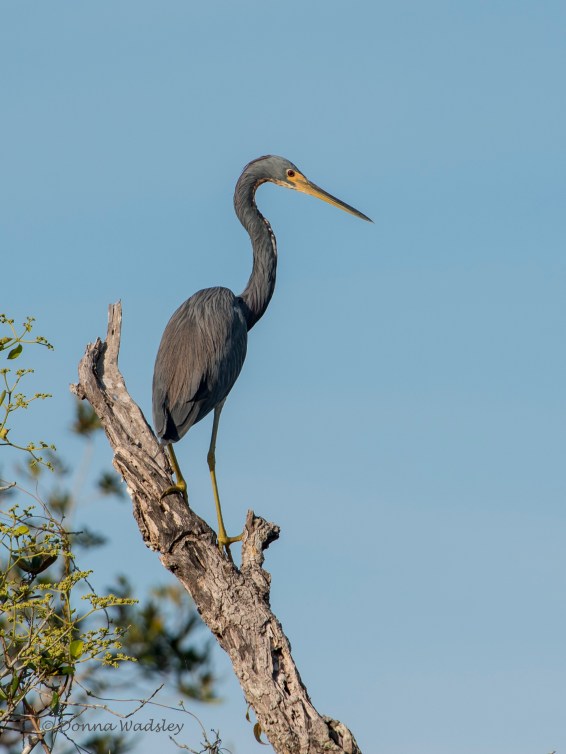
On Top of the World
.
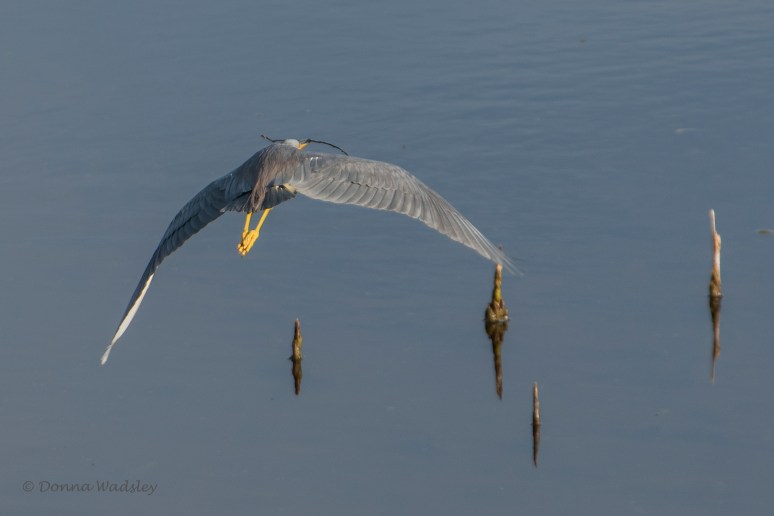
Heading Home With A Gift, I Hope She Likes It
.
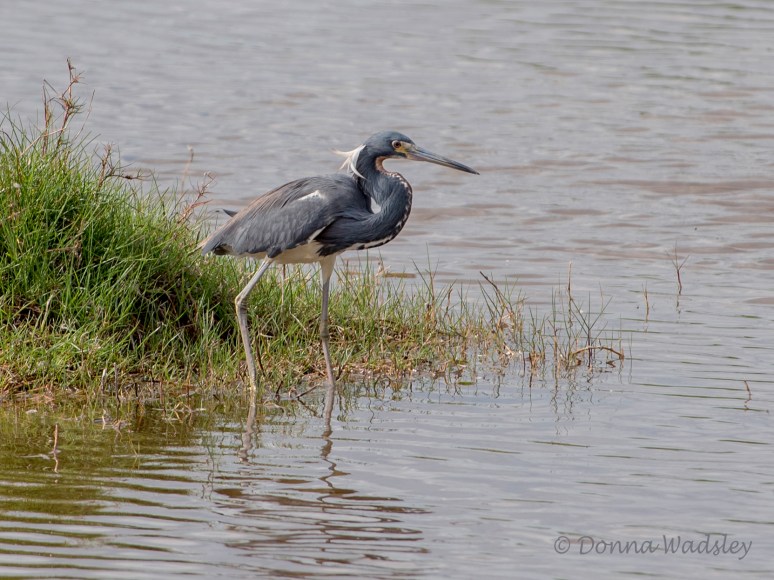
Fishing on a Cloudy Day
.

Morning Reflection
.

All Tucked In
.
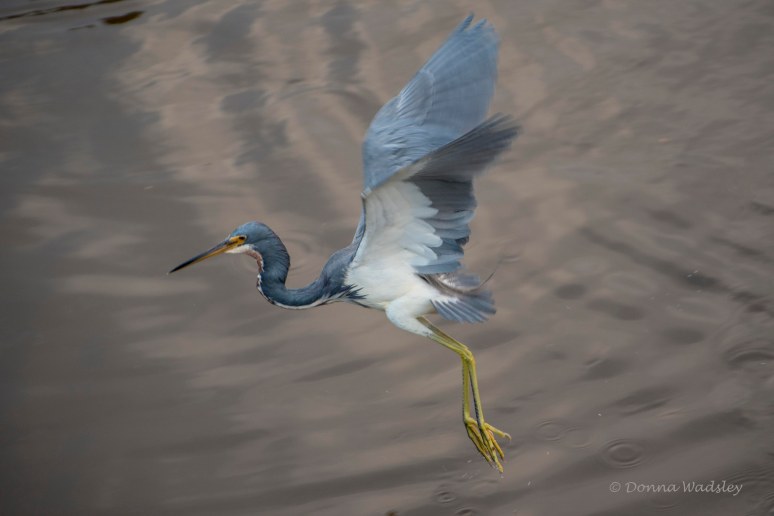
Water Ballet I
.
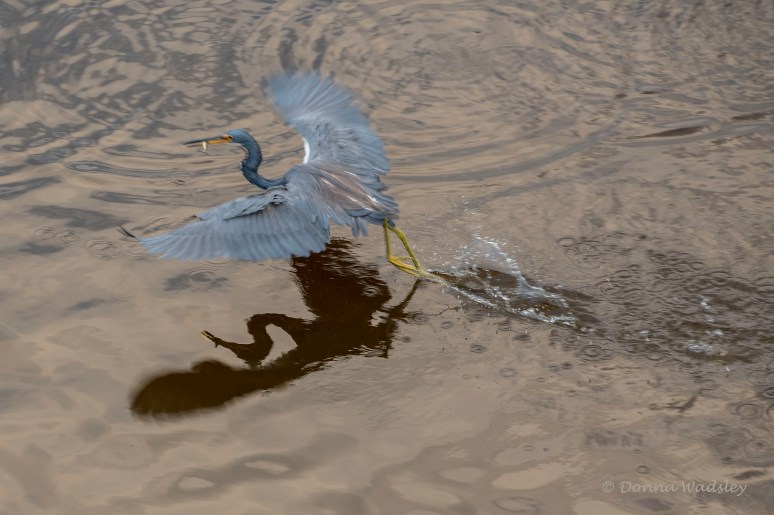
Water Ballet II
.
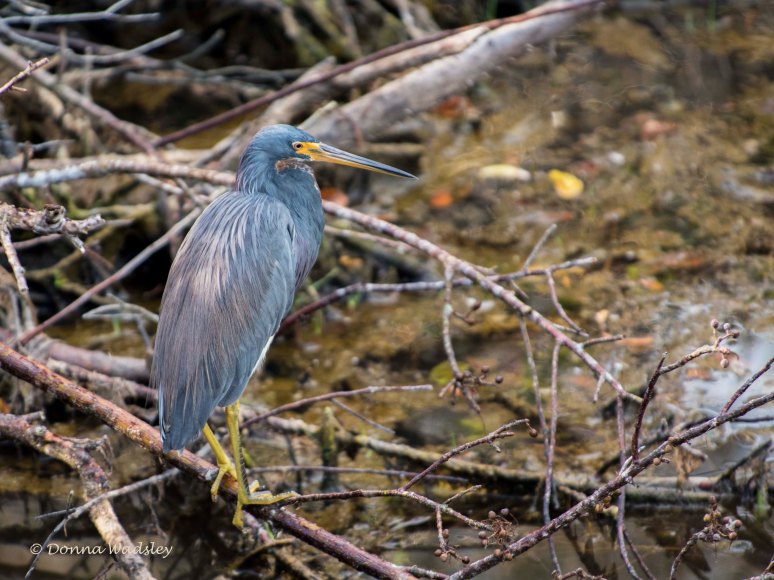
Chillin’ in the Mangroves
.
.

 Bay Photos by Donna