Blue-footed Double-crested Cormorant
This next bird became an interesting find, a Double-crested Cormorant with turquoise blue feet that matched its eyes! Its webbed feet should be black.
I shared this one to an eBird Maryland cohort, and they’d never seen/heard this before. It was suggested the change of the feet color is from its past diet.
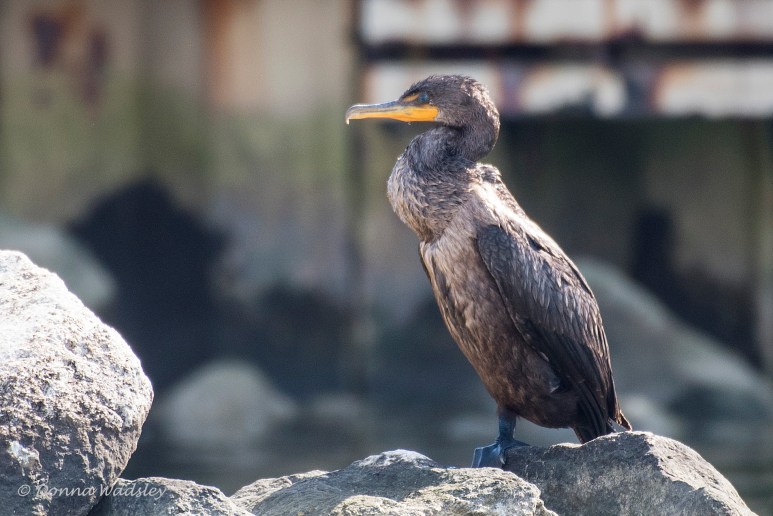
Double-crested Cormorant with turquoise blue feet
Has anyone ever seen a blue-footed cormorant before? This curious mind wants to know! 🙂
Woodpecker Wednesday
My surrounding habitat of woods and marsh contain lots of dead snags that treat me to a lot of woodpeckers. Maryland has seven species of woodpeckers, and I have them all!
Here’s a photo of each one, starting with the largest and going down in their size to the smallest.

#1 – Pileated Woodpecker (female)
Length: 15.8-19.3 in
Weight: 8.8-12.3 oz
Wingspan: 26.0-29.5 in

#2 – Northern Flicker (female yellow-shafted)
Length: 11.0-12.2 in
Weight: 3.9-5.6 oz
Wingspan: 16.5-20.1 in
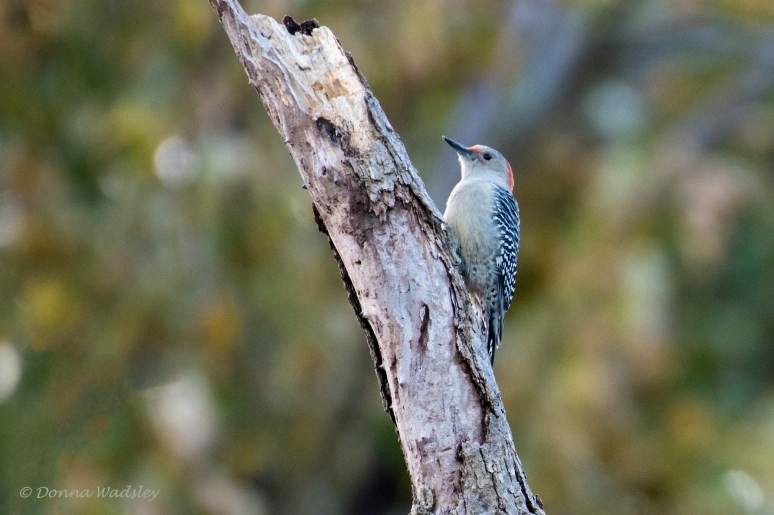
#3 – Red-bellied Woodpecker (female)
Length: 9.4 in
Weight: 2.0-3.2 oz
Wingspan: 13.0-16.5 in

#4 – Red-headed Woodpecker
(the only one of the seven where the male and female look identical)
Length: 7.5-9.1 in
Weight: 2.0-3.2 oz
Wingspan: 16.5 in
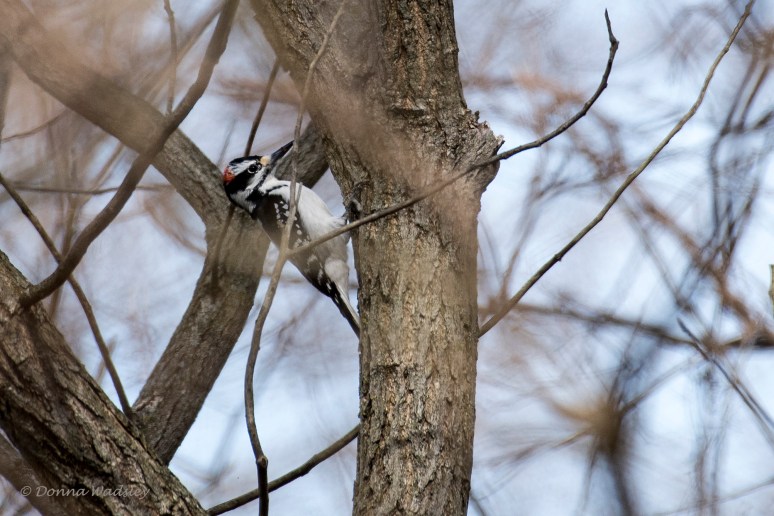
#5 – Hairy Woodpecker (male)
Length: 7.1-10.2 in
Weight: 1.4-3.4 oz
Wingspan: 13.0-16.1 in
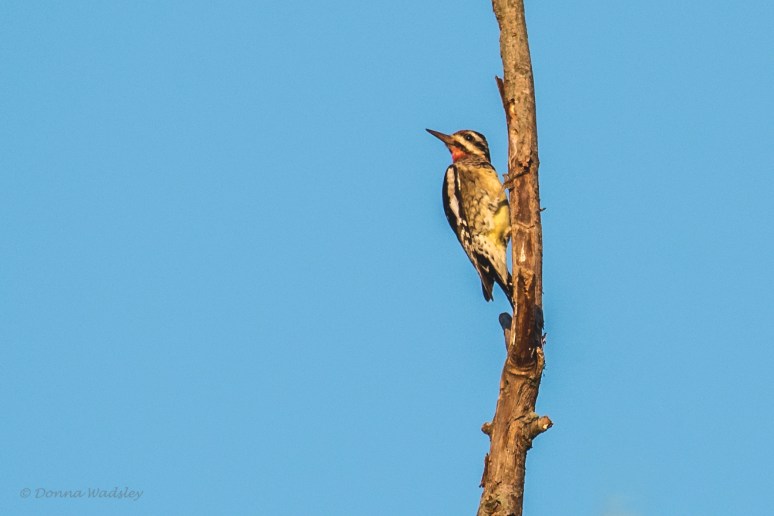
#6 – Yellow-bellied Sapsucker (male)
Length: 7.1-8.7 in
Weight: 1.5-1.9 oz
Wingspan: 13.4-15.8 in

#7 – Downy Woodpecker (male)
Length: 5.5-6.7 in
Weight: 0.7-1.0 oz
Wingspan: 9.8-11.8 in
As of this past week, I am still seeing all of them except the Red-headed and Hairy Woodpeckers, so there’s a good chance of more Wednesday Woodpecker posts. 🙂
More Cedar Waxwings
While my last post of Cedar Waxwings went live yesterday morning, I was out photographing three of them again in my backyard. I cannot hold these shots for a post down the line, so here we go!

Cedar Waxwing


“Gulp!”
Cedar Waxwings
I have a new passion for Cedar Waxwings. Before the last few months, I’d only seen a small flock of a dozen or so at most, not often either.
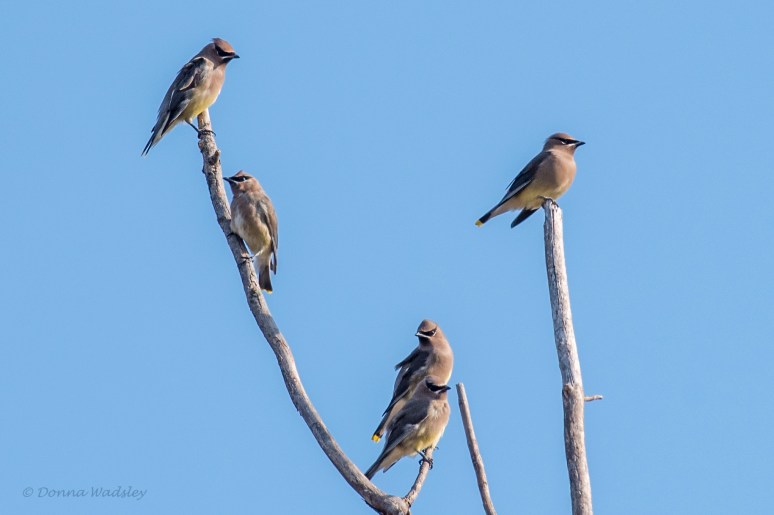
Cedar Waxwings
I’ve now become accustomed to seeing them daily, early in the morning from my yard, so love it!
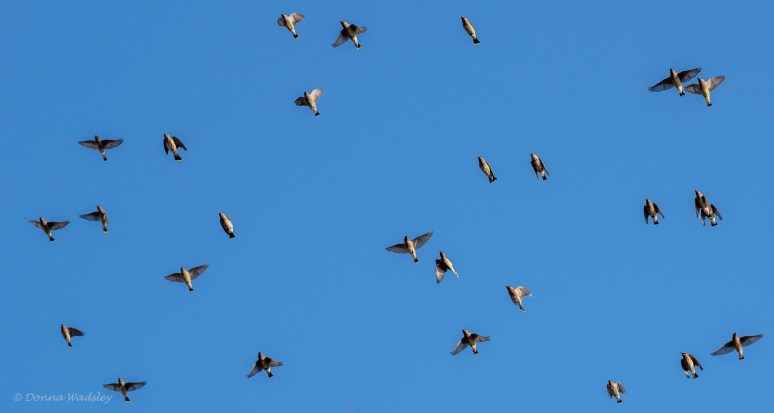
Cedar Waxwings
Past couple weeks, they’ve been traveling in larger flocks as they do in the fall/winter months.
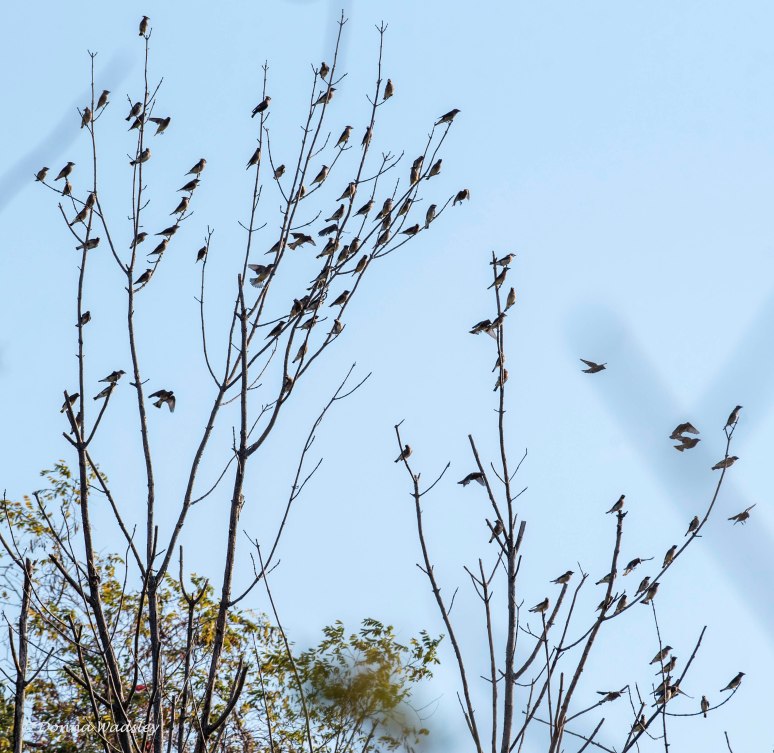
Flock of Cedar Waxwings
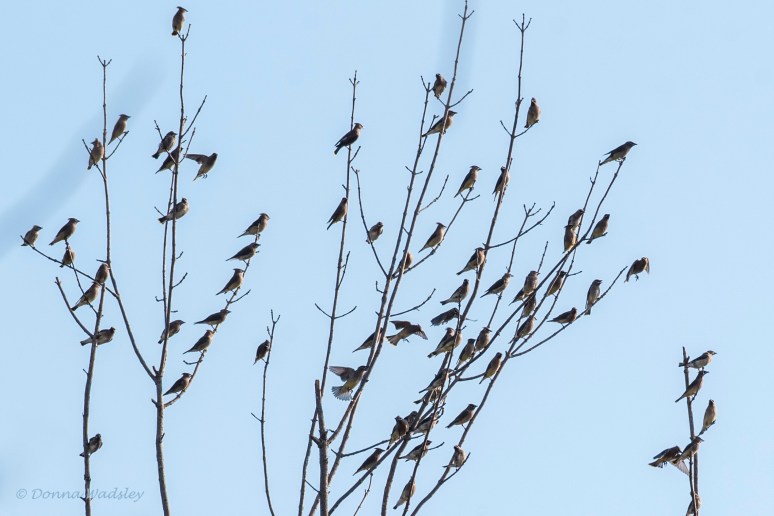
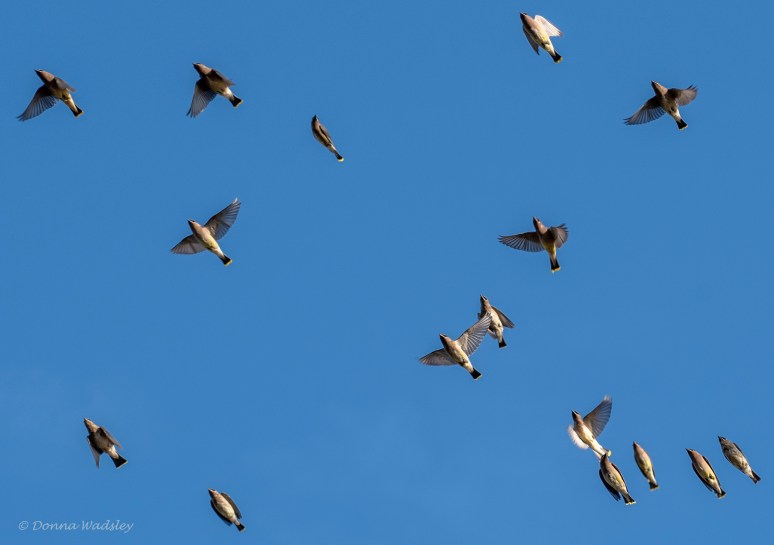
The Cedar Waxwing’s tail tip is a bright yellow. It’s possible to see some with orange/red tail tips. This occurs from the bird’s diet. They love honeysuckle berries, and it’s been found that the imported invasive Morrow’s Honeysuckle’s berries contains red as well as the normal yellow honeysuckle pigment. If a Cedar Waxwing happens to eat enough of Morrow’s Honeysuckle berries at the time of feather formation (they molt between August and January), its tail feathers will have orange/red tips instead of the usual yellow.
I ‘ve seen orange/red tail tipped Cedar Waxwings. Next, is a not-so-great shot of two Cedar Waxwings showing the tips of their tail orange/red.
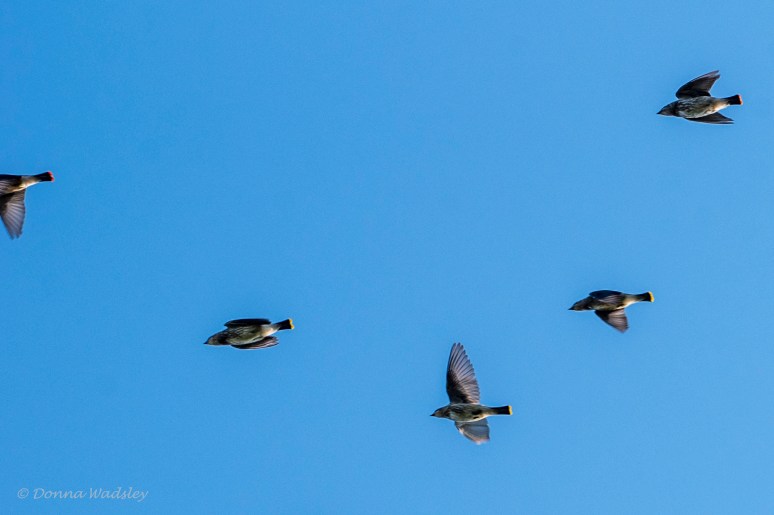
Cedar Waxwings (top left, top right) have orange/red tail tips
One more photo of these gorgeous birds….
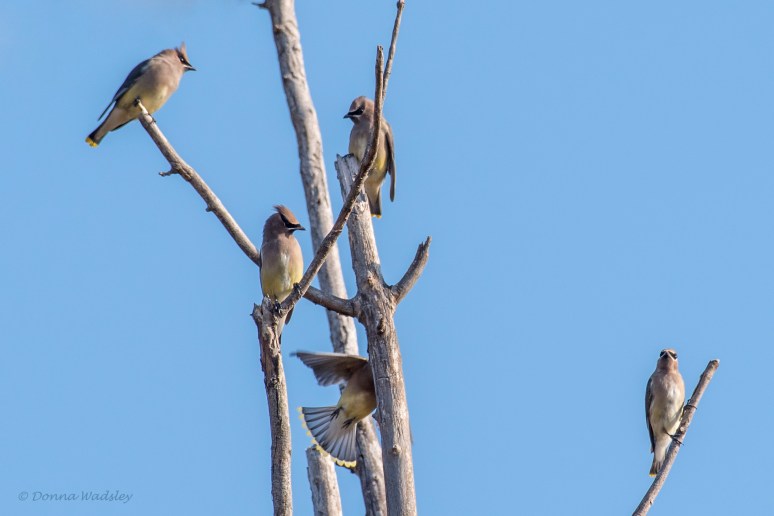
Cedar Waxwings
Eagle Fly-By
A Bald Eagle swooped down to the water to snatch a fish in front of our boat and then another appeared to try to take it unsuccessfully.
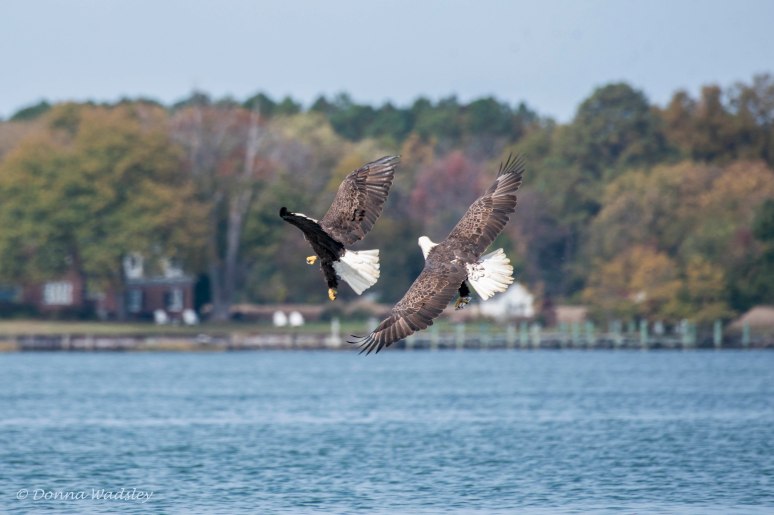
Bald Eagle Tango
They quickly split up, and the Eagle with it’s catch turned and did a fly-by directly in front of us.
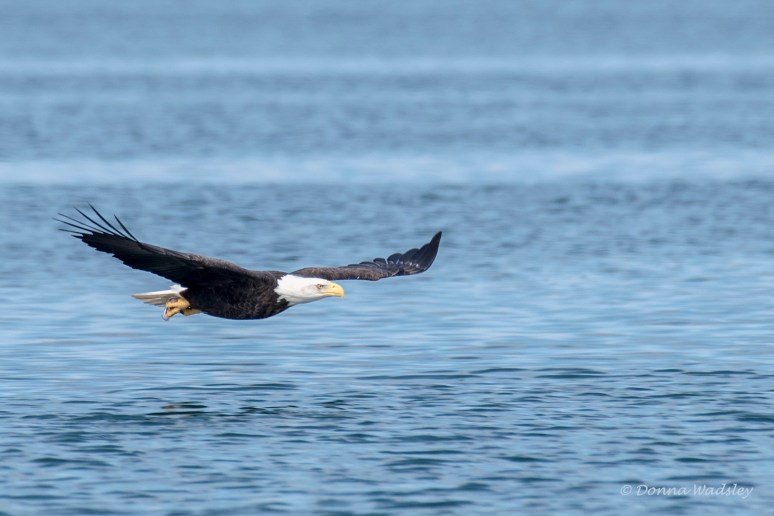
Bald Eagle
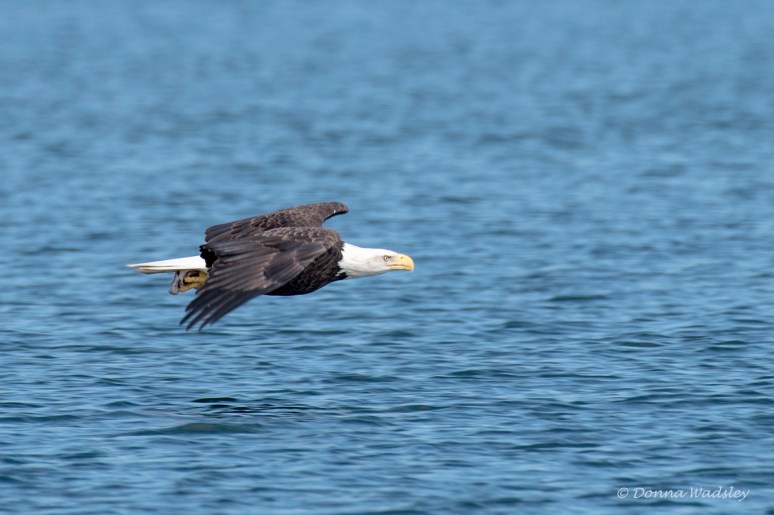
My direction is given the eye in the next couple shots.
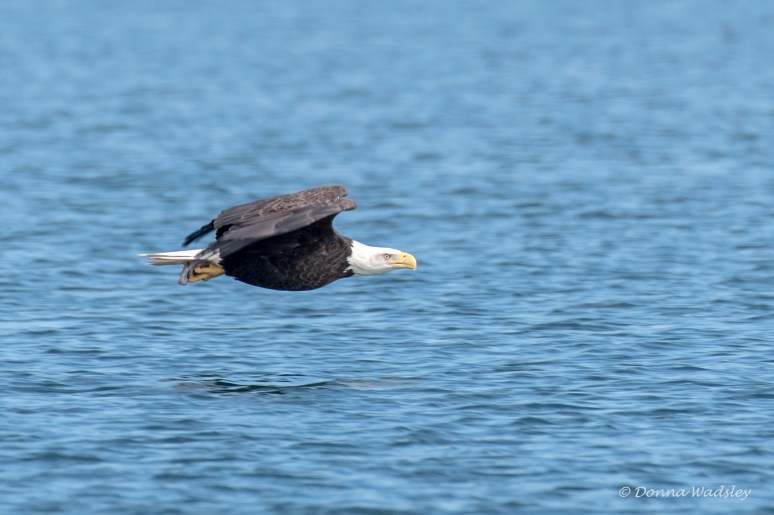
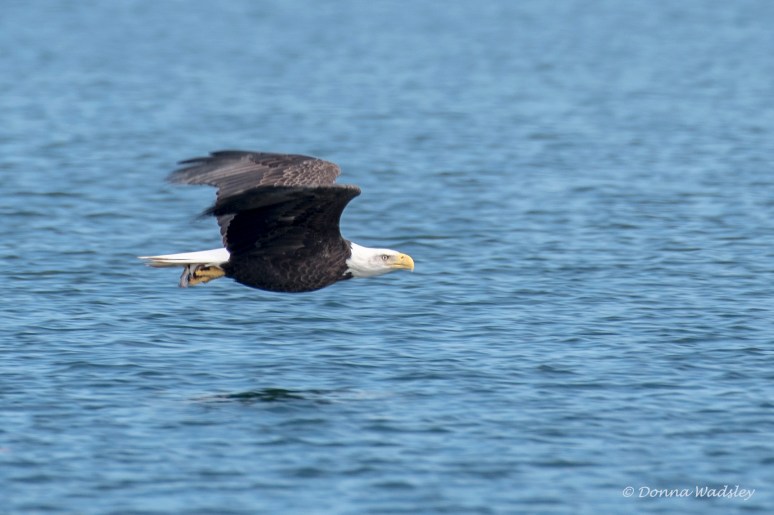
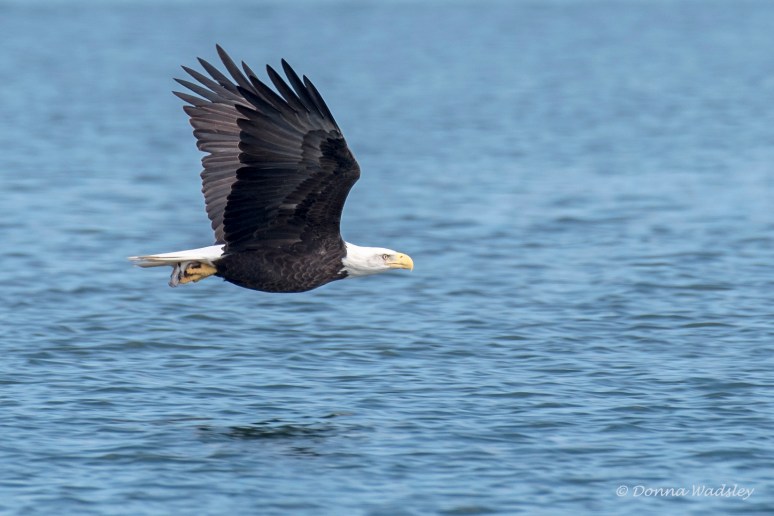
And off to a nearby tree to eat that catch!
Chesapeake Bay Sunset
One of my recent sunsets, this one overlooking the Chesapeake Bay from Lowes Wharf.

Remember….
“When your world moves too fast and you lose yourself in the chaos, introduce yourself to each color of the sunset.” – Christy Ann Martine
Green Heron Running A Little Late In Migration
Last week, a very cooperative Green Heron flushed out and flew over to a piling two down from ours at the marina as I was sitting on our boat.

Green Heron
This one is running a little late on its migration south, so a very cool autumn sighting.
I shifted my location to include a boat’s sail in the background for this next shot.
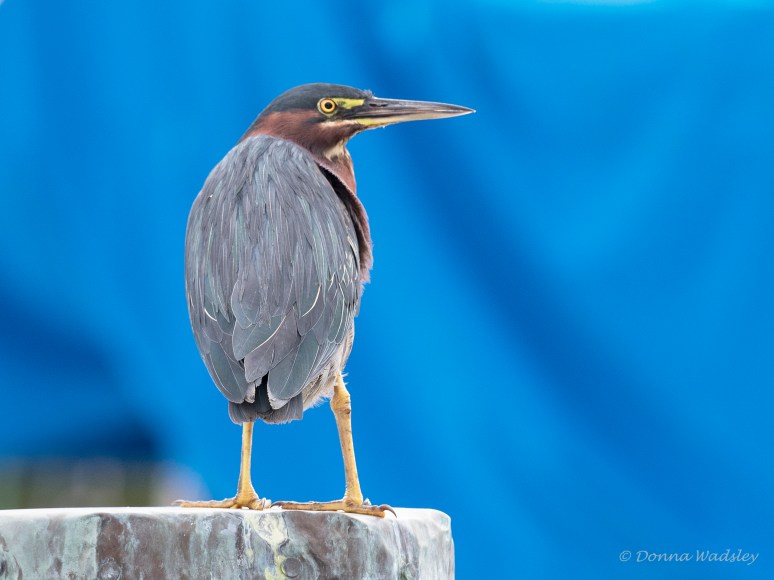
Green Heron

Green Heron
To all my southern birding buddies, he/she’s on the way to ya!
The Birds and I Are Back
Hello! It’s been way too long, and I apologize for disappearing. Once things began rolling, I quickly had no time for anything hobby. We were suddenly buying a new home and moving further south on the eastern shore of Maryland, just outside St. Michaels (“the town that fooled the British”).
Moved in 2 1/2 months now, and I’m still unpacking and setting up. But I say that with a smile, as life is indeed grand, we couldn’t be happier!
Our 3+ acres backs up to a marsh that’s fed from Harris Creek/Choptank River, plus there’s a small farm to our one side. Birds? Oh yea!!


My little birding paradise has shared 120 species so far with me. Not only do I have a wonderful variety of year-round birds, fall migration has been fabulous! Here’s just a few….. 😉

Carolina Wren

Black-and-White Warbler

Brown Thrasher

Great Crested Flycatcher

Carolina Chickadee

Great Egret

White-throated Sparrow

Eastern Towhee

Blue Jay

Ruby-throated Hummingbird in my garage!

Summer Tanager

Osprey

Cedar Waxwing

Blue Grosbeak

Red-eyed Vireo

Winter Wren

Yellow-rumped Warbler

Eastern Bluebird

Great Blue Heron

Eastern Wood Pewee
My lifer bird count has increased as well, I am now at 307 species with 279 of those being photographed. I’ll share my last two. 🙂
First, a warbler making it’s way south from our northern states and Canada that just happened to pass through my backyard, how awesome!

Chestnut-sided Warbler – Lifer #306
Just a couple days ago I received a text on a rare sighting of a LeConte’s Sparrow that was pretty far east of it’s normal mid-West migration path. I arrived to find two others also tipped. After 45 minutes of looking in the wind, the gorgeous sparrow finally popped out and gave us a very cooperative five-minute shoot before disappearing again down in the brush. It was very exciting to us all!
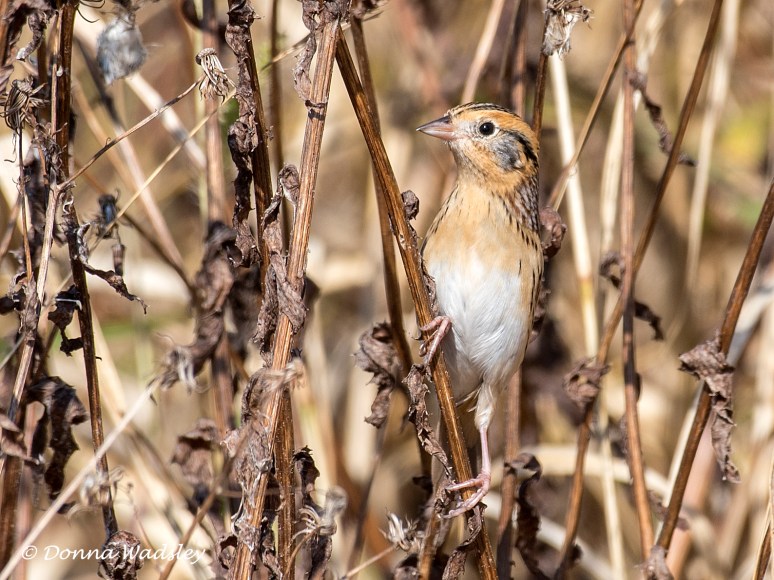
LeConte’s Sparrow – Lifer #307

LeConte’s Sparrow
I’ll share one final exciting bird before ending. Another rare one for our area that surprised everyone in Maryland, a Roseate Spoonbill! This beauty showed up on Poplar Island in the Chesapeake Bay. Right after we moved in, I luckily scored a ticket for a free birding boat trip out to the island in hopes it would be there. As soon as the boat docked, we were informed the spoonbill was spotted so we hurried onto a bus. As soon as we pulled up, it took flight but it was grand to even get to see this gorgeous bird….in Maryland!

Roseate Spoonbill, Poplar Island, Maryland
We’re back!
Great Blue Heron Coming In For A Landing
Welcome to Chesapeake Farms’ Neff Ponds airport…..
GBH: “Air Traffic Controller, this is GBH 01 doing a fly-by. Am I clear to land?”
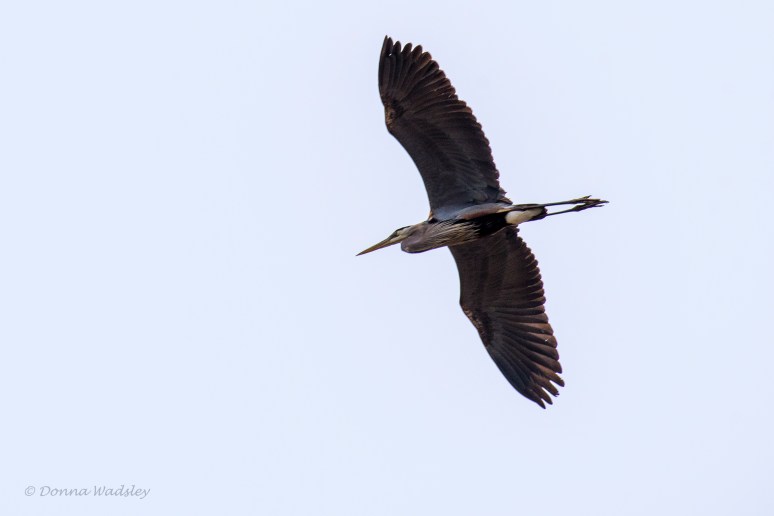
Air Traffic Controller: “10-4, GBH 01, you are clear to land. Note the slight wind at 10 mph.”
GBH: “10-4, Air Traffic Controller, will circle back around. Wing gear being set for wind control.”
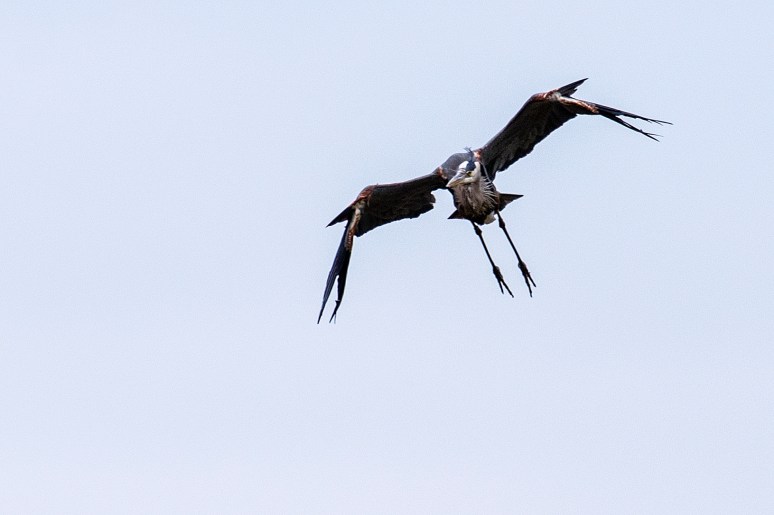


“Ta-Da”
Great Blue Herons
I’ve seen a lot of Great Blue Herons recently and can’t help myself in capturing them if I’m able to. They do make it easy if you don’t spook them!

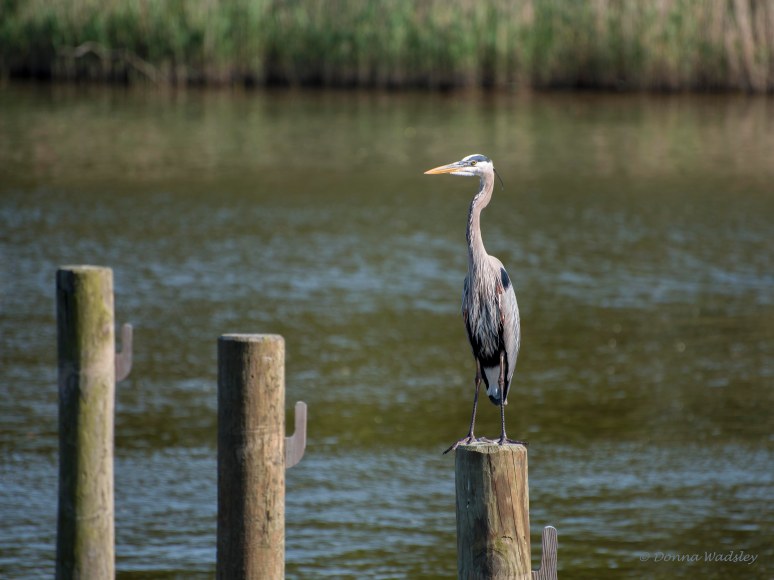
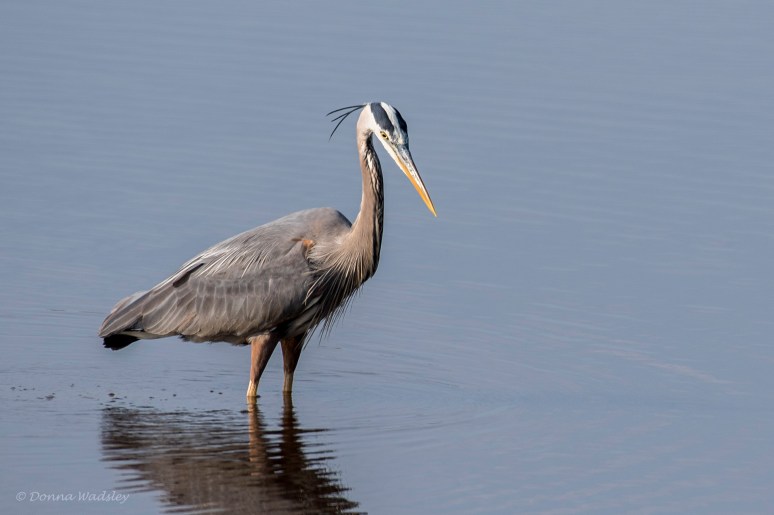
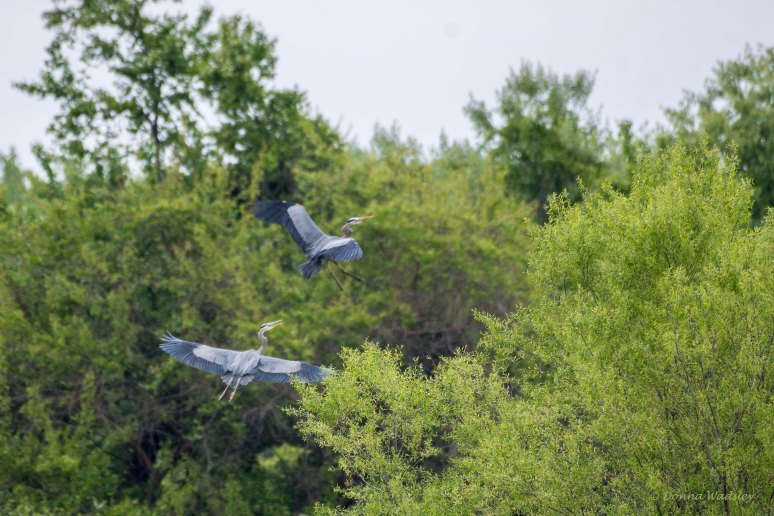


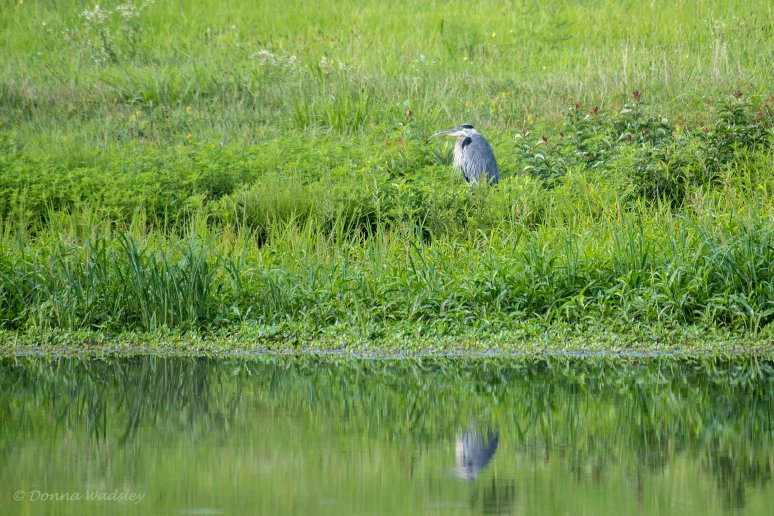

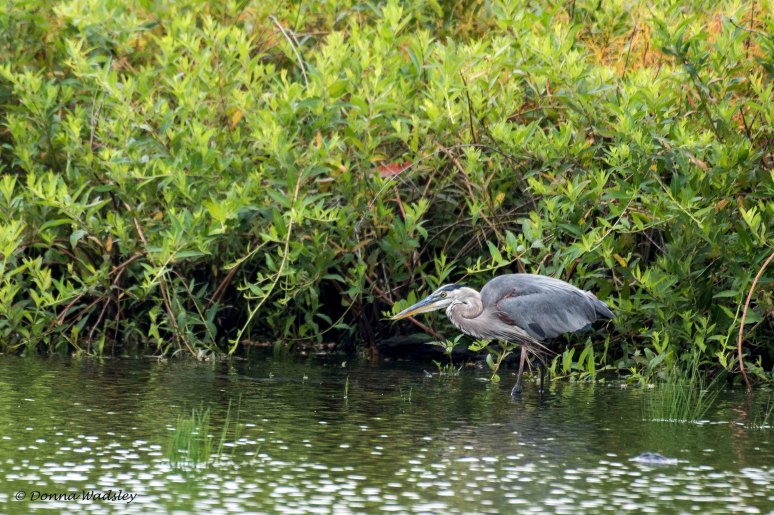
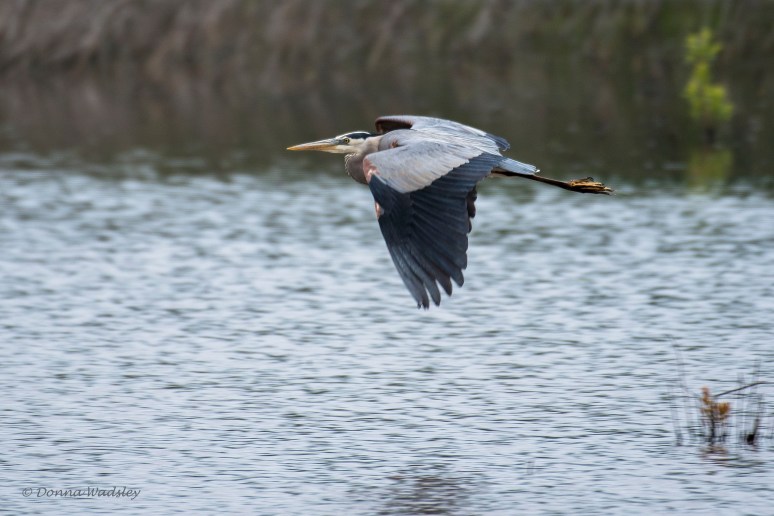

Did I mention I’d seen a lot?!! 😉