
Red-shouldered Hawk
.
I’ve seen this Red-shouldered Hawk almost daily from our camp site, either flying by or diving down and then gone. A few days ago when it landed in a tree along the river boardwalk very near me, my camera and I went for a walk.
.

Red-shouldered Hawk
.
The hawk would look at me on occasion but was more focused on the ground below.
At one point, the hawk began lifting its head up and down, with long neck stretches, regurgitating and then expelling a small pellet fragment.
.
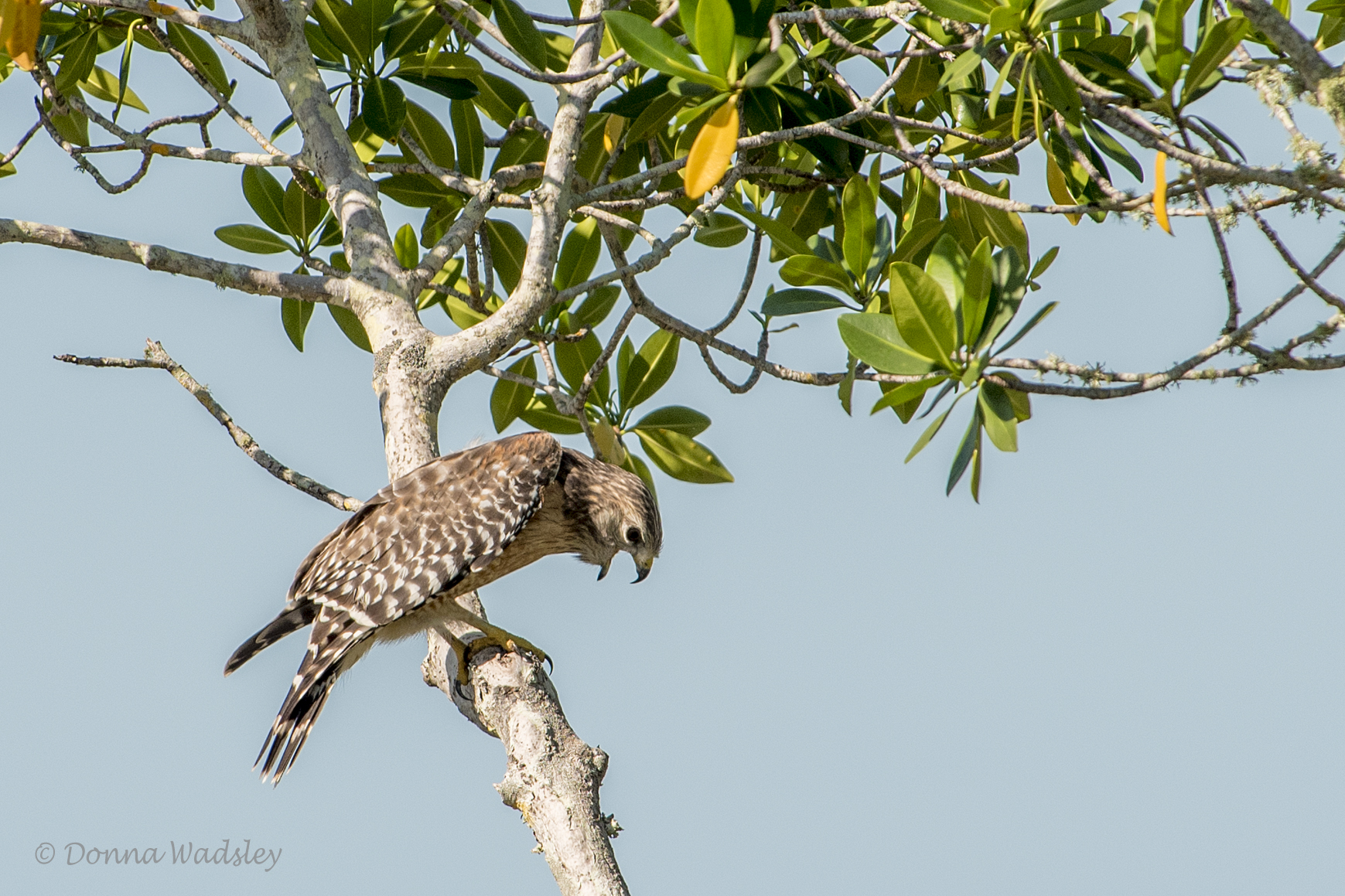
Red-shouldered Hawk regurgitating
.

Out pops the ‘pellet’
.

A lot of work for such a little one
.
Owls are not the only birds that expel pellets/meal fragments from their digestive system. Raptors also do this. For the larger birds, sometimes the pellet can be quite large.
The Red-shouldered Hawk went back to its watch on the ground below. I could tell something had caught its eye.
Suddenly it dove to the mangroves below and flew back up to another tree. I got lucky with a flight shot!
.

Red-shouldered Hawk
.
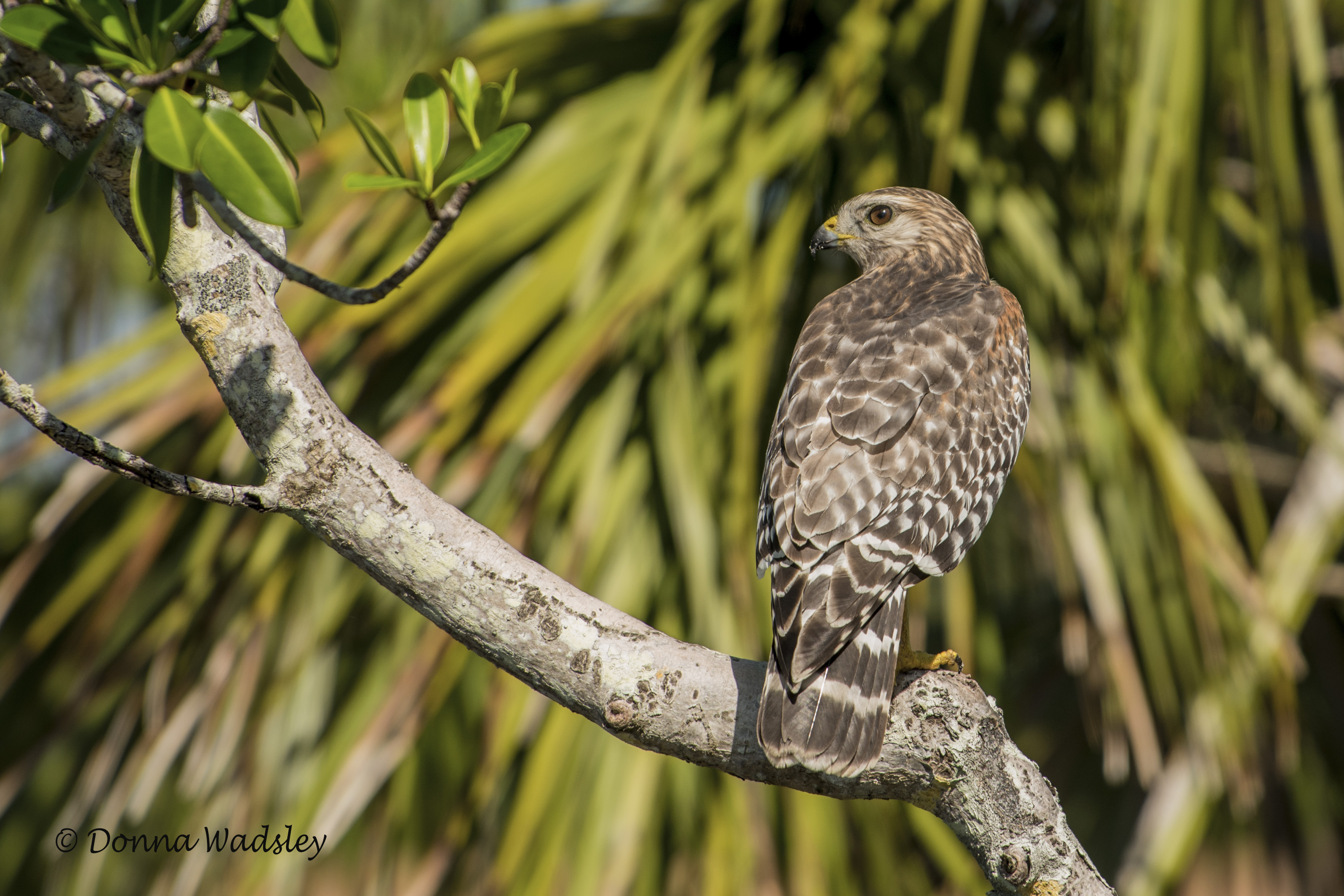
Red-shouldered Hawk with his meal
.
I could tell through my lens the hawk had caught a lizard. But s/he was more concerned with me, so I left it to its meal. I did not want to spook the hawk to take flight, and jeopardize it not continuing its daily return.
And guess what, I saw it yesterday, sitting on the boardwalk railing, eating another meal. 😊
.
Series: Take A Moment and Enjoy A Sunset
.
Here are three photos of a dramatic sunset from a couple weeks ago. Enjoy!
.

Sunset over Myakka River
.
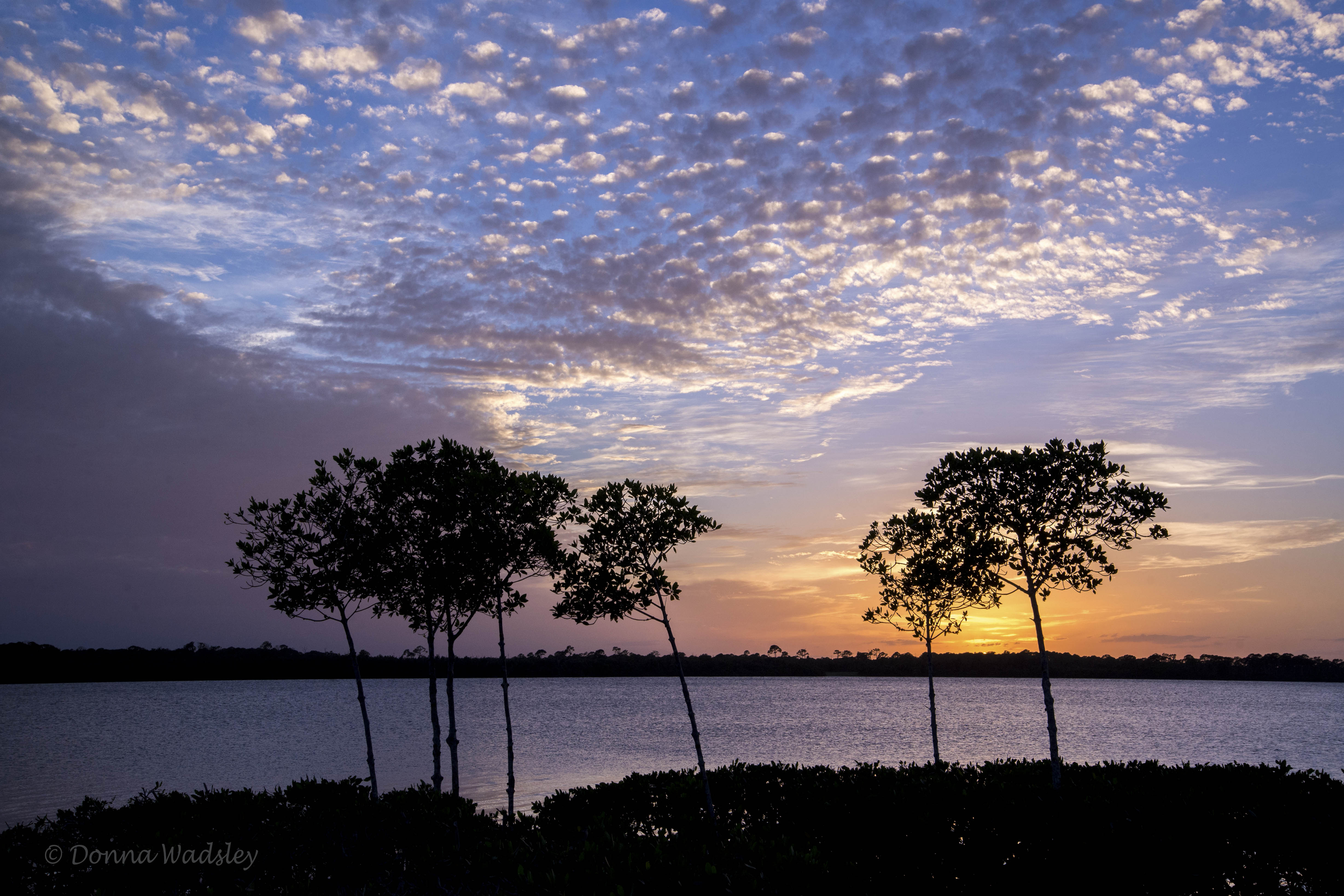
Sunset over Myakka River
.

Sunset over Myakka River
.
.
Snowy Egret
.
Always pure and elegant looking, here is the showy Snowy Egret.
.
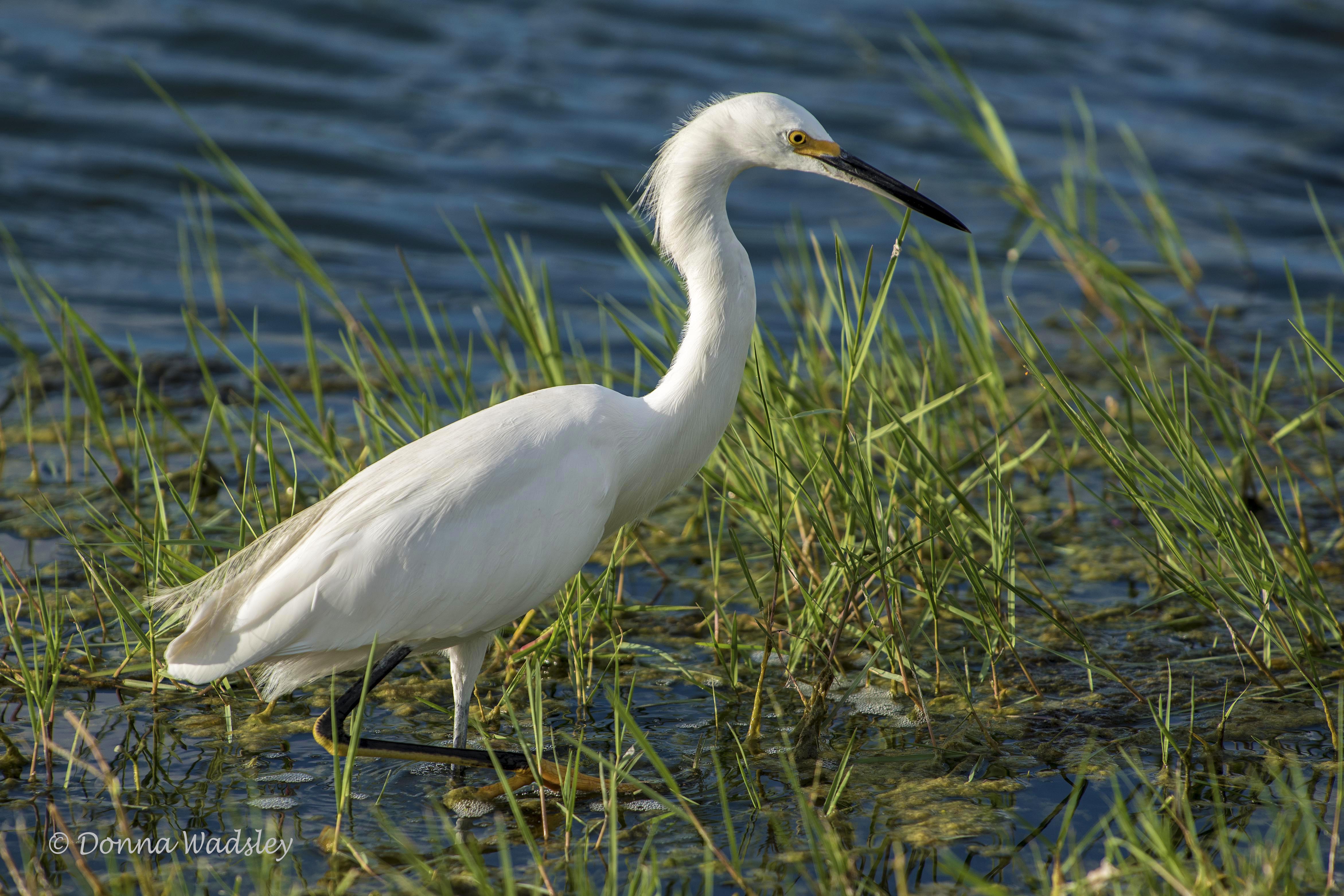
Snowy Egret foraging
.

Snowy Egret closeup
.

Snowy Egret in habitat
.
Don’t you just love those ‘golden slippers’?!!
.
Sandwich Terns
.
Trying to capture diving pelicans, a couple of terns kept entering the picture. So I photographed them too. Always good to practice!
At photo download, I got a few good photos of the terns. Looking a little closer to ID the tern species, I noticed their black beak had a yellow tip. That’s new to me, I thought.
Welcome to my bird lifer list #218 Sandwich Tern!
.
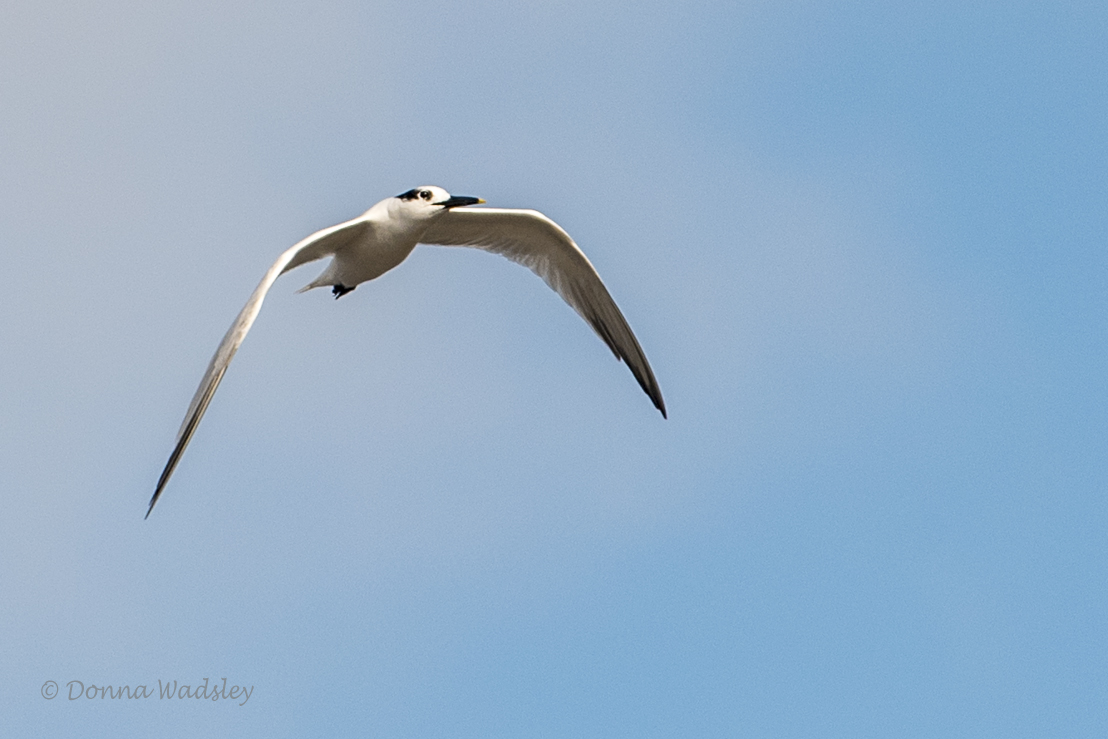
Sandwich Tern
.
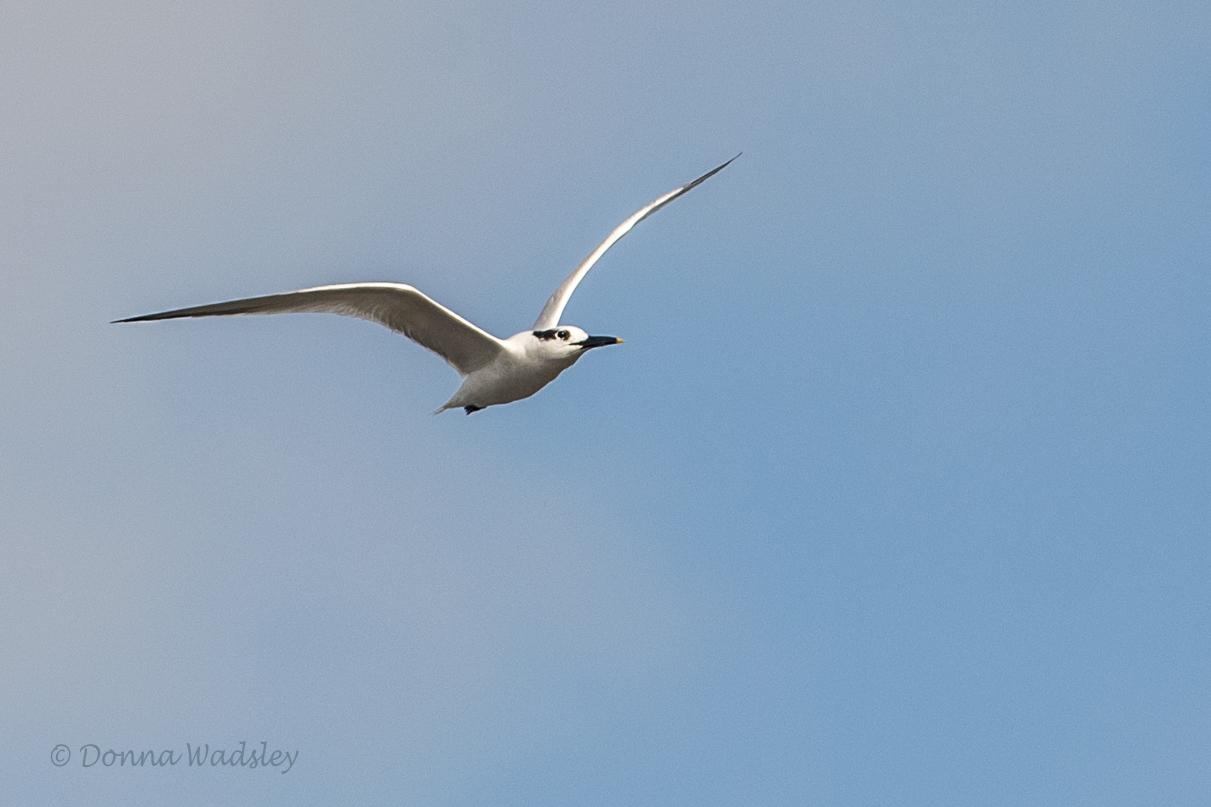
Sandwich Tern
.
Sandwich Terns live along the marine coasts of southeastern United States and the Caribbean.
.
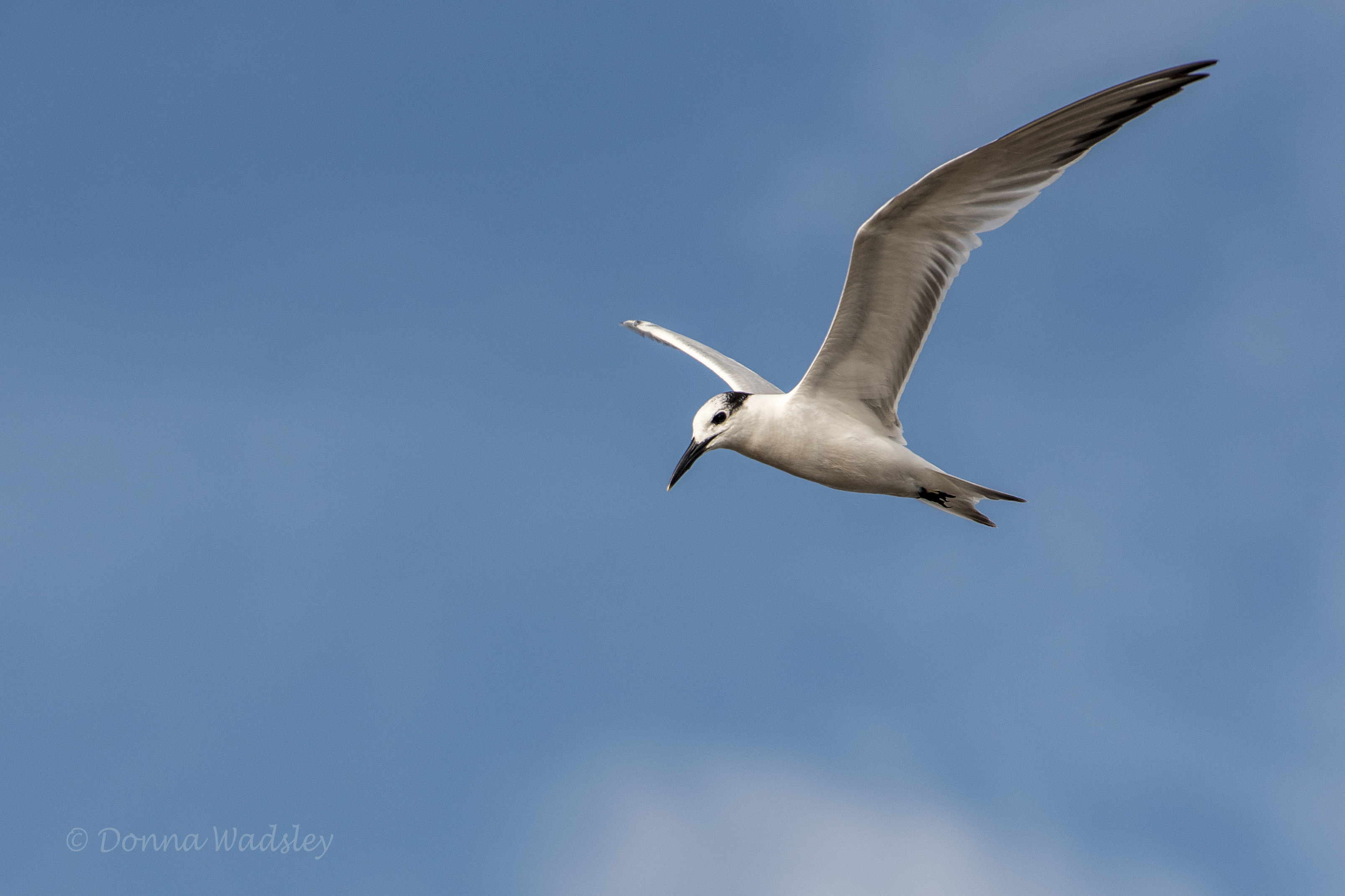
Sandwich Tern
.
You just never know when a new lifer will pop up! 😉
.
.
Wood Stork
.
I find a unique beauty to this unusual, prehistoric-looking bird, the Wood Stork.
.
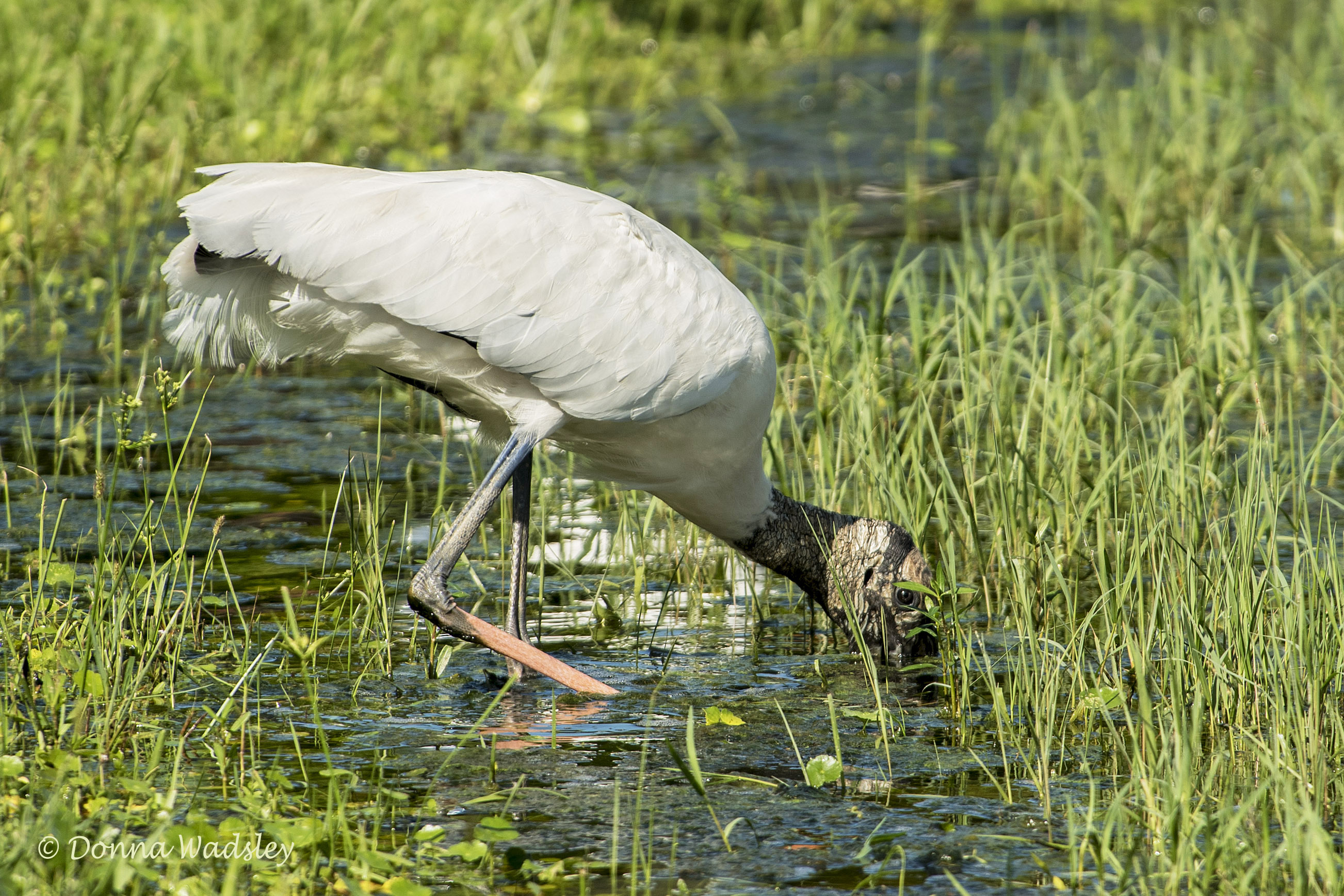
Wood Stork foraging
.
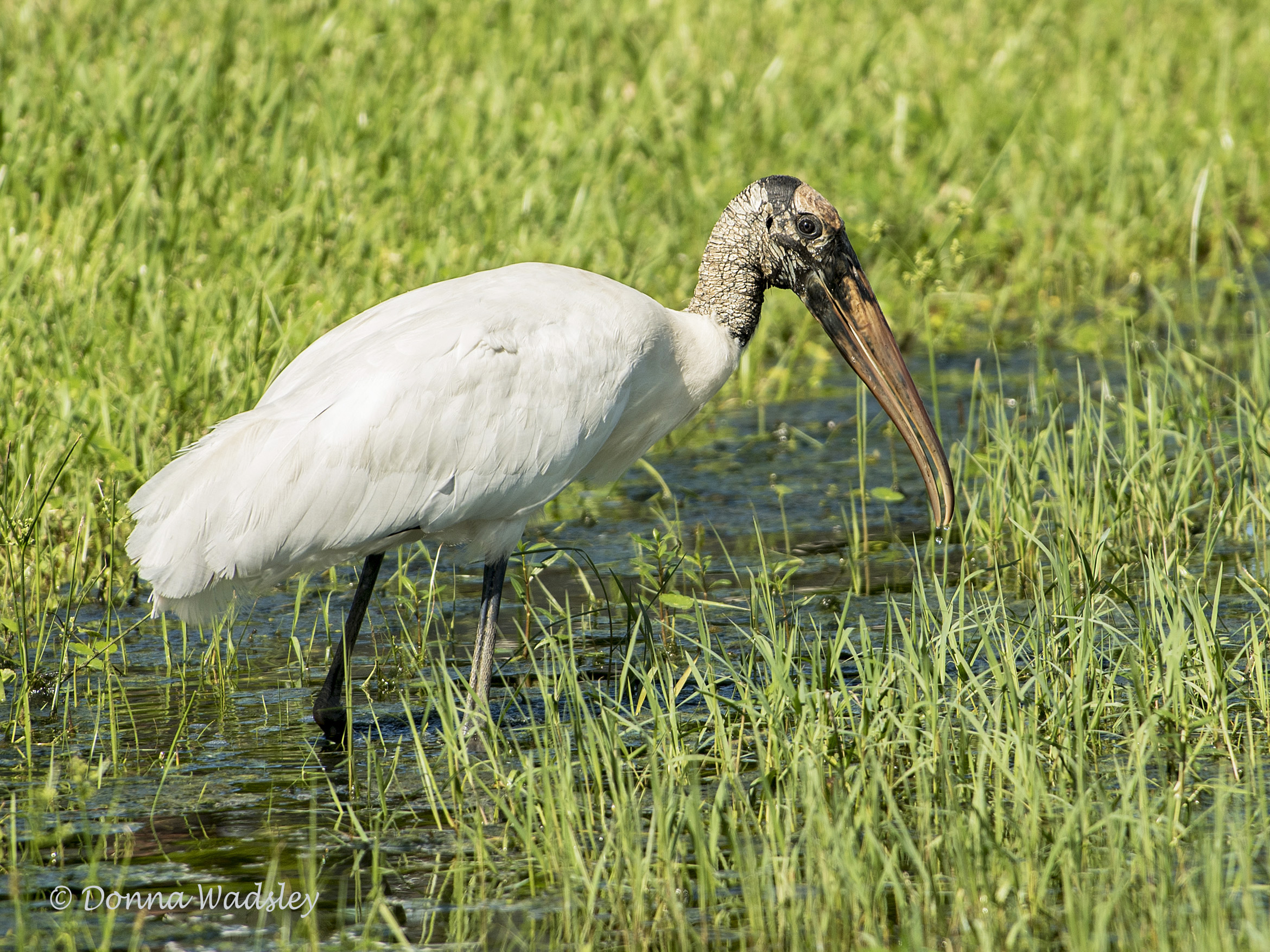
Wood Stork
.
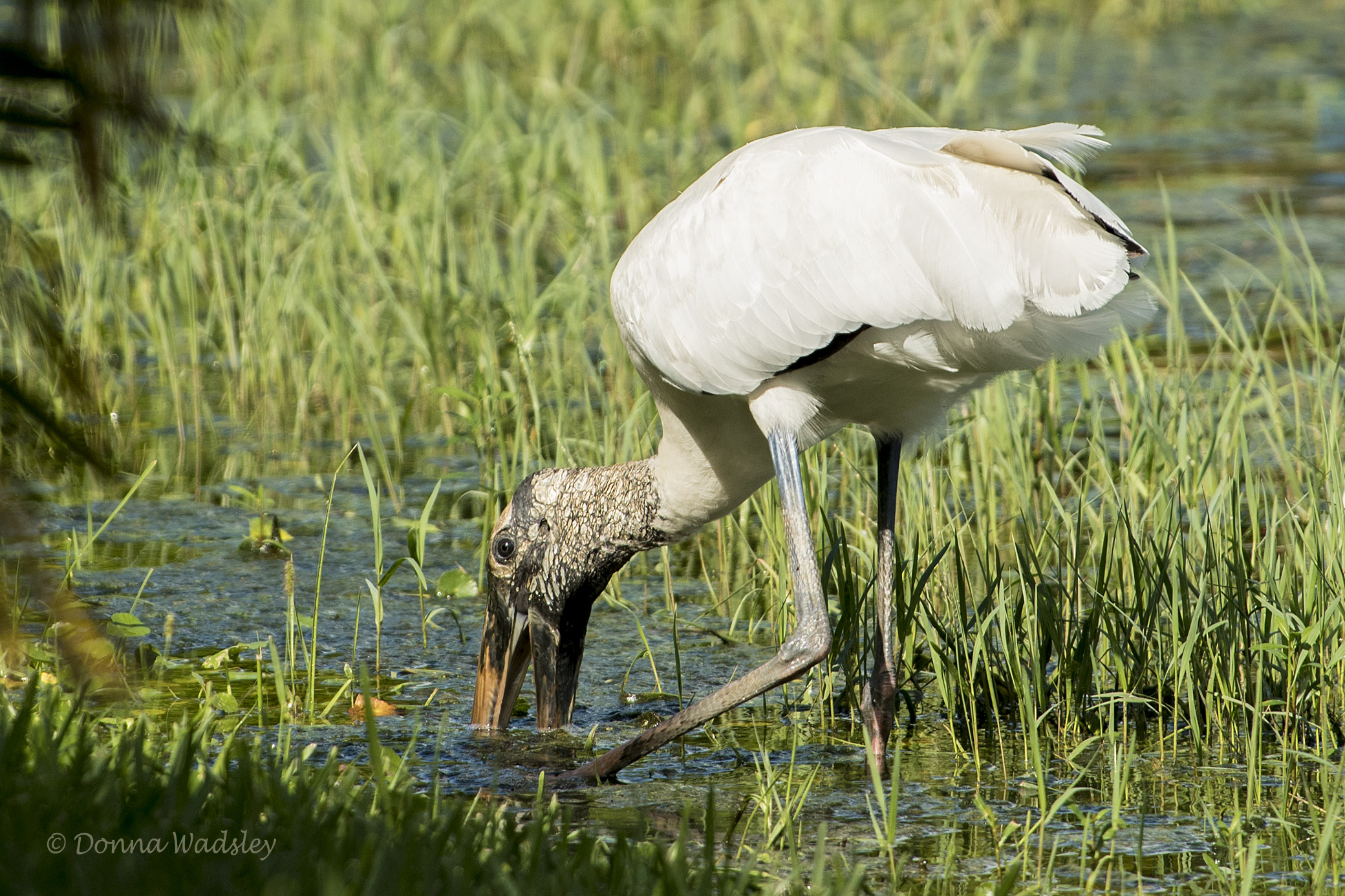
Wood Stork, foraging
.
Not sure what the commotion was in the water, but there was a sudden, quick take-off while foraging.
.
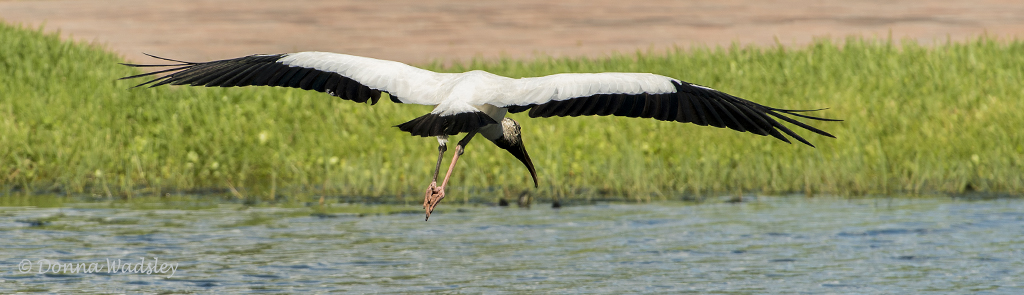
Wood Stork in flight
.
Maybe it was the alligator I had spotted here earlier, who seemed to be eyeing a Snowy Egret at that time.
.
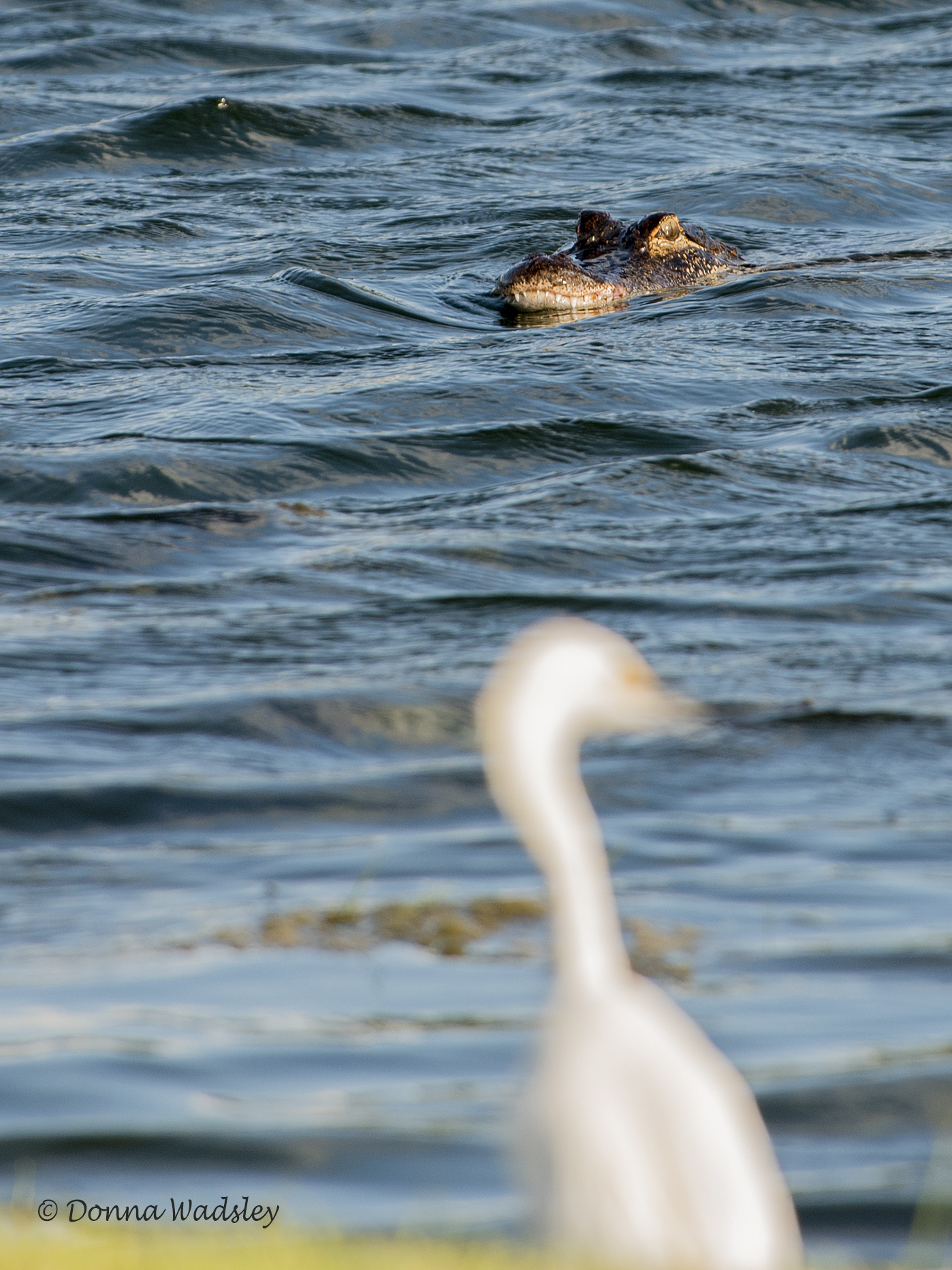
Toothy Alligator eyeing Snowy Egret
.
No worries for the little egret, I watched that scene play out, the Snowy walked away safely. 🙂
.
.
Twisting Beauty
.
Florida becomes a birder’s paradise as the migrations arrive to spend their winters here or pass through to go even further south. It’s been exciting the past couple weeks to see all the herons, egrets, storks, pelicans, and more!
I’m excited to share this series. It’s one of those shoots we dream of with bird photography….capturing one preening its feathers.
When I saw this stunning Tricolored Heron grooming at the top of a tree, my adrenaline started pumping. I quickly forgot what I was focused on, as it was all about the heron now.
.
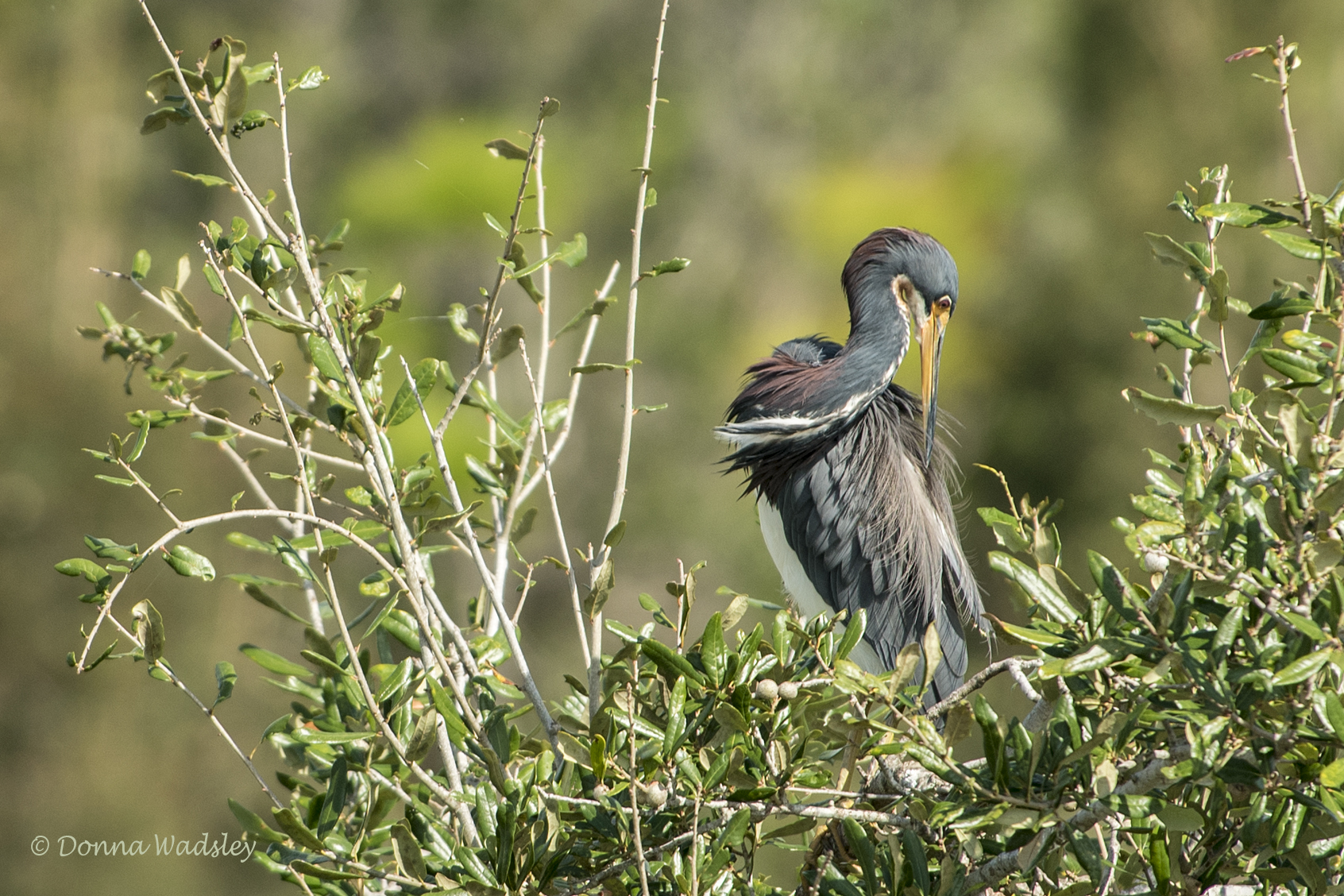
Tricolored Heron preening….
.
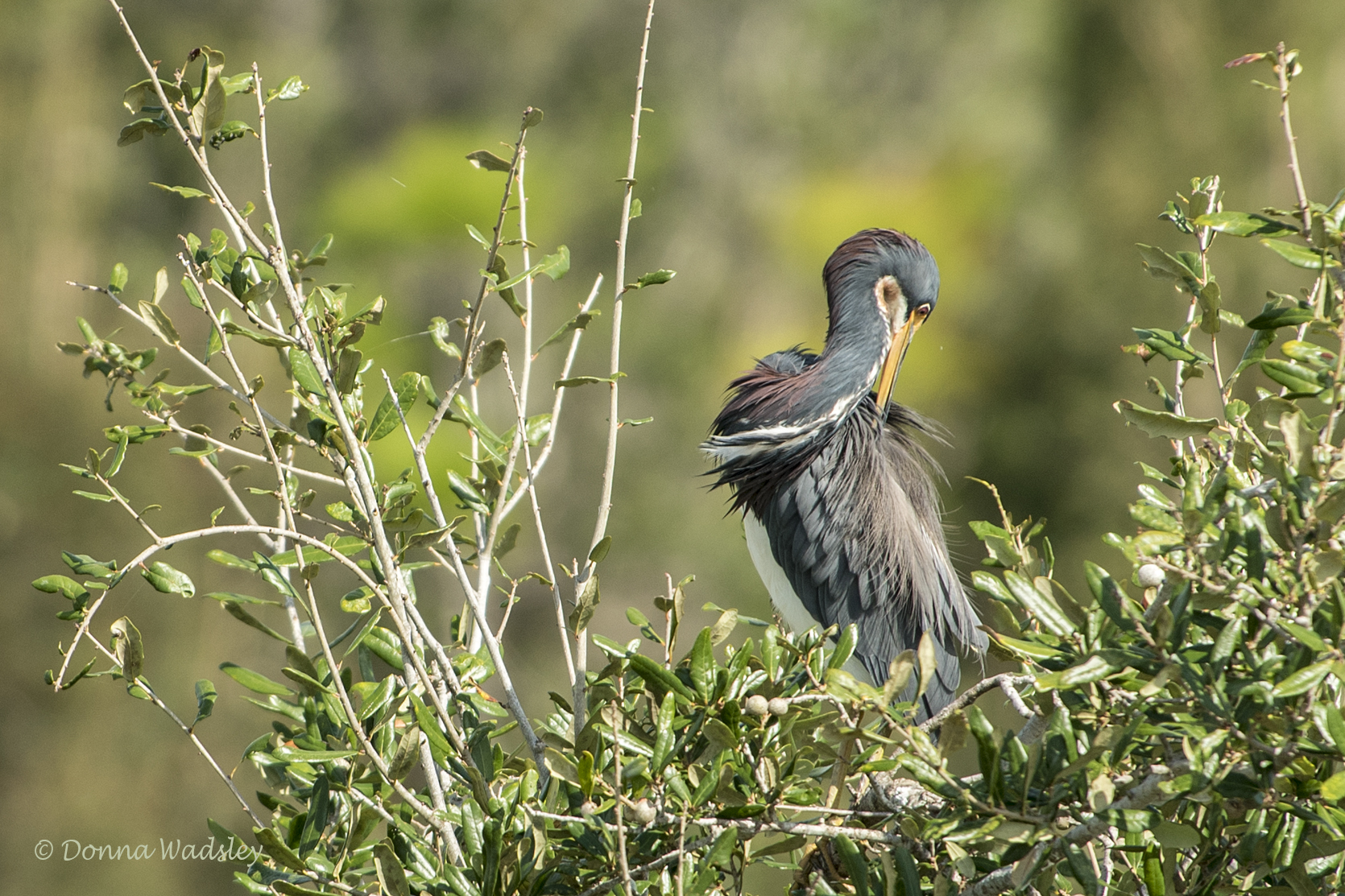
One feather at a time….
.
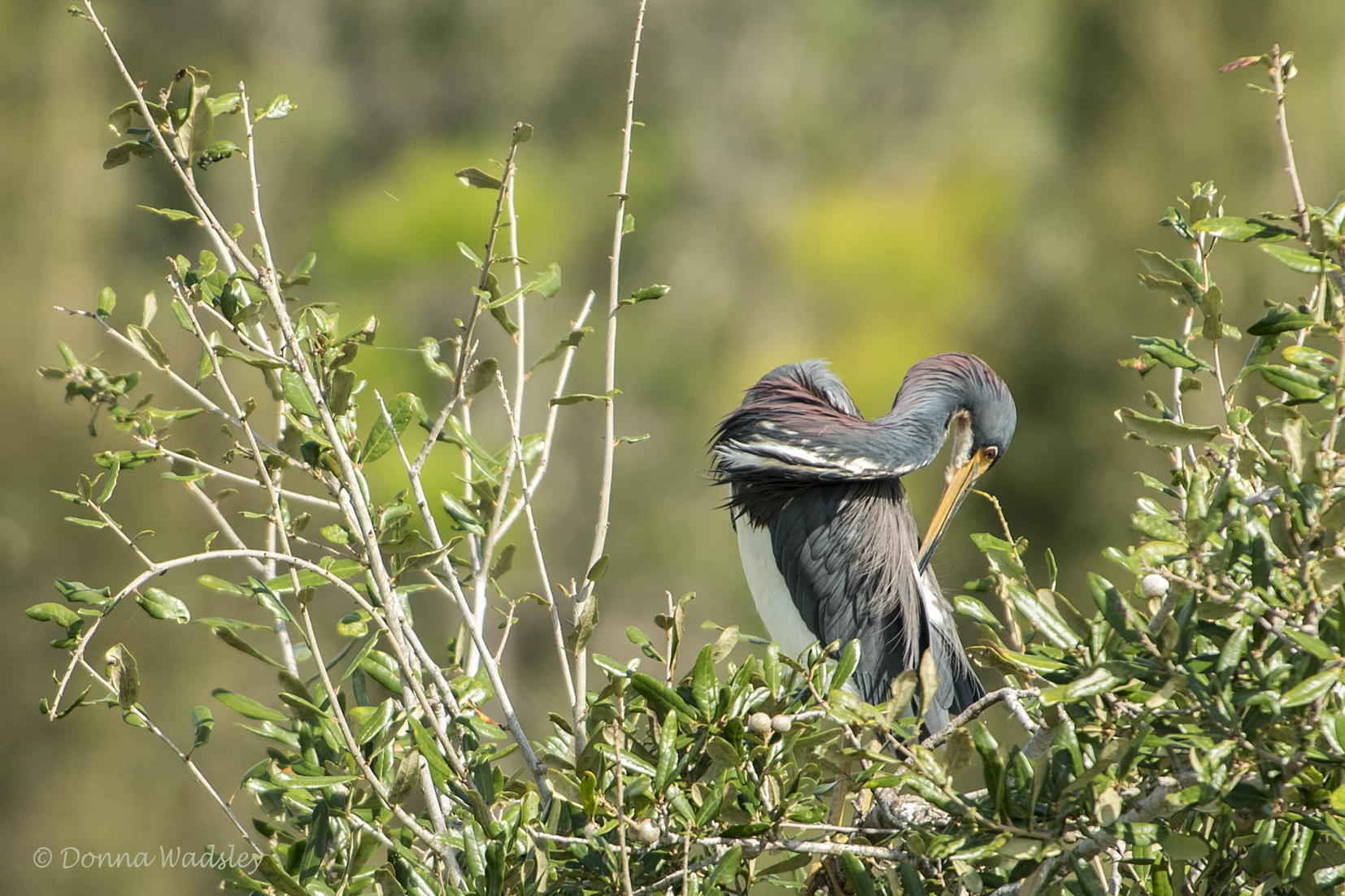
Each one to its full length….
.
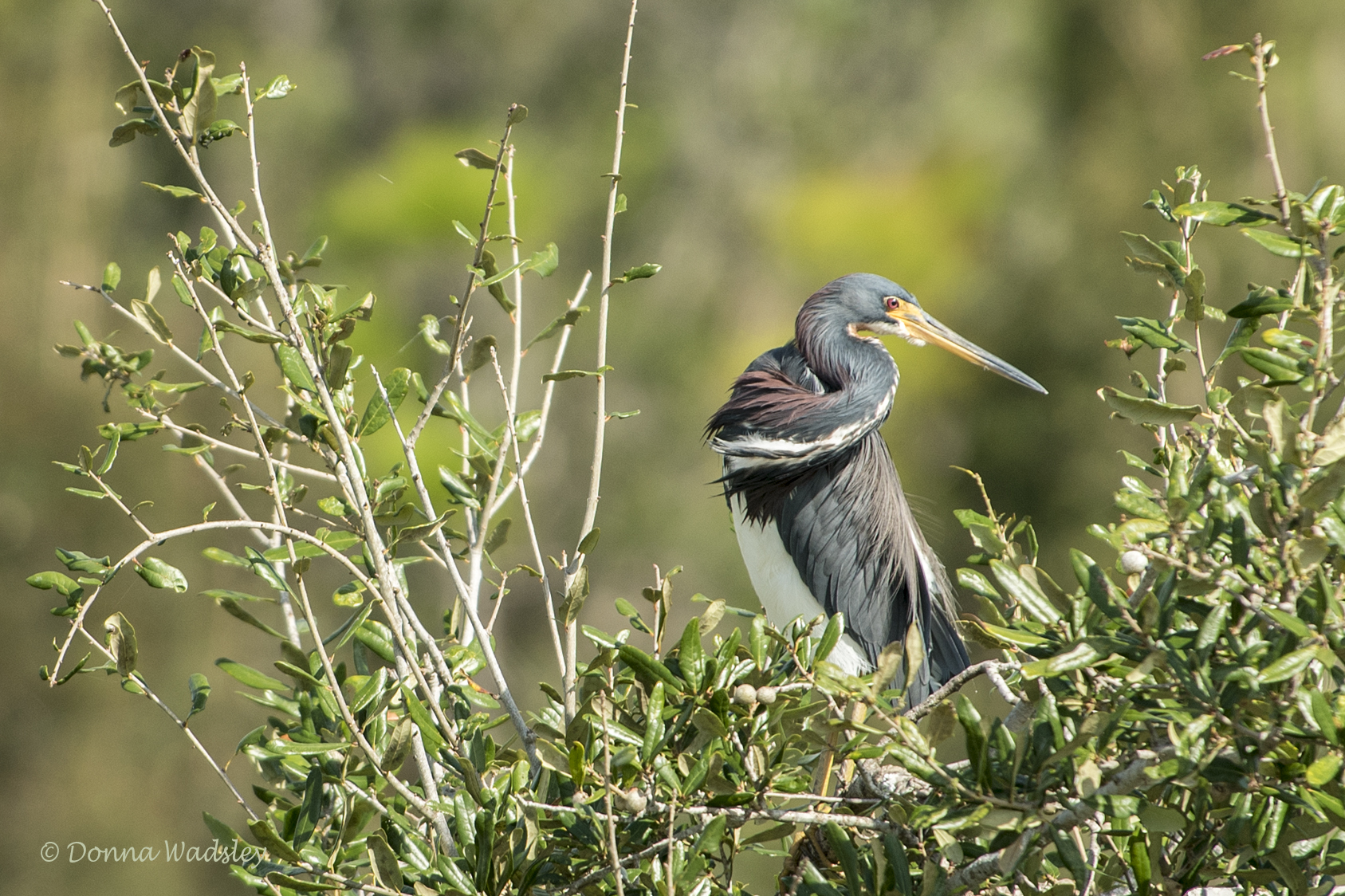
Quick check on surroundings….
.
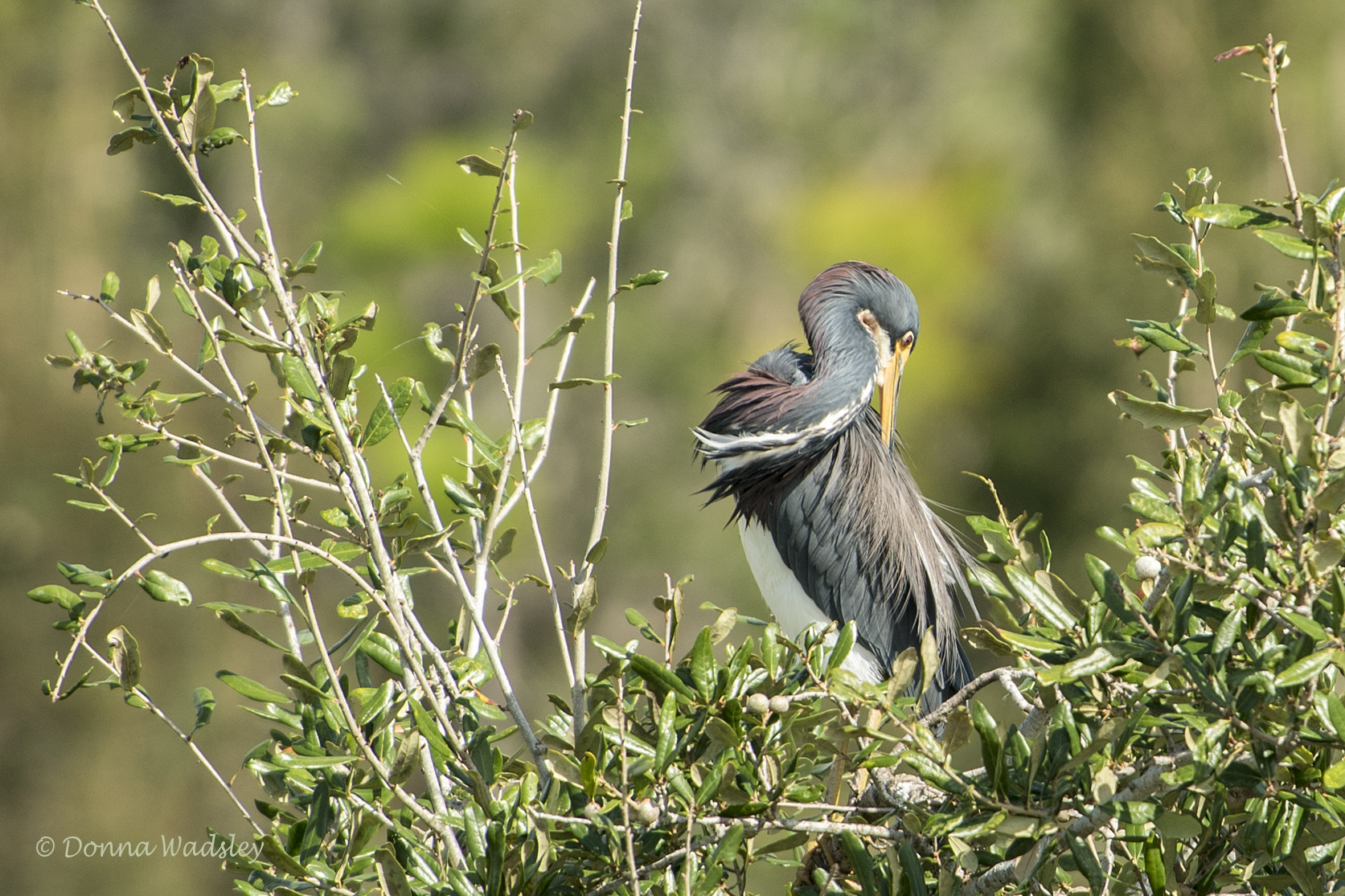
Back to preening….
.
Of course, eventually I was ‘made’…..
.
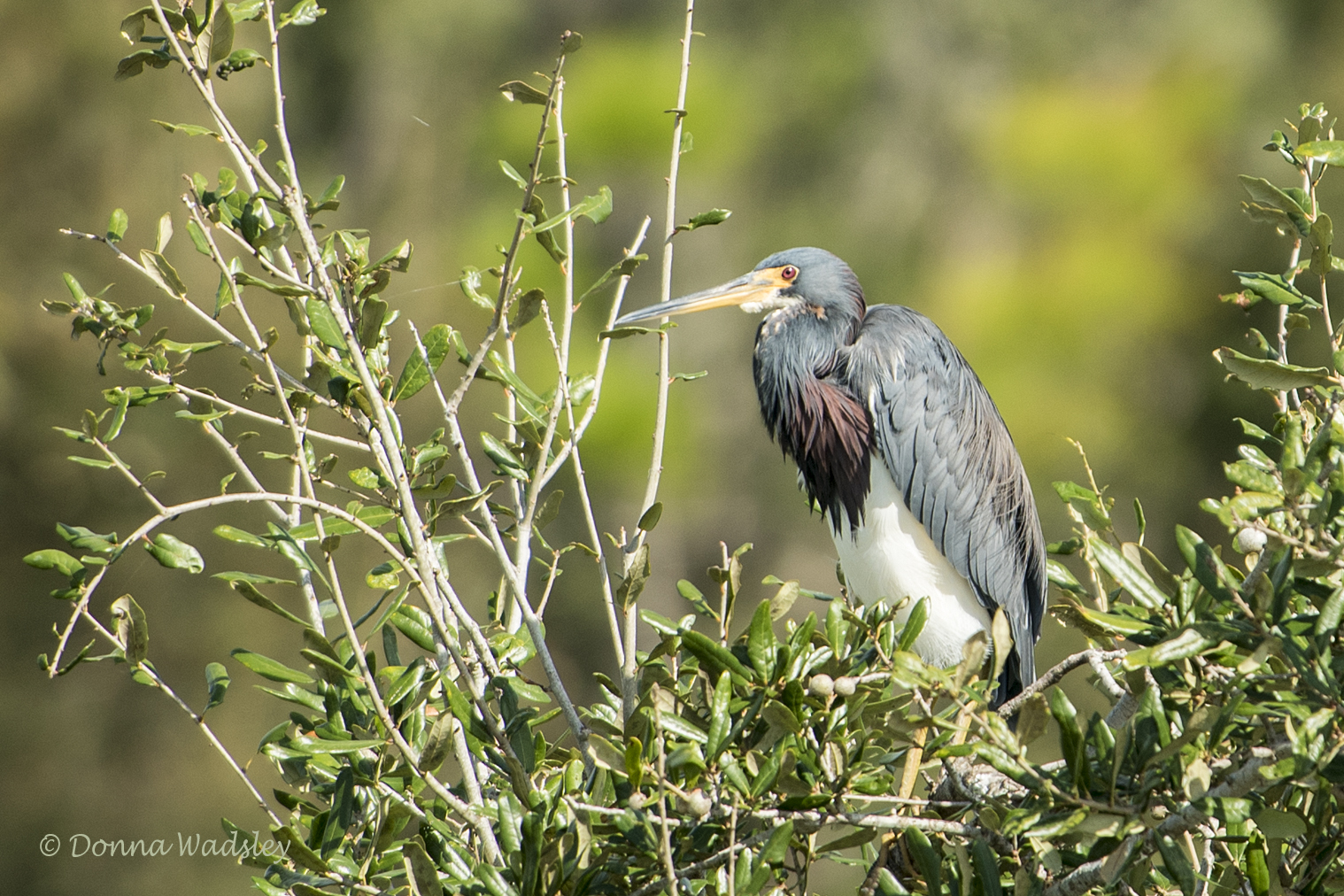
Tricolored Heron
.
That was my sign. After that last photo, I bid adieu with a huge thank you to the heron, s/he made my day! After walking away, I looked back and was happy to see the heron continuing it’s late morning grooming.
.
Things That Fly…..Or Not
.
Finishing up Alabama with this post, so I can get to what I’ve been shooting in Florida in the next one. 🙂
Having less than a week in Alabama and then skedaddling out of there for an impending hurricane, I didn’t get much of a chance to explore for birds except from our camp site.
When we ventured out, we were on our bikes exploring Gulf State Park’s 28-mile complex pavement and boardwalk bike/pedestrian paths connected to our camp resort. Hard to photograph a bird going 5-6 mph!
.

Gulf State Park paths

Gulf State Park paths

Gulf State Park paths

One path takes you to the Gulf of Mexico

Gulf State Park paths

Gulf State Park paths

Gulf State Park paths
Gulf State Park, Alabama
28 miles of entwining paths through 7 distinctive ecosystems
.
I only carried my wide angle camera on the bike trips. Stopped one instance to wait for hubby and saw a Rough Green snake in the tree next to me. This is a heavy crop; I was standing back, way back!
.
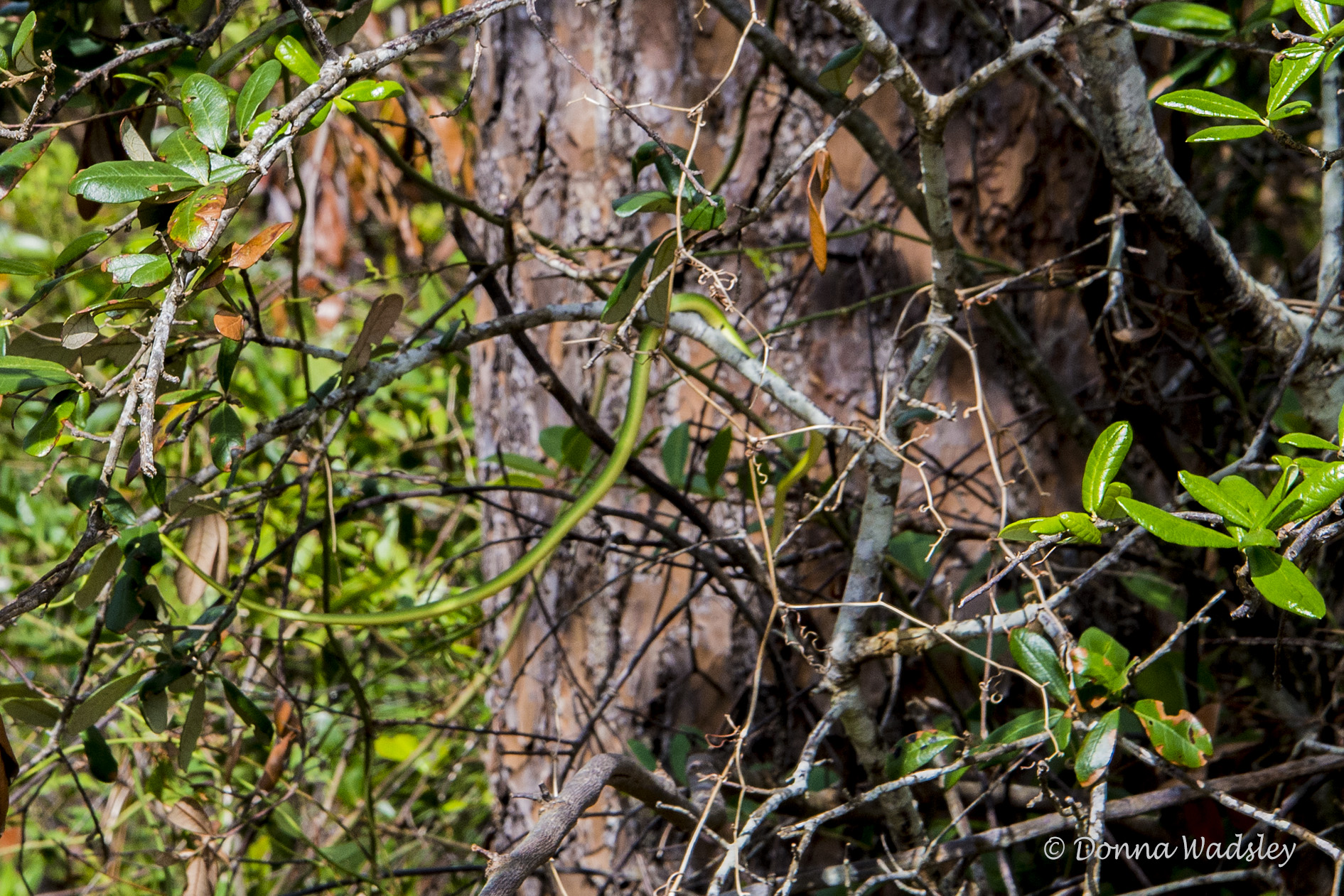
Rough Green snake (look for neon green ‘rope’)
.
I came to a sudden stop when this Ribbon snake was laying across our bike path.
.
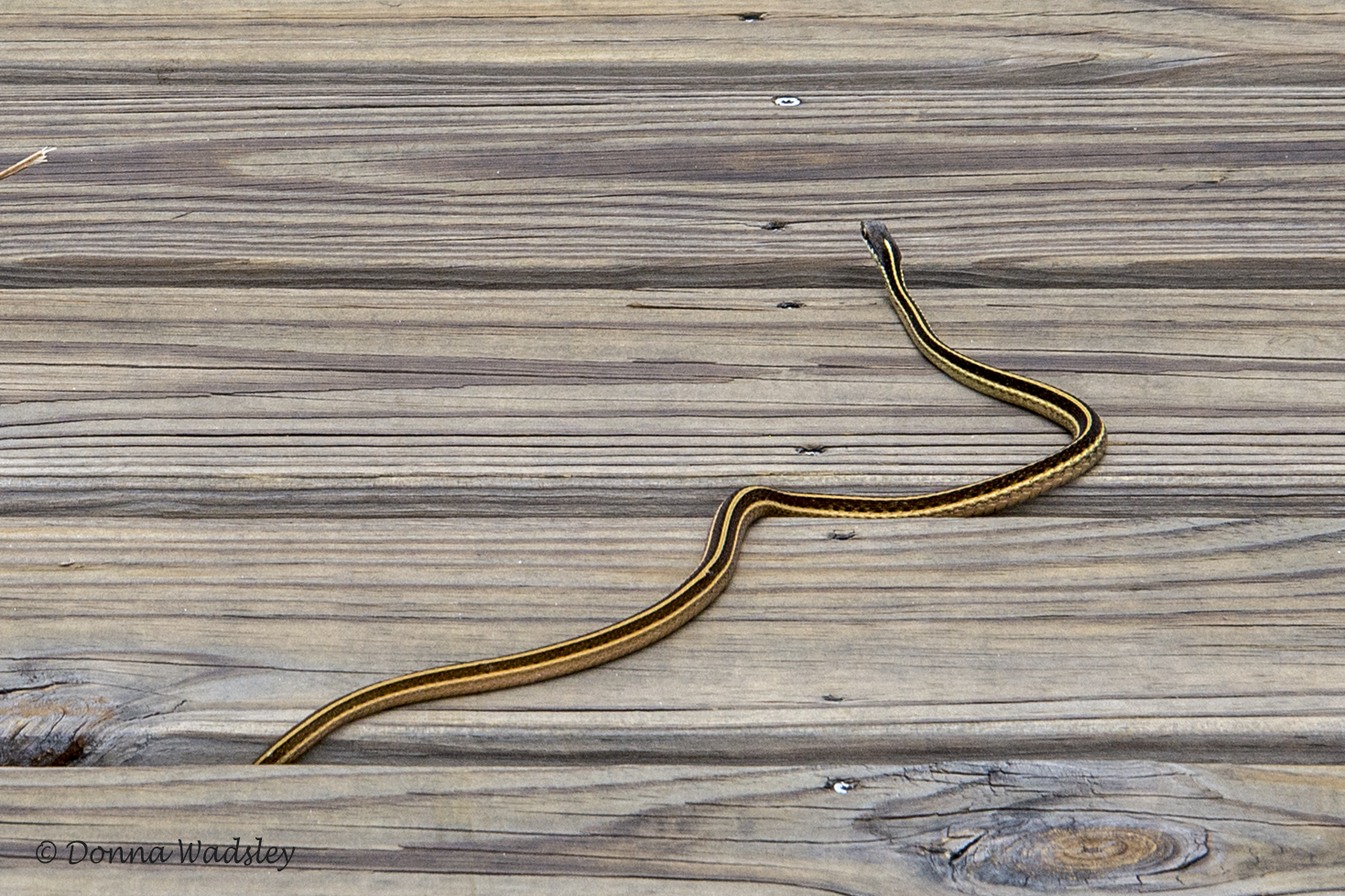
Ribbon snake
.
One other snake seen but no photo. More than gators to watch out for, huh?!! 😲
And now my ‘things that fly’ photos. There was an Osprey nearby, loved hearing it call out every day from the air or a tower, warning fly-bys to stay away.
.

Osprey chasing below Bald Eagle away
.
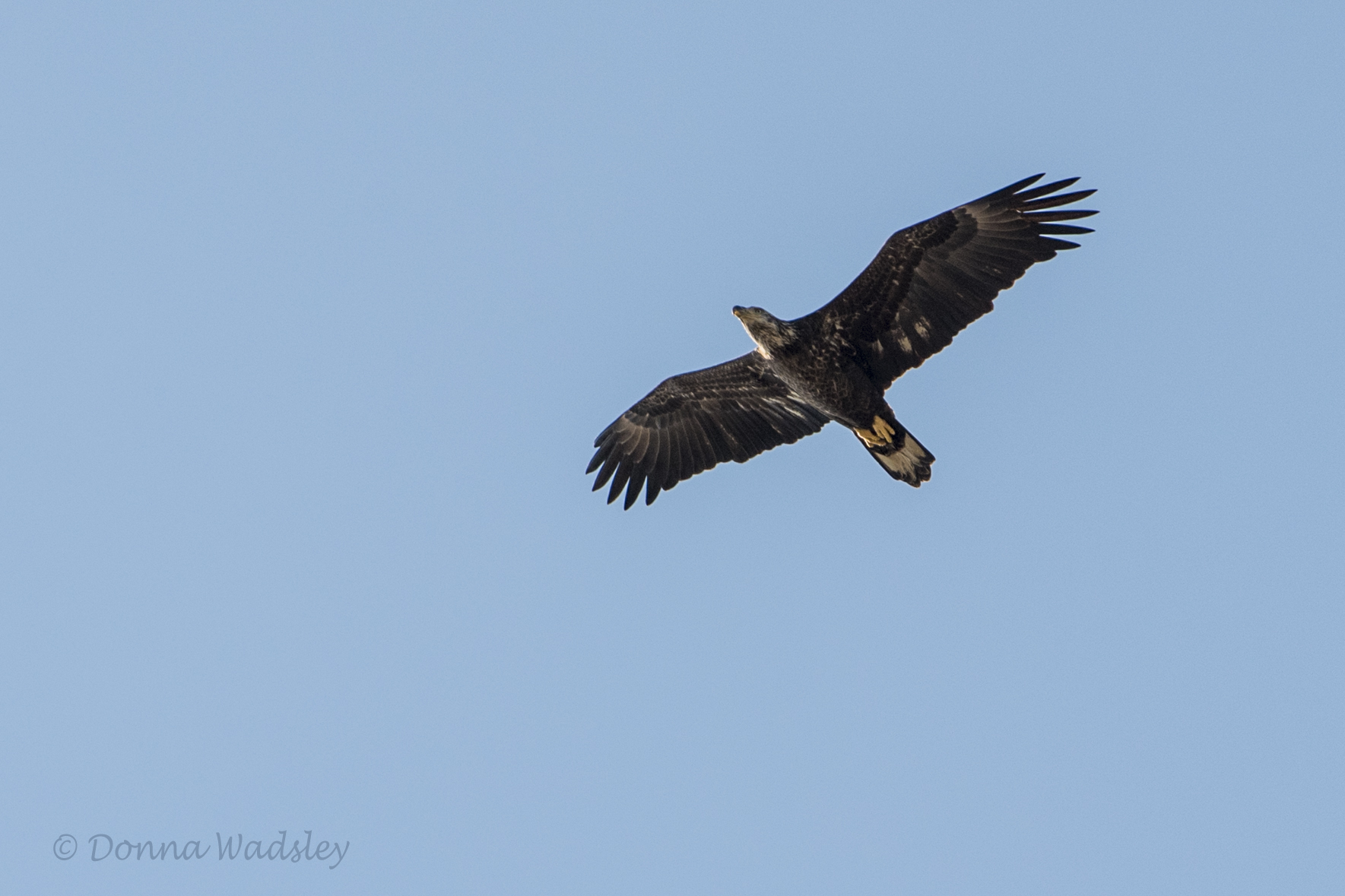
Immature Bald Eagle staying ahead of the Osprey
.


Gulf Fritillary
.
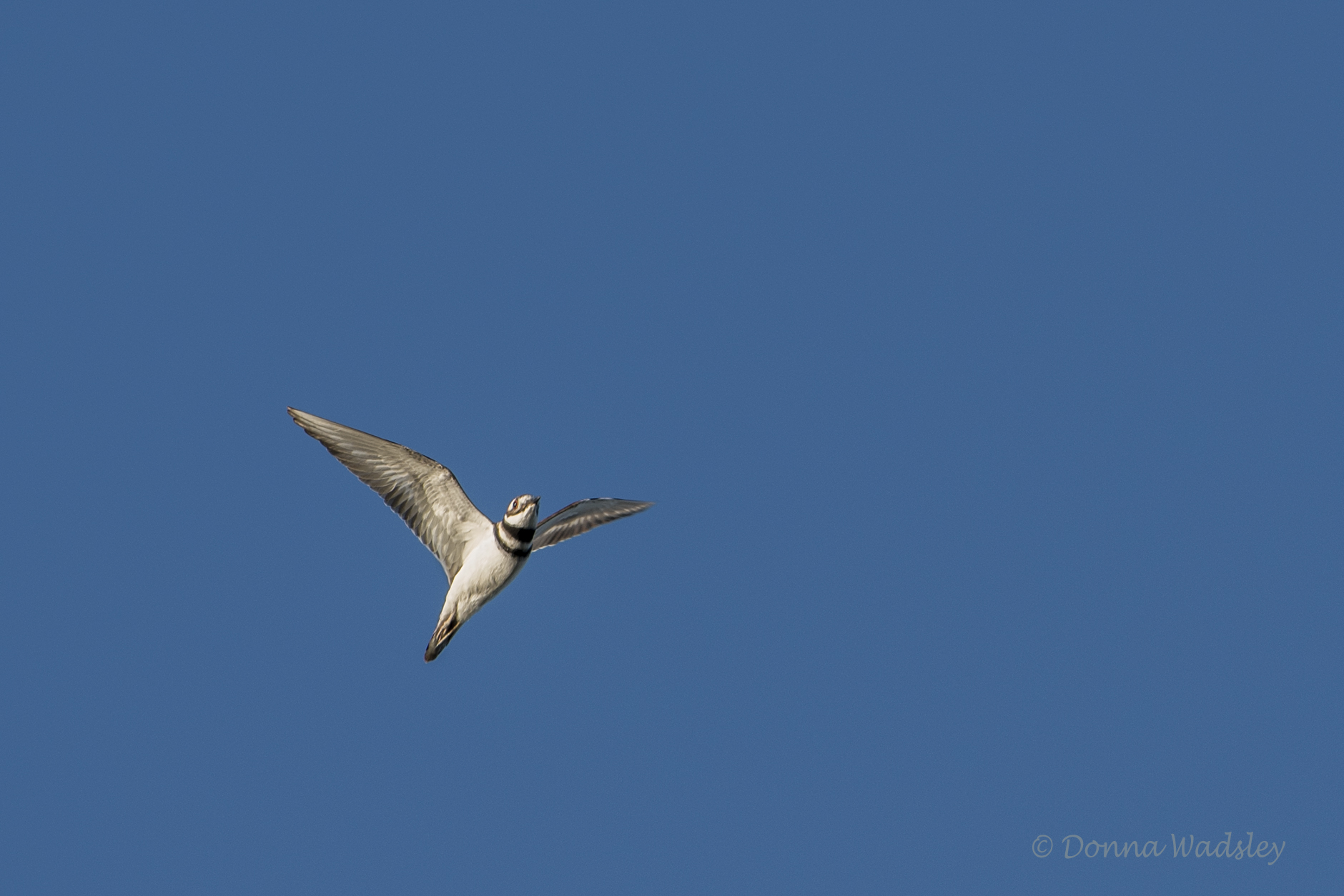
Killdeer
.
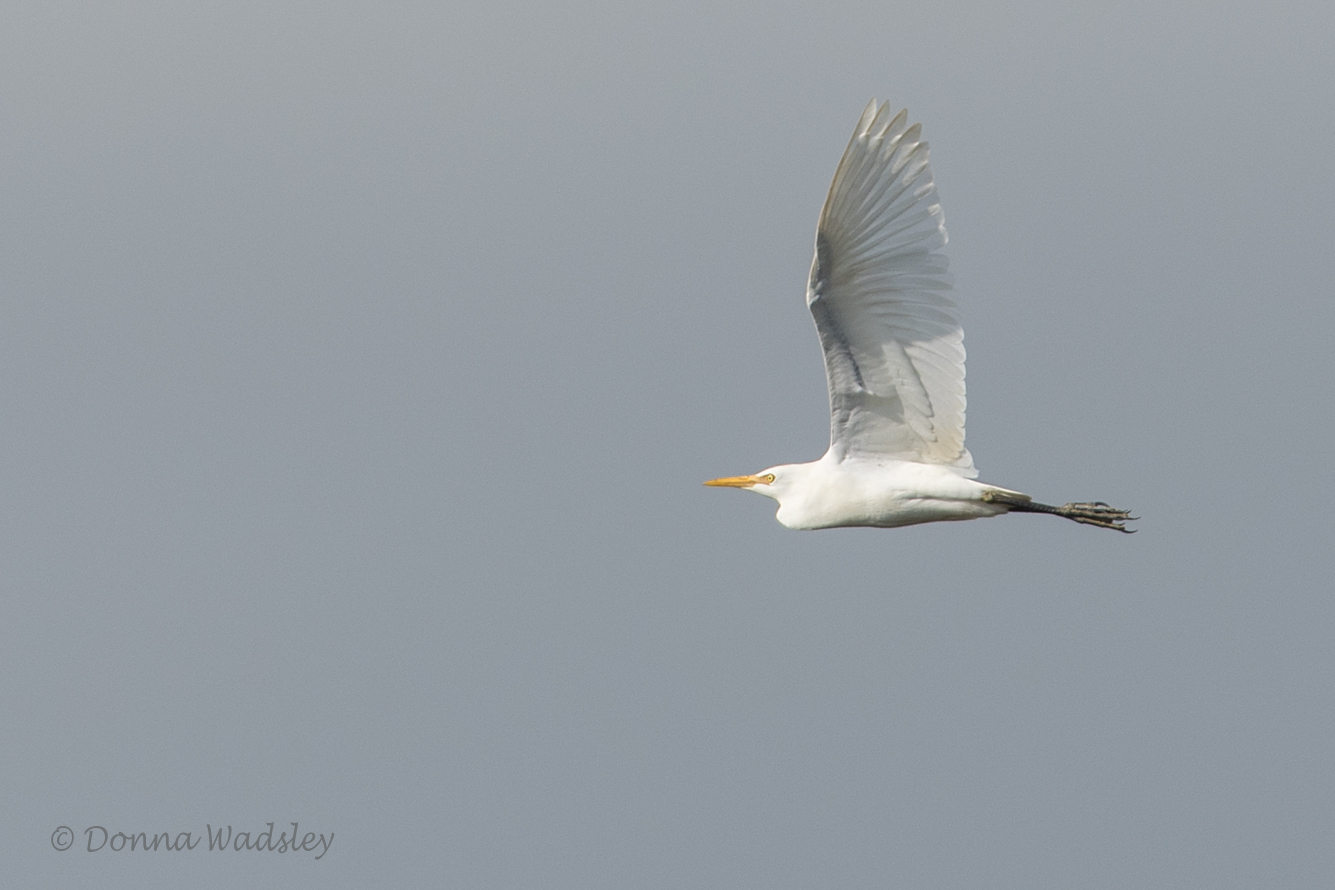
Great Egret
.
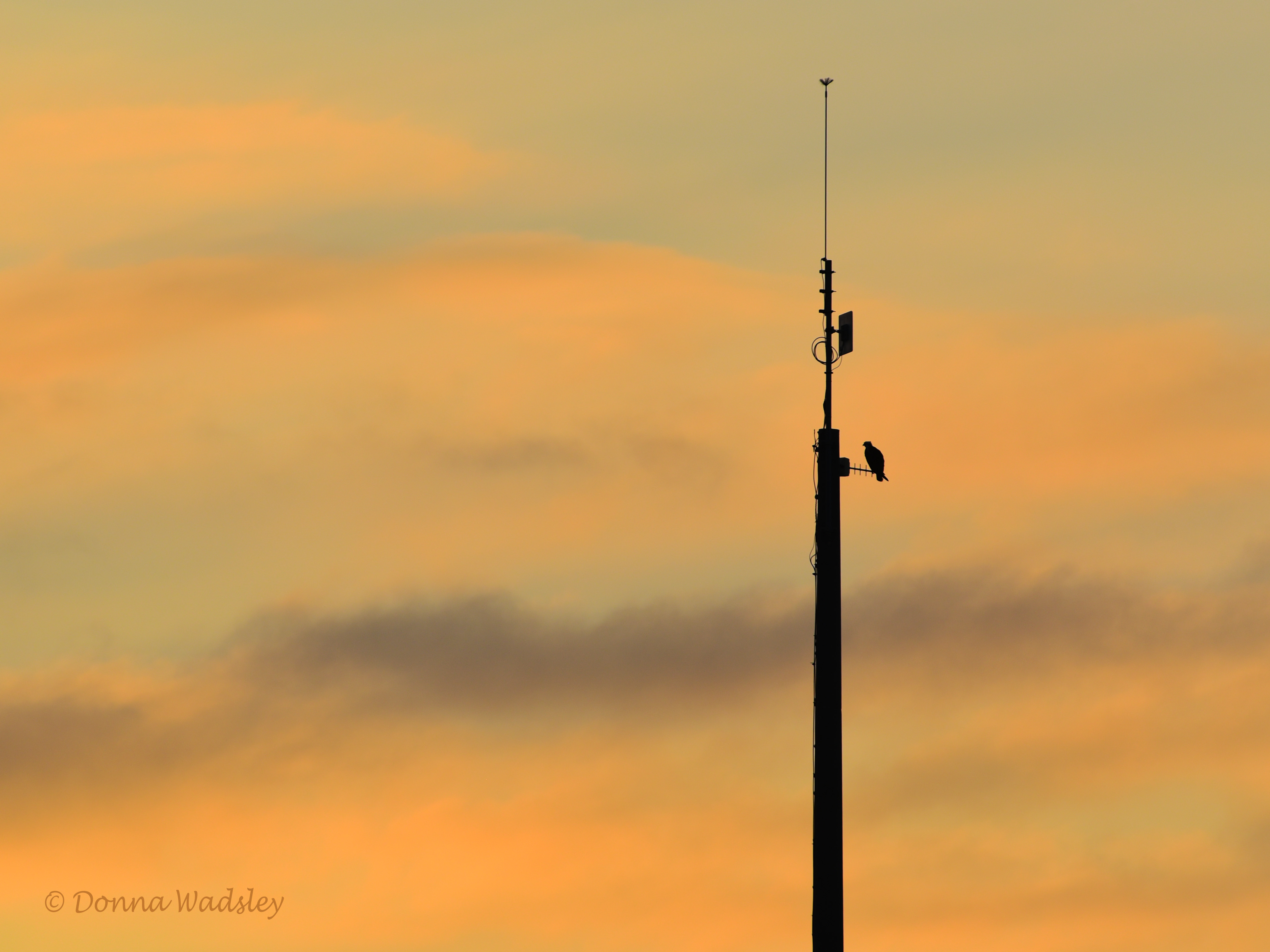
Osprey at Sunset
.
.
Dragonfly in Flight
.
This Common Green Darner kept buzzing around me, then it would hover about six feet from me. Then take off and come right back and hover.
Too tempting! Yes, I spent several minutes trying to photograph it. Out of oh-so many, I scored five photos of this large 3-5″ dragonfly.
I’m sharing all five, showing the different displays of its wings caught in the shots. Pretty cool!
.
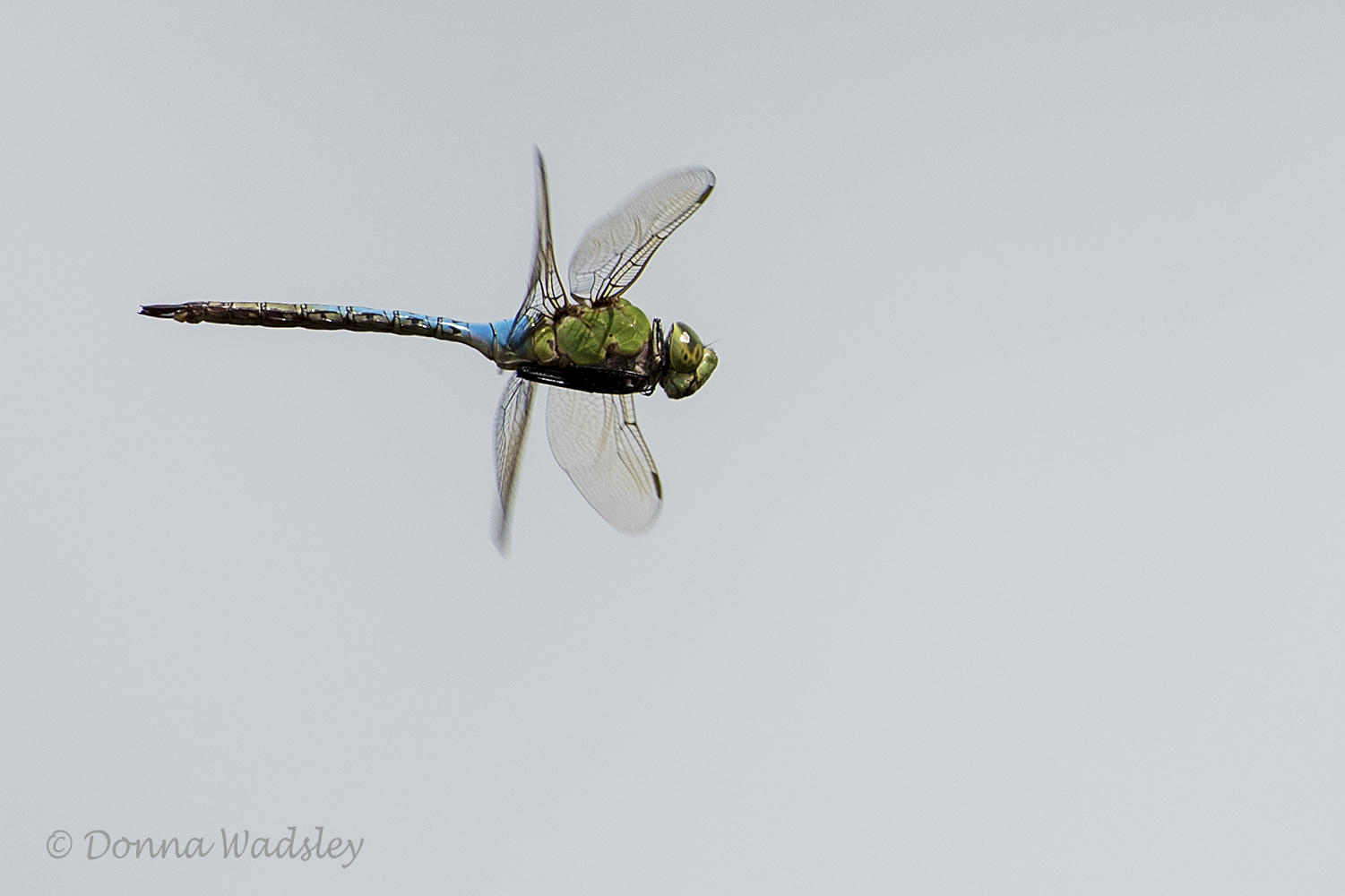
Hovering Green Darner (male) #01
.
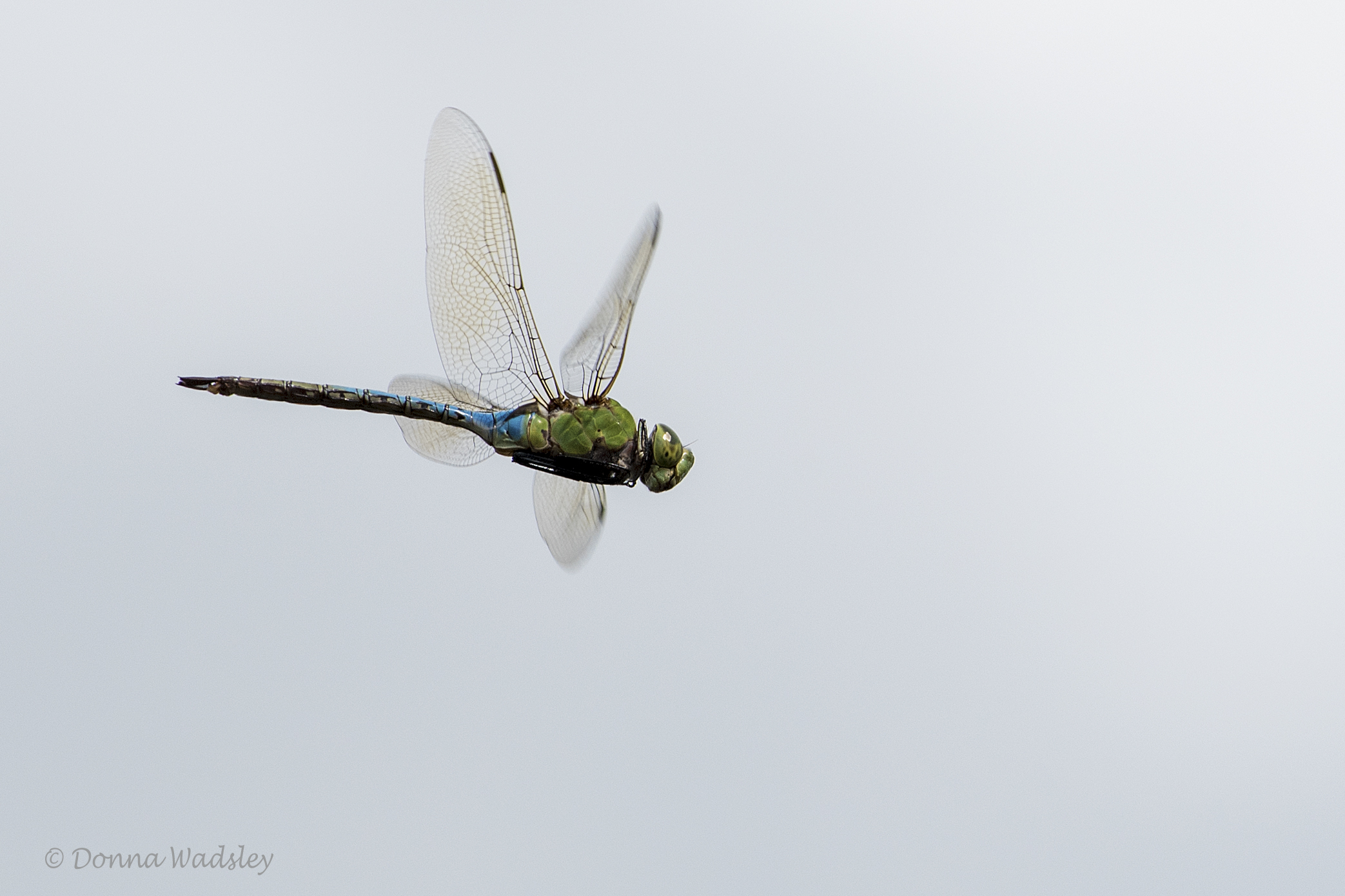
Hovering Green Darner (male) #02
.
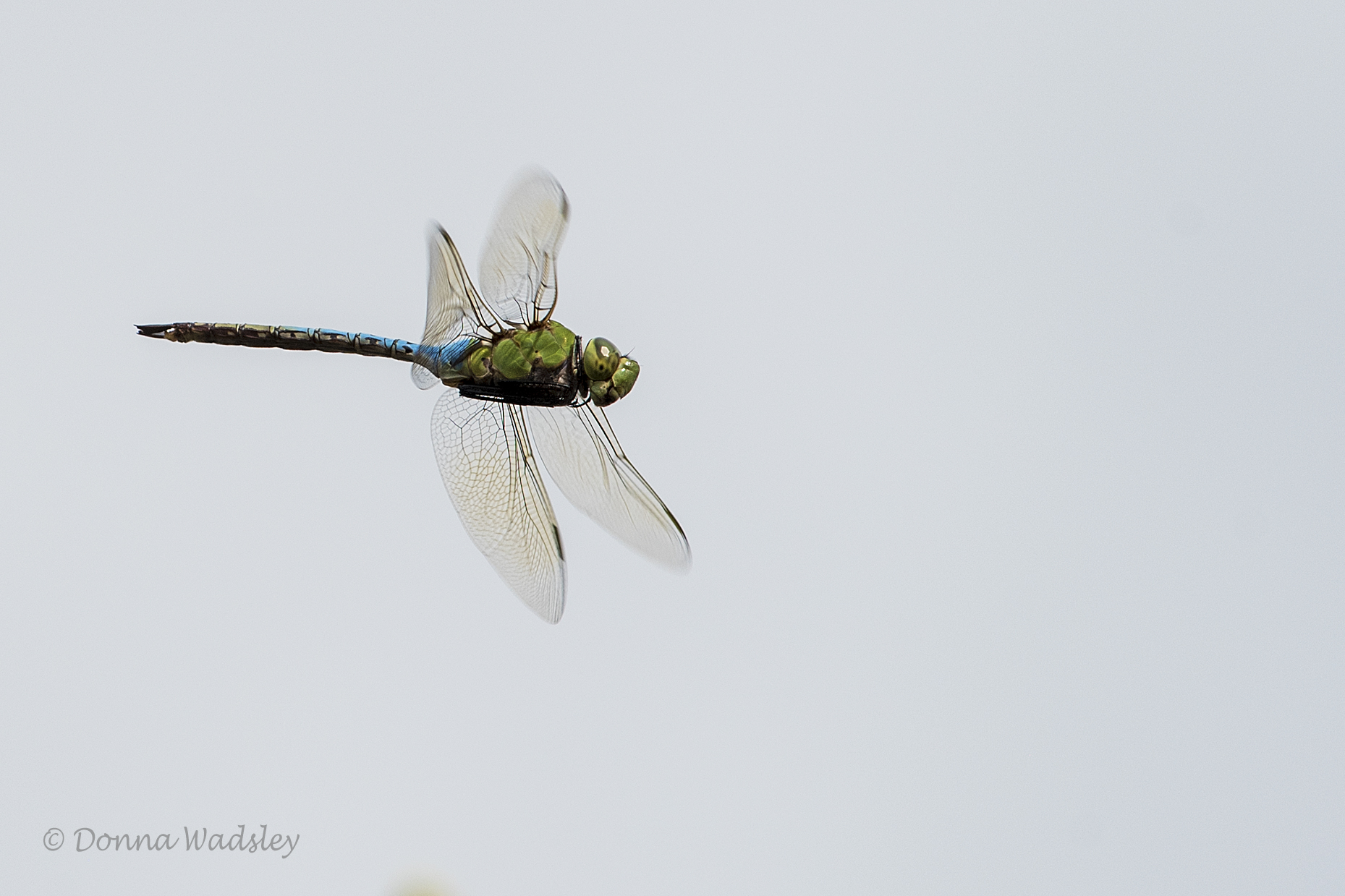
Hovering Green Darner (male) #03
.
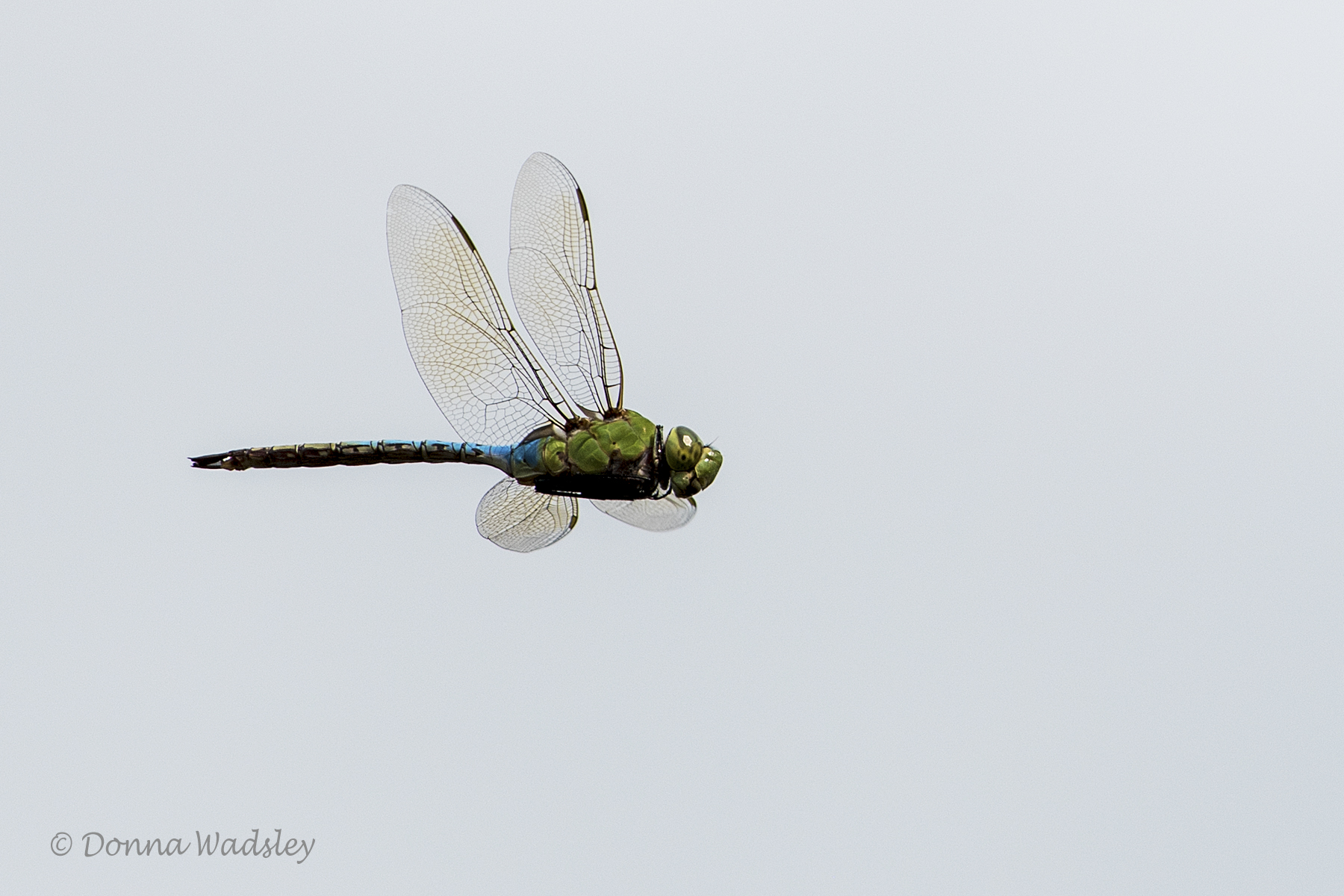
Hovering Green Darner (male) #04
.
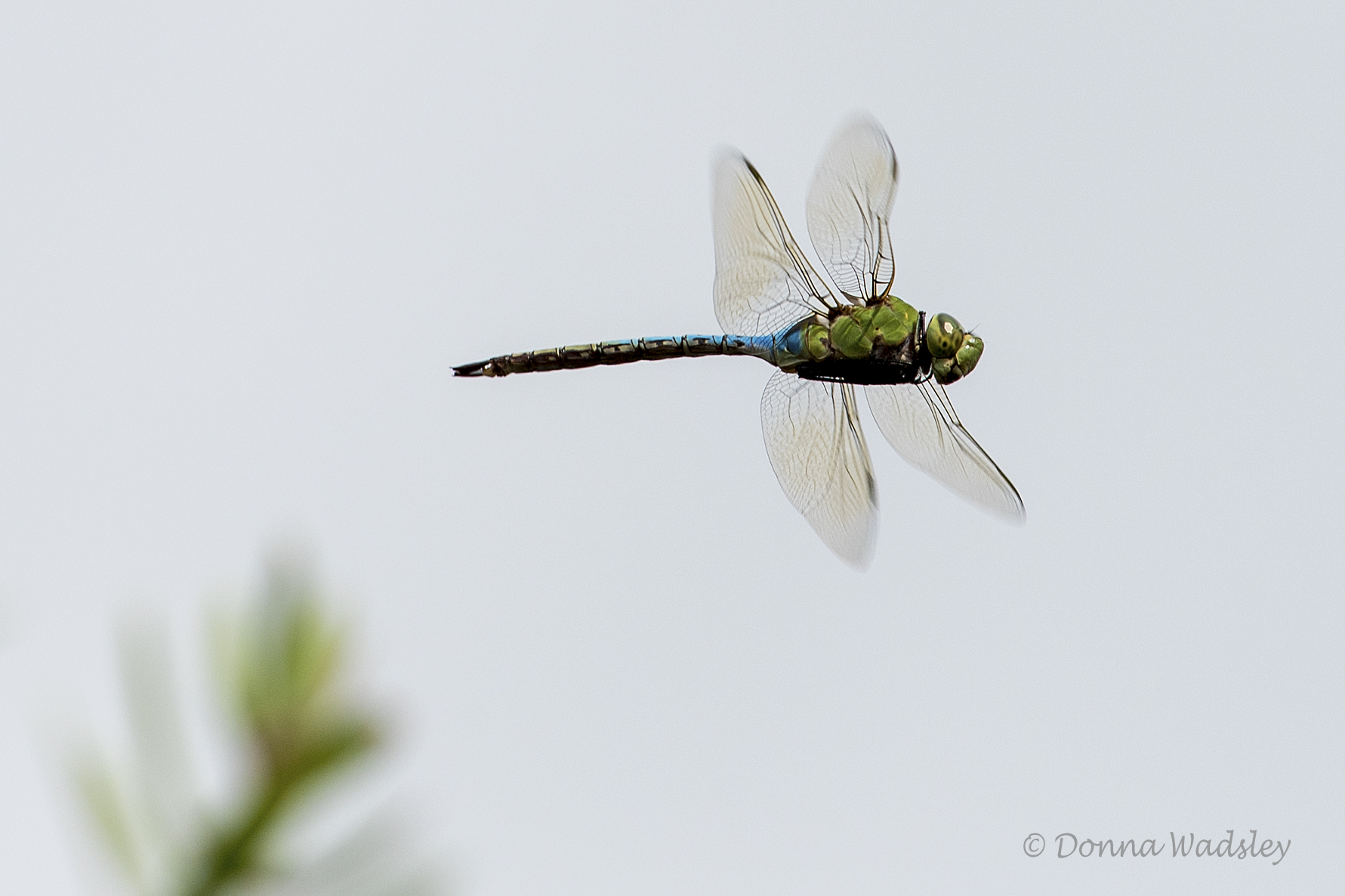
Hovering Green Darner (male) #05
.
Perfect Pond Perch
.
Give me a perfect perch at my site, and I am one happy camper!
Not only did I have a beautiful Great Blue Heron buddy visiting alongside me daily, there were other things to watch in the water and overhead.
.

.
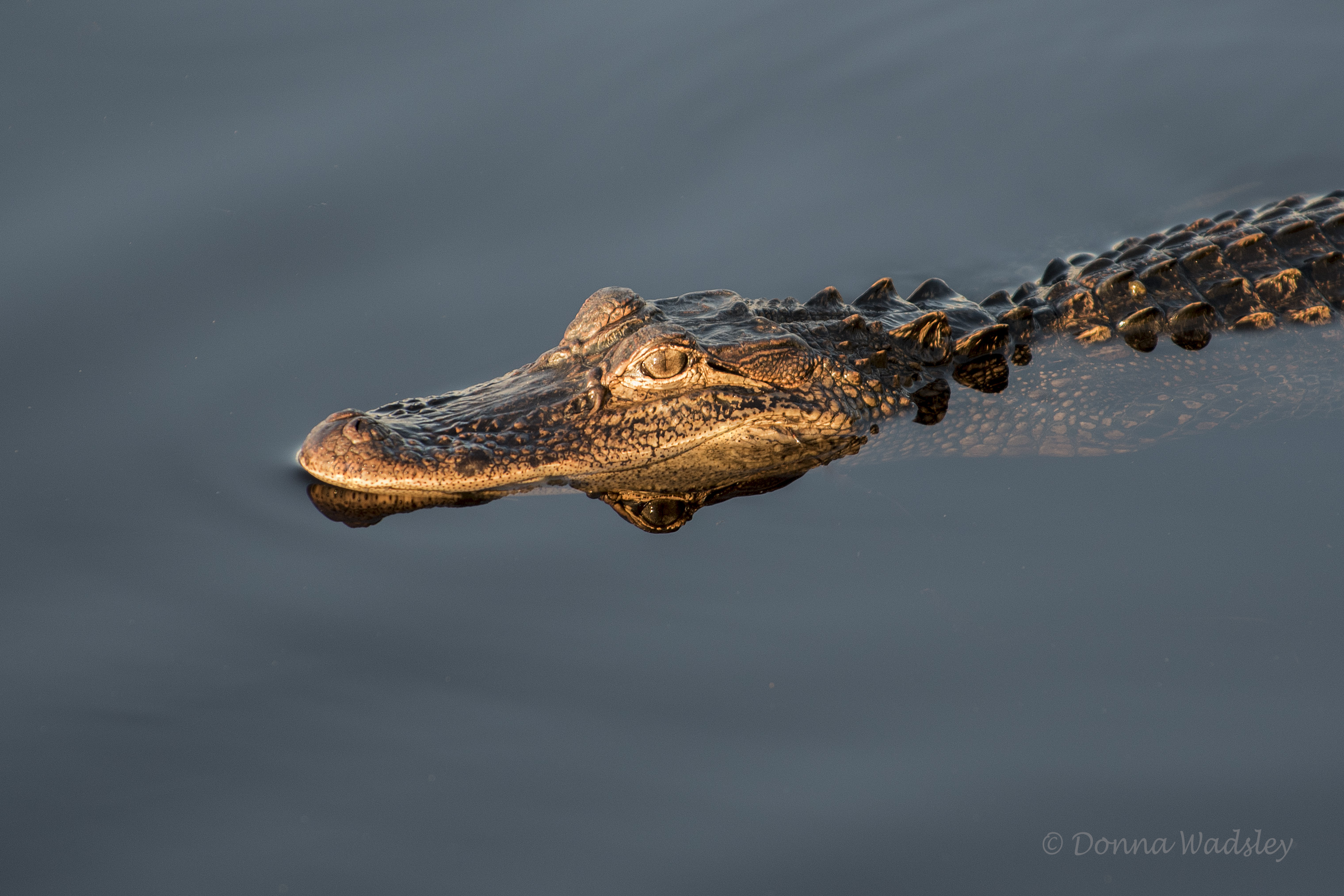
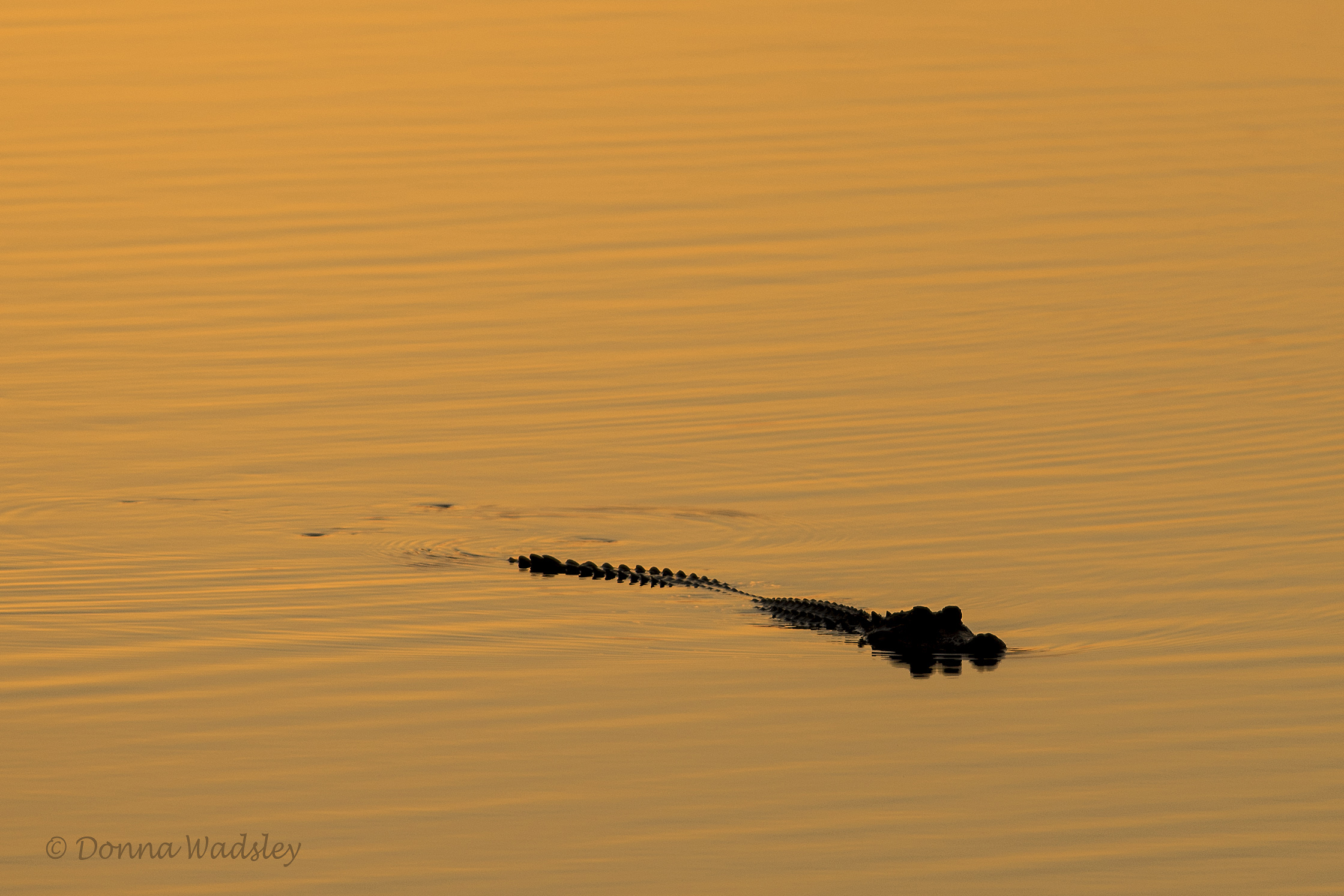
Of course, alligators lived in the pond. The camp host told me they had three alligators. After my week there, I know there were at least four.
When I hung out on the pier for any length of time, at least one of the gators would appear off in the distance and swim over to pass by me or literally stop and just stare at me.
.


.
The pond was also stocked with five species of fish, for anyone’s fishing pleasure.
.
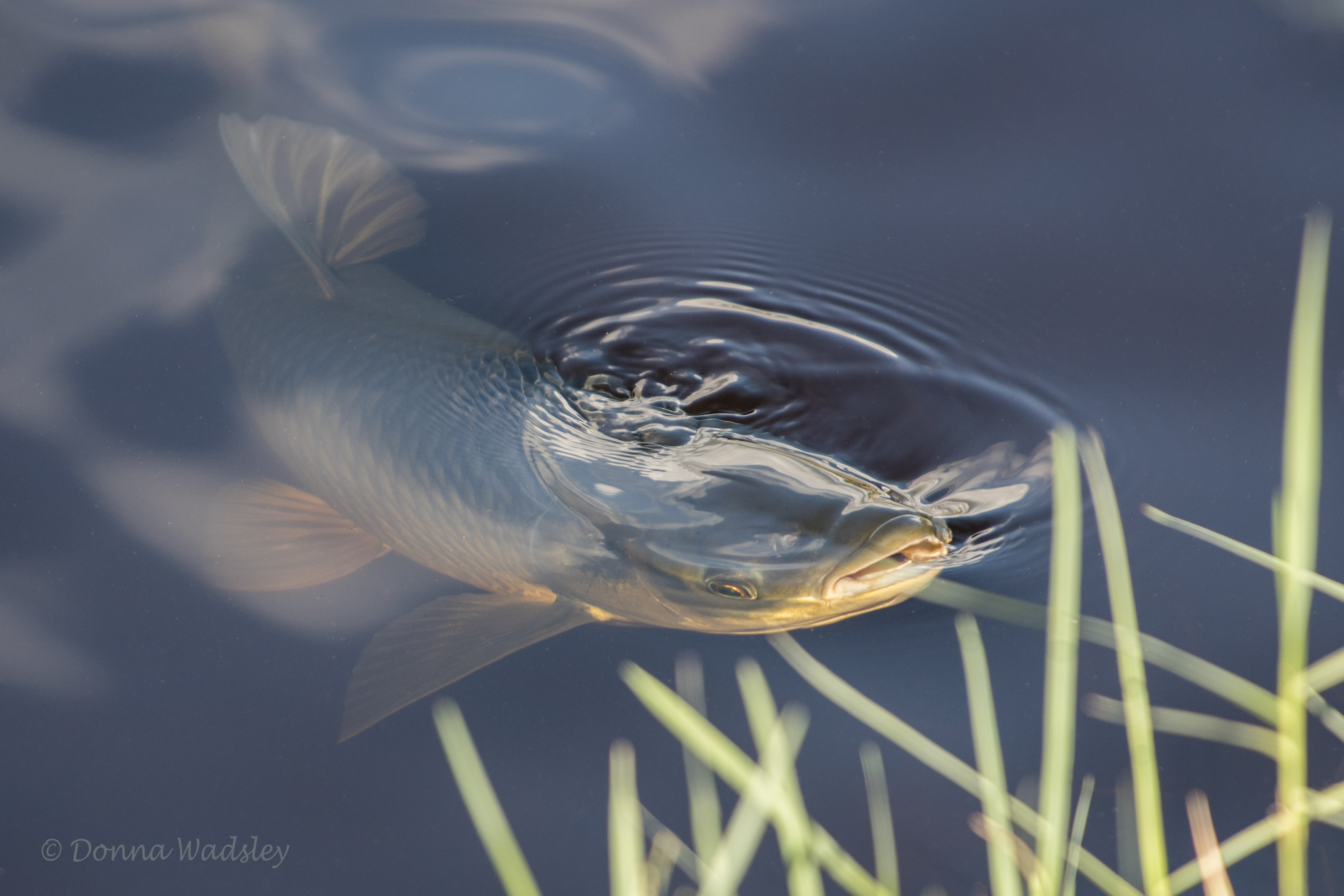
Not sure what species, but it’s about 2 feet long
.
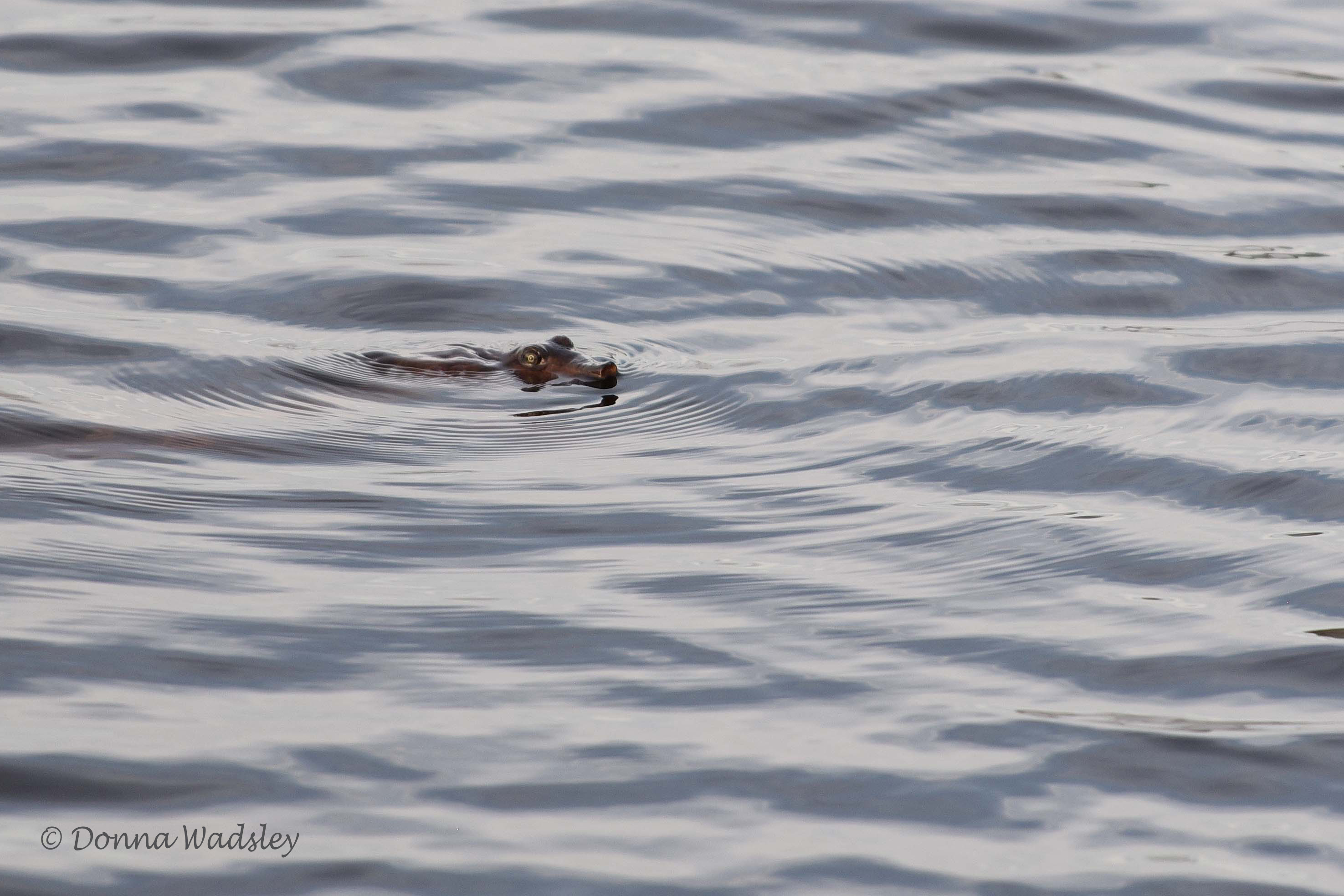
And then there was this one creature that I spotted. It didn’t surface any more than shown in my photos below.
From the eyes to the end of its snout was about six inches long.
It wasn’t a gator. Was it a snake or turtle? A creature washed inland from the Gulf of Mexico during one of the previous recent hurricanes?
.
.
Well, I knew one thing, it bugged me not knowing. So I contacted an Alabama reptile facebook page that helped with IDs.
No creature from the depths.
No snake, no gator.
Just one very big softshell turtle.
.

Softshell Turtle
.
The photo was a hit on their facebook page with the odd-looking photo, confirmations galore on ID, as well as guesses joking that it was a baby hippo.
Baby hippo? I see that! 😉
.
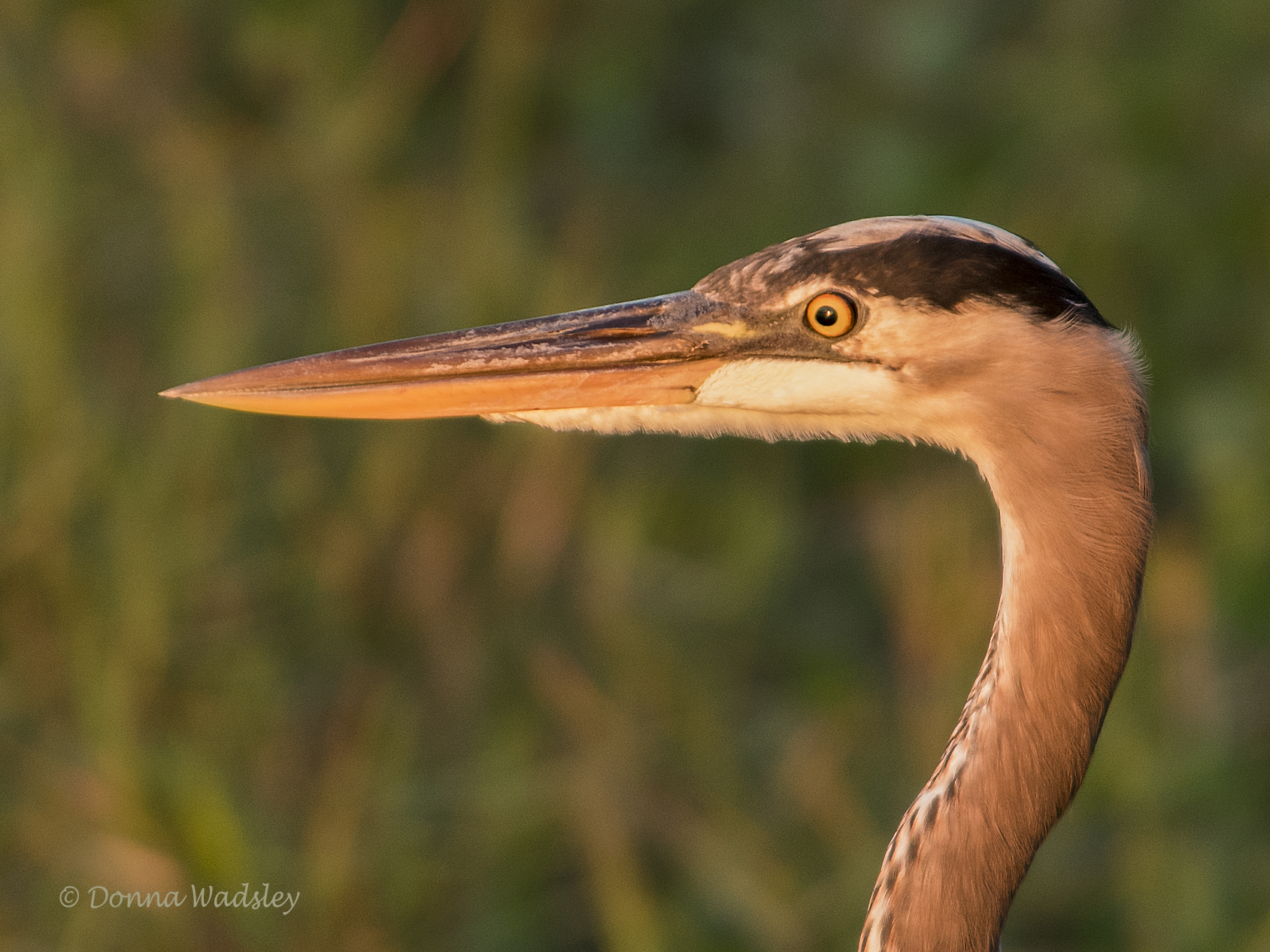
Great Blue Buddy
.
My last post of a sunset and cloud reflections also shared my daily late afternoon/evening visitor, a Great Blue Heron, hanging at the pond alongside our little fishing pier perch.
.
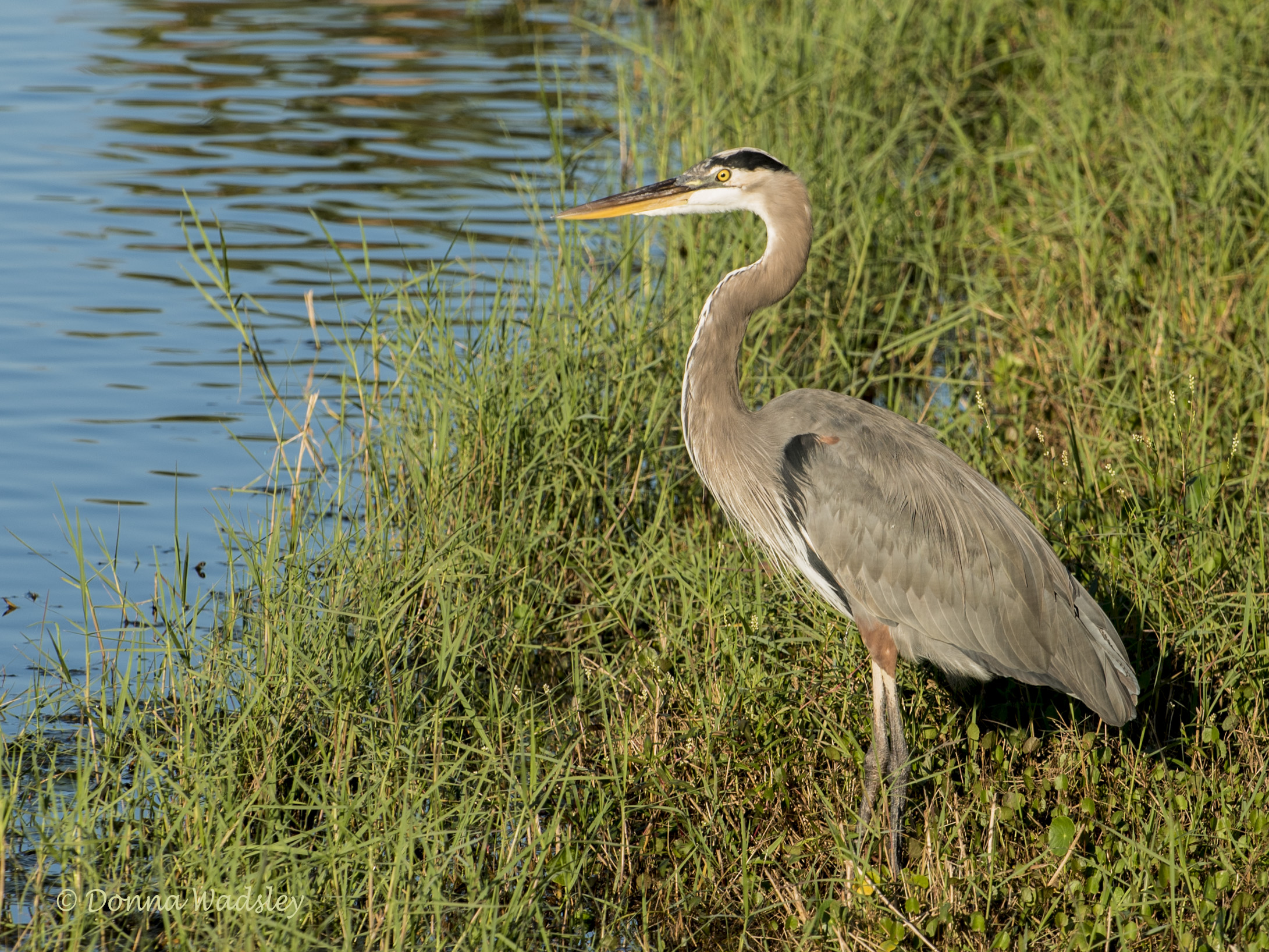
My Great Blue Heron Buddy
.

Foraging the water, snatching a frog
.
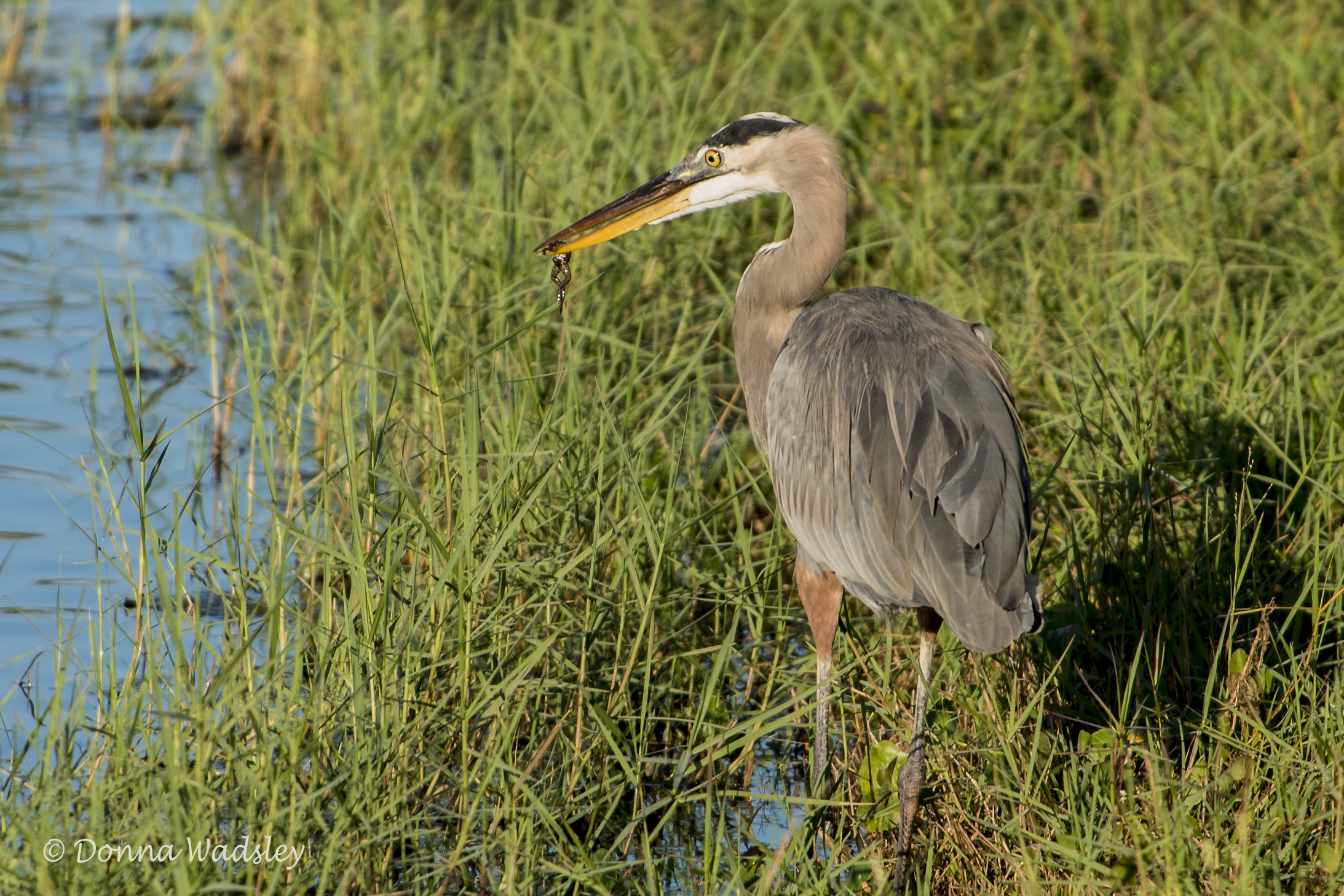
“Look quick, take a photo!”
.

“GULP”
.
Boy, s/he really didn’t give me much time before the gulps! 😉
Golden hour shots…….
.
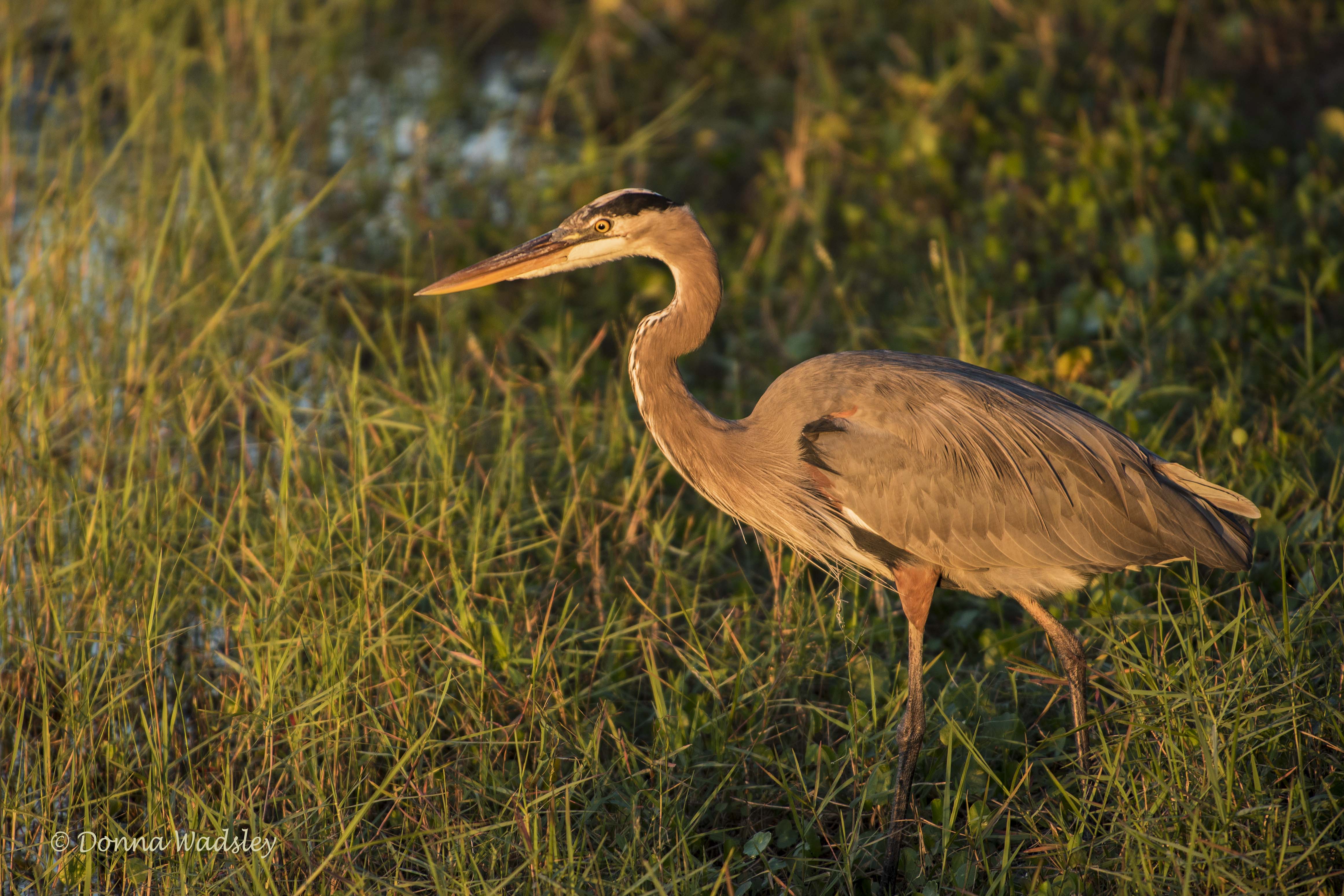
Great Blue Heron at Golden Hour
.
We both kept our eye out for the alligators hiding in the waters around us.
.
.
Here he comes……
.
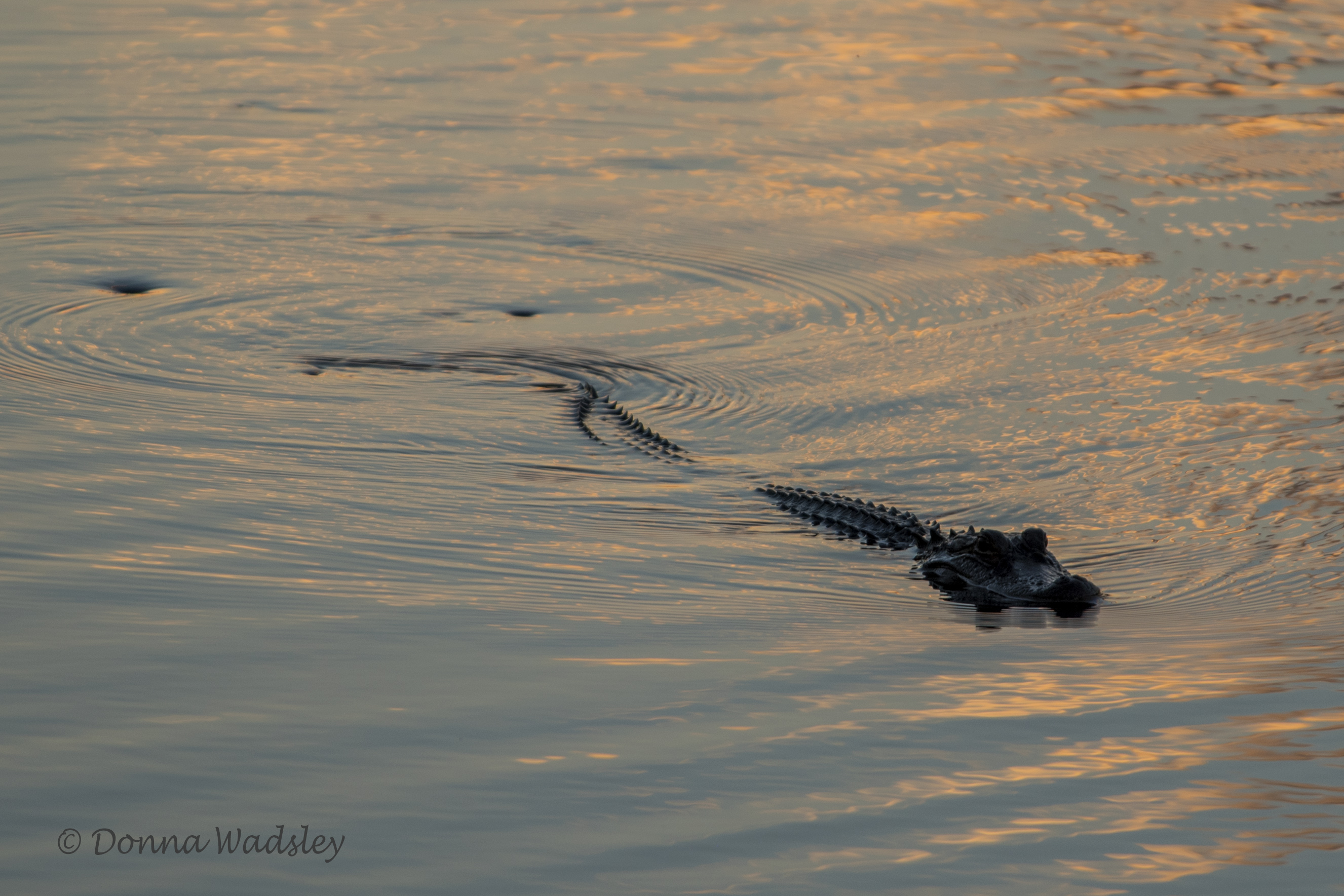
King of the Pond
.

“I see you, Mr Alligator”
.
As the sun went down each evening, the barrage of bugs eventually forced me inside. I hoped my buddy continued to keep track of those alligators before leaving for its night’s sleeping grounds!
.

 Bay Photos by Donna