
Tricolored Heron Gallery
.
Back home in Maryland, I get to see five of the six North American heron species. The one missing is the Tricolored Heron. So this past couple months, I always spent more time photographing the Tricolored Heron over the other herons to add to my collection.
So again, here I am sharing more of my favorites from the past several weeks of this beautiful heron.
.
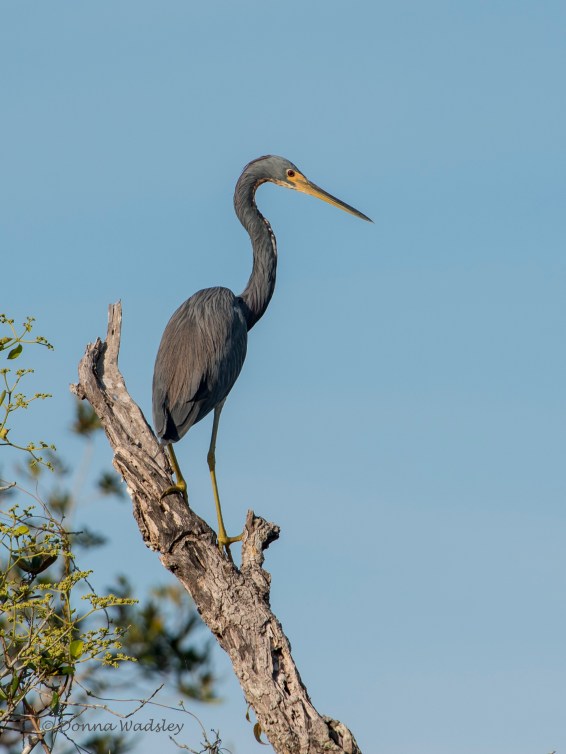
On Top of the World
.
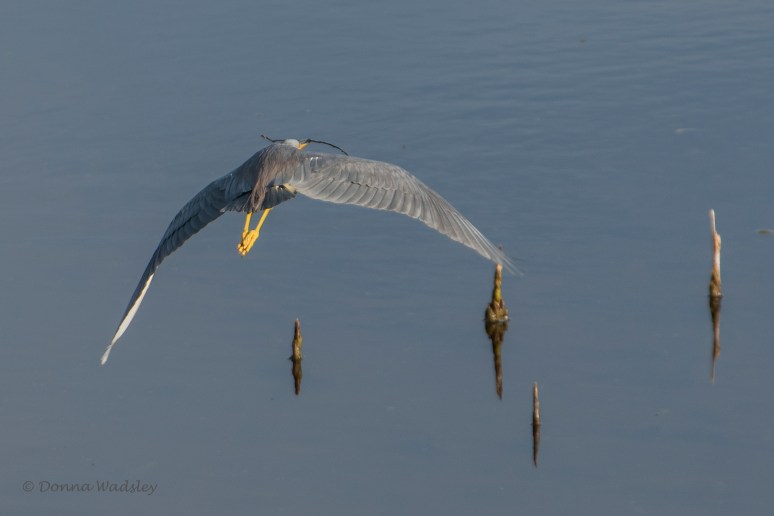
Heading Home With A Gift, I Hope She Likes It
.
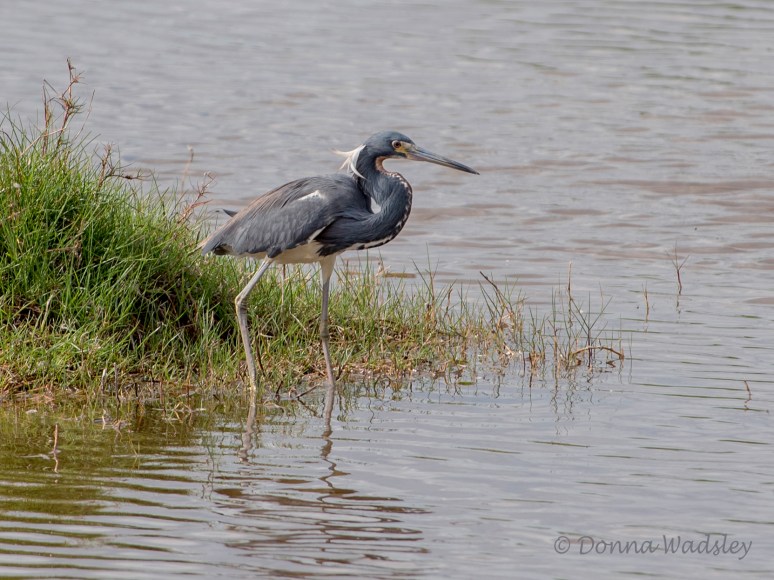
Fishing on a Cloudy Day
.

Morning Reflection
.

All Tucked In
.
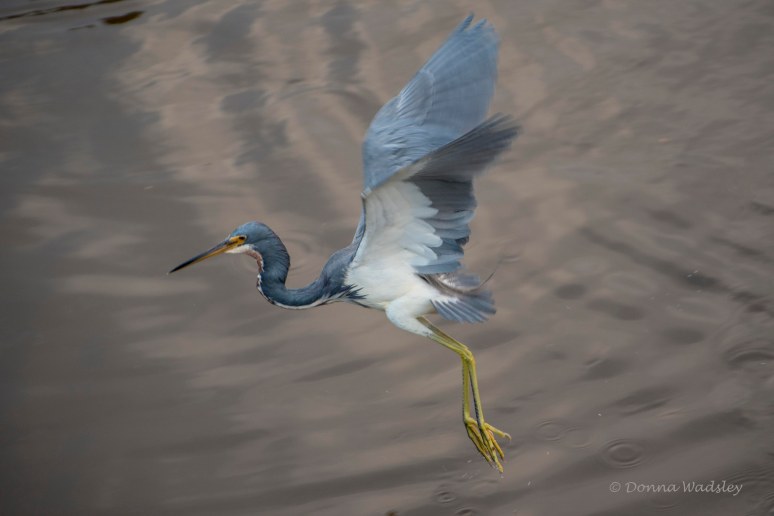
Water Ballet I
.
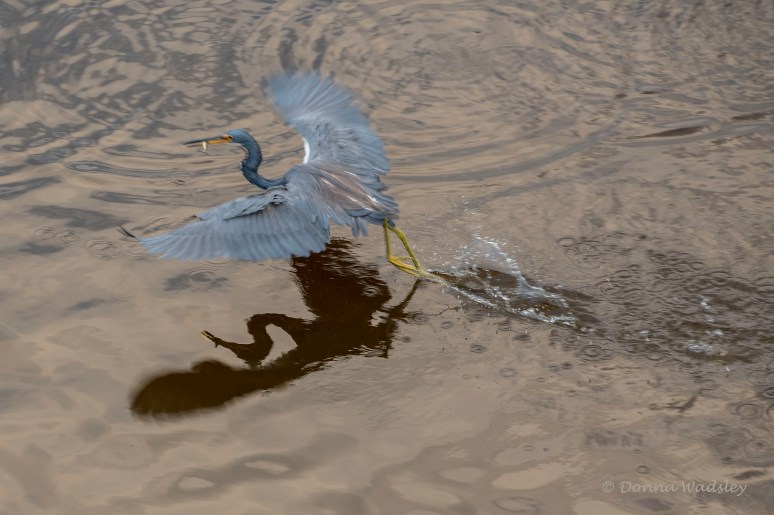
Water Ballet II
.
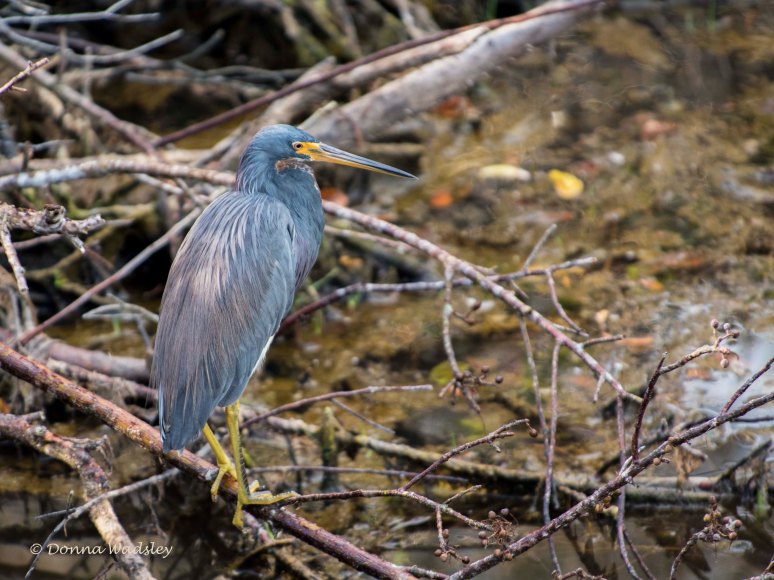
Chillin’ in the Mangroves
.
.
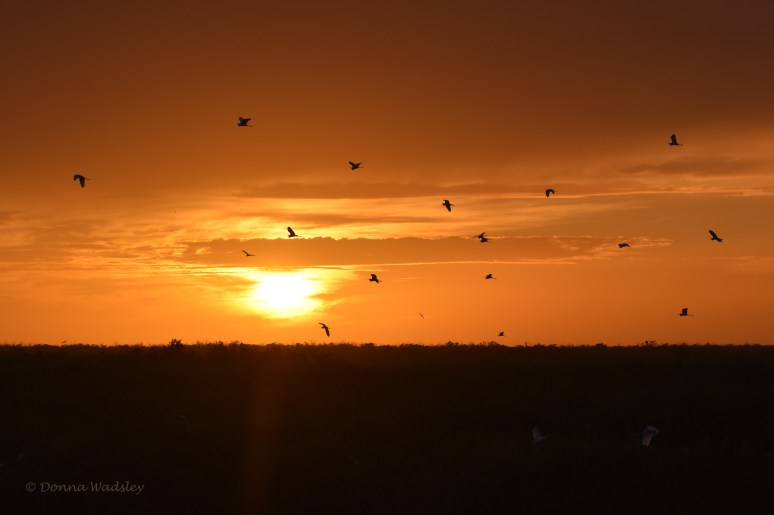
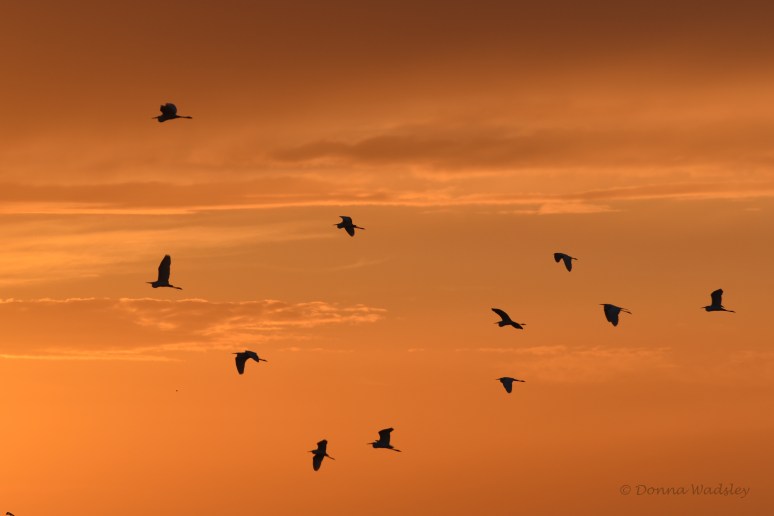
Series: Take A Moment and Enjoy A Sunset
.
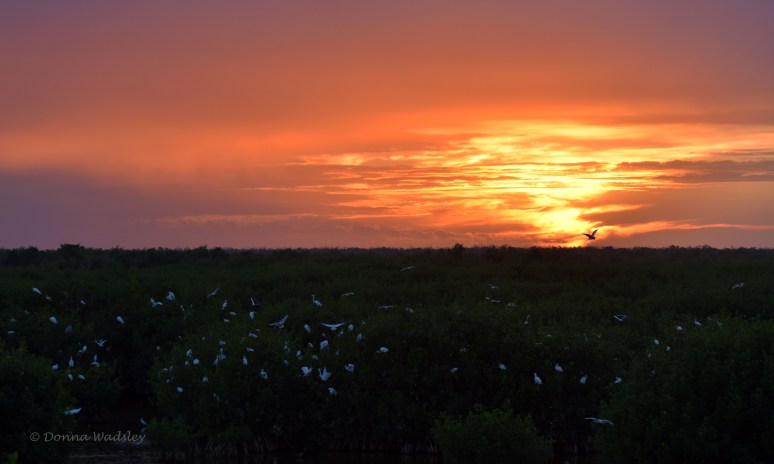
As the sun began its descent, the skies become dotted with egrets and herons flying into 10,000 Islands NWR for their evening roost.
.
.
.
At the last light, everyone is settling in…..
.
.
Five On The Wing – #7
.
Here’s post #7 of my Five On The Wing series, sharing five bird species, each in flight.
.

Anhinga
.

Caspian Tern
.

American White Pelican
.

Roseate Spoonbill
.

Osprey with fish #1
.

Osprey with fish #2
.
Two of the Osprey, I couldn’t decide which expressions on each I liked the best! 😁
.
.
Little Blue Heron On The Hunt
.
This is another bird I photographed at Audubon’s Corkscrew Swamp Sanctuary that earned its own post. 😊
This Little Blue Heron was intently on the hunt in the area called Lettuce Lakes, towards the end of the boardwalk.
.

Little Blue Heron on the hunt
.
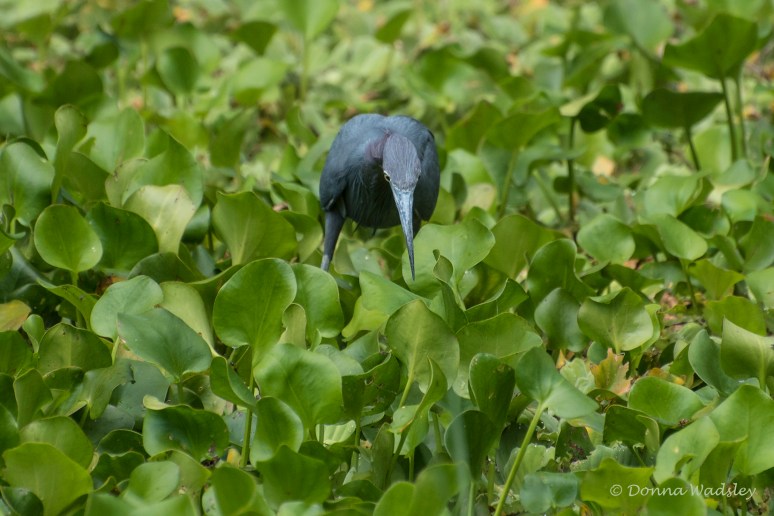
Hmmmm…..what do I spy with my little eye….
.
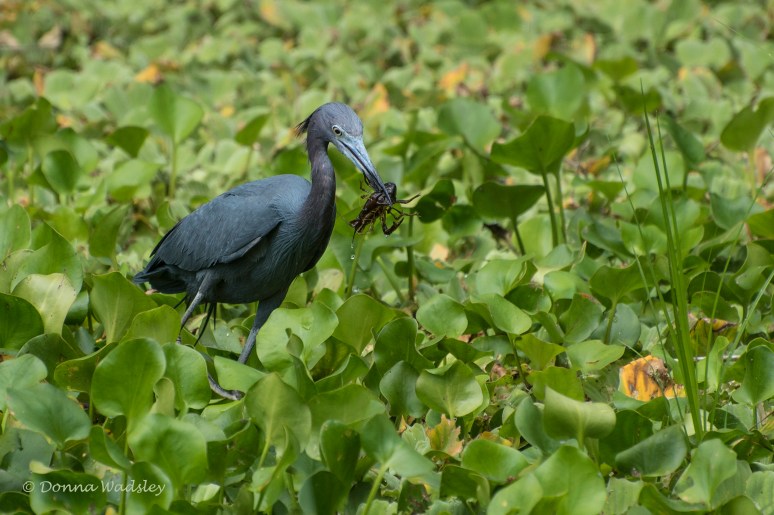
Gotcha!
.
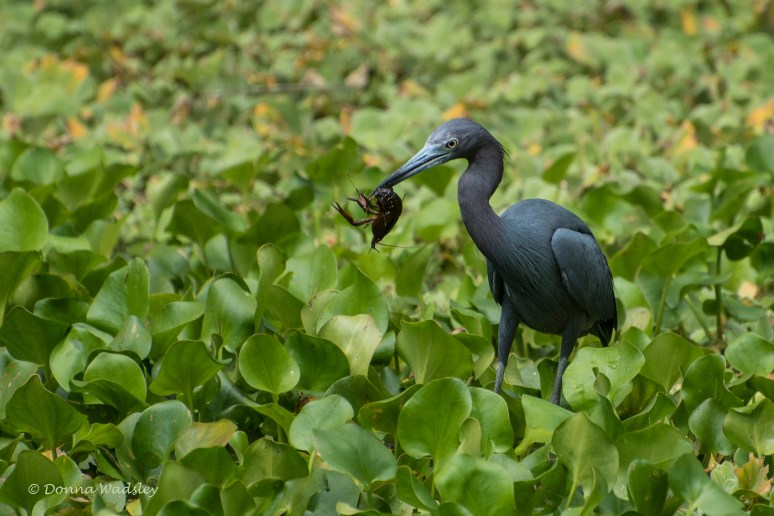
Now, what to do with this writhing meal?
.

Little Blue Heron takes off with the crayfish to land on a felled tree
.

Darn…..now what??
.
The Little Blue Heron didn’t seem to know what to do with this large crayfish that was still very much alive and trying to pinch him.
It certainly wasn’t going to be gulped down like a fish!
The heron finally dropped the crayfish on the perch and quickly began stabbing it with its beak.
Unfortunately, I had a group of people approaching me on the boardwalk, so I left the Little Blue Heron still at it, wondering if s/he gave up or was able to digest it.
.
.
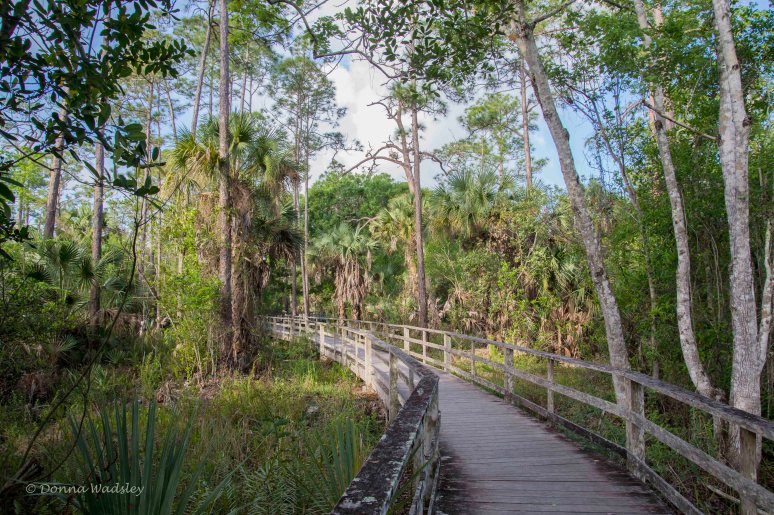
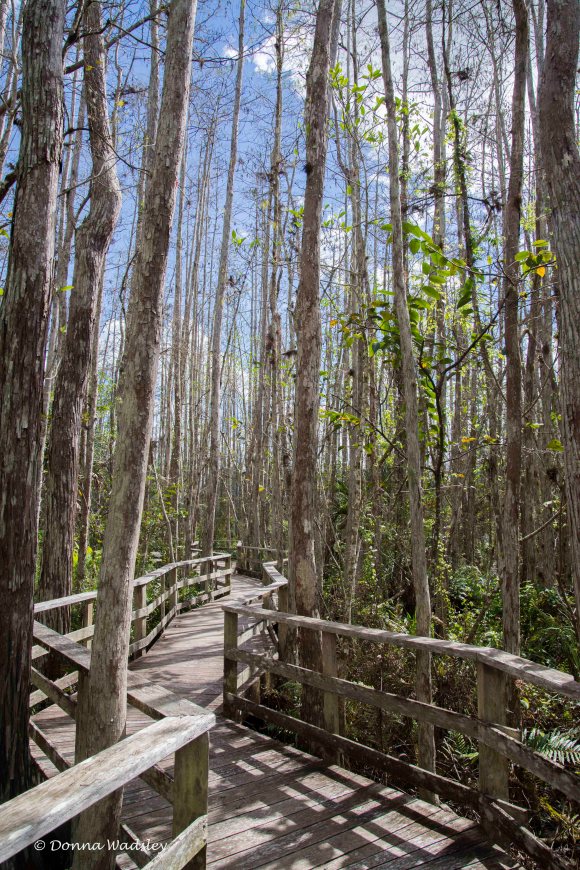
Audubon’s Corkscrew Swamp Sanctuary
.
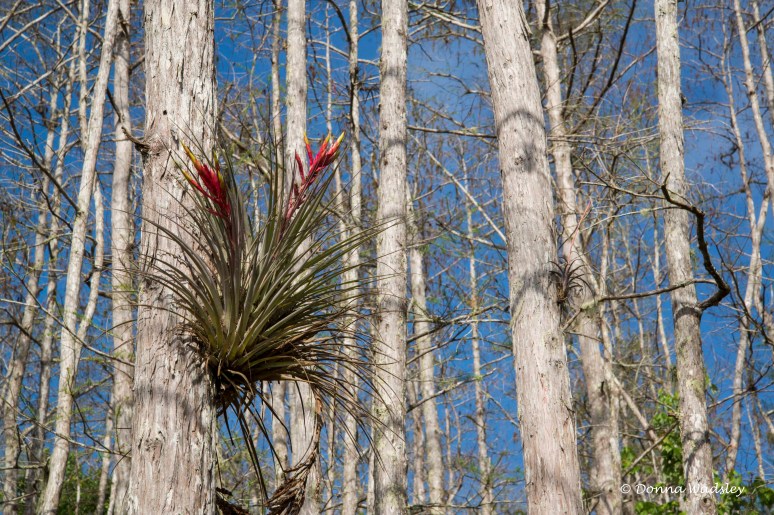
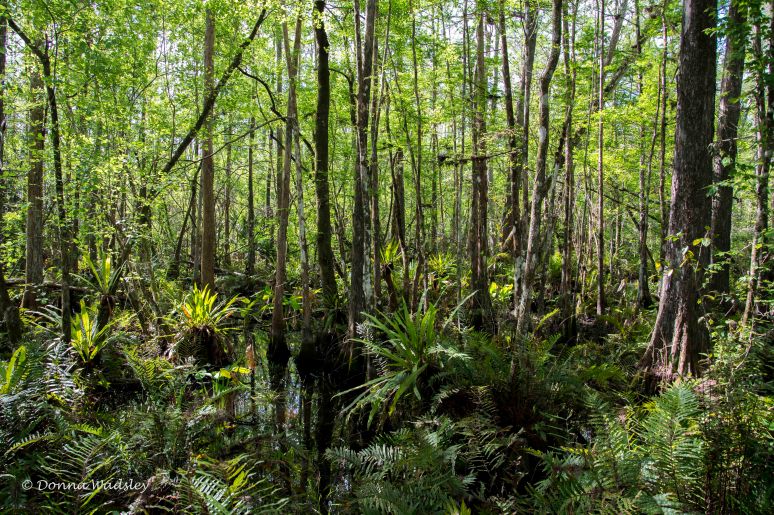
“A visit to Audubon’s Corkscrew Swamp Sanctuary is a journey into the heart of the Everglades ecosystem. Discover the rugged beauty of this famed natural area on Corkscrew’s famous boardwalk – a 2.5-mile adventure through pine flatwoods, wet prairie, around a marsh, and finally into the largest old growth Bald Cypress forest in North America.” — Audubon Corkscrew Swamp Sanctuary website
.

Corkscrew Swamp Sanctuary 2.5 mile Boardwalk
.
Audubon’s Corkscrew Swamp Sanctuary reopened this past winter by advance ticket purchase only for limited number of people at spaced out designated entry times, allowing social distancing, and the requirement to wear a mask when near others. I’ve always wanted to visit here and was able to go a few weeks ago. Hardly anyone there, it was pretty awesome!
Follow me as we wander along this famous boardwalk to see some of the beauty and wildlife this preserved swamp presently bestows!
.
.

Blue Dasher
.

.


Lichen
.

.
.

.

.
.


.


Green Orchid Bee
.


Fungi
.
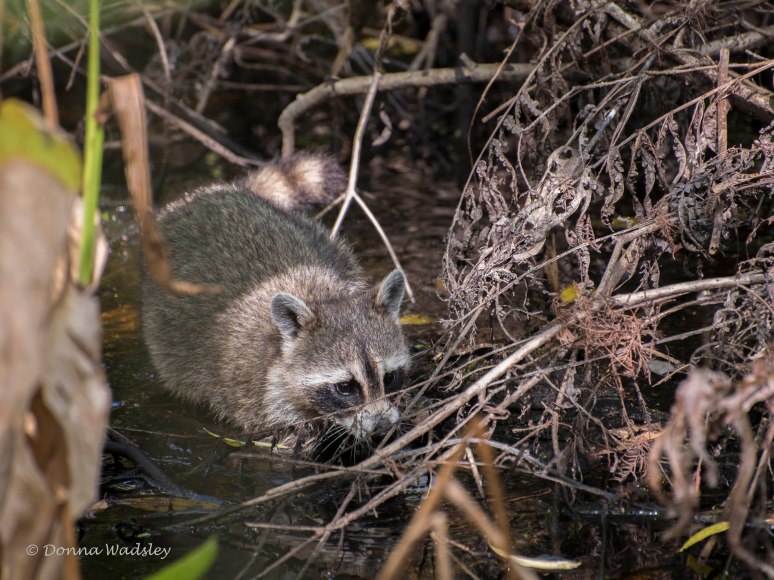
Raccoon
.

.

Limpkin
.


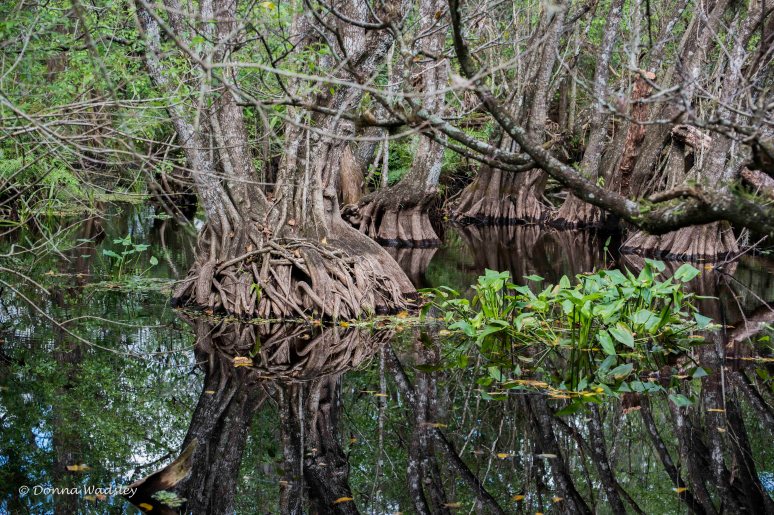
Strangler Fig Trees
.

Carolina Wren
.
Lots of birds in this area!
.


Blue-gray Gnatcatchers
.

Eastern Phoebe
.

Blue-gray Gnatcatcher
.

.

Great Egret 💚
.
.
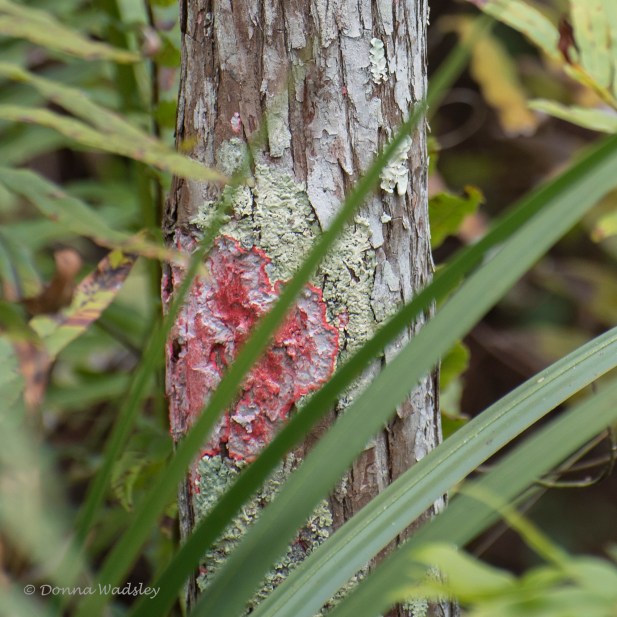
Lichen – “The Rose”
.
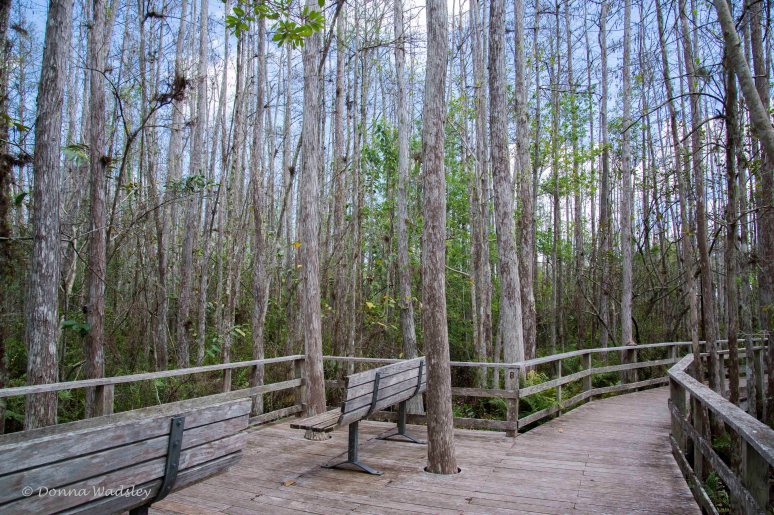
One of many resting areas
.

A tree resting
.

Looking back…..
.
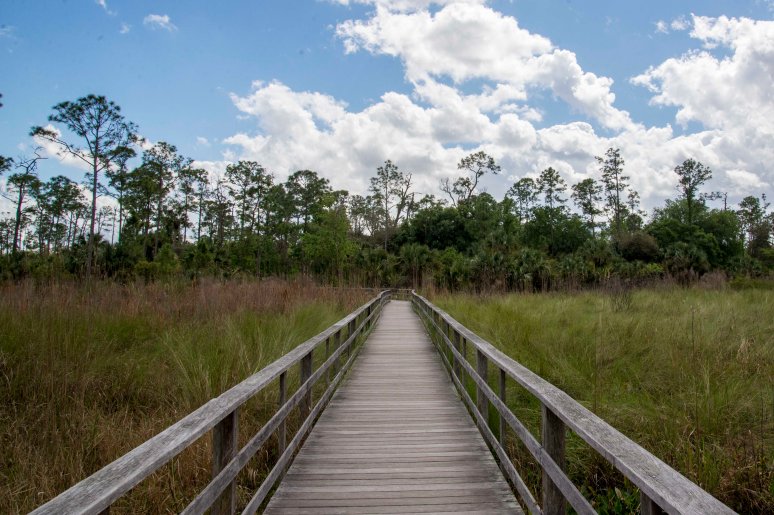
Let’s continue on, we’re almost done!
.

.
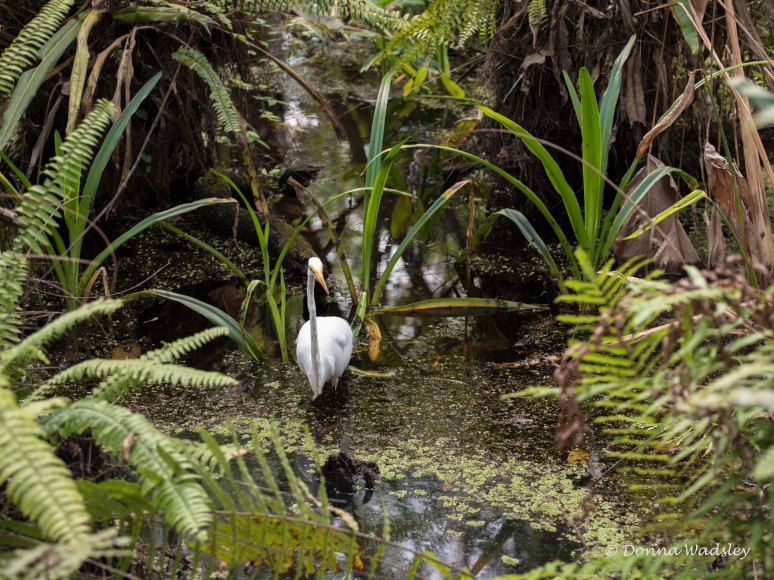
Great Egret
.

.


.

Great Pondhawk
.
.

Black Swallowtail
.
Exiting the boardwalk
.
We made it! Thank you for tagging along with me through the beautiful Corkscrew Swamp, I hope you enjoyed it!
.
.
Woodpeckers – Comparing Four
.
I have oodles of Red-bellied Woodpecker photos to still go through (they are everywhere in Everglades City and I cannot resist), but just recently scored photos of three others.
So here’s a photo of each of these four Woodpeckers, from smallest to largest, for a bit of comparison.
.

Yellow-bellied Sapsucker (7.5″/19cm tall)
(photographed on our RV lot 😃)
.
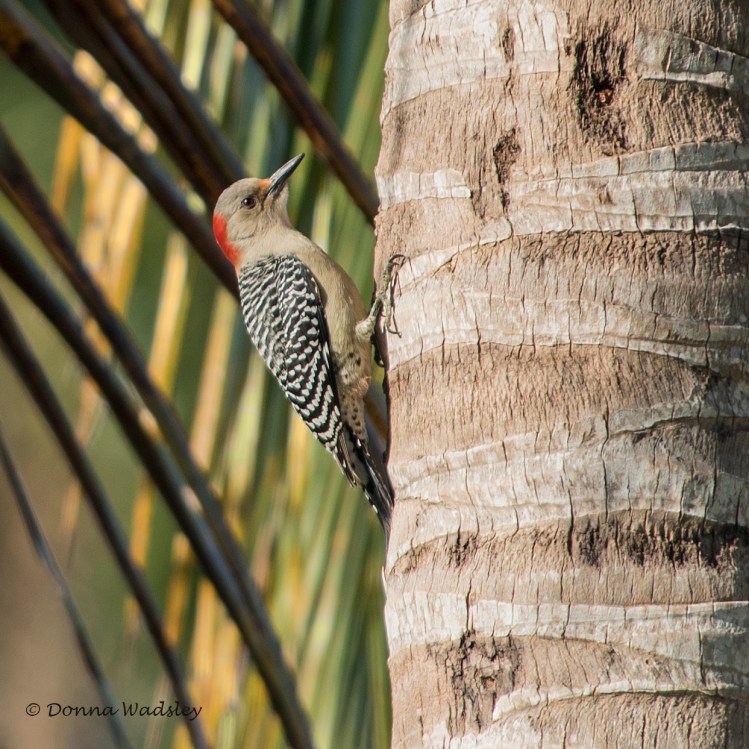
Red-bellied Woodpecker (8.5″/21.5cm tall)
.
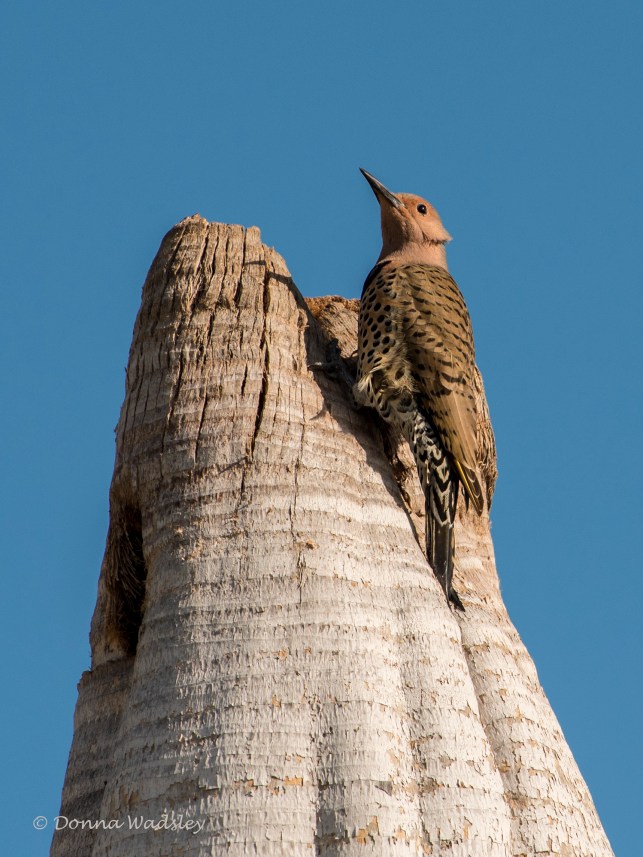
Northern Flicker (15″/38cm tall)
.
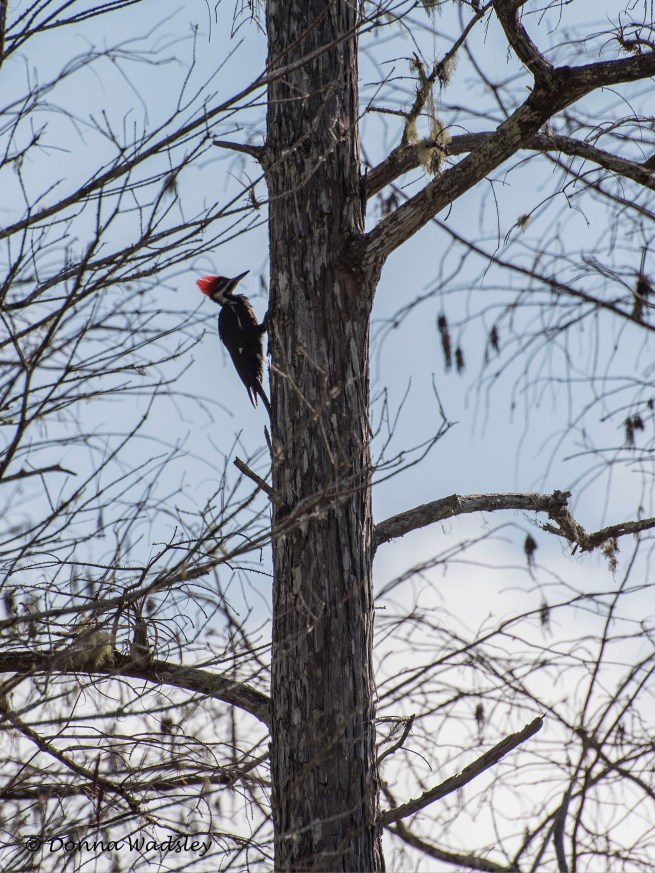
Pileated Woodpecker (18″/45cm tall)
(the largest of all North America woodpeckers)
.
There are a total of 23 species of woodpeckers in North America. Wow, I didn’t know that myself!
.
.
Black-necked Stilts
.
A few weeks ago, I heard a couple of birders discussing that the Black-necked Stilts would soon be arriving in March. I remembered where I saw them last March and started watching that location for them since.
.
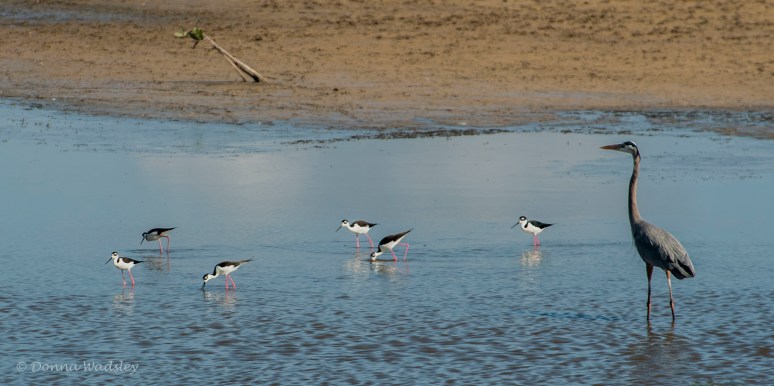
Black-necked Stilts and Great Blue Heron
.
Sure enough, I saw them the first week of March, right at the same wetlands location at Big Cypress Preserve as last year. I’ve seen them a few days since.
.

Black-necked Stilts
.
The Stilts species have the second-longest legs in proportion to their bodies of any bird (Flamingos rank first).
.
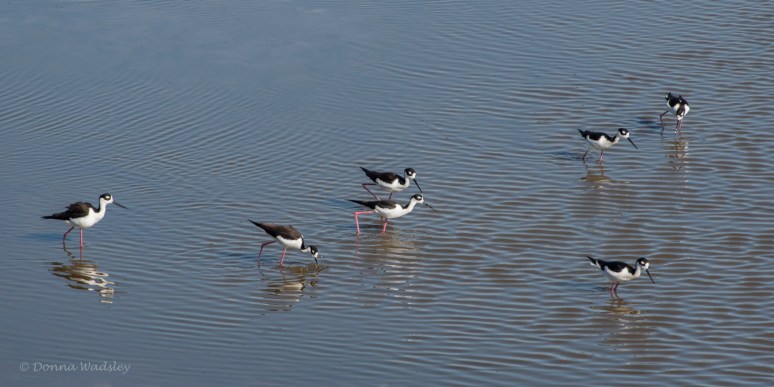
Black-necked Stilts
.
Black-necked Stilts can actually swim if necessary with their partially webbed toes and long wings.
.

Black-necked Stilt (female)
.
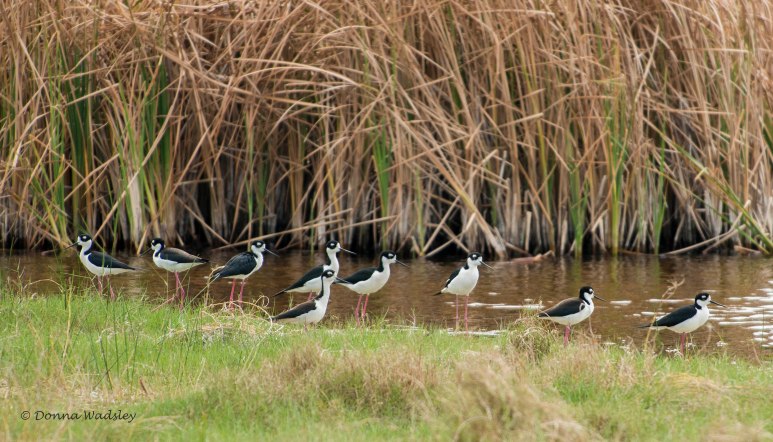
Black-necked Stilts
.

Black-necked Stilt and Blue-winged Teal
.

Black-necked Stilt and Yellowlegs
.
Black-necked Stilts certainly are elegant with that stark black and white contrast and those long, rosy-pink legs!
.
.
American Alligator Takes a Turtle
.
(Warning – this post contains graphic photos)
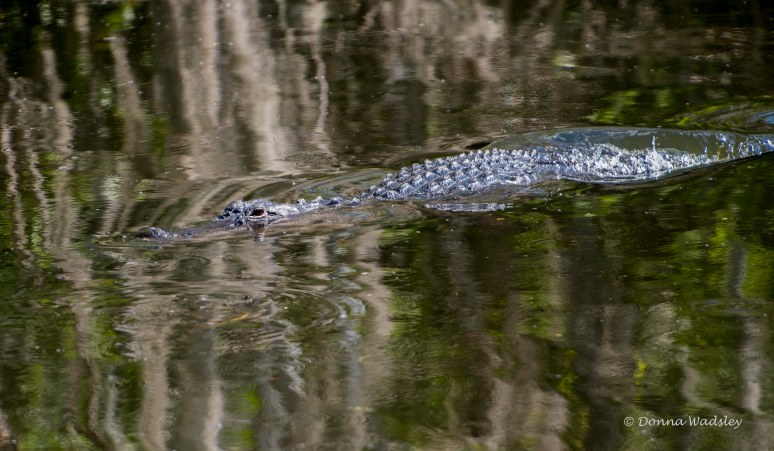
I was watching this alligator glide ever so slowly across the water and liked the reflections. While taking the photo, I saw a turtle’s head sticking out of the water.
.

.
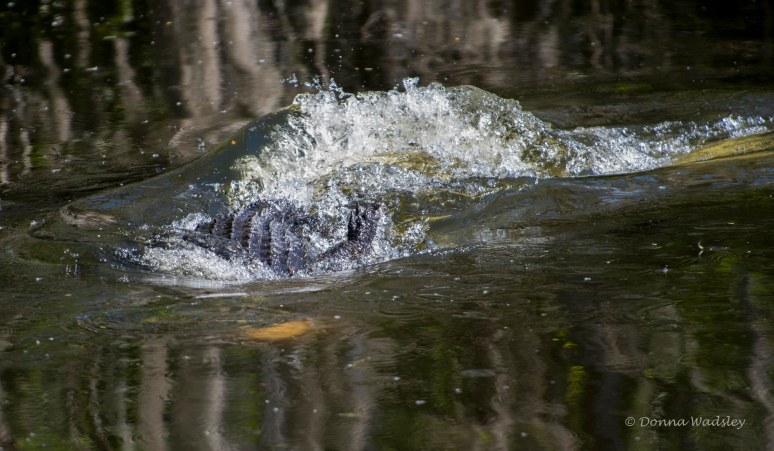
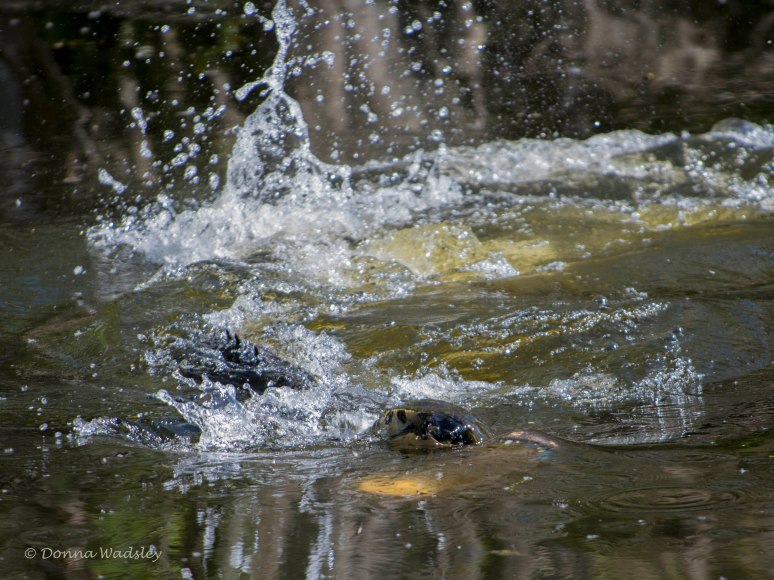
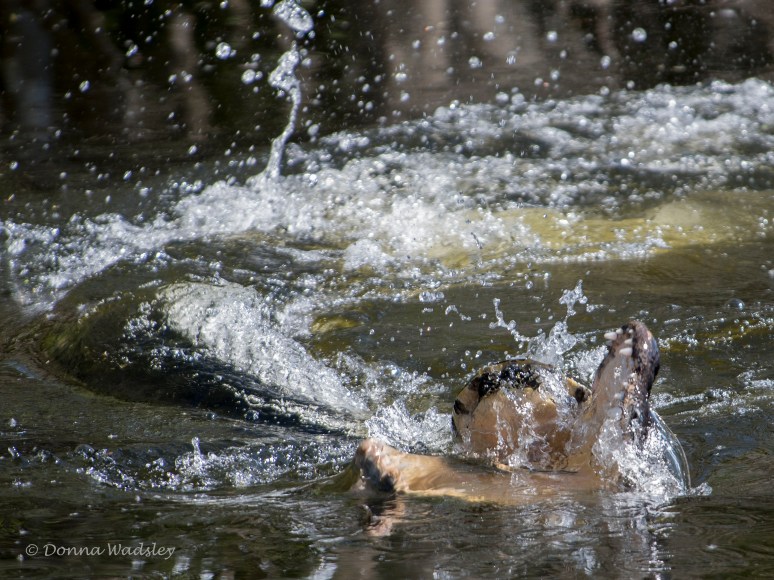
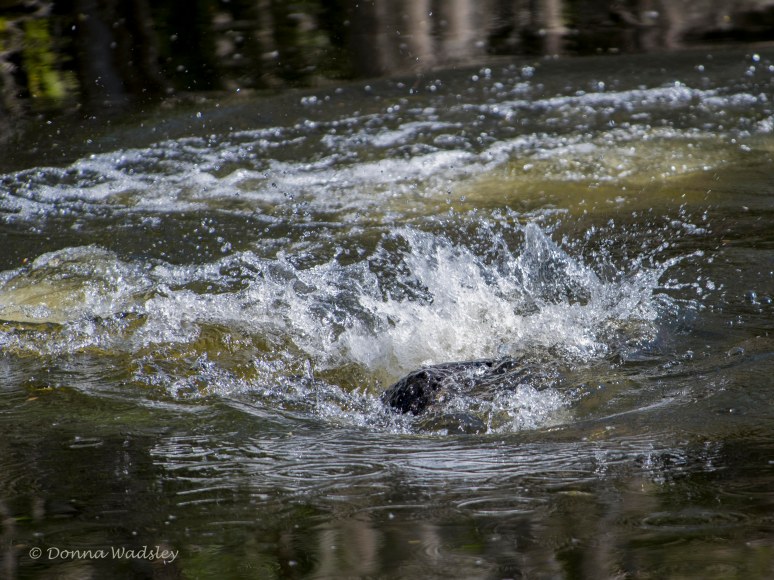
I continued to snap photos just as the turtle disappeared at the same time the alligator’s tail engaged its power. I’ll share just a few photos of the action.
.
.
.
.
.

.
.
Just as quick, the splashing stopped. The alligator resurfaced with the turtle in it’s mouth, and slowly swam towards and disappeared in the mangroves.
.

.

.
We can’t help but feel bad for the turtle, but this is the cycle of life. And an example at how fast and violent an alligator can be. If you come upon a alligator, please respect it and keep your distance. It will take what it wants.
.
.
American Alligator Gallery
.
With young and old alike, one of the most popular wildlife sightings everyone wants to see while visiting the swamps and preserves in south Florida is the American Alligator in its natural habitat.
.

.
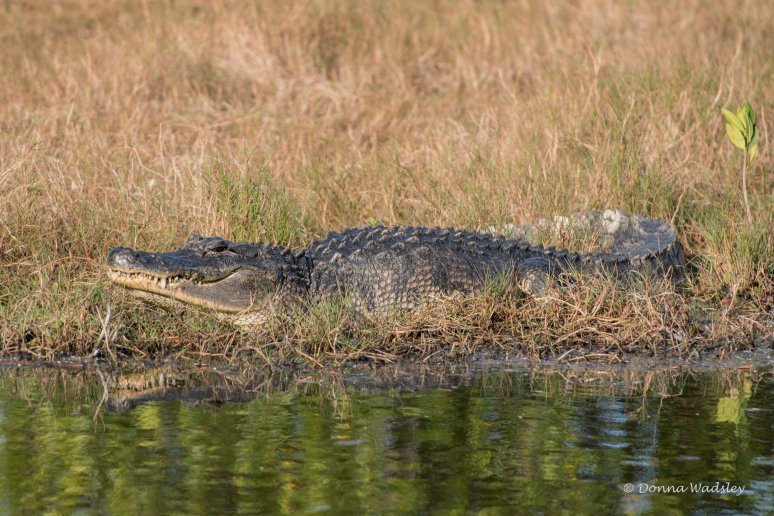
It is easy down here to find American Alligators in their one million+ acres of raw, natural habitat. They roam where they want to roam. They lay where they want to lay. Even if it is alongside the road.
.

American Alligator snoozing alongside the road
(black at bottom of photo is my car window/door)
.

.
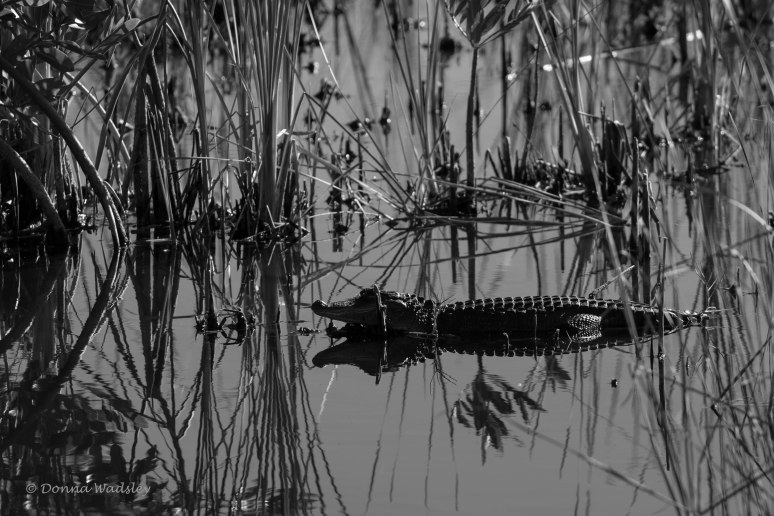
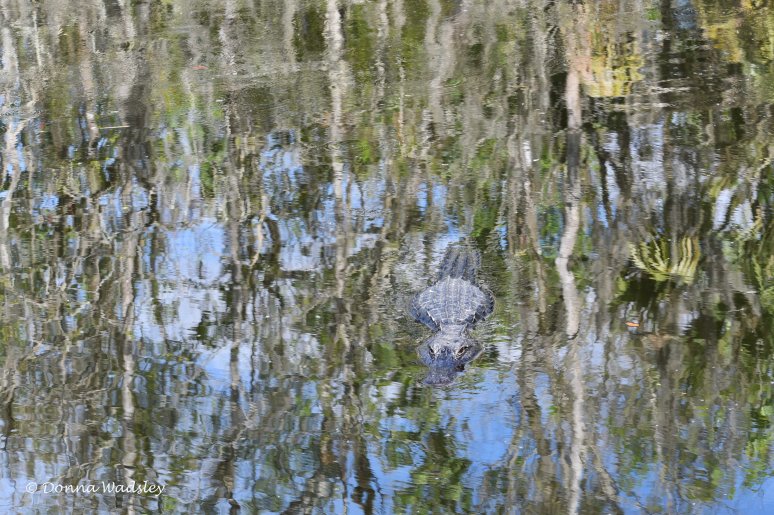
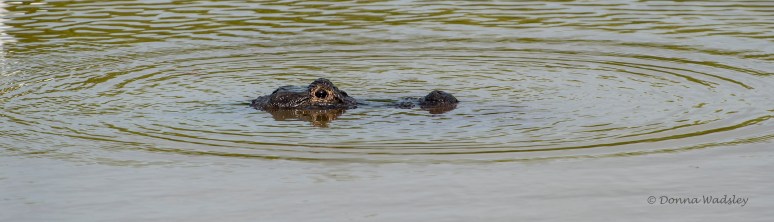
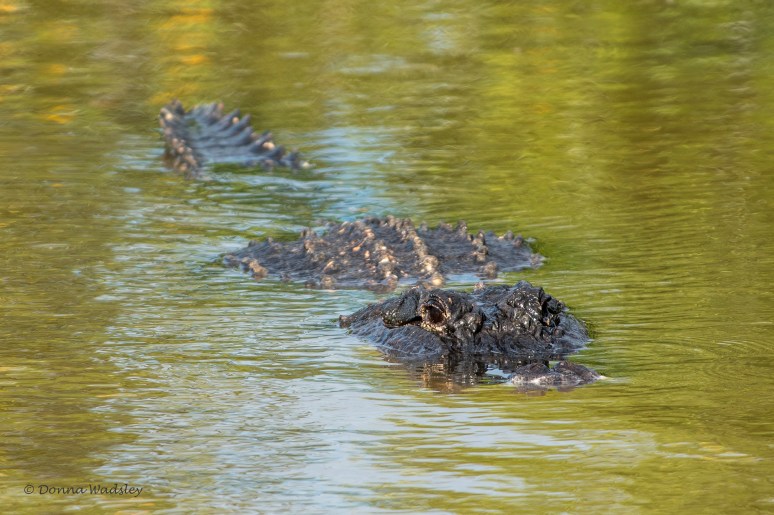
I’ve enjoyed trying to capture them in a beautiful setting, reflections a bonus.
.
.

.
.
.

.
.
.

I kept saying quietly, “Faster, egret, walk faster!” The alligator wasn’t fazed.
.
While photographing this next alligator eyeing me…..

.
It suddenly did a hard and fast submersion, instead of the usual slow sink.
.

.
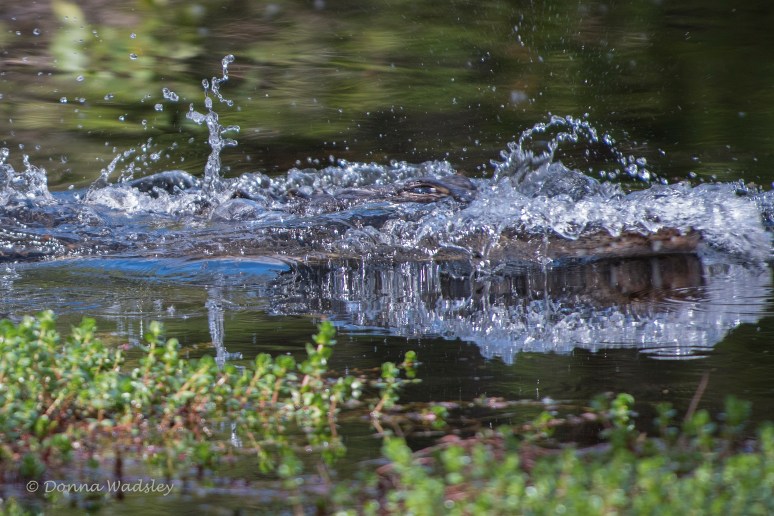
Fast submersion
(see the eye and teeth through the water splash and reflections?)
.
After disappearing in the swamp, the alligator finally reappeared further away and in thick growth, with just its head up and peeking.
.

.
Most of the photos above were cropped, some considerably. Please know I was not anywhere near any of these alligators.
Alligators are definitely fascinating. You’re looking back in time at a prehistoric creature.
Alligators are also very dangerous. They will take what they want. My next post will show a short series of an alligator taking a turtle. A warning will be posted, in case you’d prefer to not see, which I can respect.
.
.
Gopher Tortoise
.
The gopher tortoise is one of five North American tortoise species and is the only tortoise naturally found east of the Mississippi River in coastal scrub and pine flatwood habitats of the southeast United States.
The gopher tortoise is considered a “keystone” species because its burrows provide benefits to more than 350 other species.
In all their inhabiting southeastern states, the gopher tortoise is considered endangered or threatened. In Florida, it is listed as “threatened”.
.
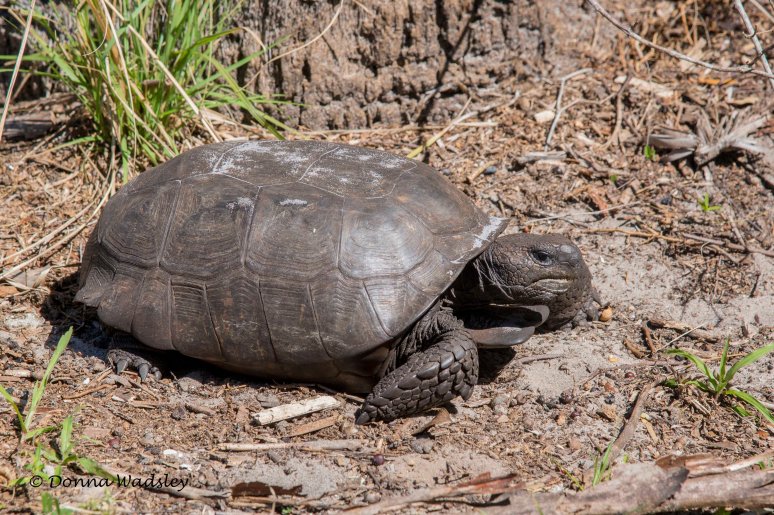
Gopher Tortoise
.
To get a chance to possibly see this 9-15″ (23-38 cm) dry-land turtle, we traveled not far to Rena Point. With perfect conditions for the gopher tortoise, roadside rescues are brought to this enclosed, protected area that were not able to be returned to the wild.
We explored the area and trail for about an hour with no sightings and returned to the parking lot. And this is where we found this gopher tortoise doing a little foraging not too far from our car. 😏
.

Gopher Tortoise
.

Gopher Tortoise
.
More information on the gopher tortoise posted at Rena Point, if you’re interested!

.
.

 Bay Photos by Donna