American Alligators Part 3 – Juveniles
(Continuing with Part 3 of an American Alligator three-part series)
American Alligator juveniles are tiny replicas of their parents. They are so cute!
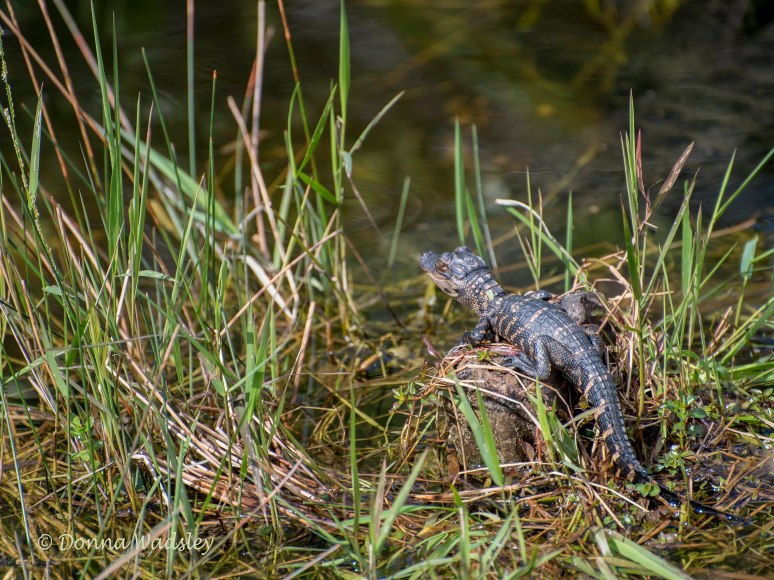
American Alligator juvenile, approx. 4-6 months old
The adult female alligator lays 32 to 46 eggs in late June/early July, with hatching occurring late August/early September.
Alligator hatchlings are 6 to 8 inches long with orange/yellow cross-bands against black for effective camouflage that lasts until maturity.

American Alligator juvenile, 4-6 months old, sitting on Momma’s back
Hatchlings grow rapidly, especially during their first four years, sometimes averaging more than one foot of growth for each year of life. They attain sub-adult stage at four years old.
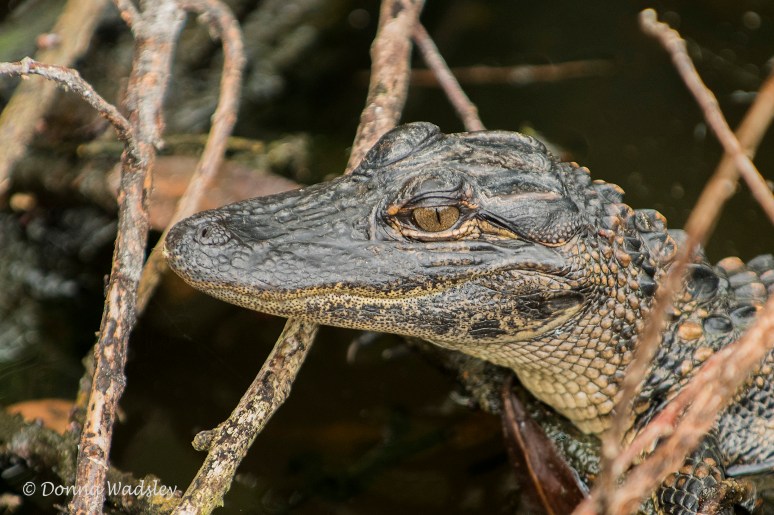
American Alligator juvenile
Juvenile alligators are very vulnerable to predators (birds, raccoons, bobcats, and other alligators) and will live close to Mom for at least their first two years of life.
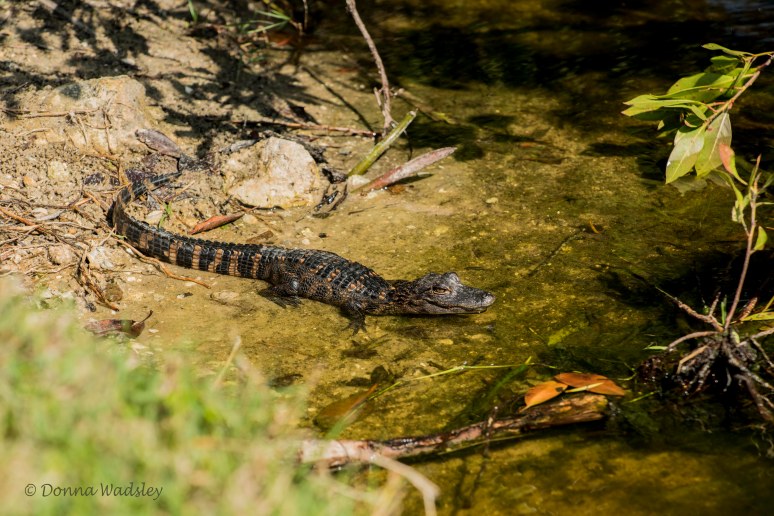
American Alligator juvenile
From an average clutch size of 35, it is estimated only 4 alligators will reach maturity (at 6 years female, 7 years male). This estimate is actually for a growing alligator population.
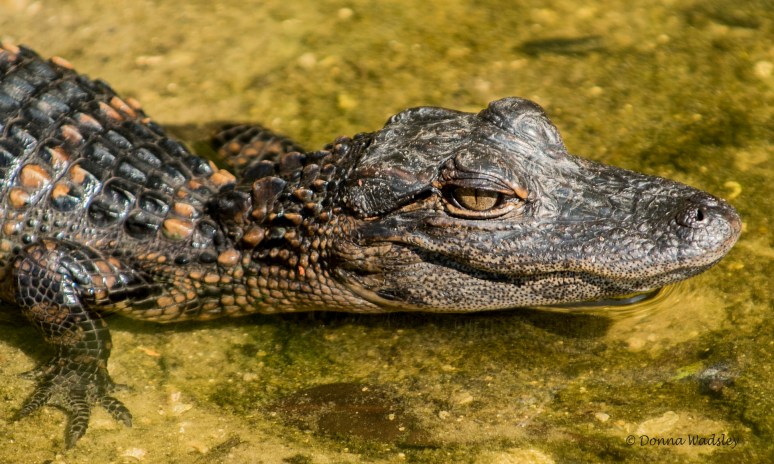
American Alligator juvenile

American Alligator juvenile closeup of the banding
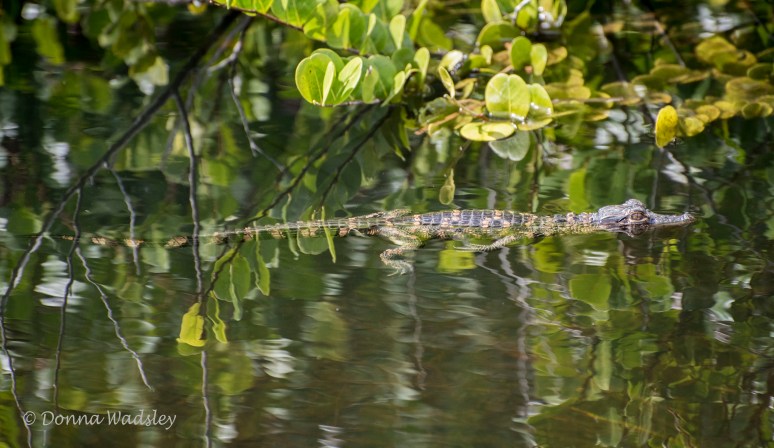
American Alligator juvenile
Cute until they get 6 to 10 to 15 feet long!
I hope you enjoyed my three part photo series and the bits of info, sharing the fascinating and, yes, dangerous American Alligator.
Here’s a map of where American Alligators are located in the United States. They are more widespread than I thought!
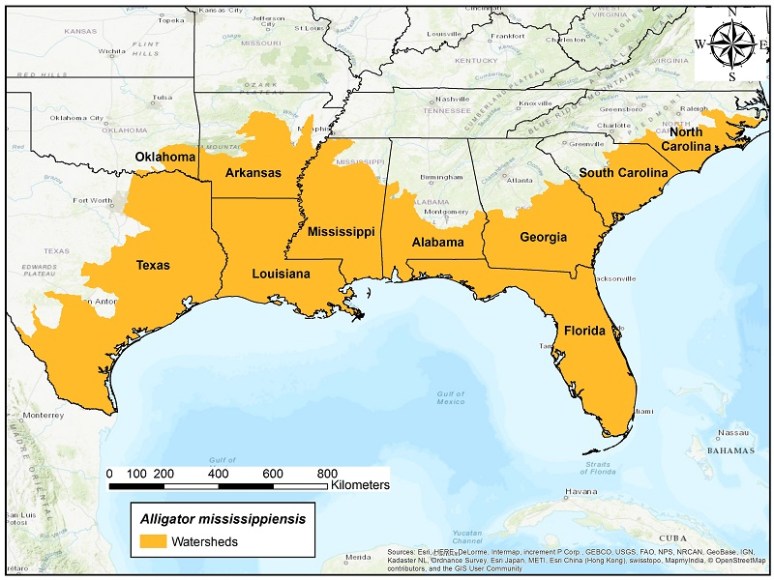
Map courtesy of U.S. Geological Survey, Nonindigenous Aquatic Species Program
(Part 1 “Adults” here, and Part 2 “Closeups” here)
American Alligators Part 2 – Close-Ups
(Continuing with Part 2 of an American Alligator three-part series)
Today’s Crocodylians (alligators, gharials and crocodiles) have been around for about 85 million years. Crocodylians are the last living representatives of the Crocodylomorpha, an even bigger, more diverse group of creatures that goes back to the Triassic age, originating over 205 million years ago.
So that’s where they get their prehistoric look?!! 😉
I had a memorable encounter with this American Alligator who was alongside at the end of a boardwalk I had followed, about a half mile deep in the Fakahatchee Strand State Preserve.

American Alligator
It was a great opportunity to safely capture close-ups of this alligator.
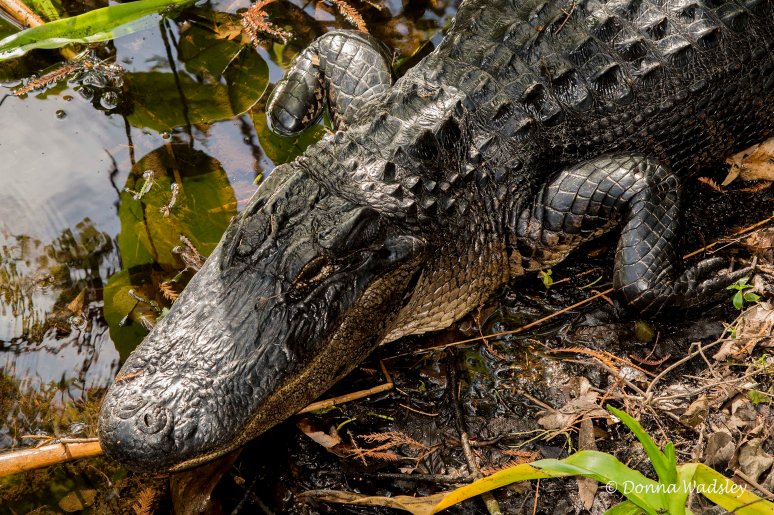
American Alligator
Now the eye. See the reflection of the boardwalk I was standing on? 😲
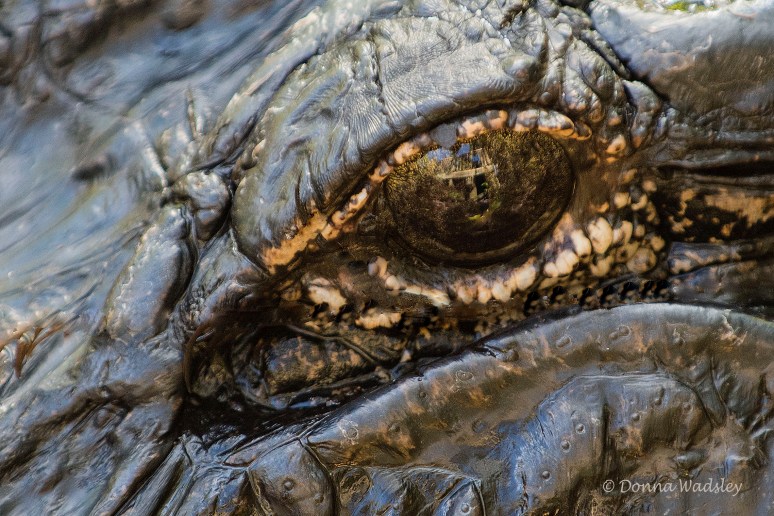
American Alligator Eye
I processed these next two close-ups in B&W.
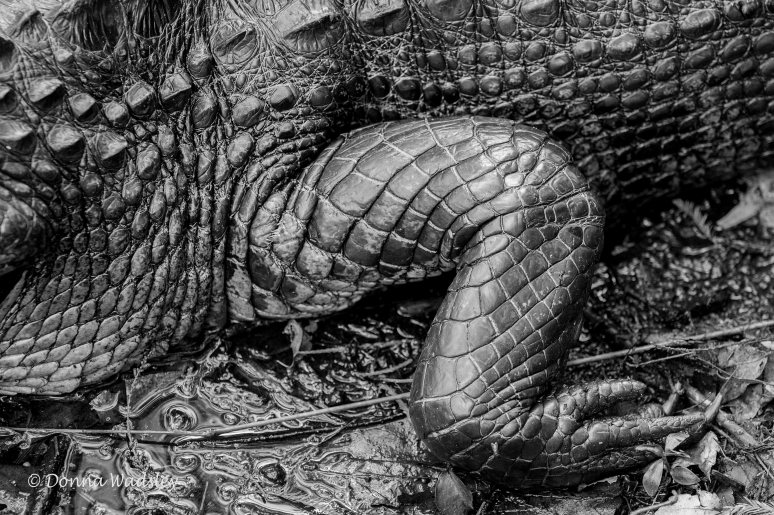
American Alligator in B&W

American Alligator in B&W
When I finished taking a few photos, I turned away and took a couple steps to view the alligator hole, when this alligator suddenly sprinted alongside me into the hole with a tremendous splash. The fast force and the noise was so startling, I screamed at the top of my lungs! Thank goodness no one else was around on the boardwalk to hear me. 😅 I looked for the alligator, and it had disappeared into the deep water. Gone.
I won’t forget that adrenaline experience! It took me a few minutes to regain my composure and slow down my heart. 😊
Fact: Alligators can do a quick running spurt on land at 11 mph. In the water, they can swim 20 mph!
Next post will be the last of my American Alligator series with Part 3, showing off the American Alligators cute side with the juveniles!
(Part 1 here if you missed it!)
American Alligators Part 1 – Adults & Habitat
My last posts have shared wildlife elegance and cuteness with birds, a Monarch and a chipmunk.
Now let’s go for some danger in a three-part series. All while in the comfort of your chair. 🙂
And for me, safely from the other side of the canals when I photographed these this past winter in Florida.
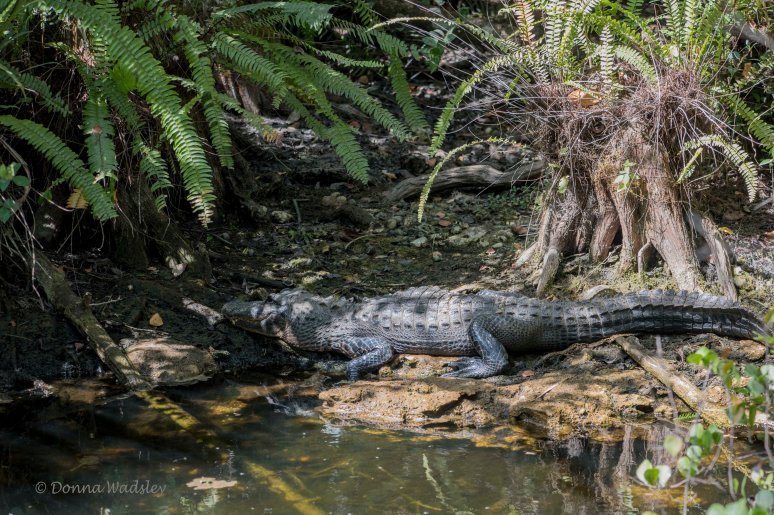
American Alligator in habitat
American Alligators are considered adults at about 6 feet long and grow up to about 10 feet for females and 15 feet for males, and weighing 600 to 1,000 lbs. In the wild, they are estimated to live 35-50 years.
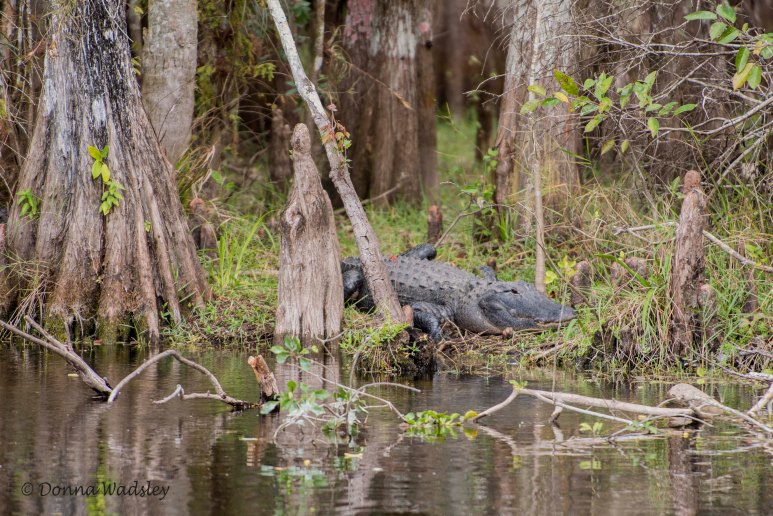
“Big ‘Ole Fella”
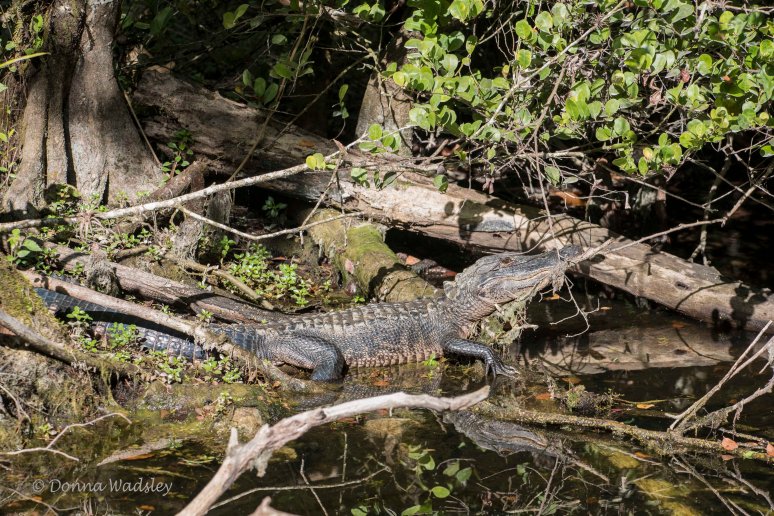
“Lounging Louie”
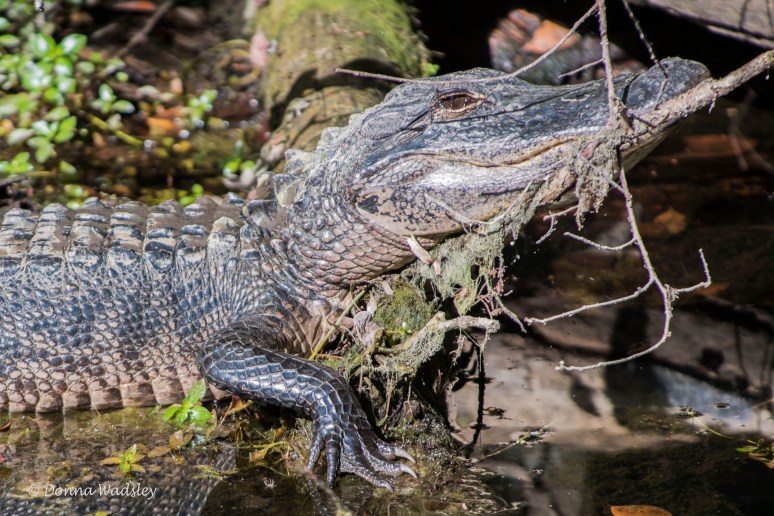
“You wanna judge my laziness?”
Where the waters are deep, you can find alligators ‘just hanging around’ in the afternoons. It sure looks comfortable!
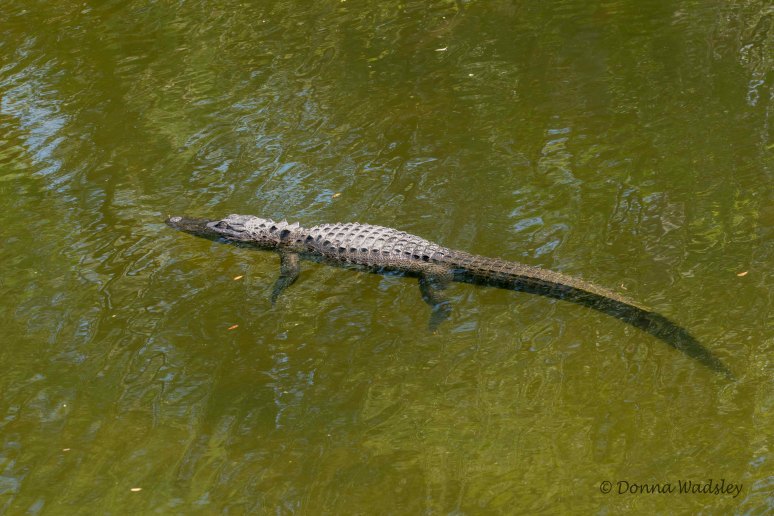
American Alligator sunning
While they sun, I’ve seen small fish feed off an alligator’s tail.
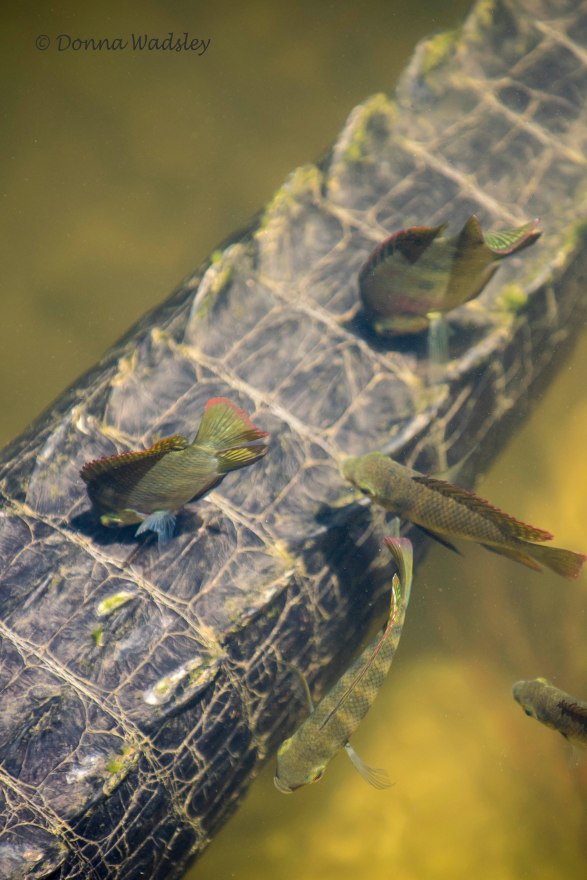
Fish feeding off an Alligator’s tail
For sure, the fish didn’t feed near the alligator’s head, or they might be a snack!
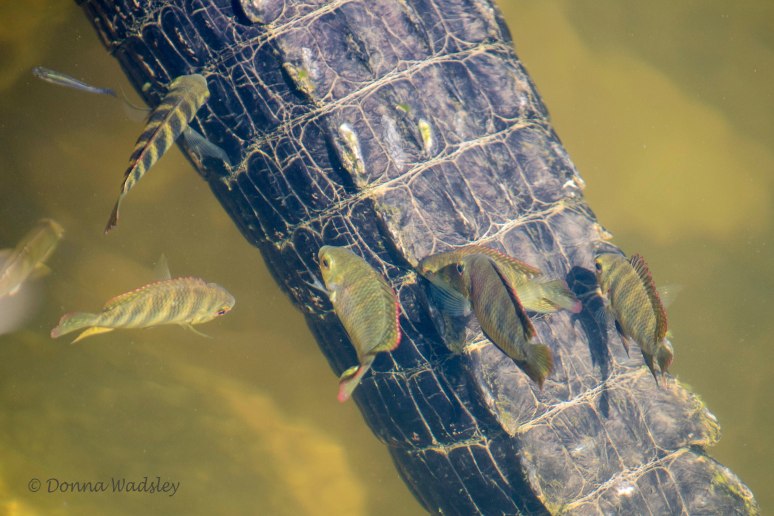
Fish feeding off an Alligator’s tail
And finally, I did come across this alligator that WAS on my side of the canal, along the dirt road I was traveling. S/he never moved. What a beauty! I took a photo with my wide angle lens.
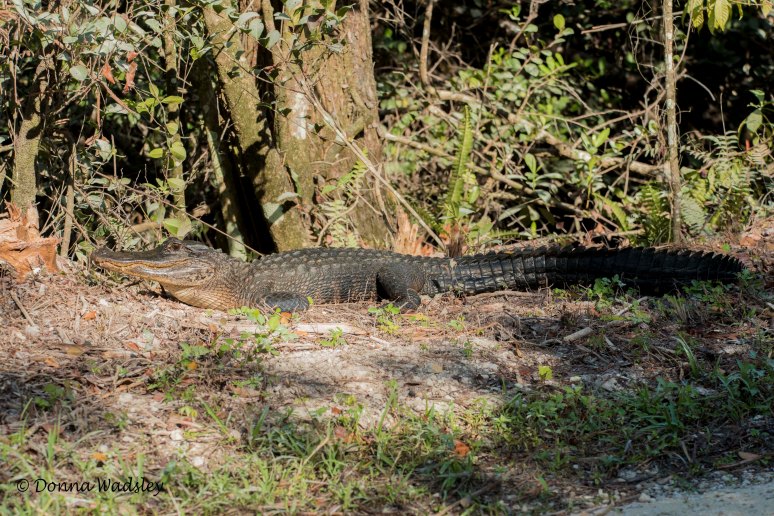
American Alligator
And another with my zoom lens.
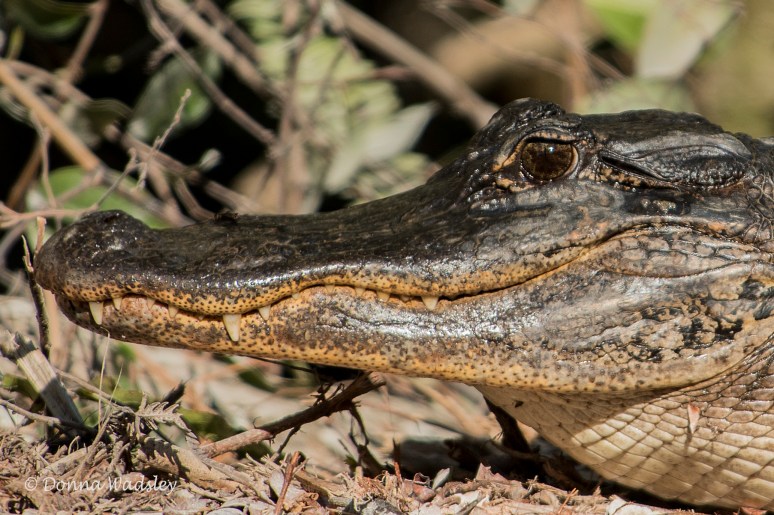
American Alligator
A Fact: Alligator teeth are actually not sharp for tearing but rounded for grabbing and holding. For the kill, it is their crushing jaw with a biting strength of 2,125 pounds per square inch that does the work – enough to bite through steel.
ALWAYS respect alligators. Stay a safe distance. With 1.2 million alligators in Florida alone, officials there constantly remind people to never harass or feed them and report nuisance alligators to the FWC for capture and relocation if possible.
Watch for my next post, “Alligators Part 2: Close-Ups”!
Barn Swallows
I tried photographing Barn Swallows during a two-week period back in May.
They are quite the acrobats! And quite the challenge!
Here are five shots I liked the best.
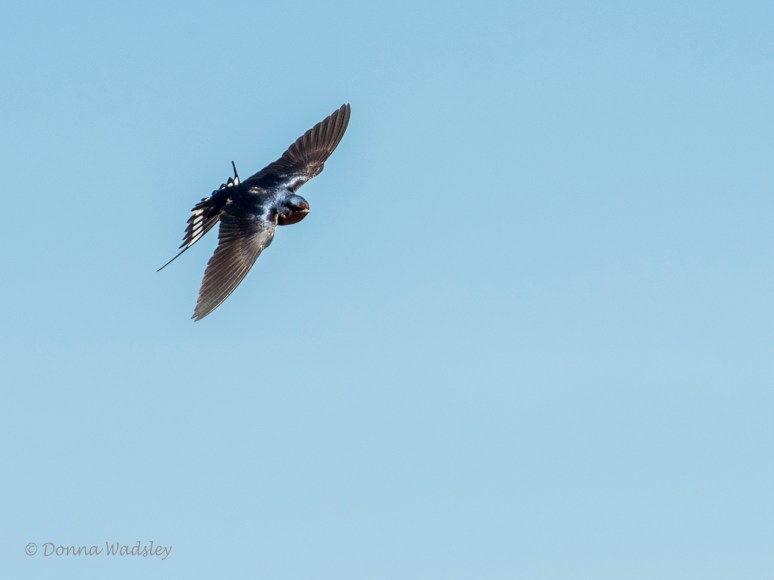
Barn Swallow

Barn Swallow

Barn Swallows
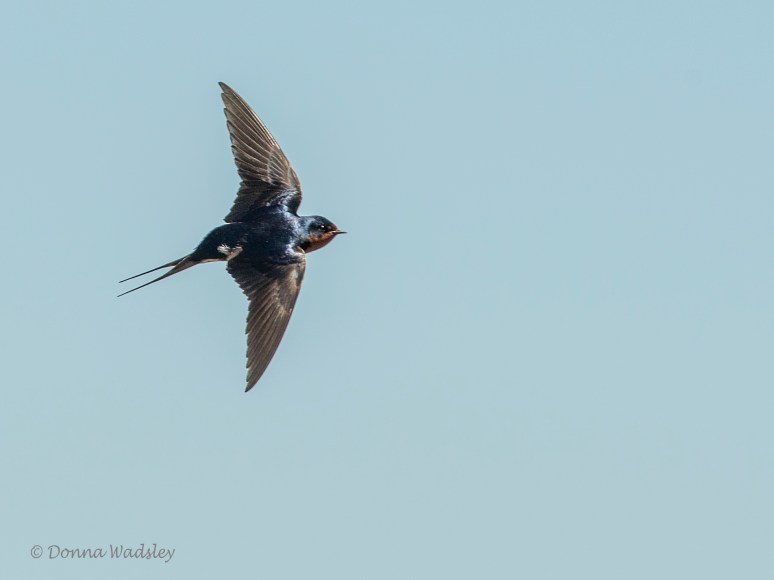
Barn Swallow
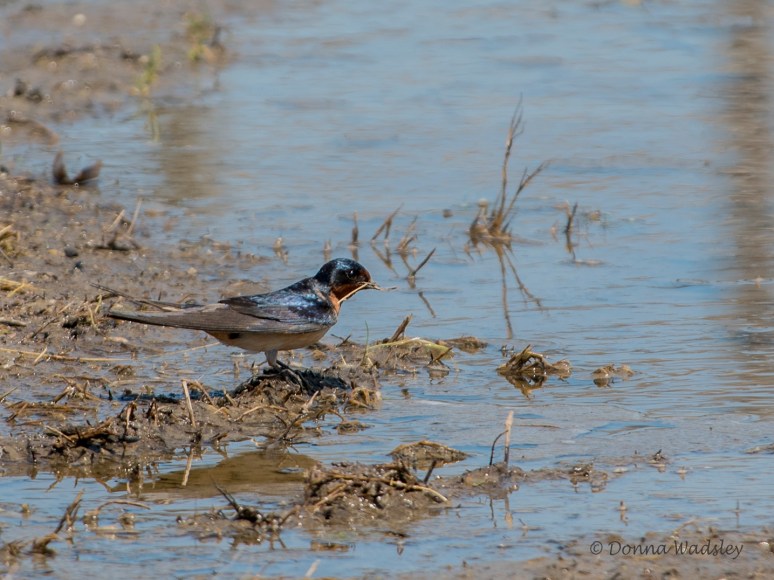
Barn Swallow collecting nesting materials
Barn Swallows are the most abundant and widely distributed swallow species in the world. They breed throughout the Northern Hemisphere and winter in much of the Southern Hemisphere.
Tricolored Heron Takes A Bath
I love capturing bird behavior, including they’re taking time for a bath.
So how does a long-legged shorebird take a bath in shallow water?
This Tricolored Heron shows it’s not difficult!

Tricolored Heron squats down to begin a quick bath
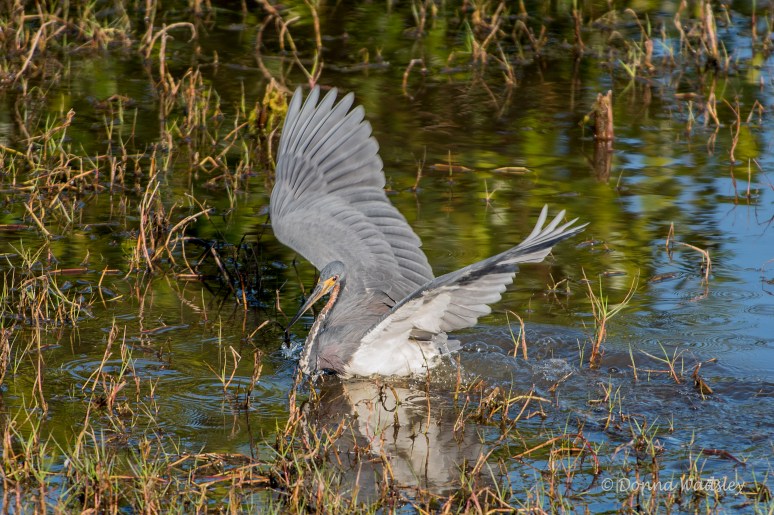
Tricolored Heron swooshing its body in the water
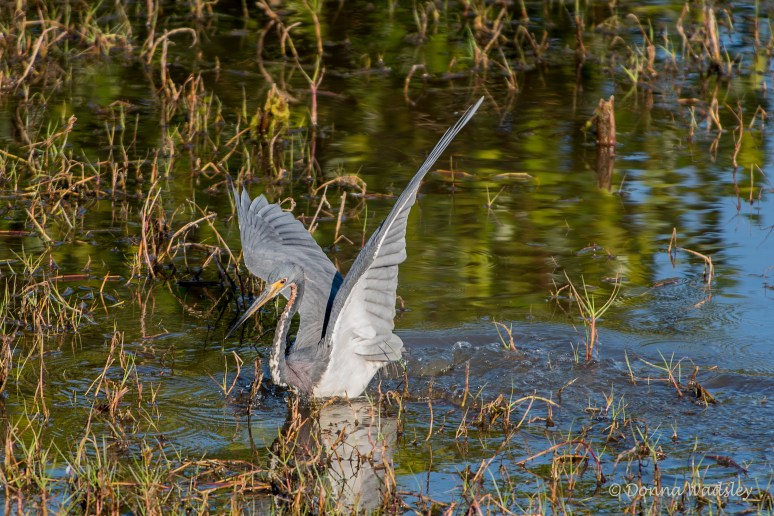
Not getting those wings wet

Wingspread for balance standing back up

Tricolored Heron feeling more refreshed
Still not sure how they keep their white feathers so clean! 😉
Little Blue Heron – Adults & Juveniles
The Little Blue Heron is the least flashiest of the North American herons with it’s dull slate blue and purplish-red coloring.
Which is the reason the Little Blue Heron was actually spared from the hunting frenzy that decimated other heron and egret populations during the feathered-hat fashion craze of the early twentieth century. Their dark plumes weren’t desired thankfully!

Little Blue Heron adult

Little Blue Heron adult
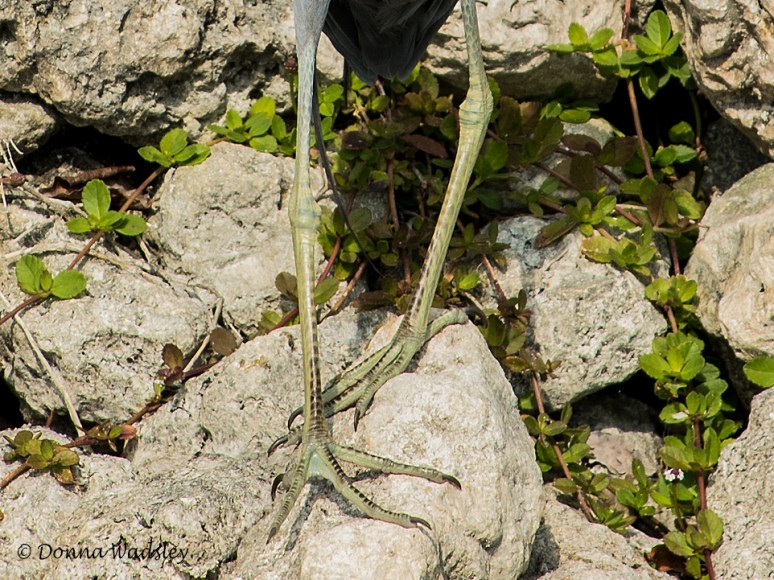
Little Blue Heron adult feet

Little Blue Heron adult
The first year of life, the Little Blue Heron is actually white and often confused with the Snowy Egret.

Little Blue Heron juvenile

Little Blue Heron juvenile

Little Blue Heron – almost adulthood!
I lucked out with a juvenile Little Blue Heron foraging around a Snowy Egret. You can see they are quite similar in size and looks. The quickest ID difference is the beak (the egret’s black vs. the heron’s slate blue tipped with black) and the heron missing the egret’s yellow lore.
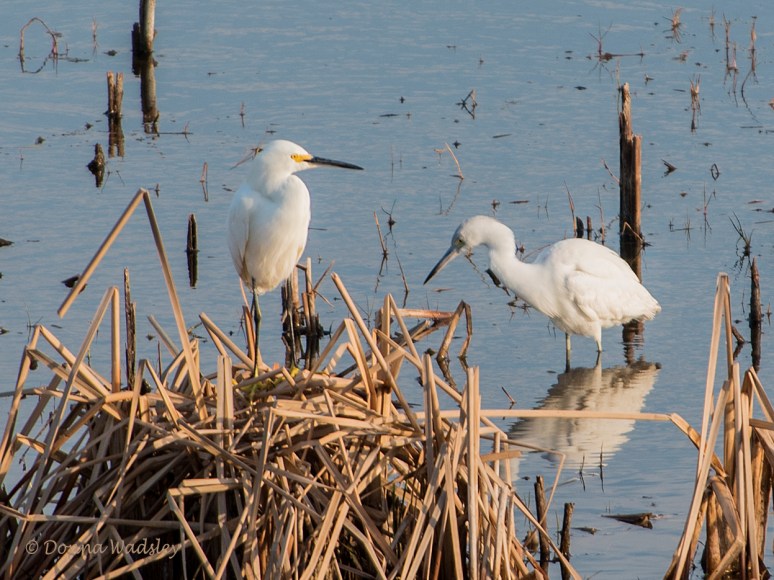
Snowy Egret (left) and Juvenile Little Blue Heron (right)
Just four frames later an adult Little Blue Heron flew at the juvenile heron above, forcing it into flight. The adult followed/chased it out of my sight. Maybe someone was being scolded for wandering off! 😉

Adult Little Blue Heron chasing juvenile Little Blue Heron
The dark Little Blue Heron isn’t the easiest to photograph, hopefully I shared their own shining beauty to you!
(All photos were taken January through March 2020 in Florida)
Great Blue Herons – Habitat, Profile & Close-Up
Three photos of the Great Blue Heron….
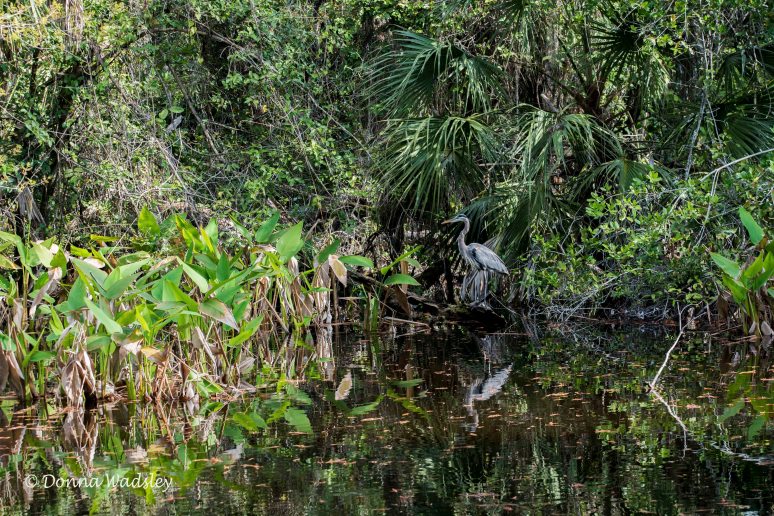
Great Blue Heron “Florida Habitat”
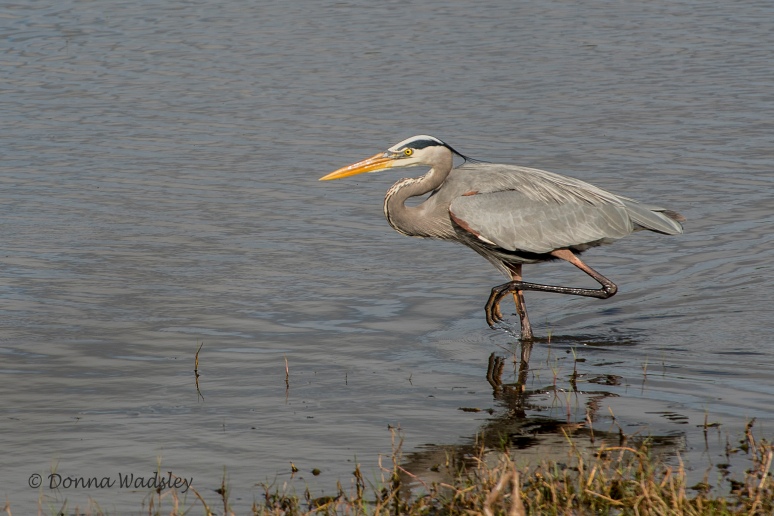
Great Blue Heron “Stalk Profile”
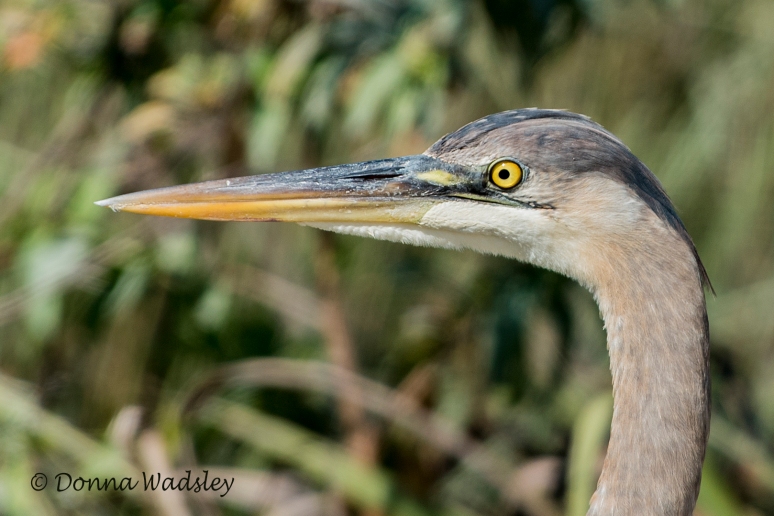
Great Blue Heron “Close-Up”
From distance to close-up, the Great Blue Heron is always picturesque!
Series: Take A Moment and Enjoy A Sunset
It’s been too long since I’ve shared a sunset for you to enjoy!
There wasn’t a big sky shot for this sunset I took last summer, so I photographed it closer to get its moody grandeur full frame.
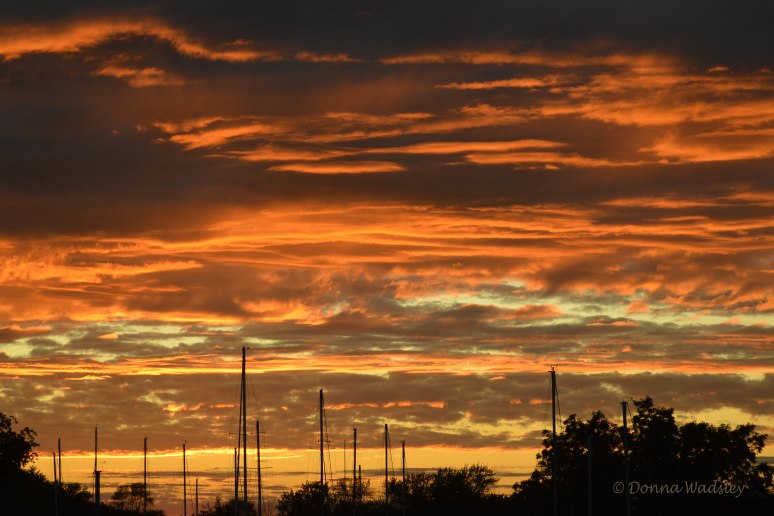
Sunset over Cambridge Creek, Maryland
White Ibis
Even with the vast numbers of these birds throughout the southeastern United States, White Ibis are among one the favorites of many.

White Ibis (adult)

White Ibis (juvenile)
Adult White Ibis Juvenile White Ibis
These photos were shot about two hours before sunset.
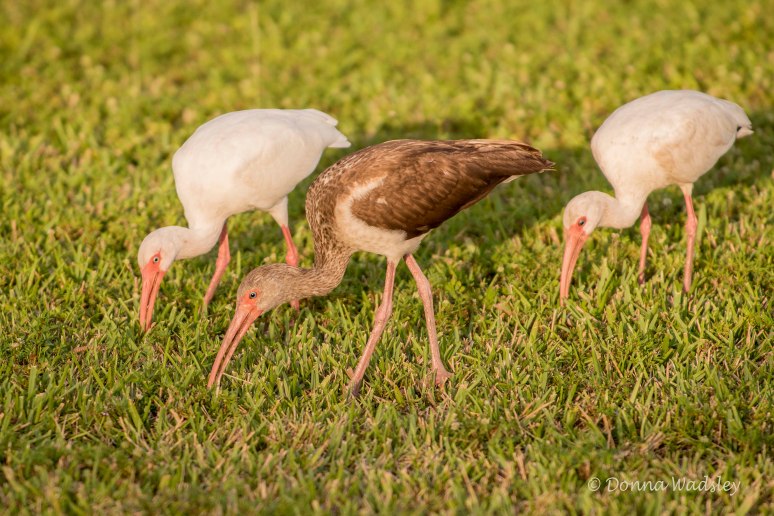
White Ibis
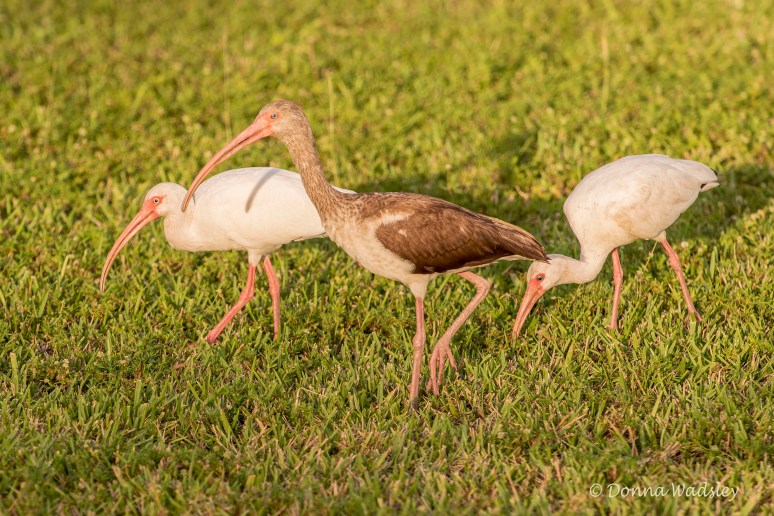
Smile!
From another day that was cloudy.
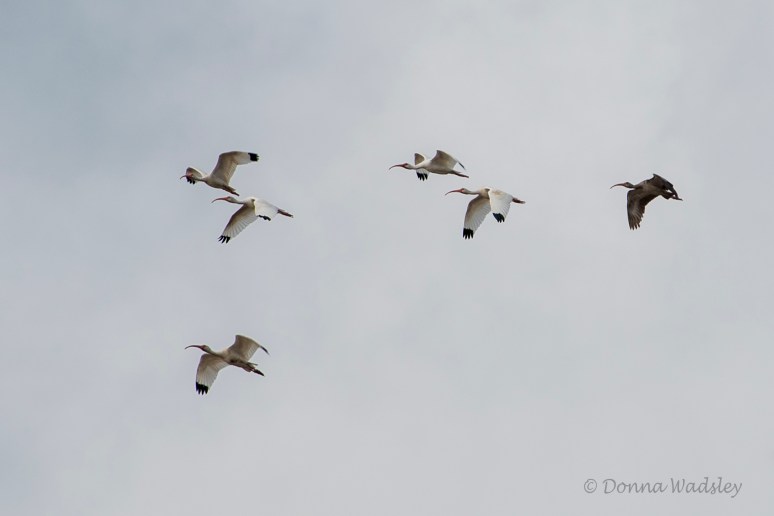
White Ibis in Flight
(the last one is a juvenile)
(Photos taken February 2020 in Everglades City, Florida)
Monarch Butterfly and a Chipmunk
Not only did I succeed with photographing two birds the other day in the park, I also took some non-bird subject photos and really liked how these two turned out.
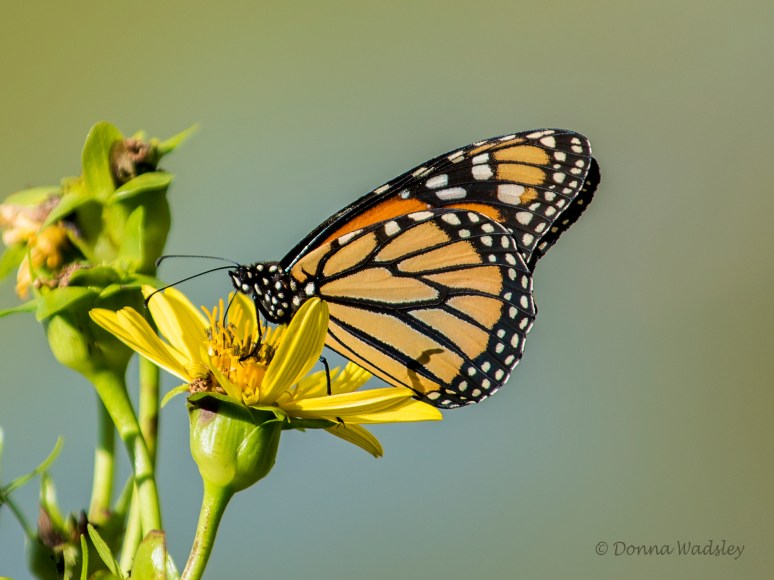
Monarch Butterfly
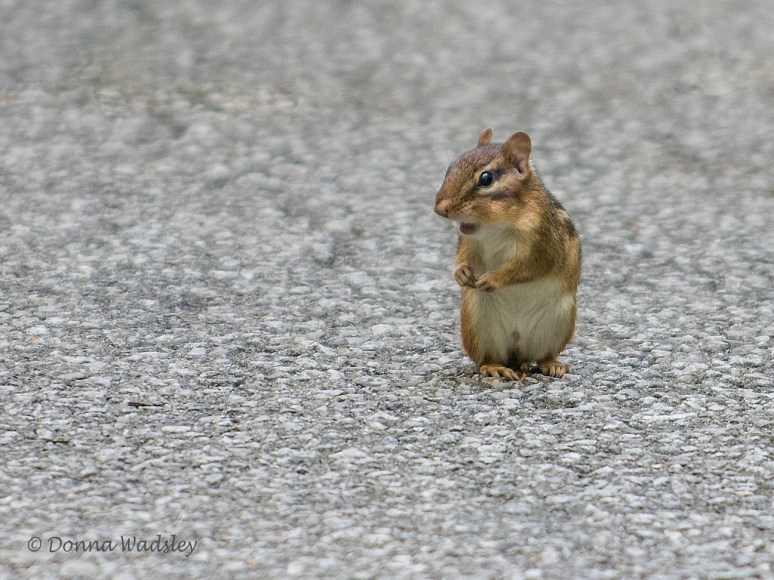
Chipmunk saying, “Have a wonderful Sunday, everyone!”