An Eagle In Flight
A few days ago, my husband shouted, “Eagle!” I was out the slider door and onto the balcony with my camera in-hand lickity split! 😉
I spotted the Bald Eagle flying down Cambridge Creek, make a U-turn, and head back my direction. As it closed in, the Eagle then turned again and flew directly in front of me.

Bald Eagle
(no crop, only ‘sized’ for this post)
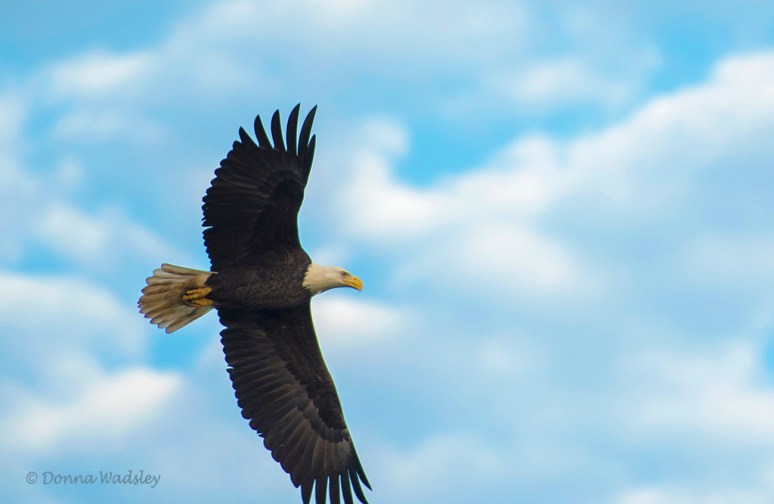
Bald Eagle
(since I caught him at the bottom of my frame, I cropped this shot)
I will never tire of the majestic Bald Eagle making a surprise appearance!
Lesser Yellowlegs
A Lesser Yellowlegs striking the perfect pose.
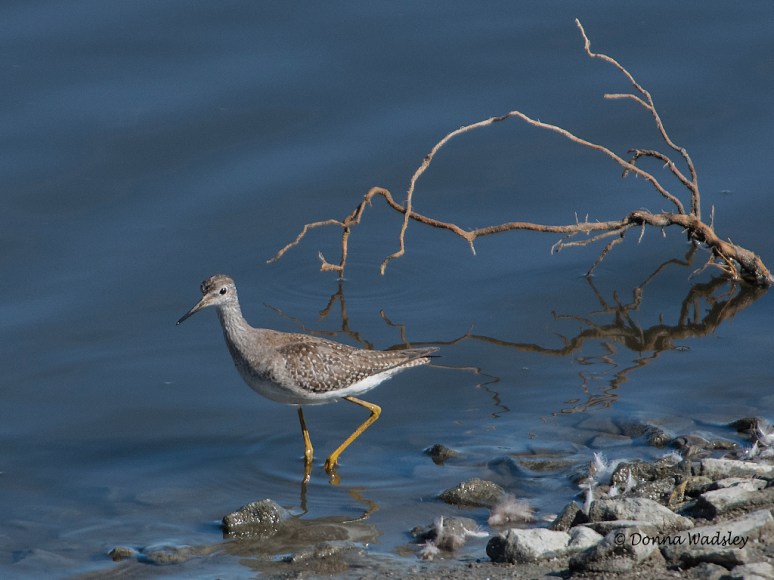
Lesser Yellowlegs
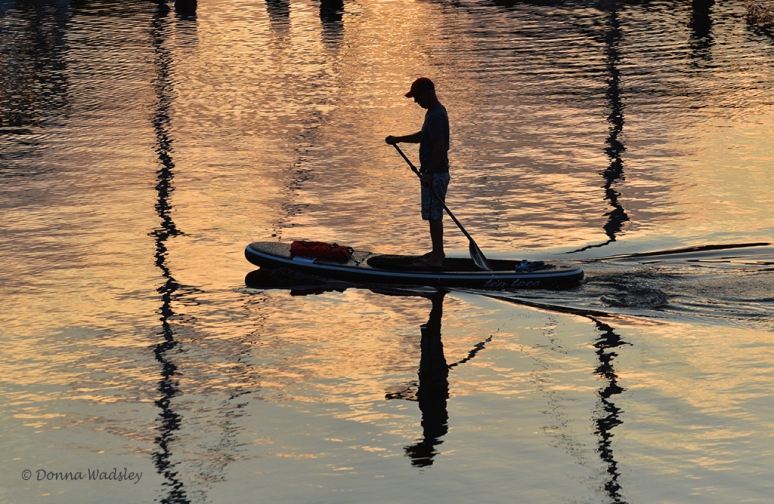
A Stand Up Paddler Reflecting at Sunset
A stand up paddler on Cambridge Creek during the final minutes of a sunset’s glow.
Great Blue Heron in a Pine Tree
I was surprised several people strolled along the boardwalk in front of me and walked right by this Great Blue Heron without even noticing him/her.
But, of course, I did. 😊
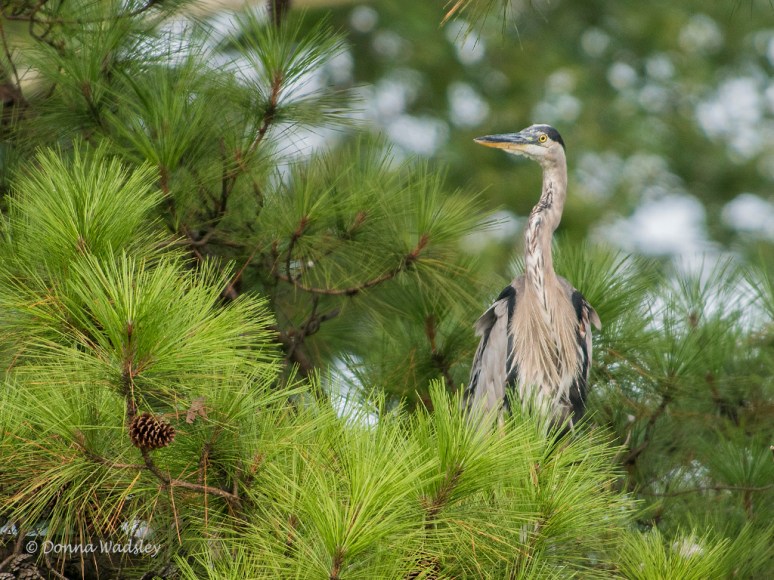
Great Blue Heron
Poplar Island’s Restoration Project “For The Birds” – Part II
I first shared the history, scenery, and some bird photos I took from my two recent visits in Part I of Poplar Island’s restoration project.
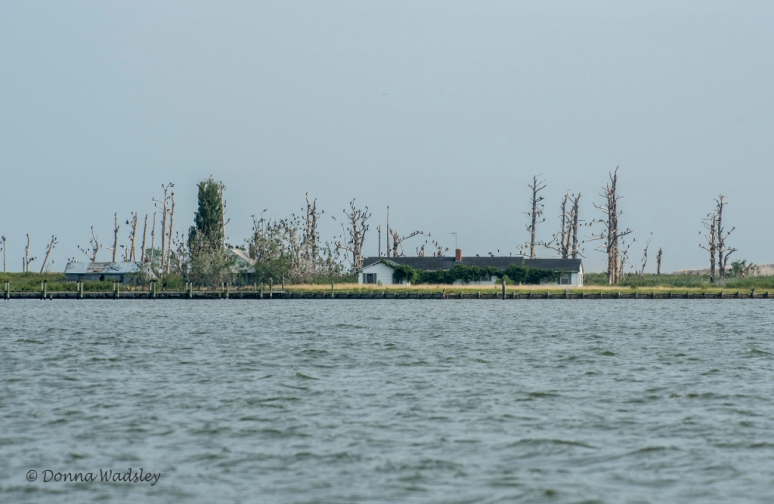
Our tour boat passed these Cormorants ‘covering’ adjacent Jefferson Island, one of two islands created when Poplar Island’s erosion in the late 1800s caused it to split into three islands (the other is Coaches Island). Jefferson Island was once a hunting retreat playground for presidents and politicians in the 1930-40’s until it burned down in 1946. The house you see was built in the 1950’s by island’s new owners. Jefferson Island and Coaches Island are both still privately owned.
As a group, we sighted 60+ bird species August 5th and 36+ bird species September 20th. I failed to get the last counts.
Each visit on Poplar Island was three hours. For that short amount of time, I thought the number of species we saw was pretty impressive (although some birders were disappointed with the 36+ count).
So here is my second set of five “lifer” photos I picked up, along with the rest of my bird photos that made this post cut.

Caspian Tern

A CaspianTern “Meeting”
Caspian Terns

Caspian Terns – “A Fish Delivery” sequence

Caspian Terns – “A Fish Delivery” sequence

Caspian Terns – “A Fish Delivery” sequence

Caspian Terns – “A Fish Delivery” sequence

Caspian Terns – “A Fish Delivery” sequence
Caspian Terns – “A Fish Delivery Sequence”

Peregrine Falcon

Peregrine Falcon
Peregrine Falcon (my 6th added “lifer”)
(who we all watched nervously as it dived into the shorebirds but came up empty)

Glossy Ibis

Glossy Ibi
Glossy Ibis and their rookery
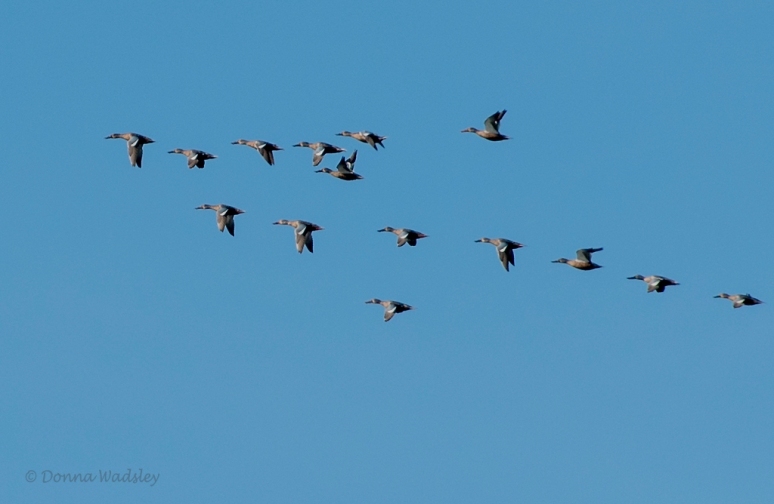
Blue-winged Teal (my 7th added “lifer”)

Common Gallinule

Common Gallinules

Common Gallinules
Common Gallinule (shot through bus window and my 8th “lifer”)
It was noted there was a family of two parents and four juveniles.
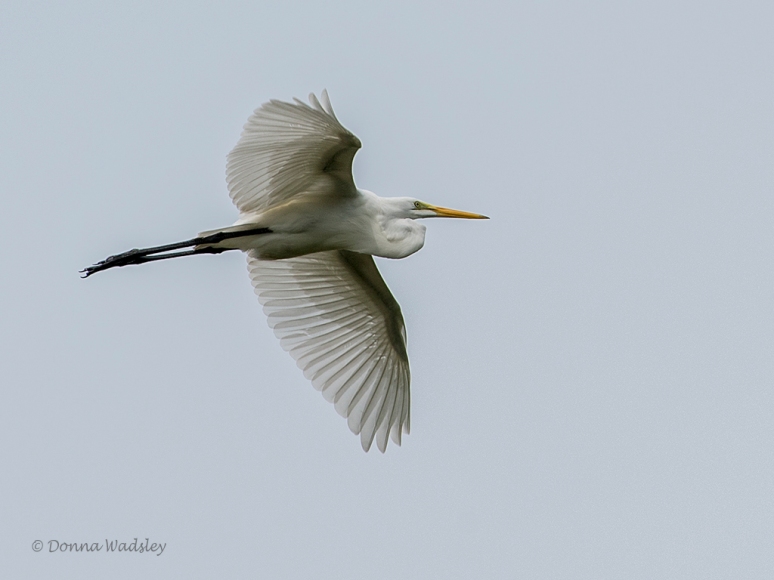
Great Egret
Our Eastern Willets that breed along the Atlantic Coast have already left for migration to Central and South America. The Western Willet migrates from the mid-West not only to the Pacific Coast but many migrate here to our Atlantic Coast. Our sighting of Western Willets was identified and confirmed for Poplar Island.

Western Willet

Western Willet
Western Willets (my 9th added “lifer”)

Little Blue Heron

Little Blue Heron

Little Blue Heron

Little Blue Heron
Little Blue Herons
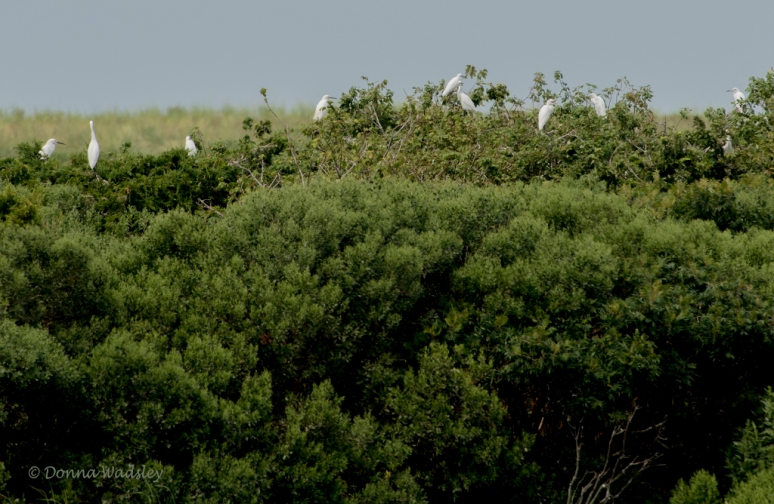
Little Blue Heron Rookery

Lesser Yellowlegs

Lesser Yellowlegs

Lesser Yellowlegs
Lesser Yellowlegs (my 10th added “lifer”)
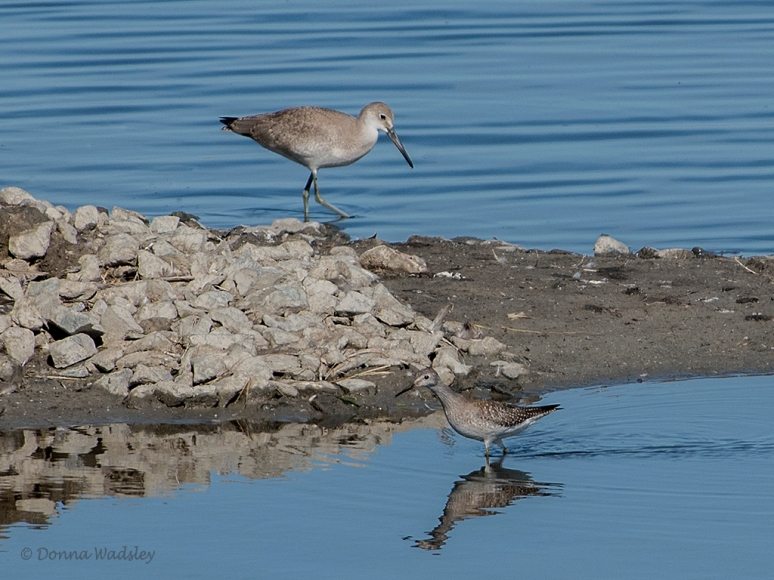
Western Willet (background) and Lesser Yellowlegs
Poplar Island birding tour dates are announced the beginning of the year via email and made available first come first serve. Check out their website to obtain more information on those and other group tours and how to get signed up for next year. The tours are FREE and fill up fast! If you miss out, asked to be added to the wait list.
http://www.poplarislandrestoration.com/
I think we can agree, Poplar Island’s restoration project’s success to date is pretty awesome. It is estimated that in the mid-Chesapeake Bay region, over 10,500 acres of wildlife’s unique habitat have been lost due to erosive forces in the last 150 years.
Great news – This year federal and state officials commenced design and engineering work to begin another dredging material restoration project in 2022 for two more islands just south of Poplar Island in Dorchester County, starting with James Island restoring back to 2,072 acres, and Barren Island back to 72 acres.
The birds are loving and will continue to love their restored Chesapeake Bay island paradises!
Previous post –> Poplar Island’s Restoration Project “For The Birds” – Part I
Series: Take A Moment and Enjoy A Sunset
If you didn’t get to experience a beautiful sunset this evening, I am happy to share with you mine. It was one to be watched and admired as the clouds burst in color, reflecting gorgeously on our creek below.
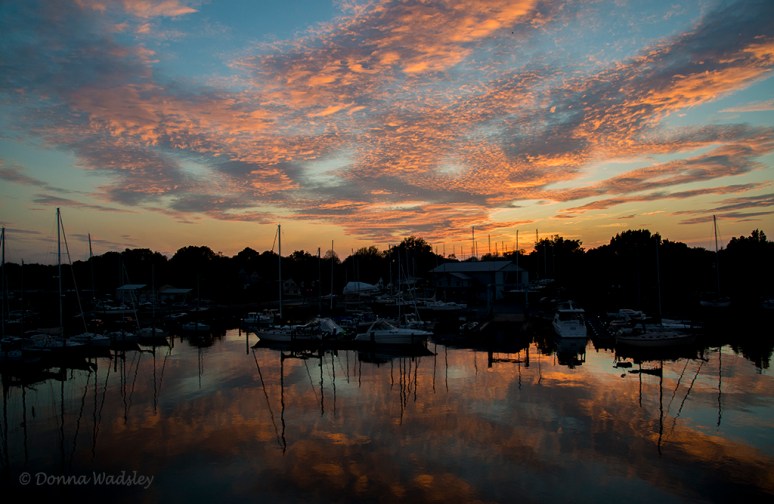
Sunset over Cambridge Creek – 10/2/19
“Don’t forget, beautiful sunsets need cloudy skies.”
– Paulo Coelho
Poplar Island’s Restoration Project “For The Birds” – Part I
Located two-thirds up the Chesapeake Bay in Talbot County, Maryland, is Poplar Island, an environmental island restoration project in the making, literally for the birds.
Wait-listed since early this year, I was fortunate to be called last minute with an opening for an August 5th and then again September 20th birding tour on Poplar Island. I said yes both times without hesitation!

The Terrapin arriving to pick us up at Tilghman Island, Maryland.

The arrival/departure dock on Poplar Island. The bus is our birding chariot!

Displayed on Poplar Island on arrival

A bus stop for some birding.

Another birding stop.

Birders ‘at work’

Another birding stop.
First a brief history of Poplar Island…..
In 1637, Poplar Island was the site of an Indian massacre.
During the War of 1812, it was a base camp for the invading British fleet.
In 1847, Poplar Island had boasted more than 1,100 acres.
In the early 1900s, the island supported a thriving community of about 100 residents, several farms, a school, a church, a post office, and a sawmill.
By the 1920s, Poplar Island’s landmass had fallen victim to extensive erosion, destroying the community’s life and forcing residents to leave the island.
In the 1930’s, after Poplar Island had separated into three islands, it created Jefferson Island on which a private hunting retreat was built, bringing vacationers that included Presidents FDRoosevelt and Truman and other prominent politicians. The retreat burned down in 1946.
By the 1990s, all that remained of the original island were about four acres of small clusters of islets, rising just above the surface of the water. Poplar Island’s disappearance was imminent.
With the ban on dredged-material dumping in the Atlantic Ocean and after subsequent extensive studies, a Chesapeake Bay Ecosystem Management Agreement was signed in 1994, committing to use clean dredged material from Baltimore’s shipping channels to restore Poplar Island back to its approximate 1847 footprint of 1,140 acres.
This would create a year-round Chesapeake Bay paradise for the birds as well as an important stop-over for the Atlantic Flyway.
Shortly after the first dredged material was placed in Spring 2001 on Poplar Island, egrets, terns, herons, eagles, terrapins, and other wildlife began immediately using the beginnings of the newly restored island home.

Poplar Island “under construction”

Poplar Island “under construction”

Poplar Island “under construction”

Poplar Island “under construction”

Poplar Island “under construction”

Poplar Island “under construction”

Poplar Island “under construction”

Poplar Island “under construction”
Poplar Island “Under Construction” (some photos from my visits, others taken from our boat this summer)
In 2007, Congress authorized an expansion of 575 acres, to a new total of 1,715 acres of remote island habitat that would now consist of 776 acres of tidal wetlands (including low marsh & high marsh habitat, bird nesting islands, and open water ponds) as well as an upland portion of 829 acres.


Drone Imagery of Poplar Island Poplar Island “habitat cells” being created
(photos courtesy of U.S. Army Corps of Engineers)

Poplar Island – July 2019

Poplar Island – July 2019
Poplar Island – July 2019
(photos courtesy Moffatt & Nichols, project engineering firm)

Latest construction imagery of proposed new habitat
(photo courtesy http://www.poplarislandrestoration.com)
The Army Corps of Engineers says with the proper funding, the project at Poplar Island will be completed in 2044.
It is estimated the final project will contain about 68 million cubic yards of clean dredged material.
That’s equivalent to filling over 14 Mercedes-Benz Superdomes with material.
As of 2019, construction of almost 300 acres of wetland habitat has been completed, providing a home to a wide variety of birds and other wildlife. Many other acres are ongoing and thriving.


Scenes from my two visits to Poplar Island
Poplar Island wildlife highlights to date:
19 species of amphibians, including a thriving Diamondback Terrapin population with as many as 1,600 terrapins hatched onsite in a single year.

Diamondback Terrapin – two weeks old
In 1996, there were 10 documented bird species.
In 2012, there were over 170 documented bird species.
This year to date there are now 246 documented bird species.
Since 2005, recycled Christmas trees are delivered each year during February/March to provide additional valuable habitat, especially for the island’s targeted American Black Duck.
In 2018, 307 Common Tern and 330 Least Tern pairs were counted. A total of 607 tern chicks were banded.
This year there were 34 nesting species such as Osprey, American Oystercatcher, Glossy Ibis, Snowy Egret, Least Tern, Common Tern.
This year there were 20 Osprey nests, yielding 54 chicks.
Last winter’s bird census reported over 15,000 birds in one day.

Shorebirds in flight

Shorebirds in flight

Shorebirds in flight

Shorebirds in flight
Milkweed species were planted to assist the Monarch butterfly’s fall migration flyway path. In 2016, the island became registered as a Monarch Waystation. In 2018, the island became registered with the Monarch Watch tagging program, and captured/tagged 408 Monarchs on site. They are in the process now of tagging this year’s migrants.

Milkweed seedpods

Monarch Butterfly

Monarch Butterfly

Milkweed seedpods

Monarch Butterfly
Don’t you just love this restoration project? It is a successful win/win for the State of Maryland and the birds and other wildlife of the Chesapeake Bay and Atlantic Flyway!
If you’d like to read into this restoration project more extensively, the link is www.poplarislandrestoration.com.
And now on with some of the birds. Between the two visits, I photographed 10 new ‘lifers’. I actually saw several other new birds but missed capturing them with an identifiable photo, so no count for me. And that’s okay, they’ll be out there for me for a future day. 🙂
With these next bird photos, I’ll include five of my new ‘lifers’ and save the other five ‘lifers’ for a Part 2 post along with the rest of the birds.
As my beginning photos showed, we were escorted in a white air-conditioned bus and taken to different “habitat cells” that appeared to be “bird active” in the previous days by workers and researchers. As we bumped along our “sediment” road, at times someone would holler “stop”; and we’d halt to view and photograph birds through the windows. So you’ll notice some of my photos have a hazy/foggy/glare look, being shot through the bus window.

Juvenile Bald Eagle with a meal

Birders are walking about, the Eagle takes flight.

The Eagle flew over the road and down the otherside of the embankment.
Juvenile Bald Eagle with a meal

In the bus, we came upon the juvenile Eagle again.

When our bus stopped, the Eagle took flight again.

I imagine the Eagle had a few choice words for us!
Bus comes up on same juvenile Eagle (shot through bus window)

Osprey with a fish that has a ‘look of surprise’

Adult Osprey

Two Juvenile Osprey

Osprey diving for a fish (top of photo)

Three Osprey having a day at the beach

Osprey enroute with a meal

Osprey enroute with a meal
Osprey

Bank Swallow (new lifer!)

Bank Swallow nests
Bank Swallow (shot through bus window and new lifer #1)

Seaside Sparrow (new lifer!)

Seaside Sparrow
Seaside Sparrow (new lifer #2)

Pair Short-billed Dowitchers (new lifer!)

Pair Short-billed Dowitchers

Pair Short-billed Dowitchers

Pair Short-billed Dowitchers
Short-billed Dowitchers (shot through bus window and new lifer #3)

Turkey Vulture (shot through bus window)

American Avocets

American Avocet

Flock of American Avocets
American Avocets

Black-necked Stilt (new lifer!)

Black-necked Stilt

Black-necked Stilt
Black-necked Stilts (new lifer #4)

Semipalmated Sandpiper

Semipalmated Sandpiper

Semipalmated Sandpiper

Semipalmated Sandpiper

Semipalmated Sandpiper
Semipalmated Sandpipers (new lifer #5)
Whew! Thank you for hanging in there with this long post! I hope you enjoyed reading about this outstanding, ongoing environmental restoration project of Poplar Island.
Stay tuned in couple days for Part 2 with my other five “lifers” and some other birds captured.
Blackwater NWR – Wildlife & Habitat Scenes
My last two posts featured a close-up fly-by of a Bald Eagle and a Merlin launching into an attack, both taken last week at Blackwater NWR in Cambridge, Maryland.
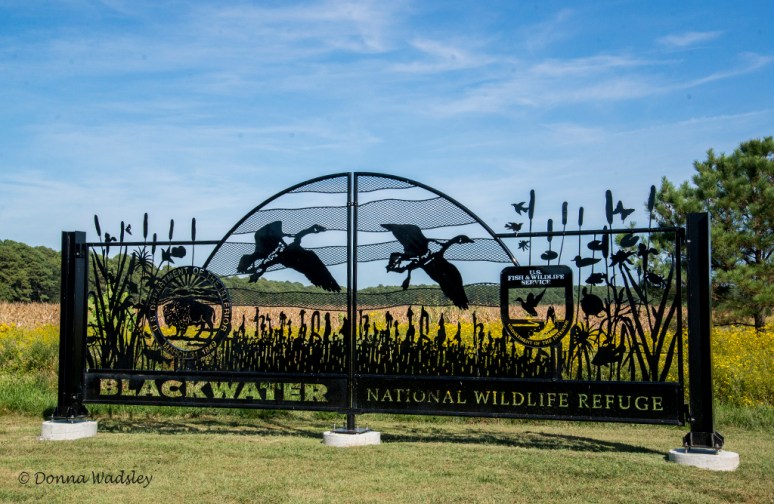
Here’s more from that day’s afternoon visit.
Birds up close…..

“Great Blue Heron Flight”

Bald Eagles “The Chase”

Bald Eagle “I Saw You Long Before You Saw Me”

Great Blue Heron “Did You Say Something?”

“Bald Eagle Flight”

Great Egret “Yoga”
Butterflies…..

Viceroys

Viceroys and Common Buckeye

Monarch

American Painted Lady

Cloudless Sulphur
Other critters…..

Eastern Painted Turtles

Rabbit

Delmarva Fox Squirrel
Birds in habitat…..

Great Blue Heron

Yellowlegs

Osprey

Great Egret

Great Blue Heron

Great Egret

Double-crested Cormorants, few gulls

Great Egret
And some of the gorgeous scenery that Blackwater National Wildlife Refuge has to offer.

Three Bald Eagles in one of the center trees.

Killdeer territory

Falls colors beginning to bloom

Great Egret and Eagle

Reflections

The famous Eagle webcam is in this forest of trees.

Portion of the Blackwater River

Portion of the Blackwater River
I just shared with you some of why this refuge is one of my favorite places to be with nature.
😊
South Carolina Wildlife Calendar
While vacationing at Garden City, South Carolina, I had come across the South Carolina Wildlife/Hampton Wildlife Fund Photo Contest, hosted by the SC DNR.
I entered a few photos I had taken, one being the following for their “Recreation” category.

“Surf Fishing at Garden City”
So I didn’t win any awards, and that was okay. The winning captures were stunning and I could see quite difficult to beat. 🙂
A month ago, I received a large envelope from SC DNR that included their 2019-2020 Wildlife calendar just released. Awesome cover shot!
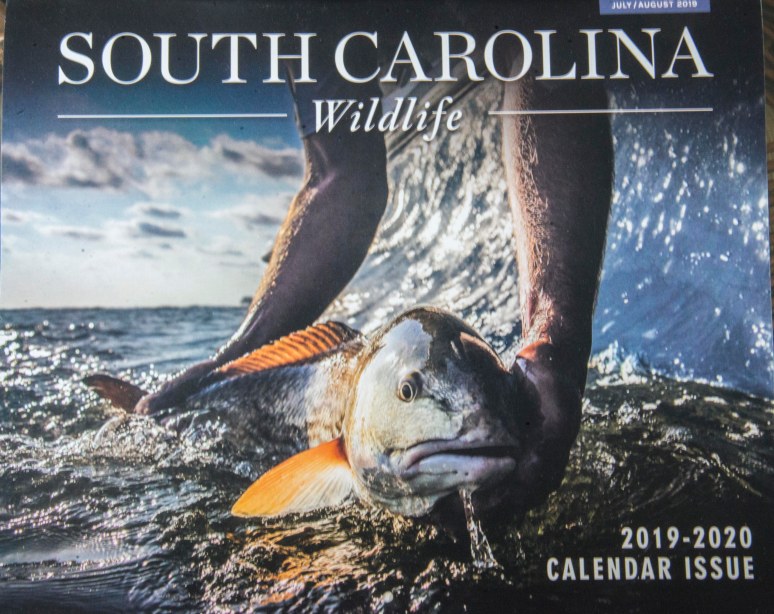
No letter or anything else, just the calendar. Hmmmm….
I reviewed the calendar, and oohed and aahed again at the winning photos.
As I reached the inside back cover of the calendar, I instantly saw my photo. 😲 Yes, the one of the fisherman above.

South Carolina DNR Wildlife Calendar back inside cover – my photo and credit!
I still made the calendar! WOW! How cool is that!!
There was a photo contest rule, “a photo entry may still be selected to appear in the annual South Carolina Wildlife July-August calendar issue or other editions. Photographers will receive a copy of the issue if their photo has been selected.”
And that, my friends, is my five minutes of fame! 😊
Merlin – Launching An Attack
Small yet fierce, the Merlin is a fast and powerful falcon. I luckily sighted one perched on a single tree snag surrounded by marsh along the wildlife drive at Blackwater NWR a few days ago.
He turned his gaze towards my direction.

Finding me in my car boring, the Merlin redirected his focus back to the marsh…..

Merlin back on watch
and then immediately shot off the perch for a dive attack.

Merlin launching for an attack
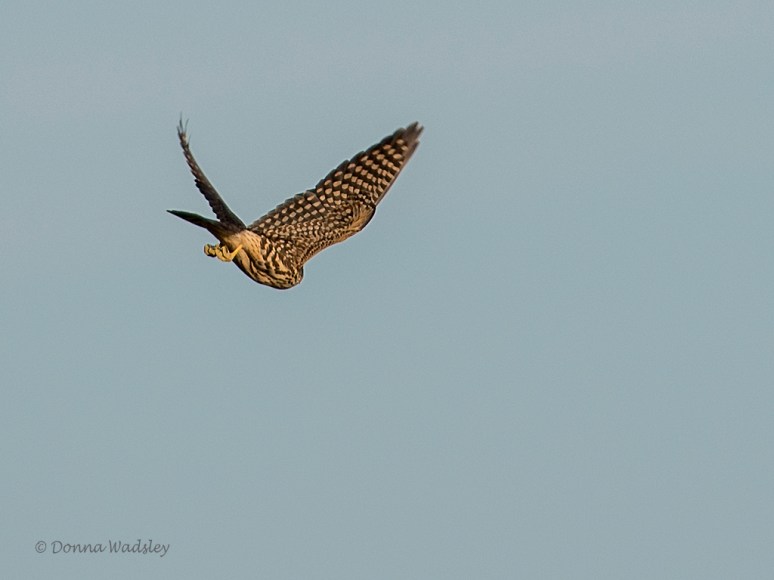
Merlin diving fast towards the marsh
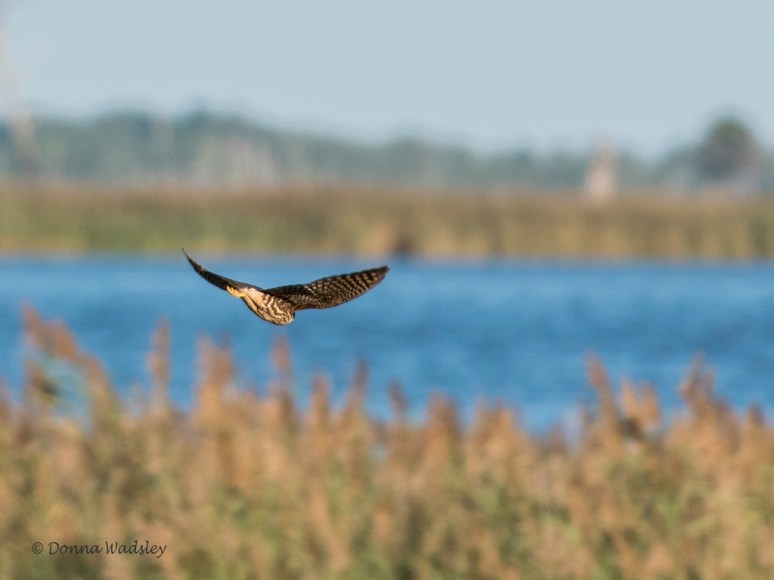
Merlin diving into the marsh
I waited to see if it reappeared with a catch, but to no avail.
I thought that might be best for me anyways and drove away to look for my next photo opportunity that was hopefully waiting up ahead. 🙂